


Blog
H type chicken cage system comparison reveals investment differences with advanced automation reaching 90% labor reduction potential.
Deep litter and cage solutions involve construction, equipment, operation, and maintenance cost evaluation.
Commercial poultry equipment planning considers ventilation capacity, feeding accuracy, and farm expansion requirements.
Modern chicken housing projects use galvanized structures with 20–25 years service expectations.
Complete equipment solutions improve production efficiency through integrated feeding, drinking, and manure systems.
Get professional poultry farm construction guidance, equipment selection solutions, and the latest price lists, whatsApp to +8618830120193, +2348111199996, or click to learn more.
Comparing Deep Litter And Cage System Investment
Deep litter system cost and cage system cost are two major considerations for modern poultry farms when planning chicken house construction.
The total investment includes housing structure, chicken equipment, feeding system, drinking system, ventilation equipment, labor requirements, and long-term maintenance expenses.
For commercial poultry production, the cheapest system is not only determined by initial construction cost.
Equipment efficiency, bird performance, cleaning workload, and production stability directly influence the final farming profit.
Professional poultry equipment suppliers provide complete solutions including automatic feeding systems, nipple drinking systems, ventilation fans, manure removal equipment, and environmental control systems to optimize different farming models.
Data is for reference only.Swipe horizontally to view full table.
Initial Construction Cost Analysis
The first investment difference appears during chicken house construction.
Deep litter farms usually require simple floor structures, litter materials, feeders, drinkers, and ventilation systems.
The lower equipment quantity reduces the initial budget for small-scale poultry farms.
However, cage systems require professional steel structures, automatic feeding lines, manure removal systems, and environmental control equipment.
Although the initial cost is higher, the advanced structure creates better space utilization and easier management.
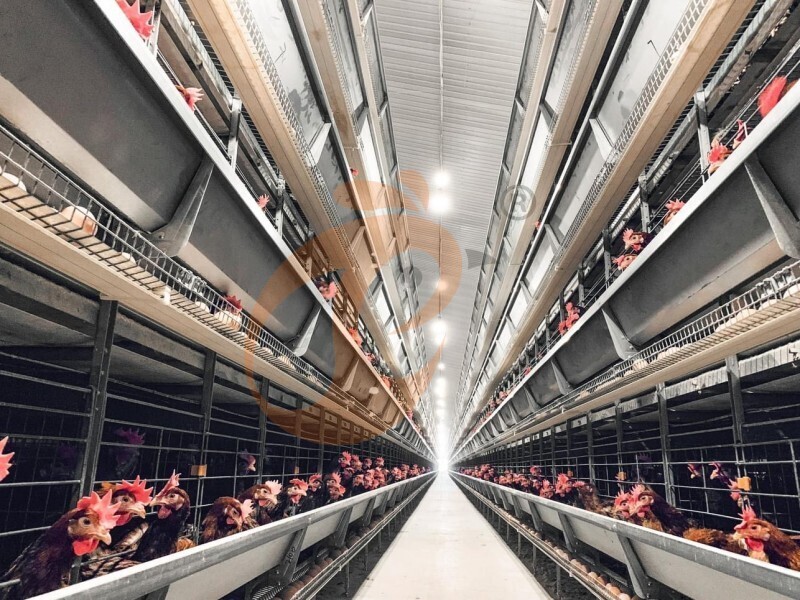
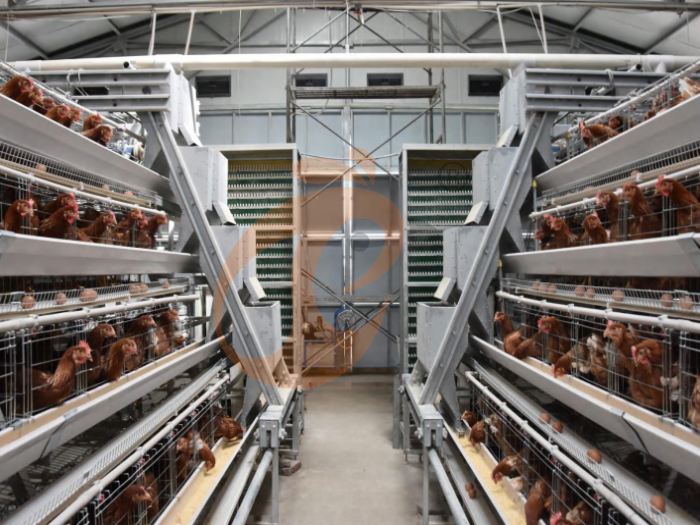
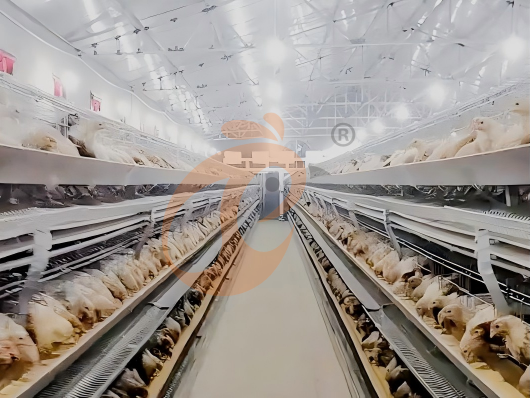
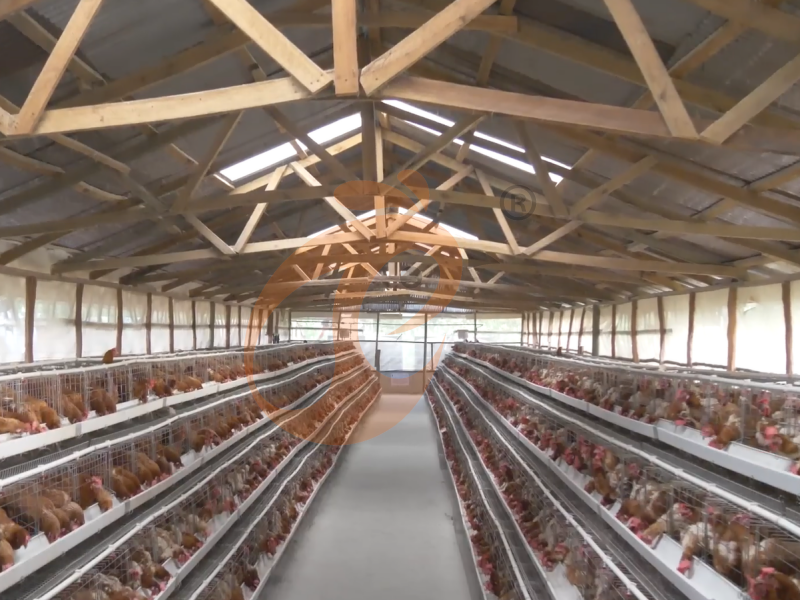
Modern H type chicken cage system solutions are designed for intensive poultry production with multi-tier structures, improving bird capacity per square meter.
Data is for reference only.Swipe horizontally to view full table.
Equipment Configuration Difference And Farm Efficiency
Deep litter production depends heavily on manual operation.
Workers need to manage litter quality, remove wet areas, distribute feed, and maintain ventilation conditions.
Cage systems integrate more poultry equipment to reduce repetitive labor.
Automatic feeding equipment delivers accurate feed quantities, while nipple drinkers provide cleaner water management.
Automatic manure removal equipment helps maintain a cleaner environment and reduces disease risks.
For farms targeting large-scale production, equipment investment becomes a productivity tool rather than only an expense.
Feeding And Drinking System Cost Comparison
Data is for reference only.Swipe horizontally to view full table.
Long-Term Operating Expense Evaluation
Long-term farm profitability depends on operating efficiency.
Deep litter systems save money at the beginning but require continuous spending on litter materials, labor management, and cleaning operations.
Cage systems require higher purchasing costs but reduce daily labor expenses through automation.
A well-designed poultry equipment solution can reduce labor consumption by improving feeding, watering, and manure handling efficiency.
Commercial farms often select automated systems because stable production performance creates better cost control over many production cycles.
Data is for reference only.Swipe horizontally to view full table.
Space Utilization And Bird Capacity Comparison
Farm land cost is an important factor when selecting a production method.
Deep litter systems require more floor area because birds move freely on the ground.
Cage systems maximize vertical space through multi-tier designs.
H type chicken cage system equipment can provide four to sixteen tiers depending on farm requirements.
This structure increases stocking capacity while maintaining organized feeding, drinking, and manure management.
For commercial farms with limited land resources, cage systems usually provide stronger production density advantages.
Data is for reference only.Swipe horizontally to view full table.
Maintenance Cost And Equipment Lifespan
Equipment durability affects the total ownership cost of poultry farms.
Deep litter farms have fewer machines, reducing repair requirements.
However, frequent litter replacement and manual cleaning increase hidden operating costs.
Cage systems require maintenance of feeding motors, conveyors, drinking pipelines, and electrical components.
High-quality galvanized poultry equipment provides corrosion resistance and long service life.
Proper maintenance allows cage structures to operate efficiently for many years.
Data is for reference only.Swipe horizontally to view full table.
Production Performance And Economic Return
Cost comparison should include production results rather than only purchase price.
Deep litter systems provide a natural environment but may experience higher feed waste and management variation.
Cage systems improve feed conversion efficiency through controlled feeding conditions.
Automatic feeding equipment, climate control systems, and ventilation fans help maintain stable temperature, airflow, and production performance.
For commercial egg and broiler farms, better production consistency often offsets the higher initial equipment investment.
Data is for reference only.Swipe horizontally to view full table.
Suitable Farm Selection Guide
Different farm sizes require different investment strategies.
Small family farms may prefer deep litter systems because of lower startup costs and simpler operation.
Large commercial farms usually select cage systems because automation creates better production capacity.
A complete poultry house solution can combine cages, feeding systems, ventilation equipment, and environmental control technology to match specific production goals.
The correct choice depends on land availability, labor cost, production targets, and future expansion plans.
Complete Equipment Investment Structure
Data is for reference only.Swipe horizontally to view full table.
Which System Provides Better Cost Advantage?
Data is for reference only.Swipe horizontally to view full table.
Conclusion: Choosing The Right Poultry Equipment Solution
Deep litter system cost is lower at the beginning, making it suitable for farms with limited budgets and smaller production targets.
Cage system investment requires more capital but provides stronger automation, higher space efficiency, and better long-term operating control.
For professional poultry production, equipment selection should focus on total production cost instead of only initial purchasing price.
Complete chicken house equipment solutions including H type chicken cage system, automatic feeders, nipple drinkers, ventilation systems, and manure removal equipment help farms achieve stable production and efficient management.
A suitable system design creates better balance between investment, operation cost, and future development.
Frequently Asked Questions
Q1: What factors determine deep litter system cost and cage system cost?
A1: Initial construction, equipment quantity, labor demand, and maintenance requirements determine total investment differences.
Commercial cage projects usually require higher upfront budgets but reduce operating expenses through automation.
Q2: Which poultry system saves more money for large farms?
A2: Cage systems generally provide stronger economic advantages for large farms because automatic equipment reduces labor and improves production control.
A complete system can manage thousands of birds with fewer operators.
Q3: Can deep litter farms upgrade to automated equipment later?
A3: Yes.
Deep litter farms can add automatic feeders, ventilation systems, and environmental controls gradually according to production expansion needs.
Taiyu (HK) Group - One Of China Biggest H Type Chicken Cage System Manufacturer
H type chicken cage system provides galvanized structures, automated operation, and commercial poultry production compatibility.
Global factory direct supply delivers complete poultry equipment projects with professional engineering support.
Turn-key engineering services integrate design, manufacturing, installation, and technical commissioning worldwide.
Advanced poultry equipment solutions support layer farms, broiler farms, and intensive farming projects.
International project experience ensures reliable equipment configuration and stable farm operation performance.
Contact Us To Received Your Customized Poultry Farm Plan
Headquarters And Branchs

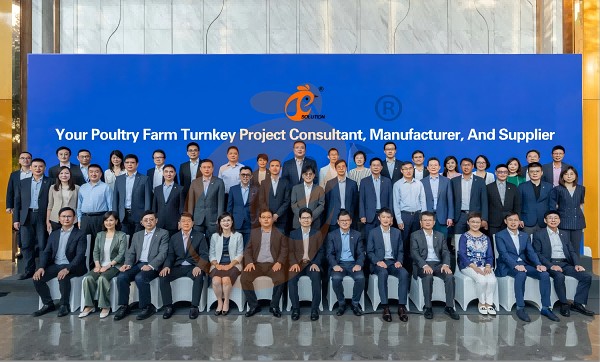
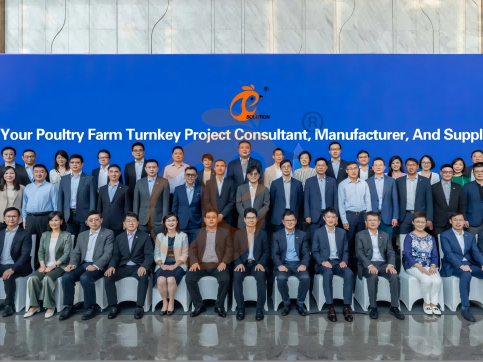
Hong Kong Headquarter Management Team
Hong Kong Headquarter Taiyu Industrial Group CO., LTD
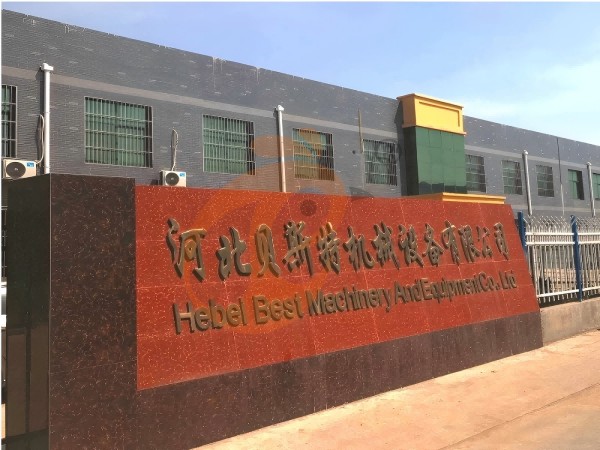
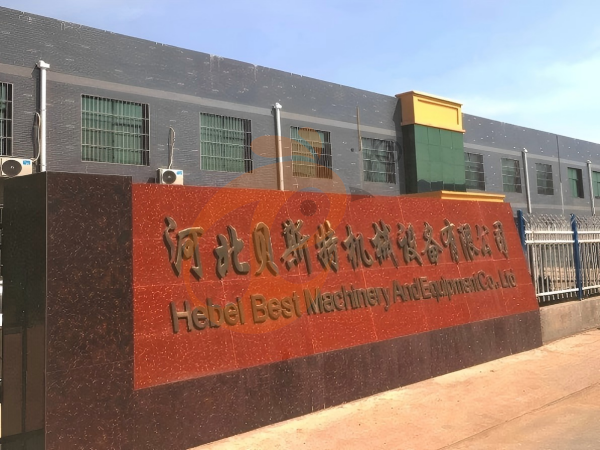
China Hebei Best Machinery And Equipment CO., LTD
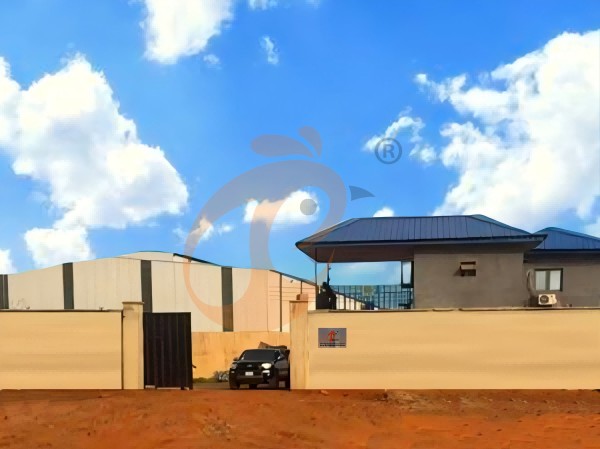
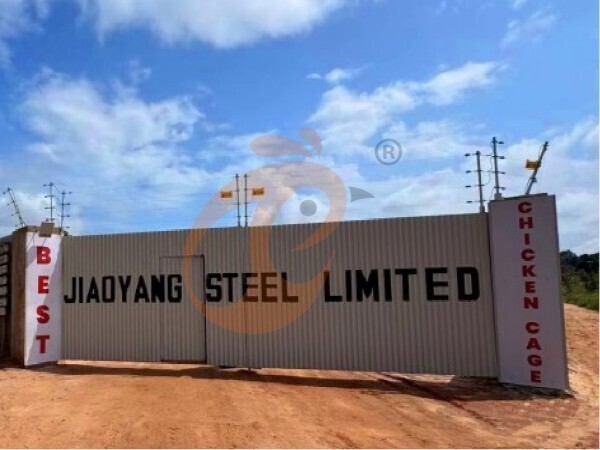
Nigeria Vanke Machinery And Equipment CO., LTD
Tanzania Best Machinery And Equipment CO., LTD
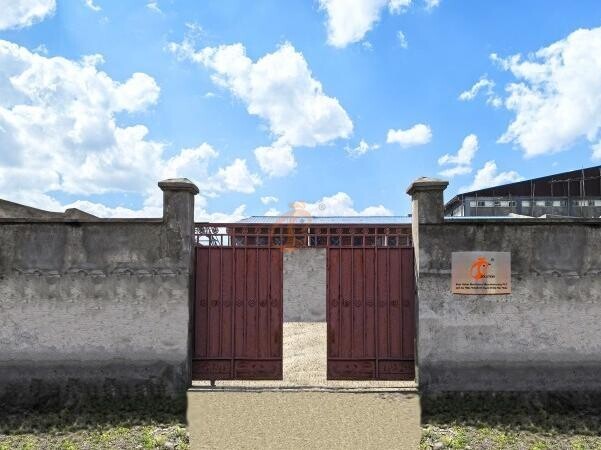
Ethiopia Best Hebei Machinery Manufacturing PLC
Reception /24 WhatsApp NO. : +8618830120193
FAQ
What Are The Growth Performance Benefits In Deep Litter Poultry System?
Feed conversion ratio improves to 1.55–1.78 due to thermal comfort and reduced stress.
Market uniformity rate exceeds 85%–92% within target slaughter weight range.
What Are The Litter Turning And Management Frequency Standards In Deep Litter Poultry System?
Surface leveling is maintained every 3–5 days to prevent compaction zones.
Full litter replacement cycle occurs every 2–3 production batches depending on load intensity.
What Are The Energy Efficiency And Cost Advantages In Deep Litter Poultry System?
Construction cost savings reach 25%–40% compared with fully caged housing systems.
Operational labor demand decreases by 30%–50% through simplified floor-based management.
- poultry equipment
- chicken cage
- poultry farm
- feeding equipment
- poultry farm
- poultry farm construction
- poultry equipment supplier
- automatic feeding system
- deep litter system
- layer farm
- broiler farm
- chicken house
- poultry house
- chicken cage system
- chicken house construction
- chicken house equipment
- chicken cage system manufacturer
- automatic feeding equipment
- poultry equipment suppliers
- Ethiopia
- Nigeria
Message
Products recommended
 HK Headquarter Offers EU-standard Poultry Farm Solutions, Manufacture Poultry Farm Equipment1. Continuous communication with the EU and the US
2. China, Nigeria, Ethiopia, Tanzania branch companies and factories
3. The products’ quality is customized for local poultry farms
4. Poultry cage and poultry farm equipment stock for sale
5. 24 online reception Whatsapp NO. : +8618830120193,contact us to get full informationRead More China Branch Offer Poultry Farm Business Plan, Manufacture Poultry Farm Equipment1. Address: Flat/RM 2416, 24/F, Runxing Building, Youyi Nan Street, Shijiazhuang City, Hebei Province, China
2. Poultry cage and poultry farm equipment factory and stock for sale
3. Customized for local poultry farms
4. Quality and design are based on Euro
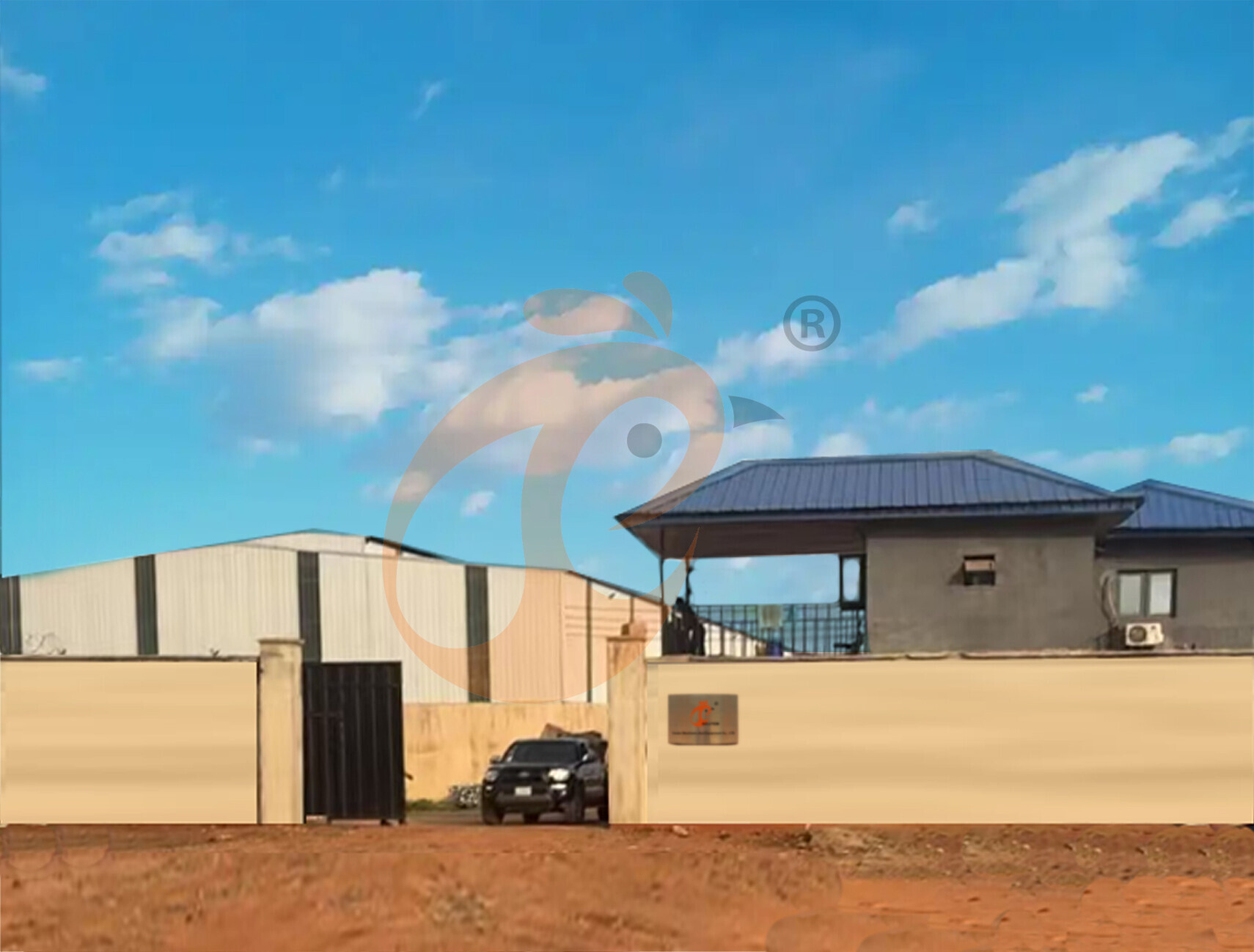
5. 24 online reception Whatsapp NO. : +8618830120193Read More Nigeria Branch Offer Poultry Farm Business Plan, Manufacture Poultry Farm Equipment1. Address: After Sinoma Office, 200 Meters Near Danco Filling Station, Lagos/Ibadan Expressway, Lagos State, Nigeria
2. Poultry cage and poultry farm equipment factory and stock for sale
3. Customized for Nigerian poultry farms
4. Quality and design are based on Euro
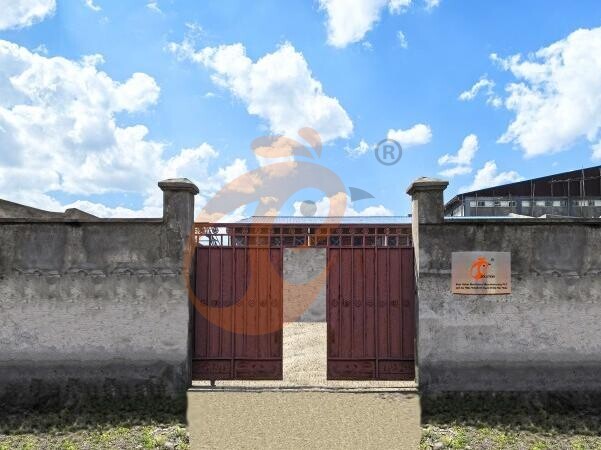
5. 24 online reception Whatsapp NO. : +8618830120193Read More Ethiopia Branch Offer Poultry Farm Business Plan, Manufacture Poultry Farm Equipment1. Address: Gelan Gura, Akaki-kaliti Sub City, Addis Ababa, Ethiopia
2. Poultry cage and poultry farm equipment stock for sale
3. Customized for Ethiopian poultry farms
4. Quality and design are based on Euro
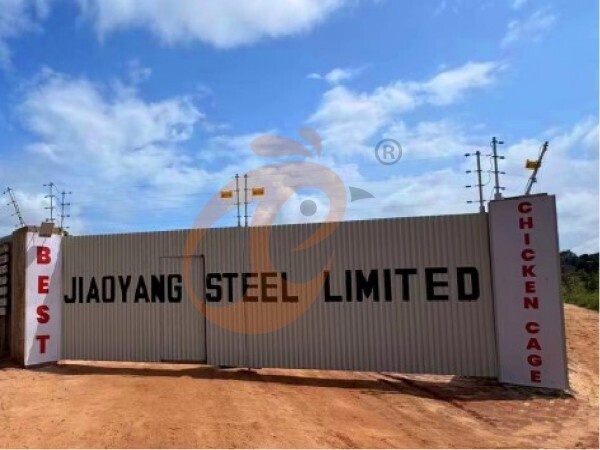
5. 24 online reception Whatsapp NO. : +8618830120193, contact us to get price listRead More Tanzania Branch Offer Poultry Farm Business Plan, Manufacture Poultry Farm Equipment1. Address: No.8, Sova Road, Msufini, Mlandizi, Kibaha, Pwani, Tanzania
2. Poultry cage and poultry farm equipment factory and stock for sale
3. Customized for Tanzanian poultry farms
4. Quality and design are based on Euro
5. 24 online reception Whatsapp NO. : +8618830120193Read More Fully Automatic H Type Layer Chicken Cage1. 30,000-100,000+ layers/house chooses it, Poultry farmers can achieve an egg production rate of 96-98%
2. A significant improvement over the 85-90% typically seen in manual systems
3. A typical poultry farm can expect a 30-40% reduction in labor costs due to the automation
4. Each feeding line efficiently supplies feed to around 100,000 hens per 30 mins
5. Reception /WhatsApp NO. : +8618830120193Read More Fully Automatic A Type Layer Chicken Cage1. 10,000-50,000 layers/house chooses it
2. Cleaner egg collection reduces breakage by 0.5%
3. Improved hygiene helps reduce mortality rate to <3%
4. 1–2 technicians can handle 15,000–30,000 birds
5. Reception /WhatsApp NO. : +8618830120193Read More Semi Automatic H Type Layer Chicken Cage1. 1,00-20,000 layers/house chooses it
2. Nipple drinkers flow 30–60 ML / min
3. Hot-dip galvanized (typical coating ≥ 275 g/m²)
4. Reduce ammonia by ~ 35–40%
5. Reception /WhatsApp NO. : +8618830120193Read More Semi Automatic A Type Layer Chicken Cage1. 1,00-20,000 layers/house chooses it, no rust for 10 years, no deformation for 15 years
2. Chickens live comfortably, you can raise them with peace of mind
3. Save water, save money—efficiency you can measure
4. Improve environment quality, and increase egg production rate
5. Reception /WhatsApp NO. : +8618830120193Read More
By clicking 'Allow All', you agree to the storage of cookies on your device to enhance site navigation, analyze site usage and assist with our marketing efforts.