






Blog
Automatic poultry feeding systems distribute feed across commercial layer houses with 5,000 to 40,000 hens.
Nipple drinking systems help maintain consistent water delivery while reducing leakage and litter moisture.
Poultry ventilation fans support airflow management and temperature control under changing environmental conditions.
Layer poultry equipment planning connects production performance, investment budgets, and operating costs.
Integrated equipment packages support scalable installation, maintenance planning, and long-term farm management.
Get professional poultry farm construction guidance, equipment selection solutions, and the latest price lists, whatsApp to +8618830120193, +2348111199996, or click to learn more.
Deep Litter System Benefits
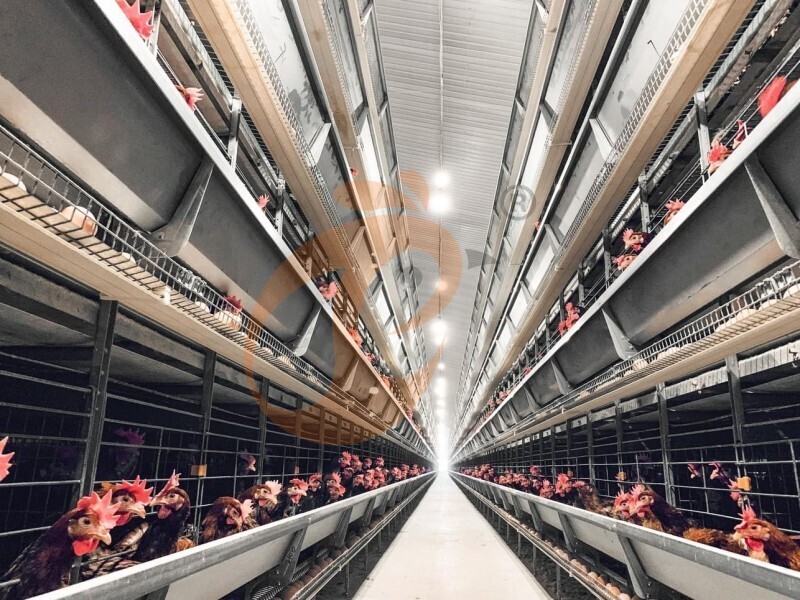
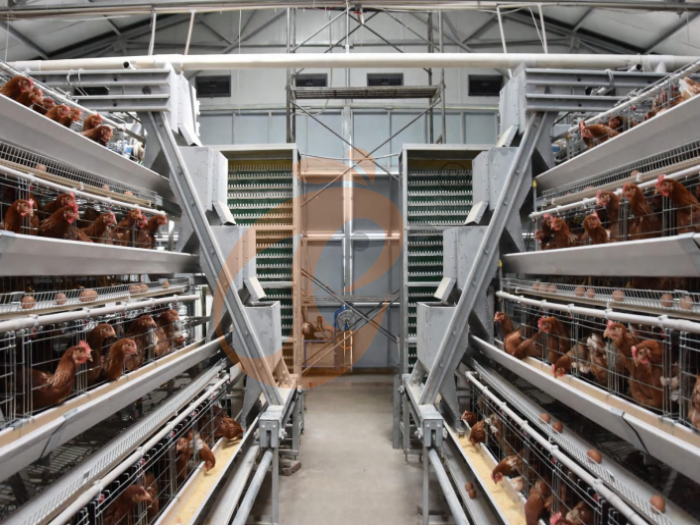
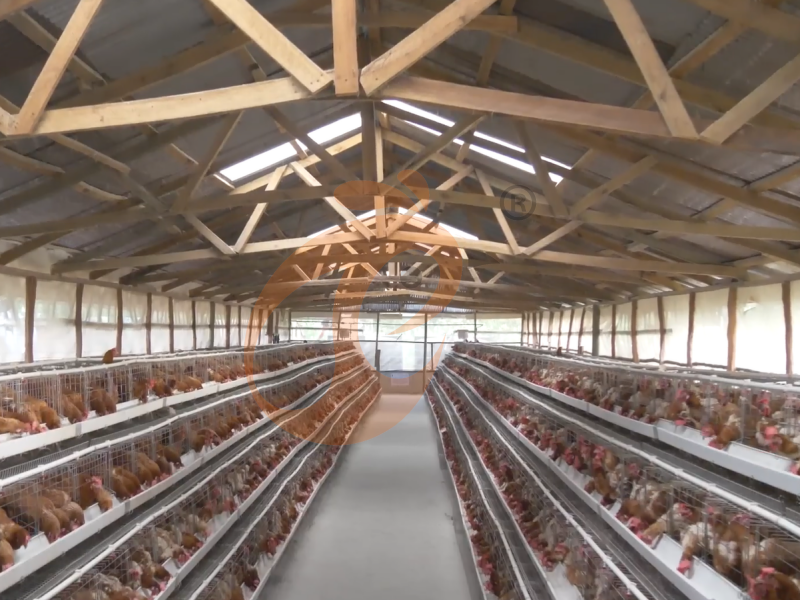
A deep litter system for layers combines floor-based housing with mechanical feeding, drinking, ventilation, and egg collection equipment.
Our poultry equipment solutions help commercial farms coordinate these systems, simplify daily management, and plan operating expenditure using flock models ranging from 5,000 to 40,000 hens.
Data is for reference only. Swipe horizontally to view full table.
Final specifications must be calculated from building dimensions, flock requirements, climate, and applicable animal-welfare regulations.
Engineering Essentials: Layer House Design
Engineering Focus
A productive deep litter system for layers requires coordinated structural design, poultry house ventilation equipment, and suitable service access.
Our engineering team can configure feeders, drinkers, exhaust fans, air inlets, and control panels into a unified installation plan for houses operating across multiple production cycles.
Floor preparation provide a durable, washable surface with effective moisture protection and suitable drainage.
Air distribution position inlets to distribute fresh air throughout the occupied area and avoid stagnant zones.
Equipment access reserve service routes for inspection, cleaning, feed delivery, and repairs.
Electrical design match motor ratings, voltage, cable sizing, and protection devices to the site supply.
Structural planning verify equipment suspension points, silo foundations, and maintenance clearances before installation.
Equipment selection should be finalized before construction is completed to avoid costly layout changes.
Egg Production: Commercial Performance Indicators
Egg output from a deep litter system for layers depends on genetics, bird age, nutrition, disease prevention, lighting programs, and housing management.
Automatic poultry feeding systems help operators track resource use and detect deviations across daily, weekly, and monthly production records.
Data is for reference only. Swipe horizontally to view full table.
Automatic feeding and drinking equipment helps operators monitor production changes and resource consumption.
Our integrated poultry equipment packages support consistent management, although equipment alone cannot guarantee a specific laying rate.
Equipment Configuration: Technical Selection Guide
Commercial deep litter systems for layers benefit from matching poultry feeding equipment capacity to the planned flock and building design.
Our company supplies integrated components for new installations and existing poultry house upgrades, including feed delivery, drinking lines, ventilation, and environmental controls.
Data is for reference only. Swipe horizontally to view full table.
Specifications are indicative purchasing references.
Actual quantities, capacities, and materials should be confirmed against project drawings, environmental calculations, and supplier datasheets.
Practical Tip Card: Litter And Equipment Maintenance
Daily Maintenance Checklist
Drinking System Inspection
Check nipple drinkers, filters, and water distribution throughout the deep litter system for layers.
Correct leaks promptly to prevent wet litter and unnecessary water consumption, and compare daily meter readings with flock records.
Feeding System Inspection
Examine augers, drive motors, feed pans, and suspension points for wear or uneven feed delivery.
Record feed use each day and investigate unusual changes before adjusting feeding equipment.
Ventilation Inspection
Remove dust from fan guards, check belt tension where applicable, and verify automatic control responses.
Review fan operation, inlet adjustment, and alarm functions according to the maintenance schedule.
Litter Inspection
Identify damp areas, investigate their source, and replace or condition contaminated material according to farm procedures.
Maintain inspection records to identify recurring moisture problems and improve equipment settings.
A coordinated maintenance plan protects poultry equipment availability and reduces avoidable service interruptions.
Our company can recommend compatible spare parts, drinking accessories, and maintenance components for each supplied deep litter system for layers.
Initial Investment: Equipment Budget Structure
Capital expenditure for a deep litter system for layers varies according to building construction, automation, shipping, installation, and local electrical requirements.
Use the following framework when requesting a project quotation, with all monetary estimates prepared in United States dollars.
Data is for reference only. Swipe horizontally to view full table.
European union standard reference only.
Request itemized pricing from our sales team to compare equipment specifications, installation scope, warranty coverage, shipping arrangements, and delivery terms before purchasing.
Monthly Operating Costs: Farm Expense Analysis
Operating costs for a deep litter system for layers should be calculated from actual consumption records and current local prices rather than general industry averages.
Automatic poultry feeding equipment may reduce manual work and resource losses, but energy consumption, repairs, replacement parts, and preventive maintenance must also be included when evaluating net savings.
Data is for reference only. Swipe horizontally to view full table.
Automatic equipment may reduce manual work and resource losses, but energy consumption, repairs, and replacement parts must also be included when evaluating net savings.
Installation Workflow: From Design To Operation
Project Delivery Sequence
Site Assessment
Collect house drawings, flock targets, climate information, and electrical specifications.
Equipment Calculation
Determine feeding, drinking, ventilation, and control requirements.
Quotation And Manufacturing
Confirm component quantities, technical specifications, and delivery scope.
Installation And Commissioning
Test motors, water pressure, feed delivery, and environmental controls.
Operator Training
Establish cleaning, maintenance, and emergency procedures.
Production Evaluation
Review egg output, resource consumption, and maintenance records.
A documented commissioning process helps verify equipment performance before full production.
Our company can coordinate equipment supply and technical planning around the customer's construction schedule for deep litter systems for layers.
Egg Revenue And Feed Cost: Illustrative Financial Model
A deep litter system for layers requires a financial model that connects flock performance, feed consumption, and market prices.
The following example uses hypothetical figures for 10,000 hens, providing a practical starting point for evaluating commercial poultry equipment investment.
Data is for reference only. Swipe horizontally to view full table.
European union standard reference only.
Revenue remaining after feed expense is $17,400 per month under these assumptions.
This is not net profit because labor, utilities, packaging, veterinary care, mortality, replacement pullets, depreciation, financing, and other costs remain to be deducted.
Equipment Combination Recommendation: Farm-Specific Packages
Our deep litter system for layers can incorporate automatic poultry feeding equipment, nipple drinking lines, and ventilation controls to suit different production targets.
The following preliminary configurations help customers compare equipment requirements before requesting a detailed engineering quotation.
Data is for reference only. Swipe horizontally to view full table.
These are preliminary package categories rather than guaranteed engineering capacities.
Final equipment quantities depend on the number of birds, house geometry, local climate, and the manufacturer's rated output.
Return On Investment: Equipment Evaluation
Evaluate deep litter system equipment investments using documented costs and measured operational changes.
Do not assume that automation will automatically produce a particular percentage of savings.
Data is for reference only. Swipe horizontally to view full table.
European union standard reference only.
If net annual benefit is zero or negative, a simple payback period cannot be calculated as a meaningful positive recovery period.
Use realistic farm data and a complete quotation to assess the project's financial viability.
Build A More Efficient Layer Poultry Farm
A successful deep litter system for layers combines sound house design, reliable poultry feeding equipment, effective ventilation, and consistent egg handling.
Our company provides integrated poultry equipment solutions that help farmers plan installations around flock requirements and operating budgets.
The commercial objective is straightforward: select compatible equipment, control avoidable resource losses, simplify maintenance, and measure production results with reliable records.
Request A Customized Equipment Quotation Today
Share your planned flock size, poultry house dimensions, project location, and preferred automation configuration.
Our team can prepare an equipment list, technical layout, and project quotation tailored to your farm's production objectives.
Frequently Asked Questions
Q1: What equipment is required for a deep litter system for layers?
A1: Essential equipment includes feeders, nipple drinkers, ventilation fans, lighting, and suitable egg collection accessories.
Commercial installations may also require feed silos, conveying systems, and environmental controllers according to the house design.
Q2: How much floor space does a layer house require?
A2: Floor-space requirements depend on bird strain, production management, applicable welfare regulations, and usable floor area.
A 1,200-square-meter building must be evaluated against the intended flock size and equipment layout before capacity is confirmed.
Q3: Can automatic poultry equipment reduce operating costs?
A3: Automatic feeding and drinking systems can reduce manual workload and help control avoidable feed and water losses.
Actual savings depend on equipment investment, maintenance, electricity consumption, labor rates, and measured farm performance.
Taiyu (HK) Group - One Of China Toppest Deep Litter System Manufacturer
Deep litter system for layers integrates automatic feeding, nipple drinking, ventilation, and egg handling equipment, with configurations engineered around 10,000-hen commercial projects.
Global factory-direct supply provides poultry equipment, component specifications, and project-based quotations for international poultry farming customers.
Poultry equipment manufacturing covers feeding machinery, drinking systems, exhaust fans, environmental controls, and compatible installation accessories.
Turn-key engineering services coordinate layout planning, equipment selection, installation guidance, commissioning, and operator training.
Project support includes technical documentation, spare-parts planning, and equipment configuration based on customer requirements and local operating conditions.
Contact Us To Received Your Customized Poultry Farm Plan
Headquarters And Branchs

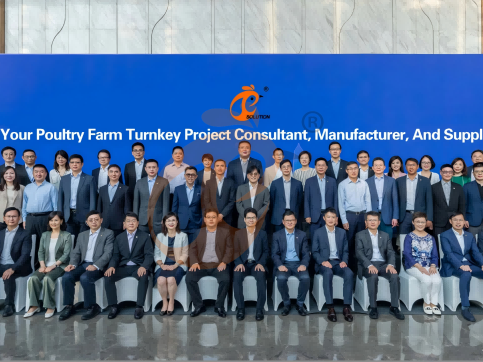
Hong Kong Headquarter Management Team
Hong Kong Headquarter Taiyu Industrial Group CO., LTD
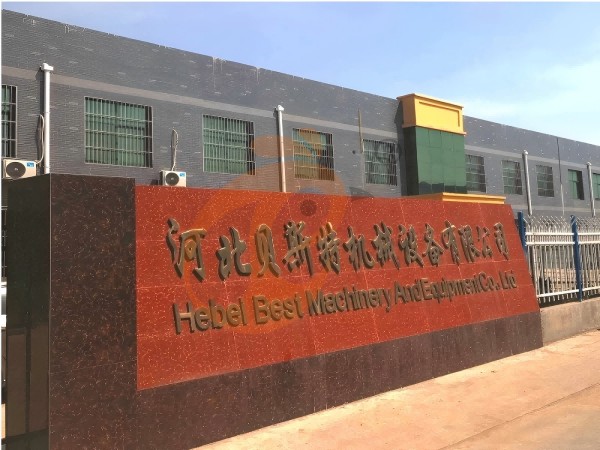
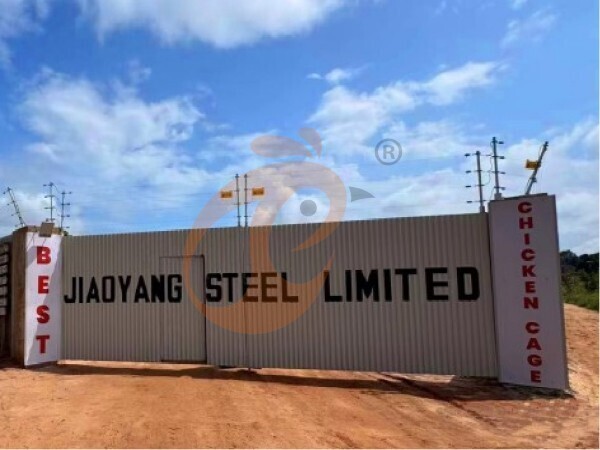
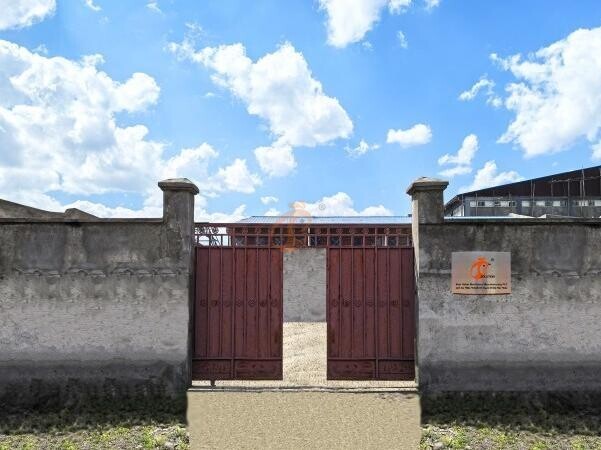
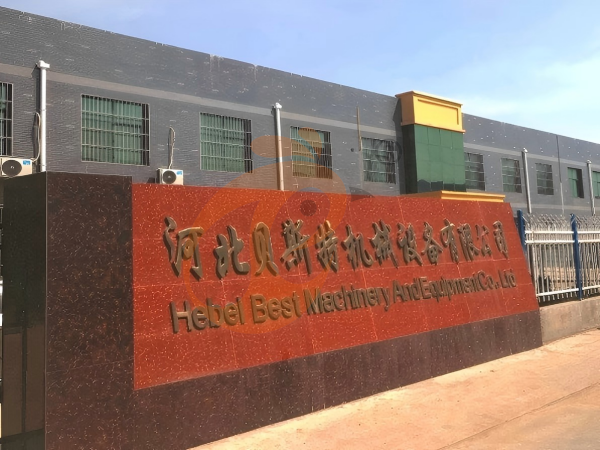
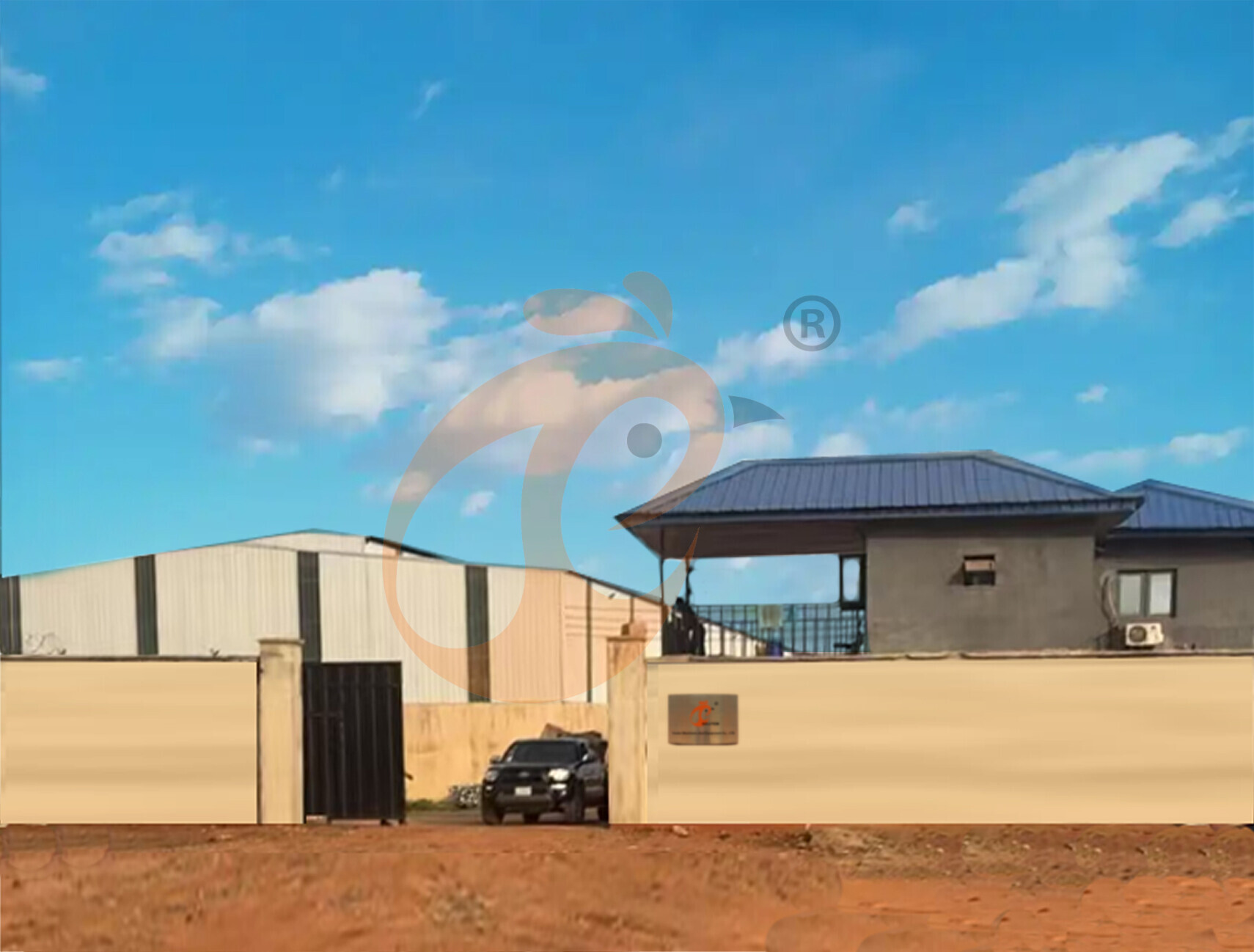
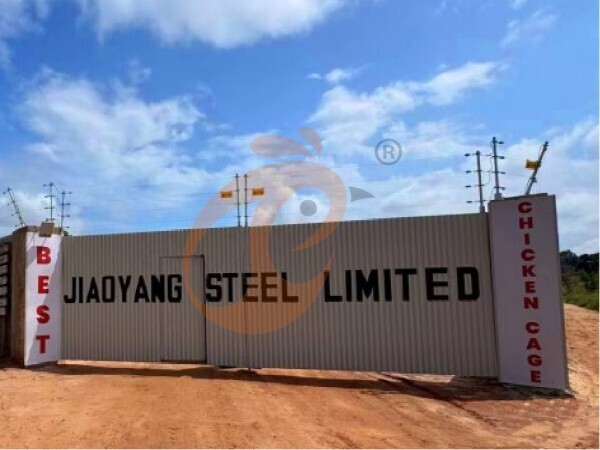
China Hebei Best Machinery And Equipment CO., LTD
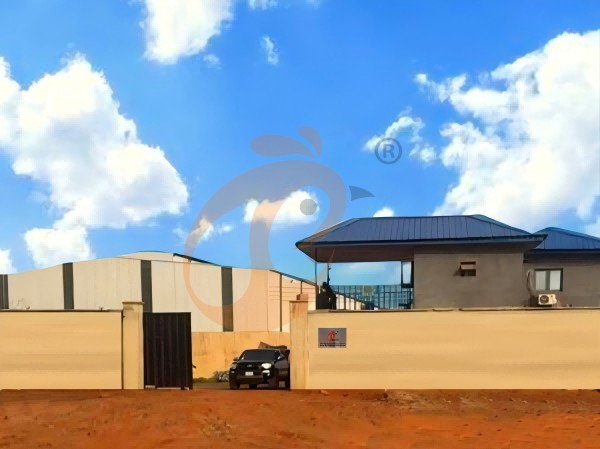
Nigeria Vanke Machinery And Equipment CO., LTD
Tanzania Best Machinery And Equipment CO., LTD
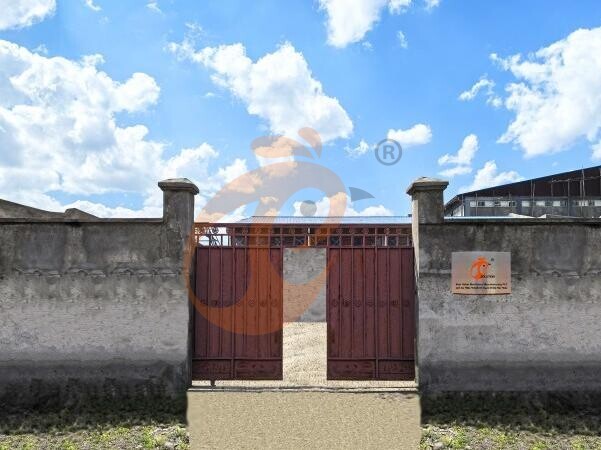
Ethiopia Best Hebei Machinery Manufacturing PLC
Reception /24 WhatsApp NO. : +8618830120193
FAQ
What Are The Growth Performance Benefits In Deep Litter Poultry System?
Feed conversion ratio improves to 1.55–1.78 due to thermal comfort and reduced stress.
Market uniformity rate exceeds 85%–92% within target slaughter weight range.
What Are The Litter Turning And Management Frequency Standards In Deep Litter Poultry System?
Surface leveling is maintained every 3–5 days to prevent compaction zones.
Full litter replacement cycle occurs every 2–3 production batches depending on load intensity.
What Are The Energy Efficiency And Cost Advantages In Deep Litter Poultry System?
Construction cost savings reach 25%–40% compared with fully caged housing systems.
Operational labor demand decreases by 30%–50% through simplified floor-based management.
- poultry equipment
- poultry farm
- feeding equipment
- poultry farm
- poultry farm construction
- automatic poultry equipment
- poultry feeding equipment
- poultry feeding system
- poultry ventilation fan
- poultry house ventilation equipment
- automatic feeding system
- automatic poultry feeding system
- automatic poultry feeding equipment
- deep litter system
- poultry house
- layer poultry equipment
- poultry house construction
- poultry house ventilation
- deep litter system for layers
- deep litter system equipment
- deep litter system manufacturer
- poultry ventilation fans
- poultry house dimensions
- Ethiopia
- Nigeria
Message
Products recommended
 HK Headquarter Offers EU-standard Poultry Farm Solutions, Manufacture Poultry Farm Equipment1. Continuous communication with the EU and the US
2. China, Nigeria, Ethiopia, Tanzania branch companies and factories
3. The products’ quality is customized for local poultry farms
4. Poultry cage and poultry farm equipment stock for sale
5. 24 online reception Whatsapp NO. : +8618830120193,contact us to get full informationRead More China Branch Offer Poultry Farm Business Plan, Manufacture Poultry Farm Equipment1. Address: Flat/RM 2416, 24/F, Runxing Building, Youyi Nan Street, Shijiazhuang City, Hebei Province, China
2. Poultry cage and poultry farm equipment factory and stock for sale
3. Customized for local poultry farms
4. Quality and design are based on Euro
5. 24 online reception Whatsapp NO. : +8618830120193Read More Nigeria Branch Offer Poultry Farm Business Plan, Manufacture Poultry Farm Equipment1. Address: After Sinoma Office, 200 Meters Near Danco Filling Station, Lagos/Ibadan Expressway, Lagos State, Nigeria
2. Poultry cage and poultry farm equipment factory and stock for sale
3. Customized for Nigerian poultry farms
4. Quality and design are based on Euro
5. 24 online reception Whatsapp NO. : +8618830120193Read More Ethiopia Branch Offer Poultry Farm Business Plan, Manufacture Poultry Farm Equipment1. Address: Gelan Gura, Akaki-kaliti Sub City, Addis Ababa, Ethiopia
2. Poultry cage and poultry farm equipment stock for sale
3. Customized for Ethiopian poultry farms
4. Quality and design are based on Euro
5. 24 online reception Whatsapp NO. : +8618830120193, contact us to get price listRead More Tanzania Branch Offer Poultry Farm Business Plan, Manufacture Poultry Farm Equipment1. Address: No.8, Sova Road, Msufini, Mlandizi, Kibaha, Pwani, Tanzania
2. Poultry cage and poultry farm equipment factory and stock for sale
3. Customized for Tanzanian poultry farms
4. Quality and design are based on Euro
5. 24 online reception Whatsapp NO. : +8618830120193Read More Fully Automatic H Type Layer Chicken Cage1. 30,000-100,000+ layers/house chooses it, Poultry farmers can achieve an egg production rate of 96-98%
2. A significant improvement over the 85-90% typically seen in manual systems
3. A typical poultry farm can expect a 30-40% reduction in labor costs due to the automation
4. Each feeding line efficiently supplies feed to around 100,000 hens per 30 mins
5. Reception /WhatsApp NO. : +8618830120193Read More Fully Automatic A Type Layer Chicken Cage1. 10,000-50,000 layers/house chooses it
2. Cleaner egg collection reduces breakage by 0.5%
3. Improved hygiene helps reduce mortality rate to <3%
4. 1–2 technicians can handle 15,000–30,000 birds
5. Reception /WhatsApp NO. : +8618830120193Read More Semi Automatic H Type Layer Chicken Cage1. 1,00-20,000 layers/house chooses it
2. Nipple drinkers flow 30–60 ML / min
3. Hot-dip galvanized (typical coating ≥ 275 g/m²)
4. Reduce ammonia by ~ 35–40%
5. Reception /WhatsApp NO. : +8618830120193Read More Semi Automatic A Type Layer Chicken Cage1. 1,00-20,000 layers/house chooses it, no rust for 10 years, no deformation for 15 years
2. Chickens live comfortably, you can raise them with peace of mind
3. Save water, save money—efficiency you can measure
4. Improve environment quality, and increase egg production rate
5. Reception /WhatsApp NO. : +8618830120193Read More
By clicking 'Allow All', you agree to the storage of cookies on your device to enhance site navigation, analyze site usage and assist with our marketing efforts.