






Blog
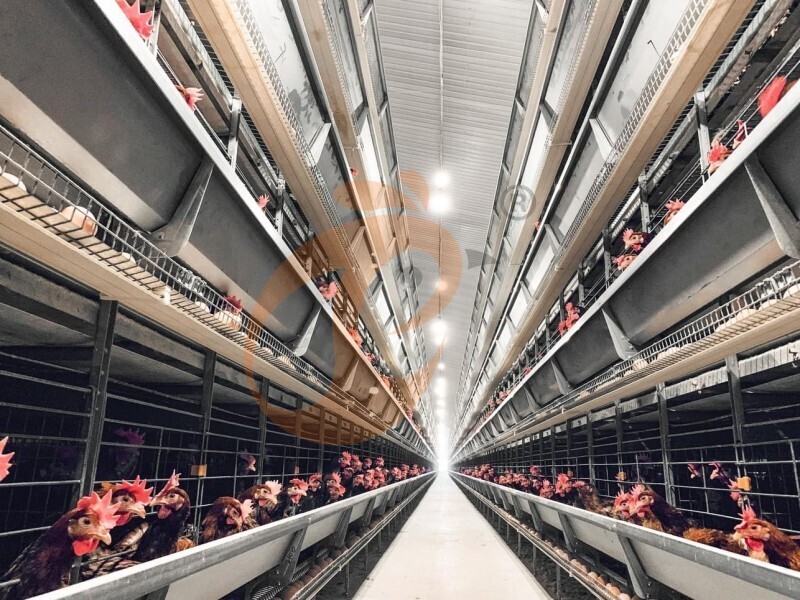
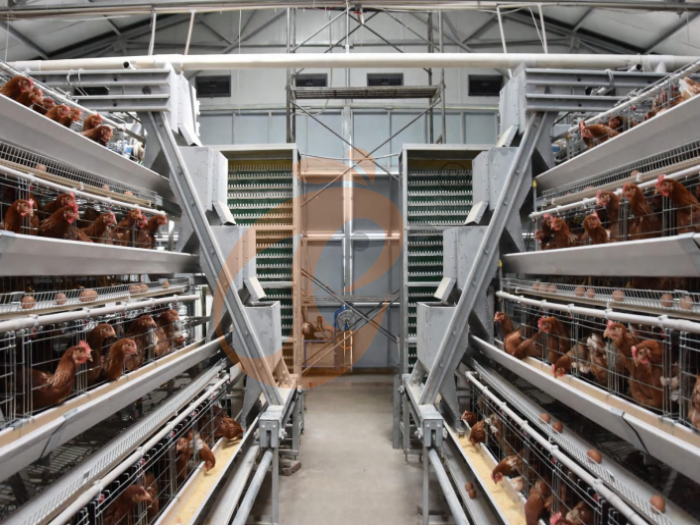
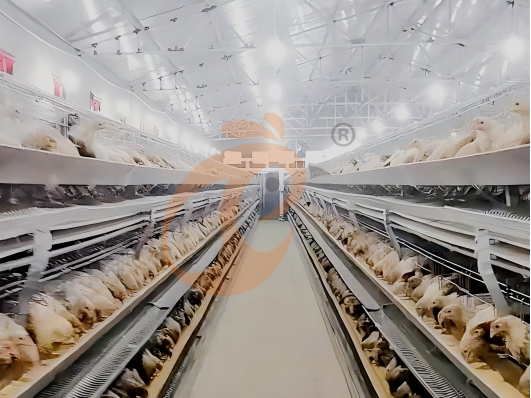
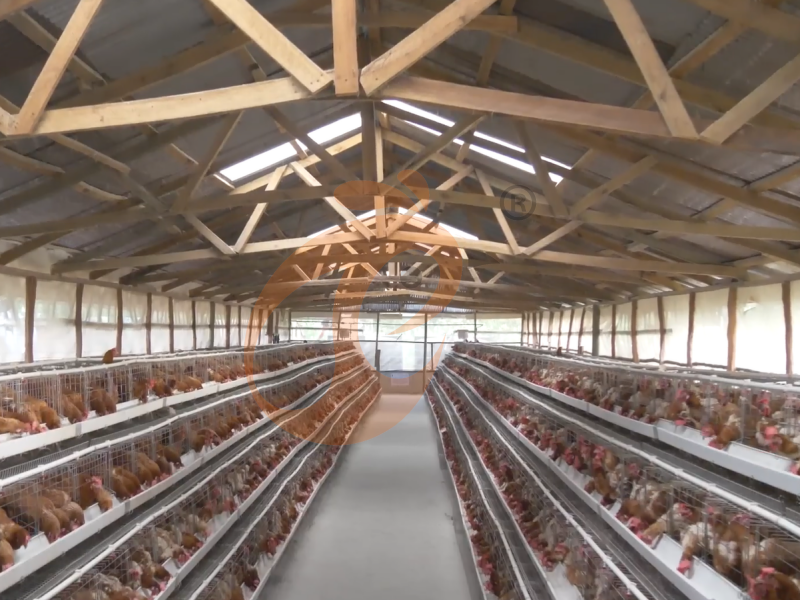
Free range system for layers combines outdoor access with professional poultry equipment and automated production management
Automatic feeding systems improve feed distribution, with 115 grams per hen daily as an illustrative planning parameter
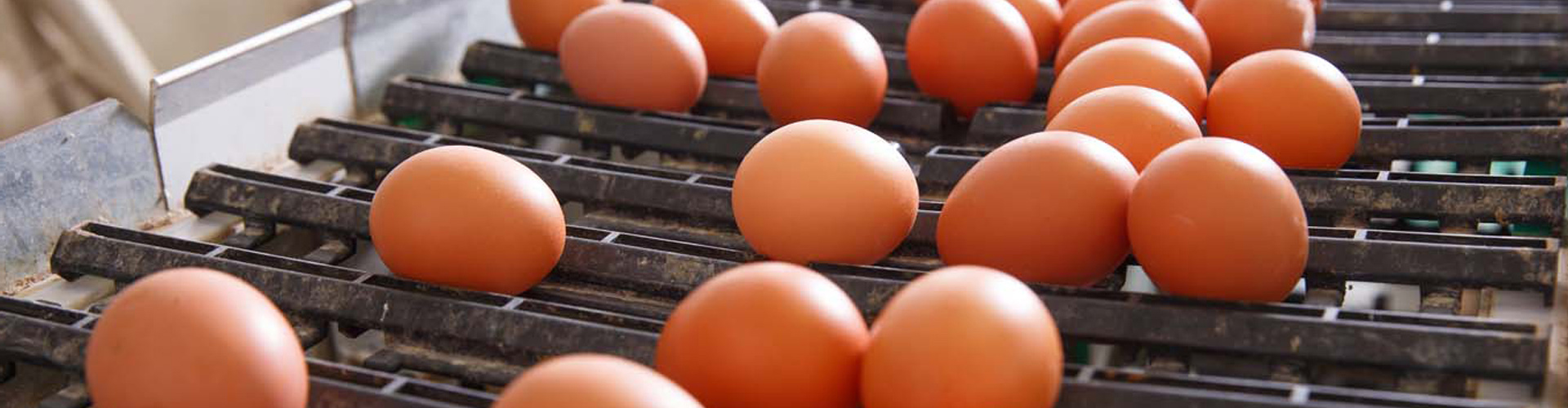
Egg collection conveyors support efficient handling, reducing unnecessary manual work and helping maintain egg quality
Ventilation fans and nipple drinking systems support flock comfort, consistent water delivery, and environmental control
Equipment investment, operating expenses, and egg revenue calculations help farmers evaluate commercial feasibility and long-term production efficiency
Get professional poultry farm construction guidance, equipment selection solutions, and the latest price lists, whatsApp to +8618830120193, +2348111199996, or click to learn more.
Engineering Points For Equipment Selection
Housing And Equipment Checklist
Housing density follow local welfare regulations and applicable free range layer system requirements
Feeding automatic chicken feeding equipment provides uniform distribution and adjustable delivery
Drinking poultry nipple drinker systems maintain continuous water availability with regulated pressure
Ventilation poultry house ventilation fans require capacity calculations based on bird numbers and heat loads
Collection automatic egg collection systems coordinate nest placement, conveyor alignment, and transfer points
Manure poultry manure removal equipment must match floor construction and cleaning requirements
For example, uk guidance specifies 9 hens per square meter of usable area and 15 centimeters of perch space per hen.
Verify local requirements before designing a free range layer system.
Recommended Equipment Configuration
Data is for reference only.Swipe horizontally to view full table.
Reference values depend on jurisdiction, equipment design, and operating conditions.
Final specifications require regulatory verification and engineering calculations.
Egg Production Performance Analysis
Production equipment supports consistent management, while output depends on breed, age, nutrition, lighting, and flock health.
Automatic egg collection equipment and environmental monitoring help managers identify performance changes and reduce avoidable losses.
Data is for reference only.Swipe horizontally to view full table.
Production targets are illustrative, not guaranteed results.
Review farm records daily and compare performance with breed-specific standards.
Initial Investment And Equipment Budget
Initial investment includes buildings, poultry machinery, outdoor fencing, electrical infrastructure, installation, and flock preparation.
Professional poultry equipment quotations become more accurate when suppliers receive building layouts and target capacities.
Data is for reference only.Swipe horizontally to view full table.
Budget figures illustrate an allocation model rather than a market quotation.
Actual investment varies by location, building specifications, automation level, and installation requirements.
European union standard reference only; local compliance and pricing must be verified.
Daily Operating Cost Analysis
Feed is often a major operating expense, making accurate delivery and consumption monitoring important.
Automatic chicken feeding systems, nipple drinkers, and egg collection conveyors help reduce repetitive labor and avoidable production losses.
Data is for reference only.Swipe horizontally to view full table.
These assumptions exclude replacement pullets, depreciation, financing, distribution, insurance, and manure disposal.
Calculate actual expenses using local prices and measured consumption.
European union standard reference only; all costs are illustrative Usd estimates, not European union price benchmarks.
Practical Tips For Reducing Production Costs
Tip Card: Improve Equipment Efficiency
Feed management adjust feeder height to bird size and inspect automatic feeding lines daily to minimize feed waste.
Water management check nipple operation, filters, leaks, and pressure during routine poultry equipment inspections.
Egg handling align nest boxes with egg collection conveyors and adjust transfer points to reduce impact damage.
Climate control clean ventilation fans and verify controller settings before hot weather, following the manufacturer's maintenance schedule.
Preventive maintenance record operating hours, replacement parts, and equipment faults to reduce unexpected downtime.
Even small efficiency improvements can generate meaningful savings across a large flock and a complete laying cycle.
Egg Revenue And Profitability Calculation
Revenue depends on saleable egg volume and the actual farm-gate selling price.
Automatic egg collection equipment supports production monitoring and helps operators identify losses before they affect financial performance.
Data is for reference only.Swipe horizontally to view full table.
Annual revenue assumes unchanged flock size, laying rate, saleable rate, and selling price throughout 365 days.
It excludes downtime and seasonal fluctuations, so revenue must not be mistaken for net profit.
European union standard reference only; selling prices are hypothetical usd assumptions.
Automation Levels And Labor Efficiency
Automation should match flock size, labor availability, maintenance capability, and expected equipment utilization.
Modular poultry equipment can support expansion without replacing every existing component.
Data is for reference only.Swipe horizontally to view full table.
Our engineering team can configure systems around building dimensions and production goals, considering compatibility, spare parts, energy consumption, and maintenance access.
Installation And Production Workflow
Six-Stage Commissioning Process
Stage One: Farm assessment confirm flock capacity, available land, housing dimensions, and applicable regulations.
Stage Two: System design specify automatic feeding systems, drinking lines, nest boxes, ventilation, egg collection, and manure equipment.
Stage Three: Installation verify alignment, electrical protection, water pressure, and conveyor operation.
Stage Four: Testing test equipment under load and verify alarms, controllers, and backup systems.
Stage Five: Flock introduction establish feeding routines and monitor bird behavior and health.
Stage Six: Performance review compare feed consumption, egg output, mortality, and equipment downtime against established targets.
Structured installation reduces commissioning errors and establishes a consistent maintenance routine from the first production day.
Recommended Equipment Packages By Farm Scale
The most effective configuration integrates equipment into a coordinated production system rather than treating each machine as an independent purchase.
Data is for reference only.Swipe horizontally to view full table.
For free range projects, indoor machinery must coordinate with outdoor access, fencing, drainage, and predator protection.
Uk guidance specifies popholes at least 35 cm high and 40 cm wide, with 2 meters of combined opening length per 1,000 hens.
Verify applicable local requirements.
Frequently Asked Questions
Q1: What equipment does a free range layer farm need?
A1: A commercial system generally requires feeding lines, nipple drinkers, nest boxes, ventilation, egg collection equipment, and manure management.
A 10,000-hen project should calculate each system according to bird numbers and building design.
Q2: How much feed does one layer hen consume daily?
A2: An illustrative planning value is 115 grams per hen daily.
A flock of 10,000 hens would therefore require approximately 1,150 kilograms per day, subject to breed, age, and production conditions.
Q3: How can automatic poultry equipment reduce operating costs?
A3: Automatic feeding, egg collection, and environmental controls can reduce repetitive labor and improve operational consistency.
Actual savings depend on labor rates, energy consumption, maintenance costs, and equipment utilization.
Taiyu (HK) Group - One Of China's Largest Free Range Layer System Manufacturer
Free range layer system engineering integrates feeding, drinking, nesting, ventilation, and egg collection equipment, with project specifications customized for flock capacities starting from 10,000 hens
Global factory-direct supply provides coordinated poultry equipment packages, technical configuration, and project-based quotations
Poultry equipment manufacturing covers automatic feeding lines, nipple drinking systems, egg conveyors, ventilation fans, and manure removal equipment
Turn-key engineering services coordinate layout planning, equipment selection, installation guidance, commissioning, and operational training
Project support includes spare parts coordination, equipment compatibility reviews, and scalable system planning for commercial poultry farms
Contact Us To Received Your Customized Poultry Farm Plan
Headquarters And Branchs

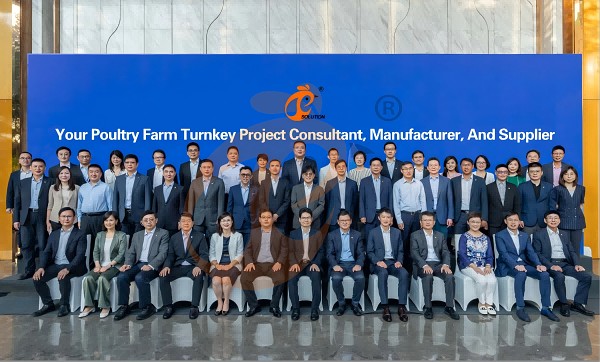
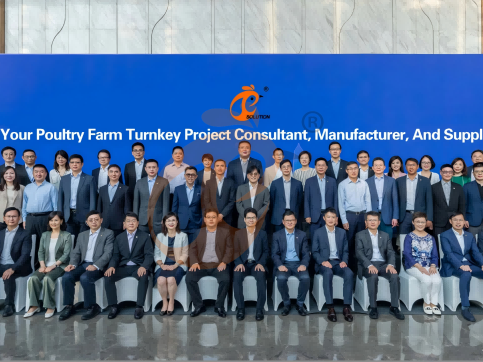
Hong Kong Headquarter Management Team
Hong Kong Headquarter Taiyu Industrial Group CO., LTD
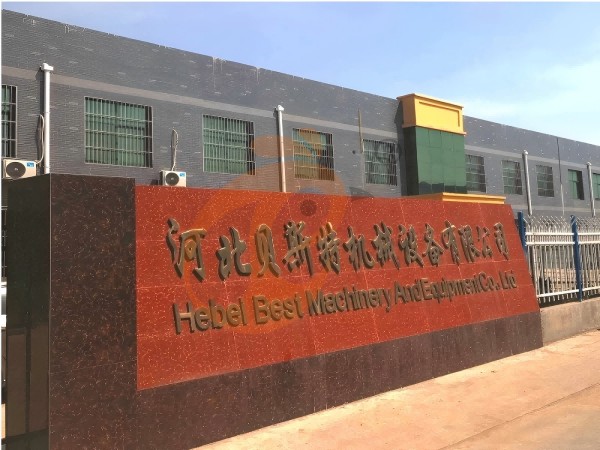
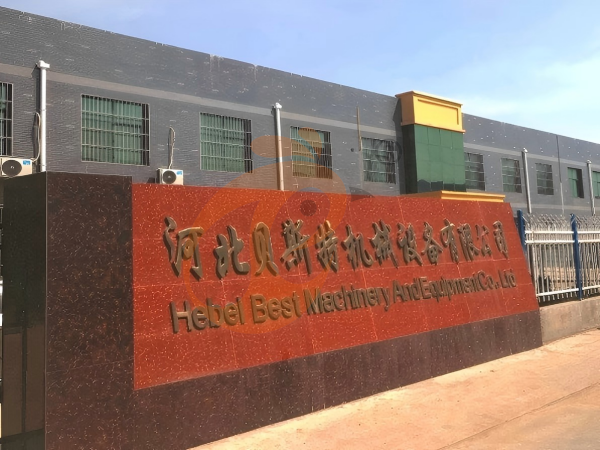
China Hebei Best Machinery And Equipment CO., LTD
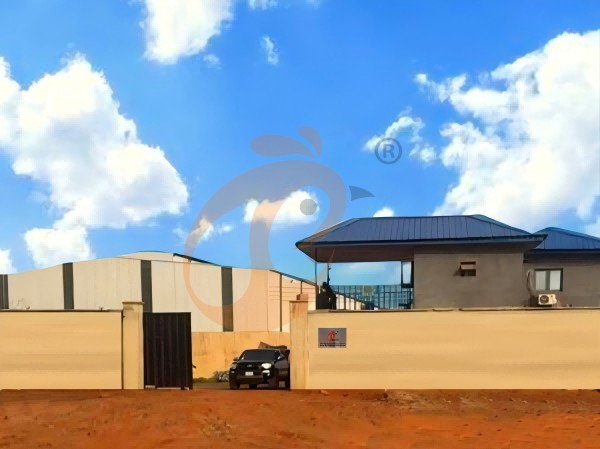
Nigeria Vanke Machinery And Equipment CO., LTD
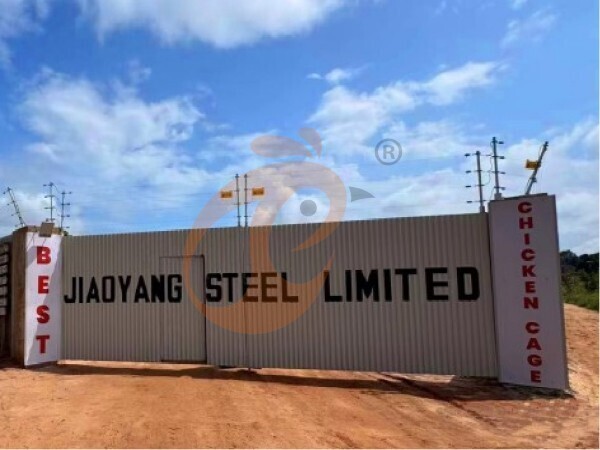
Tanzania Best Machinery And Equipment CO., LTD
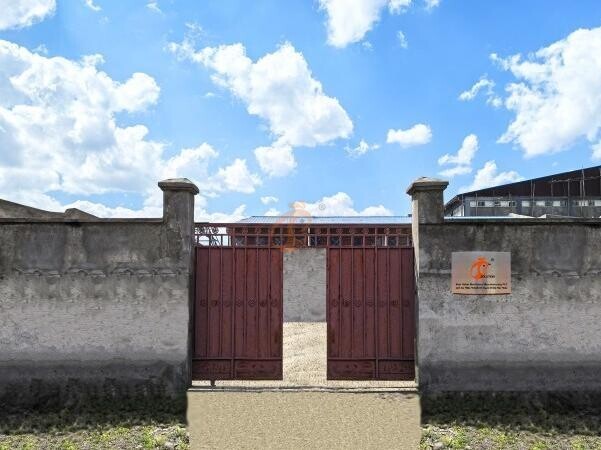
Ethiopia Best Hebei Machinery Manufacturing PLC
Reception /24 WhatsApp NO. : +8618830120193
FAQ
- poultry equipment
- poultry farm
- feeding equipment
- poultry farm
- poultry farm construction
- automatic poultry equipment
- poultry manure removal equipment
- poultry equipment quotation
- automatic feeding system
- layer farm
- poultry house
- automatic chicken feeding system
- poultry house ventilation
- chicken feeding equipment
- automatic chicken feeding equipment
- poultry house ventilation fans
- modular poultry equipment
- chicken feeding system
- poultry house ventilation fan
- Ethiopia
- Nigeria
Message
Products recommended
 HK Headquarter Offers EU-standard Poultry Farm Solutions, Manufacture Poultry Farm Equipment1. Continuous communication with the EU and the US
2. China, Nigeria, Ethiopia, Tanzania branch companies and factories
3. The products’ quality is customized for local poultry farms
4. Poultry cage and poultry farm equipment stock for sale
5. 24 online reception Whatsapp NO. : +8618830120193,contact us to get full informationRead More China Branch Offer Poultry Farm Business Plan, Manufacture Poultry Farm Equipment1. Address: Flat/RM 2416, 24/F, Runxing Building, Youyi Nan Street, Shijiazhuang City, Hebei Province, China
2. Poultry cage and poultry farm equipment factory and stock for sale
3. Customized for local poultry farms
4. Quality and design are based on Euro
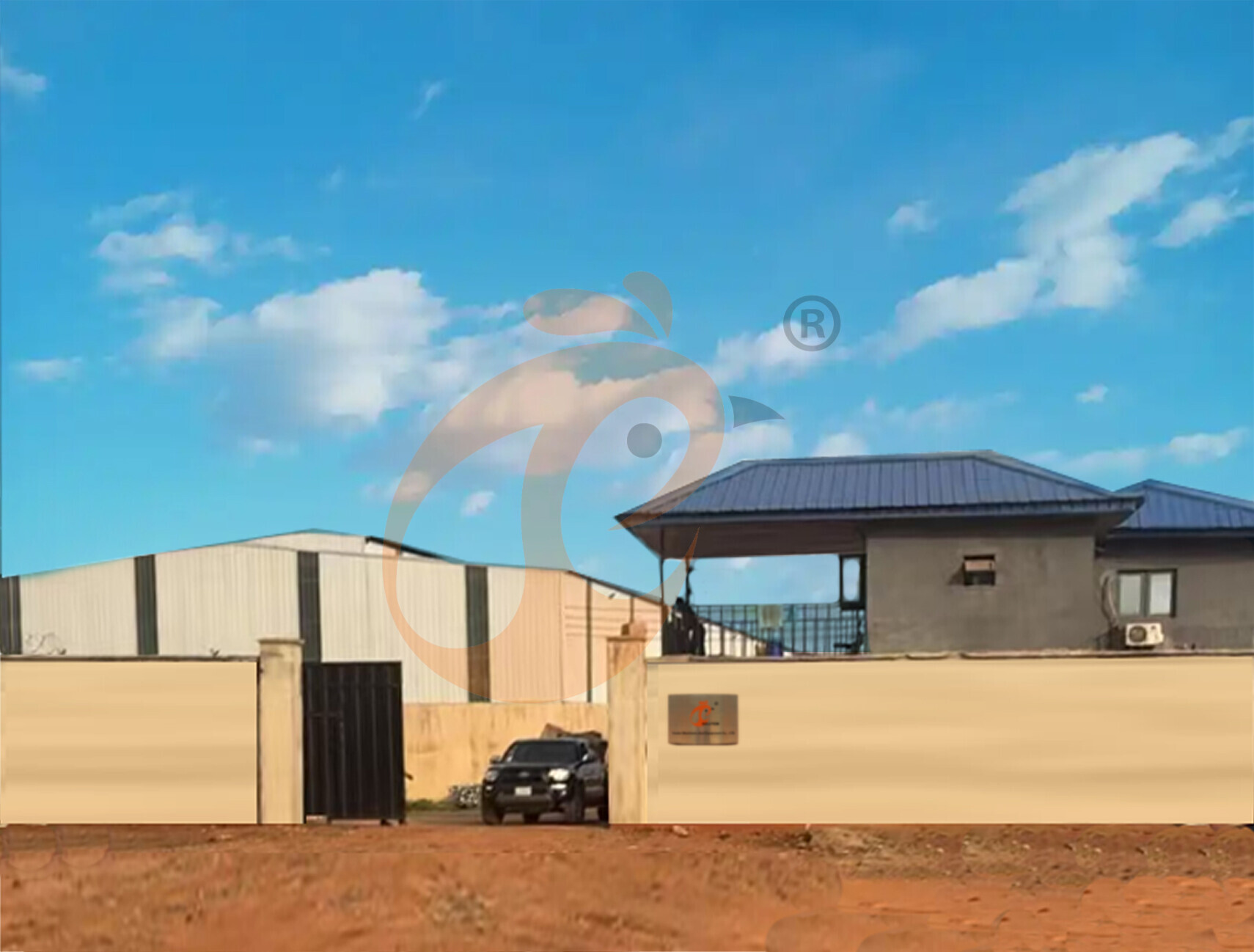
5. 24 online reception Whatsapp NO. : +8618830120193Read More Nigeria Branch Offer Poultry Farm Business Plan, Manufacture Poultry Farm Equipment1. Address: After Sinoma Office, 200 Meters Near Danco Filling Station, Lagos/Ibadan Expressway, Lagos State, Nigeria
2. Poultry cage and poultry farm equipment factory and stock for sale
3. Customized for Nigerian poultry farms
4. Quality and design are based on Euro
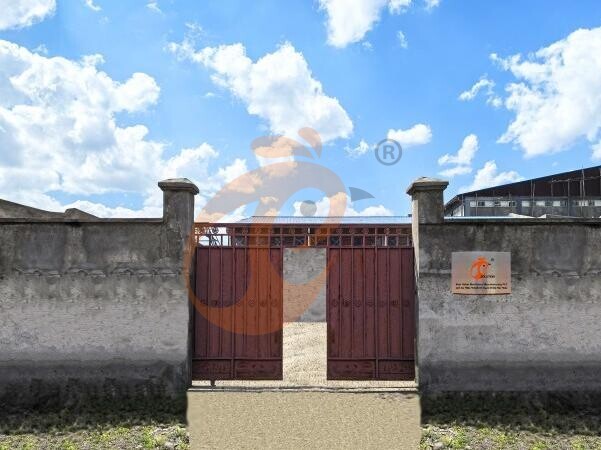
5. 24 online reception Whatsapp NO. : +8618830120193Read More Ethiopia Branch Offer Poultry Farm Business Plan, Manufacture Poultry Farm Equipment1. Address: Gelan Gura, Akaki-kaliti Sub City, Addis Ababa, Ethiopia
2. Poultry cage and poultry farm equipment stock for sale
3. Customized for Ethiopian poultry farms
4. Quality and design are based on Euro
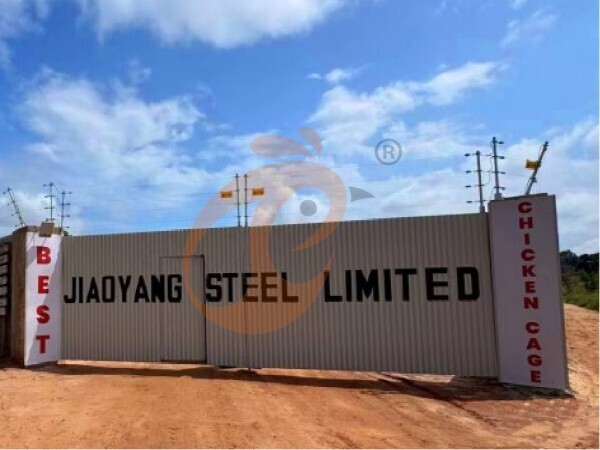
5. 24 online reception Whatsapp NO. : +8618830120193, contact us to get price listRead More Tanzania Branch Offer Poultry Farm Business Plan, Manufacture Poultry Farm Equipment1. Address: No.8, Sova Road, Msufini, Mlandizi, Kibaha, Pwani, Tanzania
2. Poultry cage and poultry farm equipment factory and stock for sale
3. Customized for Tanzanian poultry farms
4. Quality and design are based on Euro
5. 24 online reception Whatsapp NO. : +8618830120193Read More Fully Automatic H Type Layer Chicken Cage1. 30,000-100,000+ layers/house chooses it, Poultry farmers can achieve an egg production rate of 96-98%
2. A significant improvement over the 85-90% typically seen in manual systems
3. A typical poultry farm can expect a 30-40% reduction in labor costs due to the automation
4. Each feeding line efficiently supplies feed to around 100,000 hens per 30 mins
5. Reception /WhatsApp NO. : +8618830120193Read More Fully Automatic A Type Layer Chicken Cage1. 10,000-50,000 layers/house chooses it
2. Cleaner egg collection reduces breakage by 0.5%
3. Improved hygiene helps reduce mortality rate to <3%
4. 1–2 technicians can handle 15,000–30,000 birds
5. Reception /WhatsApp NO. : +8618830120193Read More Semi Automatic H Type Layer Chicken Cage1. 1,00-20,000 layers/house chooses it
2. Nipple drinkers flow 30–60 ML / min
3. Hot-dip galvanized (typical coating ≥ 275 g/m²)
4. Reduce ammonia by ~ 35–40%
5. Reception /WhatsApp NO. : +8618830120193Read More Semi Automatic A Type Layer Chicken Cage1. 1,00-20,000 layers/house chooses it, no rust for 10 years, no deformation for 15 years
2. Chickens live comfortably, you can raise them with peace of mind
3. Save water, save money—efficiency you can measure
4. Improve environment quality, and increase egg production rate
5. Reception /WhatsApp NO. : +8618830120193Read More
By clicking 'Allow All', you agree to the storage of cookies on your device to enhance site navigation, analyze site usage and assist with our marketing efforts.