


Blog
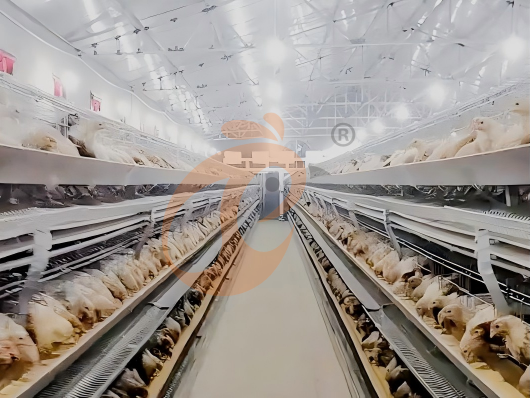
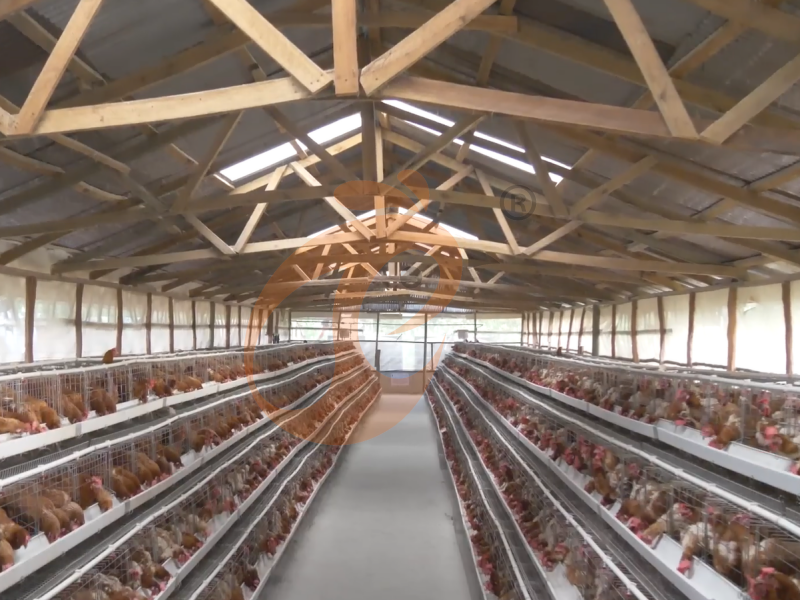
H-type chicken cages support intensive poultry egg production through vertical housing systems that significantly increase bird capacity per square meter in modern poultry farms.
Commercial egg farms in rapidly growing urban markets require structured cage systems to improve management efficiency and egg quality stability.
Automated manure removal, feeding distribution, and egg collection systems help maintain consistent flock performance and reduce operational labor requirements.
Integrated ventilation and climate control systems allow poultry houses to maintain stable internal temperatures throughout seasonal changes.
Get professional poultry farm construction guidance, equipment selection solutions, and the latest price lists, whatsApp to +8618830120193, click to learn more:

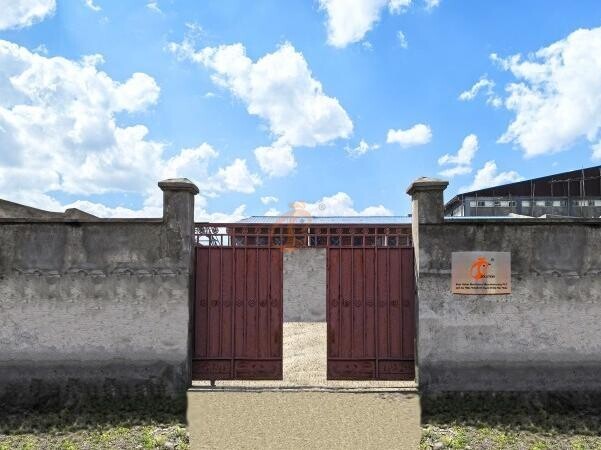
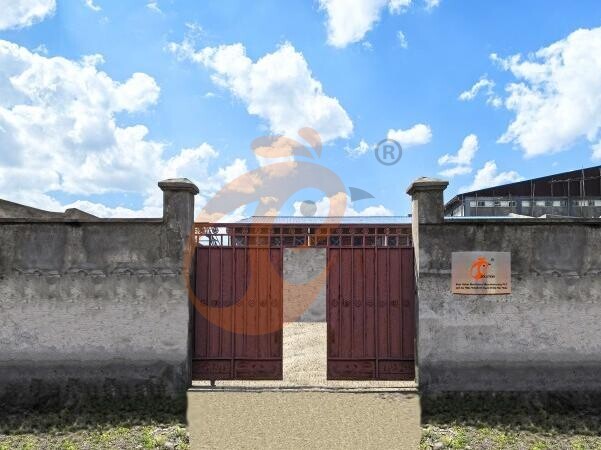
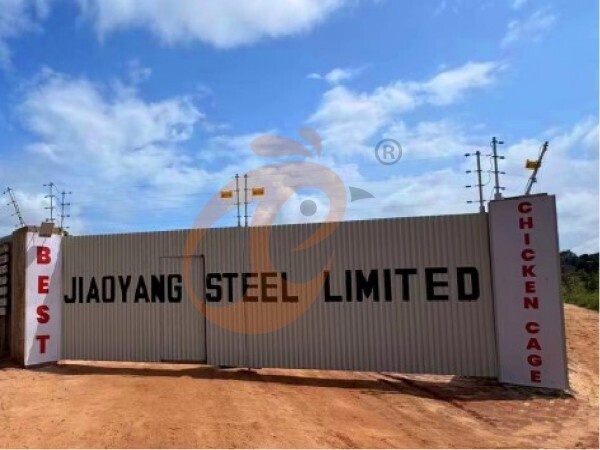
Ethiopia Branch Office And Factory Of Poultry Farm Equipment
Understanding The H-Type Advantage In The Ethiopian Context
In regions like Oromia and Amhara, where land prices near urban centers continue to increase, the spatial efficiency of H-type cages becomes a decisive factor.
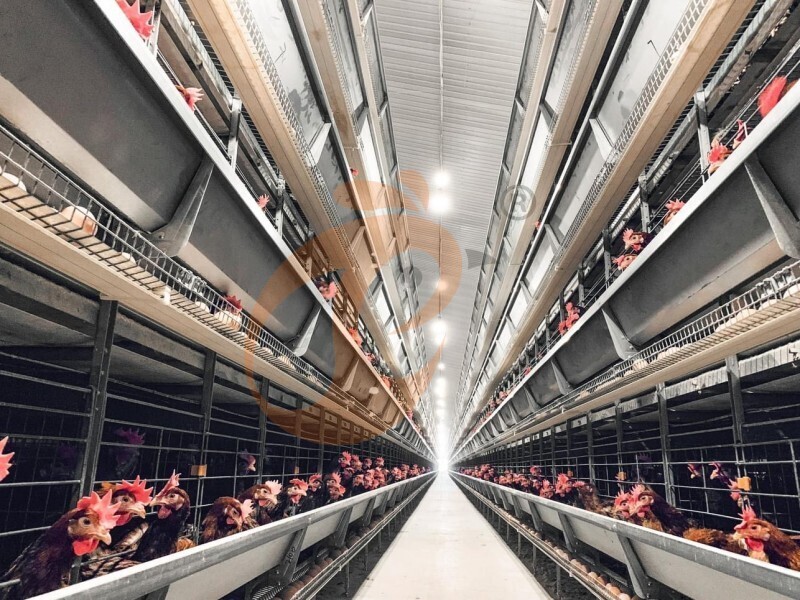
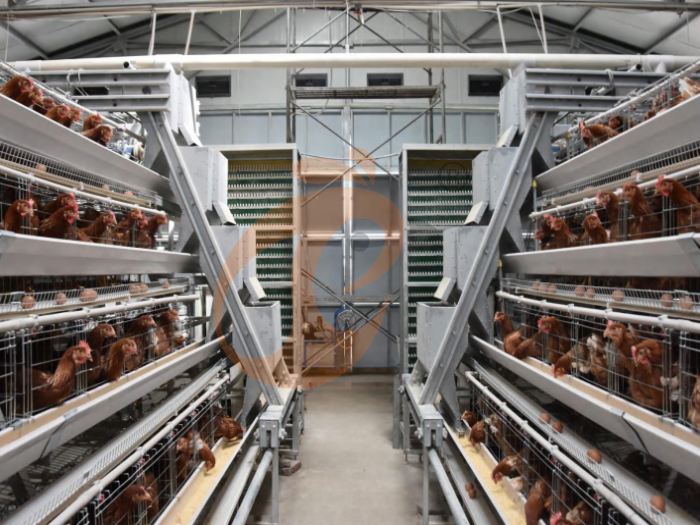
An H-type system functions like a poultry skyscraper by stacking cages vertically with integrated manure belts between tiers.
Farmers can house four to five times more birds per square meter compared with traditional deep-litter systems.
Data is for reference only. Swipe horizontally to view full table.
The transition to H-type systems is not only about density but also about environmental control.
In Rift Valley regions where temperatures fluctuate, the structured airflow inside an H-type poultry house prevents ammonia accumulation
and heat pockets that can affect layer breeds such as Lohmann Brown or ISA Brown.
With optimized environmental management, laying hens in H-type cage systems typically maintain 90–98% egg production rate during peak cycles.
Material Durability And Corrosion Resistance
Ethiopia's climate ranges from humid highlands such as Jimma to dry plains in Afar.
For poultry farms, the primary equipment challenge comes from ammonia exposure generated by manure decomposition.
If cage materials lack proper coating protection, structural deterioration can appear within several years.
When sourcing cages, the galvanization process becomes a critical specification.
Hot-dip galvanized steel forms a thick alloy layer that protects steel surfaces from corrosion caused by poultry house gases.
Data is for reference only. Swipe horizontally to view full table.
Automation Levels And Labor Efficiency
One major challenge for expanding commercial poultry farms is labor management.
Feeding tens of thousands of birds and manually collecting eggs introduces operational inefficiencies and biosecurity risks.
The automatic feeding system uses traveling hopper or chain conveyor mechanisms to distribute uniform feed quantities across cage rows.
Uniform feed distribution supports stable flock performance.
Feed expenses represent approximately 70% of poultry farm operating costs in many egg production systems.
The average feed conversion ratio (FCR) of commercial layers raised in H-type cage systems is typically 1.9–2.1, depending on breed genetics and feed formulation.
Data is for reference only. Swipe horizontally to view full table.
Automatic manure belt systems immediately transport manure outside the poultry house.
Compared with manual H-type cage management, full automation systems typically reduce labor requirements by 70–90%.
Climate Adaptation And Ventilation
Although Addis Ababa has moderate temperatures, seasonal heat stress is becoming more frequent.
H-type cage houses are typically integrated with evaporative cooling systems and longitudinal ventilation design.
In closed poultry houses, large exhaust fans installed at one end pull air through cooling pads at the opposite end.
The airflow creates a wind-chill effect that stabilizes bird body temperature and maintains egg production during the dry season.
Data is for reference only. Swipe horizontally to view full table.
With effective ventilation, poultry houses can maintain internal temperatures around 24 °C when outside temperatures exceed 32 °C.
Egg Quality And Collection Efficiency
In retail egg markets, clean and crack-free eggs receive better market acceptance.
Traditional floor systems experience egg breakage due to handling and contamination.
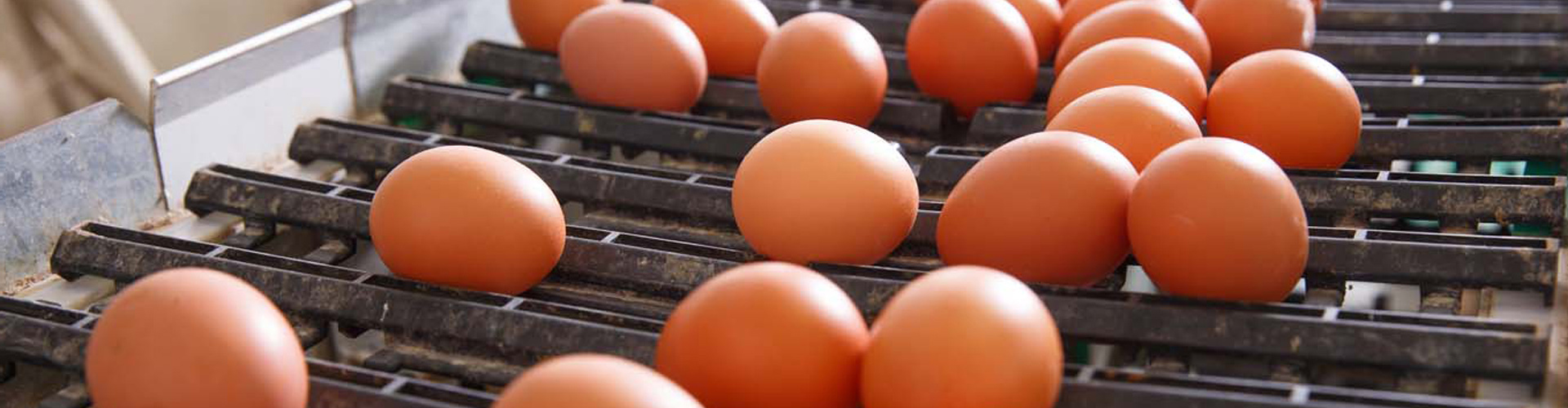
H-type cages reduce egg rolling distance and use soft egg belts to transport eggs.
The result is reduced shell damage and improved egg cleanliness.
The automatic egg collection system transfers eggs from each tier onto a central egg conveyor bridge.
Workers do not need to enter cage rows frequently, reducing disease transmission risk such as Avian Influenza or Newcastle disease.
Data is for reference only. Swipe horizontally to view full table.
Reducing breakage by 2% on a 30,000–100,000 bird poultry farm can save significant revenue every month.
Pricing And Total Cost Of Ownership (TCO)
The price of H-type battery cages for poultry farms is determined by three major cost factors.
Manufacturer FOB equipment price.
Ocean shipping from production port to Djibouti port.
Inland transportation and installation.
Investors usually evaluate equipment cost based on price per bird capacity rather than individual cage price.
Data is for reference only. Swipe horizontally to view full table.
Currency values are converted to Ethiopian Birr according to European union reference standards for estimation purposes only.
Because H-type poultry houses require smaller building footprints, savings in construction materials and land utilization often balance equipment investment.
Operational Resource Management
Operating an H-type poultry cage farm requires stable resource planning.
Electricity supply may fluctuate in some regional areas, therefore standby generators are recommended to maintain ventilation and manure belt operation.
Water quality management is another essential factor.
Borehole water in Rift Valley areas may contain mineral content that requires filtration to prevent nipple drinker blockage.
Data is for reference only. Swipe horizontally to view full table.
Currency references follow European union conversion standards for estimation purposes only.
Frequently Asked Questions
Q1: What is the typical lifespan of H-type battery cages in poultry farms?
A1: Hot-dip galvanized cages with coating levels around 275 g/m² generally operate for 25+ years under standard poultry house conditions.
Q2: How many birds can be raised in an H-type cage system building?
A2: Commercial H-type poultry houses are typically designed for 30,000–100,000 laying hens, depending on building size and cage tier configuration.
Q3: Does an automatic egg collection system significantly reduce labor requirements?
A3: Yes.
Fully automated H-type cage systems usually reduce labor requirements by 70–90% compared with manual cage management.
Ethiopia Best Hebei Machinery Manufacturing Plc - One Of Ethiopia Largest Battery Cage Supplier
Global factory direct supply for poultry farm equipment, including layer cages, feeding lines, manure belts, and egg collection systems.
Professional manufacturing of poultry cage systems including A-type and H-type models with 4–16 cage tiers for 30,000–100,000 bird poultry farms.
Complete Turn-key poultry farm engineering, including cage installation, ventilation system integration, and farm layout design.
Equipment structures manufactured with Q235 hot-dip galvanized steel (275–350 g/m² coating) with service life exceeding 25 years.
Production capacity supports integrated poultry projects including cage systems, feeding automation, ventilation equipment, and egg collection systems.
Contact Us To Received Your Customized Poultry Farm Plan
Headquarters And Branchs

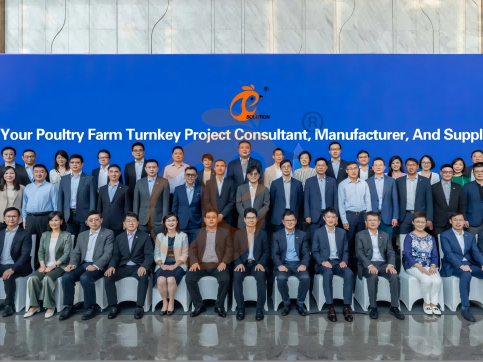
Hong Kong Headquarter Management Team
Hong Kong Headquarter Taiyu Industrial Group CO., LTD
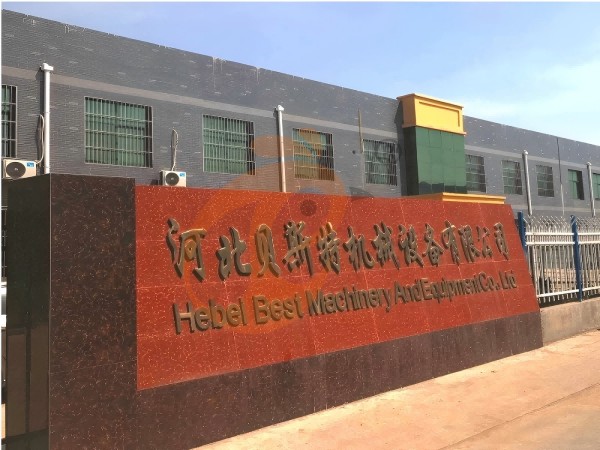
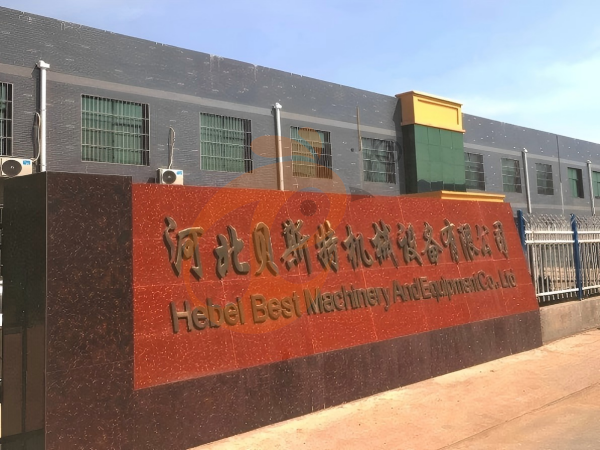
China Hebei Best Machinery And Equipment CO., LTD
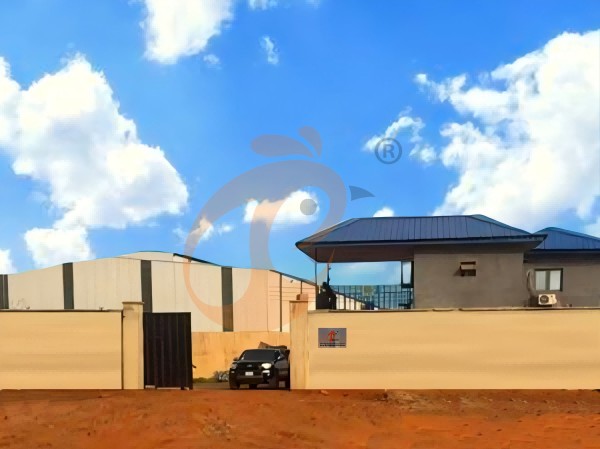
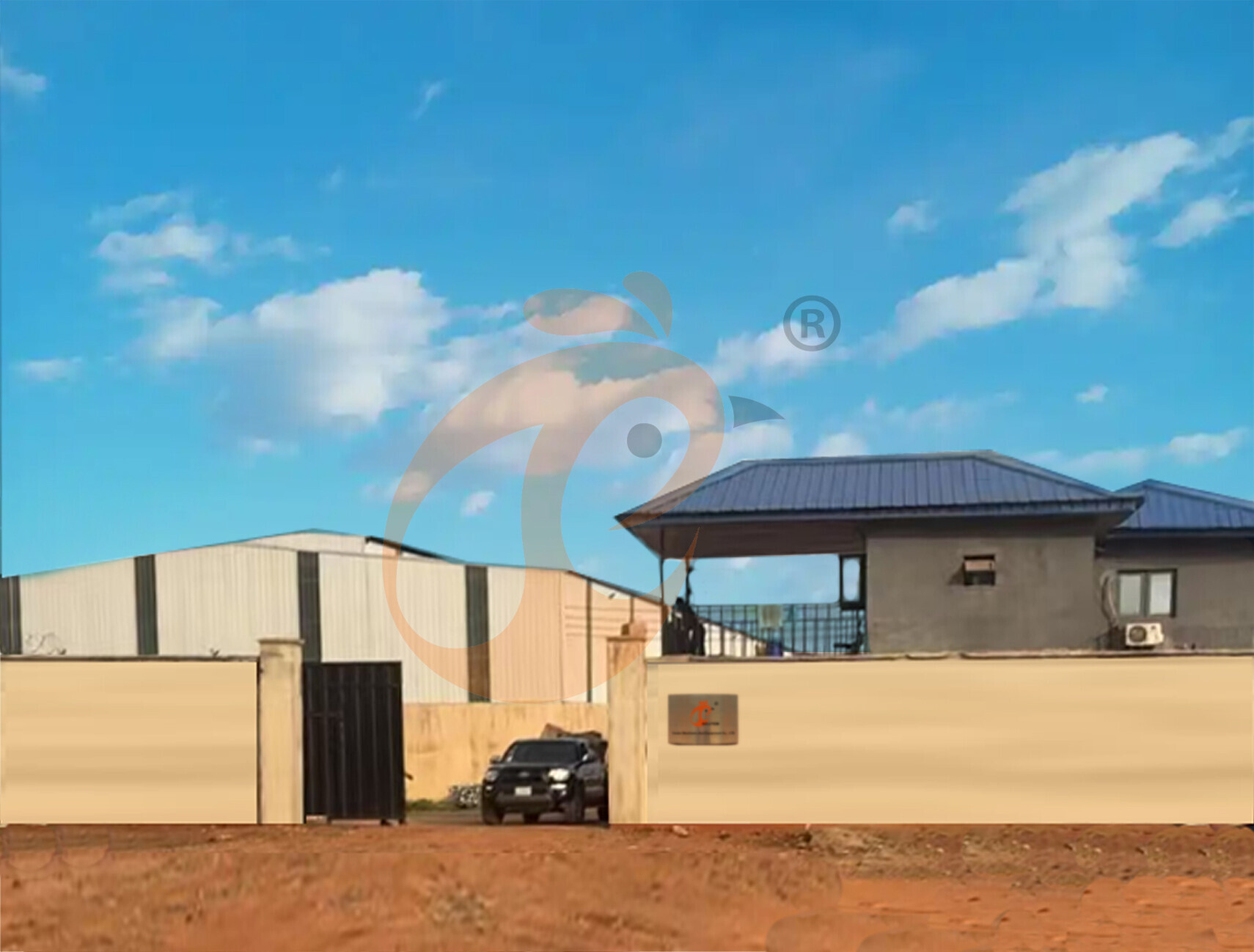
Nigeria Vanke Machinery And Equipment CO., LTD
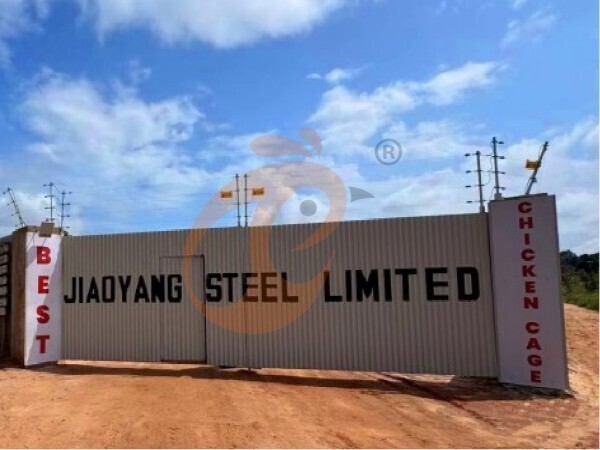
Tanzania Best Machinery And Equipment CO., LTD
Ethiopia Best Hebei Machinery Manufacturing PLC
Reception /24 WhatsApp NO. : +8618830120193
Message
Products recommended
 HK Headquarter Offers EU-standard Poultry Farm Solutions, Manufacture Poultry Farm Equipment1. Continuous communication with the EU and the US
2. China, Nigeria, Ethiopia, Tanzania branch companies and factories
3. The products’ quality is customized for local poultry farms
4. Poultry cage and poultry farm equipment stock for sale
5. 24 online reception Whatsapp NO. : +8618830120193,contact us to get full informationRead More China Branch Offer Poultry Farm Business Plan, Manufacture Poultry Farm Equipment1. Address: Flat/RM 2416, 24/F, Runxing Building, Youyi Nan Street, Shijiazhuang City, Hebei Province, China
2. Poultry cage and poultry farm equipment factory and stock for sale
3. Customized for local poultry farms
4. Quality and design are based on Euro
5. 24 online reception Whatsapp NO. : +8618830120193Read More Nigeria Branch Offer Poultry Farm Business Plan, Manufacture Poultry Farm Equipment1. Address: After Sinoma Office, 200 Meters Near Danco Filling Station, Lagos/Ibadan Expressway, Lagos State, Nigeria
2. Poultry cage and poultry farm equipment factory and stock for sale
3. Customized for Nigerian poultry farms
4. Quality and design are based on Euro
5. 24 online reception Whatsapp NO. : +8618830120193Read More Ethiopia Branch Offer Poultry Farm Business Plan, Manufacture Poultry Farm Equipment1. Address: Gelan Gura, Akaki-kaliti Sub City, Addis Ababa, Ethiopia
2. Poultry cage and poultry farm equipment stock for sale
3. Customized for Ethiopian poultry farms
4. Quality and design are based on Euro
5. 24 online reception Whatsapp NO. : +8618830120193, contact us to get price listRead More Tanzania Branch Offer Poultry Farm Business Plan, Manufacture Poultry Farm Equipment1. Address: No.8, Sova Road, Msufini, Mlandizi, Kibaha, Pwani, Tanzania
2. Poultry cage and poultry farm equipment factory and stock for sale
3. Customized for Tanzanian poultry farms
4. Quality and design are based on Euro
5. 24 online reception Whatsapp NO. : +8618830120193Read More Fully Automatic H Type Layer Chicken Cage1. 30,000-100,000+ layers/house chooses it, Poultry farmers can achieve an egg production rate of 96-98%
2. A significant improvement over the 85-90% typically seen in manual systems
3. A typical poultry farm can expect a 30-40% reduction in labor costs due to the automation
4. Each feeding line efficiently supplies feed to around 100,000 hens per 30 mins
5. Reception /WhatsApp NO. : +8618830120193Read More Fully Automatic A Type Layer Chicken Cage1. 10,000-50,000 layers/house chooses it
2. Cleaner egg collection reduces breakage by 0.5%
3. Improved hygiene helps reduce mortality rate to <3%
4. 1–2 technicians can handle 15,000–30,000 birds
5. Reception /WhatsApp NO. : +8618830120193Read More Semi Automatic H Type Layer Chicken Cage1. 1,00-20,000 layers/house chooses it
2. Nipple drinkers flow 30–60 ML / min
3. Hot-dip galvanized (typical coating ≥ 275 g/m²)
4. Reduce ammonia by ~ 35–40%
5. Reception /WhatsApp NO. : +8618830120193Read More Semi Automatic A Type Layer Chicken Cage1. 1,00-20,000 layers/house chooses it, no rust for 10 years, no deformation for 15 years
2. Chickens live comfortably, you can raise them with peace of mind
3. Save water, save money—efficiency you can measure
4. Improve environment quality, and increase egg production rate
5. Reception /WhatsApp NO. : +8618830120193Read More
By clicking 'Allow All', you agree to the storage of cookies on your device to enhance site navigation, analyze site usage and assist with our marketing efforts.