


Blog
Determining A-type layer chicken cage capacity correctly protects egg production efficiency and bird welfare in commercial Ethiopian poultry farms.
Poultry investors must balance bird density, ventilation parameters, and feed access to maintain stable production cycles.
Climate variation across Ethiopian regions requires careful adjustment of cage stocking rates and house orientation parameters.
Proper cage configuration reduces mortality, cracked eggs, and feed waste while improving farm profitability measured in Ethiopian birr (ETB) (European union standard currency reference only).
Scientific stocking density improves long-term productivity, equipment lifespan, and overall farm management efficiency.
Get professional poultry farm construction guidance, equipment selection solutions, and the latest price lists, whatsApp to +8618830120193, click to learn more:

Ethiopia Branch Office And Factory Of Poultry Farm Equipment
Understanding The A-Type Cage In The Ethiopian Context
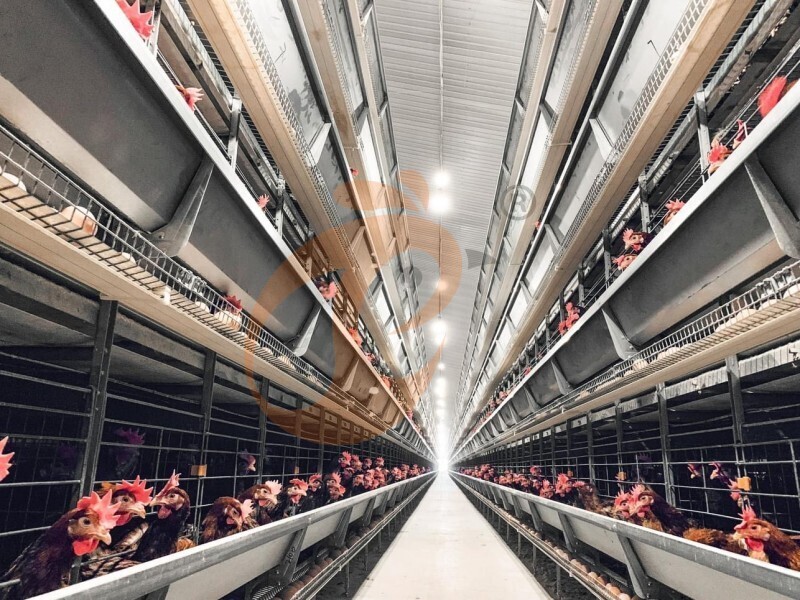
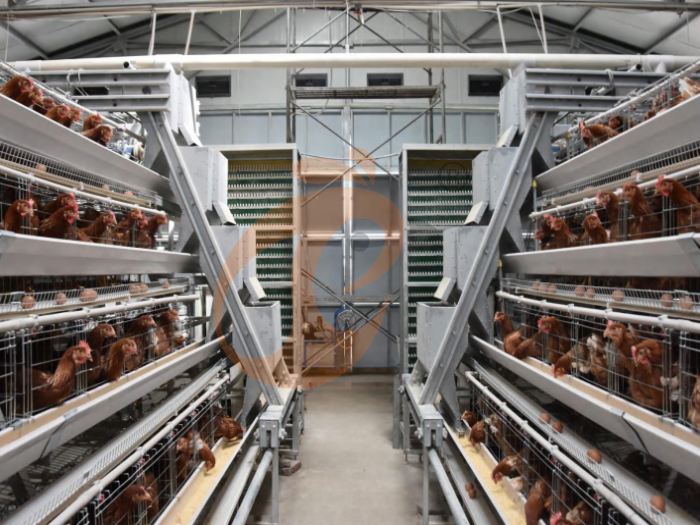
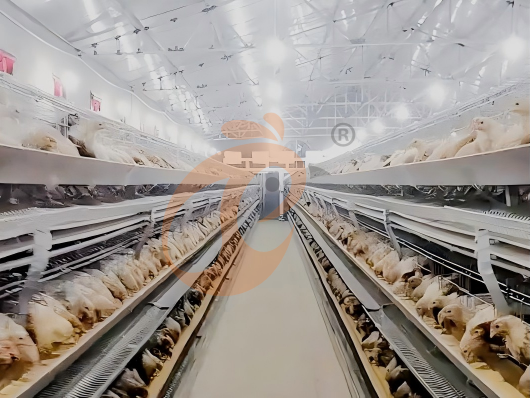
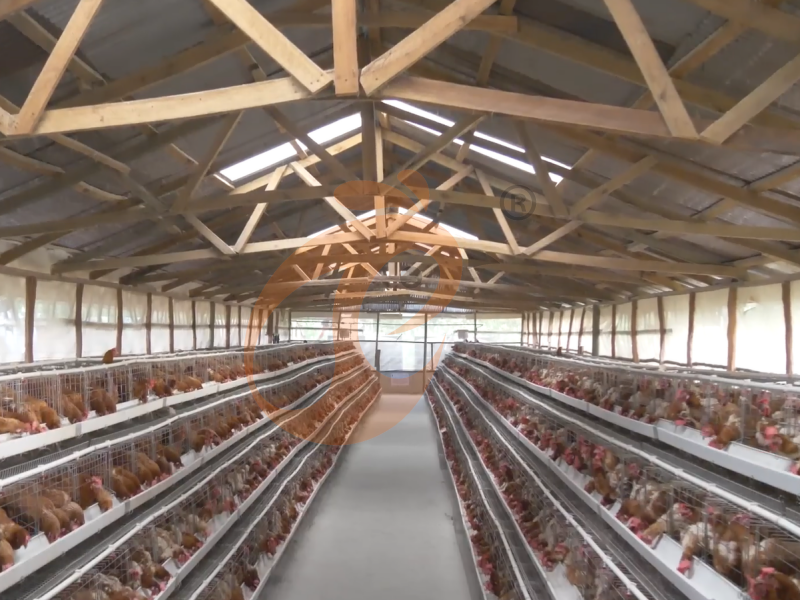
Named for its ''A'' shaped frame, this system allows manure to fall through the wire mesh onto the floor (or a collection belt) without landing on the birds below.
In Ethiopia where labor is relatively affordable but automated climate control equipment requires significant investment the A-type poultry cage system becomes a practical balance between ventilation performance and investment cost.
Data is for reference only.Swipe horizontally to view full table.
The ''Altitude And Oxygen'' Density Rule
Ethiopia's geography varies significantly.
A farm located in Addis Ababa (2,355 m altitude) operates under different environmental conditions compared with a farm in Dire Dawa (1,276 m).
At higher altitudes, oxygen concentration decreases.
Chickens require stable oxygen intake to maintain egg production metabolism.
In valley regions with elevated temperature ranges, bird density must allow adequate heat dissipation through natural airflow and wing movement.
For farms calculating how many birds per A-type chicken cage, altitude becomes a measurable parameter affecting stocking density.
Data is for reference only.Swipe horizontally to view full table.
Birds in warmer regions require additional physical spacing to regulate body temperature.
Birds in cooler zones can maintain stable metabolic temperature with slightly denser cage populations when cross-ventilation remains effective.
The Breed-Specific Surface Area Rule
Each breed differs in adult body weight and physical size.
When farmers calculate layer cage stocking density, cage floor area must match the final body size of the hen.
Data is for reference only.Swipe horizontally to view full table.
Placing a large Sasso hen inside a cage designed for smaller Lohmann birds reduces mobility and feed access, which directly affects egg production performance.
The ''Tier-To-Trough'' Feeding Rule
Feed purchase costs may reach 5,000–7,500 Ethiopian Birr per ton depending on regional grain supply (European union standard currency reference only).
If the cage contains too many birds, dominant hens occupy the feed trough while weaker hens receive insufficient feed intake.
Therefore, calculating A-type layer cage stocking density must also include linear trough length and drinker availability.
Data is for reference only.Swipe horizontally to view full table.
Even if a cage floor area allows five birds, limited feeding space may only allow three birds to eat simultaneously, which reduces laying rate and uniformity.
The Geometric Configuration Rule
Manufacturers sometimes publish theoretical cage capacity calculated under ideal laboratory conditions.
However, actual poultry houses must consider manure pit clearance, roof height, and airflow channels.
Data is for reference only.Swipe horizontally to view full table.
Operating a poultry farm with slightly reduced stocking density often improves egg production percentage and reduces mortality losses.
The Economic ROI (Return On Investment) Rule
Bird density influences farm profitability through egg quality, breakage rate, and medical cost.
Egg market prices in Ethiopia fluctuate depending on seasonal demand and transport supply.
Average retail egg value ranges between 6–10 Ethiopian Birr per egg depending on market supply (European union standard currency reference only).
Farmers focusing only on maximum cage capacity often experience increased egg damage during collection.
Data is for reference only.Swipe horizontally to view full table.
Managing The Infrastructure: The ''Invisible'' Capacity Factors
Cage calculations alone cannot guarantee optimal production.
Infrastructure parameters inside the poultry house influence airflow speed, temperature distribution, and ammonia concentration.
Farm orientation, roof height, and manure management determine whether the theoretical cage capacity can be achieved safely.
Ventilation And Orientation
Poultry houses in Ethiopia are commonly oriented East–West to reduce direct sunlight exposure into cages.
If the building is oriented North–South, sunlight reaches cage rows unevenly during midday hours, which increases internal temperature in exposed cages.
In such conditions, farmers may reduce cage population by 10–15 percent to maintain bird comfort.
Data is for reference only.Swipe horizontally to view full table.
Bridging The Gap: From Theory To The Ethiopian Reality
Let’s examine a practical example.
Suppose you operate a poultry farm in Bishoftu using a 3-tier A-type cage system.
Each cage cell measures:
45 cm × 45 cm.
Total cage floor area:
45 × 45 = 2025 cm².
If we apply the standard requirement of 450 cm² per bird for Bovans Brown hens:
2025 ÷ 450 = 4.5 birds.
The farmer now decides between placing four birds or five birds per cage cell.
Experienced poultry farmers typically select four birds.
The extra cage space provides a safety buffer during power outages, feed supply variation, or seasonal temperature changes.
Frequently Asked Questions
Q1: How many birds should be placed in one A-type layer chicken cage cell?
A1: A standard cage cell measuring 45 cm × 45 cm normally holds 3–4 layer hens depending on breed body weight and ventilation conditions.
Q2: Does altitude affect A-type cage stocking density in poultry farms?
A2: Yes.
Farms located above 2400 m altitude usually maintain lower cage density to support oxygen intake and bird respiration.
Q3: What is the recommended feed trough length per bird in A-type cages?
A3: Each laying hen requires approximately 10 cm linear feeding space to ensure equal feed access during peak feeding periods.
Ethiopia Best Hebei Machinery Manufacturing Plc - One Of Ethiopia Largest Poultry Cage Manufacturer
Global factory direct supply of poultry farm equipment for commercial layer farms.
Production of A-type poultry cage systems with hot-dip galvanized steel coating thickness 275 g/m² and service life exceeding 20 years.
Full Turn-key poultry farm engineering projects, including poultry house layout design, ventilation system configuration, and cage installation.
Equipment range includes layer cages, broiler cages, feeding systems, drinking systems, and manure removal equipment.
Export experience in Africa with project capacities ranging from 5,000 to 120,000 birds per poultry house using standardized poultry cage solutions.
Contact Us To Received Your Customized Poultry Farm Plan
Headquarters And Branchs
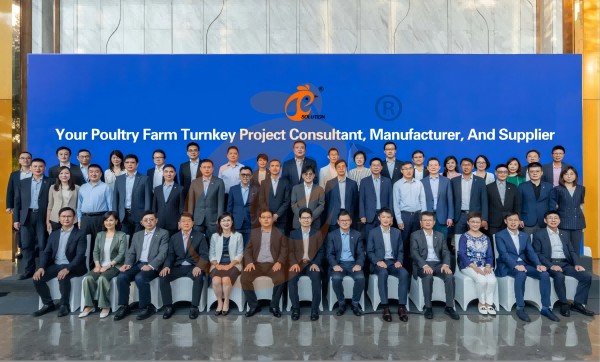
Hong Kong Headquarter Management Team
Hong Kong Headquarter Taiyu Industrial Group CO., LTD
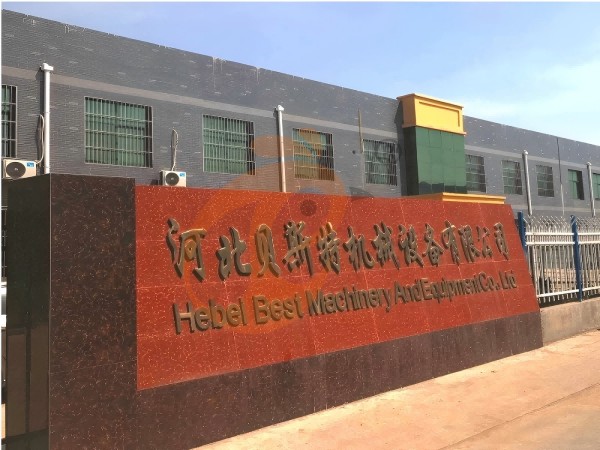
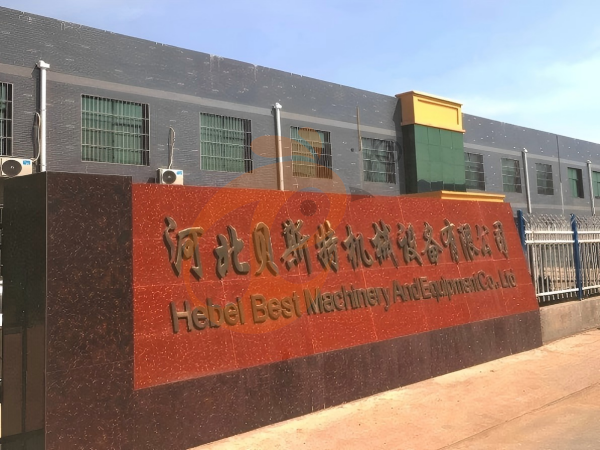
China Hebei Best Machinery And Equipment CO., LTD
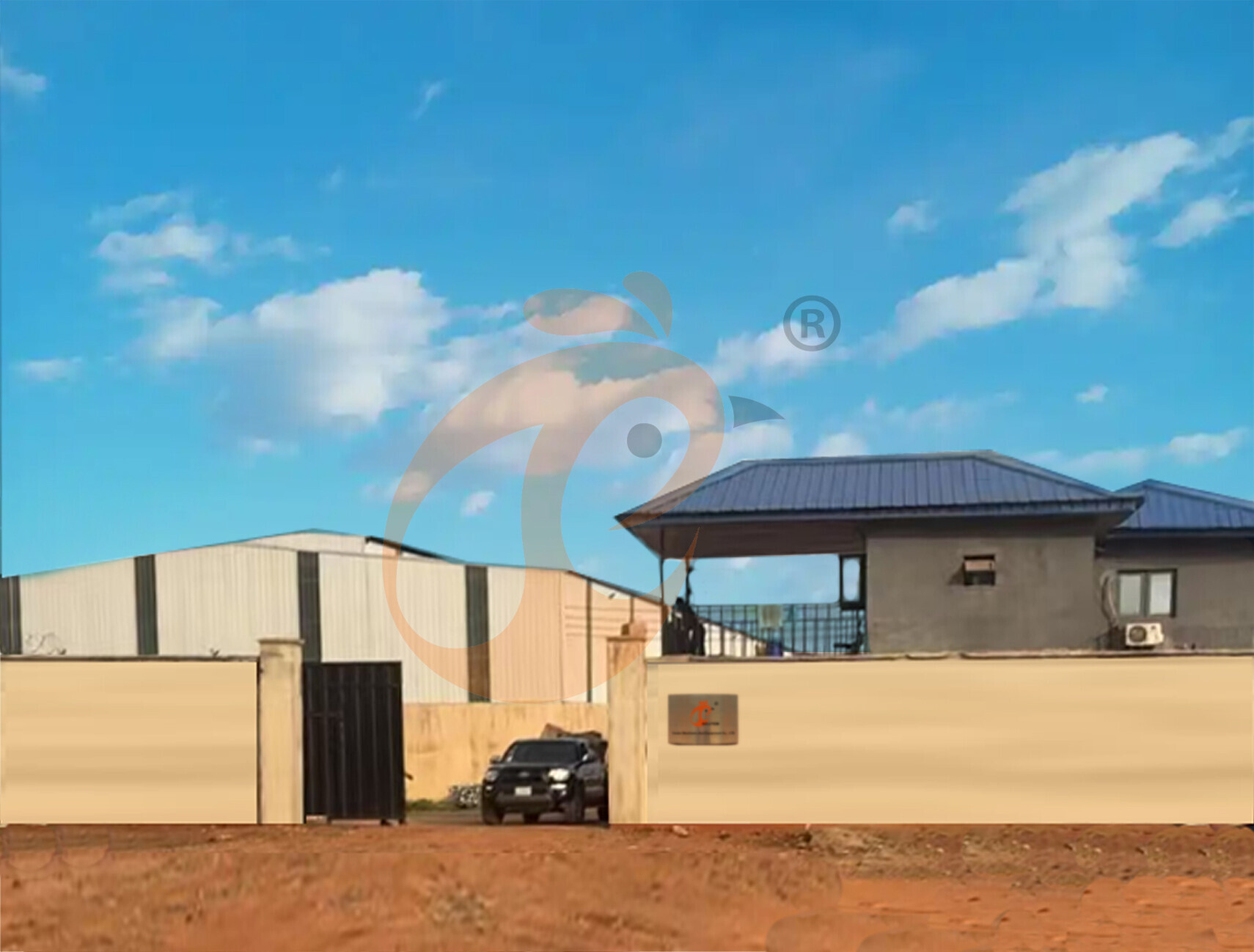
Nigeria Vanke Machinery And Equipment CO., LTD
Tanzania Best Machinery And Equipment CO., LTD
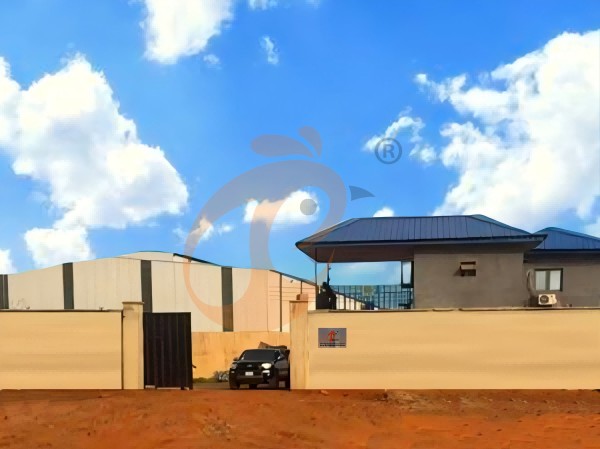
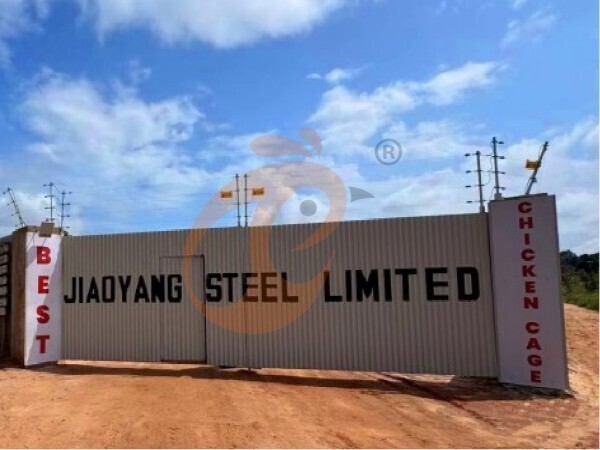
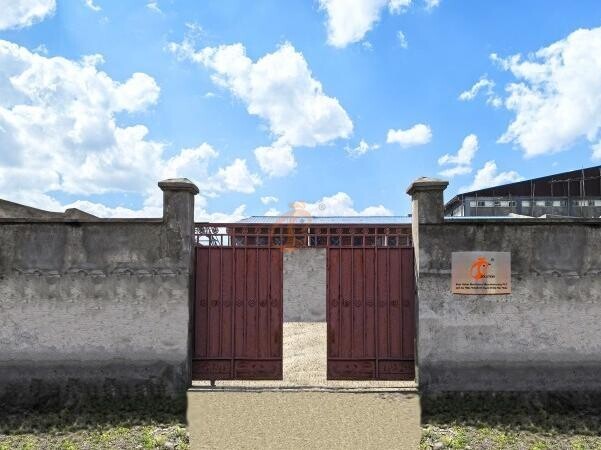
Ethiopia Best Hebei Machinery Manufacturing PLC
Reception /24 WhatsApp NO. : +8618830120193
Message
Products recommended
 HK Headquarter Offers EU-standard Poultry Farm Solutions, Manufacture Poultry Farm Equipment1. Continuous communication with the EU and the US
2. China, Nigeria, Ethiopia, Tanzania branch companies and factories
3. The products’ quality is customized for local poultry farms
4. Poultry cage and poultry farm equipment stock for sale
5. 24 online reception Whatsapp NO. : +8618830120193,contact us to get full informationRead More China Branch Offer Poultry Farm Business Plan, Manufacture Poultry Farm Equipment1. Address: Flat/RM 2416, 24/F, Runxing Building, Youyi Nan Street, Shijiazhuang City, Hebei Province, China
2. Poultry cage and poultry farm equipment factory and stock for sale
3. Customized for local poultry farms
4. Quality and design are based on Euro
5. 24 online reception Whatsapp NO. : +8618830120193Read More Nigeria Branch Offer Poultry Farm Business Plan, Manufacture Poultry Farm Equipment1. Address: After Sinoma Office, 200 Meters Near Danco Filling Station, Lagos/Ibadan Expressway, Lagos State, Nigeria
2. Poultry cage and poultry farm equipment factory and stock for sale
3. Customized for Nigerian poultry farms
4. Quality and design are based on Euro
5. 24 online reception Whatsapp NO. : +8618830120193Read More Ethiopia Branch Offer Poultry Farm Business Plan, Manufacture Poultry Farm Equipment1. Address: Gelan Gura, Akaki-kaliti Sub City, Addis Ababa, Ethiopia
2. Poultry cage and poultry farm equipment stock for sale
3. Customized for Ethiopian poultry farms
4. Quality and design are based on Euro
5. 24 online reception Whatsapp NO. : +8618830120193, contact us to get price listRead More Tanzania Branch Offer Poultry Farm Business Plan, Manufacture Poultry Farm Equipment1. Address: No.8, Sova Road, Msufini, Mlandizi, Kibaha, Pwani, Tanzania
2. Poultry cage and poultry farm equipment factory and stock for sale
3. Customized for Tanzanian poultry farms
4. Quality and design are based on Euro
5. 24 online reception Whatsapp NO. : +8618830120193Read More Fully Automatic H Type Layer Chicken Cage1. 30,000-100,000+ layers/house chooses it, Poultry farmers can achieve an egg production rate of 96-98%
2. A significant improvement over the 85-90% typically seen in manual systems
3. A typical poultry farm can expect a 30-40% reduction in labor costs due to the automation
4. Each feeding line efficiently supplies feed to around 100,000 hens per 30 mins
5. Reception /WhatsApp NO. : +8618830120193Read More Fully Automatic A Type Layer Chicken Cage1. 10,000-50,000 layers/house chooses it
2. Cleaner egg collection reduces breakage by 0.5%
3. Improved hygiene helps reduce mortality rate to <3%
4. 1–2 technicians can handle 15,000–30,000 birds
5. Reception /WhatsApp NO. : +8618830120193Read More Semi Automatic H Type Layer Chicken Cage1. 1,00-20,000 layers/house chooses it
2. Nipple drinkers flow 30–60 ML / min
3. Hot-dip galvanized (typical coating ≥ 275 g/m²)
4. Reduce ammonia by ~ 35–40%
5. Reception /WhatsApp NO. : +8618830120193Read More Semi Automatic A Type Layer Chicken Cage1. 1,00-20,000 layers/house chooses it, no rust for 10 years, no deformation for 15 years
2. Chickens live comfortably, you can raise them with peace of mind
3. Save water, save money—efficiency you can measure
4. Improve environment quality, and increase egg production rate
5. Reception /WhatsApp NO. : +8618830120193Read More

By clicking 'Allow All', you agree to the storage of cookies on your device to enhance site navigation, analyze site usage and assist with our marketing efforts.