


Blog
H-type chicken cages are increasingly adopted by Ethiopian egg farms seeking structured housing systems that support larger layer populations within controlled environments.
Poultry farmers in Addis Ababa, Adama, and Hawassa are investing in automated poultry farm equipment to stabilize production planning and reduce manual labor intensity.
Egg demand from hotels, bakeries, and supermarkets in major Ethiopian cities continues expanding alongside urban population growth.
Structured cage housing systems allow better space utilization, predictable flock management cycles, and organized egg collection processes.
Get professional poultry farm construction guidance, equipment selection solutions, and the latest price lists, whatsApp to +8618830120193, click to learn more:

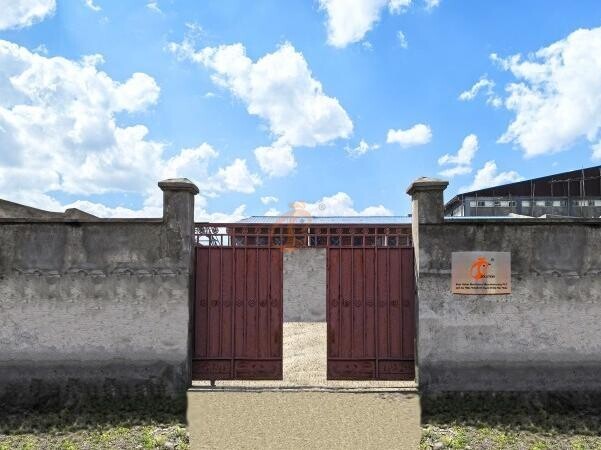
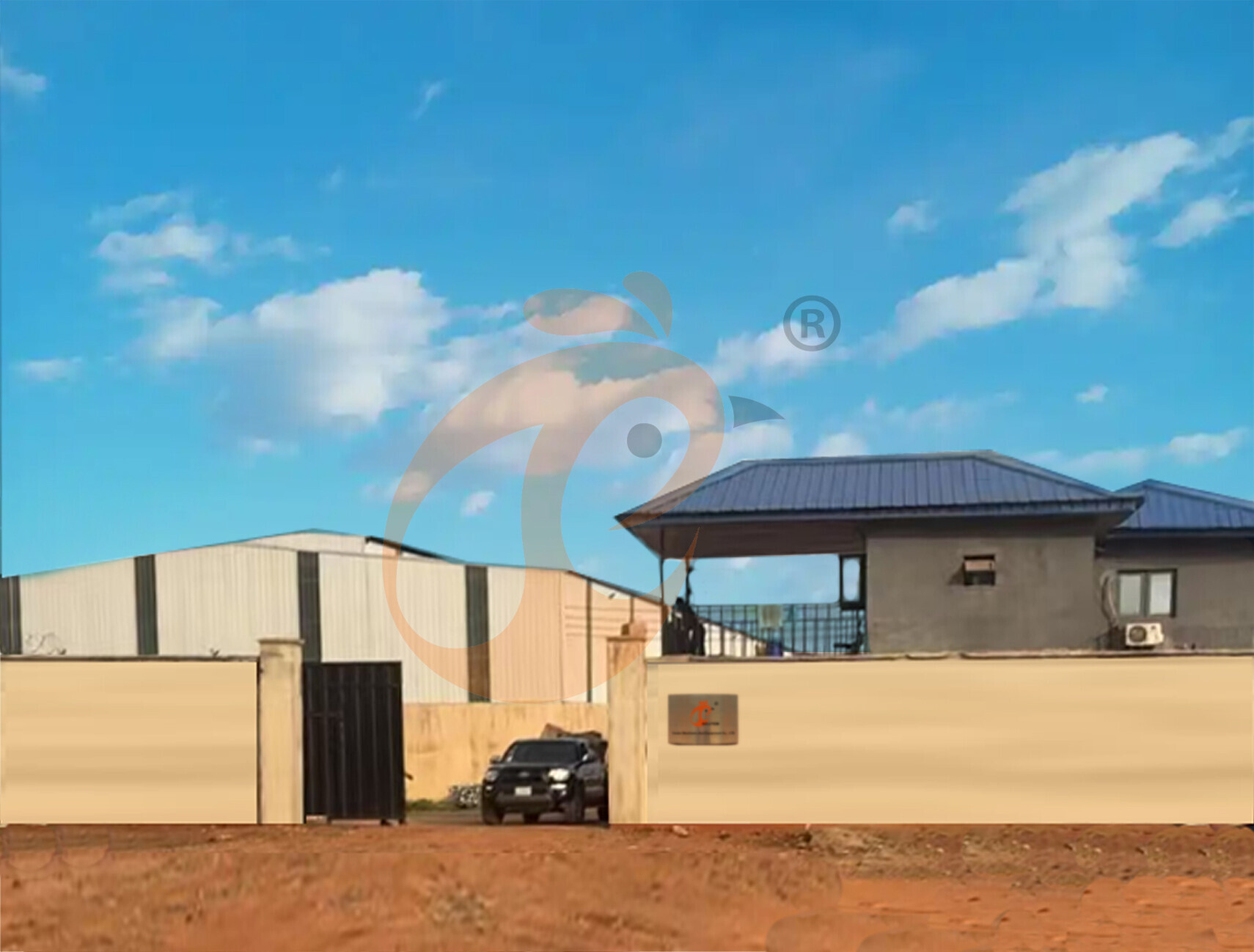
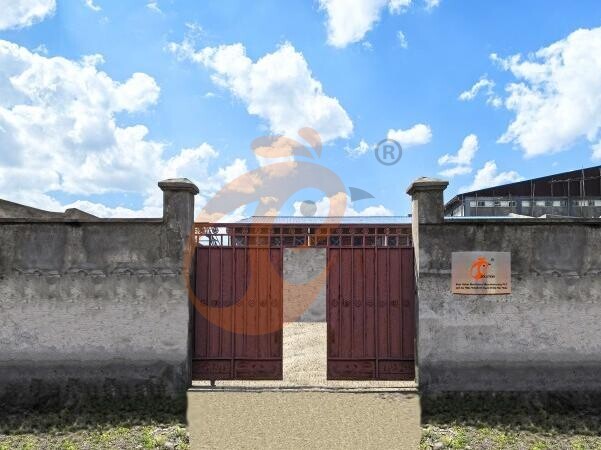
Ethiopia Branch Office And Factory Of Poultry Farm Equipment
Overview Of H Type Battery Cage Systems
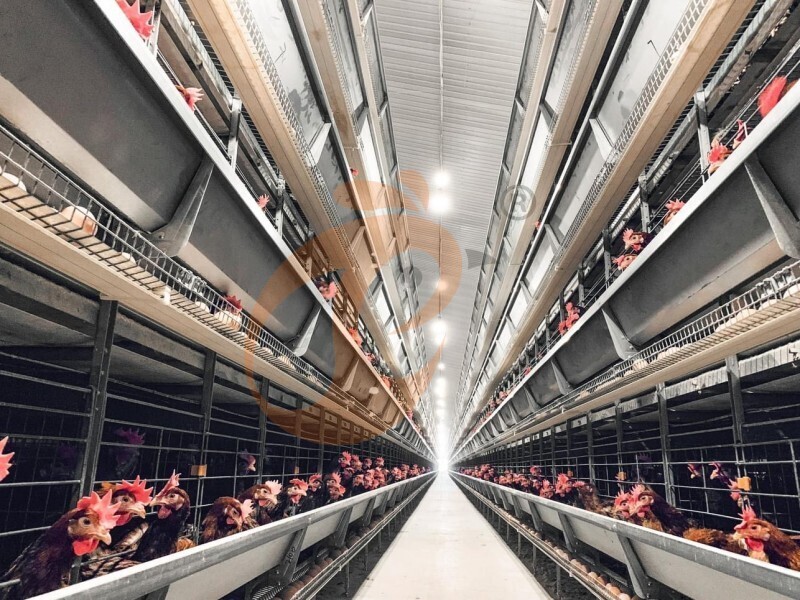
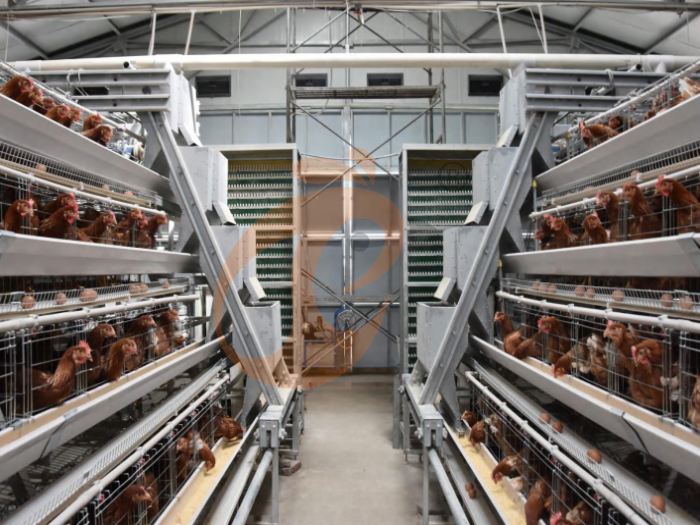
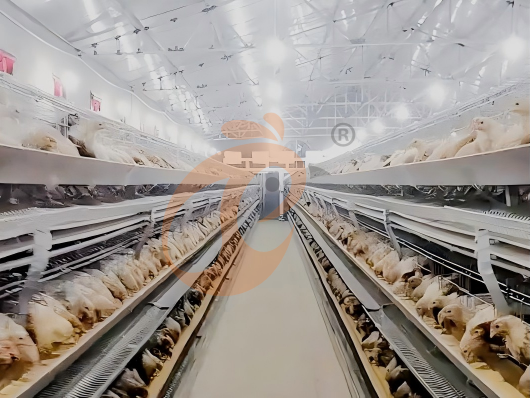
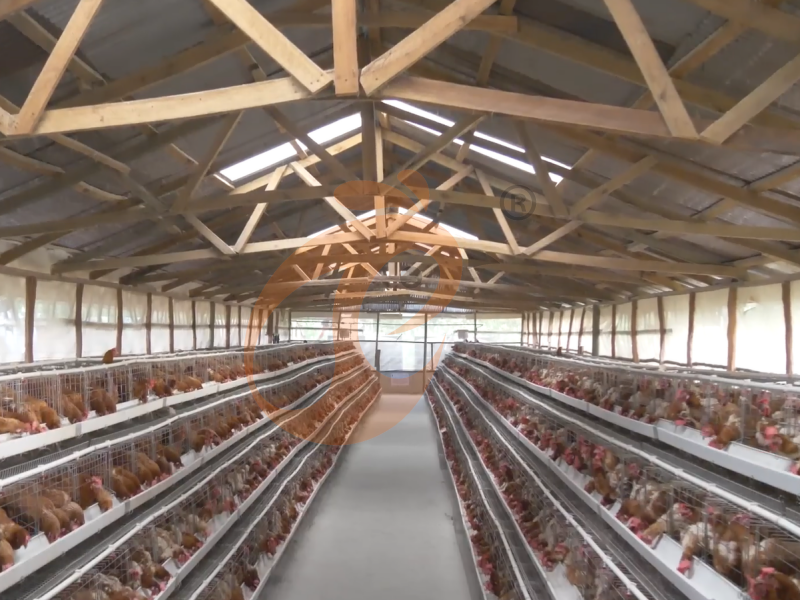
H-type chicken cages are multi-tier cage systems designed for commercial egg production farms.
They integrate feeding, drinking, manure removal, and egg collection systems inside a single cage structure.
For Ethiopian poultry farms supplying eggs to Addis Ababa, Bahir Dar, and Dire Dawa markets, these systems allow farms to manage larger layer populations in a controlled environment.
The H-frame layer cage system is commonly used in automated poultry farm equipment setups because it allows vertical expansion of production capacity while maintaining organized bird management.
Data is for reference only.Swipe horizontally to view full table.
Typical Investment Cost For H Type Battery Cages In Ethiopia
Investment costs for H-type battery cages vary depending on farm capacity, cage tier levels, automation level, and poultry house size.
Most Ethiopian farms import cage equipment through Djibouti Port before transportation to central poultry regions such as Oromia and Amhara.
Farmers expanding commercial egg production often select H-type layer cage system installations to increase bird capacity without expanding land area.
Data is for reference only.Swipe horizontally to view full table.
European union standard reference only.
Bird Capacity Comparison Between Housing Systems
Farmers choosing between floor housing, A-type cages, and H-type cages usually compare bird capacity per building.
In Ethiopian poultry regions where land prices near cities have increased, cage density directly influences egg production volume.
The H-type battery cages cost and return on investment are strongly related to stocking density and production scale.
Data is for reference only.Swipe horizontally to view full table.
Operating Costs For An Ethiopian Layer Farm
Operating costs for poultry farms in Ethiopia are mainly influenced by feed prices, labor wages, veterinary programs, and electricity supply.
Feed ingredients such as maize and soybean meal are sourced from Ethiopian agricultural regions including Oromia and Southern Nations areas.
Automated poultry farm equipment reduces labor input while maintaining routine feeding and egg collection operations.
Data is for reference only.Swipe horizontally to view full table.
European union standard reference only.
Egg Production And Revenue Potential
Layer hens begin egg production at approximately 18 weeks of age and continue producing eggs for around 72 weeks.
H-type battery cages allow farms to maintain organized egg collection schedules, which supports consistent supply for wholesale markets.
Urban markets such as Addis Ababa, Hawassa, and Dire Dawa maintain continuous demand for table eggs.
Data is for reference only.Swipe horizontally to view full table.
European union standard reference only.
Return On Investment Calculation For H Type Battery Cage Farms
Return on investment for a poultry farm is determined by production performance, feed price stability, and egg market demand.
Large-scale poultry farms applying commercial egg production cages usually aim for predictable production cycles and stable supply contracts.
Data is for reference only.Swipe horizontally to view full table.
European union standard reference only.
Locate Farms Near Feed Supply Regions
Feed transportation affects long-term operating costs.
Many Ethiopian poultry farms select locations close to maize producing areas such as Bishoftu and Adama.
Shorter transport distances help stabilize feed delivery schedules.
Data is for reference only.Swipe horizontally to view full table.
Use Automated Egg Collection
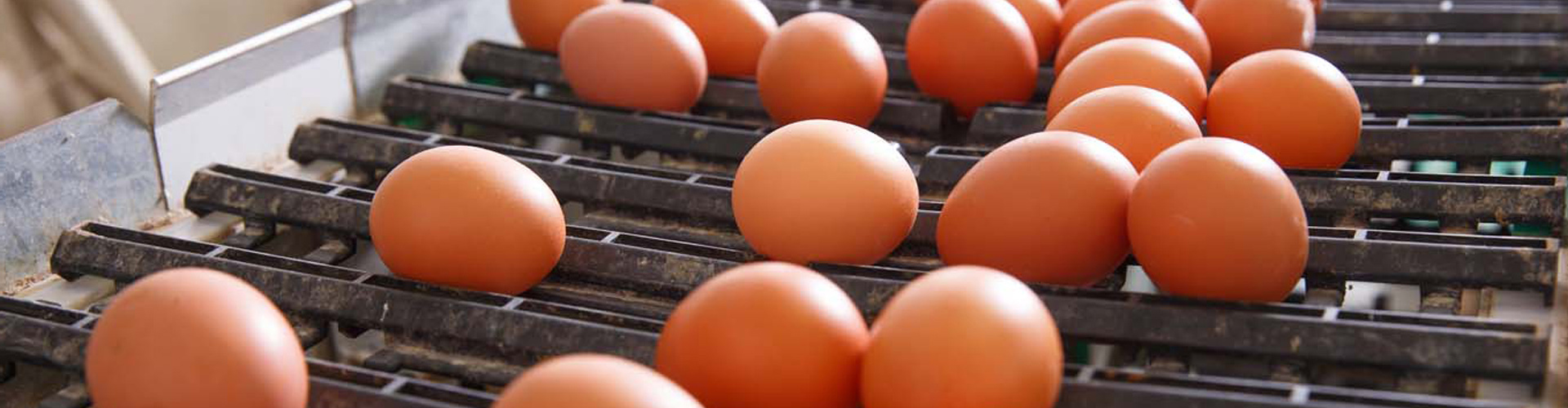
Automatic egg collection belts reduce egg breakage and shorten daily egg collection time.
Layer farms delivering eggs to supermarkets and bakeries benefit from organized egg grading and packaging systems.
Automation also allows workers to focus on flock health monitoring and equipment inspection.
Optimize Flock Replacement Cycles
Organized flock replacement planning helps farms maintain continuous egg supply.
Data is for reference only.Swipe horizontally to view full table.
Improve Manure Management
Layer farms generate large volumes of poultry manure that can be processed as organic fertilizer.
Vegetable farms around Debre Zeit and Mojo frequently purchase poultry manure for crop fertilization.
Data is for reference only.Swipe horizontally to view full table.
European union standard reference only.
Maintain Stable Ventilation
Temperature variation between Ethiopian highlands and lowlands can influence laying performance.
Tunnel ventilation systems combined with cooling pads help maintain stable indoor environments.
Data is for reference only.Swipe horizontally to view full table.
Target Institutional Egg Buyers
Large egg buyers provide consistent purchase volumes.
Hotels, universities, restaurants, and bakeries in Ethiopian cities maintain regular egg demand.
Establishing supply relationships with institutional buyers helps poultry farms stabilize revenue planning.
Frequently Asked Questions About H Type Battery Cages Cost And Return On Investment
Q1: How many chickens can an H-type battery cage house?
A1: An H-type battery cage with 4–6 tiers can house between 22000 and 30000 birds inside a 1000 square meter poultry house depending on cage configuration and ventilation design.
Q2: What factors affect the return on investment of layer cage farms?
A2: Feed prices, egg market demand, flock productivity, and automation level of poultry farm equipment influence the profitability of cage farming systems.
Q3: Is automated egg collection necessary for commercial egg production?
A3: Automatic egg collection systems improve egg handling efficiency and help maintain organized egg packaging for urban wholesale markets.
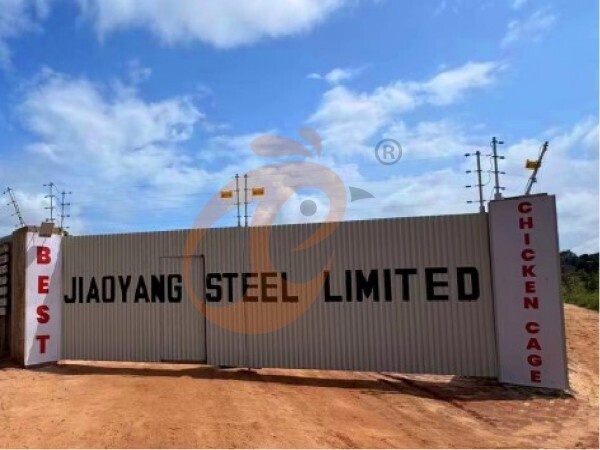
Ethiopia Best Hebei Machinery Manufacturing Plc - One Of Ethiopia Largest Poultry Cage Manufacturer
• Global factory direct supply of poultry farm equipment including poultry cage systems for commercial egg farms.
• Specialized manufacturing of H-type battery cages, A-type cage systems, feeding systems, and manure removal equipment.
• Turn-key poultry farm engineering solutions including poultry house design, equipment installation, and farm planning.
• Production capacity supporting farms from 10000 birds up to 120000 birds with structured cage layouts.
• Equipment manufactured using galvanized steel structures with cage size examples such as 600 mm × 625 mm × 500 mm per cage unit for commercial egg production cages.
Contact Us To Received Your Customized Poultry Farm Plan
Headquarters And Branchs

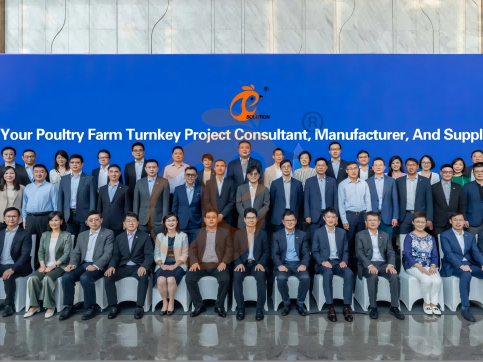
Hong Kong Headquarter Management Team
Hong Kong Headquarter Taiyu Industrial Group CO., LTD
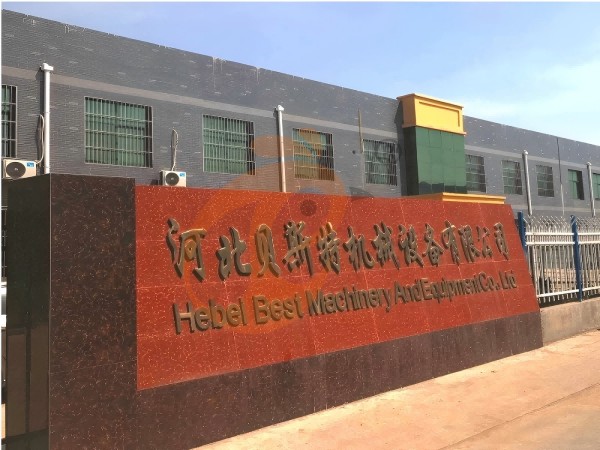
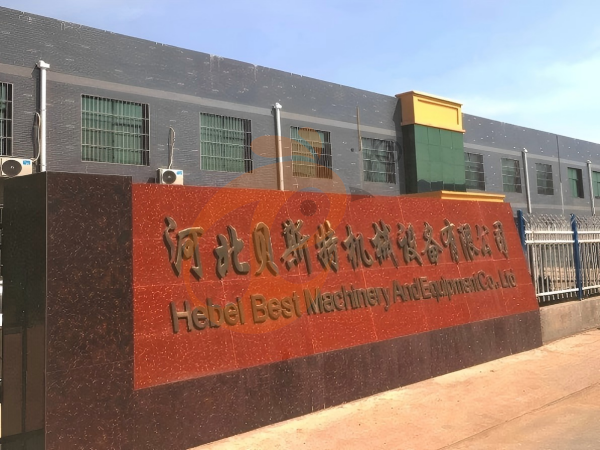
China Hebei Best Machinery And Equipment CO., LTD
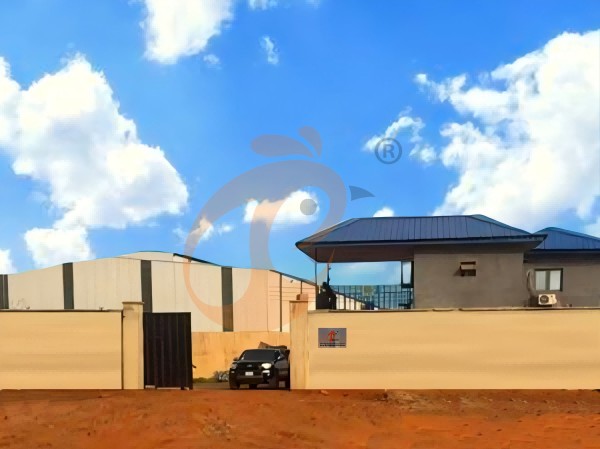
Nigeria Vanke Machinery And Equipment CO., LTD
Tanzania Best Machinery And Equipment CO., LTD
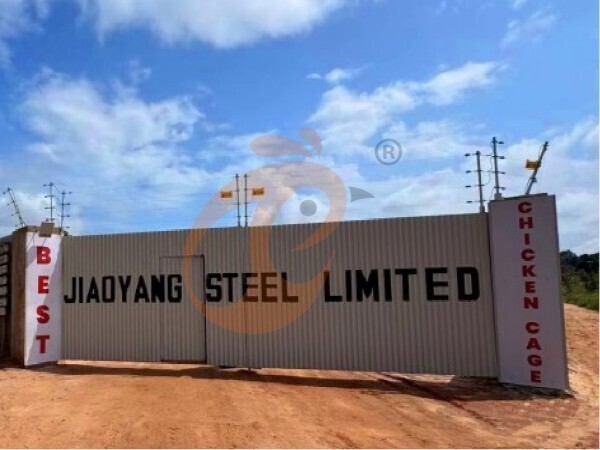
Ethiopia Best Hebei Machinery Manufacturing PLC
Reception /24 WhatsApp NO. : +8618830120193
- layer cage
- poultry farm
- poultry cage
- battery cage
- poultry farm
- poultry farm equipment
- poultry farm construction
- battery cage system
- layer cage system
- poultry cage manufacturer
- battery cage
- automatic feeding system
- layer farm
- poultry farmer
- poultry house
- poultry cage system
- automated poultry farm equipment
- poultry house construction
- poultry house design
- automated poultry farm
- Ethiopia
- Nigeria
Message
Products recommended
 HK Headquarter Offers EU-standard Poultry Farm Solutions, Manufacture Poultry Farm Equipment1. Continuous communication with the EU and the US
2. China, Nigeria, Ethiopia, Tanzania branch companies and factories
3. The products’ quality is customized for local poultry farms
4. Poultry cage and poultry farm equipment stock for sale
5. 24 online reception Whatsapp NO. : +8618830120193,contact us to get full informationRead More China Branch Offer Poultry Farm Business Plan, Manufacture Poultry Farm Equipment1. Address: Flat/RM 2416, 24/F, Runxing Building, Youyi Nan Street, Shijiazhuang City, Hebei Province, China
2. Poultry cage and poultry farm equipment factory and stock for sale
3. Customized for local poultry farms
4. Quality and design are based on Euro
5. 24 online reception Whatsapp NO. : +8618830120193Read More Nigeria Branch Offer Poultry Farm Business Plan, Manufacture Poultry Farm Equipment1. Address: After Sinoma Office, 200 Meters Near Danco Filling Station, Lagos/Ibadan Expressway, Lagos State, Nigeria
2. Poultry cage and poultry farm equipment factory and stock for sale
3. Customized for Nigerian poultry farms
4. Quality and design are based on Euro
5. 24 online reception Whatsapp NO. : +8618830120193Read More Ethiopia Branch Offer Poultry Farm Business Plan, Manufacture Poultry Farm Equipment1. Address: Gelan Gura, Akaki-kaliti Sub City, Addis Ababa, Ethiopia
2. Poultry cage and poultry farm equipment stock for sale
3. Customized for Ethiopian poultry farms
4. Quality and design are based on Euro
5. 24 online reception Whatsapp NO. : +8618830120193, contact us to get price listRead More Tanzania Branch Offer Poultry Farm Business Plan, Manufacture Poultry Farm Equipment1. Address: No.8, Sova Road, Msufini, Mlandizi, Kibaha, Pwani, Tanzania
2. Poultry cage and poultry farm equipment factory and stock for sale
3. Customized for Tanzanian poultry farms
4. Quality and design are based on Euro
5. 24 online reception Whatsapp NO. : +8618830120193Read More Fully Automatic H Type Layer Chicken Cage1. 30,000-100,000+ layers/house chooses it, Poultry farmers can achieve an egg production rate of 96-98%
2. A significant improvement over the 85-90% typically seen in manual systems
3. A typical poultry farm can expect a 30-40% reduction in labor costs due to the automation
4. Each feeding line efficiently supplies feed to around 100,000 hens per 30 mins
5. Reception /WhatsApp NO. : +8618830120193Read More Fully Automatic A Type Layer Chicken Cage1. 10,000-50,000 layers/house chooses it
2. Cleaner egg collection reduces breakage by 0.5%
3. Improved hygiene helps reduce mortality rate to <3%
4. 1–2 technicians can handle 15,000–30,000 birds
5. Reception /WhatsApp NO. : +8618830120193Read More Semi Automatic H Type Layer Chicken Cage1. 1,00-20,000 layers/house chooses it
2. Nipple drinkers flow 30–60 ML / min
3. Hot-dip galvanized (typical coating ≥ 275 g/m²)
4. Reduce ammonia by ~ 35–40%
5. Reception /WhatsApp NO. : +8618830120193Read More Semi Automatic A Type Layer Chicken Cage1. 1,00-20,000 layers/house chooses it, no rust for 10 years, no deformation for 15 years
2. Chickens live comfortably, you can raise them with peace of mind
3. Save water, save money—efficiency you can measure
4. Improve environment quality, and increase egg production rate
5. Reception /WhatsApp NO. : +8618830120193Read More
By clicking 'Allow All', you agree to the storage of cookies on your device to enhance site navigation, analyze site usage and assist with our marketing efforts.