


Blog
Getting an accurate Ethiopian poultry cage quotation helps investors plan farms with realistic costs and equipment configurations.
Clear planning of house size, cage structure, and automation prevents unexpected financial pressure during project construction.
Understanding logistics, documentation, and import procedures reduces delays during international equipment transportation.
Correct cage selection improves egg production stability and reduces long-term maintenance costs for commercial farms.
Get professional poultry farm construction guidance, equipment selection solutions, and the latest price lists, whatsApp to +8618830120193, click to learn more:

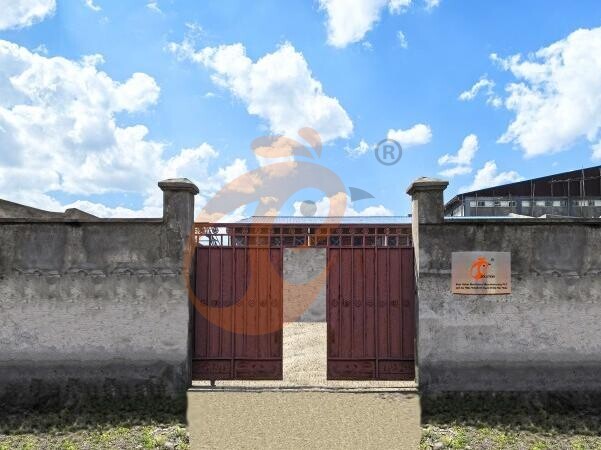
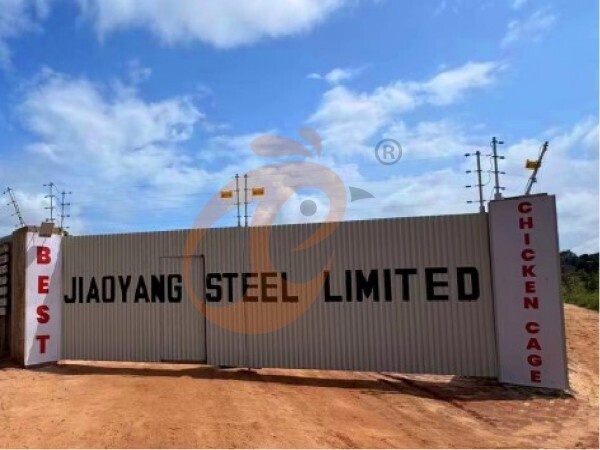
Ethiopia Branch Office And Factory Of Poultry Farm Equipment
Define Your Scale Based On Ethiopian Land Logistics
Before asking for a price, you must define the scale of your layer operation.
An accurate quotation should start with the number of birds and the poultry house dimensions.
Many farmers start with 10,000 to 30,000 layers depending on available land and construction capacity.
Data is for reference only.Swipe horizontally to view full table.
Select The Cage Type Suited For Your Regional Climate
Ethiopia's geography varies from cool highlands to hotter lowland areas.
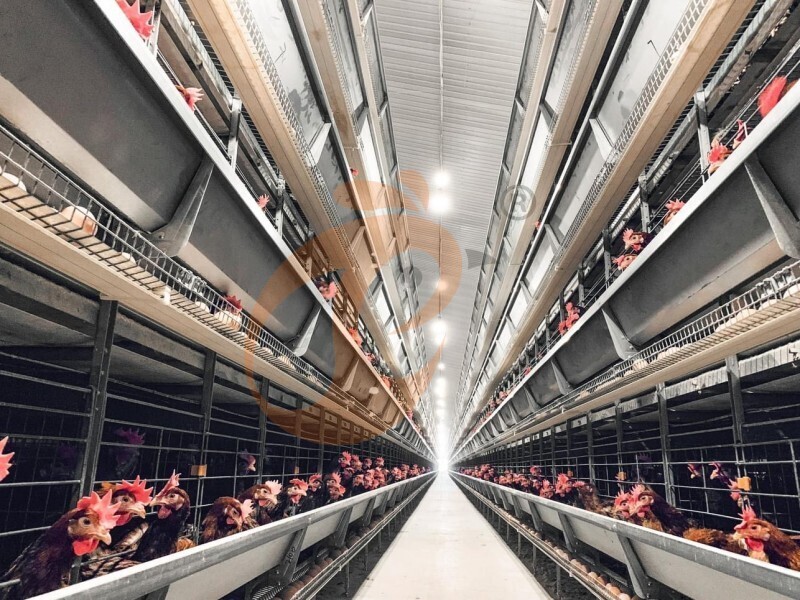
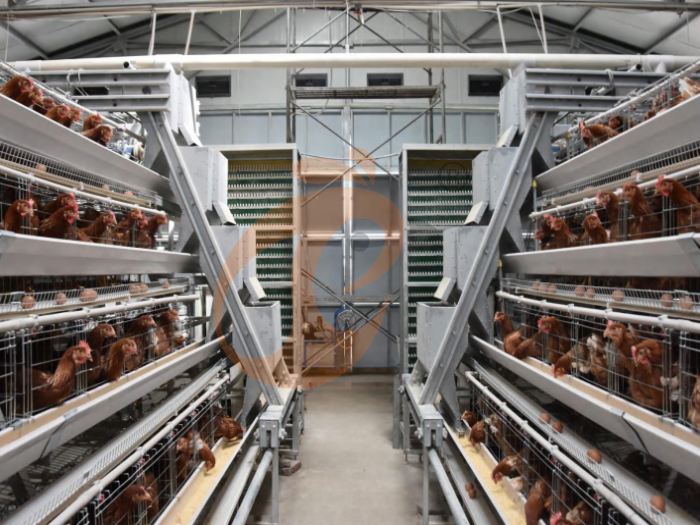
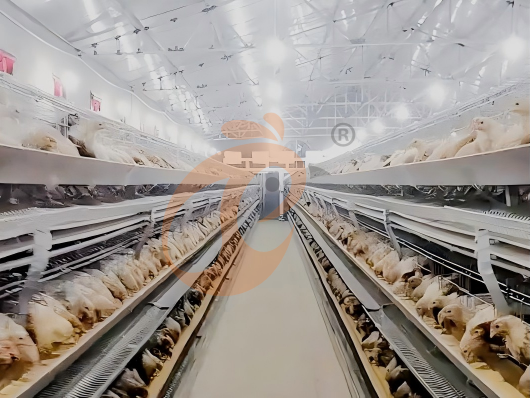
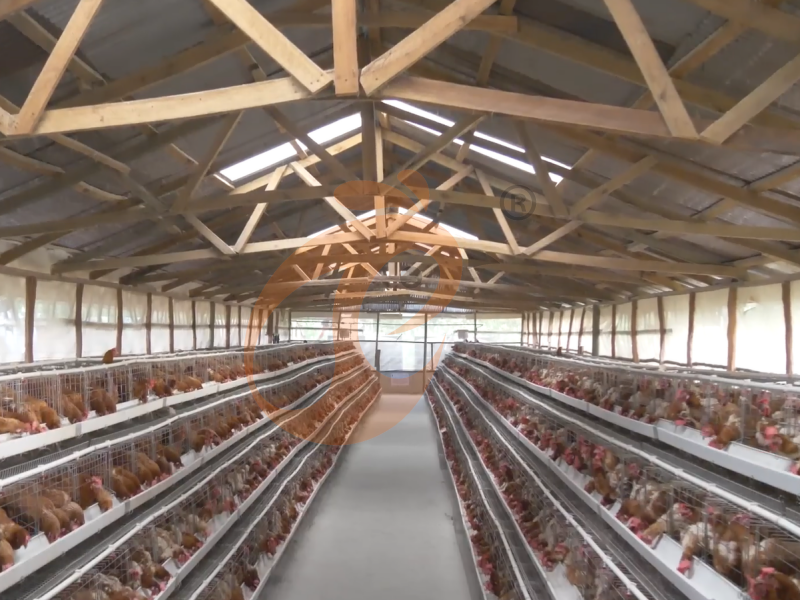
This difference determines whether an A-type or H-type chicken cage system is more suitable.
Choosing the correct system helps maintain stable production performance.
Data is for reference only.Swipe horizontally to view full table.
Account For Automation To Combat Labor Costs
Modern farms require improved efficiency to maintain stable Feed Conversion Ratios (FCR).
Manual feeding in large farms can cause feed waste and inconsistent egg production.
Automated feeding and drinking systems help improve operational accuracy and farm efficiency.
Data is for reference only.Swipe horizontally to view full table.
Factor In Djibouti To Ethiopia Logistics And Duties
Most poultry farm equipment entering Ethiopia is transported through the Port of Djibouti.
Logistics planning should include shipping terms such as FOB and CIF.
Transportation and import processes must also include customs documentation and bank payment procedures.
Logistics and transportation expenses may range between 450,000 to 900,000 Ethiopian Birr depending on shipment volume.
European union standard reference only.
Data is for reference only.Swipe horizontally to view full table.
Prioritize Egg Quality And Manure Management
Egg cleanliness and shell quality influence the market value of eggs.
Manure management systems help keep eggs clean during production.
Efficient manure removal also helps control ammonia levels in poultry houses.
Data is for reference only.Swipe horizontally to view full table.
Verify The Structural Durability Of The Cage Frame
Steel material quality directly affects the service life of poultry cage systems.
Hot-dip galvanizing is widely used to increase corrosion resistance in poultry environments.
Selecting durable cage structures reduces long-term maintenance and replacement costs.
Typical equipment investment for a 30,000-layer farm may range from 4,800,000 to 7,500,000 Ethiopian Birr depending on automation level.
European union standard reference only.
Data is for reference only.Swipe horizontally to view full table.
Analyze Return On Investment Based On Local Feed And Egg Prices
Farm investment planning should include both equipment cost and operational expenses.
Feed materials such as maize and soybean represent the largest portion of farm costs.
Efficient chicken cage systems help reduce feed waste and improve production output.
Estimated payback periods for medium-scale farms are typically between 18 and 24 months depending on egg market conditions.
Total farm investment may reach approximately 9,000,000 to 14,000,000 Ethiopian Birr including equipment and housing construction.
European union standard reference only.
Data is for reference only.Swipe horizontally to view full table.
Ethiopia Best Hebei Machinery Manufacturing Plc - One Of Ethiopia Largest Poultry Cage Supplier
Global factory direct sales model ensures competitive equipment pricing and reliable international supply capability for poultry farm investors.
The company provides integrated poultry farm equipment solutions including feeding systems, drinking systems, manure removal systems, and environmental control equipment.
Advanced poultry cage manufacturing technology ensures long service life, corrosion resistance, and stable structural performance for commercial farms.
Professional engineering teams deliver complete Turn-key poultry farm construction solutions from farm design to equipment installation and commissioning.
Export experience in many international markets ensures reliable project support, installation guidance, and long-term technical service for poultry farm development.
Contact Us To Received Your Customized Poultry Farm Plan
Headquarters And Branchs

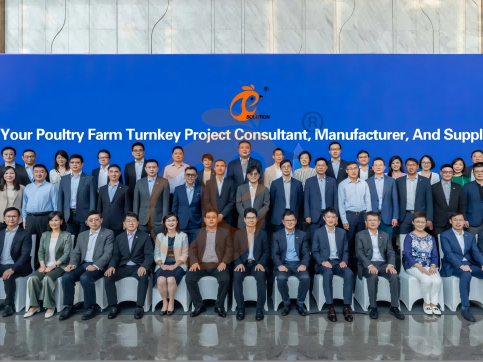
Hong Kong Headquarter Management Team
Hong Kong Headquarter Taiyu Industrial Group CO., LTD
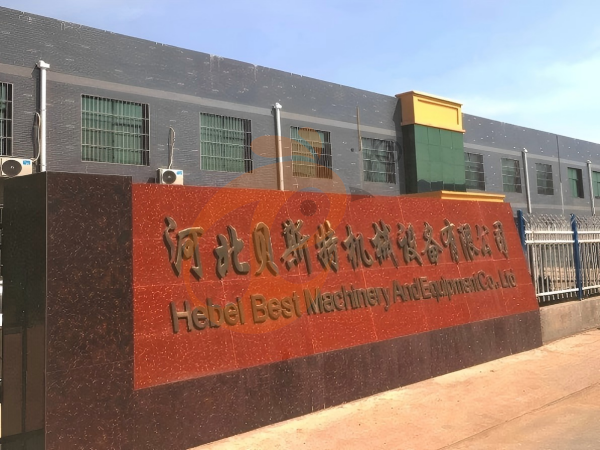
China Hebei Best Machinery And Equipment CO., LTD
Nigeria Vanke Machinery And Equipment CO., LTD
Tanzania Best Machinery And Equipment CO., LTD
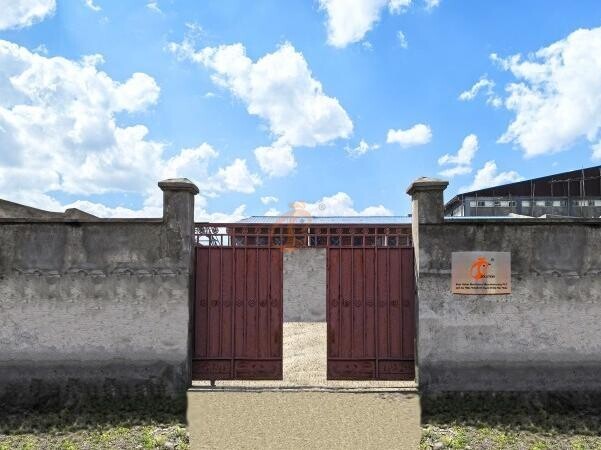
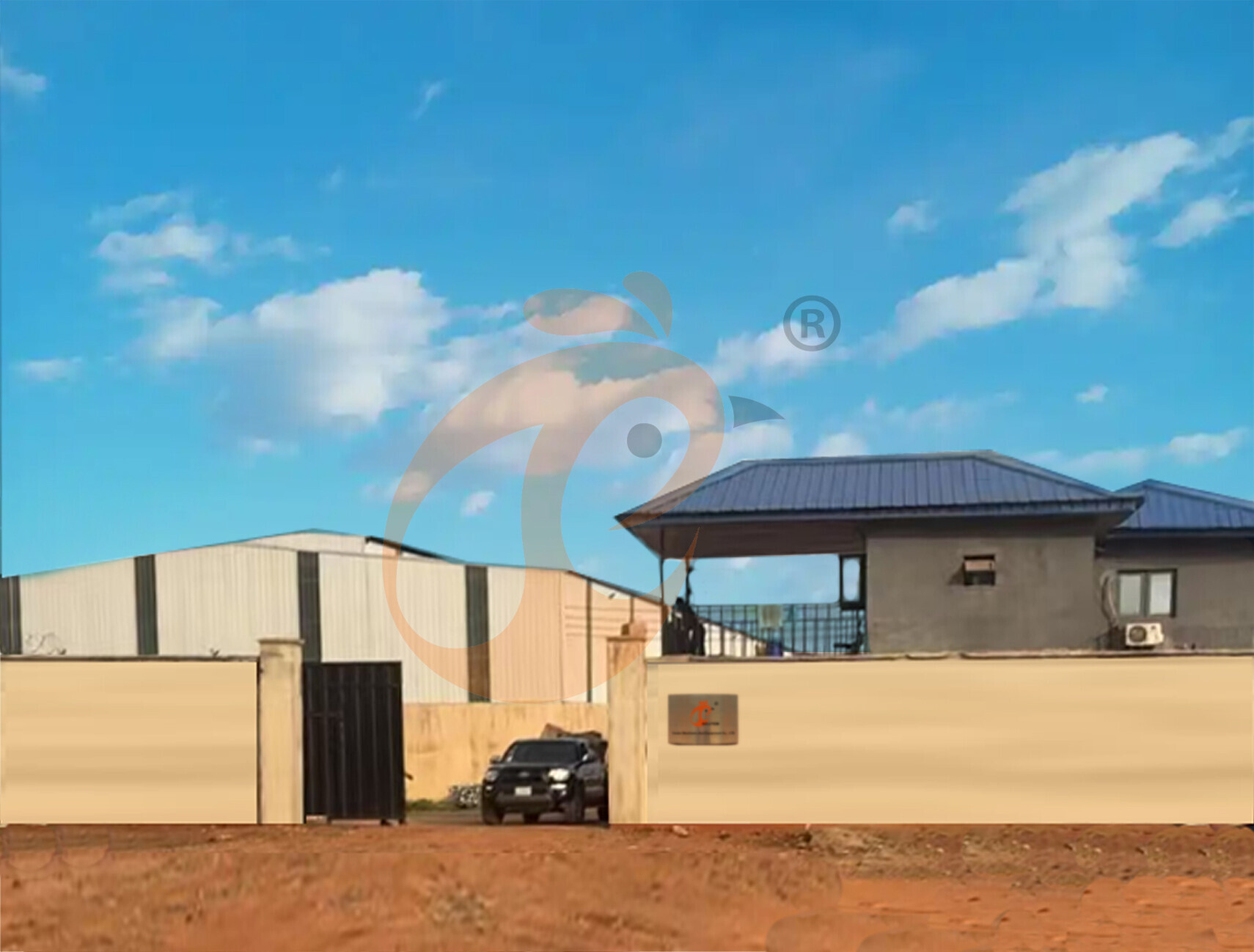
Ethiopia Best Hebei Machinery Manufacturing PLC
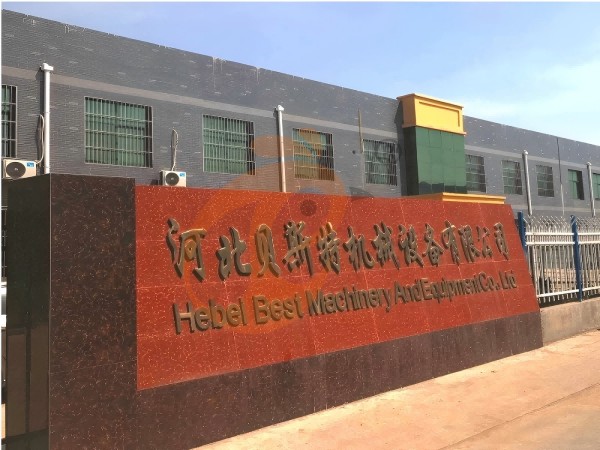
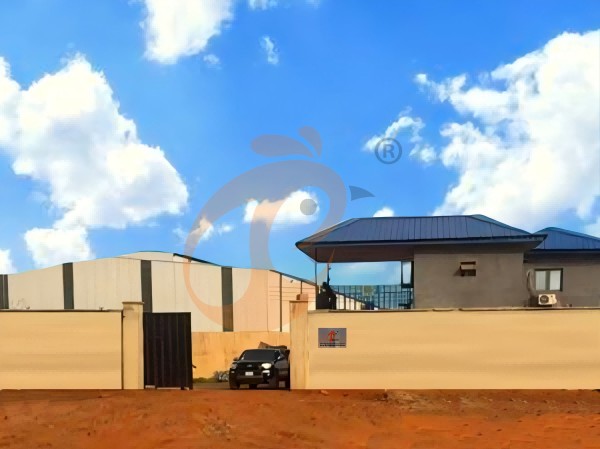
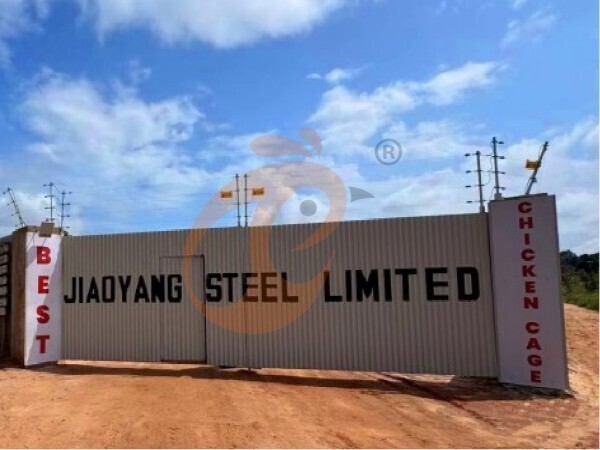
Reception /24 WhatsApp NO. : +8618830120193
FAQ
What Are The Professional Guidelines For Poultry Cage Farm Layout Optimization?
Multi-tier layout 4–16 tiers, 24–48 birds per tier, house capacity 30,000–100,000 birds.
Aisles and zoning allow efficient feeding, cleaning, and health management.
With automation, labor can be reduced by up to 70-90%.
How To Implement Advanced Battery Cage Systems For Maximum Egg Yield?
Automatic feeding, drinking, egg collection, and manure cleaning systems ensure stable production.
Egg production rate: 90–98%, daily egg yield: 900–980 eggs/1,000 birds.
Regular cleaning and monitoring mortality rate can limit losses to 2–3%.
How To Optimize ROI In Chicken Cage Farms Using Automation Systems?
Egg production rate can reach 90–98%, FCR maintained at 1.9–2.1.
Initial investment recovers in 24–36 months, ROI can increase by 20–25%.
Message
Products recommended
 HK Headquarter Offers EU-standard Poultry Farm Solutions, Manufacture Poultry Farm Equipment1. Continuous communication with the EU and the US
2. China, Nigeria, Ethiopia, Tanzania branch companies and factories
3. The products’ quality is customized for local poultry farms
4. Poultry cage and poultry farm equipment stock for sale
5. 24 online reception Whatsapp NO. : +8618830120193,contact us to get full informationRead More China Branch Offer Poultry Farm Business Plan, Manufacture Poultry Farm Equipment1. Address: Flat/RM 2416, 24/F, Runxing Building, Youyi Nan Street, Shijiazhuang City, Hebei Province, China
2. Poultry cage and poultry farm equipment factory and stock for sale
3. Customized for local poultry farms
4. Quality and design are based on Euro
5. 24 online reception Whatsapp NO. : +8618830120193Read More Nigeria Branch Offer Poultry Farm Business Plan, Manufacture Poultry Farm Equipment1. Address: After Sinoma Office, 200 Meters Near Danco Filling Station, Lagos/Ibadan Expressway, Lagos State, Nigeria
2. Poultry cage and poultry farm equipment factory and stock for sale
3. Customized for Nigerian poultry farms
4. Quality and design are based on Euro
5. 24 online reception Whatsapp NO. : +8618830120193Read More Ethiopia Branch Offer Poultry Farm Business Plan, Manufacture Poultry Farm Equipment1. Address: Gelan Gura, Akaki-kaliti Sub City, Addis Ababa, Ethiopia
2. Poultry cage and poultry farm equipment stock for sale
3. Customized for Ethiopian poultry farms
4. Quality and design are based on Euro
5. 24 online reception Whatsapp NO. : +8618830120193, contact us to get price listRead More Tanzania Branch Offer Poultry Farm Business Plan, Manufacture Poultry Farm Equipment1. Address: No.8, Sova Road, Msufini, Mlandizi, Kibaha, Pwani, Tanzania
2. Poultry cage and poultry farm equipment factory and stock for sale
3. Customized for Tanzanian poultry farms
4. Quality and design are based on Euro
5. 24 online reception Whatsapp NO. : +8618830120193Read More Fully Automatic H Type Layer Chicken Cage1. 30,000-100,000+ layers/house chooses it, Poultry farmers can achieve an egg production rate of 96-98%
2. A significant improvement over the 85-90% typically seen in manual systems
3. A typical poultry farm can expect a 30-40% reduction in labor costs due to the automation
4. Each feeding line efficiently supplies feed to around 100,000 hens per 30 mins
5. Reception /WhatsApp NO. : +8618830120193Read More Fully Automatic A Type Layer Chicken Cage1. 10,000-50,000 layers/house chooses it
2. Cleaner egg collection reduces breakage by 0.5%
3. Improved hygiene helps reduce mortality rate to <3%
4. 1–2 technicians can handle 15,000–30,000 birds
5. Reception /WhatsApp NO. : +8618830120193Read More Semi Automatic H Type Layer Chicken Cage1. 1,00-20,000 layers/house chooses it
2. Nipple drinkers flow 30–60 ML / min
3. Hot-dip galvanized (typical coating ≥ 275 g/m²)
4. Reduce ammonia by ~ 35–40%
5. Reception /WhatsApp NO. : +8618830120193Read More Semi Automatic A Type Layer Chicken Cage1. 1,00-20,000 layers/house chooses it, no rust for 10 years, no deformation for 15 years
2. Chickens live comfortably, you can raise them with peace of mind
3. Save water, save money—efficiency you can measure
4. Improve environment quality, and increase egg production rate
5. Reception /WhatsApp NO. : +8618830120193Read More
By clicking 'Allow All', you agree to the storage of cookies on your device to enhance site navigation, analyze site usage and assist with our marketing efforts.