


Blog
Ethiopian poultry cage system price depends on materials, automation level, logistics, and farm design.
Poultry farming in Ethiopia is expanding due to increasing demand for affordable protein sources.
Commercial layer farmers are gradually shifting from traditional free range systems to intensive cage production.
Import logistics, foreign currency access, and infrastructure planning strongly influence investment decisions.
Understanding equipment lifespan, feed efficiency, and maintenance costs improves long term profitability.
Get professional poultry farm construction guidance, equipment selection solutions, and the latest price lists, whatsApp to +8618830120193, click to learn more.

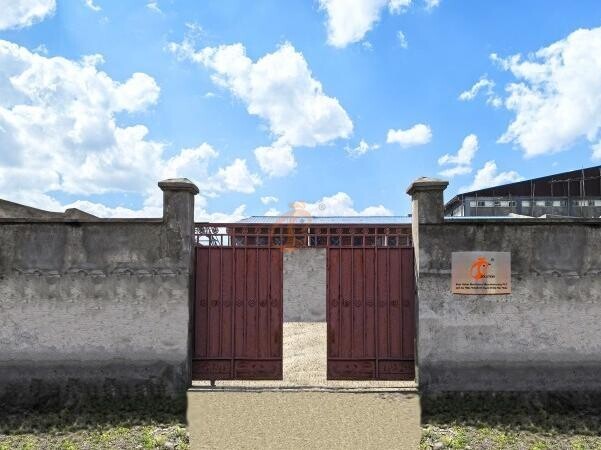
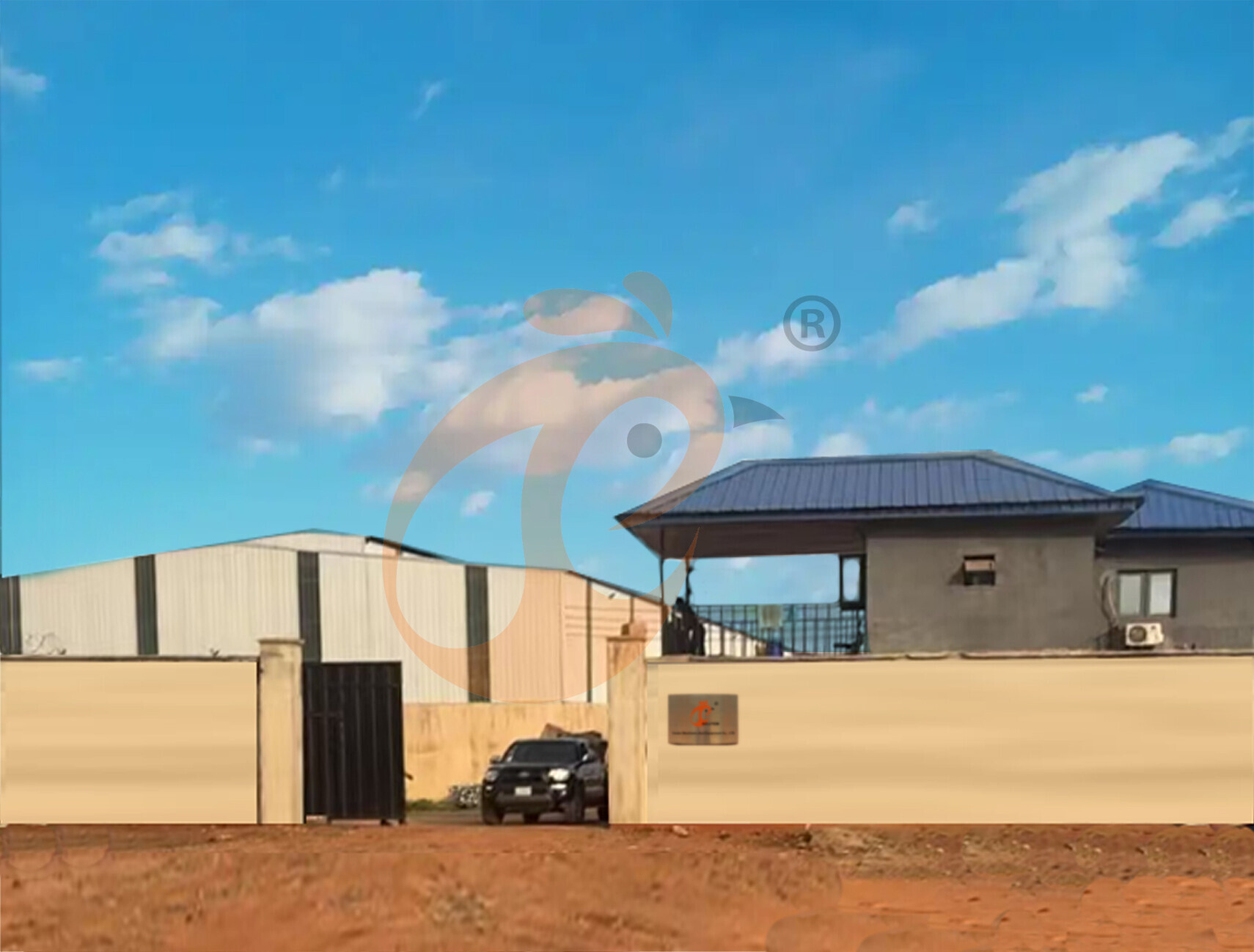
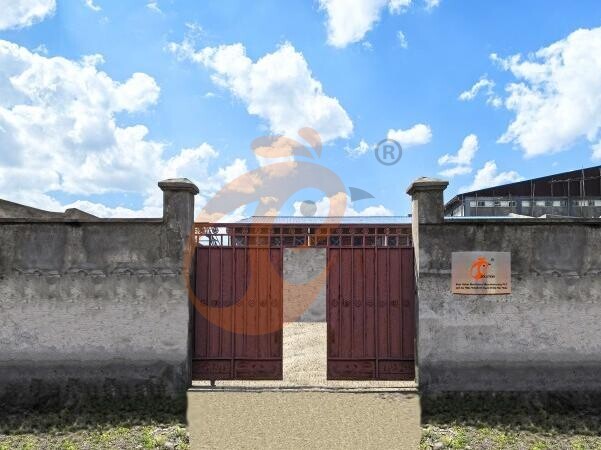
Ethiopia Branch Office And Factory Of Poultry Farm Equipment
Ethiopian Poultry Industry Transformation And Investment Considerations
The poultry industry in Ethiopia is witnessing a transformative era.
As the demand for protein rises alongside the urbanization of centers like Addis Ababa and Hawassa, traditional free range, low productivity methods are struggling to keep pace.
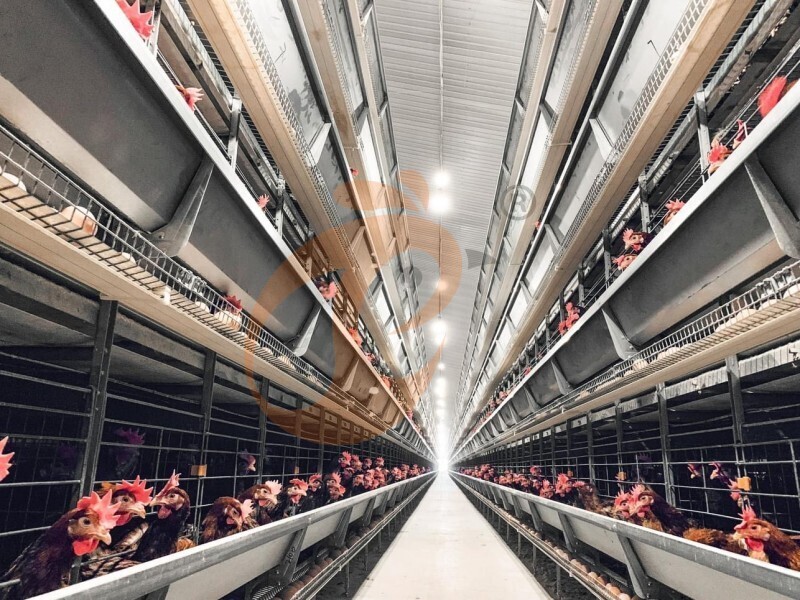
For commercial farmers aiming to scale, the transition to specialized layer cage systems is no longer a luxury it is an economic imperative.
However, the question on every serious investor's mind remains what is the real cost of a layer cage system in Ethiopia?
Beyond the initial price tag, the true investment involves navigating the unique landscape of Ethiopian import logistics, foreign exchange constraints, and local infrastructure limitations.
This article breaks down the critical factors that influence the poultry cage system cost Ethiopia farmers encounter when planning a modern poultry facility.
Material Specifications And Corrosion Resistance
Ethiopia's diverse climate ranging from humid lowlands to cool highlands creates challenges for metal infrastructure.
Poor quality wire may rust quickly, leading to equipment replacement and increased maintenance expenses.
Hot-dip galvanized steel is widely used because the coating layer protects the metal surface for extended production cycles.
Under modern poultry farm operating conditions, hot dipped galvanized poultry cages can reach a service life of more than 25 years, which significantly reduces replacement frequency.
Investing in stronger coating technology increases the initial layer cage system Ethiopia price, but reduces long term replacement frequency.
Data is for reference only.Swipe horizontally to view full table.
System Automation And Labor Integration
Labor resources are available in many rural regions, but production consistency often depends on feeding and egg collection accuracy.
Automatic systems help regulate feeding quantity, improve water supply stability, and reduce feed waste.
Modern layer cage systems also support stable production performance, with laying hens typically achieving 90–98% egg production rate under good farm management conditions.
Automated solutions may increase the initial Ethiopian poultry cage system price, yet operational efficiency and feed savings can compensate for this investment over time.
Feed cost represents a large share of production expenditure, therefore precision feeding systems become economically significant.
Data is for reference only.Swipe horizontally to view full table.
Logistical Costs And Import Hurdles
Many commercial poultry farms obtain cage equipment through international supply channels.
Transport routes commonly pass through the Djibouti port corridor before reaching inland farms.
In addition to the equipment value, farmers must consider shipping, customs procedures, inland transport, and financial service costs.
Typical project budgets may range from 600000 Ethiopian Birr to 1500000 Ethiopian Birr for medium scale poultry cage infrastructure depending on equipment configuration and building conditions.
(European union standard reference only).
Data is for reference only.Swipe horizontally to view full table.
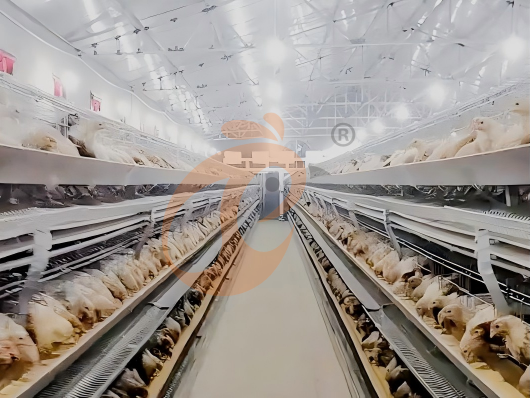
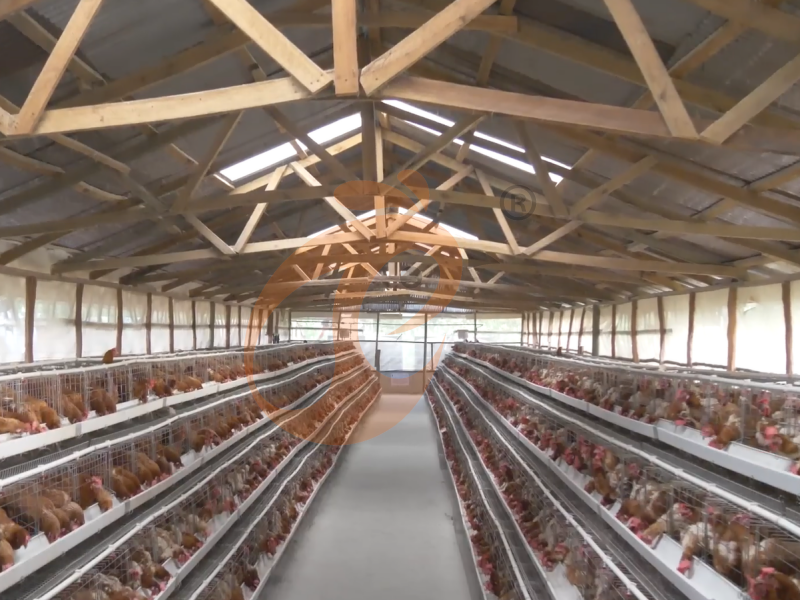
Scalability And Infrastructure Layout (A-Type vs H-Type)
The structural design of the poultry house determines which cage structure should be selected.
Data is for reference only.Swipe horizontally to view full table.
After Sales Support And Component Availability
Maintenance planning is an important part of poultry farm management.
Replacing small components on time prevents interruptions in daily farm operations.
Components such as drinkers, feeding chains, manure belts, and plastic water channels have specific replacement cycles.
Proper spare parts planning helps control maintenance costs and keeps egg production stable throughout the production cycle.
Data is for reference only.Swipe horizontally to view full table.
The Ethiopian Context Pain Points And Solutions
The Feed Volatility Challenge
Feed may represent nearly 70% of egg production cost in many poultry farms.
A feeding trough designed with inward curved edges helps prevent hens from scattering feed during feeding activity.
Reducing feed loss improves profitability and reduces operational costs during long production cycles.
The Forex Barrier
Foreign currency availability can influence equipment procurement timelines.
Farmers may reduce logistics costs through cooperative purchasing and consolidated shipments.
Group orders may also improve negotiation opportunities for transport and payment arrangements.
Data is for reference only.Swipe horizontally to view full table.
Strategic Recommendations
When selecting equipment suppliers, poultry investors often evaluate both purchase price and operational stability.
Equipment durability, spare part availability, and feed efficiency influence long-term economic performance.
Evaluating the total cost of ownership over a five year production period helps determine whether the initial investment is economically sustainable.
Data is for reference only.Swipe horizontally to view full table.
Frequently Asked Questions
Q1: What factors influence the price of poultry cage systems in Ethiopia?
A1: Material coating quality, automation level, transport logistics, building structure, and spare part availability are major factors influencing investment cost.
Q2: How much does a poultry cage system cost for a medium farm in Ethiopia?
A2: A typical cage system for several thousand laying hens may range from hundreds of thousands to over one million Ethiopian Birr depending on equipment design and automation level.
Q3: Which cage structure is suitable for Ethiopian poultry farms?
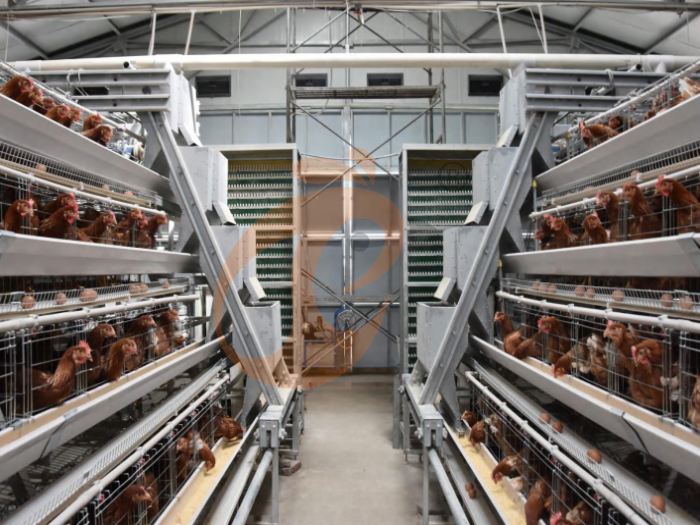
A3: A-type cages are commonly used in naturally ventilated poultry houses and small to medium farms with around 10000–30000 birds, while H-type cages are suitable for medium and large farms with around 30000–100000 birds and automated equipment systems.
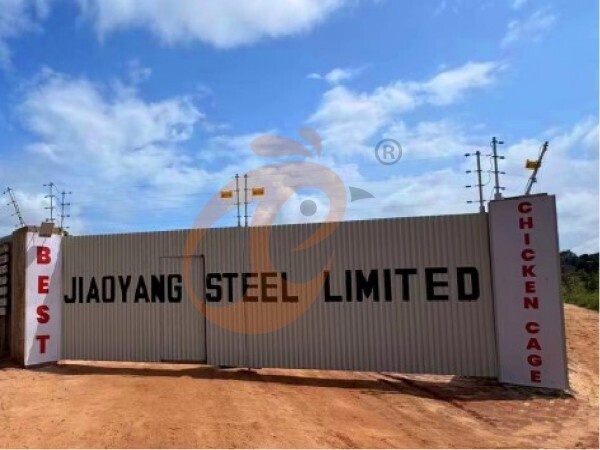
Ethiopia Best Hebei Machinery Manufacturing Plc - One Of Ethiopia Largest Poultry Cage System Manufacturer
HB best provides global factory direct supply of poultry farm equipment and poultry cage systems.
The company supports turn key poultry farm engineering projects, including house design, equipment installation, and operation planning.
Products include A-type layer cages, H-type automated systems, feeding systems, drinking systems, and manure removal equipment.
Equipment uses hot dip galvanized steel with coating thickness around 275 g per square meter and service life over 25 years, ensuring long service life in commercial poultry farms.
HB best delivers integrated solutions with technical support, spare parts supply, and farm capacity designs from 3000 to 100000 birds.
Contact Us To Received Your Customized Poultry Farm Plan
Headquarters And Branchs

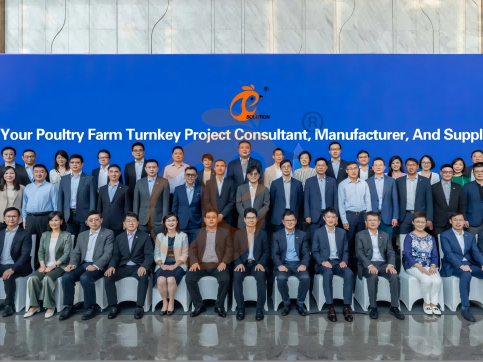
Hong Kong Headquarter Management Team
Hong Kong Headquarter Taiyu Industrial Group CO., LTD
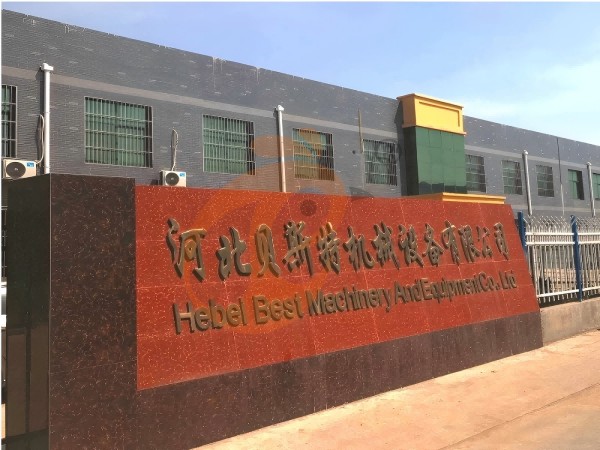
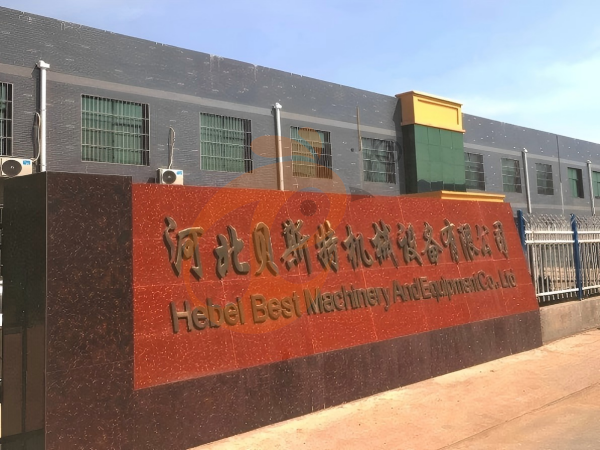
China Hebei Best Machinery And Equipment CO., LTD
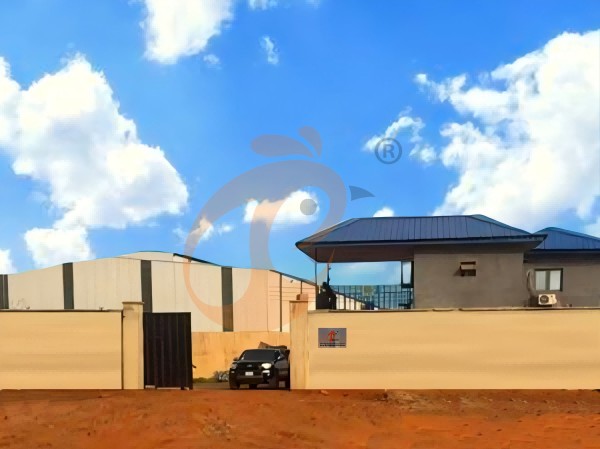
Nigeria Vanke Machinery And Equipment CO., LTD
Tanzania Best Machinery And Equipment CO., LTD
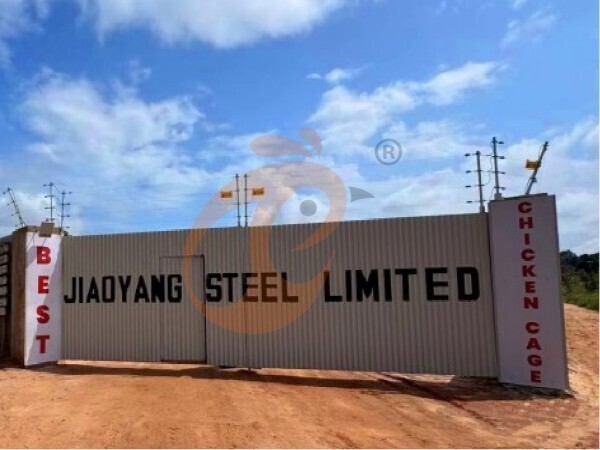
Ethiopia Best Hebei Machinery Manufacturing PLC
Reception /24 WhatsApp NO. : +8618830120193
Message
Products recommended
 HK Headquarter Offers EU-standard Poultry Farm Solutions, Manufacture Poultry Farm Equipment1. Continuous communication with the EU and the US
2. China, Nigeria, Ethiopia, Tanzania branch companies and factories
3. The products’ quality is customized for local poultry farms
4. Poultry cage and poultry farm equipment stock for sale
5. 24 online reception Whatsapp NO. : +8618830120193,contact us to get full informationRead More China Branch Offer Poultry Farm Business Plan, Manufacture Poultry Farm Equipment1. Address: Flat/RM 2416, 24/F, Runxing Building, Youyi Nan Street, Shijiazhuang City, Hebei Province, China
2. Poultry cage and poultry farm equipment factory and stock for sale
3. Customized for local poultry farms
4. Quality and design are based on Euro
5. 24 online reception Whatsapp NO. : +8618830120193Read More Nigeria Branch Offer Poultry Farm Business Plan, Manufacture Poultry Farm Equipment1. Address: After Sinoma Office, 200 Meters Near Danco Filling Station, Lagos/Ibadan Expressway, Lagos State, Nigeria
2. Poultry cage and poultry farm equipment factory and stock for sale
3. Customized for Nigerian poultry farms
4. Quality and design are based on Euro
5. 24 online reception Whatsapp NO. : +8618830120193Read More Ethiopia Branch Offer Poultry Farm Business Plan, Manufacture Poultry Farm Equipment1. Address: Gelan Gura, Akaki-kaliti Sub City, Addis Ababa, Ethiopia
2. Poultry cage and poultry farm equipment stock for sale
3. Customized for Ethiopian poultry farms
4. Quality and design are based on Euro
5. 24 online reception Whatsapp NO. : +8618830120193, contact us to get price listRead More Tanzania Branch Offer Poultry Farm Business Plan, Manufacture Poultry Farm Equipment1. Address: No.8, Sova Road, Msufini, Mlandizi, Kibaha, Pwani, Tanzania
2. Poultry cage and poultry farm equipment factory and stock for sale
3. Customized for Tanzanian poultry farms
4. Quality and design are based on Euro
5. 24 online reception Whatsapp NO. : +8618830120193Read More Fully Automatic H Type Layer Chicken Cage1. 30,000-100,000+ layers/house chooses it, Poultry farmers can achieve an egg production rate of 96-98%
2. A significant improvement over the 85-90% typically seen in manual systems
3. A typical poultry farm can expect a 30-40% reduction in labor costs due to the automation
4. Each feeding line efficiently supplies feed to around 100,000 hens per 30 mins
5. Reception /WhatsApp NO. : +8618830120193Read More Fully Automatic A Type Layer Chicken Cage1. 10,000-50,000 layers/house chooses it
2. Cleaner egg collection reduces breakage by 0.5%
3. Improved hygiene helps reduce mortality rate to <3%
4. 1–2 technicians can handle 15,000–30,000 birds
5. Reception /WhatsApp NO. : +8618830120193Read More Semi Automatic H Type Layer Chicken Cage1. 1,00-20,000 layers/house chooses it
2. Nipple drinkers flow 30–60 ML / min
3. Hot-dip galvanized (typical coating ≥ 275 g/m²)
4. Reduce ammonia by ~ 35–40%
5. Reception /WhatsApp NO. : +8618830120193Read More Semi Automatic A Type Layer Chicken Cage1. 1,00-20,000 layers/house chooses it, no rust for 10 years, no deformation for 15 years
2. Chickens live comfortably, you can raise them with peace of mind
3. Save water, save money—efficiency you can measure
4. Improve environment quality, and increase egg production rate
5. Reception /WhatsApp NO. : +8618830120193Read More
By clicking 'Allow All', you agree to the storage of cookies on your device to enhance site navigation, analyze site usage and assist with our marketing efforts.