


Blog
Floor rearing system performance improves when feed distribution remains uniform, feeder adjustment follows bird growth, and equipment inspection stays within a 10–14 day maintenance cycle.
Consistent operation of an automatic poultry feeding system supports healthier flock activity, minimizes unnecessary feed loss, and creates stable daily production results across commercial poultry houses.
Precision management combines feeding rhythm, environmental control, stocking balance, and reliable chicken house feeding equipment to increase production efficiency while reducing labor intensity.
Modern poultry farms benefit from coordinated equipment layouts that shorten feed transportation distance, improve feed accessibility, and maintain continuous operation during different production stages.
Engineering-oriented feeding solutions integrate automation, durability, and intelligent control, creating dependable poultry production with lower operating costs and higher long-term investment value.
Get professional poultry farm construction guidance, equipment selection solutions, and the latest price lists, whatsApp to +8618830120193, +2348111199996, or click to learn more.
Choose Proper Feeding Equipment Configuration
Every poultry farm follows different production goals, making equipment selection one of the earliest strategic decisions.
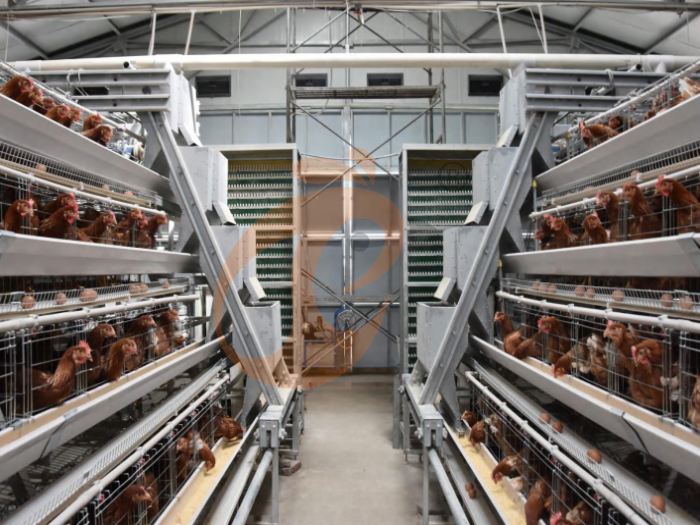
Matching automatic poultry feeding system components with house dimensions improves feed distribution consistency while reducing manual intervention.
Reliable drive units, feed pans, and conveying assemblies create a balanced feeding process that supports stable flock performance throughout each production cycle.
Data is for reference only. Swipe horizontally to view full table.
Practical Checklist
✔ Confirm feed pans remain evenly distributed before every production cycle.
✔ Inspect auger rotation without abnormal vibration.
✔ Verify every sensor communicates correctly with the automatic controller.
✔ Schedule calibration every 10–14 days for continuous feeding precision.
✔ Select durable chicken house feeding equipment manufactured for long-term commercial operation.
Data is for reference only. Swipe horizontally to view full table.
Expert Insight
Equipment reliability depends on continuous mechanical stability rather than occasional maintenance.
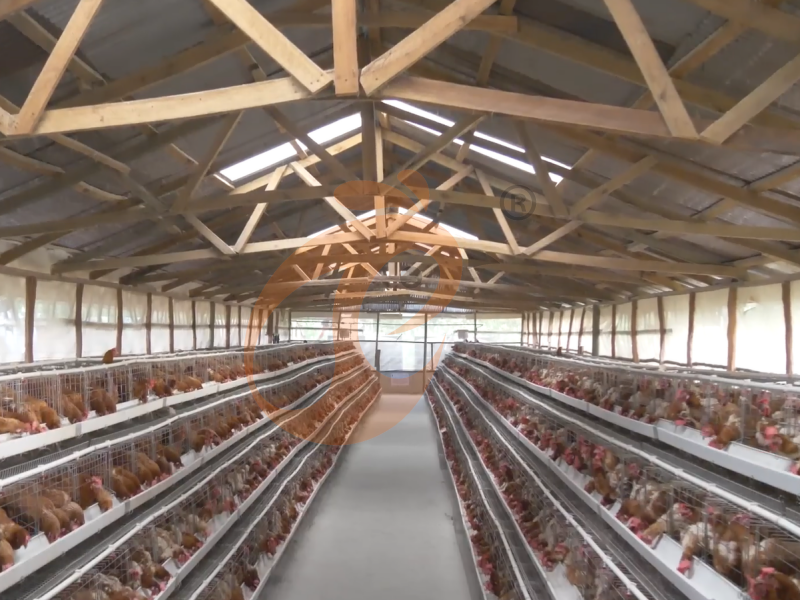
Professional floor rearing system projects usually combine synchronized feeding lines, precision transmission assemblies, and durable structural materials to achieve consistent operation across different flock sizes.
Stable equipment performance often contributes more to long-term productivity than simply increasing feed quantity.
Data is for reference only. Swipe horizontally to view full table.
Feeding Performance Comparison
Data is for reference only. Swipe horizontally to view full table.
Optimize Feed Distribution Accuracy
Uniform feed access directly influences flock behavior and production consistency.
A well-designed chicken house feeding equipment layout reduces competition between birds and helps maintain balanced growth.
Professional poultry equipment suppliers normally evaluate house structure, bird density, and feeding routes before designing complete solutions.
Data is for reference only. Swipe horizontally to view full table.
Improve Equipment Adjustment Methods
Equipment adjustment should follow flock development instead of fixed settings.
Correct feeder positioning, stable feed delivery, and accurate controller parameters help prevent uneven feeding conditions.
A complete automatic poultry feeding system allows operators to modify feeding schedules according to actual production requirements.
Data is for reference only. Swipe horizontally to view full table.
Six Optimization Methods
Modern poultry farms achieve better results through systematic improvement rather than single equipment upgrades.
Six practical methods include improving feed accessibility, selecting accurate feeding components, optimizing line design, reducing waste sources, maintaining automation systems, and upgrading farm management processes.
Each method contributes to creating a more efficient floor rearing system with predictable operating performance.
Data is for reference only. Swipe horizontally to view full table.
Global Project Application
Large poultry operations require equipment systems designed around engineering standards, not isolated components.
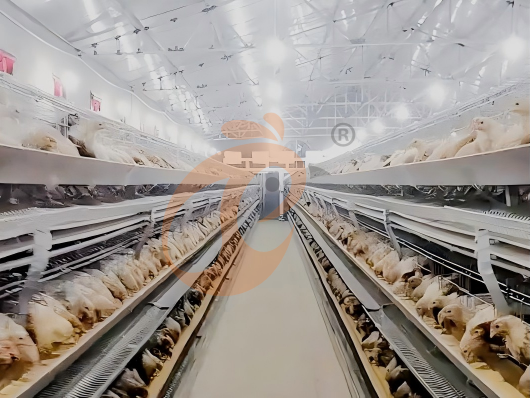
A complete poultry feeding solution integrates feed storage, conveying systems, feeding devices, and control technology into one coordinated structure.
Taiyu (HK) group focuses on providing commercial poultry equipment solutions that support farms from initial planning to installation.
Data is for reference only. Swipe horizontally to view full table.
Technical Frequently Asked Questions
Q1: How does a floor rearing system improve farm efficiency?
A1: A professional floor rearing system improves efficiency through controlled feeding distribution, reduced manual operation, and better feed accessibility.
Proper equipment planning can support stable operation across different poultry production environments.
Q2: What equipment is required for a commercial feeding project?
A2: A commercial project normally requires feeding lines, feed storage units, drive systems, controllers, and related poultry equipment.
Complete engineering design helps ensure compatibility between all components.
Q3: How can farmers reduce feed waste during production?
A3: Feed waste can be reduced through correct feeder adjustment, stable transportation speed, and regular system inspection.
Many farms monitor equipment performance every 7–14 days to maintain reliable operation.
Taiyu (HK) Group - One Of China Biggest Floor Rearing System Manufacturer
Floor rearing system provides integrated feeding structures designed for commercial poultry farms, combining automatic distribution, durable components, and engineering-based production solutions.
Global factory direct supply delivers customized poultry equipment with professional manufacturing control, competitive pricing, and international project support.
Complete poultry equipment solutions cover feeding, drinking, ventilation, environmental control, and house automation requirements.
Turn-key engineering services include project planning, equipment installation guidance, technical training, and production optimization support.
Worldwide cooperation networks provide oem manufacturing, export services, and long-term technical assistance for poultry farm development.
Contact Us To Received Your Customized Poultry Farm Plan
Headquarters And Branchs

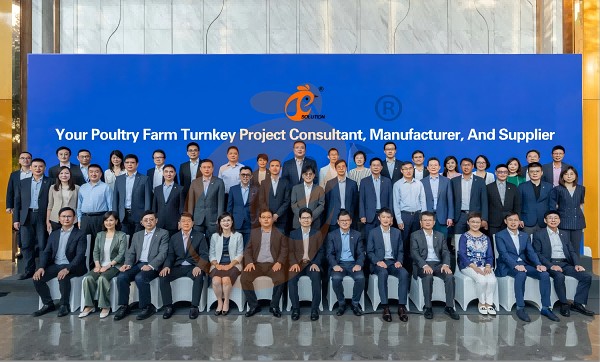
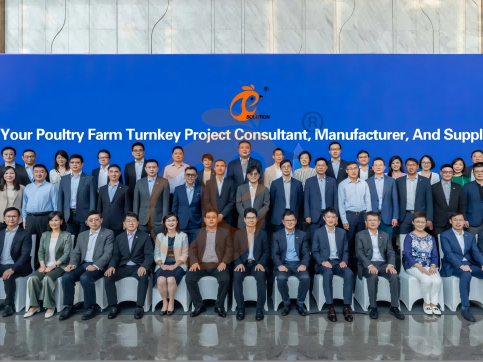
Hong Kong Headquarter Management Team
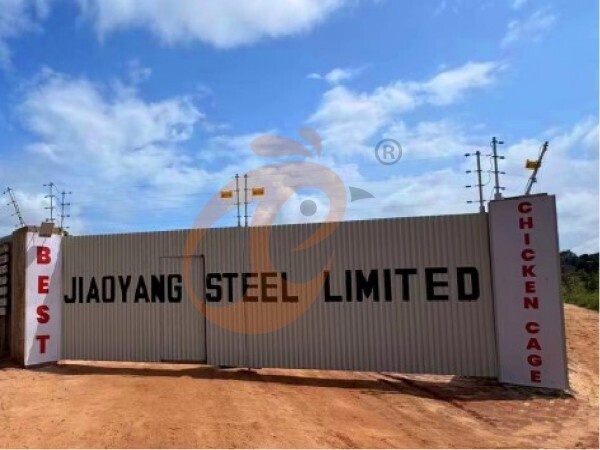
Hong Kong Headquarter Taiyu Industrial Group CO., LTD
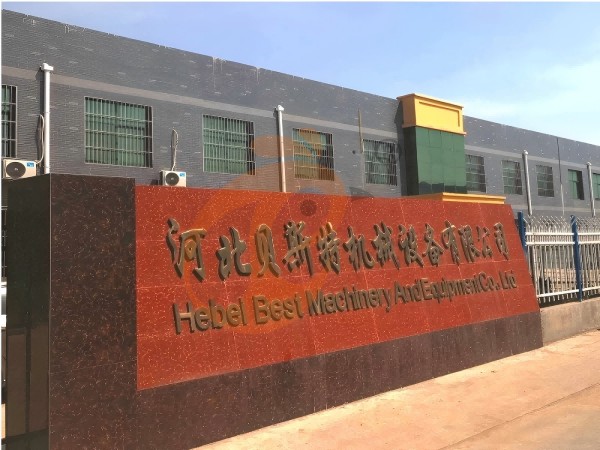
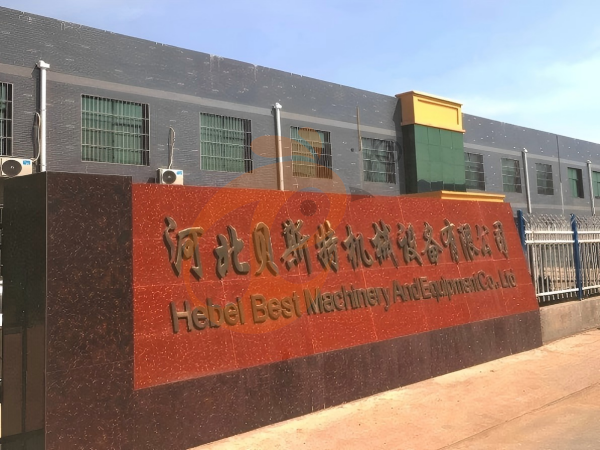
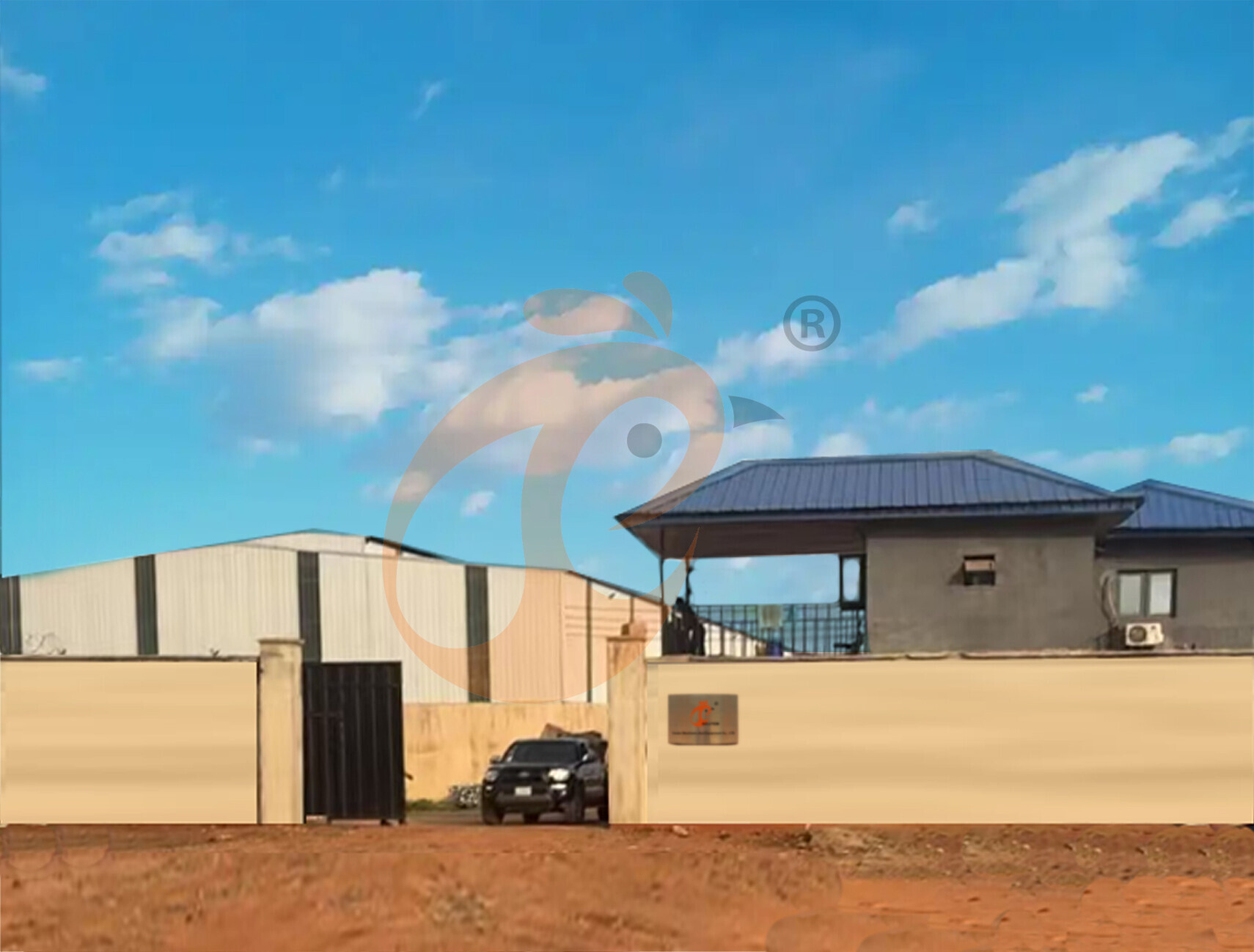
China Hebei Best Machinery And Equipment CO., LTD
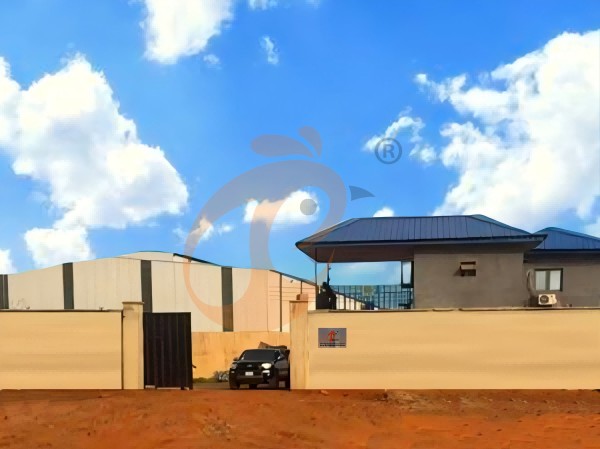
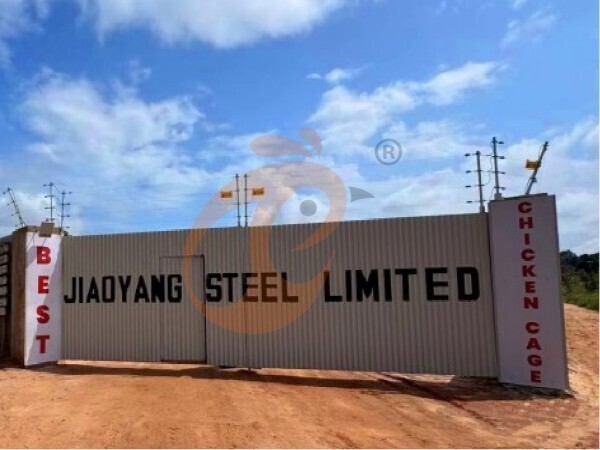
Nigeria Vanke Machinery And Equipment CO., LTD
Tanzania Best Machinery And Equipment CO., LTD
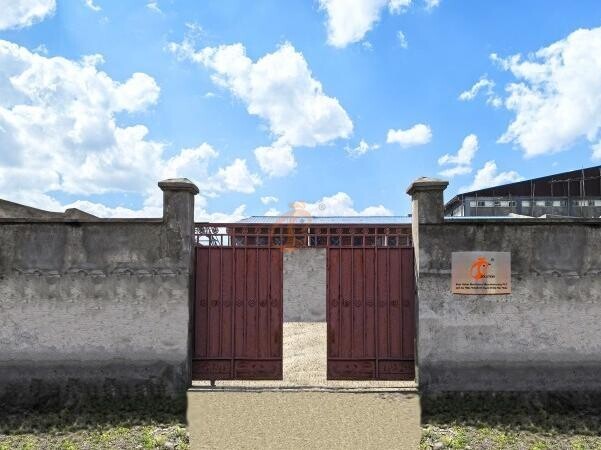
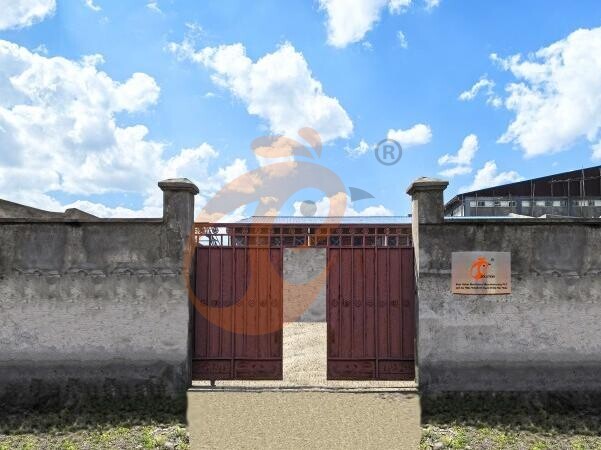
Ethiopia Best Hebei Machinery Manufacturing PLC
Reception /24 WhatsApp NO. : +8618830120193
FAQ
What Growth Performance Indicators Are Expected In Floor Rearing Poultry System?
Feed conversion ratio is maintained at 1.65–1.85 for commercial broilers.
Market slaughter age ranges from 38–45 days depending on breed selection.
What Disease Control Standards Apply In Floor Rearing Poultry System?
Flock vaccination coverage reaches 90%–98% depending on disease prevention program.
Pathogen reduction targets aim for 80%–90% decrease in bacterial load.
What Are The Manure Management Requirements In Floor Rearing Poultry System?
Ammonia emission control targets remain below 15 ppm through regular cleaning cycles.
Dry matter content is maintained above 65% to improve composting efficiency.
Message
Products recommended
 HK Headquarter Offers EU-standard Poultry Farm Solutions, Manufacture Poultry Farm Equipment1. Continuous communication with the EU and the US
2. China, Nigeria, Ethiopia, Tanzania branch companies and factories
3. The products’ quality is customized for local poultry farms
4. Poultry cage and poultry farm equipment stock for sale
5. 24 online reception Whatsapp NO. : +8618830120193,contact us to get full informationRead More China Branch Offer Poultry Farm Business Plan, Manufacture Poultry Farm Equipment1. Address: Flat/RM 2416, 24/F, Runxing Building, Youyi Nan Street, Shijiazhuang City, Hebei Province, China
2. Poultry cage and poultry farm equipment factory and stock for sale
3. Customized for local poultry farms
4. Quality and design are based on Euro
5. 24 online reception Whatsapp NO. : +8618830120193Read More Nigeria Branch Offer Poultry Farm Business Plan, Manufacture Poultry Farm Equipment1. Address: After Sinoma Office, 200 Meters Near Danco Filling Station, Lagos/Ibadan Expressway, Lagos State, Nigeria
2. Poultry cage and poultry farm equipment factory and stock for sale
3. Customized for Nigerian poultry farms
4. Quality and design are based on Euro
5. 24 online reception Whatsapp NO. : +8618830120193Read More Ethiopia Branch Offer Poultry Farm Business Plan, Manufacture Poultry Farm Equipment1. Address: Gelan Gura, Akaki-kaliti Sub City, Addis Ababa, Ethiopia
2. Poultry cage and poultry farm equipment stock for sale
3. Customized for Ethiopian poultry farms
4. Quality and design are based on Euro
5. 24 online reception Whatsapp NO. : +8618830120193, contact us to get price listRead More Tanzania Branch Offer Poultry Farm Business Plan, Manufacture Poultry Farm Equipment1. Address: No.8, Sova Road, Msufini, Mlandizi, Kibaha, Pwani, Tanzania
2. Poultry cage and poultry farm equipment factory and stock for sale
3. Customized for Tanzanian poultry farms
4. Quality and design are based on Euro
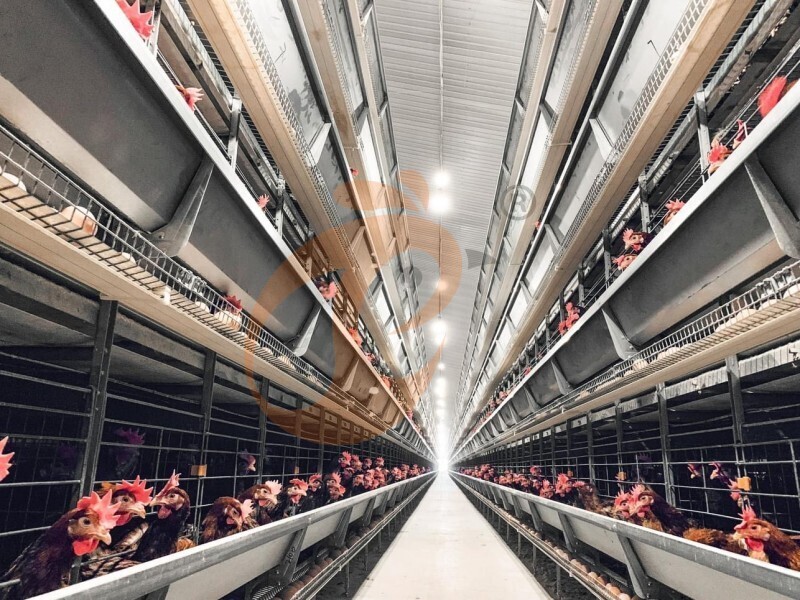
5. 24 online reception Whatsapp NO. : +8618830120193Read More Fully Automatic H Type Layer Chicken Cage1. 30,000-100,000+ layers/house chooses it, Poultry farmers can achieve an egg production rate of 96-98%
2. A significant improvement over the 85-90% typically seen in manual systems
3. A typical poultry farm can expect a 30-40% reduction in labor costs due to the automation
4. Each feeding line efficiently supplies feed to around 100,000 hens per 30 mins
5. Reception /WhatsApp NO. : +8618830120193Read More Fully Automatic A Type Layer Chicken Cage1. 10,000-50,000 layers/house chooses it
2. Cleaner egg collection reduces breakage by 0.5%
3. Improved hygiene helps reduce mortality rate to <3%
4. 1–2 technicians can handle 15,000–30,000 birds
5. Reception /WhatsApp NO. : +8618830120193Read More Semi Automatic H Type Layer Chicken Cage1. 1,00-20,000 layers/house chooses it
2. Nipple drinkers flow 30–60 ML / min
3. Hot-dip galvanized (typical coating ≥ 275 g/m²)
4. Reduce ammonia by ~ 35–40%
5. Reception /WhatsApp NO. : +8618830120193Read More Semi Automatic A Type Layer Chicken Cage1. 1,00-20,000 layers/house chooses it, no rust for 10 years, no deformation for 15 years
2. Chickens live comfortably, you can raise them with peace of mind
3. Save water, save money—efficiency you can measure
4. Improve environment quality, and increase egg production rate
5. Reception /WhatsApp NO. : +8618830120193Read More
By clicking 'Allow All', you agree to the storage of cookies on your device to enhance site navigation, analyze site usage and assist with our marketing efforts.