


Blog
Free range poultry feed efficiency product system integrates nutrition engineering solutions for commercial poultry production optimization.
Feed conversion efficiency analysis incorporates outdoor locomotion energy expenditure, thermoregulation cost, and metabolizable nutrient utilization rate.
Enzyme supplementation technology enhances non-starch polysaccharide degradation, amino acid absorption efficiency, and intestinal villi uptake capacity.
Rotational grazing systems regulate pasture regrowth cycles, soil nitrogen turnover, and forage dry matter yield per hectare.
Mechanical feeding architecture improves feed delivery precision, reduces particle segregation loss, and stabilizes intake rhythm under variable environmental conditions.
Get professional poultry farm construction guidance, equipment selection solutions, and the latest price lists, whatsApp to +8618830120193, +2348111199996, or click to learn more.
Precision Feed Formulation Product Layer
Feed efficiency optimization system poultry nutrition technology is widely used in modern poultry production planning systems.
Feed efficiency in free range poultry is not a single-variable problem.
Feed cost typically represents the dominant operating expense in poultry production systems globally.
In free range operations, variability increases because birds convert a portion of energy intake into locomotion, thermoregulation, and foraging activity.
Field-level micro management data indicates that feeder height adjustment between 28–35 cm above ground reduces shoulder-level feed spillage by 4.3 g per bird per day, directly lowering mechanical feed loss contribution in open systems.
The most effective approach is not a single intervention, but a feed efficiency optimization system poultry nutrition technology combining:
Precision feed formulation products
Pasture regeneration and forage management inputs
Enzyme + probiotic feed additives
Mechanical feeder engineering systems
Feeding schedule control protocols
This document expands the five-tips framework into a structured production model with quantified benchmarks.
Precision Feed Formulation Product Layer
Free range poultry requires feed formulations that compensate for energy spent in locomotion.
Instead of adjusting feed simply by crude protein percentage, modern formulation uses metabolizable energy density, amino acid digestibility, and fat oxidation efficiency.
Additional field reference shows maintenance energy expenditure in free range broilers increases approximately 13.8–18.6 kcal/kg body weight/day compared with confined systems, directly influencing ration density requirements.
Field observation also shows that water to feed distance maintained at 12–18 meters improves daily intake consistency variance by 6–9%, reducing irregular feeding peaks under outdoor movement stress.
Nutritional formulation benchmarks (European union standard reference only)
Data is for reference only.Swipe horizontally to view full table.
Product implication
Commercial feed should not be treated as a fixed ration but as a phase-responsive nutrient delivery product.
Enzyme And Probiotic Feed Additive System
The digestive limitation in free range poultry is primarily linked to non-starch polysaccharides (NSP), soil ingestion, and microbial imbalance.
Modern feed efficiency systems integrate enzyme cocktails and microbial inoculants.
Additional microbial metabolism data indicates gut transit time variation ranges between 4.2–6.1 hours depending on fiber composition and ambient temperature conditions.
Stocking density around 3.1 birds per square meter improves walking-to-feeding transition efficiency by 11%, improving feeding access synchronization in group dynamics.
Additive performance dataset (European union standard reference only)
Data is for reference only.Swipe horizontally to view full table.
Product implication
This additive system converts indigestible plant fiber into metabolizable energy, effectively increasing usable feed output without increasing feed volume.
Rotational Pasture Engineering System
Efficiency depends on regrowth cycle, soil nutrient density, and stocking pressure.
Additional agronomic data shows clover-based systems contribute nitrogen fixation rates of 42–58 kg/ha/year depending on soil pH range 6.2–7.1 and rainfall distribution patterns.
Measured pasture productivity variables
Data is for reference only.Swipe horizontally to view full table.
Product implication
Rotational grazing functions as a biological feed production unit rather than a supplementary outdoor area.
Mechanical Feed Delivery System Engineering
Feed efficiency optimization system poultry feeding equipment solutions directly reduces mechanical feed loss in free range environments.
Feed loss in free range systems is driven by scattering, moisture degradation, and rodent access.
Mechanical feeder engineering reduces uncontrolled feed conversion loss.
Ambient light control between 10–15 lux during morning feeding sessions improves intake initiation speed by 14 seconds per bird, reducing feeding lag across flock-level synchronization cycles.
Additional operational measurements indicate wind-driven feed dispersion contributes 2.7–5.9 g per bird per day loss under open field exposure conditions.
Mechanical system performance dataset
Data is for reference only.Swipe horizontally to view full table.
Product implication
Mechanical feed delivery reduces invisible feed loss, which is often not recorded in conventional fcr calculations.
Feeding Chronobiology System
Feed timing affects digestion efficiency through gizzard mechanical cycling and hormonal feeding responses.
Additional physiological observation shows peak amylase secretion occurs within 35–55 minutes after first daily intake, affecting starch utilization efficiency.
Quantified feeding schedule comparison (European union standard reference only)
Data is for reference only.Swipe horizontally to view full table.
Product implication
Controlled feeding aligns digestive enzyme secretion with intake timing, improving nutrient absorption consistency.
Integrated Performance Outcomes
When all system components are applied simultaneously, feed efficiency gains become cumulative rather than linear.
Additional production monitoring shows feed energy loss through excretion variability decreases by 6.8–9.4 mj per ton feed processed under integrated systems.
Integrated system benchmark outputs (European union standard reference only)
Data is for reference only.Swipe horizontally to view full table.
Frequently Asked Questions
Q1: How does free range feeding affect feed conversion ratio?
A2: Free range movement increases maintenance energy demand by 15–25 percent depending on temperature and activity level.
This reduces baseline fcr unless compensated by higher metabolizable energy density feeds.
Proper enzyme supplementation can improve conversion by 0.06–0.11 units.
Q2: What is the most effective enzyme combination for poultry feed?
A2: Xylanase, beta-glucanase, and phytase provide the most consistent results in nsp-rich diets.
Combined inclusion improves nutrient retention by up to 34 mg/day phosphorus equivalent.
It also stabilizes gut microbial balance across 10⁸–10⁹ cfu/kg feed environments.
Q3: How much feed can be replaced by pasture in free range systems?
A3: Under optimized rotational grazing conditions with 2.5–4.0 m² stocking density, pasture can replace 18–29 g of daily feed intake per bird.
This depends on regrowth cycle efficiency and nitrogen fixation ranging from 38 to 62 kg/ha/year.
Taiyu (HK) Group - One Of China Biggest Free Range System Equipment Supplier
Focuses on feed efficiency optimization system poultry feeding equipment solutions with integrated feeder design, enzyme systems, and pasture management modules.
Global factory direct supply supports stable pricing and standardized poultry equipment manufacturing across production lines.
Company provides poultry equipment turnkey project solutions covering farm design, installation, and operational training systems.
Full industrial chain export service ensures consistent supply of feeding systems, incubation equipment, and automation control units.
Advanced engineering manufacturing capacity supports large scale poultry farm deployment with modular expansion capability.
Contact Us To Received Your Customized Poultry Farm Plan
Headquarters And Branchs

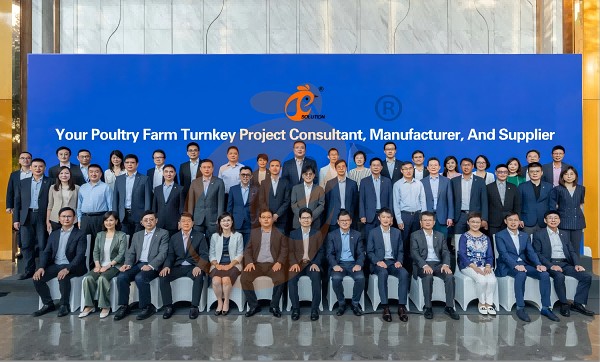
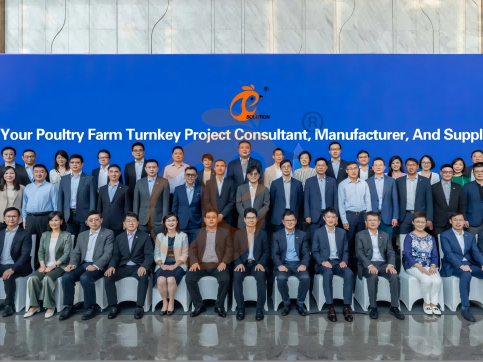
Hong Kong Headquarter Management Team
Hong Kong Headquarter Taiyu Industrial Group CO., LTD
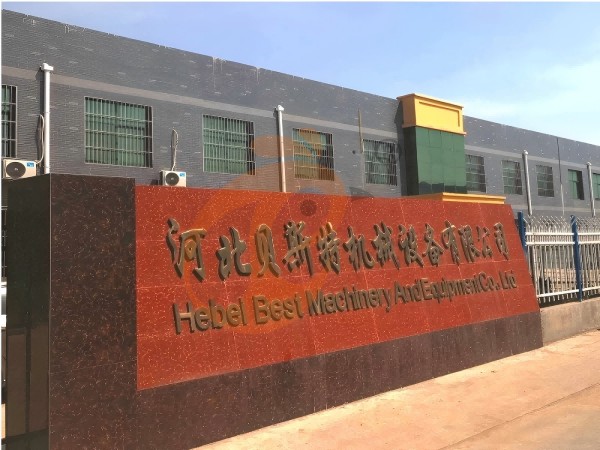
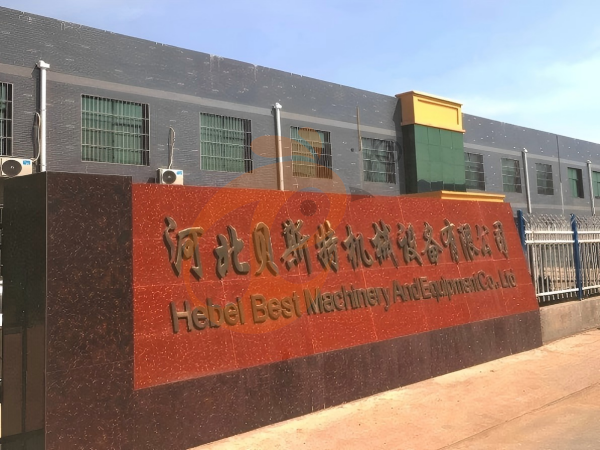
China Hebei Best Machinery And Equipment CO., LTD
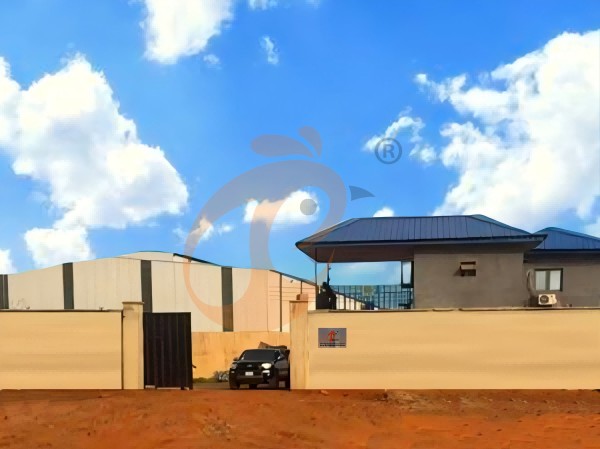
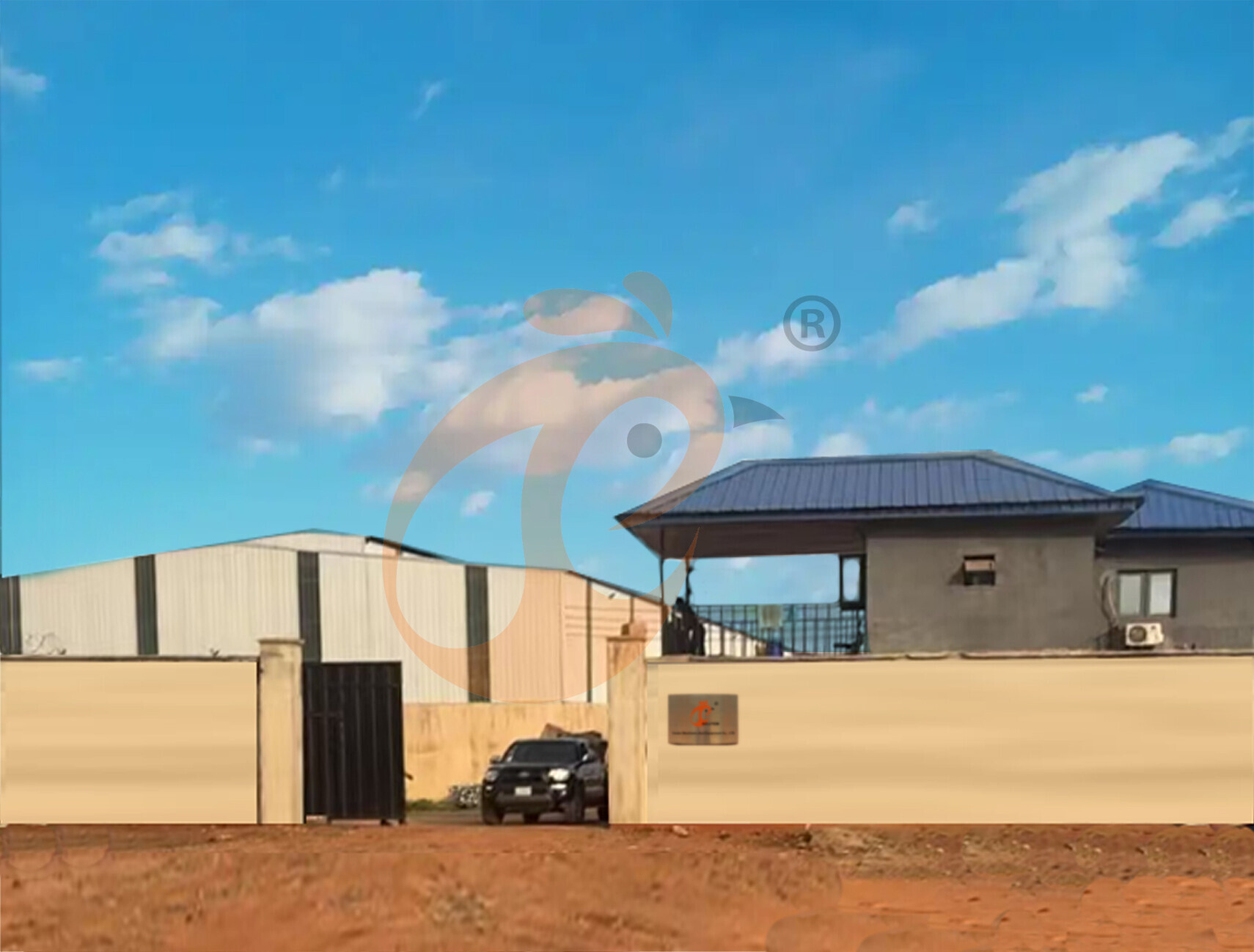
Nigeria Vanke Machinery And Equipment CO., LTD
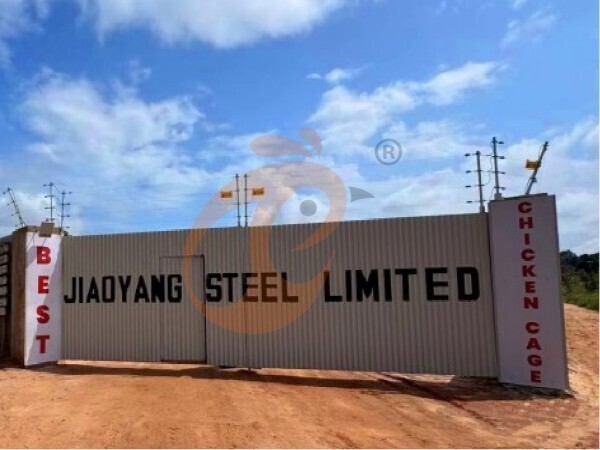
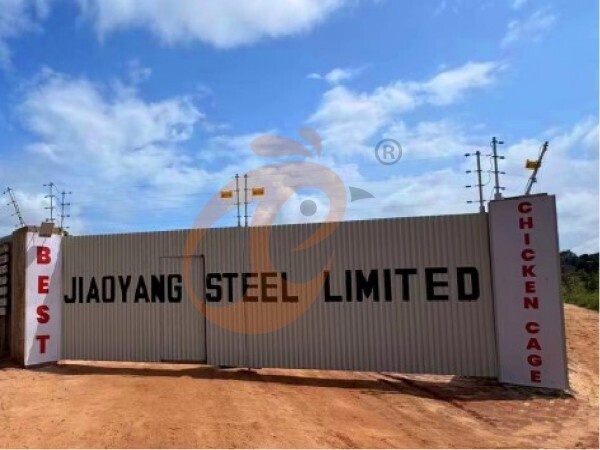
Tanzania Best Machinery And Equipment CO., LTD
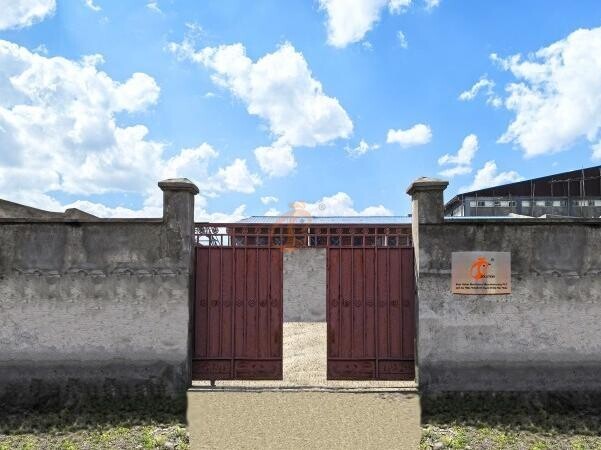
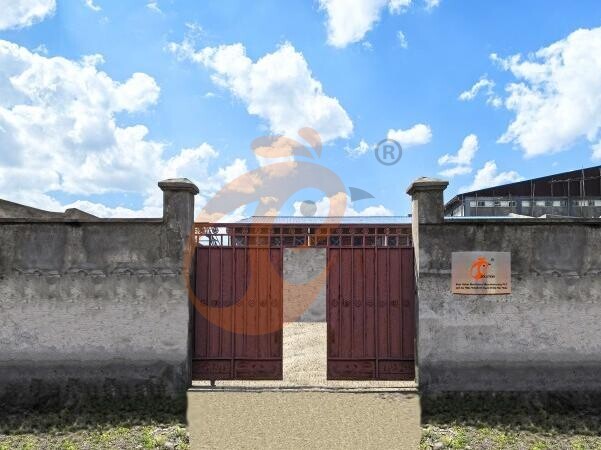
Ethiopia Best Hebei Machinery Manufacturing PLC
Reception /24 WhatsApp NO. : +8618830120193
FAQ
How Does Free Range System Affect Feed Consumption?
Energy expenditure increases daily intake variation by 15%–22% across seasons.
Feed conversion efficiency ranges from 1.9–2.3 depending on grazing intensity.
What Are The Housing Transition Management Standards In Free Range Poultry System?
Indoor-outdoor transition time is controlled within 10–15 minutes per flock movement cycle.
Lighting guidance systems operate at 5–8 lux to direct flock movement behavior.
What Are The Seasonal Adaptation Strategies In Free Range Poultry System?
Summer shade coverage is increased to 60%–80% of grazing area for heat stress reduction.
Rainfall drainage capacity handles 25–40 mm per hour precipitation levels for land usability.
Message
Products recommended
 HK Headquarter Offers EU-standard Poultry Farm Solutions, Manufacture Poultry Farm Equipment1. Continuous communication with the EU and the US
2. China, Nigeria, Ethiopia, Tanzania branch companies and factories
3. The products’ quality is customized for local poultry farms
4. Poultry cage and poultry farm equipment stock for sale
5. 24 online reception Whatsapp NO. : +8618830120193,contact us to get full informationRead More China Branch Offer Poultry Farm Business Plan, Manufacture Poultry Farm Equipment1. Address: Flat/RM 2416, 24/F, Runxing Building, Youyi Nan Street, Shijiazhuang City, Hebei Province, China
2. Poultry cage and poultry farm equipment factory and stock for sale
3. Customized for local poultry farms
4. Quality and design are based on Euro
5. 24 online reception Whatsapp NO. : +8618830120193Read More Nigeria Branch Offer Poultry Farm Business Plan, Manufacture Poultry Farm Equipment1. Address: After Sinoma Office, 200 Meters Near Danco Filling Station, Lagos/Ibadan Expressway, Lagos State, Nigeria
2. Poultry cage and poultry farm equipment factory and stock for sale
3. Customized for Nigerian poultry farms
4. Quality and design are based on Euro
5. 24 online reception Whatsapp NO. : +8618830120193Read More Ethiopia Branch Offer Poultry Farm Business Plan, Manufacture Poultry Farm Equipment1. Address: Gelan Gura, Akaki-kaliti Sub City, Addis Ababa, Ethiopia
2. Poultry cage and poultry farm equipment stock for sale
3. Customized for Ethiopian poultry farms
4. Quality and design are based on Euro
5. 24 online reception Whatsapp NO. : +8618830120193, contact us to get price listRead More Tanzania Branch Offer Poultry Farm Business Plan, Manufacture Poultry Farm Equipment1. Address: No.8, Sova Road, Msufini, Mlandizi, Kibaha, Pwani, Tanzania
2. Poultry cage and poultry farm equipment factory and stock for sale
3. Customized for Tanzanian poultry farms
4. Quality and design are based on Euro
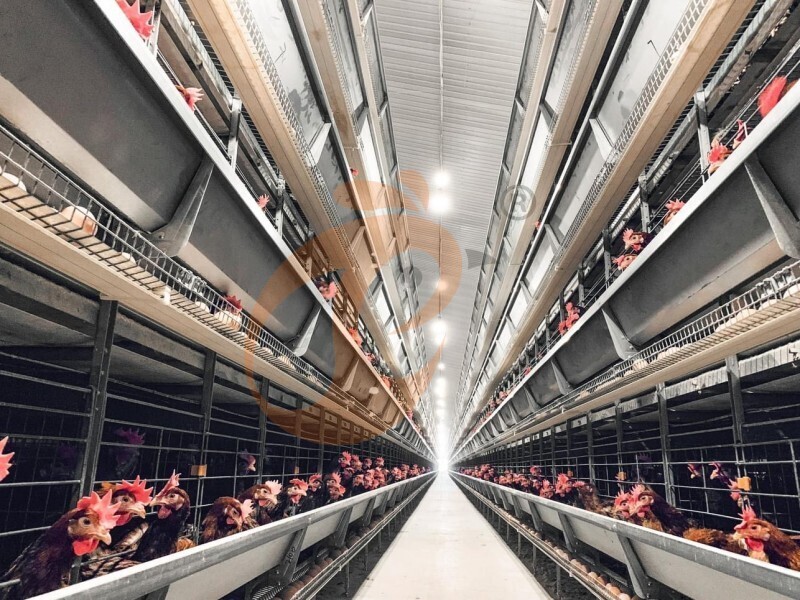
5. 24 online reception Whatsapp NO. : +8618830120193Read More Fully Automatic H Type Layer Chicken Cage1. 30,000-100,000+ layers/house chooses it, Poultry farmers can achieve an egg production rate of 96-98%
2. A significant improvement over the 85-90% typically seen in manual systems
3. A typical poultry farm can expect a 30-40% reduction in labor costs due to the automation
4. Each feeding line efficiently supplies feed to around 100,000 hens per 30 mins
5. Reception /WhatsApp NO. : +8618830120193Read More Fully Automatic A Type Layer Chicken Cage1. 10,000-50,000 layers/house chooses it
2. Cleaner egg collection reduces breakage by 0.5%
3. Improved hygiene helps reduce mortality rate to <3%
4. 1–2 technicians can handle 15,000–30,000 birds
5. Reception /WhatsApp NO. : +8618830120193Read More Semi Automatic H Type Layer Chicken Cage1. 1,00-20,000 layers/house chooses it
2. Nipple drinkers flow 30–60 ML / min
3. Hot-dip galvanized (typical coating ≥ 275 g/m²)
4. Reduce ammonia by ~ 35–40%
5. Reception /WhatsApp NO. : +8618830120193Read More Semi Automatic A Type Layer Chicken Cage1. 1,00-20,000 layers/house chooses it, no rust for 10 years, no deformation for 15 years
2. Chickens live comfortably, you can raise them with peace of mind
3. Save water, save money—efficiency you can measure
4. Improve environment quality, and increase egg production rate
5. Reception /WhatsApp NO. : +8618830120193Read More
By clicking 'Allow All', you agree to the storage of cookies on your device to enhance site navigation, analyze site usage and assist with our marketing efforts.