


Blog
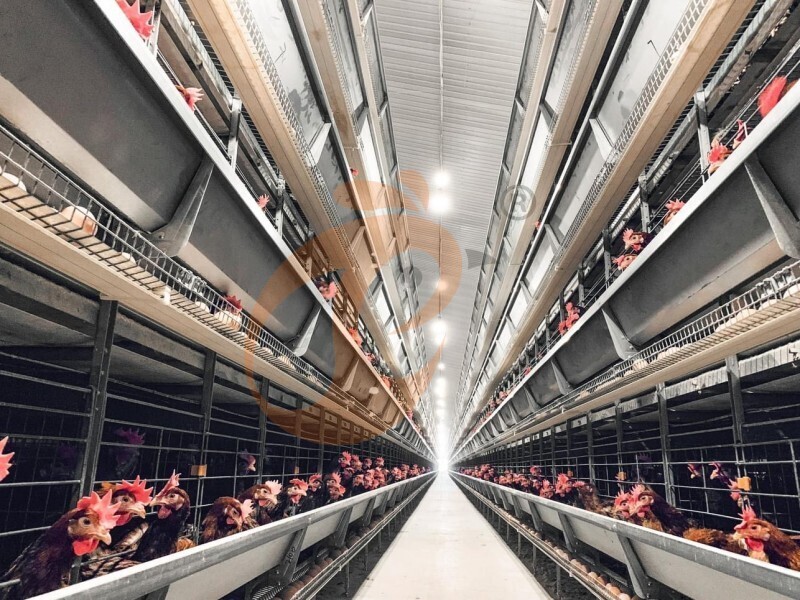
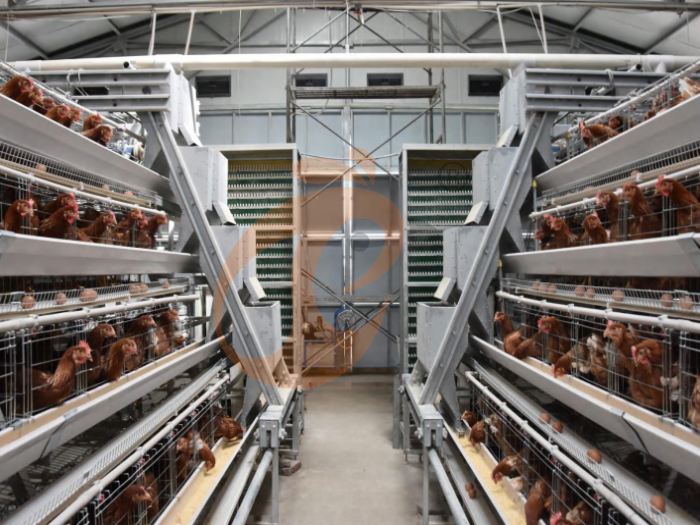
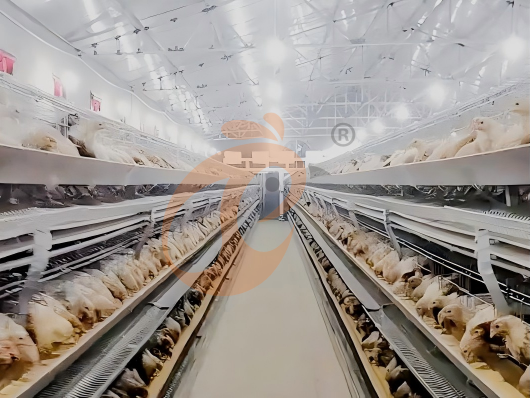
H type chicken cage systems combine vertical housing, automated handling, and engineered poultry equipment layouts, with configurations reaching 16 tiers for commercial projects.
Automatic layer cage systems connect feeding, drinking, egg collection, manure removal, and environmental management into coordinated production workflows.
Layer chicken cage manufacturers can engineer row dimensions, equipment routes, and house capacity around specific farm construction requirements.
Integrated equipment reduces repeated manual handling while supporting organized material flow, with electrical systems commonly configured around 220/380 v and 50/60 hz.
- A properly engineered package connects cage capacity, automation, service access, and future expansion, creating a commercially practical foundation for modern layer production.
Get professional poultry farm construction guidance, equipment selection solutions, and the latest price lists, whatsApp to +8618830120193, +2348111199996, or click to learn more.
The Three-Difference Snapshot
Modern layer farms are no longer designed around cages alone.
Feeding, manure handling, egg collection, ventilation, labor organization, and house utilization must work as one production system.
That requirement makes an H type chicken cage particularly attractive for commercial farms, while an automatic layer cage system turns separate machines into coordinated production equipment.
The H-type structure is generally configured as a complete equipment package rather than a cage frame alone.
Available commercial systems commonly combine feeding, drinking, egg collection, manure removal, and environmental-control equipment.
The Vertical Design Advantage
Think of the poultry house as three-dimensional production space.
Traditional cage arrangements mainly consume floor area.
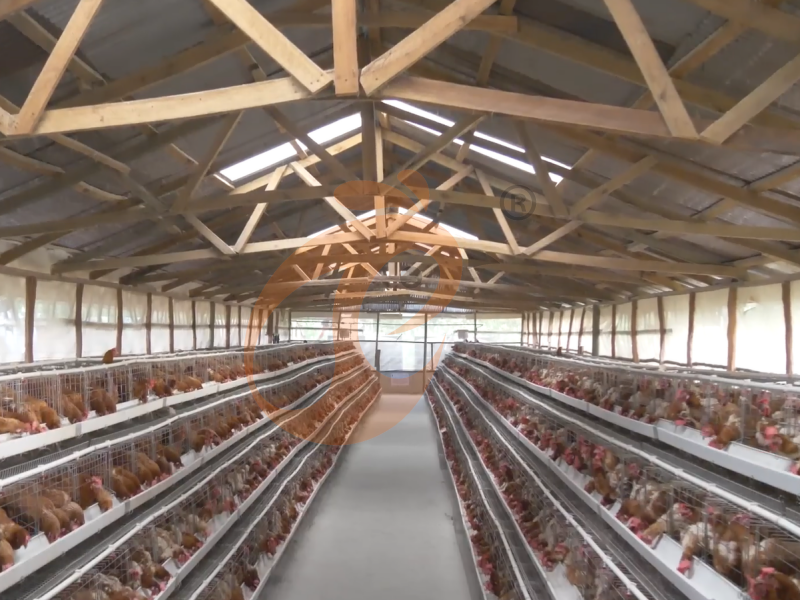
H-type cages turn part of the unused vertical volume into productive cage levels, making the equipment particularly suitable for commercial farms where land cost, house construction, and target flock size must be considered together.
For example, one H-type configuration uses a 1.25 m × 1.25 m × 3.3 m unit arrangement, allowing repeated cage modules to be engineered inside a closed poultry house.
The commercial value is not simply more chickens in one building.
A properly designed automatic layer cage system can coordinate cage rows, service aisles, feeding equipment, and manure belts before construction begins.
H Type Capacity Planning
Data is for reference only.Swipe horizontally to view full table.
These configurations are representative commercial specifications.
Exact capacity should be selected according to bird requirements, house dimensions, and applicable production standards.
A professional layer chicken cage manufacturer should calculate capacity together with structural loading, aisle planning, and equipment positioning rather than selecting cages by capacity alone.
Automation Replaces Repetitive Work
Traditional workflow
Feed → inspect → collect eggs → remove manure → carry materials → repeat.
H-type workflow
Feed line → drinking line → cage → egg belt → manure belt → centralized handling.
That change matters for farms seeking predictable daily operations.
An automatic layer cage system can connect feeding, drinking, egg collection, and manure removal into one coordinated equipment package.
Some suppliers also integrate lighting and climate-control functions.
A typical H-type project can use 220/380 v power supply and a 50/60 hz electrical configuration, depending on selected equipment and local electrical standards.
The marketing advantage is straightforward: an equipment manufacturer can provide a complete production line instead of selling a cage as an isolated product.
Automation Equipment Matrix
Data is for reference only.Swipe horizontally to view full table.
Automation should be evaluated by actual machine configuration rather than by the word automatic.
Each subsystem has a specific engineering role.
A layer chicken cage manufacturer can design the package around the farm's required control architecture, with sensor installation and control-cabinet placement established during project planning.
Manure And Egg Handling
Here is the operational bottleneck many buyers underestimate:
A cage system does not end at the bird compartment.
Every day, the farm must move feed into the cages, eggs out of the cages, and manure away from the birds.
If these routes depend heavily on manual handling, labor requirements and contamination risks can increase.
H-type equipment addresses the issue through dedicated transport paths.
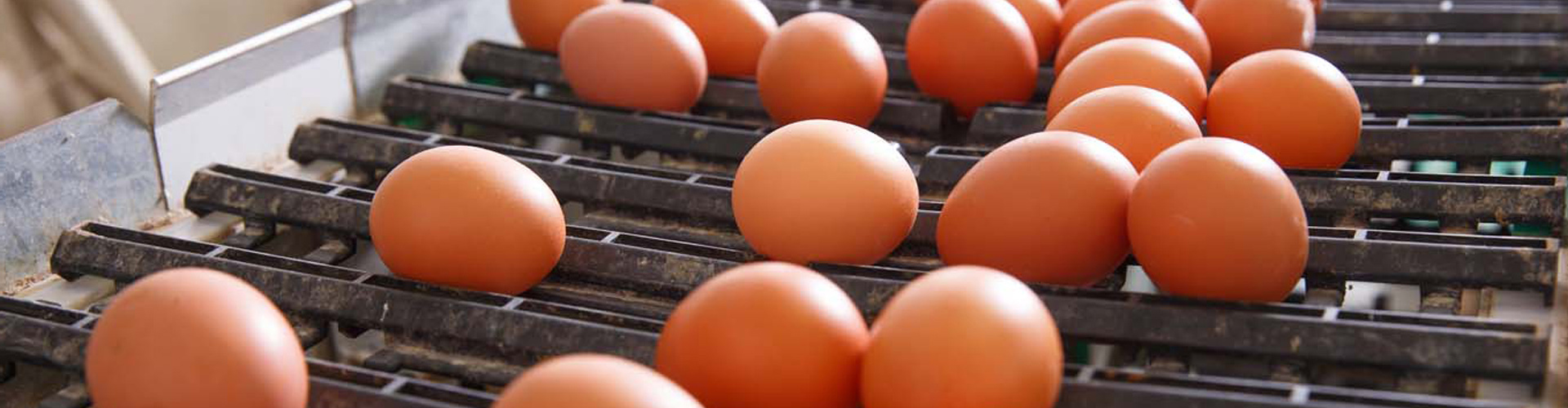
Belt-type manure removal carries manure away from the cage area, while egg belts move eggs toward a collection point.
This separation gives the house a clearer material-flow design.
Commercial H-type systems use automatic manure and egg collection as integrated functions.
For example, the cage compartment can accommodate eight birds within a 60 cm × 62.5 cm × 48 cm internal space, supporting standardized cage-unit planning.
Manure Management Engineering Data
Data is for reference only.Swipe horizontally to view full table.
Manure equipment should be selected according to the physical arrangement of cage tiers and the required removal route.
Published H-type equipment data includes a 1.21 m manure belt width and different overall equipment heights according to cage configuration.
Actual dimensions should be confirmed during farm design.
A layer chicken cage manufacturer should also evaluate discharge access, maintenance clearance, and transfer positioning before equipment production.
Egg Collection: A Small Component With A Large Commercial Effect
Ask four questions before buying
- Where do eggs leave the cage?
- How far do workers carry them?
- How many transfer points exist?
- Can the collection line connect directly to the packing area?
The fewer unnecessary handling stages, the easier it becomes to standardize egg-flow operations.
H-type systems use egg belts and conveyors to move eggs from cage rows toward a centralized collection area.
A commercial design can also coordinate the cage row with the packing room.
For example, an equipment supplier may design a house module around a predefined cage arrangement, demonstrating how cage equipment and building engineering should be treated as one project.
Egg Collection Configuration
Data is for reference only.Swipe horizontally to view full table.
For large commercial farms, the objective is to create a continuous route from the laying cage to the egg-handling area rather than treating collection as a separate manual task.
An automatic layer cage system can align egg transport with the building's internal logistics.
A professionally engineered collection route can also reduce unnecessary transfer points, with conveyor positioning established around the packing-room entrance and service corridor.
Why H-Type Becomes More Valuable As Farm Scale Increases
A simple decision rule
- Small farm → prioritize affordable cage installation.
- Expanding farm → prioritize modular equipment.
- Commercial farm → prioritize integrated automation.
- Large project → prioritize complete engineering design.
This is why H-type cages are particularly relevant to large-scale layer operations.
Commercial suppliers can configure systems from several thousand birds to projects exceeding 500,000 layers, with tier arrangements selected according to building size, automation level, and target capacity.
The key is scalability.
A cage system should allow feeding, manure, egg, and environmental systems to expand with the flock rather than forcing the farm to replace basic equipment later.
Materials And Service-Life
Data is for reference only.Swipe horizontally to view full table.
Equipment durability is another major purchasing consideration because replacing cage structures inside an operating poultry house can be expensive and disruptive.
Published commercial H-type systems commonly specify hot-dip galvanized q235 steel and service-life expectations in the 15–20 year range, subject to material quality, installation, and maintenance.
European union standard reference only.
For commercial procurement, a layer chicken cage Manufacturer should confirm steel treatment, component specifications, installation conditions, and maintenance requirements within the final technical contract.
The Better Question Is Not "Which Cage Is Cheaper?"
Ask instead: "Which system produces the lower total operating burden over the farm's working life?"
That changes the purchasing conversation.
A traditional cage may appear attractive when comparing the cage itself.
But the real project includes feeding equipment, water supply, egg handling, manure removal, labor organization, ventilation, electrical control, and future expansion.
An H-type solution packages these requirements into an integrated equipment strategy.
Depending on project configuration, manufacturers can supply 4–16 tier systems, automatic feeding, nipple drinking, egg collection, manure removal, and environmental-control equipment.
For equipment manufacturers, the strongest sales proposition is simple: do not sell only chicken cages—sell a complete layer-farm production system.
If the goal is to build a modern commercial layer farm, the H-type cage should be evaluated together with the house layout, flock capacity, automation level, and future expansion plan.
A correctly engineered system can turn cage rows into an organized production line, making every square meter, machine, and worker part of the same farm strategy.
Frequently Asked Questions
Q1: What is the main advantage of an H type chicken cage?
A1: An H type chicken cage uses vertical cage arrangements with coordinated feeding, drinking, egg collection, and manure handling, with configurations available at 4, 8, 12, and 16 tiers.
Q2: How does an automatic layer cage system reduce manual work?
A2: An automatic layer cage system transfers feed, eggs, and manure through dedicated mechanical routes, reducing repeated carrying and handling operations across the poultry house.
Q3: How should a layer chicken cage manufacturer be selected?
A3: Selection should consider cage engineering, automation integration, structural materials, electrical design, installation support, and project-scale experience rather than cage price alone.
A properly engineered cage compartment can accommodate eight birds within a standardized internal space.
Taiyu (HK) Group - One Of China Toppest H Type Chicken Cage Manufacturer
H type chicken cage equipment integrates multi-tier layer housing with feeding, drinking, egg collection, manure handling, and environmental-control interfaces for commercial poultry projects.
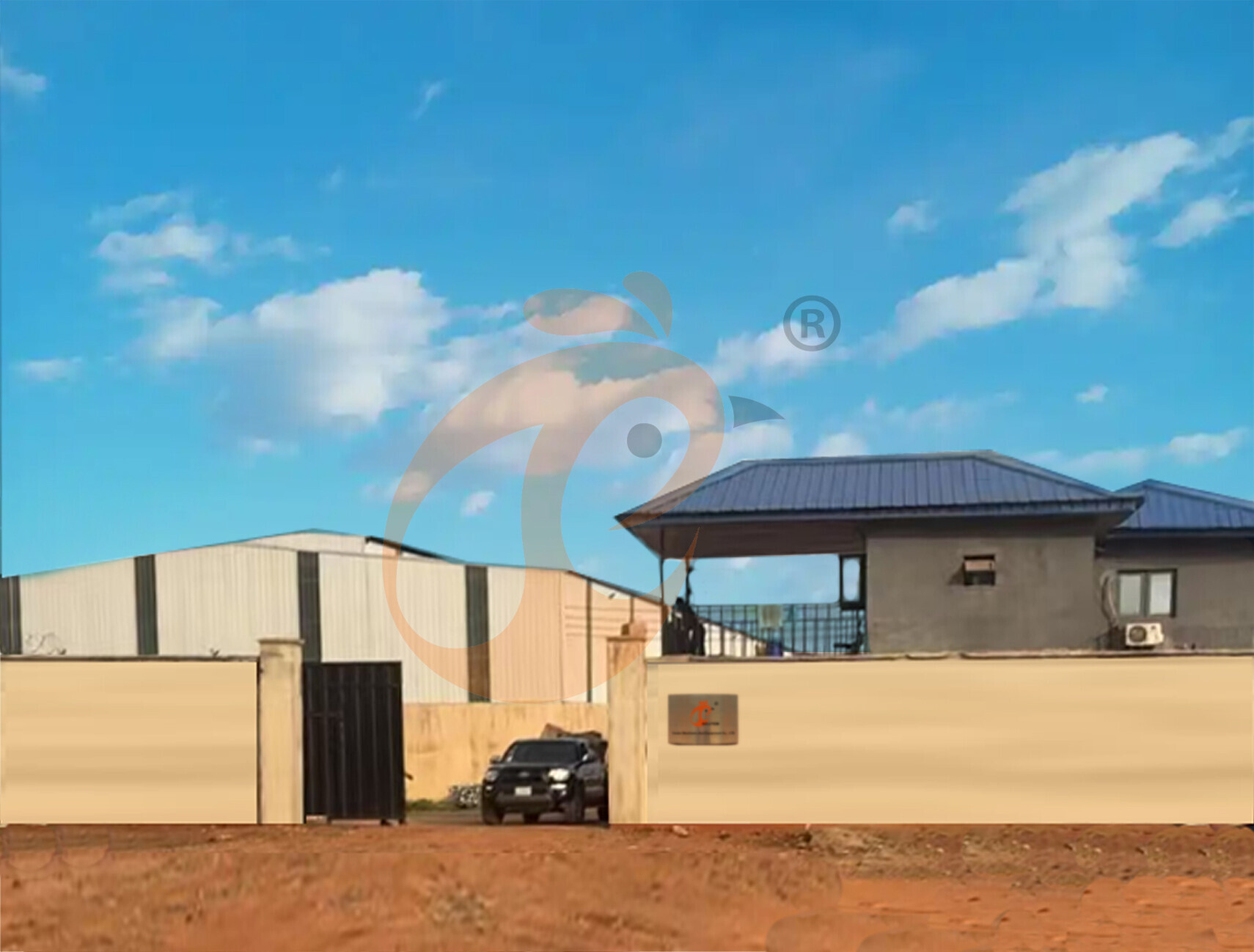
Global factory-direct production supports equipment configuration, component manufacturing, technical documentation, and project coordination for overseas poultry equipment requirements.
Poultry equipment packages can be engineered around house dimensions, flock capacity, electrical conditions, service corridors, and installation sequences.
Turn-key engineering covers equipment selection, system integration, layout planning, installation guidance, commissioning coordination, and operational handover.
Project specifications can be structured for new farms, expansion facilities, and large-scale layer production lines requiring coordinated equipment procurement.
Contact Us To Received Your Customized Poultry Farm Plan
Headquarters And Branchs

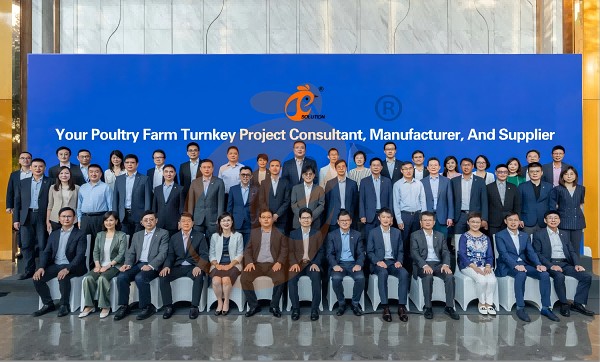
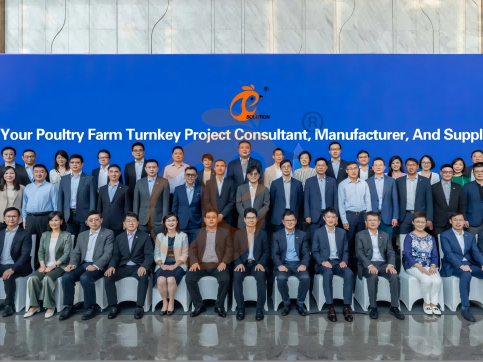
Hong Kong Headquarter Management Team
Hong Kong Headquarter Taiyu Industrial Group CO., LTD
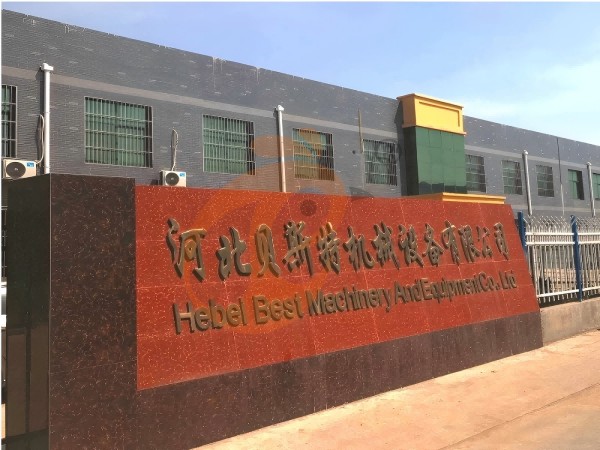
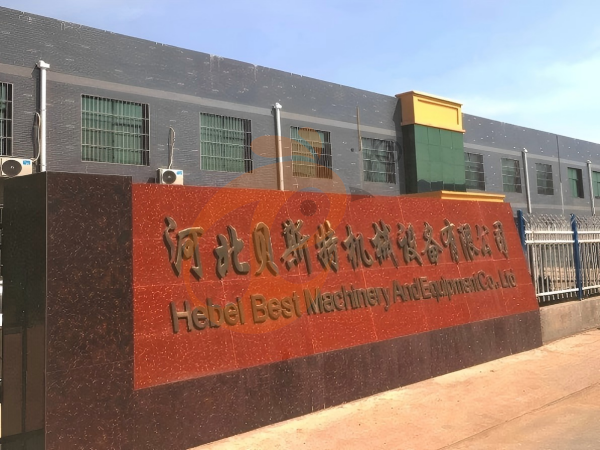
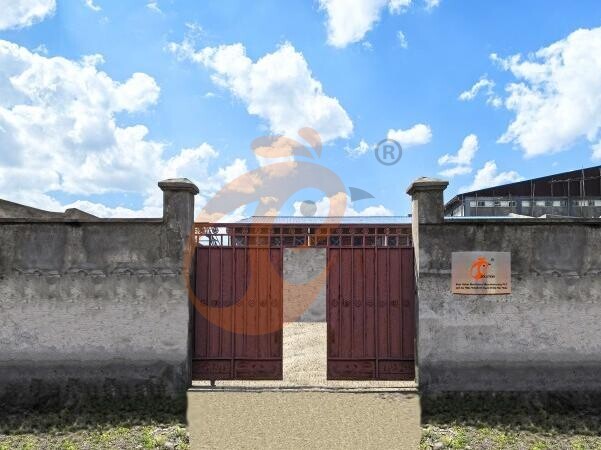
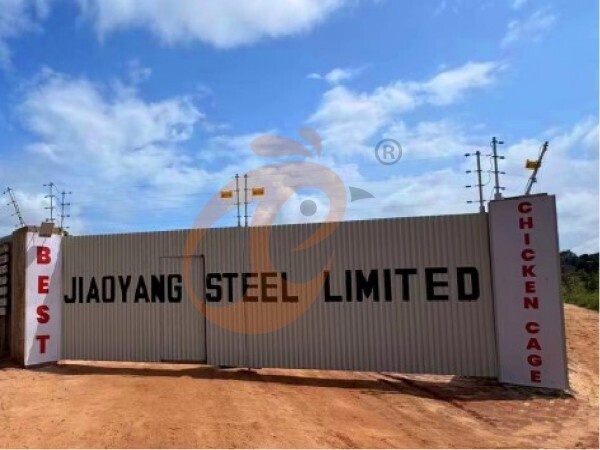
China Hebei Best Machinery And Equipment CO., LTD
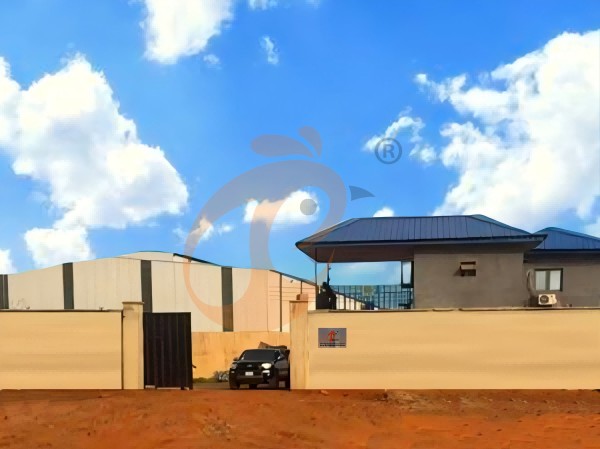
Nigeria Vanke Machinery And Equipment CO., LTD
Tanzania Best Machinery And Equipment CO., LTD
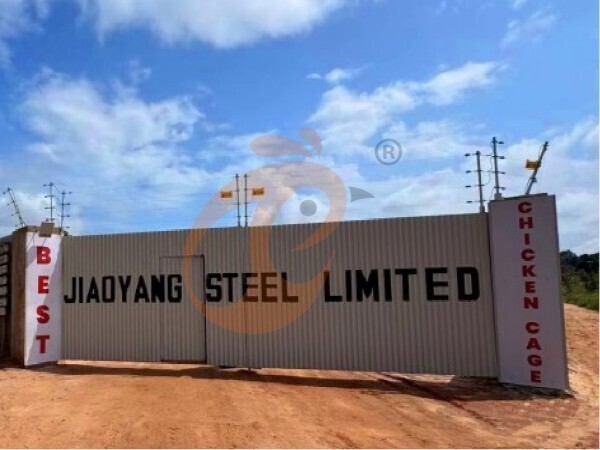
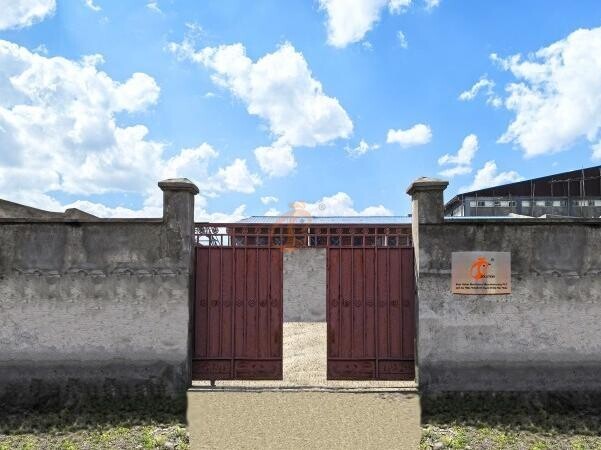
Ethiopia Best Hebei Machinery Manufacturing PLC
Reception /24 WhatsApp NO. : +8618830120193
FAQ
What Are The Recommended Cage Heights For H-Type Poultry Cage?
Multi-tier layout: 5–7 levels
Ensure comfort for feeding and movement
Egg production rate: 90-98%
FCR: 1.9–2.1
How To Reduce Energy Consumption In H-Type Layer Cage Farm?
Optimize ventilation and lighting layout
Reduce HVAC energy consumption by 10–15%
Egg production rate: 90-98%
FCR: 1.9–2.1
What Is The Maximum Capacity Of H-Type Layer Cage In A Single House?
Birds per tier: 90–120
Farm capacity per house: 30,000 - 100,000+0 birds
Floor space saved: 3–4 times
Labor savings: 70-90%
- poultry equipment
- chicken cage
- layer cage
- poultry farm
- feeding equipment
- poultry farm
- poultry farm construction
- layer cage system
- automatic layer cage
- chicken cage manufacturer
- chicken cage equipment
- layer farm
- poultry house
- chicken cage system
- modern layer farm
- layer chicken cage
- layer chicken cage manufacturer
- Ethiopia
- Nigeria
Message
Products recommended
 HK Headquarter Offers EU-standard Poultry Farm Solutions, Manufacture Poultry Farm Equipment1. Continuous communication with the EU and the US
2. China, Nigeria, Ethiopia, Tanzania branch companies and factories
3. The products’ quality is customized for local poultry farms
4. Poultry cage and poultry farm equipment stock for sale
5. 24 online reception Whatsapp NO. : +8618830120193,contact us to get full informationRead More China Branch Offer Poultry Farm Business Plan, Manufacture Poultry Farm Equipment1. Address: Flat/RM 2416, 24/F, Runxing Building, Youyi Nan Street, Shijiazhuang City, Hebei Province, China
2. Poultry cage and poultry farm equipment factory and stock for sale
3. Customized for local poultry farms
4. Quality and design are based on Euro
5. 24 online reception Whatsapp NO. : +8618830120193Read More Nigeria Branch Offer Poultry Farm Business Plan, Manufacture Poultry Farm Equipment1. Address: After Sinoma Office, 200 Meters Near Danco Filling Station, Lagos/Ibadan Expressway, Lagos State, Nigeria
2. Poultry cage and poultry farm equipment factory and stock for sale
3. Customized for Nigerian poultry farms
4. Quality and design are based on Euro
5. 24 online reception Whatsapp NO. : +8618830120193Read More Ethiopia Branch Offer Poultry Farm Business Plan, Manufacture Poultry Farm Equipment1. Address: Gelan Gura, Akaki-kaliti Sub City, Addis Ababa, Ethiopia
2. Poultry cage and poultry farm equipment stock for sale
3. Customized for Ethiopian poultry farms
4. Quality and design are based on Euro
5. 24 online reception Whatsapp NO. : +8618830120193, contact us to get price listRead More Tanzania Branch Offer Poultry Farm Business Plan, Manufacture Poultry Farm Equipment1. Address: No.8, Sova Road, Msufini, Mlandizi, Kibaha, Pwani, Tanzania
2. Poultry cage and poultry farm equipment factory and stock for sale
3. Customized for Tanzanian poultry farms
4. Quality and design are based on Euro
5. 24 online reception Whatsapp NO. : +8618830120193Read More Fully Automatic H Type Layer Chicken Cage1. 30,000-100,000+ layers/house chooses it, Poultry farmers can achieve an egg production rate of 96-98%
2. A significant improvement over the 85-90% typically seen in manual systems
3. A typical poultry farm can expect a 30-40% reduction in labor costs due to the automation
4. Each feeding line efficiently supplies feed to around 100,000 hens per 30 mins
5. Reception /WhatsApp NO. : +8618830120193Read More Fully Automatic A Type Layer Chicken Cage1. 10,000-50,000 layers/house chooses it
2. Cleaner egg collection reduces breakage by 0.5%
3. Improved hygiene helps reduce mortality rate to <3%
4. 1–2 technicians can handle 15,000–30,000 birds
5. Reception /WhatsApp NO. : +8618830120193Read More Semi Automatic H Type Layer Chicken Cage1. 1,00-20,000 layers/house chooses it
2. Nipple drinkers flow 30–60 ML / min
3. Hot-dip galvanized (typical coating ≥ 275 g/m²)
4. Reduce ammonia by ~ 35–40%
5. Reception /WhatsApp NO. : +8618830120193Read More Semi Automatic A Type Layer Chicken Cage1. 1,00-20,000 layers/house chooses it, no rust for 10 years, no deformation for 15 years
2. Chickens live comfortably, you can raise them with peace of mind
3. Save water, save money—efficiency you can measure
4. Improve environment quality, and increase egg production rate
5. Reception /WhatsApp NO. : +8618830120193Read More
By clicking 'Allow All', you agree to the storage of cookies on your device to enhance site navigation, analyze site usage and assist with our marketing efforts.