


Blog
Ethiopia poultry cage cost is a critical factor for successful farming.
Layer hen farm investment Ethiopia requires careful financial planning and forecasting.
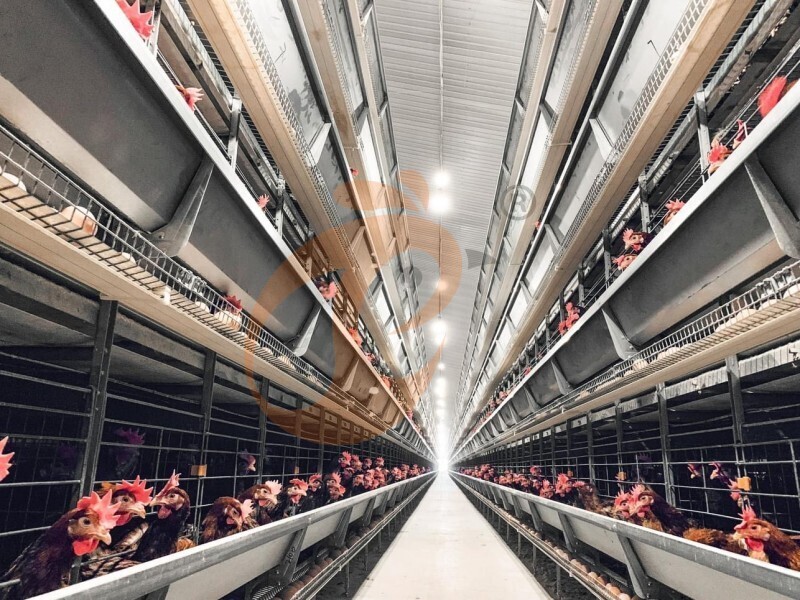
Poultry cage automation Ethiopia improves efficiency and reduces labor costs significantly.
Calculating land, civil works, and cage type ensures accurate budgeting.
Logistics and imported equipment costs directly influence total farm investment.
Get professional poultry farm construction guidance, equipment selection solutions, and the latest price lists, whatsApp to +8618830120193, click to learn more:

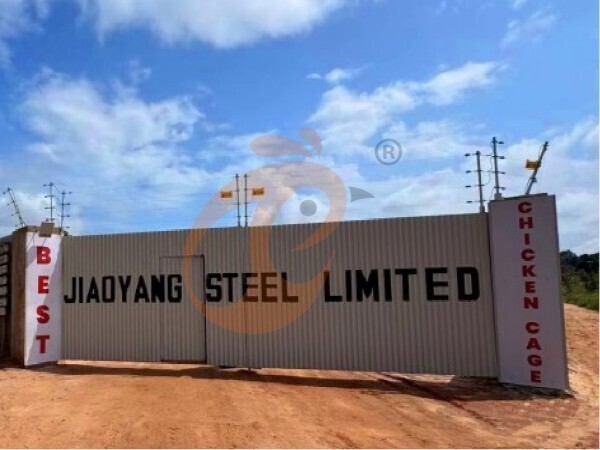
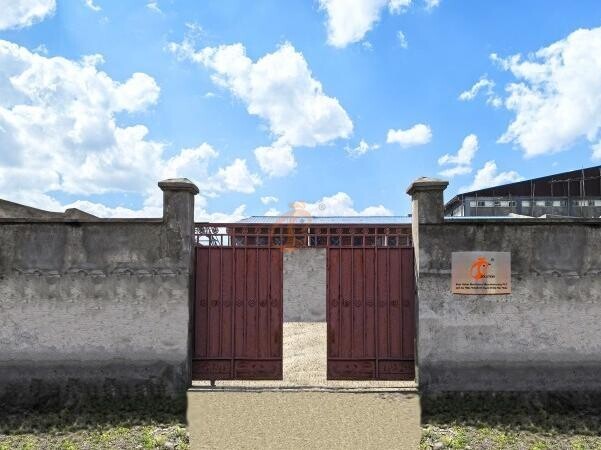
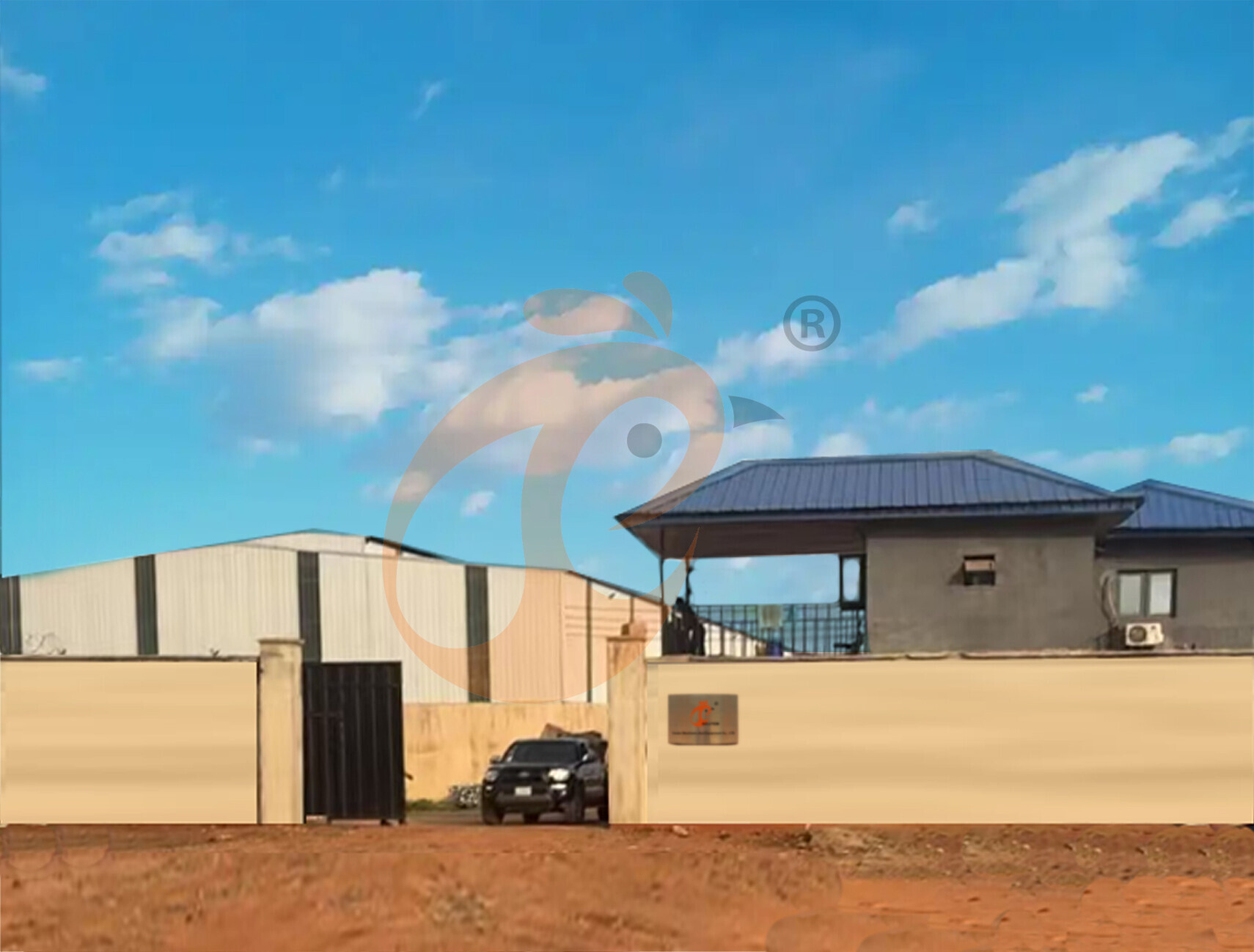
Ethiopia Branch Office And Factory Of Poultry Farm Equipment
Method 1: The Bird-Capacity Unit Base Calculation
The most fundamental way to estimate your cage cost is by using a fixed price per bird capacity.
In Ethiopia, professional layer cages are typically sold in ''sets.''
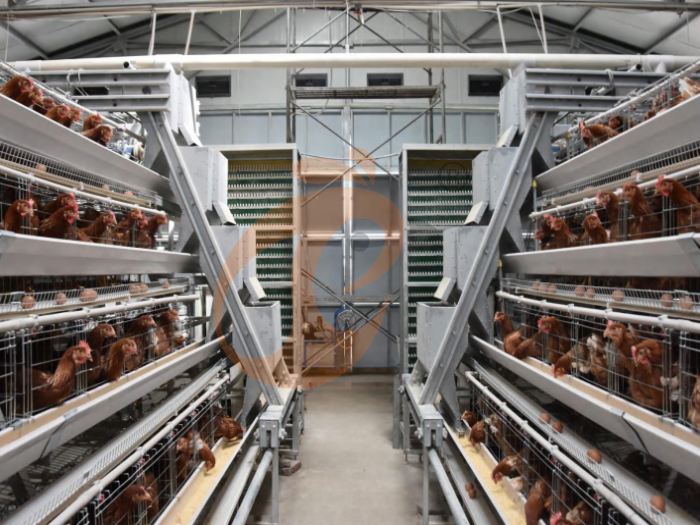
A standard A-type 3-tier or 4-tier cage set is the most popular choice for medium-scale farmers due to its balance between ventilation and density.
When calculating by bird capacity, you aren't just buying wire; you are buying the infrastructure for a living creature.
This method helps you align your cage budget with your pullet purchase budget. Currently, a high-quality galvanized A-type cage set in Ethiopia, designed for 120 to 160 birds, serves as the benchmark.
Data is for reference only. Swipe horizontally to view full table.
Method 2: The Landed Cost Logistics Integration
A common mistake among Ethiopian poultry entrepreneurs is looking at the ''Factory Price'' in China or Europe and assuming that is the final cost.
In reality, the ''Landed Cost'' includes sea freight to Djibouti, port clearance, and truck transport to your farm site.
Given the current foreign exchange challenges, these ''invisible'' costs can add 30% to 50% to your initial quote.
To calculate this, you must factor in the volume of the cages.
A-type cages are usually shipped semi-knocked down (SKD) to save space.
You must calculate the cost per cubic meter (m³) of shipping and the specific Ethiopian customs duties for agricultural machinery.
Data is for reference only. Swipe horizontally to view full table.
European union standard reference only.
Many poultry equipment items qualify for duty-free status in Ethiopia under investment incentives, but administrative fees still apply.
Method 3: The Material Durability Vs. Replacement Cost Analysis
In the humid highlands or the hot lowlands of Ethiopia, the lifespan of your cage determines your long-term cost.
This method calculates cost as a Depreciation Expense per year rather than a one-time purchase.
Data is for reference only. Swipe horizontally to view full table.
Method 4: The Automation Level Efficiency Calculation
Labor costs in Ethiopia are relatively manageable, but labor efficiency and biosecurity are major pain points.
Manual feeding and egg collection increase the risk of disease transmission and egg breakage.
Method 4 focuses on calculating the cost of ''Add-on Automation.''
Instead of just buying the cage, you calculate the cost of integrated systems: automatic drinking (nipples), automatic feeding (silo/trough), and manure removal (belt or scraper).
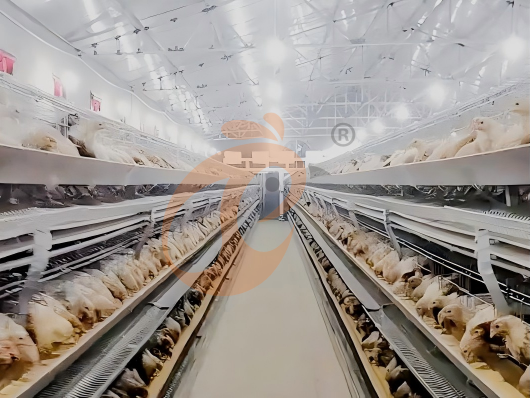
For a farm in a region like Bishoftu, where land is becoming expensive, H-type cages with full automation allow for higher bird density, effectively lowering the cost per square meter of your poultry house.
Data is for reference only. Swipe horizontally to view full table.
Method 5: The Total Farm Infrastructure Ratio Method
Cage costs do not exist in a vacuum. The type of cage you choose dictates the design and cost of your poultry house.
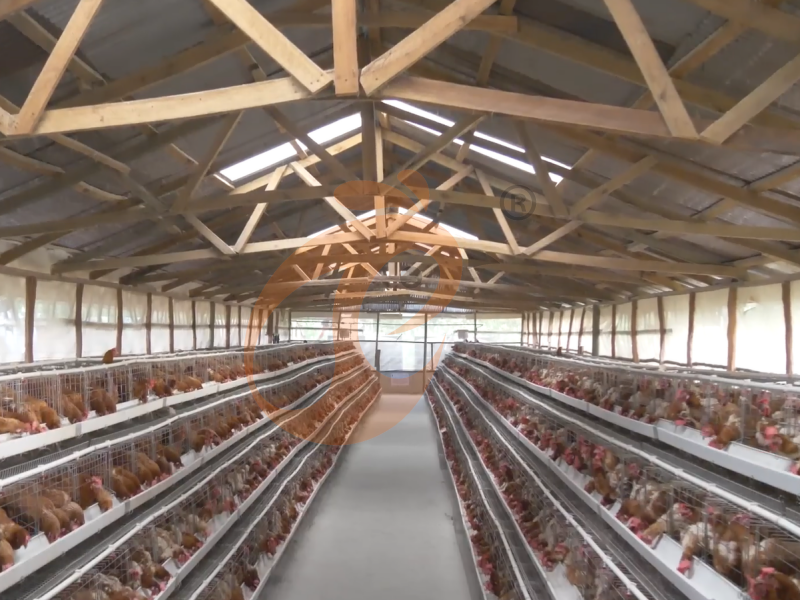
For example, H-type cages require taller buildings with reinforced concrete floors and specific ventilation layouts, whereas A-type cages are more forgiving of simple ''open-sided'' house designs.
This method uses a ratio: typically, in a modern Ethiopian layer farm, the cage system accounts for 40% to 50% of the total fixed investment.
By calculating the cost of your steel structure and civil works, you can reverse-engineer the budget required for high-quality cages.
Data is for reference only. Swipe horizontally to view full table.
Addressing Ethiopian Pain Points Solutions For Success
When calculating costs, an Ethiopian farmer must address three specific local challenges: Feed Quality, Power Fluctuations, and Disease Management.
Feed Waste
Poultry feed in Ethiopia can account for 70% of operating costs.
If your cage troughs are poorly designed, birds will flick feed onto the floor.
When calculating cage costs, ensure the troughs have an inward-curve rim.
Heat Stress
In the Rift Valley regions, temperatures can spike.
Your cage density must allow for adequate airflow.
The cost of a cheaper, cramped cage is paid for in higher mortality rates during the hot season (February–May).
Water Purity
Ethiopia's groundwater often has high mineral content.
Cheap plastic nipple drinkers will clog.
Investing in a cage system with a high-quality Water Filtration & Medicator unit is essential.
Data is for reference only. Swipe horizontally to view full table.
Finalizing Your Budget The Bottom Line
To calculate the cost of your poultry cage for a new farm in Ethiopia, you must move beyond the price tag.
You are investing in a system that manages the life cycle of a layer hen for approximately 72 to 80 weeks of production.
If you are starting with 5,000 birds, your total Equipment & Installation budget should be approximately 2.5 to 3 million Ethiopian Birr for a high-quality A-type system.
This investment, while significant, is the only way to achieve the Feed Conversion Ratios (FCR) required to stay profitable when local feed prices rise.
Data is for reference only. Swipe horizontally to view full table.
In Ethiopia, the Payback Period for a well-managed chicken cage layer farm is typically 18 to 24 months.
By using these five calculation methods, you can ensure that your farm starts on a solid financial foundation, capable of contributing to the nation's food security while securing your personal prosperity.
Frequently Asked Questions
Q: How do Ethiopian farmers calculate chicken cage cost per bird?
A: Most farms use the bird-capacity method, where A-type cages cost about 450–550 Ethiopian Birr per bird depending on whether a 3-tier (120 birds/set) or 4-tier (160 birds/set) configuration is used.
Q: Why is the landed cost of chicken cages higher in Ethiopia?
A: After adding sea freight to Djibouti, port handling, and inland transport, total costs can rise by 30%–50%, making the landed price about 447 Ethiopian Birr per bird for a 10,000-layer farm.
Q: How do modern chicken cage systems improve egg production in Ethiopia?
A: Cage systems can increase hen-day egg production to 85%–92%, while reducing feed waste to 1–3% and lowering egg breakage to below 1%.
Ethiopia Best Hebei Machinery Manufacturing Plc - One Of Ethiopia Biggest Poultry Cage Manufacturer
HB BEST provides global factory direct sales of high-quality poultry farm equipment to Ethiopia and surrounding regions.
The company specializes in providing complete poultry cage solutions including A-type and H-type systems.
Turn-key projects are delivered with full installation and training services to optimize farm productivity.
HB BEST ensures reliable after-sales support for all poultry farm equipment, including maintenance and spare parts.
The company focuses on integrating automation in poultry cages to improve efficiency and reduce labor costs.
Contact Us To Received Your Customized Poultry Farm Plan
Headquarters And Branchs
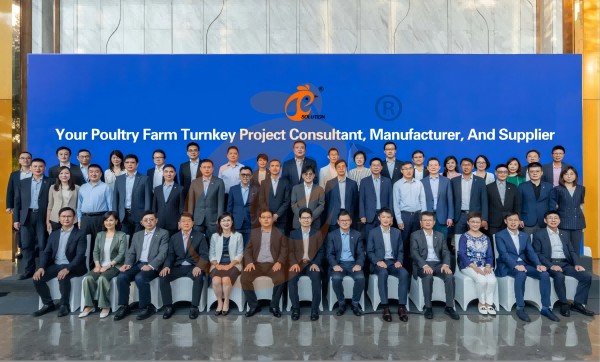
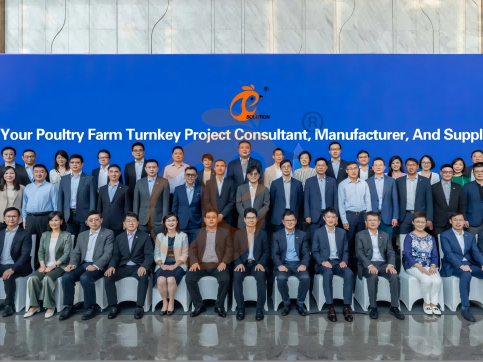
Hong Kong Headquarter Management Team
Hong Kong Headquarter Taiyu Industrial Group CO., LTD
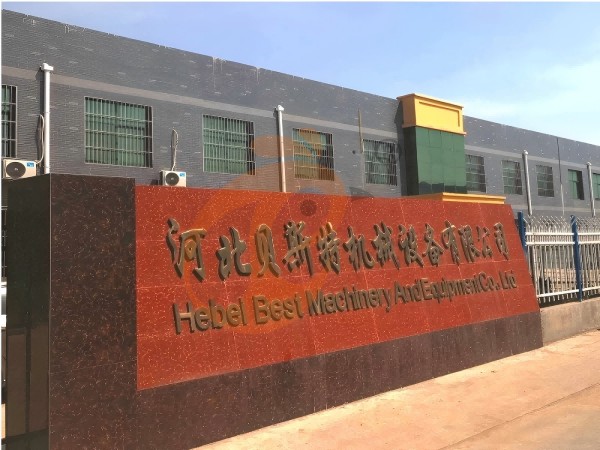
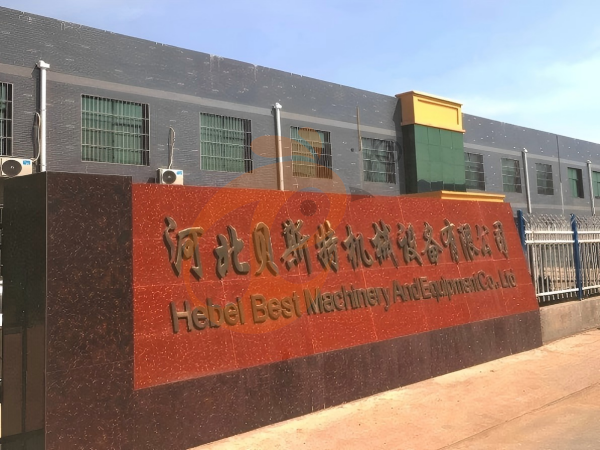
China Hebei Best Machinery And Equipment CO., LTD
Nigeria Vanke Machinery And Equipment CO., LTD
Tanzania Best Machinery And Equipment CO., LTD
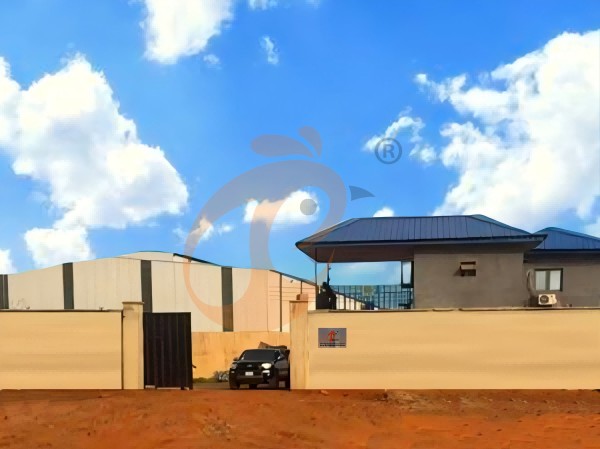
Ethiopia Best Hebei Machinery Manufacturing PLC
Reception /24 WhatsApp NO. : +8618830120193
FAQ
What Are The Professional Guidelines For Poultry Cage Farm Layout Optimization?
Multi-tier layout 4–16 tiers, 24–48 birds per tier, house capacity 30,000–100,000 birds.
Aisles and zoning allow efficient feeding, cleaning, and health management.
With automation, labor can be reduced by up to 70-90%.
How To Implement Advanced Battery Cage Systems For Maximum Egg Yield?
Automatic feeding, drinking, egg collection, and manure cleaning systems ensure stable production.
Egg production rate: 90–98%, daily egg yield: 900–980 eggs/1,000 birds.
Regular cleaning and monitoring mortality rate can limit losses to 2–3%.
How To Optimize ROI In Chicken Cage Farms Using Automation Systems?
Egg production rate can reach 90–98%, FCR maintained at 1.9–2.1.
Initial investment recovers in 24–36 months, ROI can increase by 20–25%.
Message
Products recommended
 HK Headquarter Offers EU-standard Poultry Farm Solutions, Manufacture Poultry Farm Equipment1. Continuous communication with the EU and the US
2. China, Nigeria, Ethiopia, Tanzania branch companies and factories
3. The products’ quality is customized for local poultry farms
4. Poultry cage and poultry farm equipment stock for sale
5. 24 online reception Whatsapp NO. : +8618830120193,contact us to get full informationRead More China Branch Offer Poultry Farm Business Plan, Manufacture Poultry Farm Equipment1. Address: Flat/RM 2416, 24/F, Runxing Building, Youyi Nan Street, Shijiazhuang City, Hebei Province, China
2. Poultry cage and poultry farm equipment factory and stock for sale
3. Customized for local poultry farms
4. Quality and design are based on Euro
5. 24 online reception Whatsapp NO. : +8618830120193Read More Nigeria Branch Offer Poultry Farm Business Plan, Manufacture Poultry Farm Equipment1. Address: After Sinoma Office, 200 Meters Near Danco Filling Station, Lagos/Ibadan Expressway, Lagos State, Nigeria
2. Poultry cage and poultry farm equipment factory and stock for sale
3. Customized for Nigerian poultry farms
4. Quality and design are based on Euro
5. 24 online reception Whatsapp NO. : +8618830120193Read More Ethiopia Branch Offer Poultry Farm Business Plan, Manufacture Poultry Farm Equipment1. Address: Gelan Gura, Akaki-kaliti Sub City, Addis Ababa, Ethiopia
2. Poultry cage and poultry farm equipment stock for sale
3. Customized for Ethiopian poultry farms
4. Quality and design are based on Euro
5. 24 online reception Whatsapp NO. : +8618830120193, contact us to get price listRead More Tanzania Branch Offer Poultry Farm Business Plan, Manufacture Poultry Farm Equipment1. Address: No.8, Sova Road, Msufini, Mlandizi, Kibaha, Pwani, Tanzania
2. Poultry cage and poultry farm equipment factory and stock for sale
3. Customized for Tanzanian poultry farms
4. Quality and design are based on Euro
5. 24 online reception Whatsapp NO. : +8618830120193Read More Fully Automatic H Type Layer Chicken Cage1. 30,000-100,000+ layers/house chooses it, Poultry farmers can achieve an egg production rate of 96-98%
2. A significant improvement over the 85-90% typically seen in manual systems
3. A typical poultry farm can expect a 30-40% reduction in labor costs due to the automation
4. Each feeding line efficiently supplies feed to around 100,000 hens per 30 mins
5. Reception /WhatsApp NO. : +8618830120193Read More Fully Automatic A Type Layer Chicken Cage1. 10,000-50,000 layers/house chooses it
2. Cleaner egg collection reduces breakage by 0.5%
3. Improved hygiene helps reduce mortality rate to <3%
4. 1–2 technicians can handle 15,000–30,000 birds
5. Reception /WhatsApp NO. : +8618830120193Read More Semi Automatic H Type Layer Chicken Cage1. 1,00-20,000 layers/house chooses it
2. Nipple drinkers flow 30–60 ML / min
3. Hot-dip galvanized (typical coating ≥ 275 g/m²)
4. Reduce ammonia by ~ 35–40%
5. Reception /WhatsApp NO. : +8618830120193Read More Semi Automatic A Type Layer Chicken Cage1. 1,00-20,000 layers/house chooses it, no rust for 10 years, no deformation for 15 years
2. Chickens live comfortably, you can raise them with peace of mind
3. Save water, save money—efficiency you can measure
4. Improve environment quality, and increase egg production rate
5. Reception /WhatsApp NO. : +8618830120193Read More
By clicking 'Allow All', you agree to the storage of cookies on your device to enhance site navigation, analyze site usage and assist with our marketing efforts.