


Blog
Ethiopian chicken cage price is a critical consideration for local layer farmers.
This article examines four common chicken cage configurations in Ethiopia.
Layer chicken cage Ethiopia affects egg production efficiency and farm profitability.
Poultry cage investment Ethiopia helps farmers make informed capital allocation decisions.
Local manufacturing and import considerations significantly influence overall project costs.
Practical solutions address common Ethiopian poultry sector challenges effectively.
Technical specifications guide farmers in selecting suitable chicken cage models.
Financial metrics illustrate the expected returns for different cage configurations.
Get professional poultry farm construction guidance, equipment selection solutions, and the latest price lists, whatsApp to +8618830120193, click to learn more:

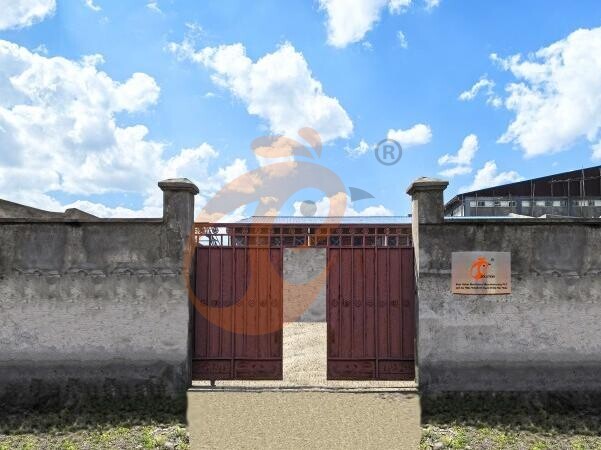
Ethiopia Branch Office And Factory Of Poultry Farm Equipment
The Ethiopian Egg Market And The Role Of Chicken Cage Systems
Poultry farming remains one of the most dynamic agricultural sub-sectors in Ethiopia.
With growing urban populations in Addis Ababa, Dire Dawa, and regional towns, demand for eggs is steadily expanding.
However, many Ethiopian layer farmers struggle with profitability due to inefficient housing systems, high feed costs, limited access to finance, and lack of reliable equipment pricing.
One foundational decision is choosing the appropriate chicken cage configuration—this choice directly affects production efficiency, labor costs, bird health, and ultimately returns on investment.
Data is for reference only. Swipe horizontally to view full table.
Egg market figures draw on regional reports and interviews with poultry associations across Ethiopia.
Chicken cage adoption correlates strongly with urban proximity and access to capital.
Why Chicken Cage Configuration Matters In Ethiopia
Not all chicken cage systems are equal.
Farmers must balance initial investment, durability, bird comfort, and local serviceability.
In Ethiopia, import constraints and limited mechanical support make serviceable, modular chicken cages preferable.
For layer birds, cages should maximize egg quality and minimize disease exposure.
The four configurations featured below represent commonly considered chicken cage systems in Ethiopian layer farms.
Configuration A: Single-Tier Fixed Stainless Frame
This configuration is popular among starter layer farms (500–2,000 hens) near urban centers like Addis Ababa and Hawassa.
Stainless steel and galvanized materials help resist corrosion in Ethiopia's varying humidity and temperatures.
Data is for reference only. Swipe horizontally to view full table.
Modular design simplifies maintenance; removable trays improve daily cleaning—a common challenge where labor costs are variable.
Encourage local technicians to train farmers in preventive maintenance, reducing downtime and import reliance for small parts.
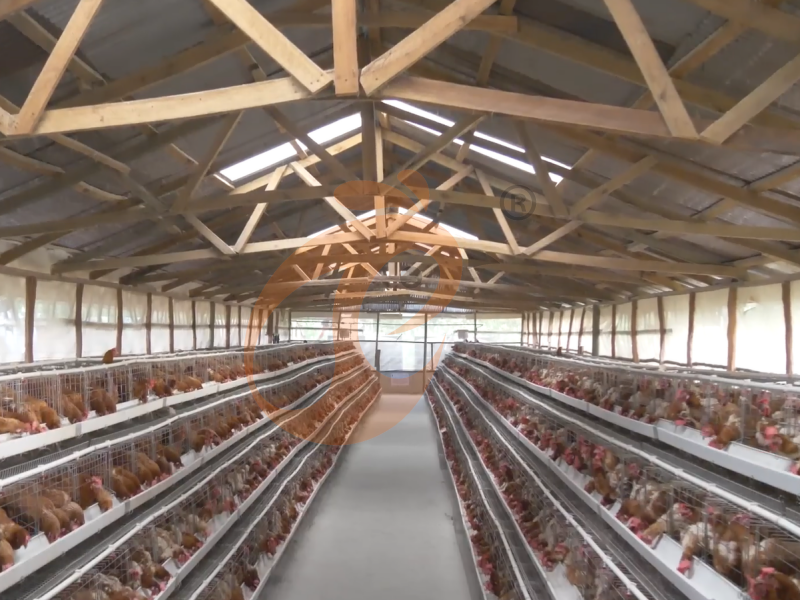
Configuration B: Double-Tier Layer Chicken Cage With Manual Feeders
As farms in Bahir Dar and Jimma expand, many adopt double-tier chicken cage systems to maximize vertical space.
Manual feeders reduce complexity, which suits regions with intermittent power supply.
Data is for reference only. Swipe horizontally to view full table.
Manual feeding avoids reliance on consistent electricity a practical factor in many Ethiopian highland and lowland zones.
Pair this configuration with community feed mixing stations to reduce individual feed costs.
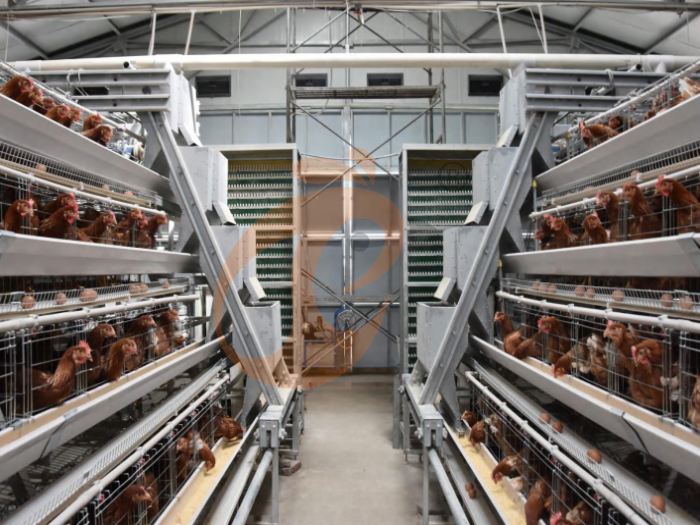
Configuration C: Semi-Automated 3-Tier Chicken Cage
For larger operations (5,000+ layers), semi-automated systems improve efficiency.
They include simple chain feeders and gravity egg conveyors, ideal for peri-urban farms near Addis Ababa or industrial zones where labor savings are valuable.
Data is for reference only. Swipe horizontally to view full table.
Reduces daily labor requirements and improves hygiene, essential in regions with rising agro-food standards.
Establish after-sales support hubs in regional capitals for parts and service training.
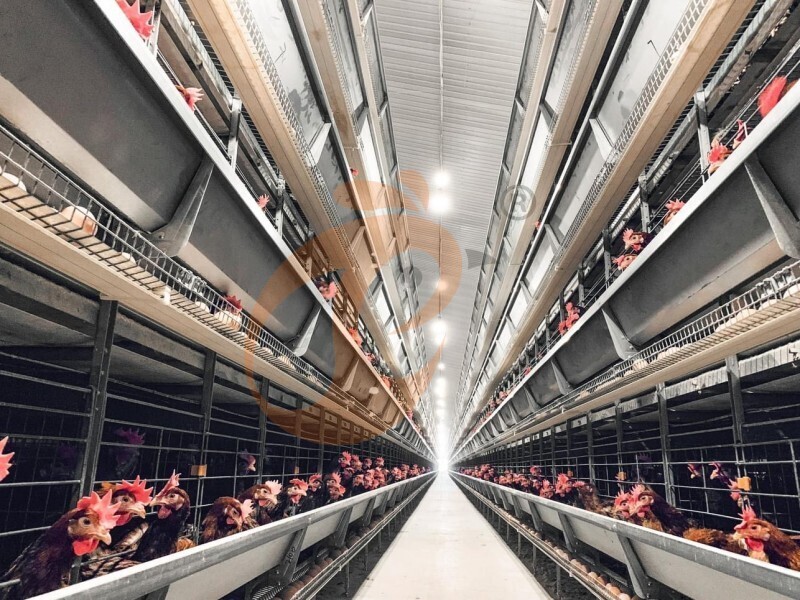
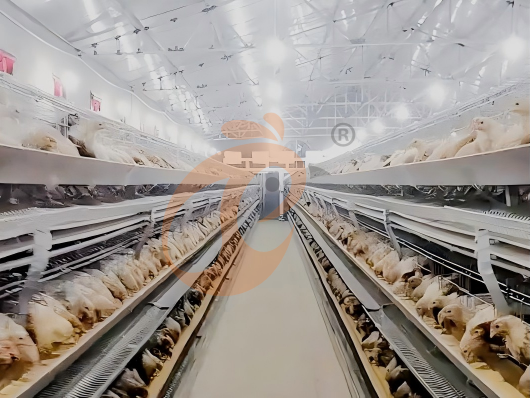
Configuration D: Fully Automated Multi-Tier Chicken Cage
Large commercial farms targeting export or large urban retailer contracts may choose fully automated systems with motorized feeding, environmental sensors, and automated egg belts.
While expensive, these systems can yield superior productivity and consistency.
Data is for reference only. Swipe horizontally to view full table.
Automation compensates for labor shortages and improves biosecurity a rising concern in light of avian disease risks.
Partner with local universities to train technicians in system maintenance and data utilization.
Comparative Economics Of Chicken Cage Investments In Ethiopia
Understanding price differences is only valuable when compared to returns.
Ethiopian layer farmers must weigh cost per hen, feed efficiency gains, labor savings, and projected egg output.
Data is for reference only. Swipe horizontally to view full table.
Mid-tier configurations (B and C) often balance affordability with capacity, aligning well with Ethiopian farm economics where feed costs dominate operational expenses.
Encourage farmers to form purchasing cooperatives to negotiate better bulk pricing and reduce Ethiopian Birr/hen cost.
Local Cost Factors And Import Charges In Ethiopia
Import tariffs, port handling fees at Djibouti, inland transport to Addis Ababa, and customs clearance all influence the final chicken cage price.
Fluctuations in Ethiopian Birr/USD exchange rate add unpredictability.
Data is for reference only. Swipe horizontally to view full table.
Strengthen local manufacturing of cage components (welded frames, trays, feeders) to reduce dependency on imports and foreign currency exposure.
Financing And Credit Solutions For Ethiopian Farmers
Access to finance remains a top constraint.
Many farmers cannot afford upfront payment for chicken cages, limiting growth.
Microfinance institutions and agricultural banks have limited tailored products.
Data is for reference only. Swipe horizontally to view full table.
Structured financing with longer terms and lower rates can accelerate adoption of efficient chicken cage systems.
Create layered financing tied to projected egg revenue streams, combined with technical support from extension agents.
Implementing Solutions: Training, Maintenance, And After-Sales Support
Cages are only as effective as the management practices applied.
In Ethiopia, knowledge gaps in biosecurity, manure management, ventilation, and record-keeping reduce productivity gains.
Recommendations
Establish localized training centers in major regions (Amhara, Oromia, SNNPR, Tigray).
Promote preventive maintenance schedules to extend cage life.
Develop parts distribution networks to lower downtime for repairs.
Training and support reduce long-term costs and improve the return on chicken cage investment.
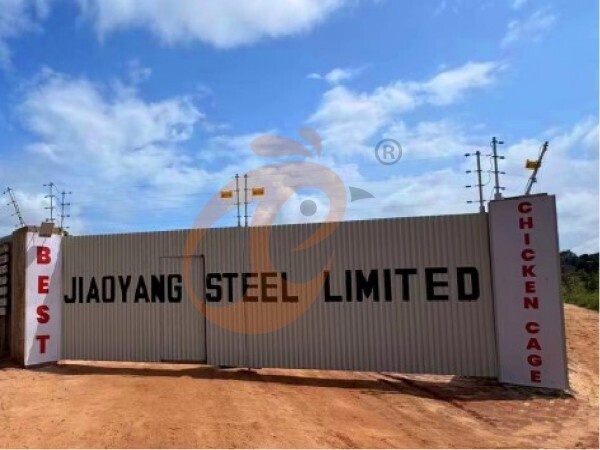
Ethiopia Best Hebei Machinery Manufacturing Plc - One Of Ethiopia Biggest Poultry Cage Manufacturer
HB BEST provides global factory direct sales for poultry farm equipment at competitive ETB pricing.
The company offers complete turn-key engineering services tailored to Ethiopian poultry operations.
HB BEST supplies high-quality chicken cages suitable for various layer farm scales.
Professional training and after-sales support ensure long-term operational efficiency.
Solutions include design, installation, and maintenance, optimizing production and profitability.
Contact Us To Received Your Customized Poultry Farm Plan
Headquarters And Branchs

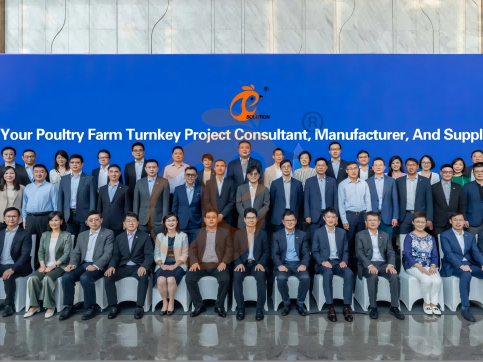
Hong Kong Headquarter Management Team
Hong Kong Headquarter Taiyu Industrial Group CO., LTD
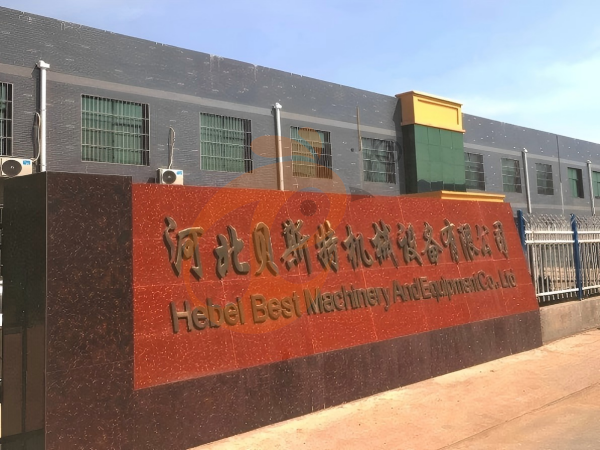
China Hebei Best Machinery And Equipment CO., LTD
Nigeria Vanke Machinery And Equipment CO., LTD
Tanzania Best Machinery And Equipment CO., LTD
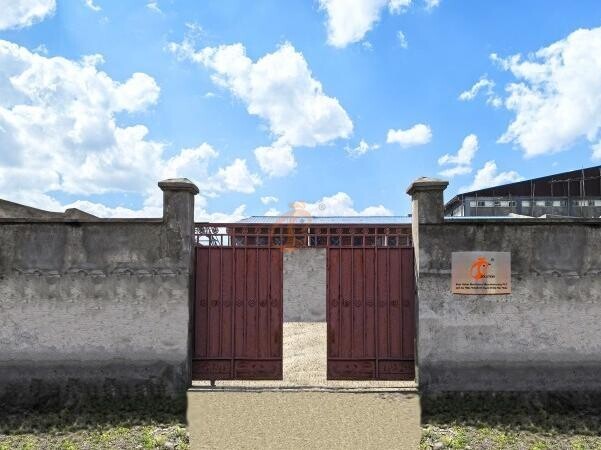
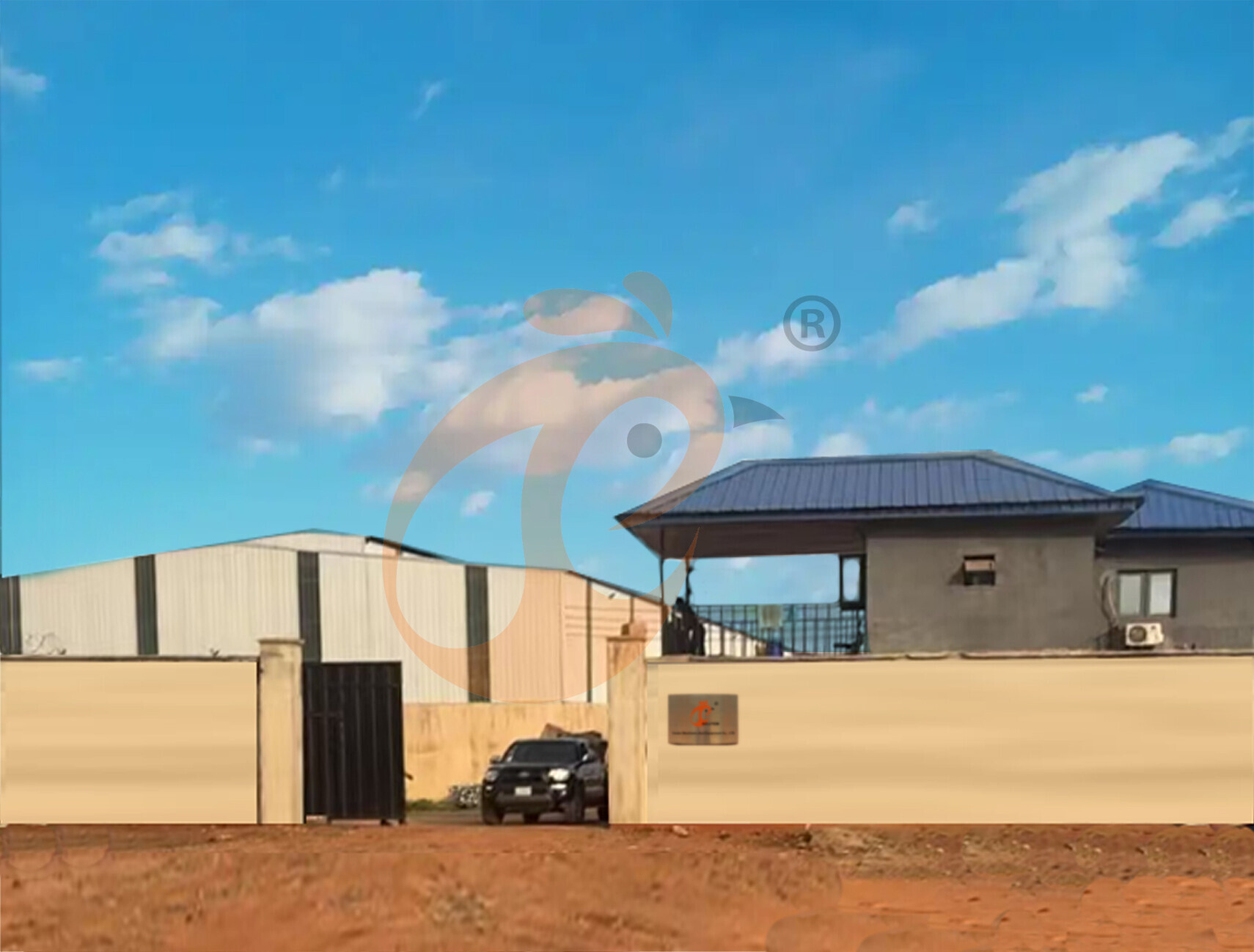
Ethiopia Best Hebei Machinery Manufacturing PLC
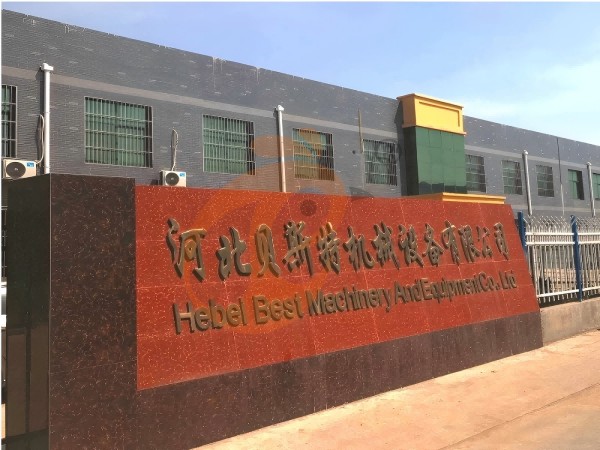
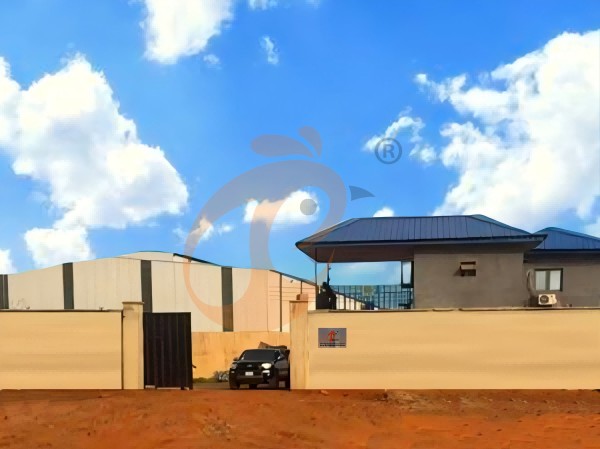
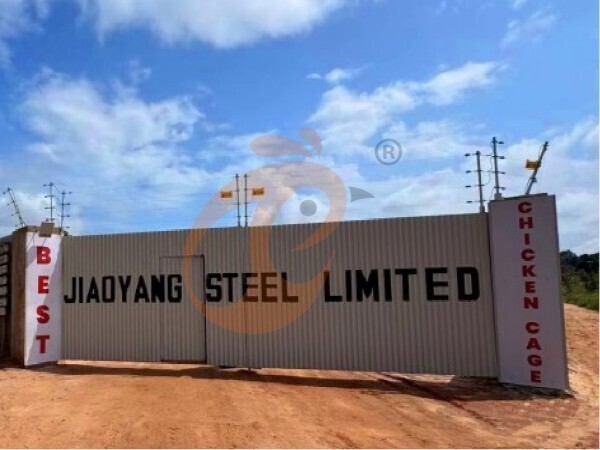
Reception /24 WhatsApp NO. : +8618830120193
FAQ
What Are The Professional Guidelines For Poultry Cage Farm Layout Optimization?
Multi-tier layout 4–16 tiers, 24–48 birds per tier, house capacity 30,000–100,000 birds.
Aisles and zoning allow efficient feeding, cleaning, and health management.
With automation, labor can be reduced by up to 70-90%.
How To Implement Advanced Battery Cage Systems For Maximum Egg Yield?
Automatic feeding, drinking, egg collection, and manure cleaning systems ensure stable production.
Egg production rate: 90–98%, daily egg yield: 900–980 eggs/1,000 birds.
Regular cleaning and monitoring mortality rate can limit losses to 2–3%.
How To Optimize ROI In Chicken Cage Farms Using Automation Systems?
Egg production rate can reach 90–98%, FCR maintained at 1.9–2.1.
Initial investment recovers in 24–36 months, ROI can increase by 20–25%.
Message
Products recommended
 HK Headquarter Offers EU-standard Poultry Farm Solutions, Manufacture Poultry Farm Equipment1. Continuous communication with the EU and the US
2. China, Nigeria, Ethiopia, Tanzania branch companies and factories
3. The products’ quality is customized for local poultry farms
4. Poultry cage and poultry farm equipment stock for sale
5. 24 online reception Whatsapp NO. : +8618830120193,contact us to get full informationRead More China Branch Offer Poultry Farm Business Plan, Manufacture Poultry Farm Equipment1. Address: Flat/RM 2416, 24/F, Runxing Building, Youyi Nan Street, Shijiazhuang City, Hebei Province, China
2. Poultry cage and poultry farm equipment factory and stock for sale
3. Customized for local poultry farms
4. Quality and design are based on Euro
5. 24 online reception Whatsapp NO. : +8618830120193Read More Nigeria Branch Offer Poultry Farm Business Plan, Manufacture Poultry Farm Equipment1. Address: After Sinoma Office, 200 Meters Near Danco Filling Station, Lagos/Ibadan Expressway, Lagos State, Nigeria
2. Poultry cage and poultry farm equipment factory and stock for sale
3. Customized for Nigerian poultry farms
4. Quality and design are based on Euro
5. 24 online reception Whatsapp NO. : +8618830120193Read More Ethiopia Branch Offer Poultry Farm Business Plan, Manufacture Poultry Farm Equipment1. Address: Gelan Gura, Akaki-kaliti Sub City, Addis Ababa, Ethiopia
2. Poultry cage and poultry farm equipment stock for sale
3. Customized for Ethiopian poultry farms
4. Quality and design are based on Euro
5. 24 online reception Whatsapp NO. : +8618830120193, contact us to get price listRead More Tanzania Branch Offer Poultry Farm Business Plan, Manufacture Poultry Farm Equipment1. Address: No.8, Sova Road, Msufini, Mlandizi, Kibaha, Pwani, Tanzania
2. Poultry cage and poultry farm equipment factory and stock for sale
3. Customized for Tanzanian poultry farms
4. Quality and design are based on Euro
5. 24 online reception Whatsapp NO. : +8618830120193Read More Fully Automatic H Type Layer Chicken Cage1. 30,000-100,000+ layers/house chooses it, Poultry farmers can achieve an egg production rate of 96-98%
2. A significant improvement over the 85-90% typically seen in manual systems
3. A typical poultry farm can expect a 30-40% reduction in labor costs due to the automation
4. Each feeding line efficiently supplies feed to around 100,000 hens per 30 mins
5. Reception /WhatsApp NO. : +8618830120193Read More Fully Automatic A Type Layer Chicken Cage1. 10,000-50,000 layers/house chooses it
2. Cleaner egg collection reduces breakage by 0.5%
3. Improved hygiene helps reduce mortality rate to <3%
4. 1–2 technicians can handle 15,000–30,000 birds
5. Reception /WhatsApp NO. : +8618830120193Read More Semi Automatic H Type Layer Chicken Cage1. 1,00-20,000 layers/house chooses it
2. Nipple drinkers flow 30–60 ML / min
3. Hot-dip galvanized (typical coating ≥ 275 g/m²)
4. Reduce ammonia by ~ 35–40%
5. Reception /WhatsApp NO. : +8618830120193Read More Semi Automatic A Type Layer Chicken Cage1. 1,00-20,000 layers/house chooses it, no rust for 10 years, no deformation for 15 years
2. Chickens live comfortably, you can raise them with peace of mind
3. Save water, save money—efficiency you can measure
4. Improve environment quality, and increase egg production rate
5. Reception /WhatsApp NO. : +8618830120193Read More
By clicking 'Allow All', you agree to the storage of cookies on your device to enhance site navigation, analyze site usage and assist with our marketing efforts.