


Blog
Ethiopian layer chicken cage problems are critical for local poultry farms.
Poultry farm management Ethiopia needs practical strategies for smallholders.
Chicken egg production solutions Ethiopia improve egg quantity and quality.
Farmers face challenges including cage design, ventilation, and feed systems.
Local climate and energy shortages affect laying hens' productivity consistently.
Disease outbreaks and poor biosecurity increase economic losses for producers.
Training and technical support enhance layer farm efficiency in Ethiopia.
Egg collection and handling losses reduce revenue for local markets.
Get professional poultry farm construction guidance, equipment selection solutions, and the latest price lists, whatsApp to +8618830120193, click to learn more:

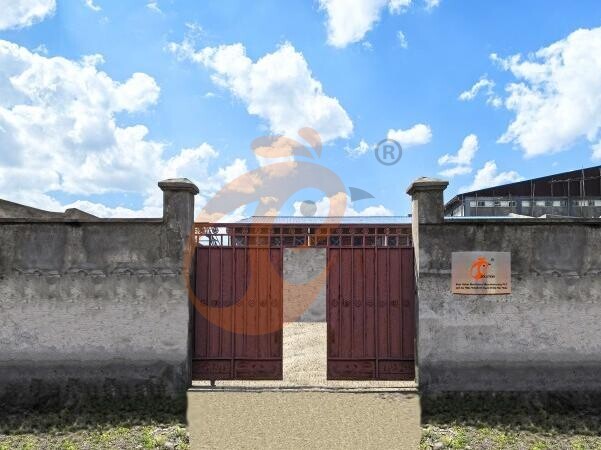
Ethiopia Branch Office And Factory Of Poultry Farm Equipment
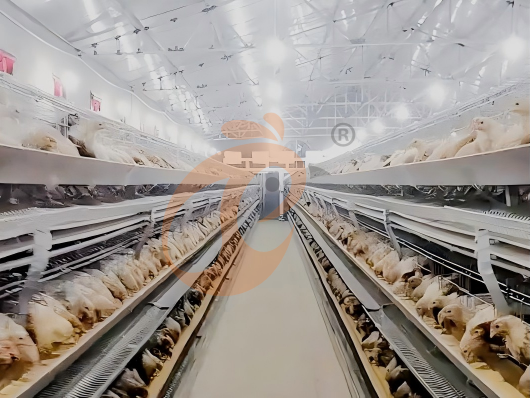
Inadequate Cage Design And Dimensions
The first challenge many Ethiopian layer producers face is using inappropriate chicken cage designs that fail to meet hens' biological and welfare needs.
This reduces laying performance, increases stress, and raises mortality.
Data is for reference only.Swipe horizontally to view full table.
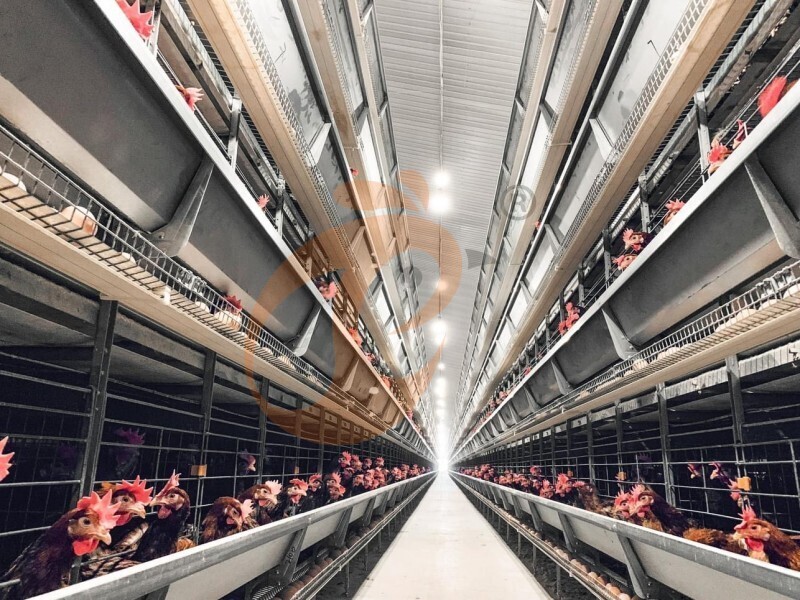
Using hot-dip galvanized chicken cages with a lifespan of 25+ years improves durability.
Recommended layer number: 3–5 layers, with 10,000–30,000 hens per farm.
Solution
Standardize cage dimensions tailored to Ethiopian layer breeds, such as Bovans Brown and Lohmann, and promote adoption through training and microfinance support.
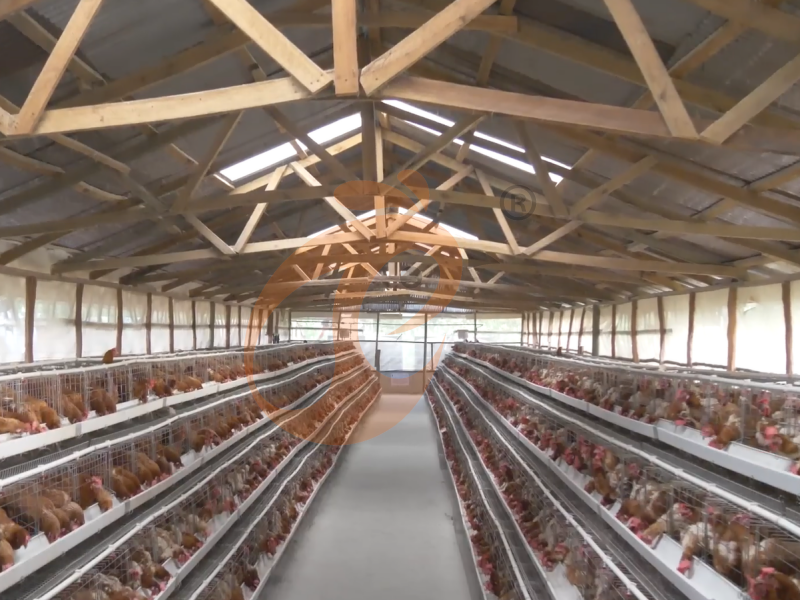
Poor Ventilation And Heat Stress Issues
Ethiopia's climate varies from cool highlands to hot lowland regions like Awash and Gambella.
Without adequate ventilation, chicken cages can trap heat and ammonia, severely affecting bird health.
Data is for reference only.Swipe horizontally to view full table.
In regions like Dire Dawa and Somali Region, daytime temperatures frequently exceed 30°C, reducing laying rates by 10–20%.
Solution
Retrofit houses with ridge vents, locally fabricated exhaust fans, and orientation aligned with prevailing winds.
Provide low‑cost training for smallholders to improve airflow in barns.
Substandard Feed And Water Delivery Systems
Layer hens require consistent feed quality and clean water to achieve optimum production.
Many Ethiopian systems suffer from clogged drinkers or inappropriate trough designs, increasing feed wastage and disease spread.
Data is for reference only.Swipe horizontally to view full table.
In several Ethiopian farms, dirty water lines and intermittent supply are common due to unreliable power and lack of water storage.
Solution
Introduce chain feeding systems with feed covers, nipple drinkers with reservoirs, and solar‑powered water pumps where electricity is unreliable.
Disease Management And Biosecurity Weaknesses
Chicken cages can amplify disease transmission if proper biosecurity is not enforced.
In Ethiopia, outbreaks of Newcastle disease, Salmonella, and Gumboro (IBD) remain prevalent.
Data is for reference only.Swipe horizontally to view full table.
Lack of disinfection protocols, visitor controls, and proper vaccination timing are key contributors.
Solution
Expand community‑based poultry health programs offering vaccination calendars, biosecurity training, and accessible veterinary services.
Egg Collection And Handling Losses
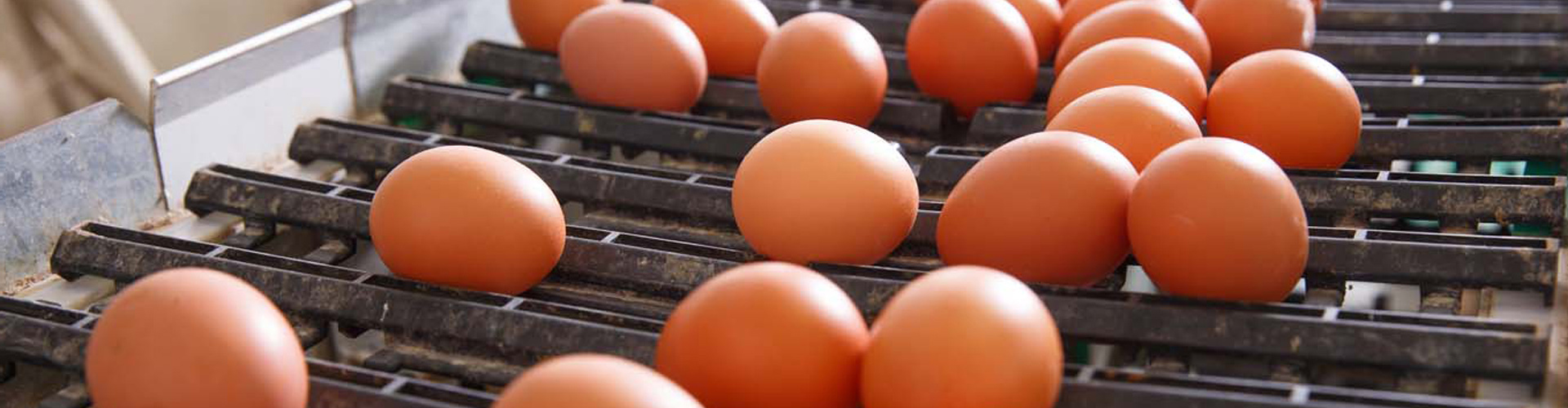
Most Ethiopian layer chicken cage systems still rely on manual egg collection, resulting in cracked, soiled, or dirty eggs, which lowers market value.
Data is for reference only.Swipe horizontally to view full table.
These losses are especially costly for producer cooperatives supplying Addis Ababa and other urban markets.
Solution
Promote sloped wire flooring with automatic roll‑off egg belts and train staff on gentle handling.
Simple conveyor systems can greatly reduce breakage and contamination.
Energy Costs And Unreliable Power Supply
Ethiopian egg farms often face inconsistent grid electricity and high fuel costs for backup generators.
This affects lighting, ventilation fans, and water pumps, critical for laying cycles.
Data is for reference only.Swipe horizontally to view full table.
Unreliable energy leads to inconsistent light hours, disrupting hens' laying cycles and reducing egg output.
Solution
Invest in hybrid solar systems paired with battery storage. Government incentives and micro‑credit schemes can make renewable options more accessible even for smallholder producers.
Lack Of Skilled Labor And Training
Many layer chicken cage farms in Ethiopia operate with limited technical knowledge about best practices, leading to suboptimal production.
Data is for reference only.Swipe horizontally to view full table.
There is a clear correlation between training and improved cage performance.
Solution
Expand partnerships between universities and poultry cooperatives to provide standardized training modules in Ethiopian languages such as Amharic, Oromo, and Tigrinya.
Solution A-Type Standardized Cage Design With Local Materials
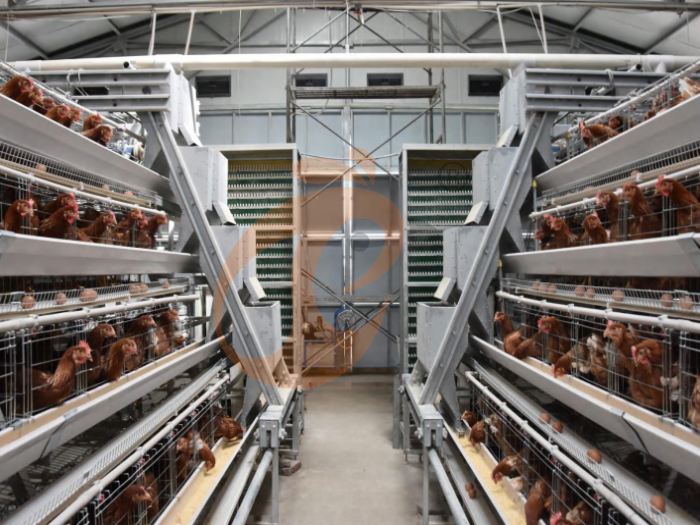
Investing in standardized chicken cage design that fits local breeds and environmental conditions is highly effective.
Data is for reference only.Swipe horizontally to view full table.
Solution Climate‑Responsive Housing And Ventilation
Given the diversity of Ethiopian climates, cage houses must be tailored to local conditions.
Data is for reference only.Swipe horizontally to view full table.
Consistent light duration, often using solar LED systems, significantly increases egg production cycles.
Solution Improved Feeding And Water Delivery
Designing feeders and drinkers appropriate for chicken cage systems improves efficiency and hygiene.
Data is for reference only.Swipe horizontally to view full table.
Ethiopian farms with water scarcity can use roof‑harvested rainwater storage and filtration before entering nipples.
Solution Enhanced Biosecurity And Vaccination Schedules
Effective biosecurity is essential to protecting cage layer flocks.
Data is for reference only.Swipe horizontally to view full table.
Training for cooperative members on standardized biosecurity protocols can reduce losses significantly.
Solution Modern Egg Collection And Post-Harvest Handling
Upgrading to roll‑off egg belts and gentle conveyor systems dramatically increases cleanliness and minimizes breakage.
Data is for reference only.Swipe horizontally to view full table.
Collecting eggs early and storing at consistent temperatures improves shelf life and price.
Solution Renewable Energy Integration
Given Ethiopia's unreliable grid and high energy costs, renewable energy is critical.
Data is for reference only.Swipe horizontally to view full table.
Solar systems can pay for themselves within 2–3 years in many regions due to reduced generator fuel costs.
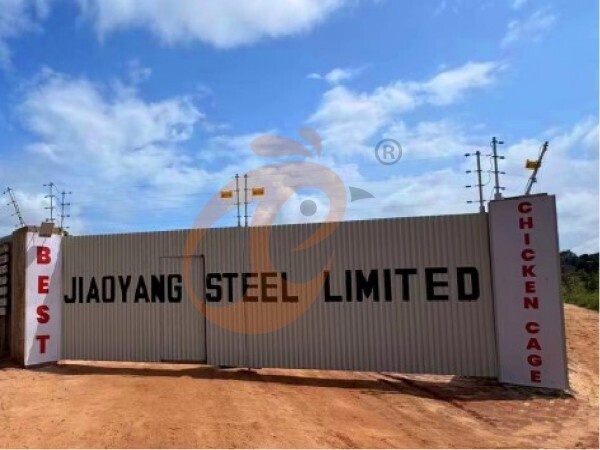
Ethiopia Best Hebei Machinery Manufacturing Plc - One Of Ethiopia Largest Chicken Cage Manufacturer
HB BEST provides global factory direct sales, offering high-quality poultry farm equipment for all farms.
The company delivers complete poultry cage systems, including turnkey projects and installation services efficiently.
Customers benefit from advanced engineering and technical support for layer chicken cage management.
HB BEST ensures sustainable poultry farm solutions with cost-effective equipment and accessories.
Professional services cover design, logistics, and training for efficient chicken egg production in Ethiopia.
Contact Us To Received Your Customized Poultry Farm Plan
Headquarters And Branchs

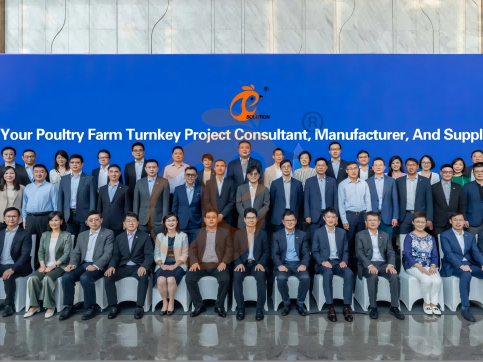
Hong Kong Headquarter Management Team
Hong Kong Headquarter Taiyu Industrial Group CO., LTD
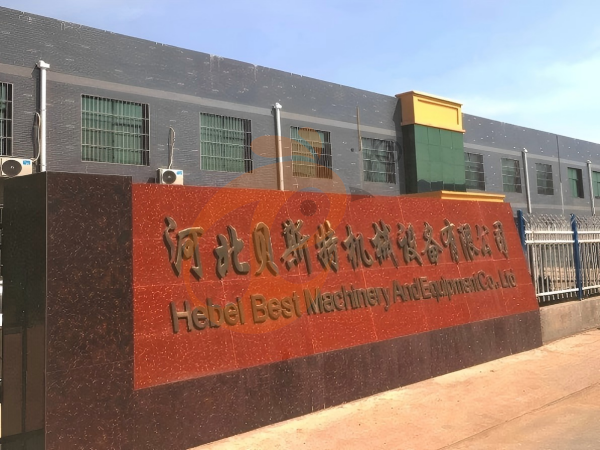
China Hebei Best Machinery And Equipment CO., LTD
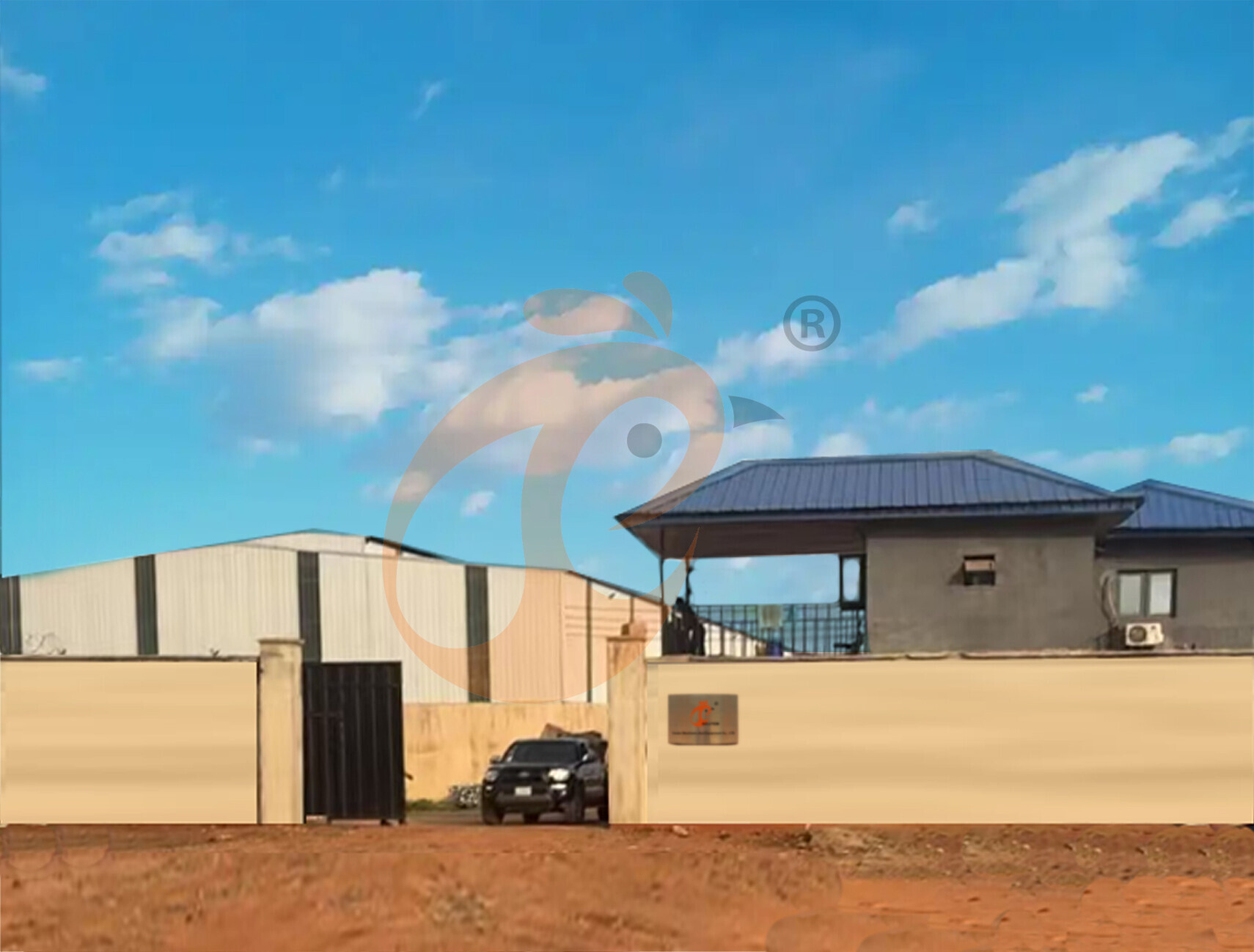
Nigeria Vanke Machinery And Equipment CO., LTD
Tanzania Best Machinery And Equipment CO., LTD
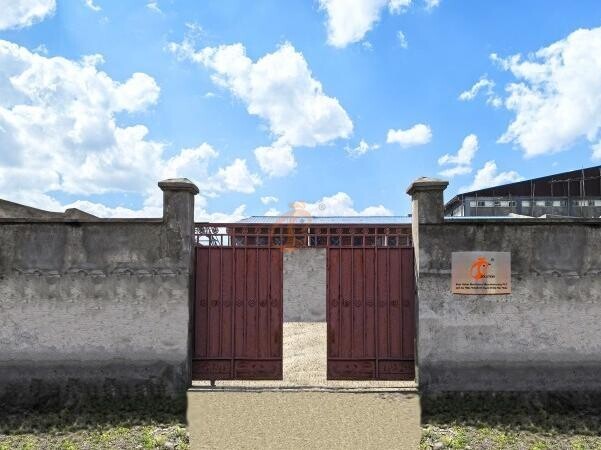
Ethiopia Best Hebei Machinery Manufacturing PLC
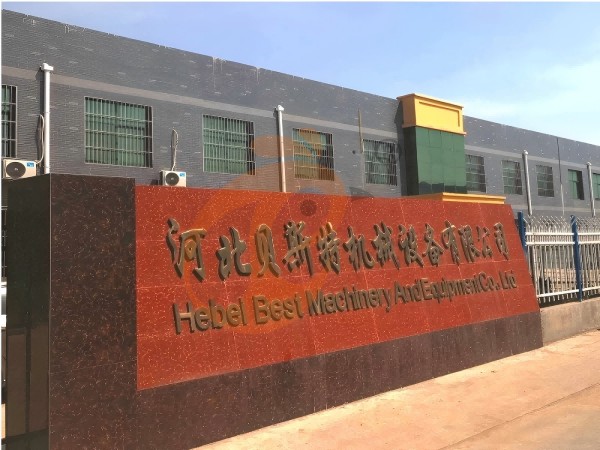
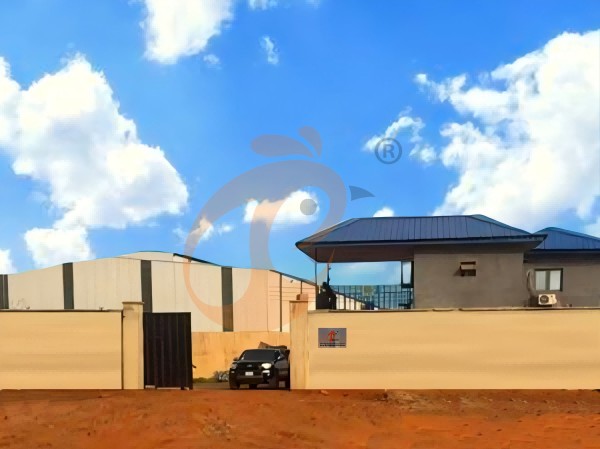
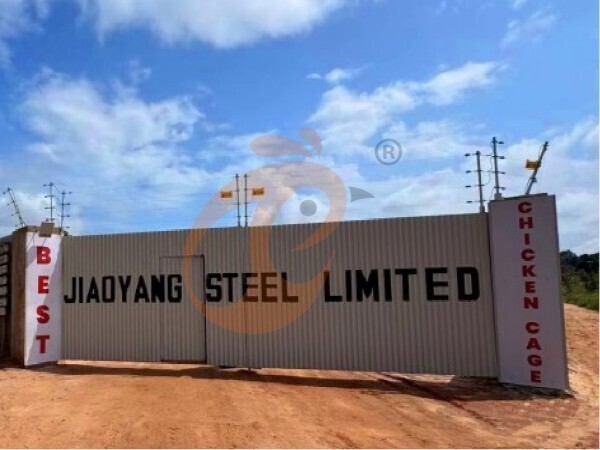
Reception /24 WhatsApp NO. : +8618830120193
FAQ
How To Buy The Best A-Type Poultry Cage For High-Quality Egg Production?
Birds per set: 120-200 birds
Suitable for small to medium commercial farms
Egg production rate: 90–96%
FCR: 1.9–2.2
Equipment lifespan: more than 25 years
Labor savings: 50–70%
What Are The Recommended Layouts For A-Type Chicken Cage Farm?
Cage width: 2200–2400 mm, depth: 400 mm
Farm capacity per house: 10,000–50,000 birds
Aisle width: 1.2–1.4 m for easy manual operation
Egg production rate: 90-96%
How To Optimize Feed Conversion Ratio In A-Type Layer Cage System?
Improve ventilation to reduce heat stress
FCR can be reduced to 1.9–2.2
Egg production rate: 90–96%
Feed waste reduced by 5–10%
- chicken cage
- poultry farm
- poultry cage
- poultry farm
- poultry farm equipment
- poultry farm construction
- poultry farm management
- poultry farm solutions
- chicken cage manufacturer
- galvanized chicken cage
- chicken cage design
- layer farm
- poultry coop
- chicken cage system
- poultry cage system
- layer chicken cage
- Ethiopia
- Nigeria
Message
Products recommended
 HK Headquarter Offers EU-standard Poultry Farm Solutions, Manufacture Poultry Farm Equipment1. Continuous communication with the EU and the US
2. China, Nigeria, Ethiopia, Tanzania branch companies and factories
3. The products’ quality is customized for local poultry farms
4. Poultry cage and poultry farm equipment stock for sale
5. 24 online reception Whatsapp NO. : +8618830120193,contact us to get full informationRead More China Branch Offer Poultry Farm Business Plan, Manufacture Poultry Farm Equipment1. Address: Flat/RM 2416, 24/F, Runxing Building, Youyi Nan Street, Shijiazhuang City, Hebei Province, China
2. Poultry cage and poultry farm equipment factory and stock for sale
3. Customized for local poultry farms
4. Quality and design are based on Euro
5. 24 online reception Whatsapp NO. : +8618830120193Read More Nigeria Branch Offer Poultry Farm Business Plan, Manufacture Poultry Farm Equipment1. Address: After Sinoma Office, 200 Meters Near Danco Filling Station, Lagos/Ibadan Expressway, Lagos State, Nigeria
2. Poultry cage and poultry farm equipment factory and stock for sale
3. Customized for Nigerian poultry farms
4. Quality and design are based on Euro
5. 24 online reception Whatsapp NO. : +8618830120193Read More Ethiopia Branch Offer Poultry Farm Business Plan, Manufacture Poultry Farm Equipment1. Address: Gelan Gura, Akaki-kaliti Sub City, Addis Ababa, Ethiopia
2. Poultry cage and poultry farm equipment stock for sale
3. Customized for Ethiopian poultry farms
4. Quality and design are based on Euro
5. 24 online reception Whatsapp NO. : +8618830120193, contact us to get price listRead More Tanzania Branch Offer Poultry Farm Business Plan, Manufacture Poultry Farm Equipment1. Address: No.8, Sova Road, Msufini, Mlandizi, Kibaha, Pwani, Tanzania
2. Poultry cage and poultry farm equipment factory and stock for sale
3. Customized for Tanzanian poultry farms
4. Quality and design are based on Euro
5. 24 online reception Whatsapp NO. : +8618830120193Read More Fully Automatic H Type Layer Chicken Cage1. 30,000-100,000+ layers/house chooses it, Poultry farmers can achieve an egg production rate of 96-98%
2. A significant improvement over the 85-90% typically seen in manual systems
3. A typical poultry farm can expect a 30-40% reduction in labor costs due to the automation
4. Each feeding line efficiently supplies feed to around 100,000 hens per 30 mins
5. Reception /WhatsApp NO. : +8618830120193Read More Fully Automatic A Type Layer Chicken Cage1. 10,000-50,000 layers/house chooses it
2. Cleaner egg collection reduces breakage by 0.5%
3. Improved hygiene helps reduce mortality rate to <3%
4. 1–2 technicians can handle 15,000–30,000 birds
5. Reception /WhatsApp NO. : +8618830120193Read More Semi Automatic H Type Layer Chicken Cage1. 1,00-20,000 layers/house chooses it
2. Nipple drinkers flow 30–60 ML / min
3. Hot-dip galvanized (typical coating ≥ 275 g/m²)
4. Reduce ammonia by ~ 35–40%
5. Reception /WhatsApp NO. : +8618830120193Read More Semi Automatic A Type Layer Chicken Cage1. 1,00-20,000 layers/house chooses it, no rust for 10 years, no deformation for 15 years
2. Chickens live comfortably, you can raise them with peace of mind
3. Save water, save money—efficiency you can measure
4. Improve environment quality, and increase egg production rate
5. Reception /WhatsApp NO. : +8618830120193Read More
By clicking 'Allow All', you agree to the storage of cookies on your device to enhance site navigation, analyze site usage and assist with our marketing efforts.