


Blog
The A-type chicken cage stocking density directly affects egg production efficiency, feed consumption, and farm profitability in Ethiopian commercial layer systems.
Urban egg demand in cities such as Addis Ababa and Bishoftu continues to expand alongside poultry modernization.
Determining cage capacity based on bird space, ventilation, and climate improves long-term layer productivity.
Poultry farmers in Ethiopia increasingly adopt structured cage housing instead of backyard scavenging systems.
Proper cage planning ensures stable egg supply for markets and reduces long-term management costs.
Get professional poultry farm construction guidance, equipment selection solutions, and the latest price lists, whatsApp to +8618830120193, click to learn more.

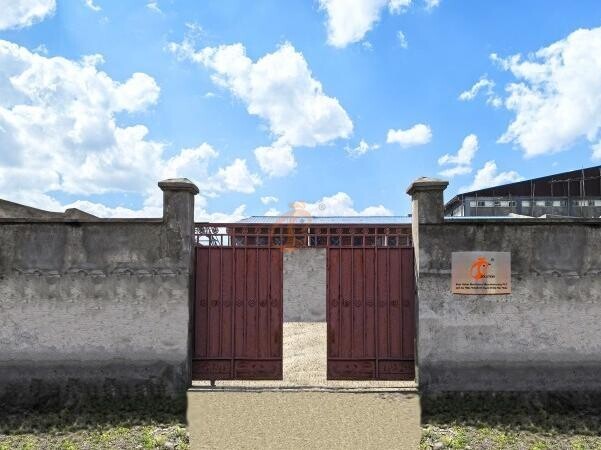
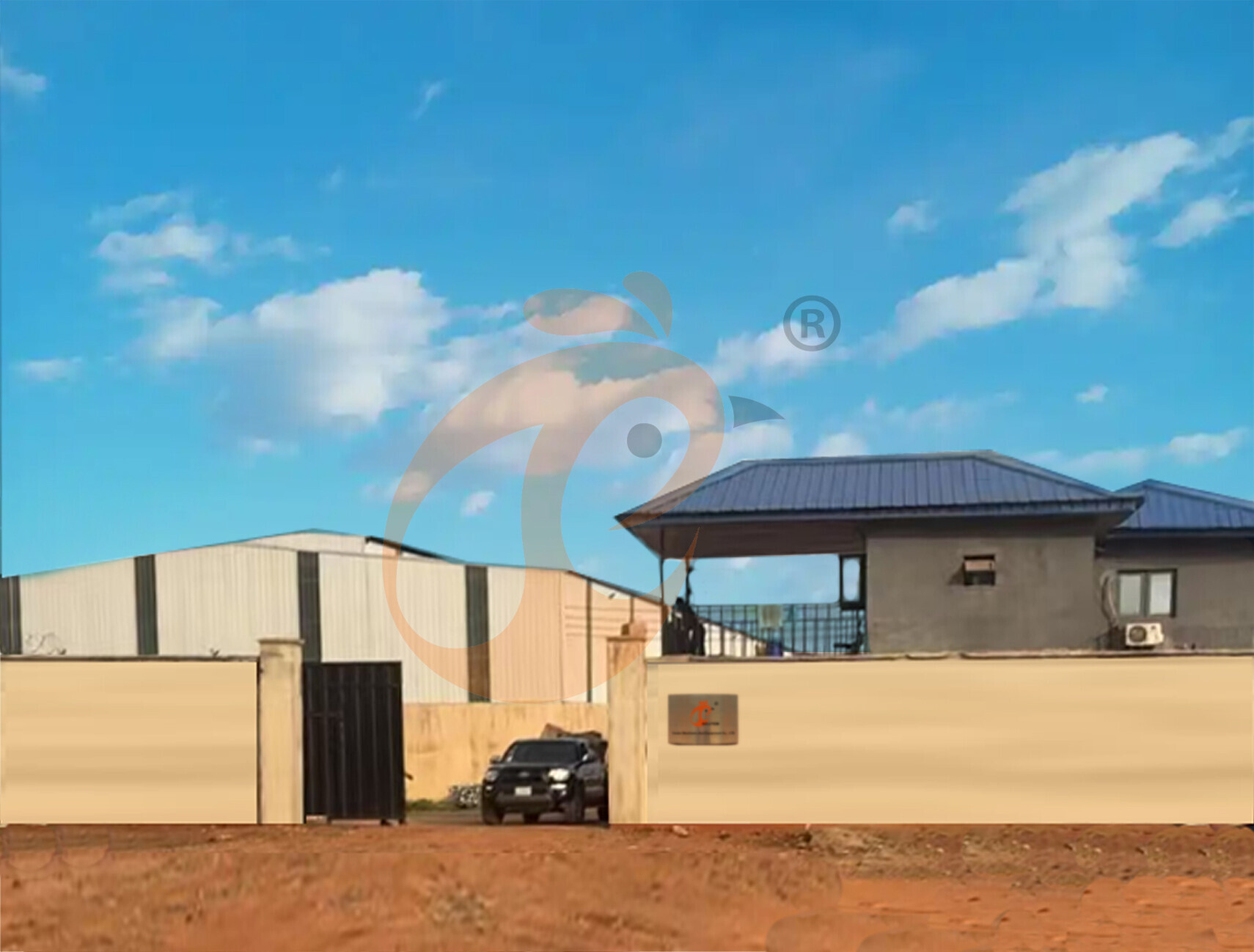
Ethiopia Branch Office And Factory Of Poultry Farm Equipment
Understanding A Type Chicken Cage Systems
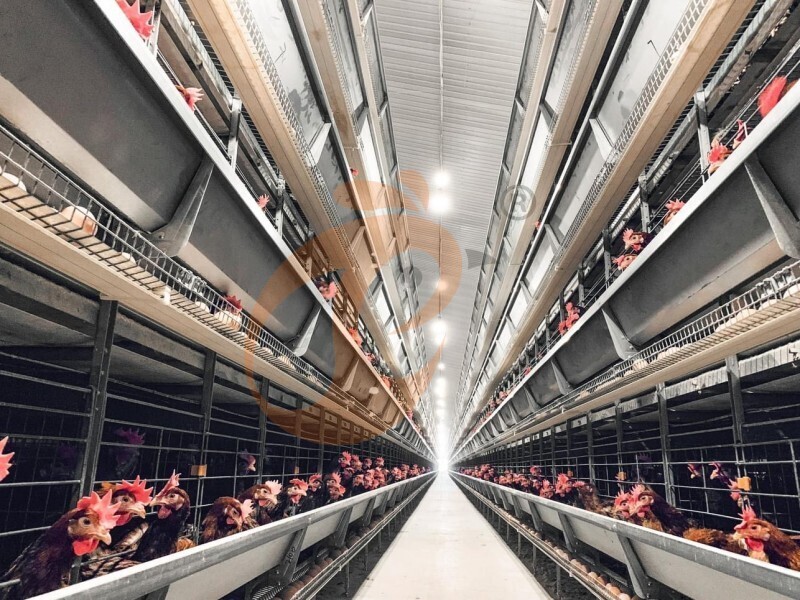
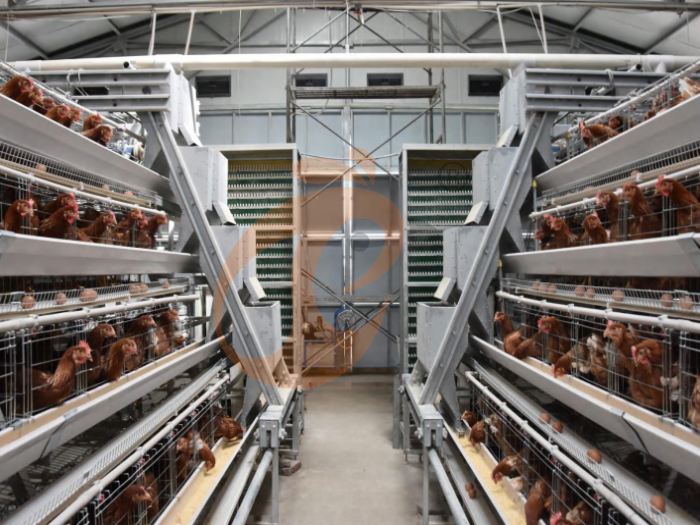
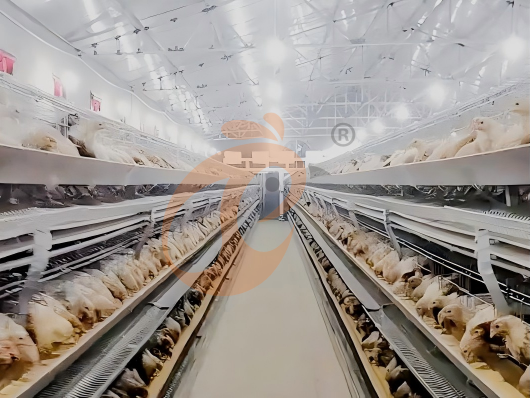
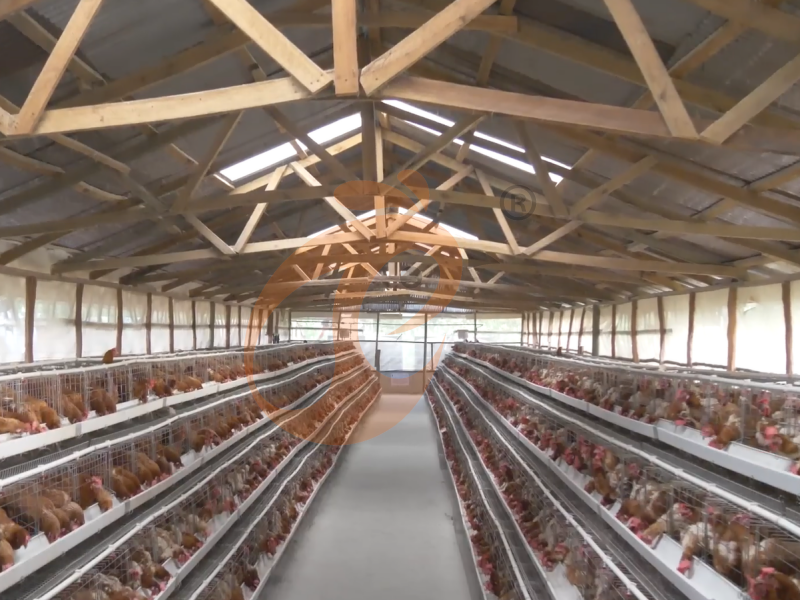
A-type chicken cages are designed in a triangular stacked structure where cages are arranged vertically to maximize poultry house space utilization.
This cage model is widely used by poultry farms in regions such as Adama and Bahir Dar because installation requirements are simple and management can be done manually.
The system usually supports manual feeding, front egg collection trays, and gravity manure discharge.
Data is for reference only.Swipe horizontally to view full table.
This structural design allows Ethiopian farms to manage several thousand birds in a naturally ventilated poultry house.
Why Stocking Density Matters In Ethiopian Layer Farming
Stocking density determines how much cage floor area each bird receives during the laying cycle.
If bird numbers exceed the space capacity of the cage, egg production and feed intake stability are affected.
Proper stocking density supports consistent egg supply to urban distribution markets such as the poultry trading zone of Addis Ababa.
Feed conversion ratio (FCR) and egg production cycle stability depend heavily on cage stocking planning.
Data is for reference only.Swipe horizontally to view full table.
The results show that cage density directly influences production parameters.
Standard Cage Dimensions Used In Ethiopia
Most Ethiopian poultry equipment markets use standardized cage sizes that follow Asian commercial poultry engineering parameters.
These cage sizes are compatible with imported commercial layer breeds widely used in Ethiopia.
Typical cage structures installed in farms around Debre Zeit follow similar structural dimensions.
Data is for reference only.Swipe horizontally to view full table.
These cages are usually divided into sections where multiple birds share the same feeding trough.
Data is for reference only.Swipe horizontally to view full table.
These parameters help determine the number of birds per cage.
Ideal Stocking Density For A Type Layer Cages
Stocking density planning must match this floor area to avoid excessive crowding.
Data is for reference only.Swipe horizontally to view full table.
Therefore the recommended stocking density in an A-type chicken cage stocking density plan normally ranges between 10 and 12 birds per cage section.
Environmental temperature differences across Ethiopian regions also influence cage planning.
Data is for reference only.Swipe horizontally to view full table.
Reducing bird numbers in warmer environments improves ventilation efficiency.
Tip One Consider Local Climate Conditions
Ethiopia contains multiple climatic zones ranging from highland plateaus to semi arid valleys.
Layer farms near Dire Dawa experience higher environmental temperatures than farms located in Addis Ababa.
Cage density planning must therefore incorporate regional temperature variation.
Data is for reference only.Swipe horizontally to view full table.
Temperature management and stocking density are closely connected.
Tip Two Match Cage Density With Ventilation Design
Many Ethiopian poultry houses use natural airflow through sidewall openings.
Ventilation width and house structure determine how much bird heat can be dissipated.
Farm clusters in Bishoftu frequently design houses based on poultry engineering airflow calculations.
Data is for reference only.Swipe horizontally to view full table.
Ventilation design therefore determines acceptable cage density levels.
Tip Three Adjust Density According To Bird Breed
Different commercial layer breeds have different body weights and cage space requirements.
Imported layer strains dominate Ethiopian poultry farms because egg productivity per cycle is higher.
Data is for reference only.Swipe horizontally to view full table.
Breed characteristics influence cage density calculations.
Tip Four Maintain Uniform Feed Access
Feed trough length determines how evenly birds can consume feed.
Uneven feed access can reduce egg production stability.
Data is for reference only.Swipe horizontally to view full table.
Feed intake uniformity supports stable FCR during peak egg production weeks.
Tip Five Plan Stocking Density Based On Market Demand
Egg consumption in Ethiopia continues to expand due to urban population growth.
Distribution centers around Addis Ababa handle large volumes of eggs delivered from surrounding poultry farms.
Stocking density planning therefore also relates to farm production scale.
Data is for reference only.Swipe horizontally to view full table.
Farmers often increase flock size gradually to meet growing egg demand.
Practical Example Stocking Density For A 5,000 Bird Layer Farm
Consider a layer farm located near Adama supplying eggs to the Addis Ababa urban market.
A stocking density based on 10 birds per cage section can be used for production planning.
Data is for reference only.Swipe horizontally to view full table.
Proper cage planning allows farms to maintain consistent egg production cycles.
Frequently Asked Questions
Q1: What is the recommended number of birds in an A-type chicken cage for layers in Ethiopia
A1: The common recommendation is 10–12 birds per cage section measuring 120 × 45 cm, which provides approximately 450–500 cm² space per bird.
Q2: Does temperature affect stocking density in Ethiopian poultry farms?
A2: Yes.Regions where environmental temperatures reach 27–32 °C typically reduce bird numbers to around 10 birds per cage to improve airflow and reduce heat accumulation.
Q3: Can cage density affect egg production in layer farms?
A3: Yes.When cage density exceeds the available floor space, egg production rate may decline and feed conversion ratio (FCR) may increase.
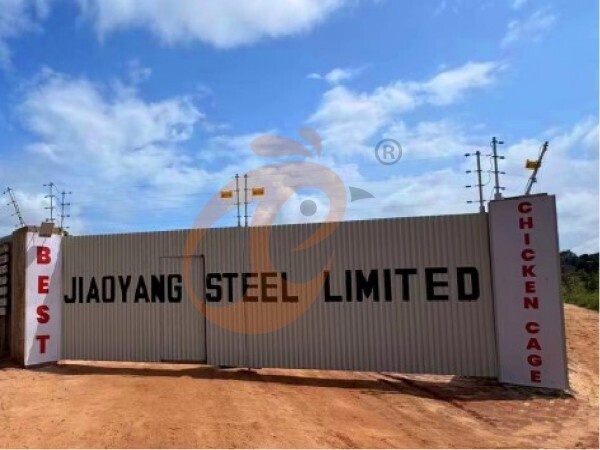
Ethiopia Best Hebei Machinery Manufacturing Plc - One Of Ethiopia Largest Poultry Cage Supplier
Global factory direct supply model providing poultry farm equipment and poultry cage systems for commercial farms across Ethiopia.
A-type poultry cage structures manufactured using Q235 steel with zinc coating weight of 275 g per square meter and service life of 15–20 years.
Turn-key poultry farm engineering including poultry house layout design, cage installation, feeding line configuration, and ventilation planning.
Production capacity supporting farms from 5,000 birds to 120,000 birds using modular cage systems.
Example investment a 10,000-layer A-type cage system equipment package approximately 480,000–620,000 Ethiopian Birr (European union standard reference only).
Contact Us To Received Your Customized Poultry Farm Plan
Headquarters And Branchs

Hong Kong Headquarter Management Team
Hong Kong Headquarter Taiyu Industrial Group CO., LTD
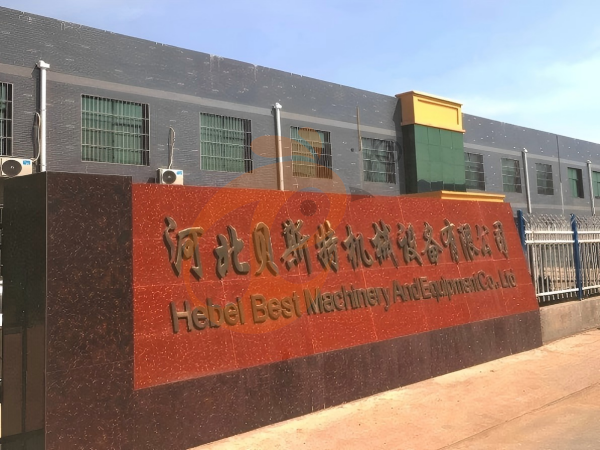
China Hebei Best Machinery And Equipment CO., LTD
Nigeria Vanke Machinery And Equipment CO., LTD
Tanzania Best Machinery And Equipment CO., LTD
Ethiopia Best Hebei Machinery Manufacturing PLC
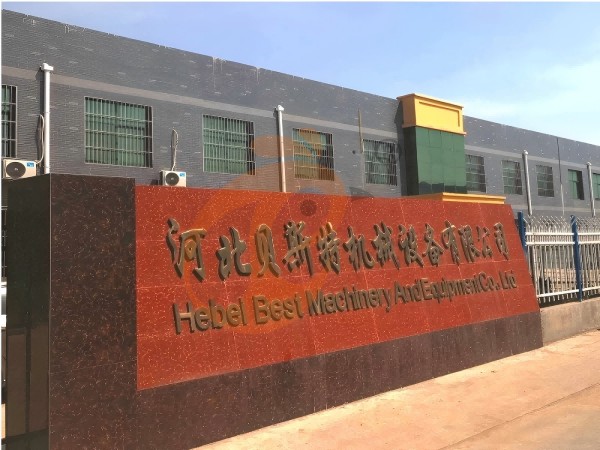
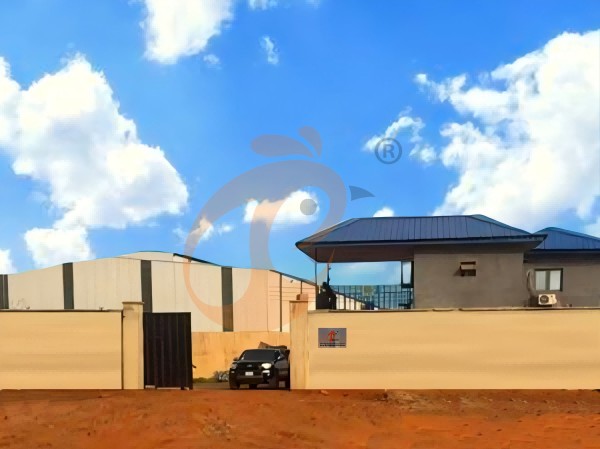
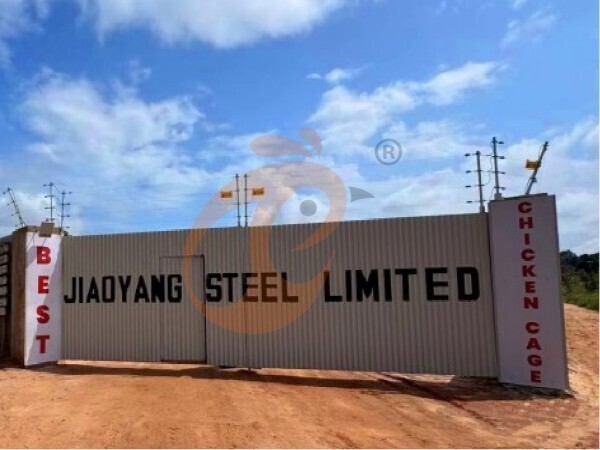
Reception /24 WhatsApp NO. : +8618830120193
- poultry equipment
- chicken cage
- layer cage
- poultry farm
- poultry cage
- poultry farm
- poultry farm equipment
- poultry farm construction
- poultry cage supplier
- chicken cage for layers
- hen cage
- layer farm
- poultry farmer
- poultry house
- chicken cage system
- poultry cage system
- poultry house layout
- Ethiopia
- Nigeria
Message
Products recommended
 HK Headquarter Offers EU-standard Poultry Farm Solutions, Manufacture Poultry Farm Equipment1. Continuous communication with the EU and the US
2. China, Nigeria, Ethiopia, Tanzania branch companies and factories
3. The products’ quality is customized for local poultry farms
4. Poultry cage and poultry farm equipment stock for sale
5. 24 online reception Whatsapp NO. : +8618830120193,contact us to get full informationRead More China Branch Offer Poultry Farm Business Plan, Manufacture Poultry Farm Equipment1. Address: Flat/RM 2416, 24/F, Runxing Building, Youyi Nan Street, Shijiazhuang City, Hebei Province, China
2. Poultry cage and poultry farm equipment factory and stock for sale
3. Customized for local poultry farms
4. Quality and design are based on Euro
5. 24 online reception Whatsapp NO. : +8618830120193Read More Nigeria Branch Offer Poultry Farm Business Plan, Manufacture Poultry Farm Equipment1. Address: After Sinoma Office, 200 Meters Near Danco Filling Station, Lagos/Ibadan Expressway, Lagos State, Nigeria
2. Poultry cage and poultry farm equipment factory and stock for sale
3. Customized for Nigerian poultry farms
4. Quality and design are based on Euro
5. 24 online reception Whatsapp NO. : +8618830120193Read More Ethiopia Branch Offer Poultry Farm Business Plan, Manufacture Poultry Farm Equipment1. Address: Gelan Gura, Akaki-kaliti Sub City, Addis Ababa, Ethiopia
2. Poultry cage and poultry farm equipment stock for sale
3. Customized for Ethiopian poultry farms
4. Quality and design are based on Euro
5. 24 online reception Whatsapp NO. : +8618830120193, contact us to get price listRead More Tanzania Branch Offer Poultry Farm Business Plan, Manufacture Poultry Farm Equipment1. Address: No.8, Sova Road, Msufini, Mlandizi, Kibaha, Pwani, Tanzania
2. Poultry cage and poultry farm equipment factory and stock for sale
3. Customized for Tanzanian poultry farms
4. Quality and design are based on Euro
5. 24 online reception Whatsapp NO. : +8618830120193Read More Fully Automatic H Type Layer Chicken Cage1. 30,000-100,000+ layers/house chooses it, Poultry farmers can achieve an egg production rate of 96-98%
2. A significant improvement over the 85-90% typically seen in manual systems
3. A typical poultry farm can expect a 30-40% reduction in labor costs due to the automation
4. Each feeding line efficiently supplies feed to around 100,000 hens per 30 mins
5. Reception /WhatsApp NO. : +8618830120193Read More Fully Automatic A Type Layer Chicken Cage1. 10,000-50,000 layers/house chooses it
2. Cleaner egg collection reduces breakage by 0.5%
3. Improved hygiene helps reduce mortality rate to <3%
4. 1–2 technicians can handle 15,000–30,000 birds
5. Reception /WhatsApp NO. : +8618830120193Read More Semi Automatic H Type Layer Chicken Cage1. 1,00-20,000 layers/house chooses it
2. Nipple drinkers flow 30–60 ML / min
3. Hot-dip galvanized (typical coating ≥ 275 g/m²)
4. Reduce ammonia by ~ 35–40%
5. Reception /WhatsApp NO. : +8618830120193Read More Semi Automatic A Type Layer Chicken Cage1. 1,00-20,000 layers/house chooses it, no rust for 10 years, no deformation for 15 years
2. Chickens live comfortably, you can raise them with peace of mind
3. Save water, save money—efficiency you can measure
4. Improve environment quality, and increase egg production rate
5. Reception /WhatsApp NO. : +8618830120193Read More

By clicking 'Allow All', you agree to the storage of cookies on your device to enhance site navigation, analyze site usage and assist with our marketing efforts.