


Blog
An A-type poultry cage system lifespan depends on galvanization thickness, installation precision, and environmental management inside poultry houses.
Poultry farming in Ethiopia is shifting toward commercial layer production systems with standardized cage equipment.
Proper material specifications and maintenance schedules determine whether cage structures operate for decades or require early replacement.
Environmental factors such as ammonia, humidity, dust accumulation, and mineralized water influence corrosion speed and equipment stability.
Careful investment planning helps farmers reduce long term replacement costs and improve operational efficiency.
Get professional poultry farm construction guidance, equipment selection solutions, and the latest price lists, whatsApp to +8618830120193, click to learn more.

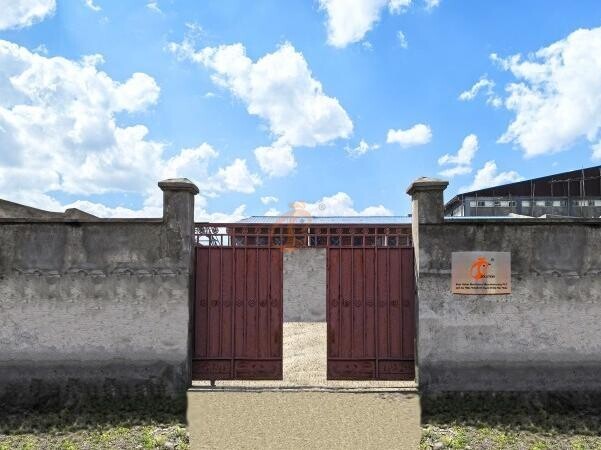
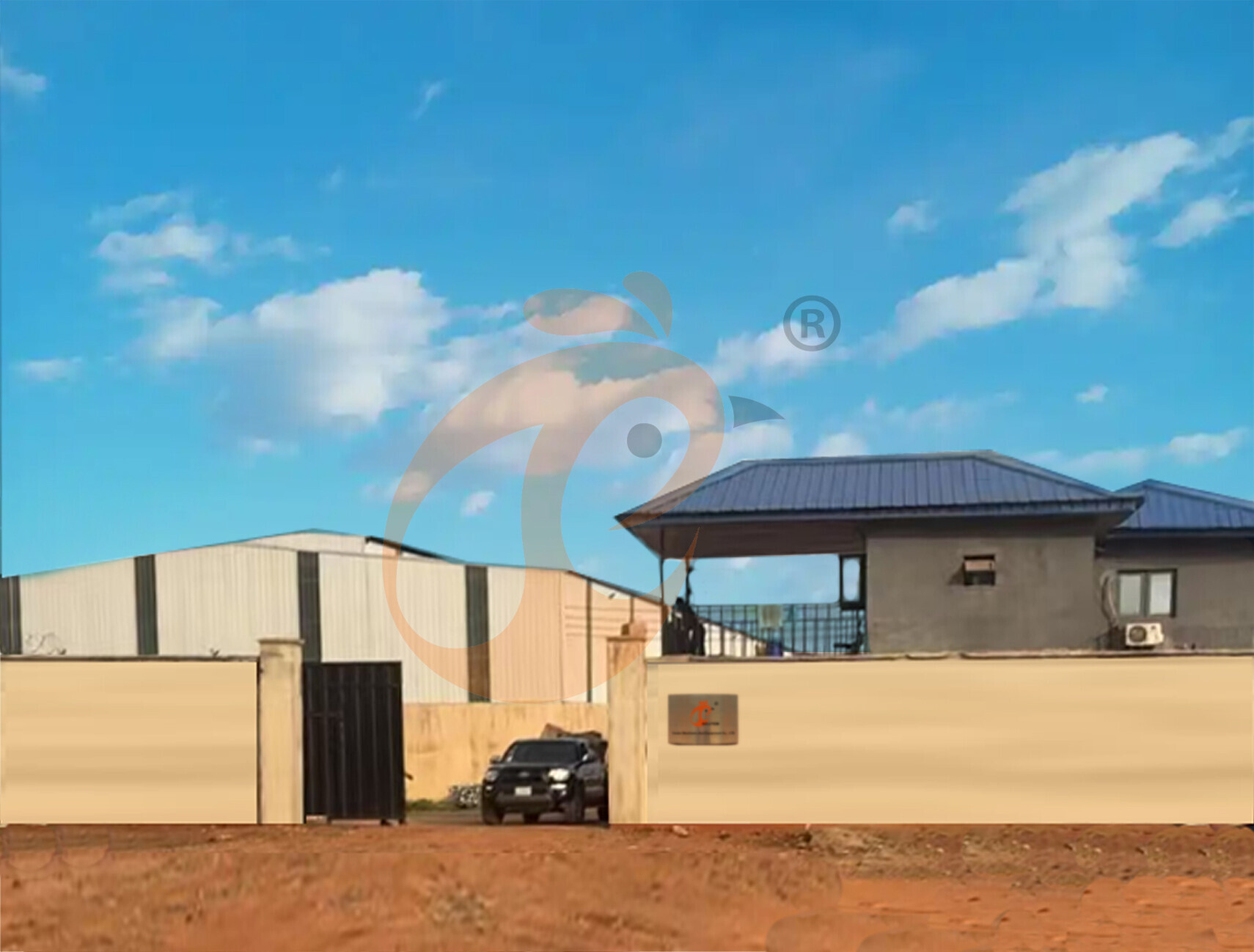
Ethiopia Branch Office And Factory Of Poultry Farm Equipment
Material Quality And Galvanization The "Skeleton" Of The System
Core durability factor steel wire material and galvanization coating thickness.
Operating environment poultry houses contain ammonia gas, humidity, and moisture from drinker systems.
Common raw material most cages are manufactured using Q235 steel wire.
Corrosion risk untreated steel oxidizes rapidly under poultry house conditions.
Protective solution zinc coating prevents oxidation and chemical corrosion.
Main galvanization technologies cold galvanizing (electro-galvanizing) and hot-dip galvanizing.
Data is for reference only.Swipe horizontally to view full table.
Example investment estimates are based on a 10,000 layer cage project.
Currency unit Ethiopian birr (ETB).
European union standard reference only.
Environmental And Climatic Factors In Ethiopia
Geographic diversity Ethiopia contains highlands, plateaus, lowlands, and rift valley climates.
Environmental impact each region exposes poultry equipment to different corrosion conditions.
Ammonia formation produced during decomposition of poultry manure.
Corrosion mechanism ammonia mixed with humidity accelerates metal oxidation.
Dust influence dust particles trap moisture and acidic compounds on galvanized surfaces.
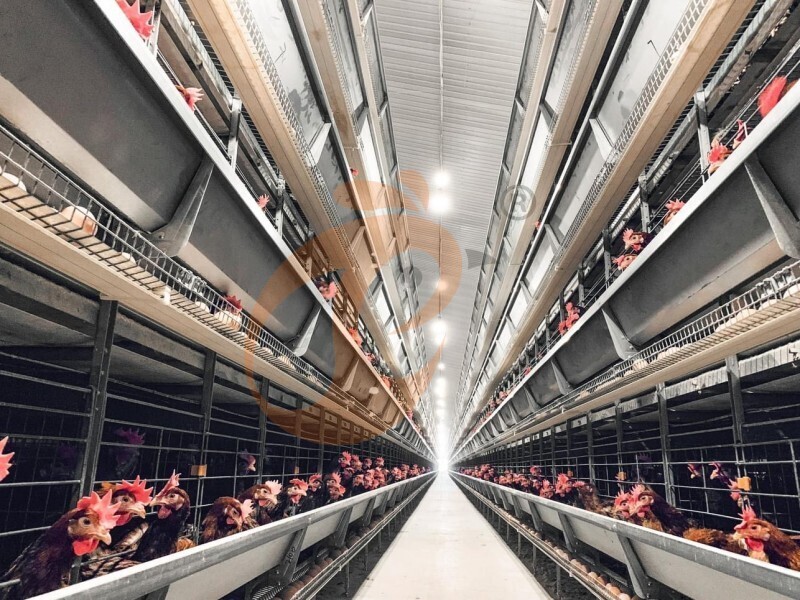
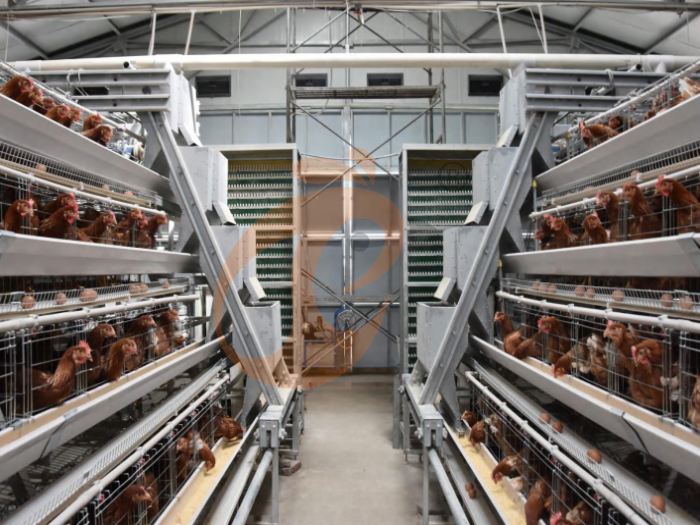
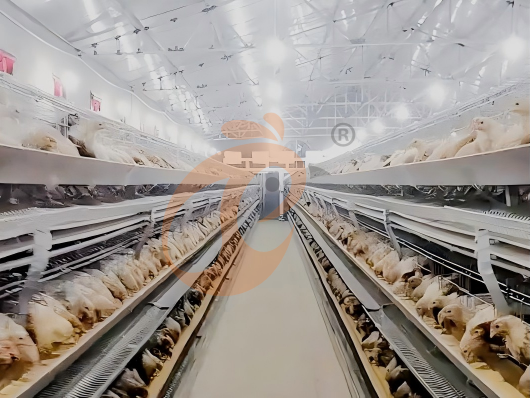
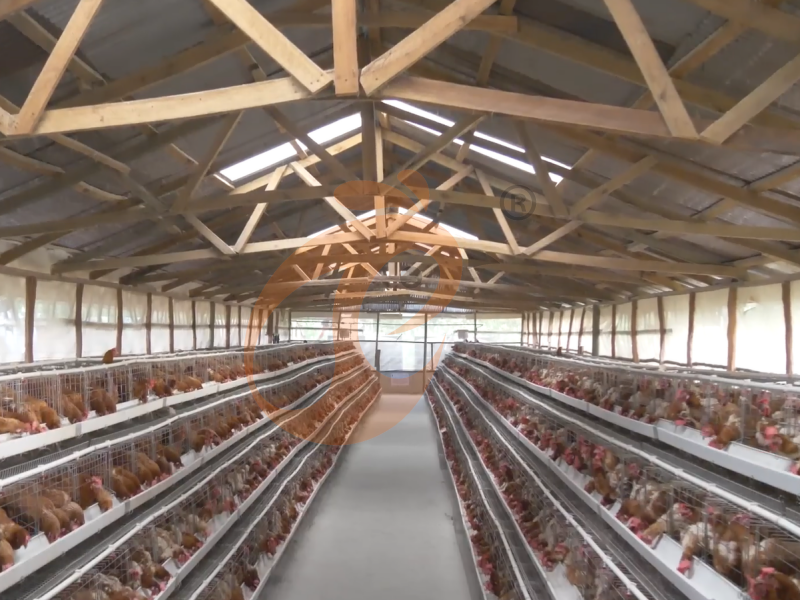
Ventilation advantage A-type cage structure improves natural airflow and manure drying.
Data is for reference only.Swipe horizontally to view full table.
Proper ventilation and manure removal reduce ammonia accumulation.
Regular cleaning prevents dust buildup on cage wires.
Maintenance Practices The Farmer's Responsibility
Maintenance importance extends A-type poultry cage durability and structural stability.
Corrosive elements manure contains ammonia and uric acid.
Risk factor long manure storage increases ammonia concentration around cage frames.
Cleaning systems Ethiopian farms typically use manual cleaning or scraper systems.
Mechanical damage poorly aligned scrapers can scratch galvanization layers.
Preventive action maintenance schedules reduce corrosion and equipment damage.
Data is for reference only.Swipe horizontally to view full table.
High pressure washing should use fan spray patterns.
Narrow jet spray can gradually damage zinc coatings.
Installation Quality And Mechanical Loading
Data is for reference only.Swipe horizontally to view full table.
Proper installation distributes loads evenly along cage structures.
Structural balance prevents weld fatigue and cage deformation.
Technical Specifications What To Look For
Equipment sourcing farmers may choose local manufacturers or imported cage systems.
Engineering verification structural parameters must meet poultry equipment standards.
Wire thickness determines load capacity and cage floor stability.
Frame strength angle iron frames support entire cage rows.
Zinc coating thicker coating provides stronger corrosion resistance.
Drinker system stainless steel nipples reduce leakage and water waste.
Data is for reference only.Swipe horizontally to view full table.
These specifications are commonly used in farms with more than 10,000 laying hens.
Stronger specifications extend cage service life.
Return On Investment Analysis The Cost Of "Cheap" Cages
Purchasing decision factor many farmers compare initial cage prices.
Long term cost perspective thicker galvanization reduces replacement frequency.
Operational cost component cage replacement requires labor and downtime.
Financial planning multi-year return on investment analysis shows equipment durability value.
Data is for reference only.Swipe horizontally to view full table.
Currency unit Ethiopian birr (ETB).
European union standard reference only.
Long term financial planning favors durable cage systems.
Common Wear And Tear Issues In Ethiopia
Operational challenge corrosion and mechanical wear appear during long-term use.
Preventive maintenance early inspection helps avoid structural damage.
Water management standing water accelerates cage base corrosion.
Worker training proper cage handling prevents door and hinge damage.
Water quality mineralized water may clog nipple drinkers.
Data is for reference only.Swipe horizontally to view full table.
Routine inspection schedules maintain equipment performance.
Early troubleshooting extends cage service life.
Frequently Asked Questions About A Type Poultry Cage System Lifespan
Q1: How long does an A-type poultry cage system usually last in Ethiopia?
A1: Hot-dip galvanized A-type cage systems typically operate between 15 and 25 years when zinc coating exceeds 350 g/m² and proper maintenance procedures are followed.
Q2: What factor affects poultry cage corrosion the most?
A2: Ammonia concentration generated from poultry manure combined with humidity is the primary chemical factor accelerating zinc corrosion inside poultry houses.
Q3: How can farmers extend poultry cage lifespan?
A3: Farmers can extend cage lifespan by maintaining ventilation rates above 4 m³ per minute per 1000 birds, removing manure frequently, and repairing scratched galvanization surfaces.
Ethiopia Best Hebei Machinery Manufacturing Plc - One Of Ethiopia Largest Poultry Cage Manufacturer
Global factory direct supply of poultry farm equipment, including feeding systems, manure removal systems, and drinker systems.
Professional production of A-type poultry cage and H-frame cage systems with zinc coating above 350 g/m².
Turn key poultry farm engineering including poultry house design, equipment installation, and technical training.
Equipment capacity suitable for 5,000 to 100,000 laying hens with stable structural load design.
Export experience across Africa delivering durable cage solutions designed for ammonia environments.
Contact Us To Received Your Customized Poultry Farm Plan
Headquarters And Branchs
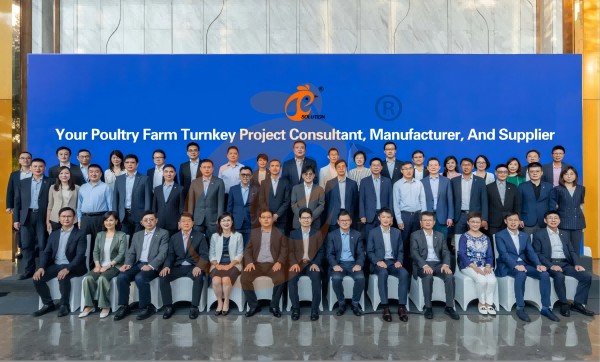
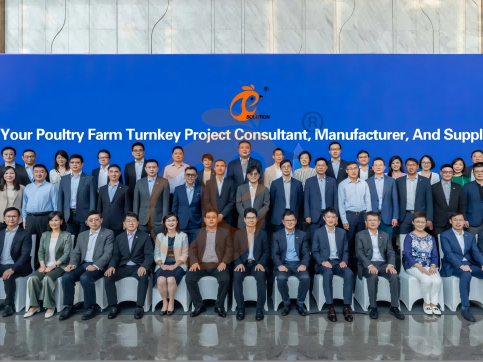
Hong Kong Headquarter Management Team
Hong Kong Headquarter Taiyu Industrial Group CO., LTD
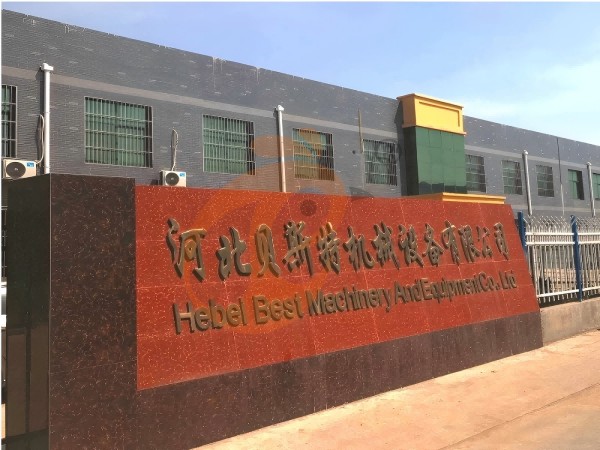
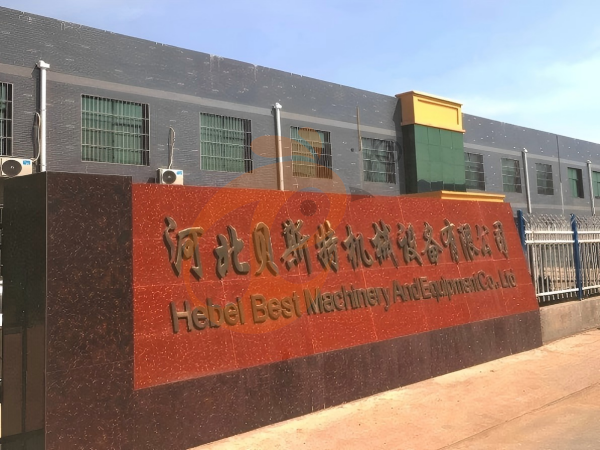
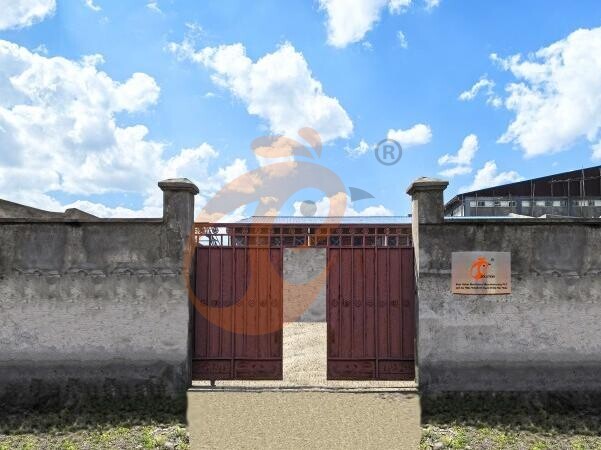
China Hebei Best Machinery And Equipment CO., LTD
Nigeria Vanke Machinery And Equipment CO., LTD
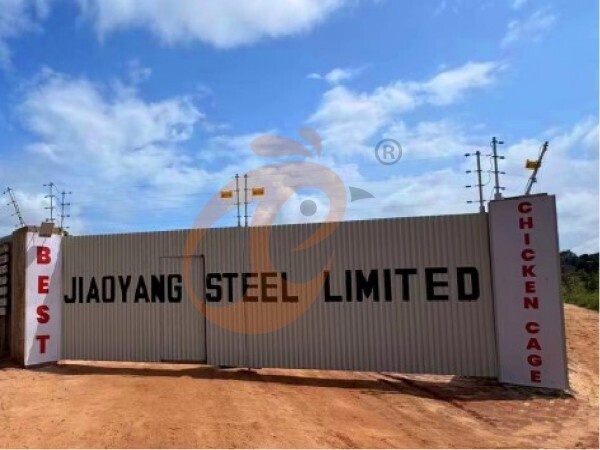
Tanzania Best Machinery And Equipment CO., LTD
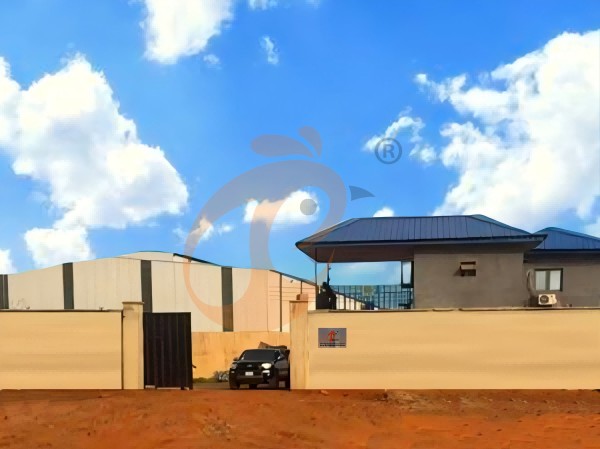
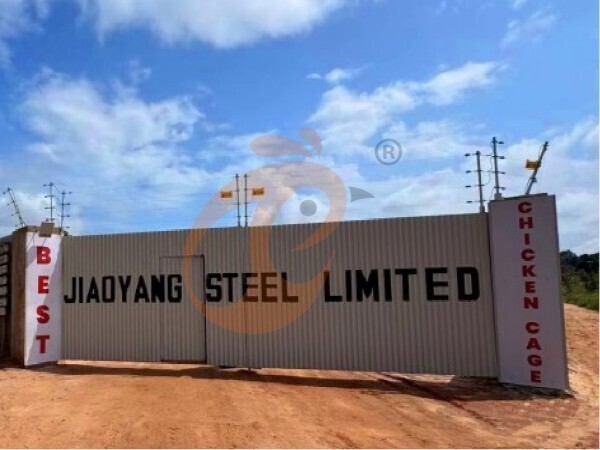
Ethiopia Best Hebei Machinery Manufacturing PLC
Reception /24 WhatsApp NO. : +8618830120193
Message
Products recommended
 HK Headquarter Offers EU-standard Poultry Farm Solutions, Manufacture Poultry Farm Equipment1. Continuous communication with the EU and the US
2. China, Nigeria, Ethiopia, Tanzania branch companies and factories
3. The products’ quality is customized for local poultry farms
4. Poultry cage and poultry farm equipment stock for sale
5. 24 online reception Whatsapp NO. : +8618830120193,contact us to get full informationRead More China Branch Offer Poultry Farm Business Plan, Manufacture Poultry Farm Equipment1. Address: Flat/RM 2416, 24/F, Runxing Building, Youyi Nan Street, Shijiazhuang City, Hebei Province, China
2. Poultry cage and poultry farm equipment factory and stock for sale
3. Customized for local poultry farms
4. Quality and design are based on Euro
5. 24 online reception Whatsapp NO. : +8618830120193Read More Nigeria Branch Offer Poultry Farm Business Plan, Manufacture Poultry Farm Equipment1. Address: After Sinoma Office, 200 Meters Near Danco Filling Station, Lagos/Ibadan Expressway, Lagos State, Nigeria
2. Poultry cage and poultry farm equipment factory and stock for sale
3. Customized for Nigerian poultry farms
4. Quality and design are based on Euro
5. 24 online reception Whatsapp NO. : +8618830120193Read More Ethiopia Branch Offer Poultry Farm Business Plan, Manufacture Poultry Farm Equipment1. Address: Gelan Gura, Akaki-kaliti Sub City, Addis Ababa, Ethiopia
2. Poultry cage and poultry farm equipment stock for sale
3. Customized for Ethiopian poultry farms
4. Quality and design are based on Euro
5. 24 online reception Whatsapp NO. : +8618830120193, contact us to get price listRead More Tanzania Branch Offer Poultry Farm Business Plan, Manufacture Poultry Farm Equipment1. Address: No.8, Sova Road, Msufini, Mlandizi, Kibaha, Pwani, Tanzania
2. Poultry cage and poultry farm equipment factory and stock for sale
3. Customized for Tanzanian poultry farms
4. Quality and design are based on Euro
5. 24 online reception Whatsapp NO. : +8618830120193Read More Fully Automatic H Type Layer Chicken Cage1. 30,000-100,000+ layers/house chooses it, Poultry farmers can achieve an egg production rate of 96-98%
2. A significant improvement over the 85-90% typically seen in manual systems
3. A typical poultry farm can expect a 30-40% reduction in labor costs due to the automation
4. Each feeding line efficiently supplies feed to around 100,000 hens per 30 mins
5. Reception /WhatsApp NO. : +8618830120193Read More Fully Automatic A Type Layer Chicken Cage1. 10,000-50,000 layers/house chooses it
2. Cleaner egg collection reduces breakage by 0.5%
3. Improved hygiene helps reduce mortality rate to <3%
4. 1–2 technicians can handle 15,000–30,000 birds
5. Reception /WhatsApp NO. : +8618830120193Read More Semi Automatic H Type Layer Chicken Cage1. 1,00-20,000 layers/house chooses it
2. Nipple drinkers flow 30–60 ML / min
3. Hot-dip galvanized (typical coating ≥ 275 g/m²)
4. Reduce ammonia by ~ 35–40%
5. Reception /WhatsApp NO. : +8618830120193Read More Semi Automatic A Type Layer Chicken Cage1. 1,00-20,000 layers/house chooses it, no rust for 10 years, no deformation for 15 years
2. Chickens live comfortably, you can raise them with peace of mind
3. Save water, save money—efficiency you can measure
4. Improve environment quality, and increase egg production rate
5. Reception /WhatsApp NO. : +8618830120193Read More
By clicking 'Allow All', you agree to the storage of cookies on your device to enhance site navigation, analyze site usage and assist with our marketing efforts.