


Blog
- Layer chicken cage system investment normally reaches a positive cash flow within 18–36 months, while automated management, galvanized steel structures, and intelligent ventilation create stronger long-term profitability than conventional housing.
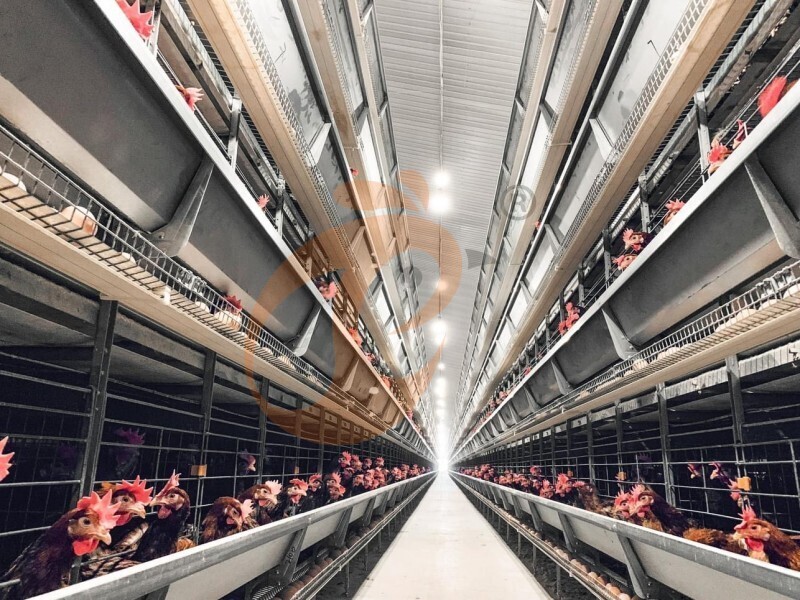
Commercial farms equipped with a professional automatic layer cage system often achieve higher production consistency, lower operating costs, and more predictable maintenance schedules across production cycles exceeding 520 laying days.
Efficient feed delivery, automatic egg collection, and precision manure removal reduce unnecessary labor while supporting cleaner production environments and healthier flocks under continuous commercial operation.
Engineering-oriented poultry house planning combines ventilation, feeding, lighting, and climate control into one integrated solution, allowing production capacity expansion without sacrificing operational stability.
- Reliable equipment manufacturing, factory-direct supply, and technical installation support create measurable economic value for investors seeking sustainable poultry production with equipment durability exceeding 20 years.
Get professional poultry farm construction guidance, equipment selection solutions, and the latest price lists, whatsApp to +8618830120193, +2348111199996, or click to learn more.
Production Efficiency Determines Investment Recovery
Production efficiency remains the largest contributor to investment recovery.
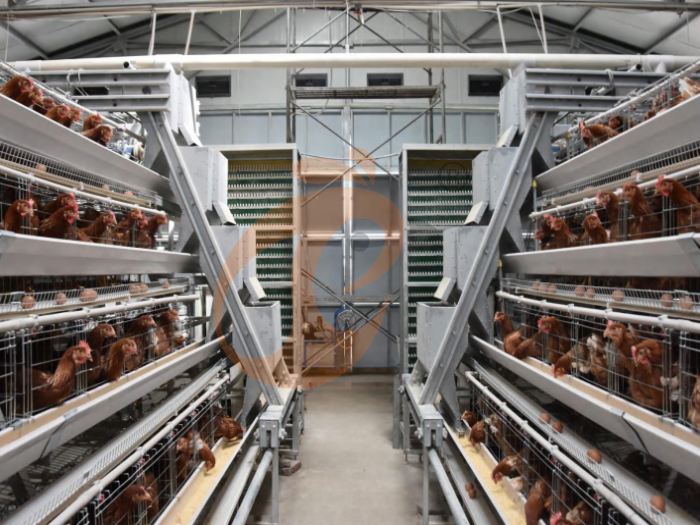
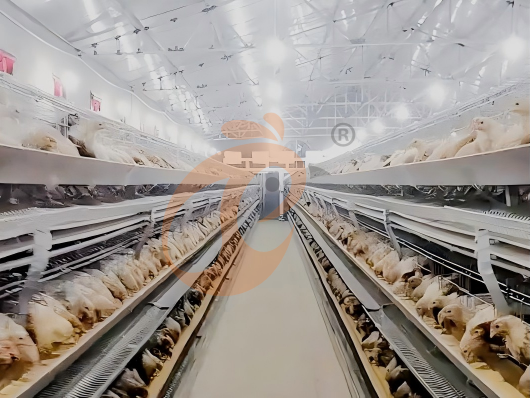
Modern layer chicken cage system solutions improve flock management by organizing birds into standardized production units, making feeding, inspection, vaccination, and egg collection significantly easier.
Stable flock performance creates stronger financial returns because production losses remain under better control while equipment utilization continues throughout multiple laying cycles.
Data is for reference only. Swipe horizontally to view full table.
Higher production stability usually produces healthier cash flow than simply increasing flock numbers.
A commercial farm maintaining flock uniformity around 94.6% often experiences smoother production planning and fewer unexpected interruptions.
Better Egg Production Means Higher Profitability
Daily egg production directly affects investment recovery.
Well-designed cages reduce stress, improve accessibility to feed and water, and decrease egg contamination compared with traditional floor production.
Automatic egg collection also minimizes handling damage while maintaining cleaner shell quality suitable for premium markets.
Data is for reference only. Swipe horizontally to view full table.
Consistent production performance becomes increasingly valuable when market prices fluctuate because higher-quality eggs retain stronger commercial competitiveness.
Feed Management Creates Long-Term Savings
Feed usually represents the largest operating expenditure in commercial layer production.
Automatic feed distribution improves ration consistency while preventing unnecessary feed accumulation inside cages.
Uniform feeding also reduces competition among birds and contributes to healthier production behavior.
Data is for reference only. Swipe horizontally to view full table.
Even a modest reduction in feed waste can generate substantial annual savings on medium-sized commercial farms.
Science Behind Modern Cage Design
Healthy laying hens require comfortable environmental conditions to maintain stable productivity.
Scientific research shows that excessive humidity, poor airflow, and continuous ammonia accumulation increase respiratory stress and reduce laying persistence.
Modern poultry cage equipment integrates ventilation planning with manure removal systems, allowing fresh air circulation while reducing harmful gas concentration.
Birds living inside stable environmental conditions generally show more consistent feed intake, stronger eggshell quality, and lower disease pressure throughout the production cycle.
Data is for reference only. Swipe horizontally to view full table.
Scientific environmental control not only protects birds but also extends equipment reliability by reducing corrosion and moisture exposure.
Automation Reduces Labor Dependence
Labor availability has become increasingly uncertain across global agriculture.
Automated production systems replace repetitive manual operations with stable mechanical processes, allowing farm managers to supervise larger production capacities using fewer personnel.
Automatic feeding, drinking, manure removal, egg collection, and environmental monitoring work together to reduce operational complexity.
Data is for reference only. Swipe horizontally to view full table.
Investment in automation frequently produces savings that continue throughout the equipment life cycle.
Equipment downtime also becomes easier to manage because automated systems provide standardized operating procedures and simpler maintenance schedules.
European union standard reference only: financial values shown in usd are indicative estimates for engineering comparison rather than fixed commercial quotations.
Equipment Quality Extends Service Life
Initial purchase price represents only one portion of total ownership cost.
Structural quality, corrosion resistance, welding precision, and component compatibility determine how efficiently equipment performs during years of continuous commercial production.
High-quality hot-dip galvanized steel significantly reduces structural deterioration, allowing the automatic layer cage system to maintain operational stability under demanding poultry house conditions.
Data is for reference only. Swipe horizontally to view full table.
Environmental Control Supports Stable Production
Stable environmental control protects laying performance throughout every season.
Temperature, airflow, lighting, and humidity work together to influence feed intake, bird comfort, and production consistency.
Integrated ventilation systems automatically adjust fresh air exchange while reducing heat stress during summer and excessive moisture during winter.
A poultry house maintaining indoor illumination around 12 lux generally provides comfortable production conditions without creating unnecessary bird stress.
Data is for reference only. Swipe horizontally to view full table.
Well-designed environmental systems also improve equipment durability by limiting condensation and reducing corrosion inside production houses.
Market Conditions Influence Return On Investment
Egg prices continuously change because of regional demand, feed ingredient costs, transportation expenses, and seasonal consumption patterns.
Commercial farms cannot completely control market fluctuations, but efficient production systems reduce operating costs and improve competitiveness during both high-price and low-price periods.
High-quality eggs with clean shells and uniform grading usually obtain better long-term purchasing contracts from distributors and food processing companies.
Data is for reference only. Swipe horizontally to view full table.
Production efficiency provides greater protection against market volatility than relying solely on favorable selling prices.
Digital Farm Management Improves Decision Making
Modern poultry production increasingly depends on digital monitoring rather than manual estimation.
Sensors continuously collect information related to feeding, drinking, ventilation, lighting, and equipment operation.
Management software converts production data into visual reports, allowing technical teams to identify abnormal conditions before production losses become significant.
Data is for reference only. Swipe horizontally to view full table.
Digital management creates better planning accuracy while reducing unnecessary maintenance costs across the complete production cycle.
Expansion Planning Creates Greater Long-Term Value
Commercial poultry businesses rarely remain the same size throughout their operating life.
Selecting modular equipment allows future expansion without replacing the original production system.
Compatible engineering design simplifies future building extension, electrical integration, water supply expansion, and automation upgrades.
A scalable poultry cage equipment solution allows producers to increase production capacity while maintaining standardized management procedures across multiple poultry houses.
Data is for reference only. Swipe horizontally to view full table.
Engineering compatibility lowers future investment risks while protecting the value of the original equipment purchase.
Frequently Asked Questions
Q1: How long does a layer chicken cage system usually take to recover investment?
A1: Most commercial projects recover equipment investment within 18–36 months, depending on egg prices, production management, and operating efficiency.
Stable flock performance and efficient automation generally shorten the recovery cycle.
Q2: Does automatic layer cage system reduce labor costs?
A2: Yes.
Automatic feeding, egg collection, manure removal, and environmental control can reduce labor demand by approximately 60%–75%, depending on farm size and production management.
Q3: Why is poultry cage equipment better than traditional housing?
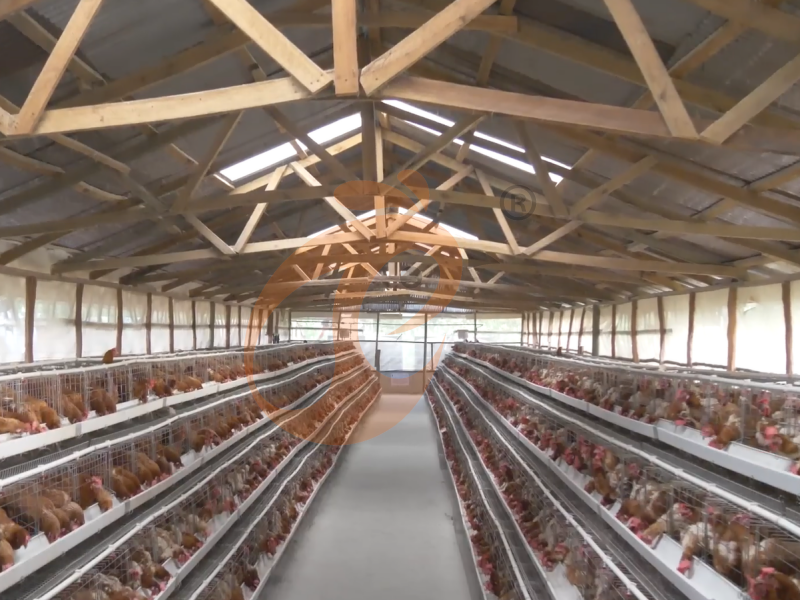
A3: Modern poultry cage equipment improves production consistency, reduces egg breakage, minimizes feed waste, supports better biosecurity, and provides standardized management suitable for commercial-scale production.
Taiyu (HK) Group - One Of China Largest Layer Chicken Cage System Manufacturer
Layer chicken cage system engineered with high-strength galvanized steel, precision manufacturing, modular installation, and automation compatibility for commercial poultry projects
Global factory-direct supply covering poultry equipment manufacturing, engineering consultation, production scheduling, quality inspection, and international logistics coordination
Complete Turn-key engineering solutions including poultry house planning, cage installation, feeding systems, drinking systems, ventilation systems, manure removal systems, and electrical integration
Professional technical team providing equipment layout optimization, installation supervision, commissioning support, operator training, and long-term spare parts service for worldwide poultry farms
Commercial engineering solutions designed for large-scale poultry investment projects with standardized manufacturing processes, stable delivery capability, and international export experience
Contact Us To Received Your Customized Poultry Farm Plan
Headquarters And Branchs

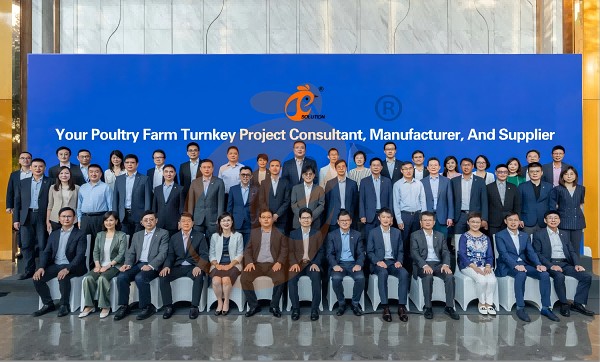
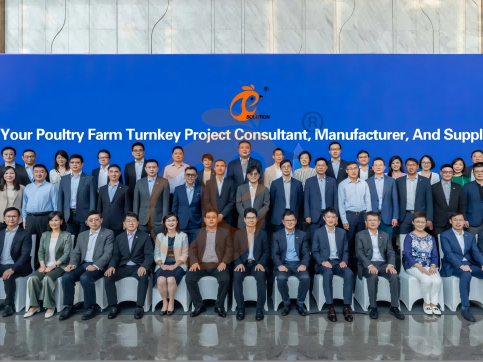
Hong Kong Headquarter Management Team
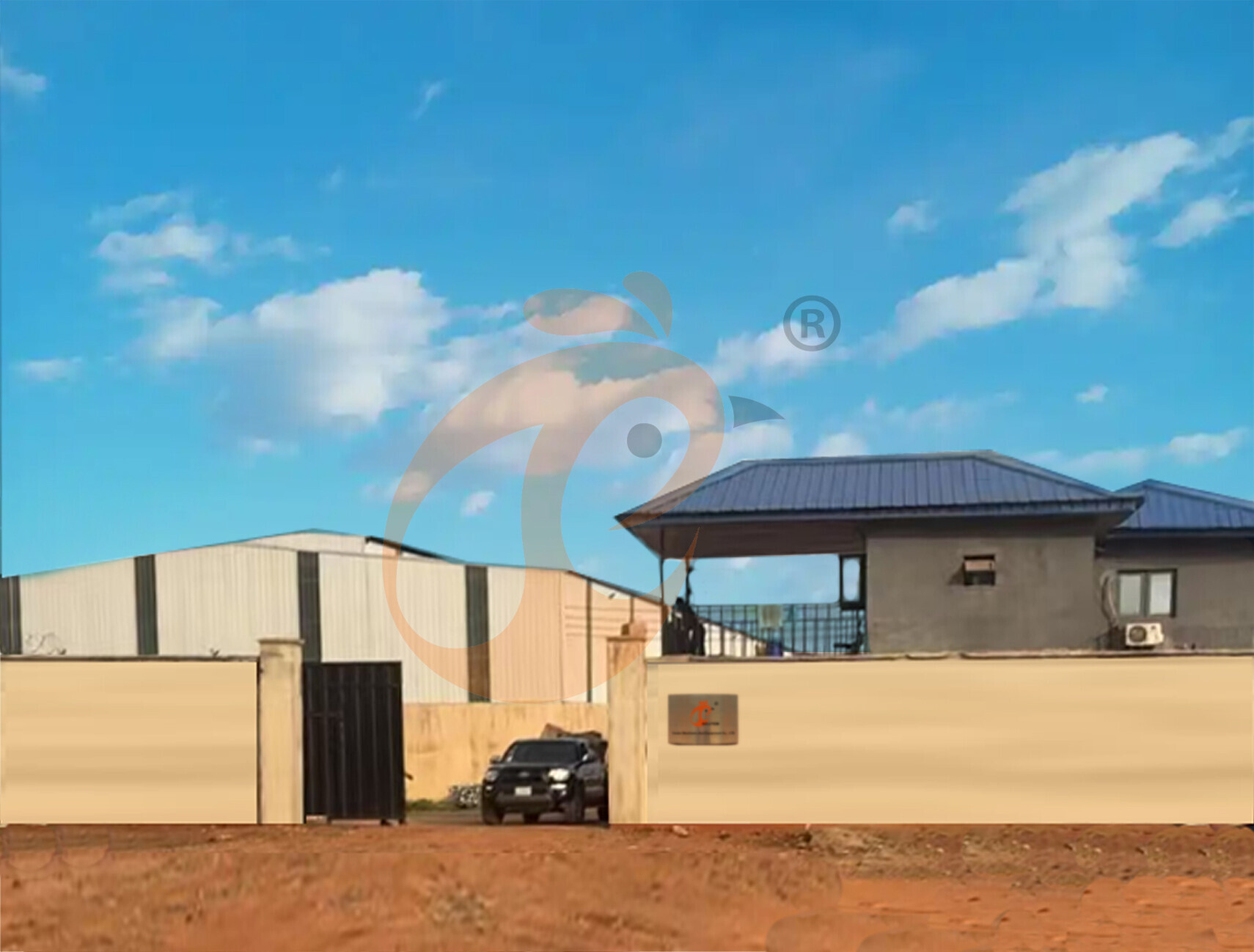
Hong Kong Headquarter Taiyu Industrial Group CO., LTD
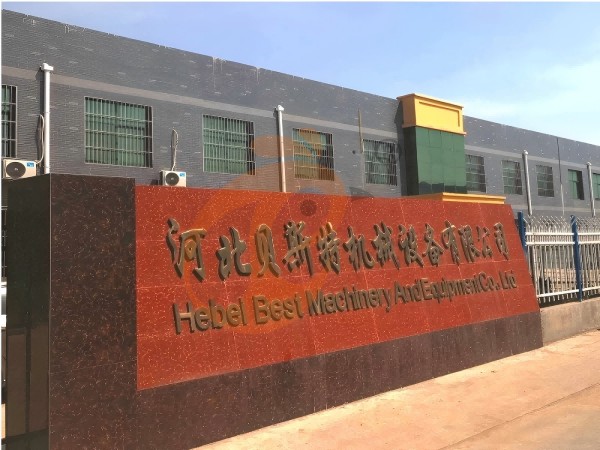
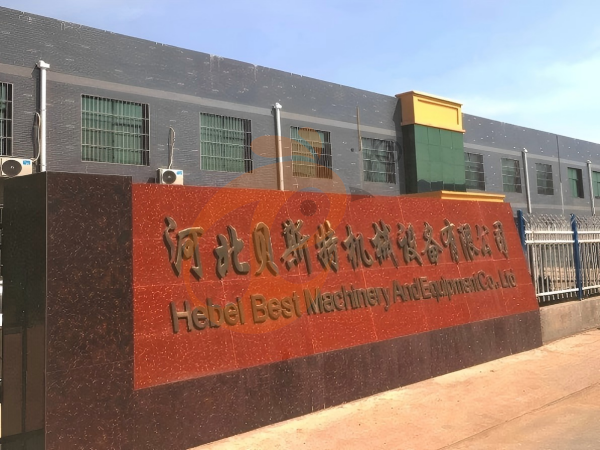
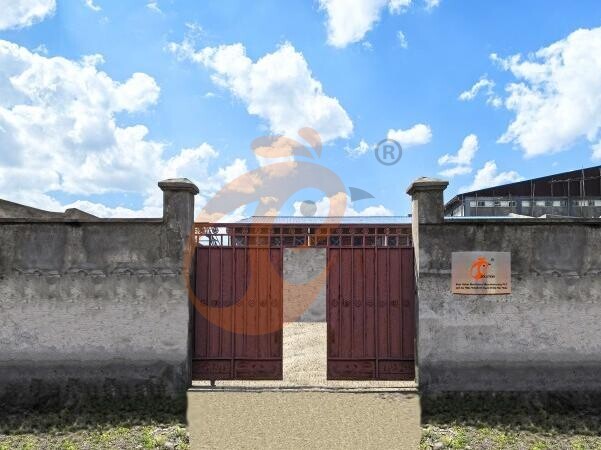
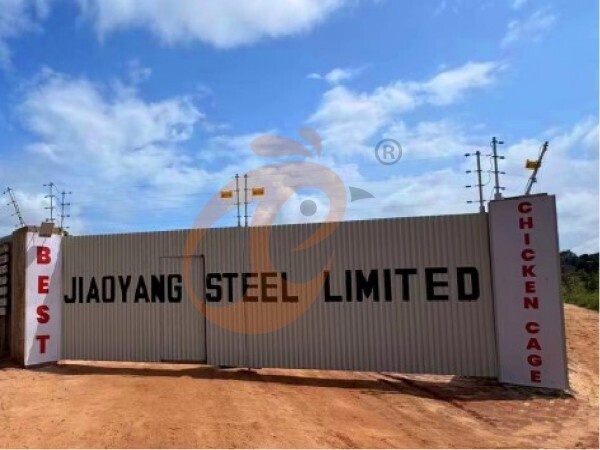
China Hebei Best Machinery And Equipment CO., LTD
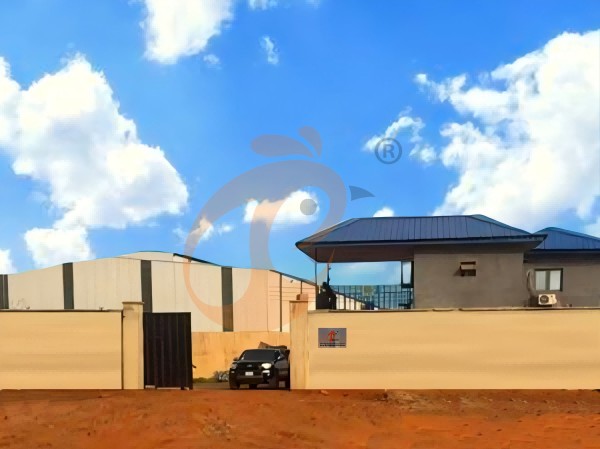
Nigeria Vanke Machinery And Equipment CO., LTD
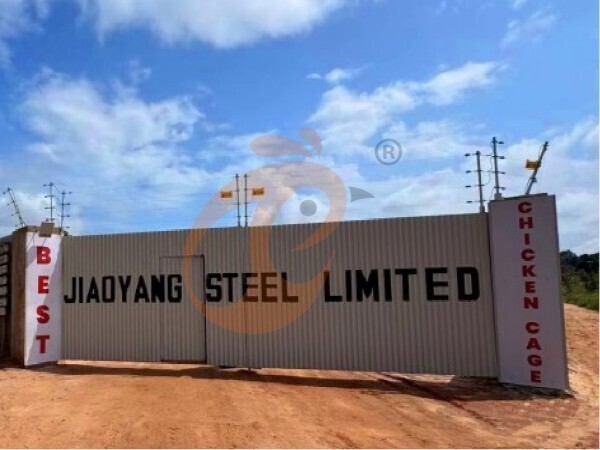
Tanzania Best Machinery And Equipment CO., LTD
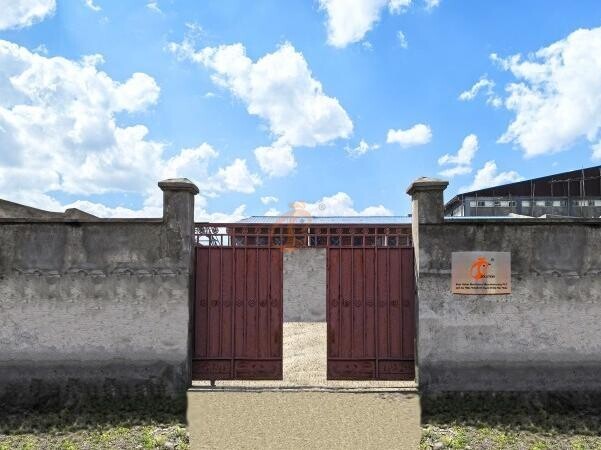
Ethiopia Best Hebei Machinery Manufacturing PLC
Reception /24 WhatsApp NO. : +8618830120193
FAQ
How To Maximize Egg Collection Efficiency Using Automated Layer Cage Systems?
Each belt can transport 4,000–6,000 eggs/hour, reducing manual handling.
Inspect belts regularly, breakage rate 2–3%.
What Are The Top Professional Strategies For Controlling Stress In Poultry Cage Farms?
Ensure good ventilation, temperature 18–25℃, lighting 16h/day.
Automatic feeding and drinking systems ensure birds access feed and water, reducing stress-induced egg drop.
What Are The Advanced Techniques For Reducing Feed Waste In Battery Cage Farms?
Zoned feeding reduces competition and waste, cutting feed loss by 5–10%.
Combined with temperature/humidity control, FCR 1.9–2.1, egg production 90–98%.
Message
Products recommended
 HK Headquarter Offers EU-standard Poultry Farm Solutions, Manufacture Poultry Farm Equipment1. Continuous communication with the EU and the US
2. China, Nigeria, Ethiopia, Tanzania branch companies and factories
3. The products’ quality is customized for local poultry farms
4. Poultry cage and poultry farm equipment stock for sale
5. 24 online reception Whatsapp NO. : +8618830120193,contact us to get full informationRead More China Branch Offer Poultry Farm Business Plan, Manufacture Poultry Farm Equipment1. Address: Flat/RM 2416, 24/F, Runxing Building, Youyi Nan Street, Shijiazhuang City, Hebei Province, China
2. Poultry cage and poultry farm equipment factory and stock for sale
3. Customized for local poultry farms
4. Quality and design are based on Euro
5. 24 online reception Whatsapp NO. : +8618830120193Read More Nigeria Branch Offer Poultry Farm Business Plan, Manufacture Poultry Farm Equipment1. Address: After Sinoma Office, 200 Meters Near Danco Filling Station, Lagos/Ibadan Expressway, Lagos State, Nigeria
2. Poultry cage and poultry farm equipment factory and stock for sale
3. Customized for Nigerian poultry farms
4. Quality and design are based on Euro
5. 24 online reception Whatsapp NO. : +8618830120193Read More Ethiopia Branch Offer Poultry Farm Business Plan, Manufacture Poultry Farm Equipment1. Address: Gelan Gura, Akaki-kaliti Sub City, Addis Ababa, Ethiopia
2. Poultry cage and poultry farm equipment stock for sale
3. Customized for Ethiopian poultry farms
4. Quality and design are based on Euro
5. 24 online reception Whatsapp NO. : +8618830120193, contact us to get price listRead More Tanzania Branch Offer Poultry Farm Business Plan, Manufacture Poultry Farm Equipment1. Address: No.8, Sova Road, Msufini, Mlandizi, Kibaha, Pwani, Tanzania
2. Poultry cage and poultry farm equipment factory and stock for sale
3. Customized for Tanzanian poultry farms
4. Quality and design are based on Euro
5. 24 online reception Whatsapp NO. : +8618830120193Read More Fully Automatic H Type Layer Chicken Cage1. 30,000-100,000+ layers/house chooses it, Poultry farmers can achieve an egg production rate of 96-98%
2. A significant improvement over the 85-90% typically seen in manual systems
3. A typical poultry farm can expect a 30-40% reduction in labor costs due to the automation
4. Each feeding line efficiently supplies feed to around 100,000 hens per 30 mins
5. Reception /WhatsApp NO. : +8618830120193Read More Fully Automatic A Type Layer Chicken Cage1. 10,000-50,000 layers/house chooses it
2. Cleaner egg collection reduces breakage by 0.5%
3. Improved hygiene helps reduce mortality rate to <3%
4. 1–2 technicians can handle 15,000–30,000 birds
5. Reception /WhatsApp NO. : +8618830120193Read More Semi Automatic H Type Layer Chicken Cage1. 1,00-20,000 layers/house chooses it
2. Nipple drinkers flow 30–60 ML / min
3. Hot-dip galvanized (typical coating ≥ 275 g/m²)
4. Reduce ammonia by ~ 35–40%
5. Reception /WhatsApp NO. : +8618830120193Read More Semi Automatic A Type Layer Chicken Cage1. 1,00-20,000 layers/house chooses it, no rust for 10 years, no deformation for 15 years
2. Chickens live comfortably, you can raise them with peace of mind
3. Save water, save money—efficiency you can measure
4. Improve environment quality, and increase egg production rate
5. Reception /WhatsApp NO. : +8618830120193Read More
By clicking 'Allow All', you agree to the storage of cookies on your device to enhance site navigation, analyze site usage and assist with our marketing efforts.