


Blog
Chicken cage selection for Ethiopian farms requires understanding local climate and cost factors for best value.
This article covers key purchase considerations, cost analysis, and material options.
It presents tiered vs single tier cages and their effects on productivity.
Feed efficiency and biosecurity integration are analyzed for sustainable performance.
Environmental control and supplier evaluation methods are included.
Data tables provide metrics specific to Ethiopian farm conditions.
Case studies and performance outcomes illustrate practical adoption.
Strategic guidance supports long-term investment and improved return on investment.
Get professional poultry farm construction guidance, equipment selection solutions, and the latest price lists, whatsApp to +8618830120193, click to learn more:

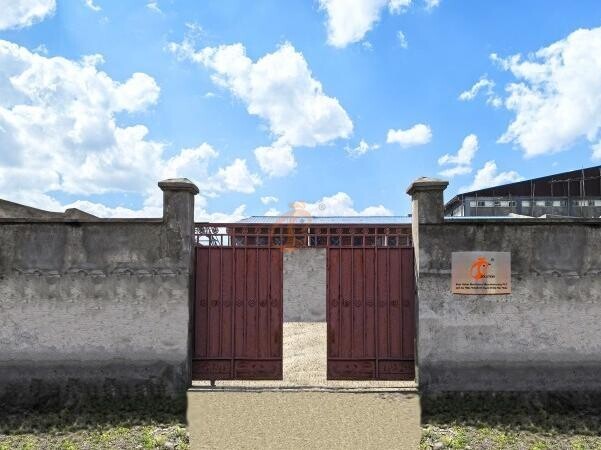
Ethiopia Branch Office And Factory Of Poultry Farm Equipment
Poultry Housing Challenges In Ethiopia
Ethiopian poultry farmers face structural, climatic, and economic challenges that influence cage purchasing decisions.
Traditional housing often exposes birds to predators, heat stress, and disease vectors. Reliable poultry cages improve biosecurity and flock productivity.
Buyers must recognize that upfront price is only one component of long-term value.
Decision criteria include durability, ease of cleaning, rearing efficiency, and input cost savings.
Data is for reference only.Swipe horizontally to view full table.
Understanding Cost Drivers For Poultry Cages
Cost drivers for cage systems differ widely across Ethiopian regions due to material availability and transport constraints.
Key factors include steel price volatility in Addis Ababa, welding labor costs in Hawassa, and fuel logistics out of Jijiga or Dire Dawa.
Cage features such as slatted flooring, integrated feeders, and adjustable perches affect price and farm efficiency.
Ethiopian buyers must evaluate price versus return on investment across each feature.
Primary cost drivers
Local steel supply and quality grade.
Labor skilled in fabrication and welding.
Transport logistics across uneven road networks.
Import duties for specialized components (motors, automated drinkers).
Data is for reference only.Swipe horizontally to view full table.
Decision Framework: Price Vs Long-Term Value
Ethiopian poultry producers often prioritize lower upfront cage cost but overlook maintenance and bird performance implications.
Value-focused sourcing considers lifetime cost per bird and disease reduction effects.
Modern cage systems can reduce vog (vertical overcrowding growth stress) through better airflow and separated tiers.
This section presents a decision framework based on performance outcomes.
Data is for reference only.Swipe horizontally to view full table.
Material Selection And Local Production Options
Material choices—galvanized steel versus local mild steel—impact both durability and price.
Galvanized steel resists rust under Ethiopian humidity cycles, especially in Rift Valley regions.
However, locally sourced mild steel may be repaired more easily in rural settings.
Ethiopian fabricators around Bahir Dar and Kombolcha now produce modular cages that reduce lead times and import dependency.
Material comparisons consider
Corrosion resistance under Ethiopian rainy seasons.
Weld quality given local training levels.
Weight and structural stability for multi-tier cages.
Data is for reference only.Swipe horizontally to view full table.
Cage Type Selection: Tiered Vs Single Tier
Ethiopian poultry farms range from backyard flocks to commercial operations.
Cage type selection depends on scale and management expertise.
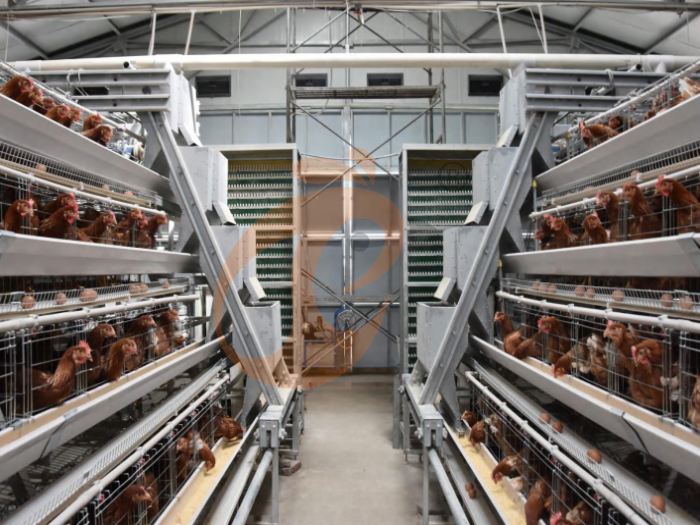
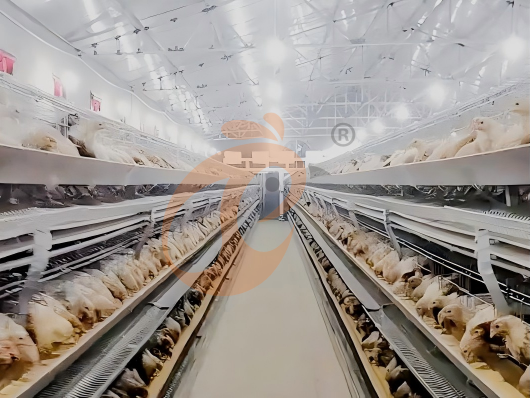
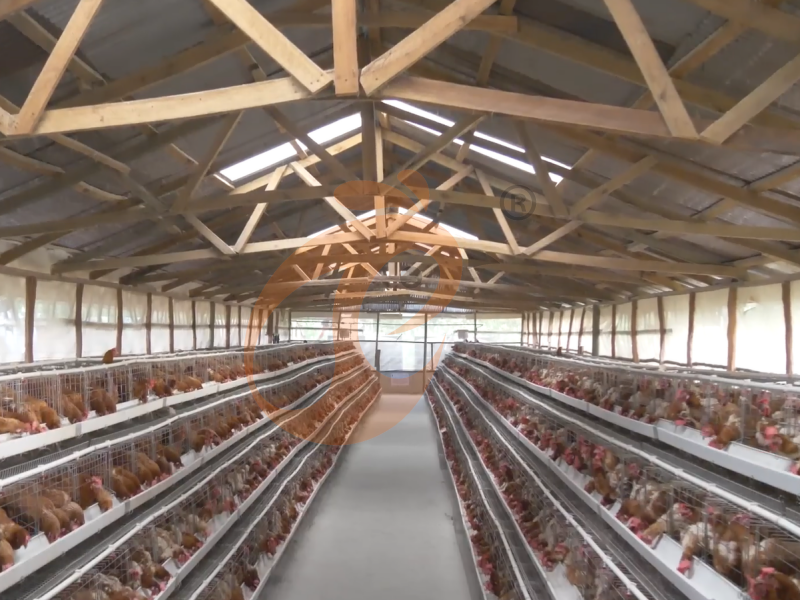
Tiered cages save floor space but require careful manure management and worker training.
Single tier cages or deep litter systems may be more forgiving for smallholders.
Considerations before investing
Worker skill in manure removal.
Shelter ventilation relative to climate zones.
Capital availability for tiered infrastructure.
Data is for reference only.Swipe horizontally to view full table.
Feed Efficiency And Cage Design Impacts
In Ethiopia, feed cost typically accounts for 60–70% of total poultry production expenses.
Cage design influences feed wastage through spill reduction and ease of distribution.
Properly designed troughs and automated feeders can reduce feed loss by up to 18%.
For developing regions, even modest savings significantly affect net profit.
Data is for reference only.Swipe horizontally to view full table.
Health And Biosecurity Considerations In Ethiopia
Disease outbreaks such as Newcastle disease and avian influenza pose severe risks to Ethiopian flocks.
Optimized cage design helps isolate individuals and reduce cross-contamination.
Footbaths, barrier zones, and easy-to-clean surfaces are essential.
Incorporating biosecurity features upfront increases costs slightly but drastically lowers mortality.
Data is for reference only.Swipe horizontally to view full table.
Energy And Environmental Controls
Ethiopian poultry houses often operate without climate control due to electricity scarcity.
Passive ventilation, heat-reflective roofing, and strategic orientation reduce heat stress.
Cage design must integrate with these practices to sustain layer productivity and reduce mortality.
Environmental control objectives
Promote airflow across cages to decrease heat load.
Reduce moisture buildup that fosters pathogens.
Maximize natural lighting in areas without grid electricity.
Data is for reference only.Swipe horizontally to view full table.
Supplier Selection And Warranty Considerations
In Ethiopia, reliable local suppliers reduce lead time and maintenance headaches.
Warranty terms matter, especially where technical service access is limited.
Buyers should evaluate fabrication integrity and local certification where available.
Establishing parts availability (welds, bolts, trays) ensures sustainability of the cage system.
Data is for reference only.Swipe horizontally to view full table.
Integrating Data For Smart Buying Decisions
Ethiopian poultry farms benefit by combining price data with performance metrics.
A simple weighted scoring can help choose between alternatives.
Decision makers should quantify expected return on investment, maintenance effort, and feed savings relative to cage costs.
This systematic approach enables rational trade-offs rather than emotional or cost-only decisions.
Data is for reference only.Swipe horizontally to view full table.
Case Example: Poultry Growth Outcomes In Oromia
A trial in Oromia region demonstrated measurable gains from adopting value-focused cages.
Farms that shifted from rudimentary housing to modular cages saw better weight uniformity and reduced culling rates.
The following table summarizes outcomes over 6 months.
Data is for reference only.Swipe horizontally to view full table.
FAQ
Q1: Is this chicken cage suitable for small farms in Ethiopia?
Yes, modular cages provide flexible tier options suitable for backyard and small commercial operations while reducing feed wastage.
Q2: Can Ethiopian farms maintain these cages under local labor conditions?
Yes, cages designed with easy cleanability and local material support reduce labor requirements and simplify maintenance.
Q3: Are the cages effective against common Ethiopian poultry diseases?
Yes, biosecurity features like footbaths and removable trays significantly lower disease spread and improve flock survival rates.
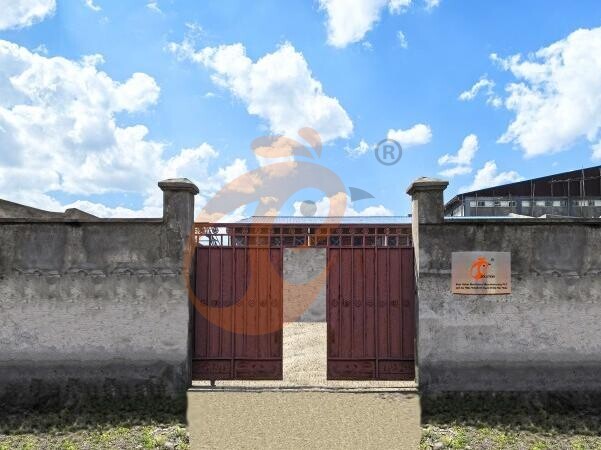
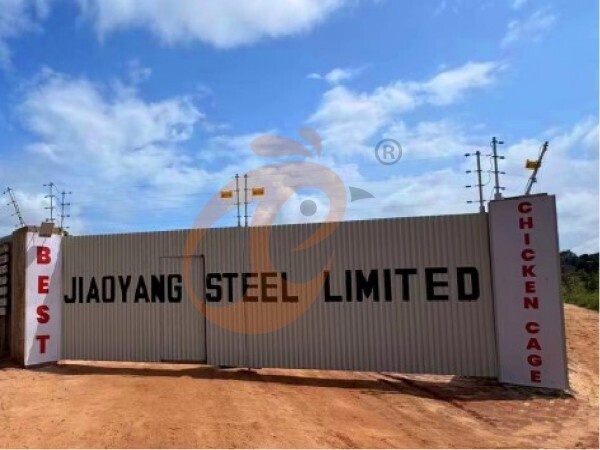
Ethiopia Best Hebei Machinery Manufacturing Plc - One Of Ethiopia Toppest Chicken Cage Manufacturer
HB BEST offers global factory direct sales for poultry farm equipment, delivering high-quality chicken cages efficiently.
The company provides turn-key engineering solutions, covering planning, installation, and ongoing technical support.
Poultry cage designs are optimized for durability and easy maintenance, suitable for Ethiopian farm conditions.
HB BEST delivers comprehensive after-sale services ensuring equipment longevity and operational efficiency.
The company integrates advanced production technology with local adaptation for scalable poultry farm projects.
Contact Us To Received Your Customized Poultry Farm Plan
Headquarters And Branchs

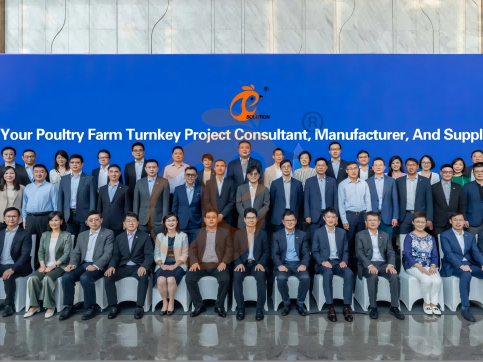
Hong Kong Headquarter Management Team
Hong Kong Headquarter Taiyu Industrial Group CO., LTD
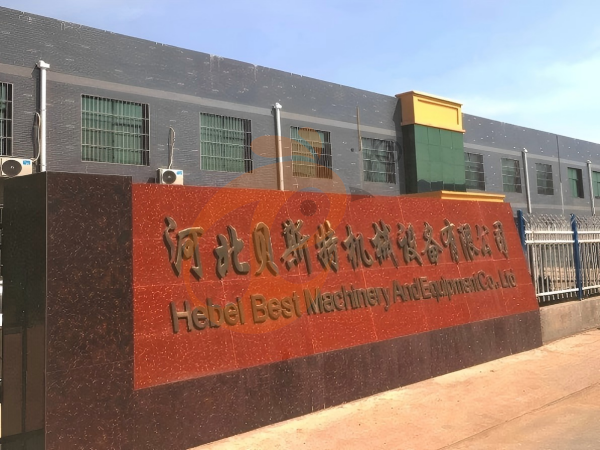
China Hebei Best Machinery And Equipment CO., LTD
Nigeria Vanke Machinery And Equipment CO., LTD
Tanzania Best Machinery And Equipment CO., LTD
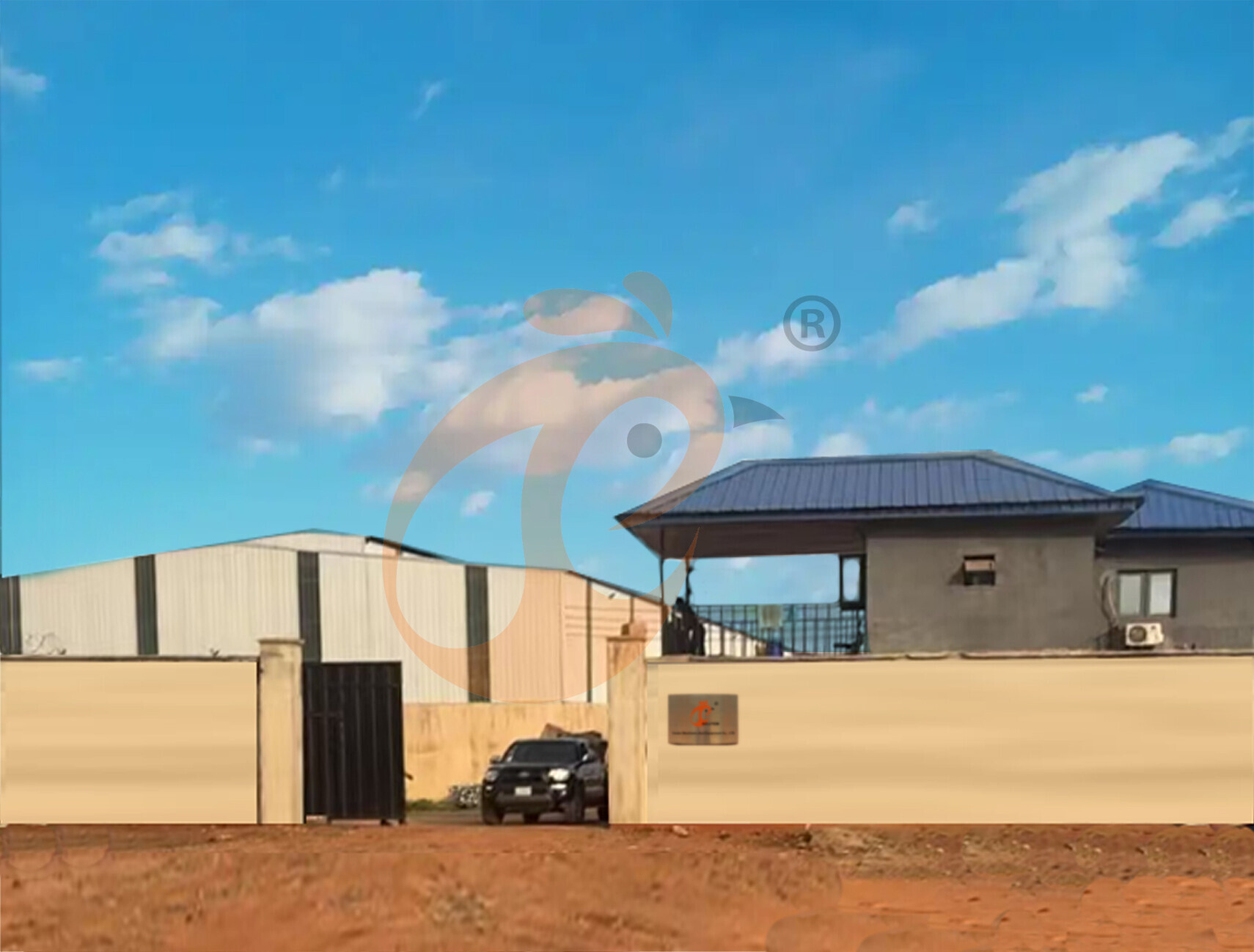
Ethiopia Best Hebei Machinery Manufacturing PLC
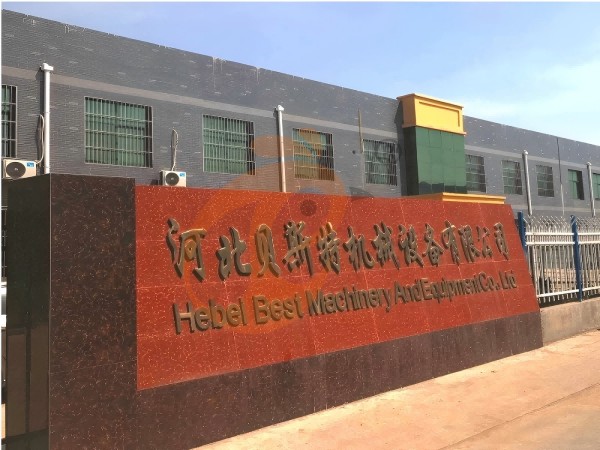
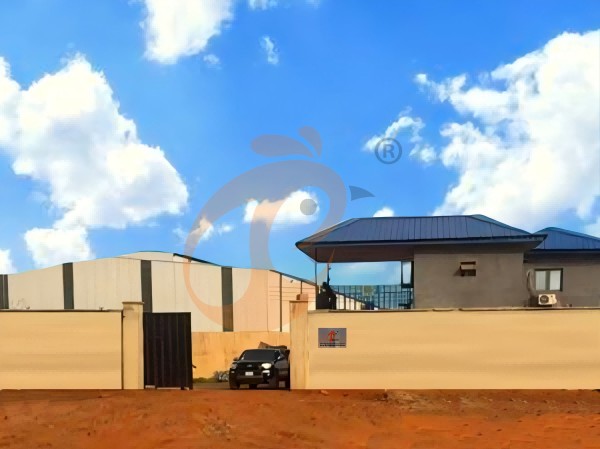
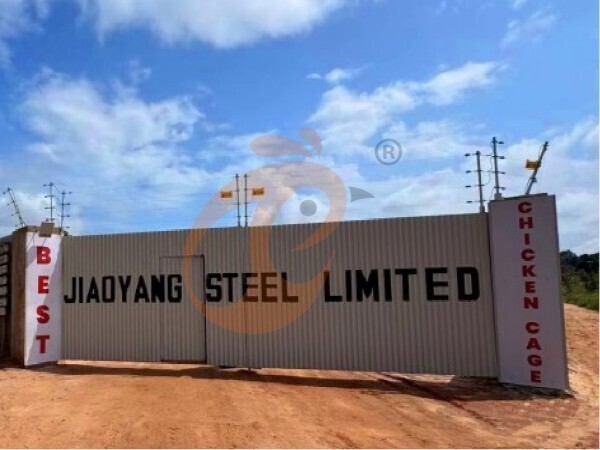
Reception /24 WhatsApp NO. : +8618830120193
FAQ
What Are The Professional Strategies For Optimizing Feed Conversion In Layer Cage Farms?
Zoned feeding reduces competition and waste; FCR maintained at 1.9–2.1.
Combined with lighting and temperature/humidity management, egg production can reach 90–98%.
How To Buy The Top Chicken Cage Supplier For Maximum Farm Efficiency?
Check steel quality, anti-corrosion coating, and durability of egg systems.
Price reference: $10–$18 per bird, ROI payback 24–36 months.
What Are The Ultimate Guidelines For Reducing Stress In Poultry Cage Farms?
Ensure good ventilation, temperature 18–25℃, lighting 16h/day.
Automatic feeding and drinking systems ensure birds access feed and water, reducing stress-induced egg drop.
Message
Products recommended
 HK Headquarter Offers EU-standard Poultry Farm Solutions, Manufacture Poultry Farm Equipment1. Continuous communication with the EU and the US
2. China, Nigeria, Ethiopia, Tanzania branch companies and factories
3. The products’ quality is customized for local poultry farms
4. Poultry cage and poultry farm equipment stock for sale
5. 24 online reception Whatsapp NO. : +8618830120193,contact us to get full informationRead More China Branch Offer Poultry Farm Business Plan, Manufacture Poultry Farm Equipment1. Address: Flat/RM 2416, 24/F, Runxing Building, Youyi Nan Street, Shijiazhuang City, Hebei Province, China
2. Poultry cage and poultry farm equipment factory and stock for sale
3. Customized for local poultry farms
4. Quality and design are based on Euro
5. 24 online reception Whatsapp NO. : +8618830120193Read More Nigeria Branch Offer Poultry Farm Business Plan, Manufacture Poultry Farm Equipment1. Address: After Sinoma Office, 200 Meters Near Danco Filling Station, Lagos/Ibadan Expressway, Lagos State, Nigeria
2. Poultry cage and poultry farm equipment factory and stock for sale
3. Customized for Nigerian poultry farms
4. Quality and design are based on Euro
5. 24 online reception Whatsapp NO. : +8618830120193Read More Ethiopia Branch Offer Poultry Farm Business Plan, Manufacture Poultry Farm Equipment1. Address: Gelan Gura, Akaki-kaliti Sub City, Addis Ababa, Ethiopia
2. Poultry cage and poultry farm equipment stock for sale
3. Customized for Ethiopian poultry farms
4. Quality and design are based on Euro
5. 24 online reception Whatsapp NO. : +8618830120193, contact us to get price listRead More Tanzania Branch Offer Poultry Farm Business Plan, Manufacture Poultry Farm Equipment1. Address: No.8, Sova Road, Msufini, Mlandizi, Kibaha, Pwani, Tanzania
2. Poultry cage and poultry farm equipment factory and stock for sale
3. Customized for Tanzanian poultry farms
4. Quality and design are based on Euro
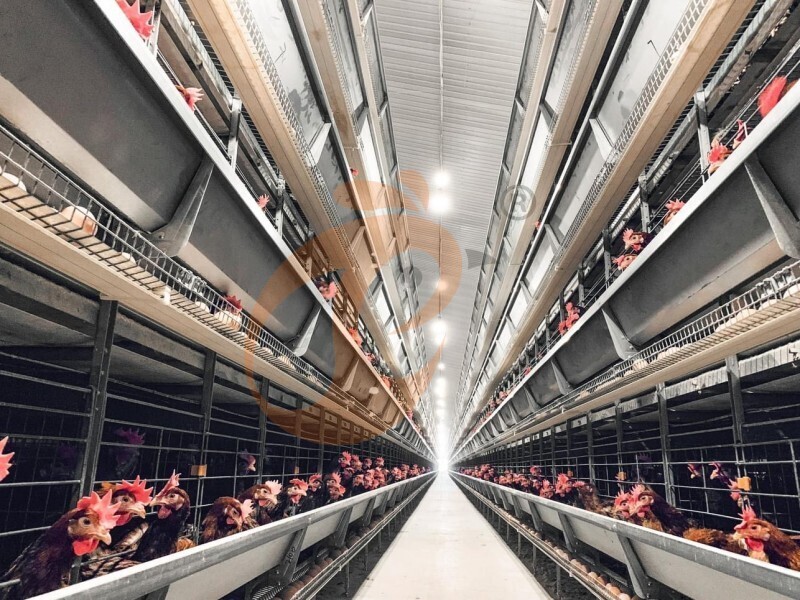
5. 24 online reception Whatsapp NO. : +8618830120193Read More Fully Automatic H Type Layer Chicken Cage1. 30,000-100,000+ layers/house chooses it, Poultry farmers can achieve an egg production rate of 96-98%
2. A significant improvement over the 85-90% typically seen in manual systems
3. A typical poultry farm can expect a 30-40% reduction in labor costs due to the automation
4. Each feeding line efficiently supplies feed to around 100,000 hens per 30 mins
5. Reception /WhatsApp NO. : +8618830120193Read More Fully Automatic A Type Layer Chicken Cage1. 10,000-50,000 layers/house chooses it
2. Cleaner egg collection reduces breakage by 0.5%
3. Improved hygiene helps reduce mortality rate to <3%
4. 1–2 technicians can handle 15,000–30,000 birds
5. Reception /WhatsApp NO. : +8618830120193Read More Semi Automatic H Type Layer Chicken Cage1. 1,00-20,000 layers/house chooses it
2. Nipple drinkers flow 30–60 ML / min
3. Hot-dip galvanized (typical coating ≥ 275 g/m²)
4. Reduce ammonia by ~ 35–40%
5. Reception /WhatsApp NO. : +8618830120193Read More Semi Automatic A Type Layer Chicken Cage1. 1,00-20,000 layers/house chooses it, no rust for 10 years, no deformation for 15 years
2. Chickens live comfortably, you can raise them with peace of mind
3. Save water, save money—efficiency you can measure
4. Improve environment quality, and increase egg production rate
5. Reception /WhatsApp NO. : +8618830120193Read More
By clicking 'Allow All', you agree to the storage of cookies on your device to enhance site navigation, analyze site usage and assist with our marketing efforts.