


Blog
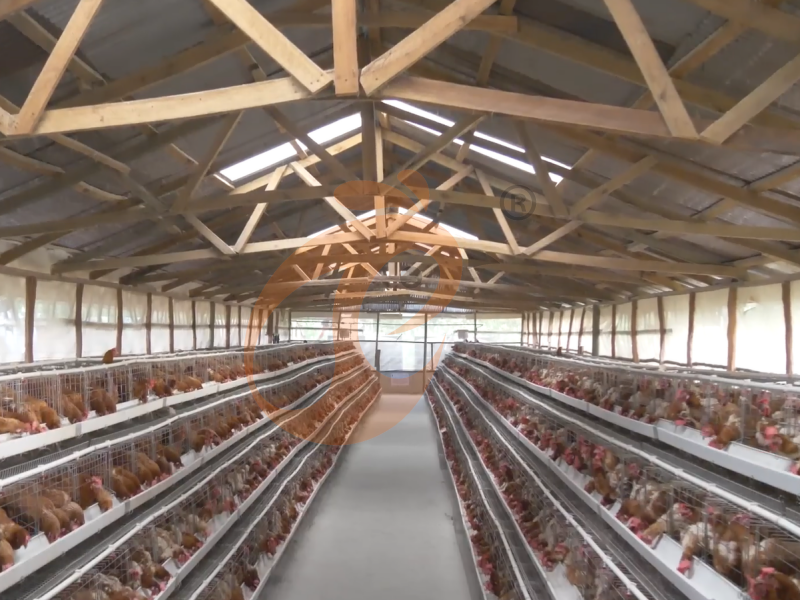
H type chicken cage system efficiency is influenced by climate, feed, and local breed adaptation.
This article explores key operational, biological, and socio-economic factors.
It provides data-driven insights for Ethiopian poultry farmers and managers.
Practical solutions for feed, water, disease, and labor management are included.
Seasonal and electricity impacts on cage performance are analyzed.
Cage design and crossbreeding strategies are evaluated.
Socio-economic constraints like capital, market, and veterinary access are discussed.
Recommendations offer sustainable improvements for egg production efficiency.
Get professional poultry farm construction guidance, equipment selection solutions, and the latest price lists, whatsApp to +8618830120193, click to learn more:

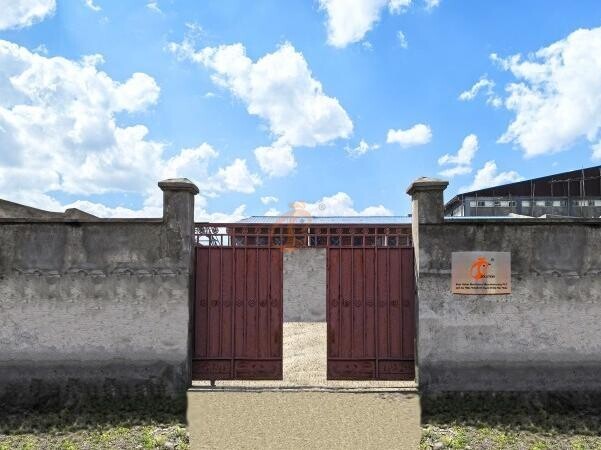
Ethiopia Branch Office And Factory Of Poultry Farm Equipment
Climate Conditions And Cage Efficiency
Ethiopia's diverse climate zones from the highlands of Oromia to the arid regions of Afar impact cage system performance.
Temperature and humidity influence feed conversion, egg production, and bird health.
In regions with high diurnal temperature fluctuations, birds experience stress, which can lower production efficiency.
Data is for reference only.Swipe horizontally to view full table.
Local Feed Availability
Feed composition is a critical determinant of the H type chicken cage efficiency.
Ethiopian farmers often rely on locally available grains such as maize, sorghum, and millet.
The nutrient density of these feeds affects growth rate, egg weight, and feed conversion ratio (FCR).
Data is for reference only.Swipe horizontally to view full table.
Water Quality And Availability
Water is a limiting factor in chicken cage efficiency, particularly in arid zones such as Somali and Afar regions.
Contaminated or scarce water can result in higher mortality and reduced egg production.
Data is for reference only.Swipe horizontally to view full table.
Breed Adaptability
The H type chicken cage system efficiency is highly dependent on the breed used.
Ethiopian indigenous breeds, although resilient, often exhibit lower egg production compared to exotic breeds.
A cross-breeding strategy is frequently recommended to combine resilience with productivity.
Data is for reference only.Swipe horizontally to view full table.
Disease Management
Disease outbreaks are a major efficiency constraint in Ethiopian chicken cage systems.
Newcastle Disease, Fowl Pox, and Coccidiosis are prevalent, especially where vaccination programs are inconsistent.
Proper biosecurity and vaccination schedules enhance survival rates and egg production.
Data is for reference only.Swipe horizontally to view full table.
Housing And Cage Design
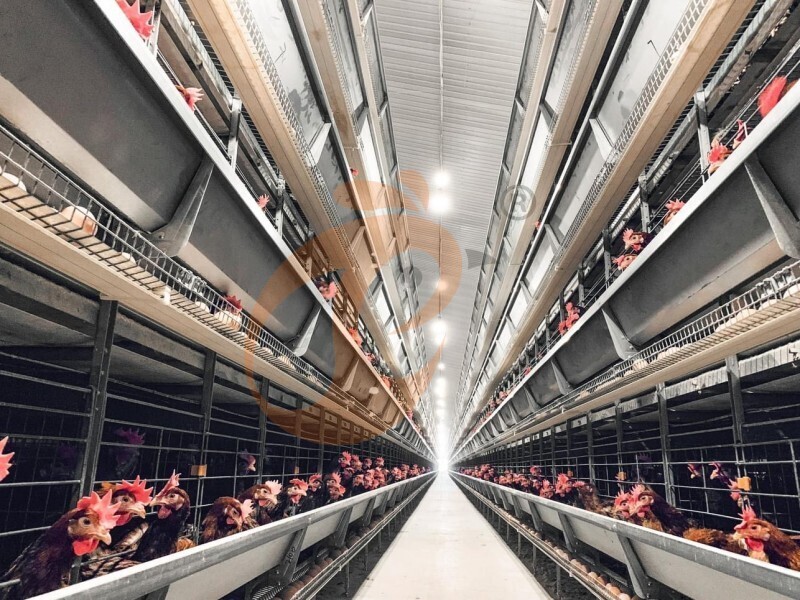
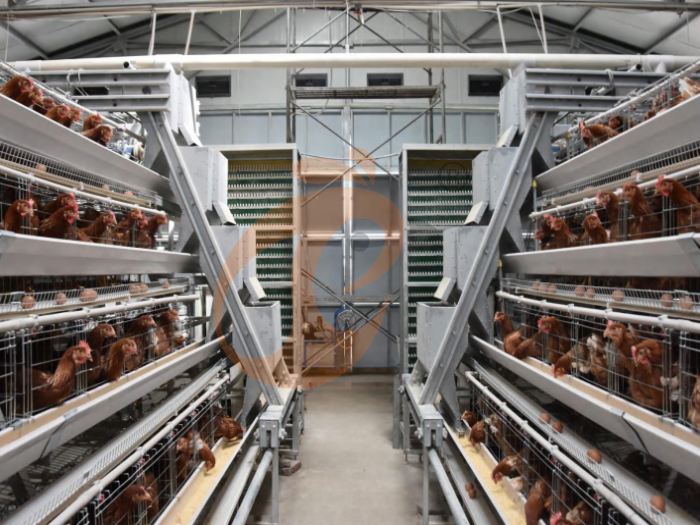
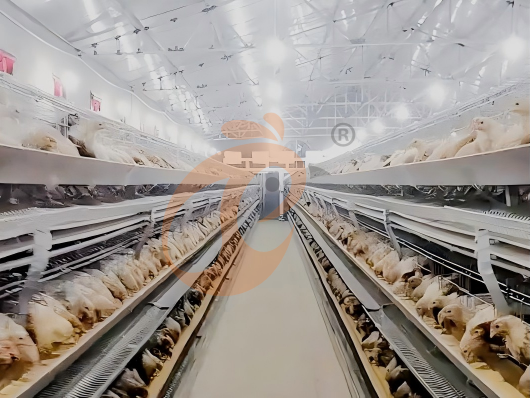
The H type chicken cage system's physical design influences bird welfare, space utilization, and labor efficiency.
Proper spacing, perching areas, and manure collection systems mitigate stress and improve productivity.
Data is for reference only.Swipe horizontally to view full table.
Labor Skills And Management
In Ethiopia, labor availability and skill levels significantly affect chicken cage efficiency.
Inexperienced staff may mishandle feed, water, or disease prevention measures, reducing system productivity.
Data is for reference only.Swipe horizontally to view full table.
Energy And Electricity Supply
Electricity is essential for automated feeders, waterers, and lighting systems.
In rural Ethiopia, inconsistent supply impacts production schedules, especially for long-day lighting required for optimal egg laying.
Data is for reference only.Swipe horizontally to view full table.
Socio-Economic Factors
Farmers' access to capital, markets, and veterinary services determines the feasibility and efficiency of H type chicken cage systems.
Inadequate financing limits input quality and quantity, while poor market access reduces profitability.
Data is for reference only.Swipe horizontally to view full table.
Seasonal Variations
Ethiopia experiences distinct wet and dry seasons, affecting feed availability, disease prevalence, and bird comfort.
Seasonal planning is necessary to maintain consistent efficiency.
Data is for reference only.Swipe horizontally to view full table.
Frequently Asked Questions
Q1: Is H type chicken cage suitable for Ethiopian rural farms?
A1: Yes, the system adapts to local climate zones with proper ventilation, feed, and water management.
It improves egg yield efficiently in highland and arid regions.
Q2: How can small-scale Ethiopian farmers manage disease risks?
A2: Vaccination schedules, biosecurity, and regular monitoring reduce Newcastle Disease and Fowl Pox.
Locally available veterinary services help maintain flock health.
Q3: Are crossbred chickens better for cage efficiency in Ethiopia?
A3: Crossbreeding indigenous and exotic breeds balances resilience and productivity.
It increases egg output while maintaining adaptation to local feed and climate.
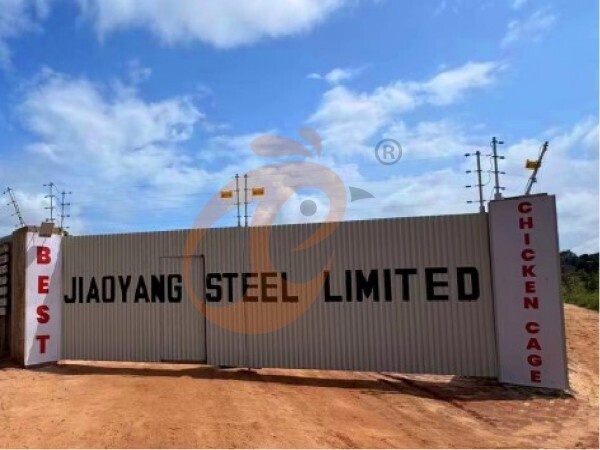
Ethiopia Best Hebei Machinery Manufacturing Plc - One Of Ethiopia Largest Chicken Cage Supplier
HB BEST offers global factory direct sales with complete turn-key poultry farm equipment solutions.
Their poultry cage designs optimize space, ventilation, and manure management.
They provide complete poultry farm equipment packages including feeders, drinkers, and lighting systems.
Turn-key engineering solutions ensure installation and operational efficiency across Ethiopia.
HB BEST delivers reliable support and after-sales services for poultry cage management.
Contact Us To Received Your Customized Poultry Farm Plan
Headquarters And Branchs

Hong Kong Headquarter Management Team
Hong Kong Headquarter Taiyu Industrial Group CO., LTD
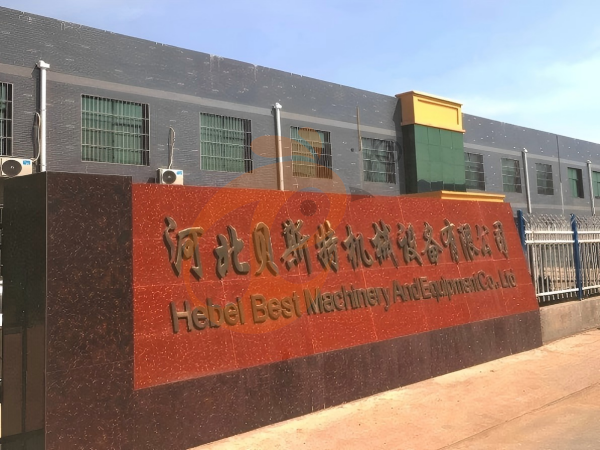
China Hebei Best Machinery And Equipment CO., LTD
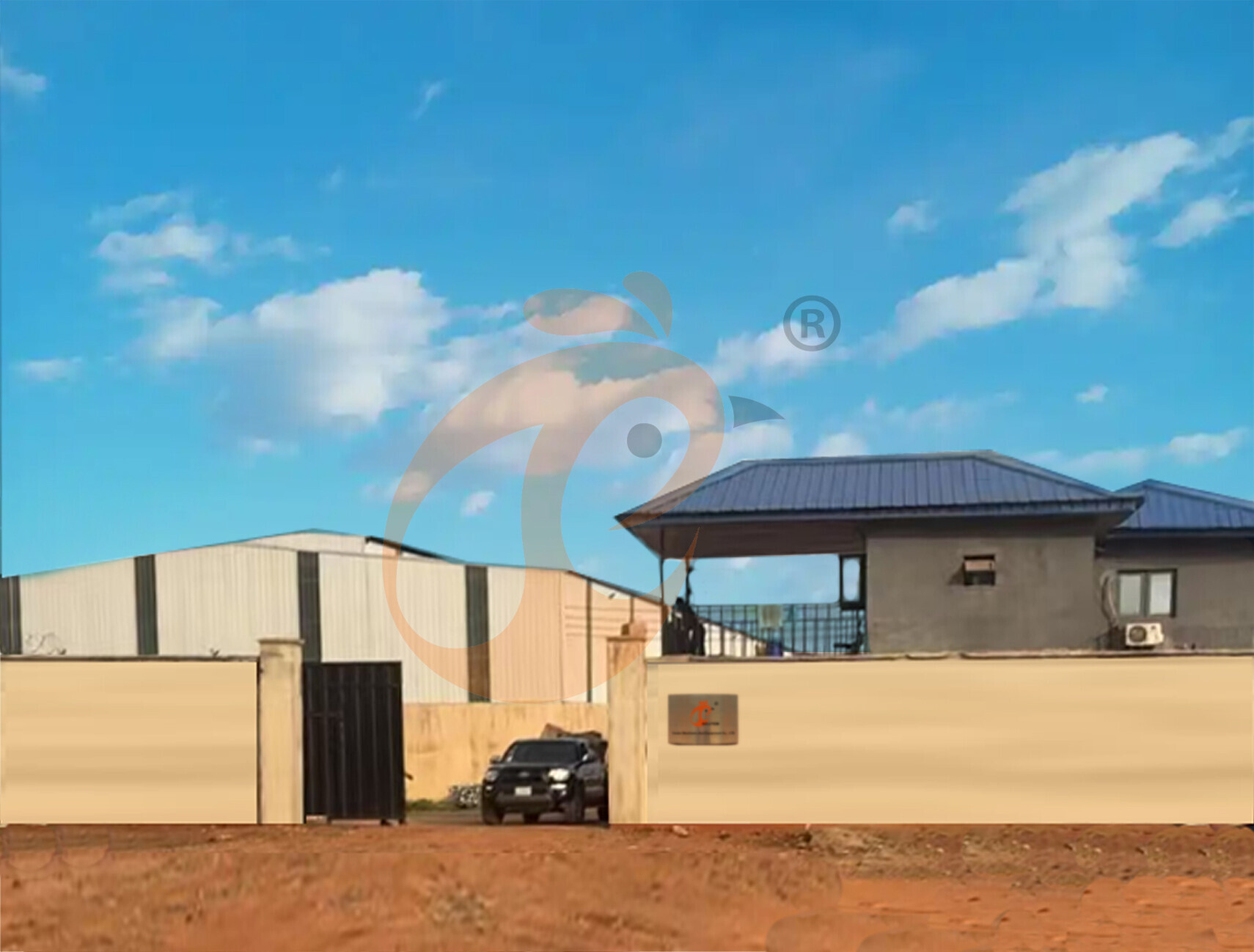
Nigeria Vanke Machinery And Equipment CO., LTD
Tanzania Best Machinery And Equipment CO., LTD
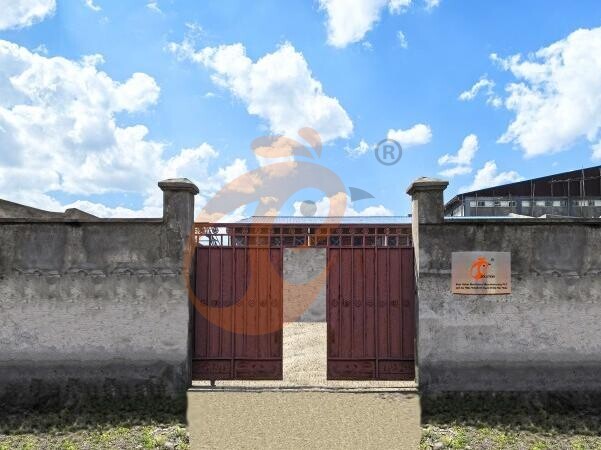
Ethiopia Best Hebei Machinery Manufacturing PLC
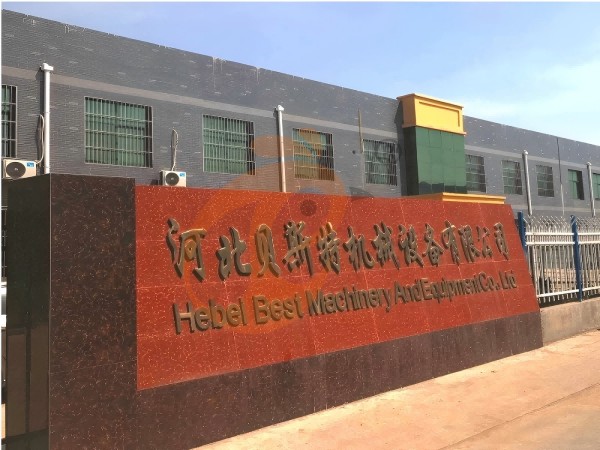
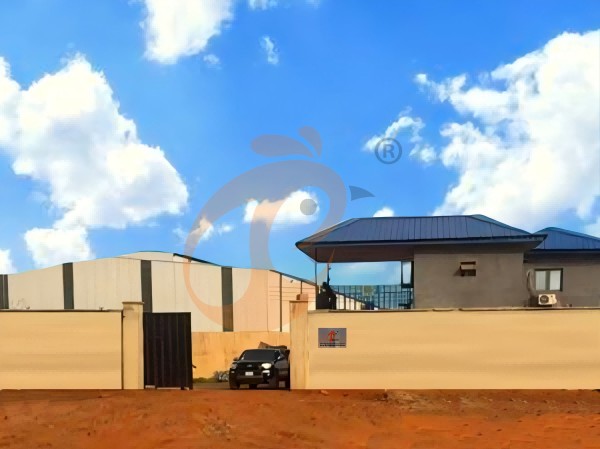
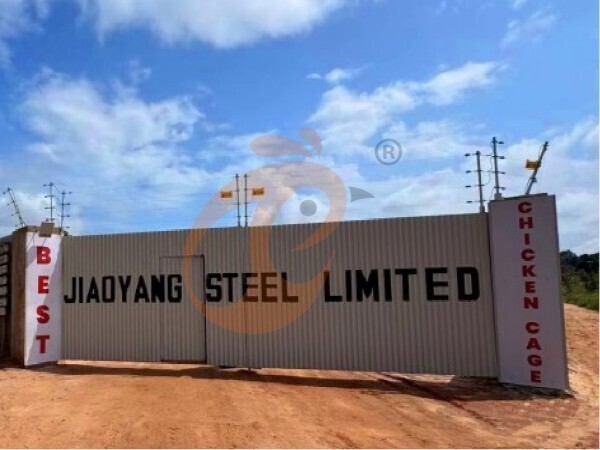
Reception /24 WhatsApp NO. : +8618830120193
FAQ
What Are The Recommended Cage Heights For H-Type Poultry Cage?
Multi-tier layout: 5–7 levels
Ensure comfort for feeding and movement
Egg production rate: 90-98%
FCR: 1.9–2.1
How To Reduce Energy Consumption In H-Type Layer Cage Farm?
Optimize ventilation and lighting layout
Reduce HVAC energy consumption by 10–15%
Egg production rate: 90-98%
FCR: 1.9–2.1
What Is The Maximum Capacity Of H-Type Layer Cage In A Single House?
Birds per tier: 90–120
Farm capacity per house: 30,000 - 100,000+0 birds
Floor space saved: 3–4 times
Labor savings: 70-90%
Message
Products recommended
 HK Headquarter Offers EU-standard Poultry Farm Solutions, Manufacture Poultry Farm Equipment1. Continuous communication with the EU and the US
2. China, Nigeria, Ethiopia, Tanzania branch companies and factories
3. The products’ quality is customized for local poultry farms
4. Poultry cage and poultry farm equipment stock for sale
5. 24 online reception Whatsapp NO. : +8618830120193,contact us to get full informationRead More China Branch Offer Poultry Farm Business Plan, Manufacture Poultry Farm Equipment1. Address: Flat/RM 2416, 24/F, Runxing Building, Youyi Nan Street, Shijiazhuang City, Hebei Province, China
2. Poultry cage and poultry farm equipment factory and stock for sale
3. Customized for local poultry farms
4. Quality and design are based on Euro
5. 24 online reception Whatsapp NO. : +8618830120193Read More Nigeria Branch Offer Poultry Farm Business Plan, Manufacture Poultry Farm Equipment1. Address: After Sinoma Office, 200 Meters Near Danco Filling Station, Lagos/Ibadan Expressway, Lagos State, Nigeria
2. Poultry cage and poultry farm equipment factory and stock for sale
3. Customized for Nigerian poultry farms
4. Quality and design are based on Euro
5. 24 online reception Whatsapp NO. : +8618830120193Read More Ethiopia Branch Offer Poultry Farm Business Plan, Manufacture Poultry Farm Equipment1. Address: Gelan Gura, Akaki-kaliti Sub City, Addis Ababa, Ethiopia
2. Poultry cage and poultry farm equipment stock for sale
3. Customized for Ethiopian poultry farms
4. Quality and design are based on Euro
5. 24 online reception Whatsapp NO. : +8618830120193, contact us to get price listRead More Tanzania Branch Offer Poultry Farm Business Plan, Manufacture Poultry Farm Equipment1. Address: No.8, Sova Road, Msufini, Mlandizi, Kibaha, Pwani, Tanzania
2. Poultry cage and poultry farm equipment factory and stock for sale
3. Customized for Tanzanian poultry farms
4. Quality and design are based on Euro
5. 24 online reception Whatsapp NO. : +8618830120193Read More Fully Automatic H Type Layer Chicken Cage1. 30,000-100,000+ layers/house chooses it, Poultry farmers can achieve an egg production rate of 96-98%
2. A significant improvement over the 85-90% typically seen in manual systems
3. A typical poultry farm can expect a 30-40% reduction in labor costs due to the automation
4. Each feeding line efficiently supplies feed to around 100,000 hens per 30 mins
5. Reception /WhatsApp NO. : +8618830120193Read More Fully Automatic A Type Layer Chicken Cage1. 10,000-50,000 layers/house chooses it
2. Cleaner egg collection reduces breakage by 0.5%
3. Improved hygiene helps reduce mortality rate to <3%
4. 1–2 technicians can handle 15,000–30,000 birds
5. Reception /WhatsApp NO. : +8618830120193Read More Semi Automatic H Type Layer Chicken Cage1. 1,00-20,000 layers/house chooses it
2. Nipple drinkers flow 30–60 ML / min
3. Hot-dip galvanized (typical coating ≥ 275 g/m²)
4. Reduce ammonia by ~ 35–40%
5. Reception /WhatsApp NO. : +8618830120193Read More Semi Automatic A Type Layer Chicken Cage1. 1,00-20,000 layers/house chooses it, no rust for 10 years, no deformation for 15 years
2. Chickens live comfortably, you can raise them with peace of mind
3. Save water, save money—efficiency you can measure
4. Improve environment quality, and increase egg production rate
5. Reception /WhatsApp NO. : +8618830120193Read More

By clicking 'Allow All', you agree to the storage of cookies on your device to enhance site navigation, analyze site usage and assist with our marketing efforts.