


Blog
Nipple drinkers provide reliable poultry water delivery with 0.20–0.35 mm valve openings, helping farms maintain clean drinking conditions and stable production.
Advanced poultry drinking systems reduce blockage risks through filtration control, pipeline management, and precision-engineered components.
Scientific water management improves flock performance by maintaining proper hydration, hygiene standards, and equipment efficiency.
Professional poultry equipment solutions support commercial farms with durable structures, automated designs, and lower maintenance requirements.
Modern drinking technology creates long-term value through improved reliability, reduced labor pressure, and optimized poultry house operation.
Get professional poultry farm construction guidance, equipment selection solutions, and the latest price lists, whatsApp to +8618830120193, +2348111199996, or click to learn more.
Why Nipple Drinker Blockage Affects Poultry Production
Nipple drinkers are essential components in commercial poultry houses because water availability directly influences bird health and production efficiency.
Blockage inside drinking equipment may interrupt water supply, increase inspection frequency, and create uneven drinking conditions between different areas of the poultry house.
Professional poultry farms increasingly choose advanced nipple drinking systems because stable water delivery supports better management results.
|Data is for reference only.Swipe horizontally to view full table.
Scientific research shows that poultry requires continuous access to clean water because water participates in digestion, nutrient transportation, and temperature regulation.
A well-designed drinking system can maintain consistent performance even under intensive farming conditions.
Working Principle Of Nipple Drinking Systems
Nipple drinkers operate through internal valve mechanisms that release water when chickens activate the trigger pin.
The structure requires accurate manufacturing because small particles or mineral deposits may affect valve movement and reduce water flow.
High-quality poultry nipple drinkers use corrosion-resistant materials and precision components to provide long service periods.
Data is for reference only.Swipe horizontally to view full table.
Reliable equipment design helps prevent internal contamination and supports automatic poultry house management.
Improve Water Quality Before Delivery
Water quality management is the first protection method against nipple drinker blockage.
Impurities entering pipelines may accumulate inside small valve channels and gradually influence drinking performance.
Installing suitable filtration equipment before water distribution helps protect the entire drinking network.
Taiyu poultry equipment solutions combine drinking line design with matching accessories to create efficient water delivery structures for different farm sizes.
Data is for reference only.Swipe horizontally to view full table.
Professional filtration configuration can reduce cleaning frequency and improve system stability.
Commercial farms using complete water treatment structures can achieve better control over daily poultry management.
Clean Drinking Pipelines Regularly
Pipeline cleaning is an important step for maintaining long-term nipple drinker performance.
Organic materials and mineral particles may attach to internal surfaces and gradually reduce water delivery efficiency.
Regular flushing removes accumulated substances and keeps the drinking network operating smoothly.
Data is for reference only.Swipe horizontally to view full table.
Modern poultry equipment designs often include convenient maintenance structures that allow workers to complete cleaning procedures faster.
Proper pipeline management also helps extend the service period of complete drinking systems.
Maintain Correct Water Pressure
Water pressure control directly affects the performance of nipple drinkers.
Incorrect pressure settings may create unstable water release, leakage problems, or insufficient supply for poultry groups.
Pressure regulators and precision water control devices are important parts of professional poultry drinking equipment.
Data is for reference only.Swipe horizontally to view full table.
A balanced pressure system helps maintain uniform drinking conditions throughout long poultry houses.
Engineering teams normally evaluate house length, bird quantity, and pipeline layout before selecting suitable pressure control solutions.
Select Durable Nipple Drinkers
Equipment quality has a direct relationship with blockage prevention and operating cost.
Low-quality drinkers may experience faster wear because of weak sealing structures, unstable valves, or unsuitable materials.
Premium poultry nipple drinkers provide accurate water release and stronger resistance against daily farm conditions.
Data is for reference only.Swipe horizontally to view full table.
Taiyu focuses on manufacturing reliable poultry drinking equipment with technical specifications suitable for modern farms.
The combination of engineering design and manufacturing experience helps customers reduce replacement frequency and improve project reliability.
Perform Routine Equipment Inspection
Preventive inspection helps identify small issues before they become large production problems.
Farm operators should check water output, valve response, and pipeline conditions according to production schedules.
Regular monitoring improves equipment efficiency and reduces unexpected downtime.
|Data is for reference only.Swipe horizontally to view full table.
A technical maintenance plan allows farms to achieve predictable operation results.
For large poultry projects, professional equipment suppliers often provide installation guidance and maintenance recommendations.
Use Professional Poultry Drinking Solutions
Modern poultry farms require drinking systems that combine stable performance, easy maintenance, and efficient water management.
A complete poultry drinking solution includes nipple drinkers, pipelines, regulators, filters, and connection accessories designed according to project requirements.
Professional poultry equipment manufacturers provide integrated systems that help farms reduce installation difficulties and improve production efficiency.
Data is for reference only.Swipe horizontally to view full table.
Turn-key poultry house projects require accurate equipment matching, because each component influences the overall water supply performance.
Advanced engineering design helps farms achieve reliable operation under different climate and production conditions.
Scientific Water Management For Poultry Production
Water is one of the most important elements in poultry farming because birds depend on sufficient hydration for metabolism, digestion, and temperature balance.
Closed drinking systems reduce exposure to dust, feed particles, and external contamination compared with traditional open containers.
Scientific management combined with efficient equipment helps maintain cleaner poultry house environments.
Data is for reference only.Swipe horizontally to view full table.
Modern farms often integrate automated monitoring devices with drinking systems to improve operational accuracy.
Reliable water delivery also supports consistent flock development during different growth stages.
Upgrade Poultry House Equipment For Better Efficiency
Replacing outdated drinking equipment can improve farm productivity and reduce daily management pressure.
New-generation systems provide better control of water distribution and support large-scale poultry production.
Taiyu supplies customized poultry equipment solutions for broiler farms, layer farms, and complete poultry production projects.
|Data is for reference only.Swipe horizontally to view full table.
Commercial poultry projects require equipment with stable specifications, efficient installation procedures, and professional technical support.
Integrated engineering services help customers reduce project risks and improve investment value.
Common Mistakes Increasing Nipple Drinker Blockage Risk
Many blockage problems are caused by incorrect operation methods rather than equipment defects.
Ignoring filtration, delaying cleaning, and selecting unsuitable components may increase maintenance requirements.
Professional technical planning can help farms avoid unnecessary operation problems.
Data is for reference only.Swipe horizontally to view full table.
A complete poultry equipment planning process considers water conditions, house structure, and production targets before installation.
Proper configuration improves equipment durability and supports long-term farm operation.
Frequently Asked Questions
Q1: What causes blockage in nipple drinkers most frequently?
A1: Mineral deposits, organic materials, and suspended particles are common causes of blockage.
Water containing hardness levels above 120 Mg/l may increase the possibility of internal deposits.
Regular filtration and pipeline cleaning can significantly reduce these problems.
Q2: How often should poultry drinking systems be checked?
A2: Daily visual inspection and weekly pressure recording are recommended for commercial farms.
Complete system evaluations can be arranged every production cycle depending on farm conditions.
Regular monitoring helps identify early-stage problems before water supply becomes unstable.
Q3: Why should farms choose professional nipple drinking equipment?
A3: Professional equipment provides better structural accuracy, material durability, and installation compatibility.
High-quality nipple drinkers with 8–10 years service life can reduce replacement costs and improve farm efficiency.
Taiyu (HK) Group - One Of China Largest Nipple Drinkers Manufacturer
Nipple drinkers are engineered with precision valve structures, corrosion-resistant materials, and stable water delivery specifications for modern poultry production systems.
Global factory direct sales provide competitive supply capability, quality control management, and customized poultry equipment manufacturing services for international customers.
Complete poultry equipment solutions include project planning, production coordination, installation support, and technical communication for different farm requirements.
Turn-key engineering projects integrate equipment selection, poultry house design cooperation, system installation guidance, and production optimization assistance.
International exporter capabilities support large-scale poultry farms with reliable supply chains, professional service processes, and long-term cooperation solutions.
Contact Us To Received Your Customized Poultry Farm Plan
Headquarters And Branchs
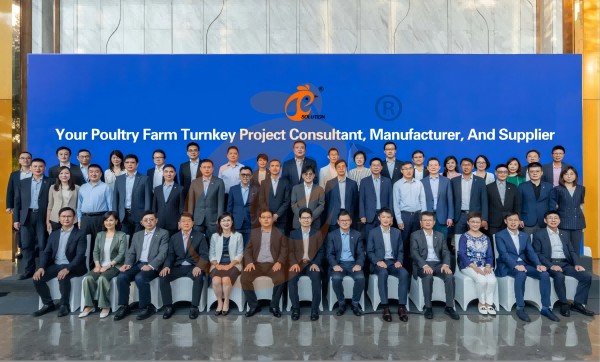
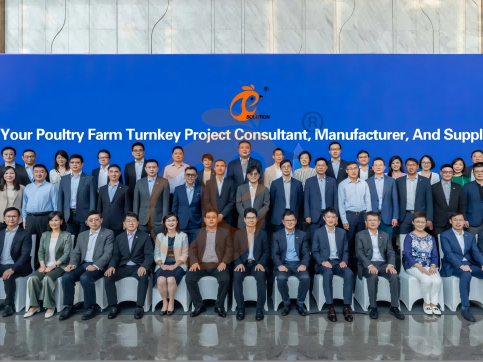
Hong Kong Headquarter Management Team
Hong Kong Headquarter Taiyu Industrial Group CO., LTD
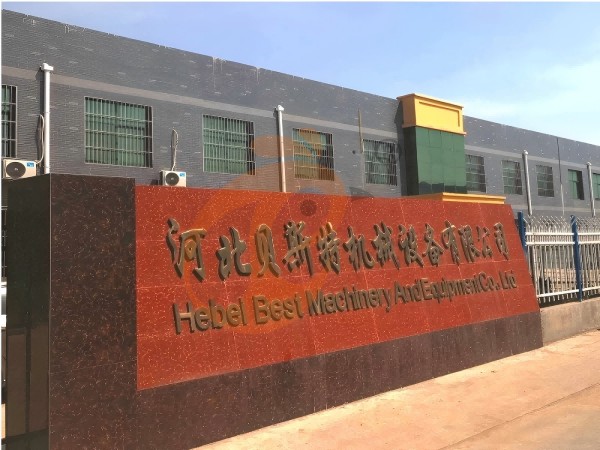
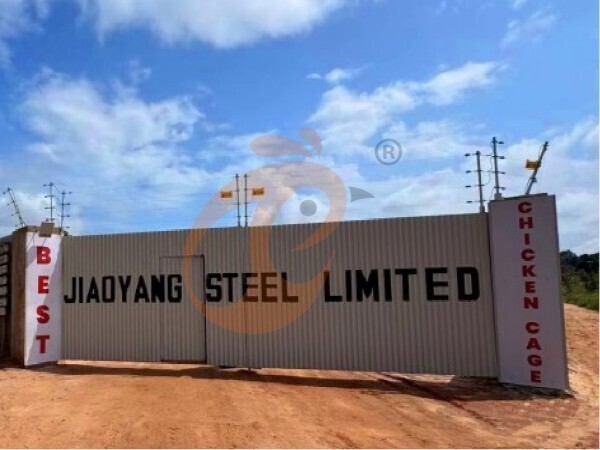
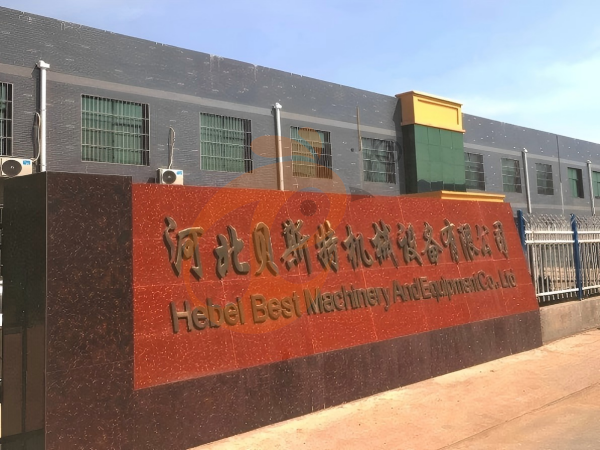
China Hebei Best Machinery And Equipment CO., LTD
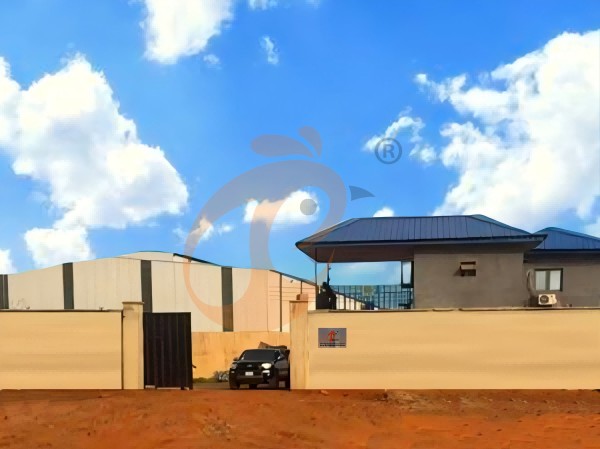
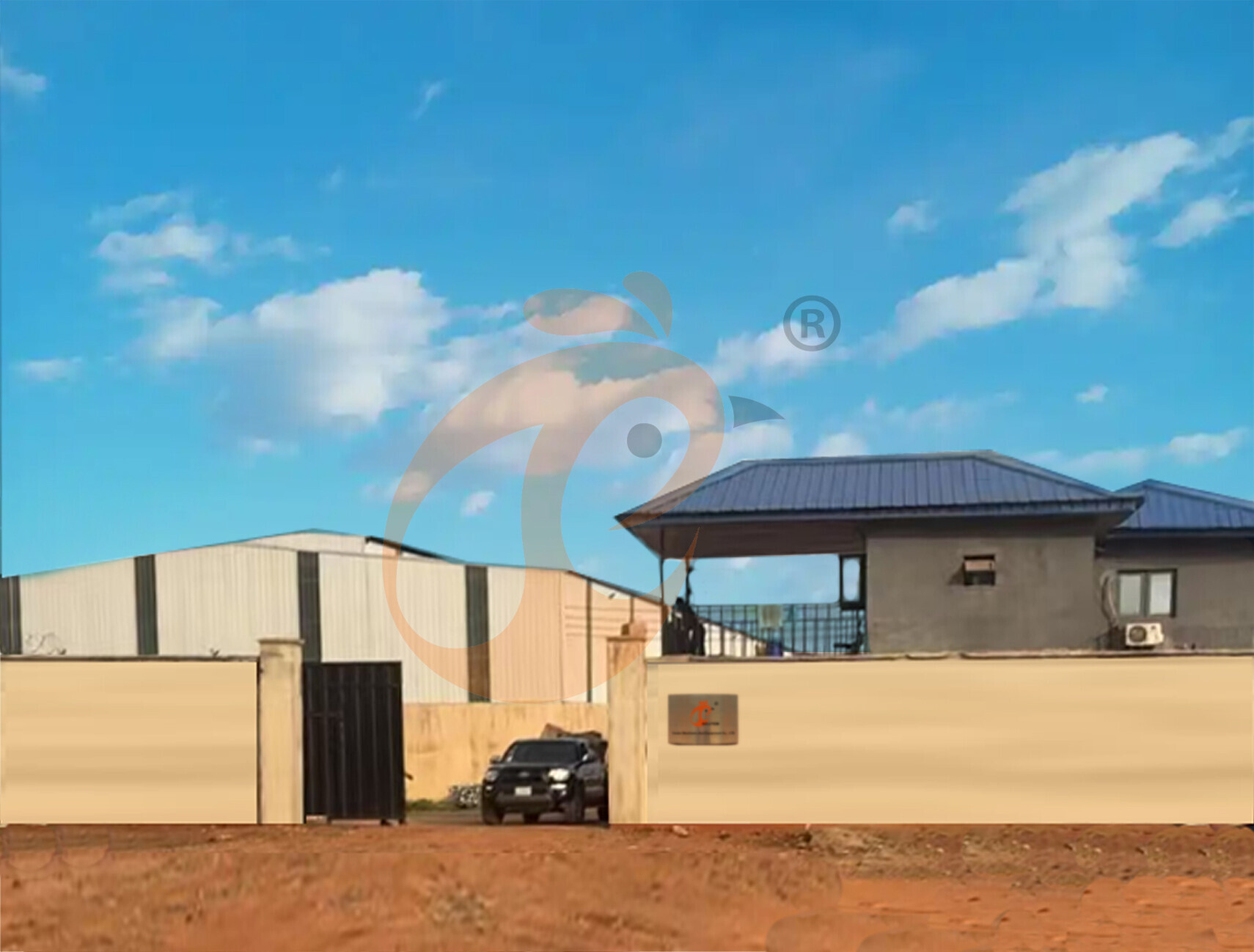
Nigeria Vanke Machinery And Equipment CO., LTD
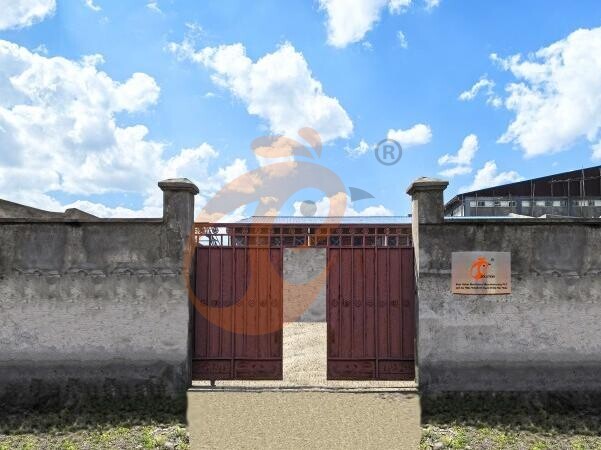
Tanzania Best Machinery And Equipment CO., LTD
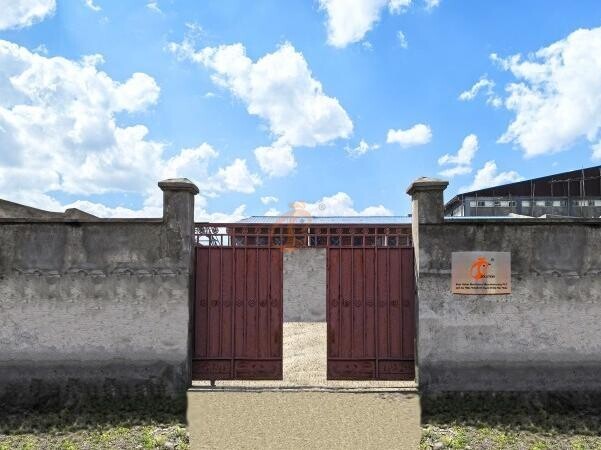
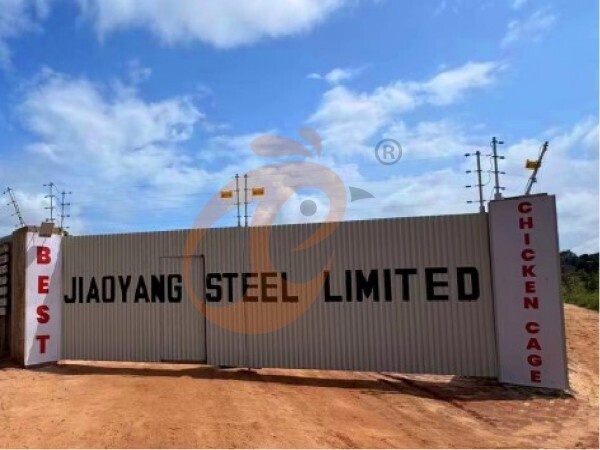
Ethiopia Best Hebei Machinery Manufacturing PLC
Reception /24 WhatsApp NO. : +8618830120193
FAQ
What Water Quality Requirements Are Necessary For Nipple Drinkers In Poultry Chicken Cage Systems?
Water hardness is maintained within 100–150 mg/L CaCO₃ equivalent for valve protection.
Microbial load is controlled under 100 CFU/mL for safe poultry consumption standards.
What Is The Recommended Stocking Ratio For Nipple Drinkers In Poultry Chicken Cage Systems?
Drinker spacing is typically set at 25–30 cm to reduce competition stress.
Water demand allocation is calculated at 180–220 ml per bird daily in intensive production.
How Is Water Flow Regulated In Nipple Drinkers For Poultry Chicken Cage Farming Systems?
Pressure stability is maintained within 0.18–0.22 MPa across drinking lines.
Drop formation interval is adjusted at 1–2 seconds per activation for efficient intake.
- poultry equipment
- poultry farm
- poultry farm
- poultry farm construction
- poultry equipment manufacturer
- poultry drinking equipment
- poultry drinking system
- layer farm
- broiler farm
- poultry house
- poultry house equipment
- poultry house design
- poultry house project
- poultry nipple drinkers
- modern poultry equipment
- automatic poultry house
- poultry equipment manufacturers
- Ethiopia
- Nigeria
Message
Products recommended
 HK Headquarter Offers EU-standard Poultry Farm Solutions, Manufacture Poultry Farm Equipment1. Continuous communication with the EU and the US
2. China, Nigeria, Ethiopia, Tanzania branch companies and factories
3. The products’ quality is customized for local poultry farms
4. Poultry cage and poultry farm equipment stock for sale
5. 24 online reception Whatsapp NO. : +8618830120193,contact us to get full informationRead More China Branch Offer Poultry Farm Business Plan, Manufacture Poultry Farm Equipment1. Address: Flat/RM 2416, 24/F, Runxing Building, Youyi Nan Street, Shijiazhuang City, Hebei Province, China
2. Poultry cage and poultry farm equipment factory and stock for sale
3. Customized for local poultry farms
4. Quality and design are based on Euro
5. 24 online reception Whatsapp NO. : +8618830120193Read More Nigeria Branch Offer Poultry Farm Business Plan, Manufacture Poultry Farm Equipment1. Address: After Sinoma Office, 200 Meters Near Danco Filling Station, Lagos/Ibadan Expressway, Lagos State, Nigeria
2. Poultry cage and poultry farm equipment factory and stock for sale
3. Customized for Nigerian poultry farms
4. Quality and design are based on Euro
5. 24 online reception Whatsapp NO. : +8618830120193Read More Ethiopia Branch Offer Poultry Farm Business Plan, Manufacture Poultry Farm Equipment1. Address: Gelan Gura, Akaki-kaliti Sub City, Addis Ababa, Ethiopia
2. Poultry cage and poultry farm equipment stock for sale
3. Customized for Ethiopian poultry farms
4. Quality and design are based on Euro
5. 24 online reception Whatsapp NO. : +8618830120193, contact us to get price listRead More Tanzania Branch Offer Poultry Farm Business Plan, Manufacture Poultry Farm Equipment1. Address: No.8, Sova Road, Msufini, Mlandizi, Kibaha, Pwani, Tanzania
2. Poultry cage and poultry farm equipment factory and stock for sale
3. Customized for Tanzanian poultry farms
4. Quality and design are based on Euro
5. 24 online reception Whatsapp NO. : +8618830120193Read More Fully Automatic H Type Layer Chicken Cage1. 30,000-100,000+ layers/house chooses it, Poultry farmers can achieve an egg production rate of 96-98%
2. A significant improvement over the 85-90% typically seen in manual systems
3. A typical poultry farm can expect a 30-40% reduction in labor costs due to the automation
4. Each feeding line efficiently supplies feed to around 100,000 hens per 30 mins
5. Reception /WhatsApp NO. : +8618830120193Read More Fully Automatic A Type Layer Chicken Cage1. 10,000-50,000 layers/house chooses it
2. Cleaner egg collection reduces breakage by 0.5%
3. Improved hygiene helps reduce mortality rate to <3%
4. 1–2 technicians can handle 15,000–30,000 birds
5. Reception /WhatsApp NO. : +8618830120193Read More Semi Automatic H Type Layer Chicken Cage1. 1,00-20,000 layers/house chooses it
2. Nipple drinkers flow 30–60 ML / min
3. Hot-dip galvanized (typical coating ≥ 275 g/m²)
4. Reduce ammonia by ~ 35–40%
5. Reception /WhatsApp NO. : +8618830120193Read More Semi Automatic A Type Layer Chicken Cage1. 1,00-20,000 layers/house chooses it, no rust for 10 years, no deformation for 15 years
2. Chickens live comfortably, you can raise them with peace of mind
3. Save water, save money—efficiency you can measure
4. Improve environment quality, and increase egg production rate
5. Reception /WhatsApp NO. : +8618830120193Read More
By clicking 'Allow All', you agree to the storage of cookies on your device to enhance site navigation, analyze site usage and assist with our marketing efforts.