


Blog
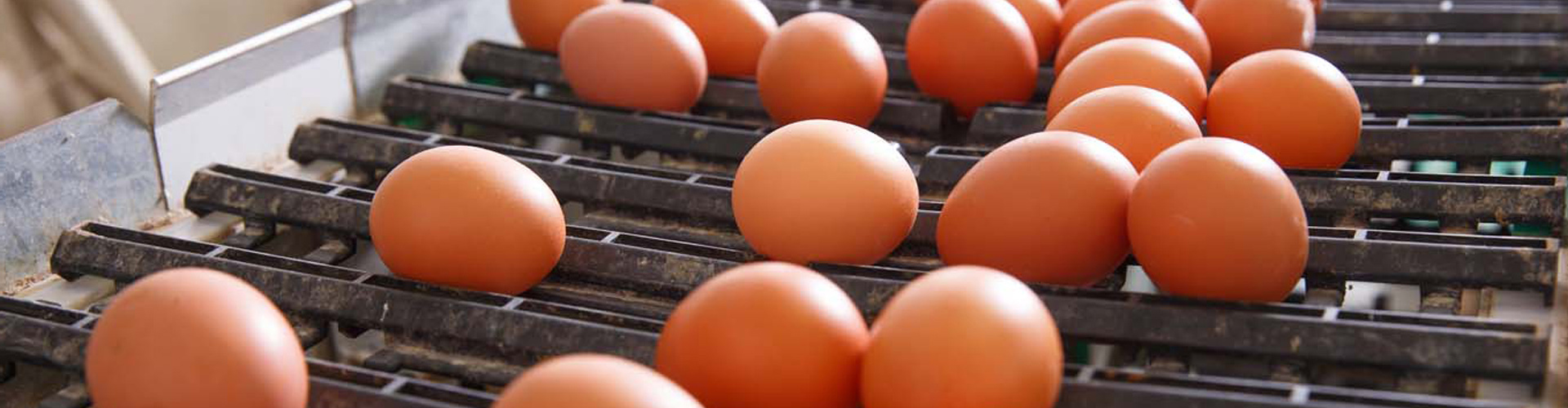
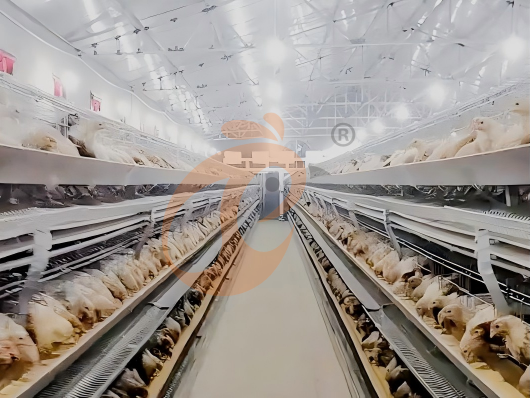
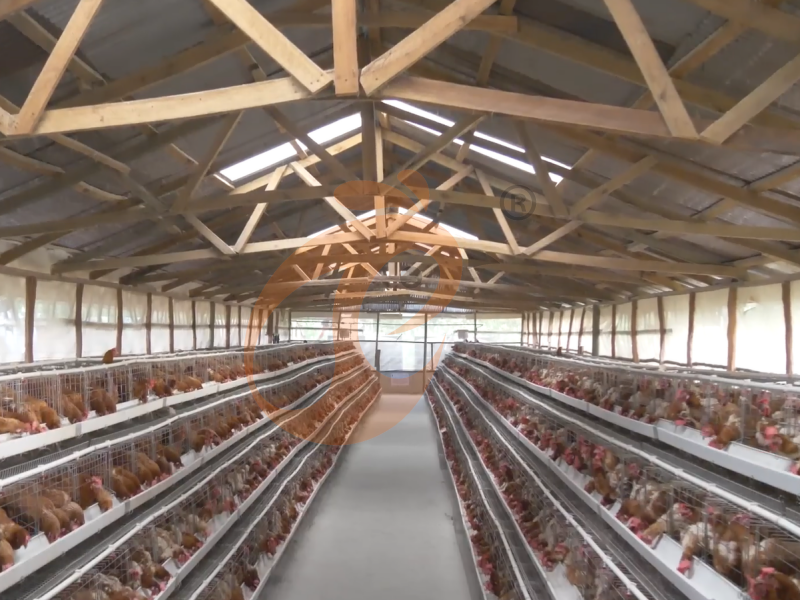
Ethiopian H-type layer management ensures efficient egg collection and consistent production in high-density systems.
Optimizing egg collection in Ethiopia reduces breakage and improves poultry farm profitability.
Poultry cage efficiency Ethiopia involves correct cage design, floor slope, and mechanical adjustments.
Nutrition, climate, and lighting are crucial for maximizing egg output in commercial layers.
Local resources like Derba limestone can be used to reduce feed costs while maintaining shell quality.
Regular maintenance of collection belts and transfer fingers prevents egg loss and mechanical failures.
Monitoring quality metrics ensures eggs meet market standards in Addis Ababa and other regions.
Accurate data tracking allows Ethiopian farms to measure performance and optimize production effectively.
Get professional poultry farm construction guidance, equipment selection solutions, and the latest price lists, whatsApp to +8618830120193, click to learn more:

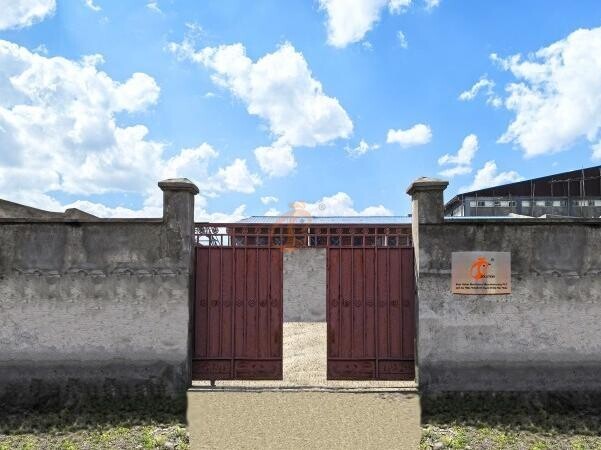
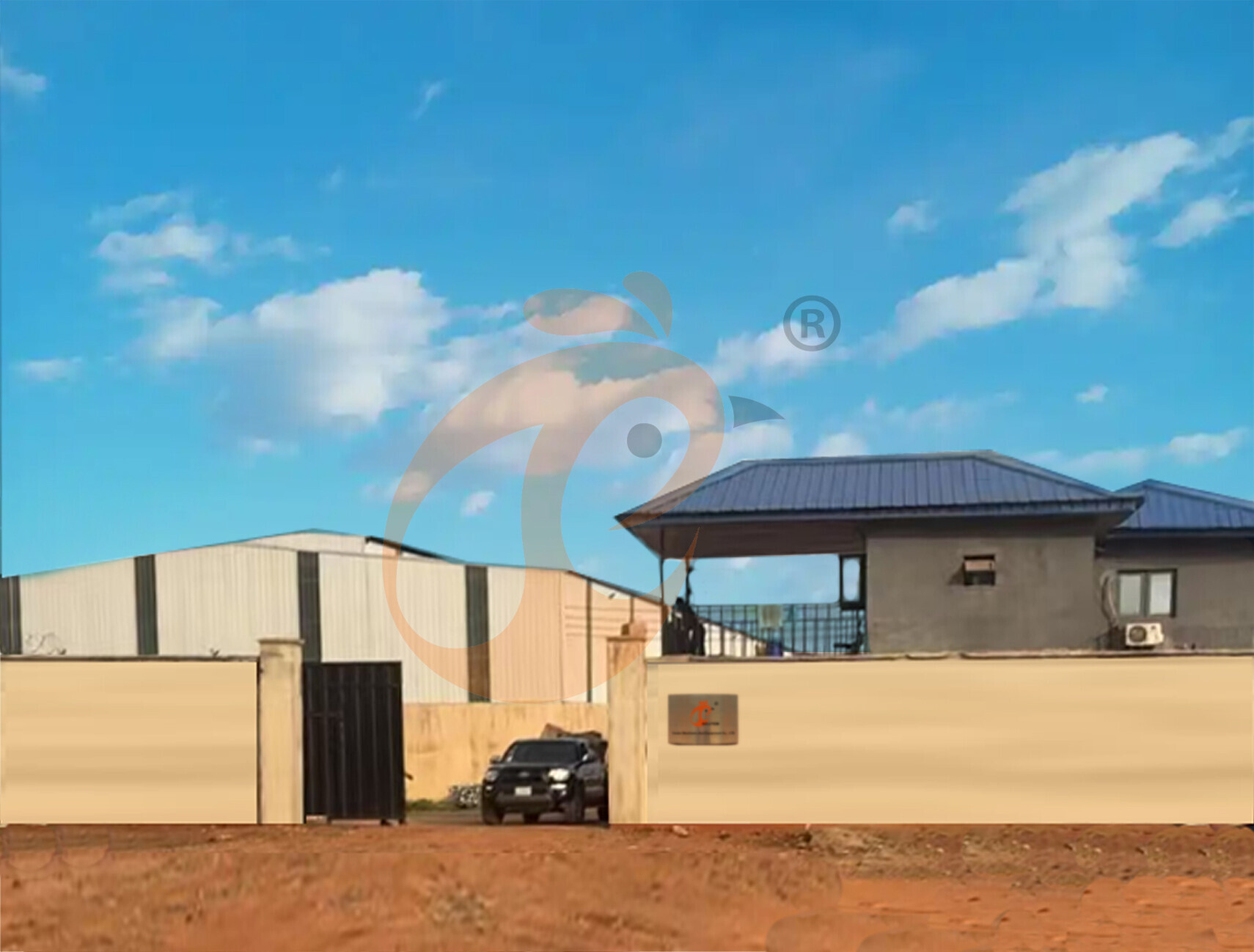
Ethiopia Branch Office And Factory Of Poultry Farm Equipment
Precise Calibration Of Cage Floor Geometry
In the H-type system, the gravity-assisted roll is the first step of collection.
In Ethiopia, temperature-induced metal expansion in non-insulated sheds can warp cage floors over time.
If the floor is too flat, eggs remain under the hens' feet; if too steep, the impact at the collection belt causes hairline fractures.
Maintaining a precise 7-degree inclination is the industry benchmark for commercial layers.
This angle ensures enough kinetic energy for the egg to move without exceeding the structural limit of the shell upon arrival at the buffer.
Data is for reference only. Swipe horizontally to view full table.
Regular checks using a digital clinometer are essential.
In regions like Modjo, where humidity fluctuates, ensuring the floor wires remain taut prevents ''sagging pockets'' where eggs can pool and be stepped on by the birds.
Strategic Calcium Management For Shell Resilience
The Ethiopian feed market often suffers from variability in limestone quality.
Soft-shell eggs are a primary cause of collection failure in H-type systems, as these eggs break on the belt, creating a sticky residue that traps subsequent clean eggs.
To combat this, the particle size of calcium is as important as the volume.
Large-particle limestone (2.0–4.0 mm) acts as a slow-release reservoir in the gizzard, particularly during the nocturnal shell-forming phase when the bird cannot feed.
Data is for reference only. Swipe horizontally to view full table.
Utilizing local Ethiopian resources like Derba limestone or processed bone meal from the Addis Ababa abattoirs can reduce costs.
However, these must be laboratory-tested for calcium carbonate purity to ensure they meet the requirements of high-yielding H-type layers.
Climate Stabilization In Multi-Tier Vertical Systems
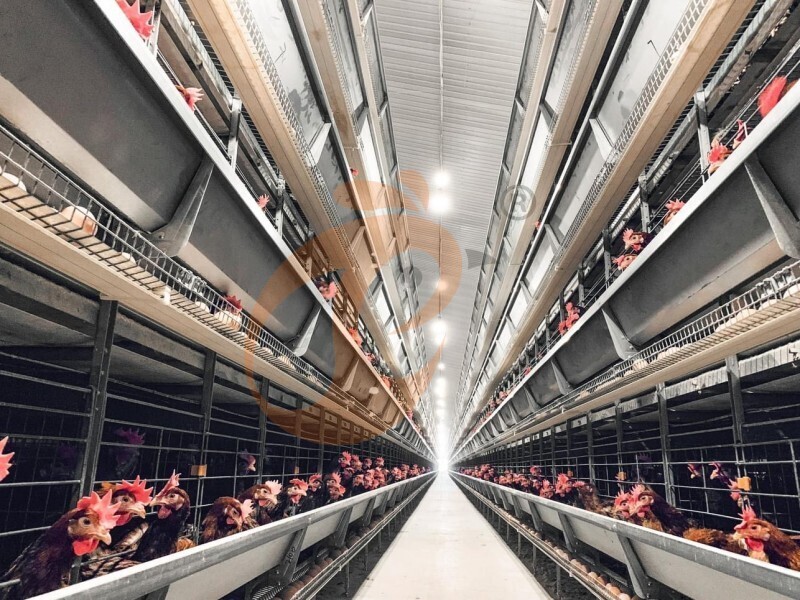
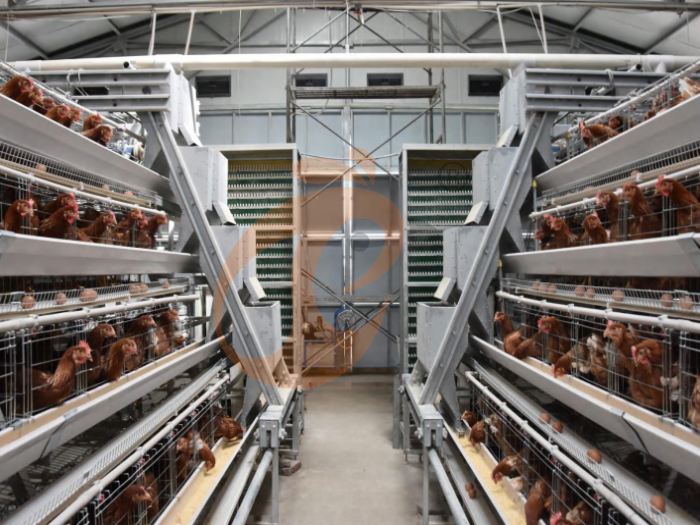
H-type cages in Ethiopia are often stacked 4 to 16 tiers high.
This creates a ''vertical micro-climate'' where the top tiers are significantly warmer than the bottom.
Heat stress causes layers to pant, leading to respiratory alkalosis.
When a bird pants, it loses CO₂, which shifts the blood pH and reduces the concentration of calcium ions (Ca²⁺) available for the shell.
This results in thin shells that cannot survive the mechanical journey of the automatic collection belt.
Data is for reference only. Swipe horizontally to view full table.
Synchronized Lighting For Optimized Collection Cycles
Efficiency in H-type systems is achieved when the majority of eggs are laid within a specific window.
This reduces the energy consumption of the collection belts a critical factor given the power reliability challenges of the Ethiopian Electric Utility (EEU).
A precise 16-hour light schedule, supplemented by LED systems, encourages birds to lay in the early morning.
This allows the collection belts to run at peak efficiency, reducing the time eggs sit on the wire where they are exposed to dust and potential pecking.
Data is for reference only. Swipe horizontally to view full table.
Maintenance Of The Mechanical Transfer Chain
The final method involves the maintenance of the collection belts and transfer ''fingers.''
In Ethiopia's dusty environment, particularly during the dry ''Bega'' season, fine particulate matter accumulates on the belts, causing them to slip or track unevenly.
Misaligned belts create ''pinch points'' where eggs are crushed.
Furthermore, the friction from dust can increase the motor's power draw, leading to premature mechanical failure.
Automated H-type chicken cages save 70-90% labor compared to manual systems.
Data is for reference only. Swipe horizontally to view full table.
Performance Benchmarking And Quality Control
To measure the success of these five methods, Ethiopian poultry managers must track specific Key Performance Indicators (KPIs).
The H-type system is a data-driven environment; without tracking, optimization is impossible.
Quality is determined not just by the number of eggs, but by their marketability.
In Ethiopia, where the cold chain is still developing, the ''Haugh Unit'' (freshness) and shell thickness are the gold standards for commercial success.
Data is for reference only. Swipe horizontally to view full table.
Frequently Asked Questions
Q1: Is H-type chicken cage suitable for Ethiopian poultry farms?
A1: Yes, H-type cages are suitable in Ethiopia. Proper floor slope and ventilation prevent egg breakage even in high-altitude conditions.
Q2: How can egg collection optimization Ethiopia reduce losses?
A2: Using precise calcium management, synchronized lighting, and mechanical maintenance reduces broken eggs and improves profitability locally.
Q3: What climate adjustments are needed for poultry cage efficiency Ethiopia?
A3: Multi-tier fans and tunnel ventilation balance top and bottom temperatures, preventing heat stress and soft-shell eggs in Ethiopian environments.
Ethiopia Best Hebei Machinery Manufacturing Plc - One Of Ethiopia Largest Chicken Cage Manufacturer
HB BEST provides global factory direct sales for all poultry farm equipment and related supplies.
The company offers high-quality poultry cages designed for efficiency in commercial H-type systems.
HB BEST specializes in turn-key engineering projects for large-scale layer farms in Ethiopia.
Their technical team ensures installation, maintenance, and operation guidance for poultry cage systems.
They provide full support for local Ethiopian farms including feed optimization and egg collection efficiency solutions.
Contact Us To Received Your Customized Poultry Farm Plan
Headquarters And Branchs

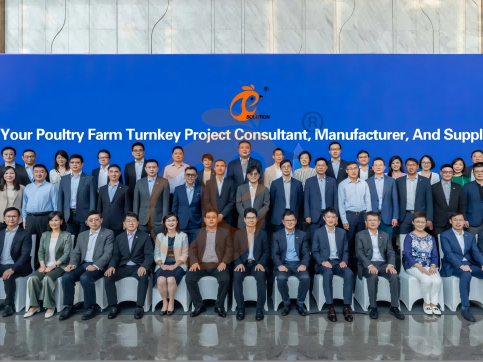
Hong Kong Headquarter Management Team
Hong Kong Headquarter Taiyu Industrial Group CO., LTD
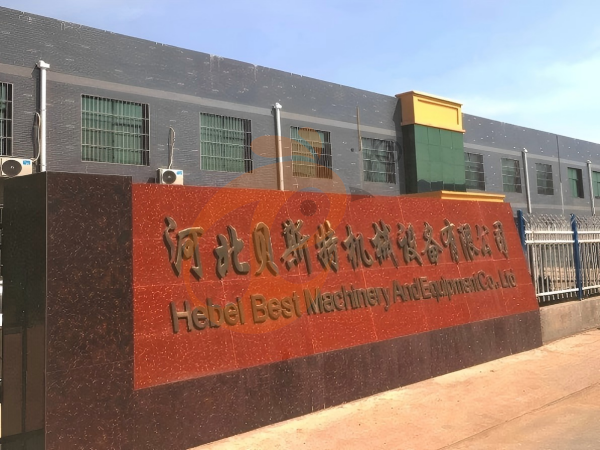
China Hebei Best Machinery And Equipment CO., LTD
Nigeria Vanke Machinery And Equipment CO., LTD
Tanzania Best Machinery And Equipment CO., LTD
Ethiopia Best Hebei Machinery Manufacturing PLC
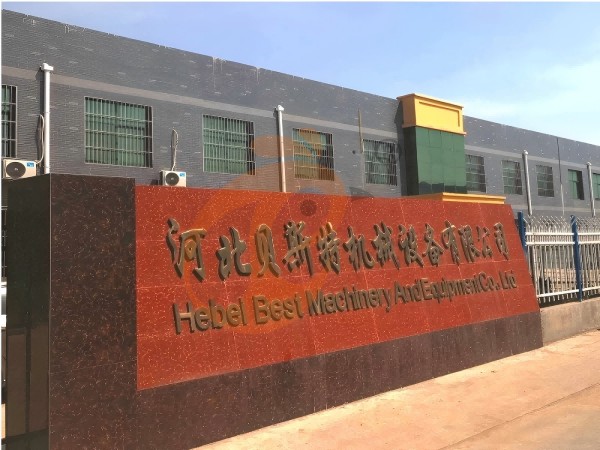
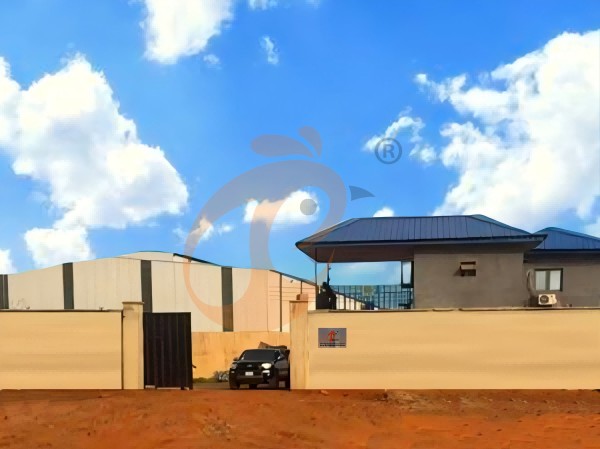
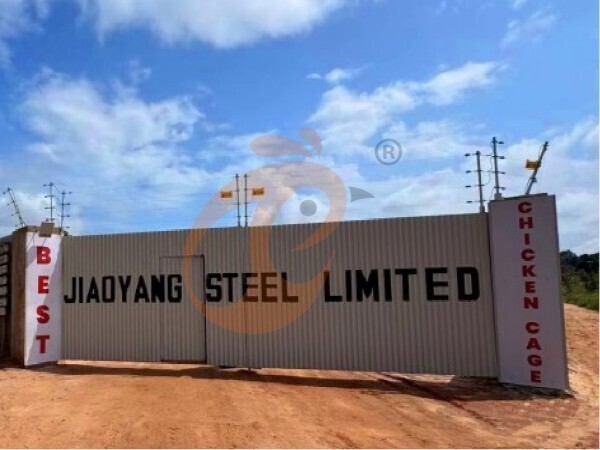
Reception /24 WhatsApp NO. : +8618830120193
FAQ
What Are The Recommended Stocking Densities For H-Type Chicken Cage?
Multi-tier: 4–16 levels
Farm capacity per house: 30,000 - 100,000+0 birds
Floor space saved: 3–4 times
Labor savings: 70-90%
How To Optimize Feeding Behavior In H-Type Layer Cage System?
Provide enough feeders per tier
Adequate water points
FCR reduced to 1.9–2.1
Egg production rate: 90-98%
Message
Products recommended
 HK Headquarter Offers EU-standard Poultry Farm Solutions, Manufacture Poultry Farm Equipment1. Continuous communication with the EU and the US
2. China, Nigeria, Ethiopia, Tanzania branch companies and factories
3. The products’ quality is customized for local poultry farms
4. Poultry cage and poultry farm equipment stock for sale
5. 24 online reception Whatsapp NO. : +8618830120193,contact us to get full informationRead More China Branch Offer Poultry Farm Business Plan, Manufacture Poultry Farm Equipment1. Address: Flat/RM 2416, 24/F, Runxing Building, Youyi Nan Street, Shijiazhuang City, Hebei Province, China
2. Poultry cage and poultry farm equipment factory and stock for sale
3. Customized for local poultry farms
4. Quality and design are based on Euro
5. 24 online reception Whatsapp NO. : +8618830120193Read More Nigeria Branch Offer Poultry Farm Business Plan, Manufacture Poultry Farm Equipment1. Address: After Sinoma Office, 200 Meters Near Danco Filling Station, Lagos/Ibadan Expressway, Lagos State, Nigeria
2. Poultry cage and poultry farm equipment factory and stock for sale
3. Customized for Nigerian poultry farms
4. Quality and design are based on Euro
5. 24 online reception Whatsapp NO. : +8618830120193Read More Ethiopia Branch Offer Poultry Farm Business Plan, Manufacture Poultry Farm Equipment1. Address: Gelan Gura, Akaki-kaliti Sub City, Addis Ababa, Ethiopia
2. Poultry cage and poultry farm equipment stock for sale
3. Customized for Ethiopian poultry farms
4. Quality and design are based on Euro
5. 24 online reception Whatsapp NO. : +8618830120193, contact us to get price listRead More Tanzania Branch Offer Poultry Farm Business Plan, Manufacture Poultry Farm Equipment1. Address: No.8, Sova Road, Msufini, Mlandizi, Kibaha, Pwani, Tanzania
2. Poultry cage and poultry farm equipment factory and stock for sale
3. Customized for Tanzanian poultry farms
4. Quality and design are based on Euro
5. 24 online reception Whatsapp NO. : +8618830120193Read More Fully Automatic H Type Layer Chicken Cage1. 30,000-100,000+ layers/house chooses it, Poultry farmers can achieve an egg production rate of 96-98%
2. A significant improvement over the 85-90% typically seen in manual systems
3. A typical poultry farm can expect a 30-40% reduction in labor costs due to the automation
4. Each feeding line efficiently supplies feed to around 100,000 hens per 30 mins
5. Reception /WhatsApp NO. : +8618830120193Read More Fully Automatic A Type Layer Chicken Cage1. 10,000-50,000 layers/house chooses it
2. Cleaner egg collection reduces breakage by 0.5%
3. Improved hygiene helps reduce mortality rate to <3%
4. 1–2 technicians can handle 15,000–30,000 birds
5. Reception /WhatsApp NO. : +8618830120193Read More Semi Automatic H Type Layer Chicken Cage1. 1,00-20,000 layers/house chooses it
2. Nipple drinkers flow 30–60 ML / min
3. Hot-dip galvanized (typical coating ≥ 275 g/m²)
4. Reduce ammonia by ~ 35–40%
5. Reception /WhatsApp NO. : +8618830120193Read More Semi Automatic A Type Layer Chicken Cage1. 1,00-20,000 layers/house chooses it, no rust for 10 years, no deformation for 15 years
2. Chickens live comfortably, you can raise them with peace of mind
3. Save water, save money—efficiency you can measure
4. Improve environment quality, and increase egg production rate
5. Reception /WhatsApp NO. : +8618830120193Read More
By clicking 'Allow All', you agree to the storage of cookies on your device to enhance site navigation, analyze site usage and assist with our marketing efforts.