


Blog
- Nipple drinkers support efficient poultry watering, while 24-hour availability keeps daily management consistent across commercial houses.
A poultry nipple drinker system connects water control, filtration, inspection, and replacement planning into one maintenance strategy.
Automatic poultry drinker design can reduce avoidable labor through modular servicing, accessible components, and organized troubleshooting.
Practical maintenance routines address leakage, contamination, installation variation, recurring faults, spare-parts control, and equipment lifecycle management.
- Technical equipment selection creates measurable commercial value, especially across 42-day production cycles, 100-meter houses, and expanding poultry operations.
Get professional poultry farm construction guidance, equipment selection solutions, and the latest price lists, whatsApp to +8618830120193, +2348111199996, or click to learn more.
Nipple Drinker Selection Parameters
Data is for reference only.Swipe horizontally to view full table.
Control Water Quality Before It Reaches The Nipple
Maintenance equation cleaner inlet water + correct filtration + scheduled flushing = fewer blocked drinking points.
For commercial poultry operations, filtration should be treated as the first mechanical defense of the nipple drinker, with inspection records maintained across 7-day service intervals.
A farm processing 25,000 birds should establish a defined cleaning routine rather than waiting for reduced water output to reveal contamination.
Sediment, biofilm, and mineral deposits can gradually affect internal components and increase labor requirements during a 42-day production cycle.
Filtration Configuration
Data is for reference only.Swipe horizontally to view full table.
Standardize Installation Instead Of Repairing Variations
Installation checklist
- Confirm nipple drinker line alignment before tightening fittings.
- Secure every poultry nipple drinker system against movement during flock activity.
- Position regulators where technicians can reach them within 3 minutes without entering restricted areas.
- Mark each independent line for faster fault identification across 18 lines.
- Keep replacement nipples and seals organized according to fitting type.
- Record installation changes immediately after commissioning.
A well-organized system also supports easier expansion, with a 2.4-meter equipment bay providing practical working space for routine inspection.
Prevent Leakage With Correct Nipple Adjustment
Leakage is often a small mechanical problem that becomes a significant operating expense through wet litter, wasted water, and additional house management.
A nipple drinker system serving 15,000 birds should be adjusted according to bird age and drinking behavior rather than using one setting throughout the production cycle.
Correct adjustment helps protect equipment while supporting stable water access during 24-hour operation.
Operating Adjustment Data
Data is for reference only.Swipe horizontally to view full table.
Turn Inspection Into A 10-Minute Diagnostic Routine
Minute 1–2: inspect the regulator and visible fittings on the nipple drinker line.
Minute 3–4: examine the first drinking points for abnormal dripping.
Minute 5–6: check the middle section for uneven water delivery.
Minute 7–8: inspect the terminal section and drain condition.
Minute 9: record abnormalities by line number.
Minute 10: isolate components requiring corrective work.
For a 100-meter waterline, this routine creates a practical early-warning system before minor faults become broader maintenance events.
Recording observations at the same time each day also makes changes easier to identify across 3 production checkpoints.
Replace Wear Parts According To Evidence, Not Guesswork
A maintenance team should distinguish between inspection, cleaning, adjustment, and replacement when servicing a poultry nipple drinker.
Replacing every nipple at the same time may increase material consumption, while delaying replacement of damaged sealing components can increase water waste and litter-management costs.
A better approach is to define measurable replacement triggers and maintain a small stock of compatible spare parts.
Wear-Part Service Reference
Data is for reference only.Swipe horizontally to view full table.
Use Data To Identify Repeat Failures
A recurring fault is rarely an isolated fault in a nipple drinker system.
If the same nipple position fails repeatedly, the cause may be installation stress, water chemistry, line movement, or an upstream issue.
A farm operating 30 waterlines can create a simple maintenance record that connects each failure with its location, component type, and corrective action.
This turns maintenance history into an equipment-improvement tool across multiple production cycles.
Maintenance Record Structure
Data is for reference only.Swipe horizontally to view full table.
A useful maintenance database can also compare different house sections.
For example, if one section records 6 service events during a production cycle while another records 2, the difference becomes a clear signal for technical inspection.
Make Spare Parts Part Of The Equipment Package
Spare-parts management should begin when the nipple drinker system is purchased, not after the first failure.
A poultry equipment supplier can provide a defined replacement kit matched to the installed nipple model, connection type, and waterline design.
This reduces the risk of technicians installing incompatible parts during urgent repairs within a 15-minute response target.
Recommended service-kit structure
- Nipple assemblies for immediate replacement.
- Matching sealing elements.
- Compatible connectors.
- End-line components.
- Cleaning accessories.
- Identification labels.
- Maintenance instructions.
For a farm with 20,000 birds, keeping the service kit in a dedicated maintenance cabinet also reduces time spent searching for small components.
Compare The Cost Of Prevention With The Cost Of Failure
Scenario: A nipple drinker line develops intermittent leakage.
Reactive approach: wait for wet litter, investigate the affected area, remove the defective component, source a replacement, and perform a second inspection.
Preventive approach: identify the abnormal nipple during routine inspection, replace the worn sealing element, verify the connection, and record the event.
The second approach changes maintenance from a disruption into a scheduled task.
For equipment suppliers, easy-access components, standardized fittings, and replaceable wear parts allow farms to complete routine service without dismantling the complete line.
European union standard reference only.
Engineering Design Should Reduce Technician Work
The best automatic poultry drinker does more than deliver water; equipment should also make correct maintenance easier.
A system designed around modular components allows operators to isolate individual problems instead of replacing large assemblies.
For a house with 1,200 nipple positions, even a small improvement in service accessibility can create meaningful labor savings over multiple production cycles.
Equipment Design Features
Data is for reference only.Swipe horizontally to view full table.
Build A Maintenance Schedule Around Production Stages
A practical nipple drinker maintenance plan should follow the flock cycle rather than rely on a single annual inspection.
During brooding, operators should concentrate on correct water delivery and nipple response.
During the growing stage, inspection should shift toward leakage, line stability, and contamination control.
Before house turnover, the complete system can receive a structured cleaning and component review within a 48-hour preparation window.
For a 42-day production cycle, dividing maintenance into clearly defined checkpoints gives technicians a predictable workflow and makes responsibility easier to assign.
Choose A Nipple Drinker System Designed For Lower Lifetime Cost
Maintenance cost is ultimately influenced by the complete equipment system: component quality, installation design, water management, accessibility, spare-parts availability, and technical support.
A reliable supplier should therefore provide more than individual nipples.
The goal is to deliver a coordinated poultry equipment solution that helps producers reduce avoidable service work throughout the equipment lifecycle.
For modern poultry houses, a system supporting 24-hour operation must remain practical for both birds and technicians.
Choosing durable materials, modular construction, precise water control, and service-friendly components gives producers a stronger foundation for predictable operating costs.
Frequently Asked Questions
Q1: What causes frequent nipple drinker maintenance?
A1: Common causes include contamination, installation variation, incorrect adjustment, and delayed replacement of worn components.
Q2: How can a poultry nipple drinker system reduce service labor?
A2 :Modular parts, organized line identification, and scheduled inspections can shorten fault isolation, with routine checks structured around 10-minute diagnostic routes.
Q3: What should farms consider when selecting automatic poultry drinkers?
A3: Material compatibility, service accessibility, water control, spare-parts availability, and complete-house equipment coordination should be evaluated together.
Taiyu (HK) Group - One Of China Largest Nipple Drinker Manufacturer
Nipple drinkers provide controlled poultry water delivery through modular assemblies, supporting commercial houses with 24-hour operation and systematic maintenance.
Global factory-direct supply integrates poultry equipment manufacturing, component matching, quality control, and international project coordination for commercial farms.
Turn-key engineering covers drinking systems, house equipment integration, installation planning, commissioning procedures, and technical documentation.
Poultry equipment projects can be configured for different house lengths, flock capacities, production cycles, and maintenance workflows.
Export-oriented engineering support provides equipment specifications, replacement-part coordination, project communication, and lifecycle service for overseas customers.
Contact Us To Received Your Customized Poultry Farm Plan
Headquarters And Branchs

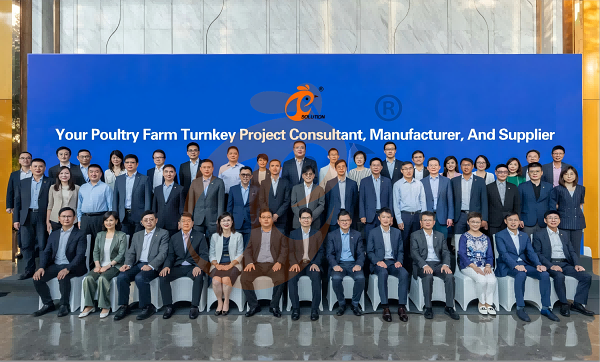
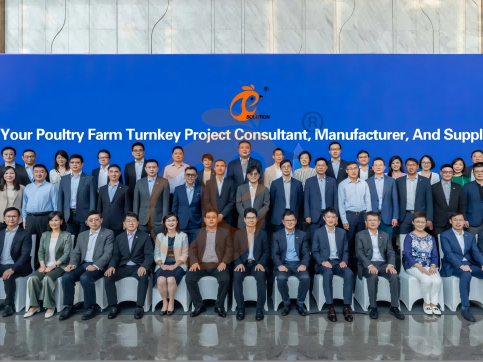
Hong Kong Headquarter Management Team
Hong Kong Headquarter Taiyu Industrial Group CO., LTD
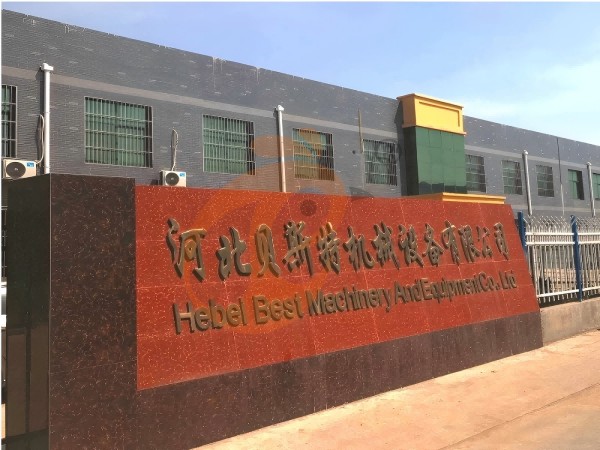
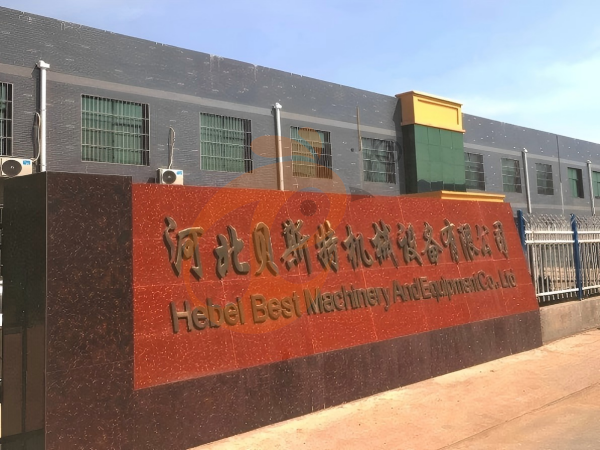
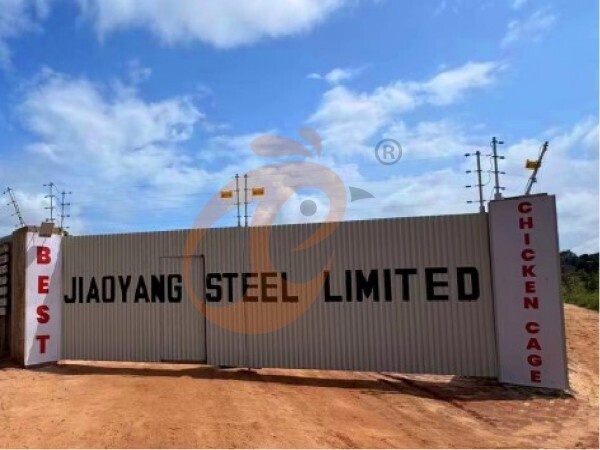
China Hebei Best Machinery And Equipment CO., LTD
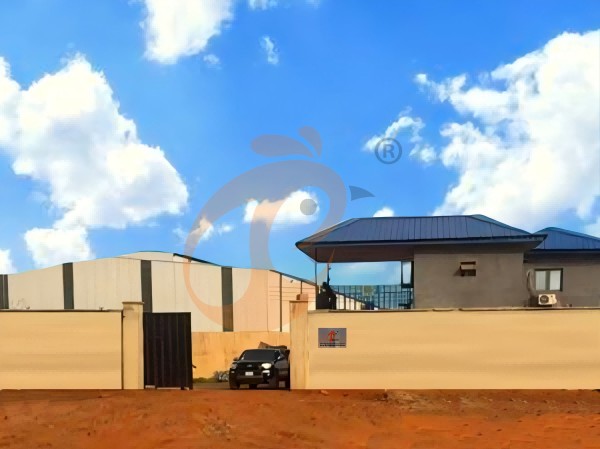
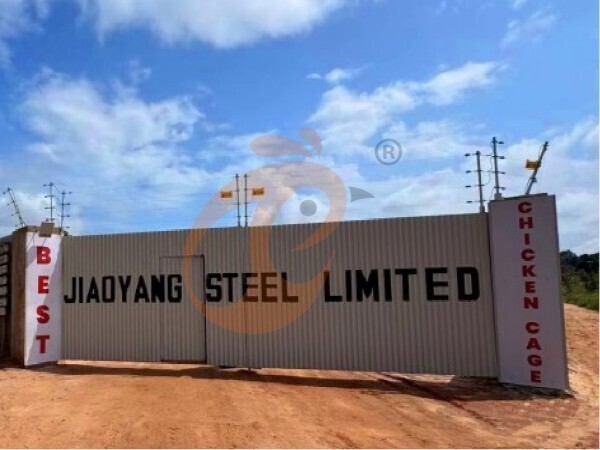
Nigeria Vanke Machinery And Equipment CO., LTD
Tanzania Best Machinery And Equipment CO., LTD
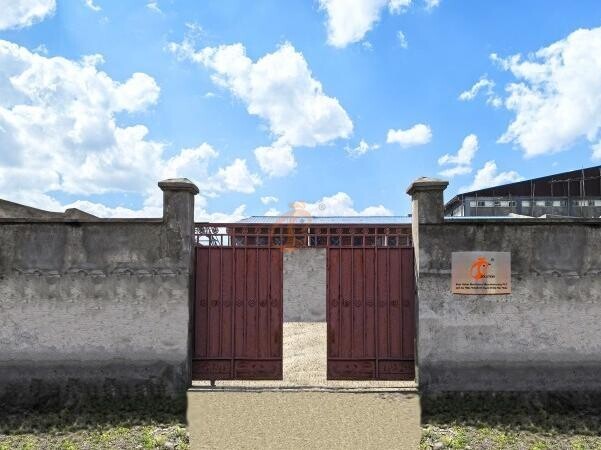
Ethiopia Best Hebei Machinery Manufacturing PLC
Reception /24 WhatsApp NO. : +8618830120193
FAQ
What Water Quality Requirements Are Necessary For Nipple Drinkers In Poultry Chicken Cage Systems?
Water hardness is maintained within 100–150 mg/L CaCO₃ equivalent for valve protection.
Microbial load is controlled under 100 CFU/mL for safe poultry consumption standards.
What Is The Recommended Stocking Ratio For Nipple Drinkers In Poultry Chicken Cage Systems?
Drinker spacing is typically set at 25–30 cm to reduce competition stress.
Water demand allocation is calculated at 180–220 ml per bird daily in intensive production.
How Is Water Flow Regulated In Nipple Drinkers For Poultry Chicken Cage Farming Systems?
Pressure stability is maintained within 0.18–0.22 MPa across drinking lines.
Drop formation interval is adjusted at 1–2 seconds per activation for efficient intake.
Message
Products recommended
 HK Headquarter Offers EU-standard Poultry Farm Solutions, Manufacture Poultry Farm Equipment1. Continuous communication with the EU and the US
2. China, Nigeria, Ethiopia, Tanzania branch companies and factories
3. The products’ quality is customized for local poultry farms
4. Poultry cage and poultry farm equipment stock for sale
5. 24 online reception Whatsapp NO. : +8618830120193,contact us to get full informationRead More China Branch Offer Poultry Farm Business Plan, Manufacture Poultry Farm Equipment1. Address: Flat/RM 2416, 24/F, Runxing Building, Youyi Nan Street, Shijiazhuang City, Hebei Province, China
2. Poultry cage and poultry farm equipment factory and stock for sale
3. Customized for local poultry farms
4. Quality and design are based on Euro
5. 24 online reception Whatsapp NO. : +8618830120193Read More Nigeria Branch Offer Poultry Farm Business Plan, Manufacture Poultry Farm Equipment1. Address: After Sinoma Office, 200 Meters Near Danco Filling Station, Lagos/Ibadan Expressway, Lagos State, Nigeria
2. Poultry cage and poultry farm equipment factory and stock for sale
3. Customized for Nigerian poultry farms
4. Quality and design are based on Euro
5. 24 online reception Whatsapp NO. : +8618830120193Read More Ethiopia Branch Offer Poultry Farm Business Plan, Manufacture Poultry Farm Equipment1. Address: Gelan Gura, Akaki-kaliti Sub City, Addis Ababa, Ethiopia
2. Poultry cage and poultry farm equipment stock for sale
3. Customized for Ethiopian poultry farms
4. Quality and design are based on Euro
5. 24 online reception Whatsapp NO. : +8618830120193, contact us to get price listRead More Tanzania Branch Offer Poultry Farm Business Plan, Manufacture Poultry Farm Equipment1. Address: No.8, Sova Road, Msufini, Mlandizi, Kibaha, Pwani, Tanzania
2. Poultry cage and poultry farm equipment factory and stock for sale
3. Customized for Tanzanian poultry farms
4. Quality and design are based on Euro
5. 24 online reception Whatsapp NO. : +8618830120193Read More Fully Automatic H Type Layer Chicken Cage1. 30,000-100,000+ layers/house chooses it, Poultry farmers can achieve an egg production rate of 96-98%
2. A significant improvement over the 85-90% typically seen in manual systems
3. A typical poultry farm can expect a 30-40% reduction in labor costs due to the automation
4. Each feeding line efficiently supplies feed to around 100,000 hens per 30 mins
5. Reception /WhatsApp NO. : +8618830120193Read More Fully Automatic A Type Layer Chicken Cage1. 10,000-50,000 layers/house chooses it
2. Cleaner egg collection reduces breakage by 0.5%
3. Improved hygiene helps reduce mortality rate to <3%
4. 1–2 technicians can handle 15,000–30,000 birds
5. Reception /WhatsApp NO. : +8618830120193Read More Semi Automatic H Type Layer Chicken Cage1. 1,00-20,000 layers/house chooses it
2. Nipple drinkers flow 30–60 ML / min
3. Hot-dip galvanized (typical coating ≥ 275 g/m²)
4. Reduce ammonia by ~ 35–40%
5. Reception /WhatsApp NO. : +8618830120193Read More Semi Automatic A Type Layer Chicken Cage1. 1,00-20,000 layers/house chooses it, no rust for 10 years, no deformation for 15 years
2. Chickens live comfortably, you can raise them with peace of mind
3. Save water, save money—efficiency you can measure
4. Improve environment quality, and increase egg production rate
5. Reception /WhatsApp NO. : +8618830120193Read More
By clicking 'Allow All', you agree to the storage of cookies on your device to enhance site navigation, analyze site usage and assist with our marketing efforts.