


Blog
- Broiler chicken cage system selection affects capacity, labor efficiency, equipment integration, and project cost across farms ranging from 5,000 to 50,000 birds, with house areas commonly reaching 500–2,000 m².
Standard layouts support predictable installation, while a custom broiler chicken cage system can optimize unusual house dimensions with 2–4 equipment rows and approximately 450–600 mm service aisles.
Automatic feeding and drinking equipment can reduce repetitive labor by approximately 30–50% under suitable management conditions, with feeding lines commonly extending 20–60 m.
Manure removal, ventilation, and environmental equipment create coordinated production workflows with 12–24-hour continuous operating capability and scheduled equipment inspection intervals.
- Professional poultry equipment engineering connects cage design, automation, installation, and expansion planning into one practical investment strategy for projects using 2–6 production houses.
Get professional poultry farm construction guidance, equipment selection solutions, and the latest price lists, whatsApp to +8618830120193, +2348111199996, or click to learn more.
Start With Your Farm, Not The Cage
Core question
Choosing a broiler chicken cage system should begin with one question: What does your farm actually need?
A standard broiler chicken cage system offers a proven configuration, straightforward installation, and predictable investment for houses around 8–15 meters wide and 30–100 meters long.
A custom broiler chicken cage system is engineered around poultry house size, flock capacity, equipment layout, labor conditions, and future expansion plans, with cage positioning adjusted to structural dimensions within approximately 50 mm installation tolerance.
For a professional poultry equipment supplier, the goal is not simply to sell cages but to provide an integrated broiler chicken cage system improving feeding efficiency, drinking management, manure handling, and daily operation through coordinated 2–3 equipment modules.
Standard Broiler Cage Systems: What Do You Get?
Data is for reference only.Swipe horizontally to view full table.
A standard broiler chicken cage system is an efficient starting point for farms wanting proven poultry equipment with installation commonly completed within 15–30 days.
Automatic feeding lines and nipple drinking systems can form a practical automatic poultry feeding system package while supporting cage-house operation across 4–8 rows.
Picture The Daily Farm Routine
Scenario A — manual workflow
Imagine two broiler houses with similar flock capacity and approximately 10,000 birds per house.
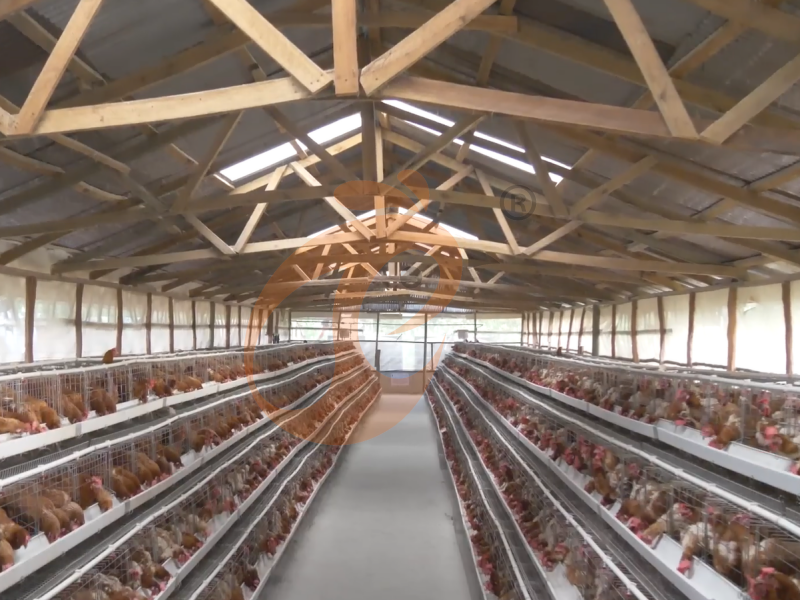
House A: Workers carry feed, check drinking points manually, spend hours handling manure, and repeatedly adjust the house environment, with each inspection round taking approximately 20–40 minutes.
Scenario B — integrated workflow
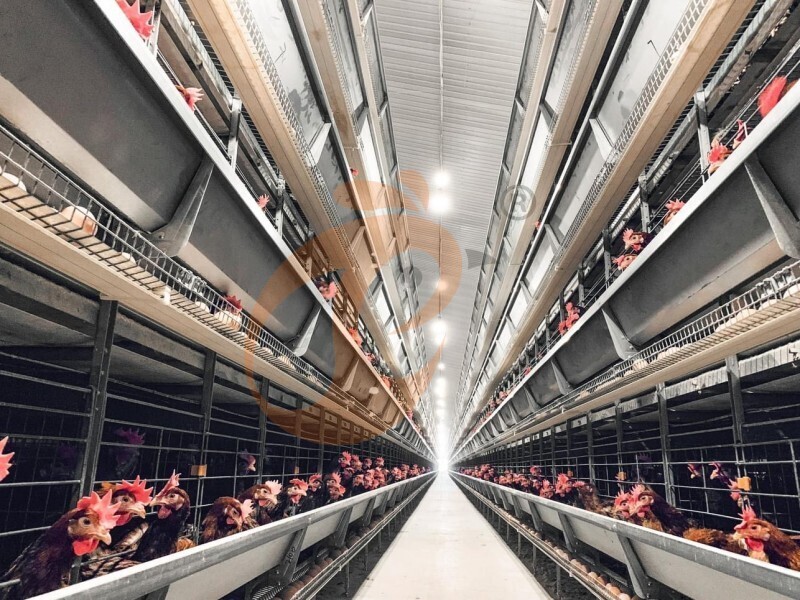
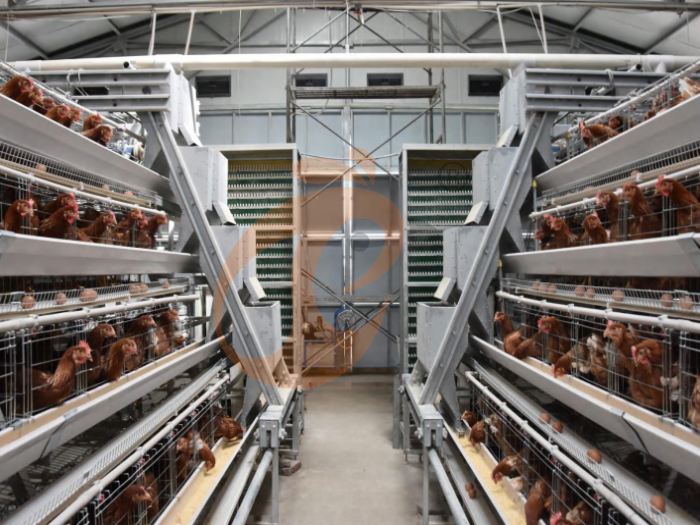
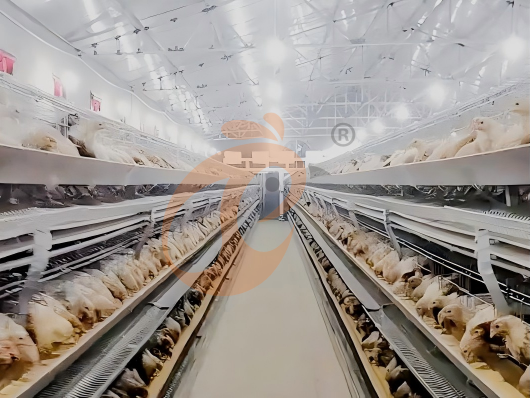
House B uses a broiler chicken cage system with automatic feeding lines, nipple drinkers, and a poultry manure removal system to reduce repetitive handling across 8–12 cage rows, with daily operating checks organized around fixed equipment points.
Which farm gives workers more time to focus on flock observation and equipment inspection?
The answer is built into the equipment design.
A properly configured broiler chicken cage system can connect cages, automatic feeding, drinking, manure removal, ventilation, and environmental control into one coordinated workflow, with electrical control cabinets typically arranged within 5–15 meters of the main equipment zone.
Standard Vs Custom: The Core Differences
Data is for reference only.Swipe horizontally to view full table.
Standard does not mean basic, and custom does not mean complicated.
The difference is how closely a broiler chicken cage system matches the farm, especially where house width ranges from 8–15 meters and roof clearance exceeds approximately 3 meters.
If the poultry house already has suitable dimensions and structure, a standard broiler chicken cage system may provide excellent value with 2–3 core automation options and a planned service corridor of approximately 0.6–1.0 meters.
When Should You Choose Customization?
Ask yourself
- Does the poultry house have unusual dimensions between 8 and 15 meters wide, with roof heights above 3 meters?
- Are existing columns, doors, or ventilation openings affecting the broiler chicken cage system layout, with structural obstacles positioned at intervals below 6 meters?
- Is maximum cage capacity required within a fixed building area of 500–2,000 square meters, with production targets above 20,000 birds?
- Are automatic feeding, drinking, and a poultry manure removal system required for the project, with daily feeding requirements exceeding 1,000 kg?
- Will the farm expand from 10,000 to 30,000 birds during future phases, requiring additional equipment installation within 12–24 months?
If several answers are "yes," customized engineering deserves serious consideration.
Our engineering team can evaluate house dimensions and develop a broiler chicken cage system around the actual site, coordinating cage rows, aisles, feeding lines, drinking lines, and manure belts with approximately 50–100 mm positioning adjustments.
Where Does Your Budget Go?
Data is for reference only.Swipe horizontally to view full table.
Price should never be the only purchasing criterion for a broiler chicken cage system.
A cheaper cage may become expensive if additional labor increases by 2–4 workers per shift or valuable house space remains unused.
Instead, evaluate total cost of ownership for the broiler chicken cage system, automatic poultry feeding system, and supporting equipment over a 5–10-year operating period.
Our equipment solutions are designed to reduce repetitive labor, improve workflow, and increase practical space utilization without relying on a single equipment component.
Currency references are based on European union standard reference only.
Automation: The Equipment That Changes Labor
Data is for reference only.Swipe horizontally to view full table.
For modern production, a broiler chicken cage system should be evaluated together with automation rather than as an isolated structure.
An automatic poultry feeding system can distribute feed efficiently along cage rows covering approximately 20–60 meters per line, with drive motors commonly positioned according to line length.
A poultry manure removal system reduces repetitive cleaning requirements while supporting cleaner cage-house operation across 2–4 removal cycles, with belt sections commonly configured around house-length requirements.
Custom Engineering: From Poultry House To Production System
Step 1 — measure
House length, width, height, columns, doors, ventilation openings, and service areas are reviewed before designing the broiler chicken cage system, with survey records covering approximately 10–20 structural dimensions.
Step 2 — calculate
Target flock capacity and equipment requirements are determined using parameters such as house area, cage tiers, and expected bird numbers, with electrical demand calculated according to installed motor quantity.
Step 3 — design
Cage rows, aisles, automatic poultry feeding system lines, drinking lines, manure systems, and environmental equipment are coordinated into one layout, with equipment clearance generally maintained at approximately 600–1,000 mm.
Step 4 — manufacture
Equipment is produced according to confirmed technical drawings, with steel components and mechanical assemblies prepared for the specified broiler chicken cage system, including component identification for field assembly.
Step 5 — install & commission
The complete system is installed, tested, and prepared for operation, with commissioning commonly covering 1–3 working days per major equipment group and electrical testing completed before flock placement.
Which System Fits Different Farms?
Data is for reference only.Swipe horizontally to view full table.
There is no universal best broiler chicken cage system.
The better question is which system provides the best balance of capacity, labor efficiency, investment, and future flexibility for a house of approximately 500–2,000 square meters and a target flock of 10,000–100,000 birds.
A standard broiler chicken cage system is often the smart choice when conditions are conventional, while custom engineering becomes more valuable when building constraints or production targets increase beyond standard layouts.
What Makes A Reliable Equipment Supplier?
Data is for reference only.Swipe horizontally to view full table.
Do not judge a broiler chicken cage system supplier by the cage alone.
A strong supplier should provide a complete poultry equipment package, technical drawings, project planning, installation guidance, commissioning support, and after-sales service, with project documentation typically covering 20–50 technical items.
Integrated equipment coordination can reduce interface problems between cages, automatic poultry feeding system components, and manure equipment across projects with 2–6 production houses.
The Smart Buyer's Checklist
Check the equipment
What are the cage materials, structure, feeding components, drinking system, and manure-removal configuration for the proposed broiler chicken cage system, including component quantities and motor specifications?
Check the design
Does the supplier provide professional drawings based on actual poultry house dimensions, including approximately 8–15 meter building widths and 30–100 meter building lengths?
Check the automation
Can the broiler chicken cage system integrate automatic feeding, drinking, manure removal, ventilation, and environmental control with a centralized electrical cabinet?
Check the service
Does the supplier provide installation guidance, commissioning support, spare parts, and technical assistance within 24–72 hours when required?
Check the future
Can the broiler chicken cage system be expanded or upgraded when flock capacity increases from 10,000 to 30,000 birds within a planned second-stage project?
The right supplier should provide a production solution rather than a collection of disconnected equipment.
Ready To Build A More Efficient Broiler House?
Data is for reference only.Swipe horizontally to view full table.
Standard or custom?
If the poultry house follows conventional dimensions and requires a reliable, cost-effective broiler chicken cage system, a standard configuration provides a practical path to modern production.
If building dimensions, capacity targets, automation requirements, or expansion plans are more complex, a customized broiler chicken cage system can be engineered around the farm.
Broiler cages, automatic poultry feeding system equipment, nipple drinking systems, poultry manure removal systems, ventilation, and environmental controls can be coordinated as one technical package with 5–10 major equipment categories.
Send poultry house dimensions, target flock capacity, and preferred automation level for a project evaluation based on measurable engineering parameters and a project-specific equipment list.
Frequently Asked Questions
Q1: What is the main difference between standard and custom broiler chicken cage systems?
A1: A standard broiler chicken cage system uses proven layouts, while custom systems adjust dimensions, rows, and equipment positions according to buildings typically measuring 8–15 meters wide.
Q2: Can a broiler chicken cage system include automatic feeding and manure removal?
A2: Yes, an integrated broiler chicken cage system can combine automatic feeding and a poultry manure removal system, with configurations commonly supporting 2–4 automated manure cycles.
Q3: How should a farm choose the right cage configuration?
A3: Selection should consider house dimensions, flock capacity, labor availability, automation targets, and expansion plans rather than cage price alone, especially for projects above 10,000 birds.
Taiyu (HK) Group - One Of China Largest Broiler Chicken Cage System Manufacturer
Broiler chicken cage system engineering supports 2–5 tier configurations, galvanized structural components, and project capacities from approximately 10,000 to 100,000 birds.
Global factory-direct supply covers poultry equipment packages, including automatic feeding, nipple drinking, manure removal, ventilation, and environmental-control equipment for 5–10 major system categories.
Turn-key engineering coordinates site measurement, technical drawings, manufacturing, installation, commissioning, and operator guidance through one project structure covering 2–6 production houses.
Poultry equipment projects support commercial farms across different building sizes, production capacities, automation levels, and phased expansion requirements with project layouts prepared before manufacturing.
Factory production and technical service provide equipment integration from initial layout planning through long-term replacement and spare-parts coordination, with technical response arrangements covering 24–72 hours.
Contact Us To Received Your Customized Poultry Farm Plan
Headquarters And Branchs

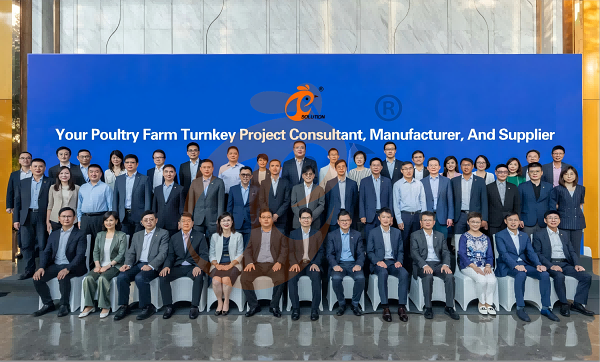
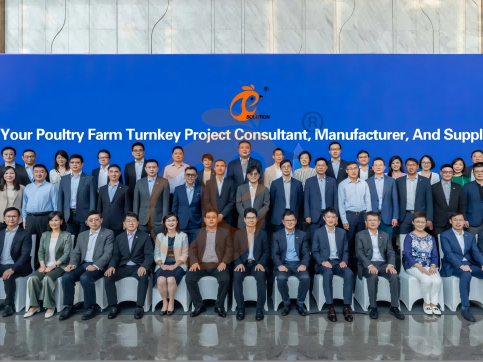
Hong Kong Headquarter Management Team
Hong Kong Headquarter Taiyu Industrial Group CO., LTD
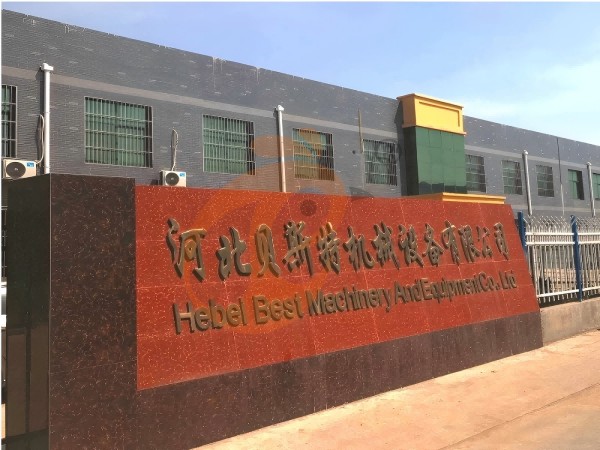
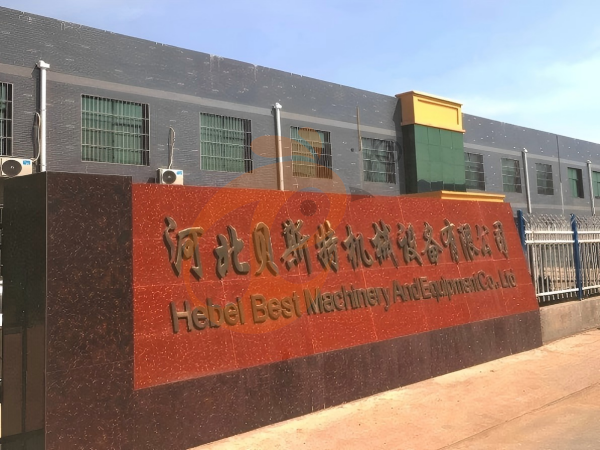
China Hebei Best Machinery And Equipment CO., LTD
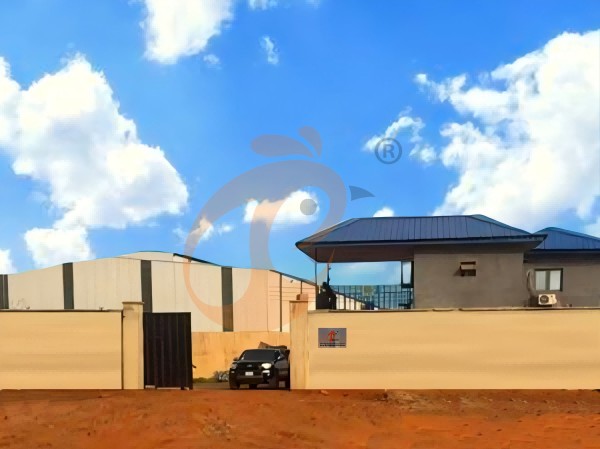
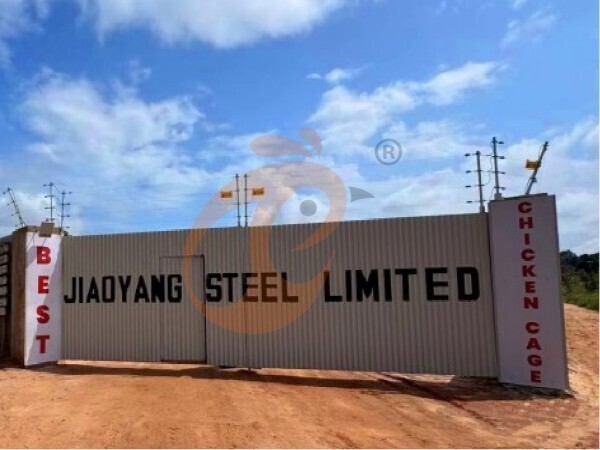
Nigeria Vanke Machinery And Equipment CO., LTD
Tanzania Best Machinery And Equipment CO., LTD
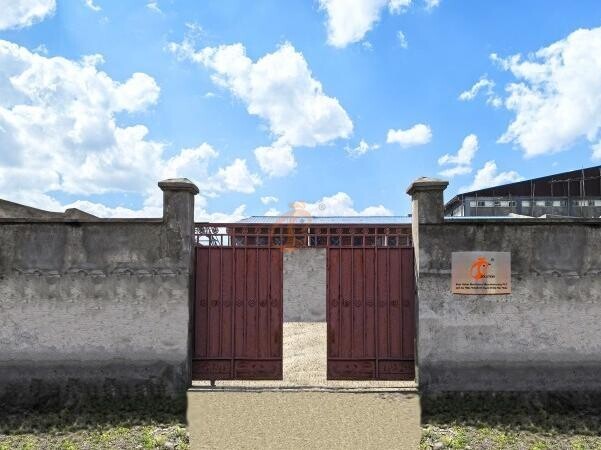
Ethiopia Best Hebei Machinery Manufacturing PLC
Reception /24 WhatsApp NO. : +8618830120193
FAQ
What Cage Structure Options Are Available For Broiler Chicken Cage Systems?
H-type cage systems are configured in 3–12 tiers accommodating 360–1440 birds per set for intensive farming operations.
Structural height ranges from 1.75–10.11 meters maximizing vertical space utilization and housing efficiency.
How Does Stocking Density Affect Broiler Chicken Cage Performance?
H-type systems maintain 500 cm² allocation per bird optimizing housing density and production output.
Bird distribution is balanced at 8 birds per compartment in partitioned cage configurations reducing competition.
Which Cage Dimensions Are Commonly Used In Broiler Chicken Cage Systems?
H-type cage modules measure 3.3 × 1.82 meters providing larger continuous housing sections.
Internal compartment height varies from 40–55 cm ensuring adequate bird activity and ventilation circulation.
- poultry equipment
- chicken cage
- broiler cage
- poultry farm
- feeding equipment
- poultry farm
- poultry farm construction
- poultry equipment supplier
- poultry feeding system
- automatic poultry feeding system
- poultry house
- chicken cage system
- broiler cage system
- chicken cage system manufacturer
- chicken cage system supplier
- poultry manure removal system
- broiler chicken cage
- poultry house dimensions
- Ethiopia
- Nigeria
Message
Products recommended
 HK Headquarter Offers EU-standard Poultry Farm Solutions, Manufacture Poultry Farm Equipment1. Continuous communication with the EU and the US
2. China, Nigeria, Ethiopia, Tanzania branch companies and factories
3. The products’ quality is customized for local poultry farms
4. Poultry cage and poultry farm equipment stock for sale
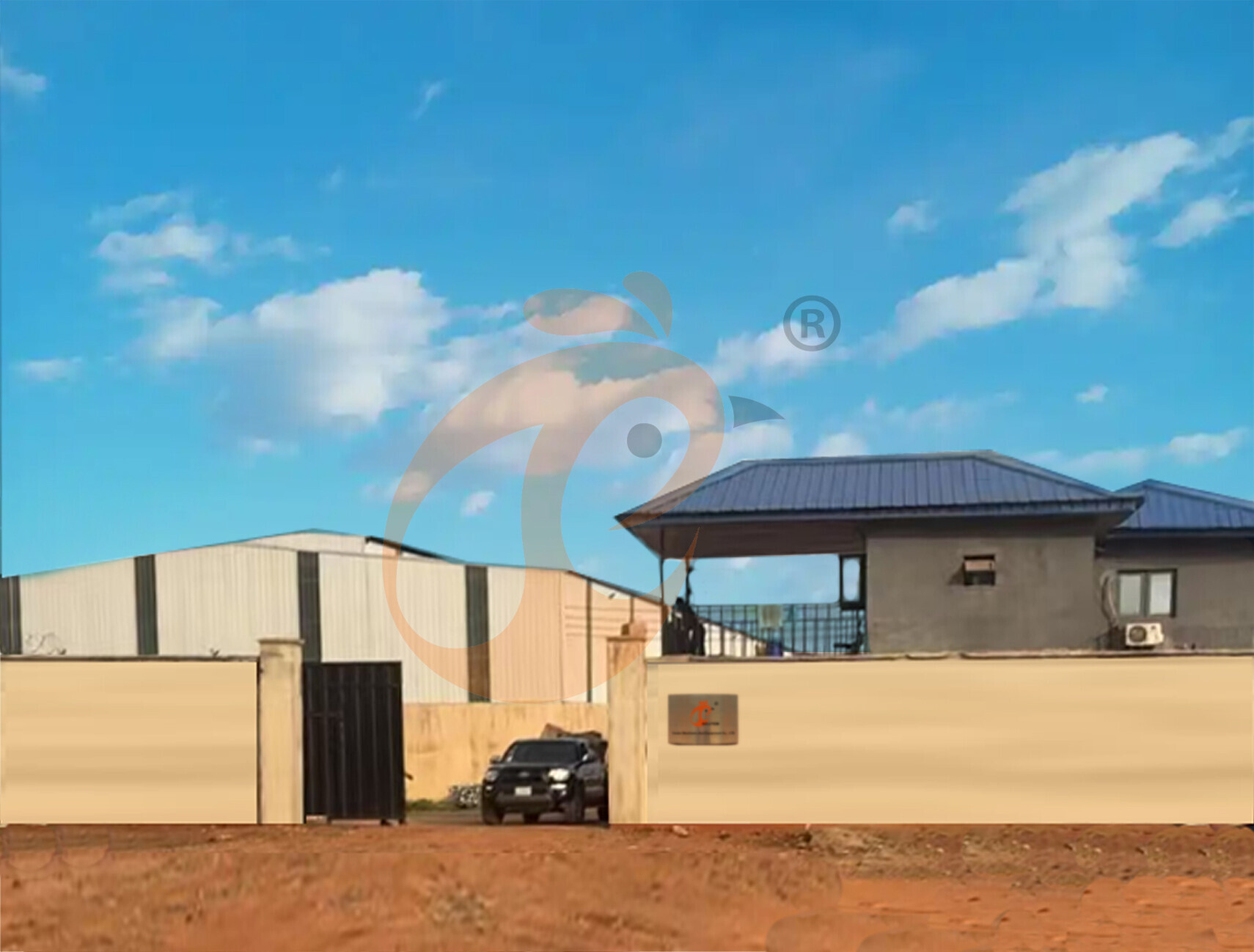
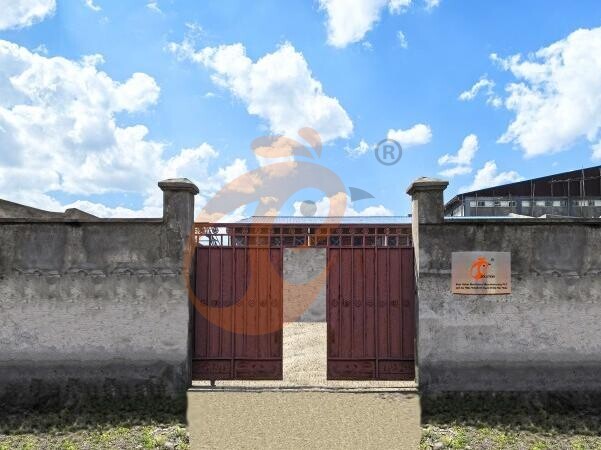
5. 24 online reception Whatsapp NO. : +8618830120193,contact us to get full informationRead More China Branch Offer Poultry Farm Business Plan, Manufacture Poultry Farm Equipment1. Address: Flat/RM 2416, 24/F, Runxing Building, Youyi Nan Street, Shijiazhuang City, Hebei Province, China
2. Poultry cage and poultry farm equipment factory and stock for sale
3. Customized for local poultry farms
4. Quality and design are based on Euro
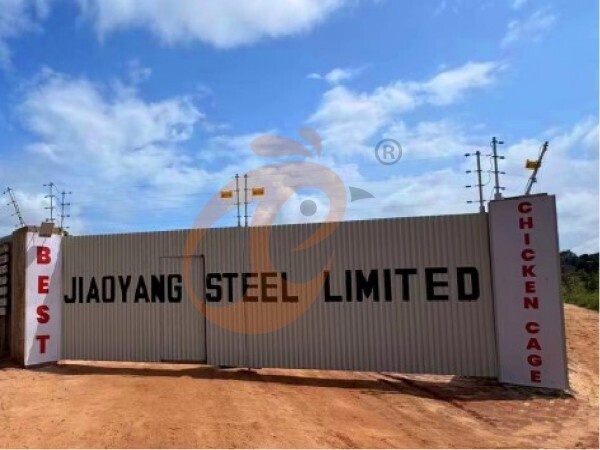
5. 24 online reception Whatsapp NO. : +8618830120193Read More Nigeria Branch Offer Poultry Farm Business Plan, Manufacture Poultry Farm Equipment1. Address: After Sinoma Office, 200 Meters Near Danco Filling Station, Lagos/Ibadan Expressway, Lagos State, Nigeria
2. Poultry cage and poultry farm equipment factory and stock for sale
3. Customized for Nigerian poultry farms
4. Quality and design are based on Euro
5. 24 online reception Whatsapp NO. : +8618830120193Read More Ethiopia Branch Offer Poultry Farm Business Plan, Manufacture Poultry Farm Equipment1. Address: Gelan Gura, Akaki-kaliti Sub City, Addis Ababa, Ethiopia
2. Poultry cage and poultry farm equipment stock for sale
3. Customized for Ethiopian poultry farms
4. Quality and design are based on Euro
5. 24 online reception Whatsapp NO. : +8618830120193, contact us to get price listRead More Tanzania Branch Offer Poultry Farm Business Plan, Manufacture Poultry Farm Equipment1. Address: No.8, Sova Road, Msufini, Mlandizi, Kibaha, Pwani, Tanzania
2. Poultry cage and poultry farm equipment factory and stock for sale
3. Customized for Tanzanian poultry farms
4. Quality and design are based on Euro
5. 24 online reception Whatsapp NO. : +8618830120193Read More Fully Automatic H Type Layer Chicken Cage1. 30,000-100,000+ layers/house chooses it, Poultry farmers can achieve an egg production rate of 96-98%
2. A significant improvement over the 85-90% typically seen in manual systems
3. A typical poultry farm can expect a 30-40% reduction in labor costs due to the automation
4. Each feeding line efficiently supplies feed to around 100,000 hens per 30 mins
5. Reception /WhatsApp NO. : +8618830120193Read More Fully Automatic A Type Layer Chicken Cage1. 10,000-50,000 layers/house chooses it
2. Cleaner egg collection reduces breakage by 0.5%
3. Improved hygiene helps reduce mortality rate to <3%
4. 1–2 technicians can handle 15,000–30,000 birds
5. Reception /WhatsApp NO. : +8618830120193Read More Semi Automatic H Type Layer Chicken Cage1. 1,00-20,000 layers/house chooses it
2. Nipple drinkers flow 30–60 ML / min
3. Hot-dip galvanized (typical coating ≥ 275 g/m²)
4. Reduce ammonia by ~ 35–40%
5. Reception /WhatsApp NO. : +8618830120193Read More Semi Automatic A Type Layer Chicken Cage1. 1,00-20,000 layers/house chooses it, no rust for 10 years, no deformation for 15 years
2. Chickens live comfortably, you can raise them with peace of mind
3. Save water, save money—efficiency you can measure
4. Improve environment quality, and increase egg production rate
5. Reception /WhatsApp NO. : +8618830120193Read More
By clicking 'Allow All', you agree to the storage of cookies on your device to enhance site navigation, analyze site usage and assist with our marketing efforts.