






Blog
A type battery cage system installation starts with structural planning, accurate measurements, ventilation coordination, and carefully engineered equipment positioning for dependable layer-house operation across commercial projects worldwide.
Foundation preparation, cage alignment, service access, and installation sequencing establish mechanical stability while supporting efficient integration of feeding, drinking, manure removal, electrical, and control equipment.
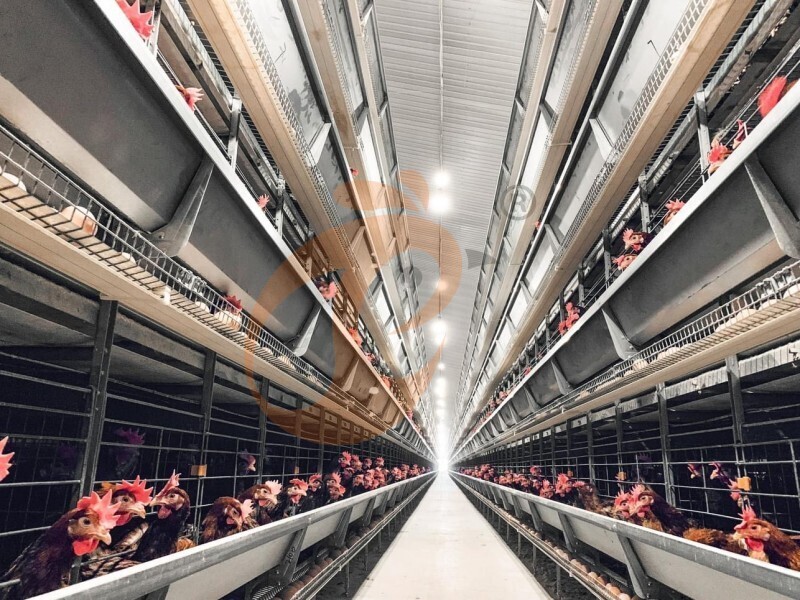
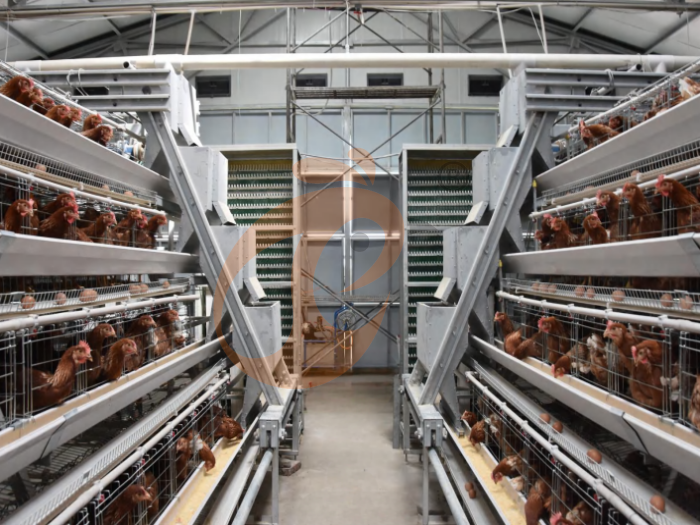
Professional A type layer cage system layouts connect housing capacity with practical maintenance routes, equipment interfaces, and optimized workflows without compromising structural installation accuracy or daily operating convenience.
Automated equipment configuration strengthens labor efficiency, water distribution, feed delivery, manure handling, and centralized operation, creating measurable production advantages for modern layer farms with demanding operational schedules.
- A properly commissioned automatic A type chicken cage system combines engineering precision, durable components, coordinated subsystems, and technical support into a scalable equipment solution for long-term commercial egg production.
Get professional poultry farm construction guidance, equipment selection solutions, and the latest price lists, whatsApp to +8618830120193, +2348111199996, or click to learn more.
Start With The House, Not The Cage
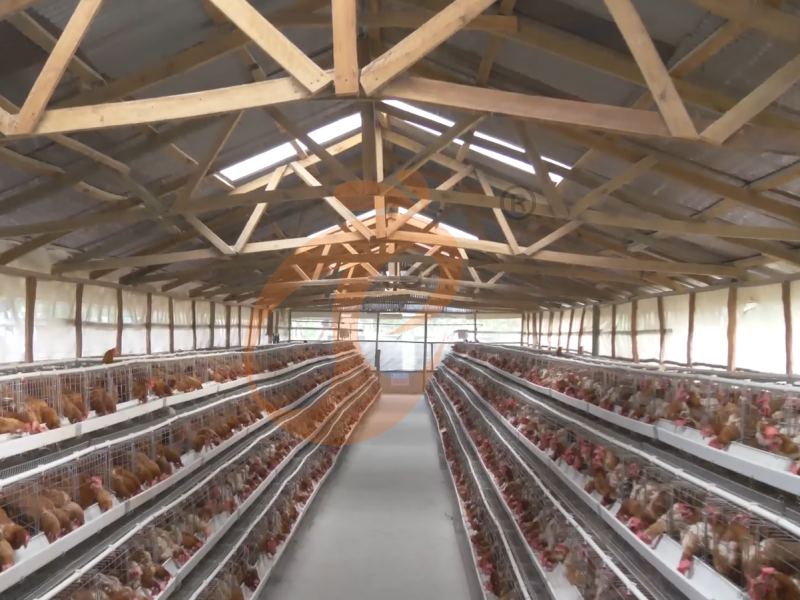
Installing an A type battery cage system requires coordination between the poultry house and the equipment.
Before delivery, confirm the building dimensions, ventilation arrangement, electrical position, and equipment entrance route.
For example, a cage project should reserve 600 mm of roof-to-equipment clearance for inspection and maintenance, while the equipment entrance should accommodate components with a minimum 1,200 mm access width.
A professional poultry equipment manufacturer should develop the cage arrangement from the actual house drawing rather than applying one fixed configuration.
A digital layout can identify cage rows, feeding lines, drinking lines, manure equipment, and operator routes before fabrication.
Such planning can also establish a precise 1:100 installation drawing scale and assign installation reference points with ±3 mm positioning tolerance.
Guideline: Prepare A Level And Strong Foundation
The foundation determines whether the cage structure remains correctly positioned throughout operation.
Concrete work should be completed before equipment assembly, with attention given to surface condition, reinforcement, and fixing locations.
A properly prepared floor can support galvanized cage structures while reducing adjustment work during assembly.
Data is for reference only.Swipe horizontally to view full table.
Marketing advantage: A professionally engineered A type layer cage system should include installation drawings that identify fixing positions and structural interfaces, helping farm owners achieve an organized installation without unnecessary field modification.
Measure Twice, Install Once
Accurate measurement should precede equipment production.
The usable house length, internal width, roof structure, columns, doors, and service areas all influence cage capacity and equipment arrangement.
For example, a commercial layer house can be planned around a 3.0 m structural bay module, while column interference should be mapped with 10 mm measurement increments.
The layout should then be converted into an installation sequence.
Cage rows, feeding equipment, drinking pipelines, manure equipment, and electrical controls need defined positions before workers begin assembly.
A customized manufacturer can use the customer's cad drawing to calculate the usable installation area and produce an A type battery cage system configuration matched to the intended flock size.
Guideline: Plan Every Cage Row Around Service Access
An efficient layer house must combine bird capacity with practical operation.
Workers need defined routes for inspection, cleaning, repairs, and equipment adjustment.
The cage arrangement should therefore be evaluated as an integrated production layout instead of simply maximizing the number of rows.
Data is for reference only.Swipe horizontally to view full table.
The commercial value of good layout engineering is straightforward equipment becomes easier to operate, inspect, and maintain.
A supplier offering complete project planning can optimize the A type layer cage system arrangement before manufacturing, reducing the need for on-site redesign.
Build The System In The Correct Sequence
Think of installation as a controlled production process rather than a collection of individual assembly tasks.
Stage 1: position the main frames and supports.
Stage 2: install cage mesh, partitions, doors, and related components.
Stage 3: assemble feeding and drinking equipment.
Stage 4: install manure collection equipment.
Stage 5: complete motors, cables, control panels, and protection devices.
Stage 6: conduct integrated commissioning.
During assembly, fasteners should be tightened according to manufacturer specifications; for example, an m8 structural bolt can be checked at approximately 25 n·m, while cage-frame connections should be inspected after the first 24 hours of assembly.
A supplier providing installation manuals and technical support can make an automatic A type chicken cage system easier to implement on commercial farms.
Guideline: Feeding Equipment Must Be Aligned Precisely
Feed distribution directly affects daily management efficiency.
The feeding system should be installed after the cage framework establishes its final position, allowing the feed trough and drive equipment to follow the designed cage geometry.
Data is for reference only.Swipe horizontally to view full table.
An integrated A type battery cage system can reduce repetitive manual distribution and provide a standardized feeding process across cage rows.
For commercial farms, automatic feeding also allows operators to coordinate feeding schedules with flock management and labor planning.
Guideline: Install The Drinking System For Reliable Water Delivery
Water equipment should be installed with careful attention to pipeline routing and drinker positioning.
Each connection needs to be inspected before birds enter the house because inaccessible leaks can create unnecessary moisture and maintenance problems.
Data is for reference only.Swipe horizontally to view full table.
A complete poultry equipment package can integrate water filtration, pressure regulation, pipelines, and nipple drinkers with an A type layer cage system.
This gives farm operators a coordinated drinking solution rather than separate components that require independent installation planning.
Guideline: Treat Manure Removal As A Core System
Here is the operational test
If manure cannot move efficiently from the cage area to the discharge point, the installation is incomplete.
The manure system should be positioned according to the cage configuration before final anchoring.
Belt alignment, drive assembly, tensioning components, and discharge equipment must be checked as one system.
For example, the belt route can be designed around a 2.0 mm minimum belt thickness, while the discharge transition should maintain a 45° transfer angle where specified by the system design.
Automated manure removal is particularly valuable for commercial layer farms because it reduces routine manual handling.
When integrated into an automatic A type chicken cage system from the beginning, the manure system can be matched to the row arrangement, building layout, and farm workflow.
Guideline: Electrical And Control Installation Must Be Protected
Modern poultry equipment uses motors, sensors, control panels, and automated operating sequences.
Electrical planning should therefore be completed before cable installation.
Control equipment should remain accessible to operators while cables are routed away from water pipelines and areas exposed to mechanical impact.
Data is for reference only.Swipe horizontally to view full table.
For customers purchasing a complete A type battery cage system, centralized control can connect feeding, manure removal, and other motorized equipment into an organized operating platform, improving daily management and simplifying equipment supervision.
Commissioning: The Five-Point Acceptance Check
Before stocking birds, perform a structured commissioning inspection rather than relying on visual assembly checks.
① Structure: verify every connection and support.
② Feeding: run the complete feed circuit continuously.
③ Drinking: test every water branch and nipple.
④ Manure: operate the removal system through the complete discharge cycle.
⑤ Control: test switches, motors, sensors, and emergency stops.
A practical commissioning procedure can include a 30-minute continuous dry run for mechanical equipment and a 15-minute water-pressure observation period for the drinking system.
Such tests help identify alignment, leakage, electrical, or transmission problems before the flock enters the house.
Why Choose A Complete A Type Battery Cage Solution?
A cage project should be evaluated according to its complete operating system rather than the steel structure alone.
The combination of cage design, automation, equipment compatibility, installation guidance, and technical service directly influences project execution.
Data is for reference only.Swipe horizontally to view full table.
A specialized poultry equipment manufacturer can provide an A type layer cage system together with feeding, drinking, manure removal, electrical controls, drawings, spare parts, and technical guidance.
This integrated approach gives farm owners one coordinated equipment solution for the entire layer house.
Turn Installation Requirements Into Production Advantages
The six guidelines can be reduced to one project principle: prepare the building, confirm the layout, install each subsystem according to its technical requirements, and commission the complete system before stocking birds.
Installation quality affects how efficiently the equipment performs after commissioning.
A professionally designed system can also reserve expansion possibilities; for example, the electrical control architecture may allow up to 8 independent motor circuits, while the equipment documentation can identify 12-month routine maintenance intervals for scheduled service planning.
For poultry producers planning a new layer project, an automatic A type chicken cage system offers more value when supplied as a complete engineered solution.
By combining cage structures with automated feeding, nipple drinking, manure removal, control systems, installation drawings, and technical support, a professional poultry equipment supplier can help transform available house space into a standardized and commercially efficient layer production facility.
Frequently Asked Questions
Q1: What foundation is required for an A type battery cage system?
A1: A reinforced concrete foundation provides the structural base, with c25/30 concrete and m12 anchors serving as reference configurations for equipment installation.
Q2: How should feeding and drinking equipment be installed?
A2: Feeding and drinking components should follow the final cage alignment, with separate inspection of mechanical movement, water distribution, and connection integrity before stocking birds.
Q3: Why is commissioning important before layer placement?
A3: Commissioning verifies mechanical, electrical, water, and manure systems together, while a 30-minute dry run can expose operating problems before production begins.
Taiyu (HK) Group - One Of China Toppest A Type Battery Cage System Manufacturer
A type battery cage system integrates galvanized cage structures with coordinated feeding, nipple drinking, manure removal, and control interfaces for engineered layer-house production.
Global factory-direct supply covers poultry equipment, technical drawings, component manufacturing, configuration review, spare-parts coordination, and project-oriented engineering support.
Turn-key engineering connects equipment selection, house-layout planning, installation guidance, commissioning procedures, and system integration under one coordinated project framework.
International project execution supports commercial layer farms requiring standardized equipment packages, production-oriented layouts, technical documentation, and structured after-sales engineering assistance.
Factory-based manufacturing combines equipment fabrication, quality inspection, project coordination, and direct technical communication to support scalable poultry production systems across international markets.
Contact Us To Received Your Customized Poultry Farm Plan
Headquarters And Branchs
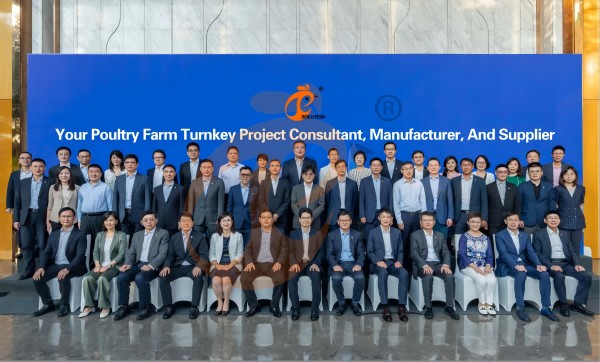
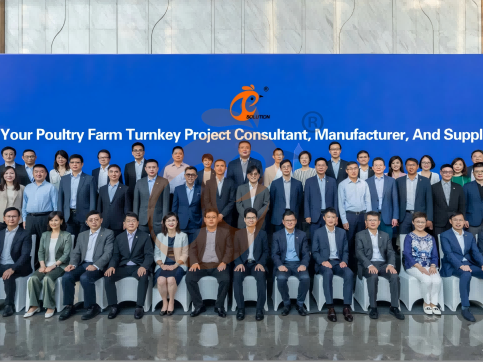
Hong Kong Headquarter Management Team
Hong Kong Headquarter Taiyu Industrial Group CO., LTD
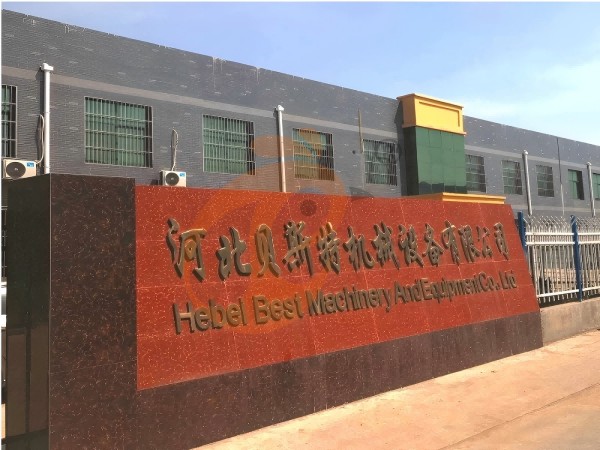
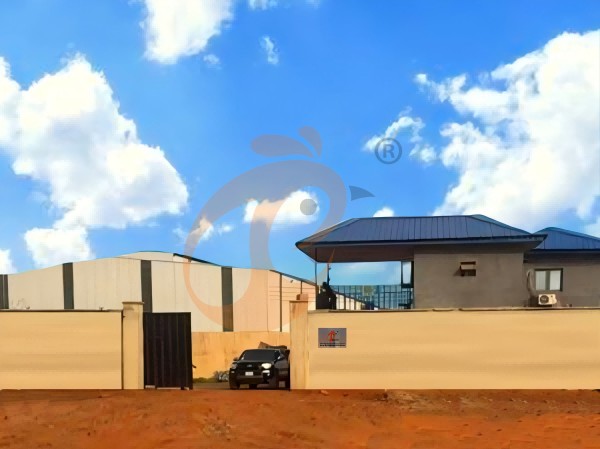
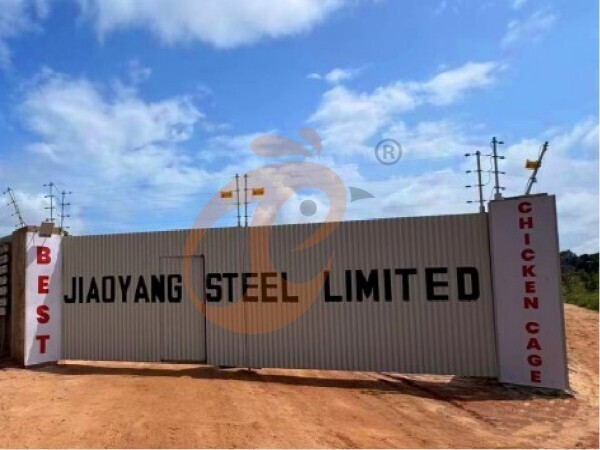
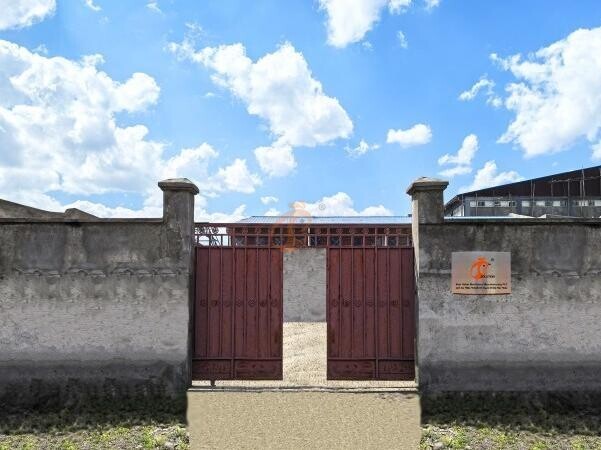
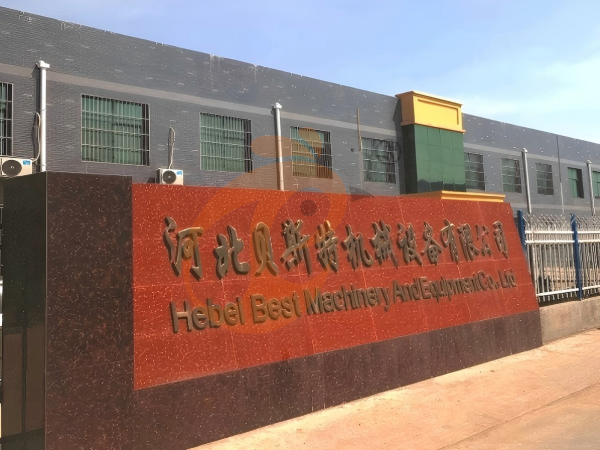
China Hebei Best Machinery And Equipment CO., LTD
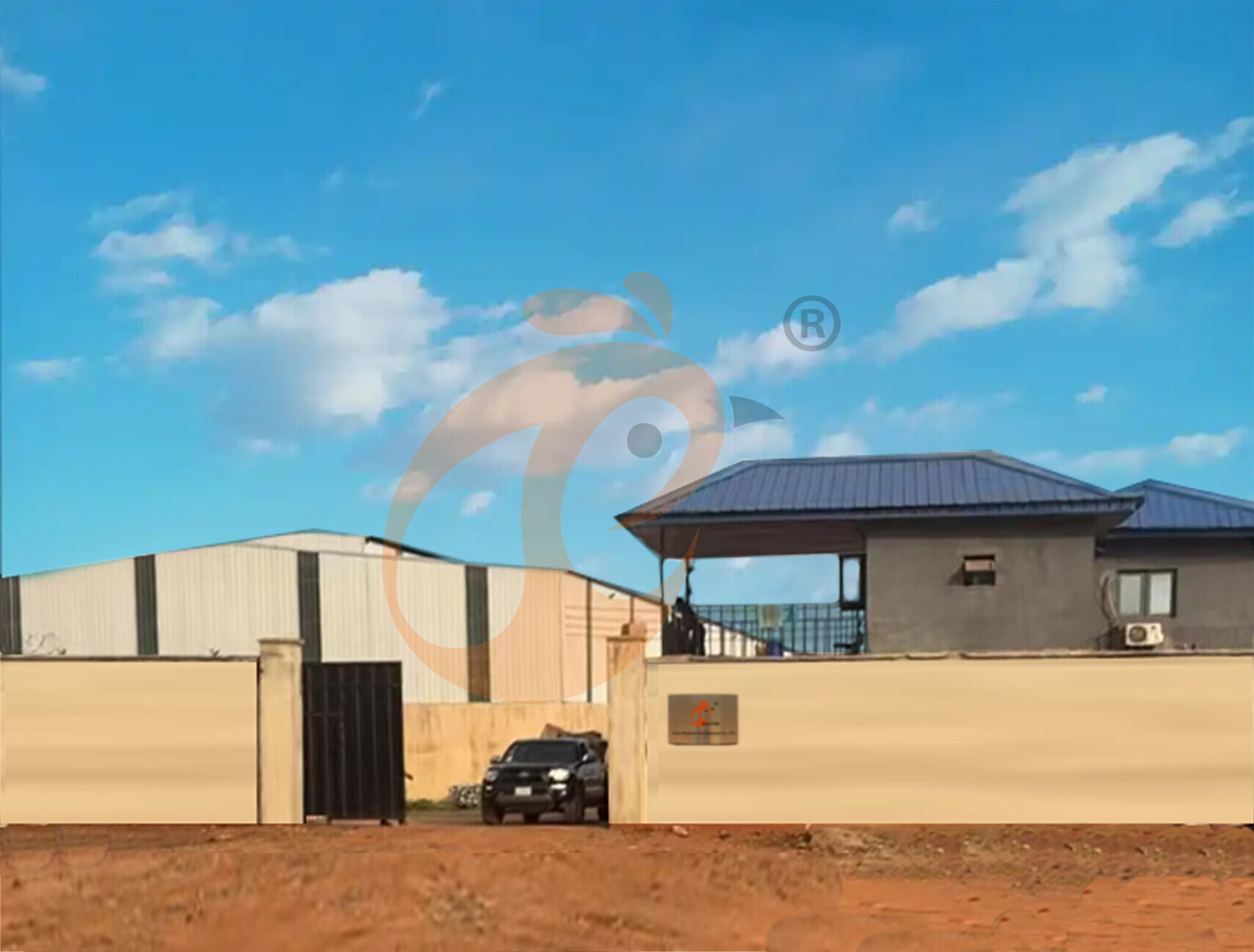
Nigeria Vanke Machinery And Equipment CO., LTD
Tanzania Best Machinery And Equipment CO., LTD
Ethiopia Best Hebei Machinery Manufacturing PLC
Reception /24 WhatsApp NO. : +8618830120193
FAQ
What Are The Recommended Tier Numbers For A-Type Chicken Cage Houses?
Birds per set: 120-200
Farm capacity per house: 10,000–50,000 birds
Egg production rate: 90–96%
FCR: 1.9–2.2
How To Maintain Optimal Temperature In A-Type Layer Cage Farm?
Use fans or heating systems
Egg production rate: 90–96%
FCR: 1.9–2.2
Mortality rate: 2–3%
How To Optimize Labor Efficiency In A-Type Poultry Cage Farms?
One worker manages 5,000–10,000 birds
Labor savings: 50–70%
Egg production rate: 90–96%
FCR: 1.9–2.2
- poultry equipment
- chicken cage
- layer cage
- poultry farm
- feeding equipment
- battery cage
- poultry farm
- poultry farm construction
- battery cage system
- layer cage system
- poultry equipment manufacturer
- poultry equipment supplier
- battery cage
- layer farm
- poultry house
- chicken cage system
- layer cage capacity
- modern layer farm
- modern poultry equipment
- Ethiopia
- Nigeria
- a type layer cage
Message
Products recommended
 HK Headquarter Offers EU-standard Poultry Farm Solutions, Manufacture Poultry Farm Equipment1. Continuous communication with the EU and the US
2. China, Nigeria, Ethiopia, Tanzania branch companies and factories
3. The products’ quality is customized for local poultry farms
4. Poultry cage and poultry farm equipment stock for sale
5. 24 online reception Whatsapp NO. : +8618830120193,contact us to get full informationRead More China Branch Offer Poultry Farm Business Plan, Manufacture Poultry Farm Equipment1. Address: Flat/RM 2416, 24/F, Runxing Building, Youyi Nan Street, Shijiazhuang City, Hebei Province, China
2. Poultry cage and poultry farm equipment factory and stock for sale
3. Customized for local poultry farms
4. Quality and design are based on Euro
5. 24 online reception Whatsapp NO. : +8618830120193Read More Nigeria Branch Offer Poultry Farm Business Plan, Manufacture Poultry Farm Equipment1. Address: After Sinoma Office, 200 Meters Near Danco Filling Station, Lagos/Ibadan Expressway, Lagos State, Nigeria
2. Poultry cage and poultry farm equipment factory and stock for sale
3. Customized for Nigerian poultry farms
4. Quality and design are based on Euro
5. 24 online reception Whatsapp NO. : +8618830120193Read More Ethiopia Branch Offer Poultry Farm Business Plan, Manufacture Poultry Farm Equipment1. Address: Gelan Gura, Akaki-kaliti Sub City, Addis Ababa, Ethiopia
2. Poultry cage and poultry farm equipment stock for sale
3. Customized for Ethiopian poultry farms
4. Quality and design are based on Euro
5. 24 online reception Whatsapp NO. : +8618830120193, contact us to get price listRead More Tanzania Branch Offer Poultry Farm Business Plan, Manufacture Poultry Farm Equipment1. Address: No.8, Sova Road, Msufini, Mlandizi, Kibaha, Pwani, Tanzania
2. Poultry cage and poultry farm equipment factory and stock for sale
3. Customized for Tanzanian poultry farms
4. Quality and design are based on Euro
5. 24 online reception Whatsapp NO. : +8618830120193Read More Fully Automatic H Type Layer Chicken Cage1. 30,000-100,000+ layers/house chooses it, Poultry farmers can achieve an egg production rate of 96-98%
2. A significant improvement over the 85-90% typically seen in manual systems
3. A typical poultry farm can expect a 30-40% reduction in labor costs due to the automation
4. Each feeding line efficiently supplies feed to around 100,000 hens per 30 mins
5. Reception /WhatsApp NO. : +8618830120193Read More Fully Automatic A Type Layer Chicken Cage1. 10,000-50,000 layers/house chooses it
2. Cleaner egg collection reduces breakage by 0.5%
3. Improved hygiene helps reduce mortality rate to <3%
4. 1–2 technicians can handle 15,000–30,000 birds
5. Reception /WhatsApp NO. : +8618830120193Read More Semi Automatic H Type Layer Chicken Cage1. 1,00-20,000 layers/house chooses it
2. Nipple drinkers flow 30–60 ML / min
3. Hot-dip galvanized (typical coating ≥ 275 g/m²)
4. Reduce ammonia by ~ 35–40%
5. Reception /WhatsApp NO. : +8618830120193Read More Semi Automatic A Type Layer Chicken Cage1. 1,00-20,000 layers/house chooses it, no rust for 10 years, no deformation for 15 years
2. Chickens live comfortably, you can raise them with peace of mind
3. Save water, save money—efficiency you can measure
4. Improve environment quality, and increase egg production rate
5. Reception /WhatsApp NO. : +8618830120193Read More
By clicking 'Allow All', you agree to the storage of cookies on your device to enhance site navigation, analyze site usage and assist with our marketing efforts.