






Blog
- Pellet machine output depends on material preparation, conditioning, die selection, feeding stability, and maintenance, with 0.60–0.90 mm particles supporting poultry feed processing.
Steam conditioning improves pellet formation, while controlled 0.6–0.8 mpa steam pressure supports stable operation through production cycles.
Ring die pellet machine configuration must match formula, pellet diameter, compression requirements, and motor capacity for efficient production.
Integrated feed pellet machine lines connect crushing, mixing, cooling, screening, conveying, and packing to reduce bottlenecks and maintain continuous material flow.
- Practical maintenance, measured operating parameters, and poultry equipment integration help producers pursue reliable output, consistent pellet quality, controlled downtime, and scalable manufacturing.
Get professional poultry farm construction guidance, equipment selection solutions, and the latest price lists, whatsApp to +8618830120193, +2348111199996, or click to learn more.
Raw Material Preparation Parameters
Data is for reference only.Swipe horizontally to view full table.
A complete pellet machine line can connect the cleaner, hammer mill, mixer, conditioner, pellet machine, cooler, conveyor, and packing system.
Improve Conditioning
Technique Card
Conditioning Objective → Prepare mash for compression with controlled steam distribution.
Steam Control → Use clean steam with stable pressure and consistent delivery.
Residence Control → Maintain approximately 20–30 seconds of conditioning residence time for the poultry feed pellet machine.
Thermal Control → A practical poultry-feed conditioning range can be around 80–90°c, depending on formulation and process design.
Equipment Solution → A correctly sized conditioner with controlled steam inlet supports uniform material delivery into the pellet machine.
Conditioning System Parameters
Data is for reference only.Swipe horizontally to view full table.
Proper conditioning supports material flow through the pellet machine while helping maintain pellet formation consistency.
Match Die And Roller Configuration
Process Structure
Formula Analysis
↓
Target Pellet Specification
↓
Die Hole Selection
↓
Compression-Ratio Calculation
↓
Roller Adjustment
↓
Load Monitoring
↓
Output Verification
Die geometry should be selected according to feed formulation rather than treating every poultry ration identically.
A useful engineering reference is a die-hole l/d ratio of approximately 6:1–14:1, while actual selection should follow formulation requirements and pellet machine specifications.
Pellet Machine Configuration Data
Data is for reference only.Swipe horizontally to view full table.
Published equipment specifications provide reference values, while actual pellet machine production depends on formulation, preparation, conditioning, die selection, and operation.
Stabilize Feeding And Material Flow
Equipment Combination Recommendation
For commercial poultry-feed projects, the pellet machine should operate within a coordinated system:
Raw material intake → magnetic separator → hammer mill → batch mixer → conditioner → ring-dye pellet machine → counterflow cooler → rotary screener → bucket elevator → automatic packing machine
A variable-speed feeder can regulate material delivery while a hopper provides continuous buffering.
Maintaining a 15–20 minute material reserve, using two independent level sensors, and installing a frequency-controlled feeder can support stable feed delivery to the pellet machine.
The complete poultry equipment configuration should be engineered around required capacity rather than selecting the pellet machine first.
Feeding And Conveying Parameters
Data is for reference only.Swipe horizontally to view full table.
The objective is continuous material supply without sudden feed surges, allowing the poultry feed pellet machine to operate within its designed production range.
Reduce Downtime Through Preventive Maintenance
Maintenance Workflow
Before Production
Inspect the die, rollers, bearings, feeder, lubrication system, and electrical cabinet.
During Production
Record motor current, vibration, bearing temperature, and pellet appearance at regular intervals.
After Production
Remove residual feed, clean the compression chamber, inspect wear surfaces, and document abnormal conditions.
A practical maintenance program can include inspections every 8 operating hours, lubrication according to bearing specifications, and detailed mechanical inspection every 500 operating hours.
For a feed pellet machine, preventive maintenance protects production continuity and component service life.
Maintenance Parameters
Data is for reference only.Swipe horizontally to view full table.
Maintenance thresholds should ultimately follow the specific pellet machine manufacturer's manual and component specifications.
Five Methods: Technical Control Matrix
Data is for reference only.Swipe horizontally to view full table.
The five methods work together, because improving one pellet machine parameter cannot remove a bottleneck created elsewhere in the production line.
Build A Higher-Output Poultry Feed Production Line
Data is for reference only.Swipe horizontally to view full table.
Increasing pellet machine output requires an integrated engineering approach covering raw-material preparation, conditioning, die configuration, feeding, cooling, screening, conveying, and maintenance.
For poultry farms and commercial feed mills, a complete poultry equipment line can connect crushing, mixing, conditioning, pelletizing, cooling, screening, conveying, and packing.
Frequently Asked Questions
Q1: How can a pellet machine produce more feed without increasing machine speed?
A1: Improve material preparation, conditioning, feeding stability, and die configuration first.
Maintaining 0.6–0.8 mpa steam pressure and suitable material preparation can support more stable pellet machine operation.
Q2: How should a ring die pellet machine be selected for poultry feed?
A2: Selection should consider formulation, pellet diameter, required capacity, motor configuration, and die-hole geometry.
A 6:1–14:1 l/d range provides an engineering reference for die selection.
Q3: Can a complete feed line increase practical pellet machine output?
A3: Yes, when auxiliary equipment is correctly matched to the pellet machine.
Crusher, mixer, conditioner, cooler, screener, conveyor, and packing capacities should be coordinated to avoid process bottlenecks.
Taiyu (HK) Group - One Of China Toppest Pellet Machine Manufacturer
Pellet machine systems cover 22–250 kw main drives, supporting poultry feed production configurations from compact processing to larger commercial lines.
Global factory-direct supply integrates pellet machine, poultry equipment, engineering documentation, commissioning support, and standardized component specifications.
Turn-key projects coordinate crushing, mixing, conditioning, pelletizing, cooling, screening, conveying, and packing according to defined production requirements.
International poultry equipment projects can be engineered around 2–12 mm pellet diameters, material characteristics, plant layout, and customer capacity targets.
Factory engineering teams provide equipment matching, production-line planning, installation coordination, commissioning assistance, and after-sales technical support.
Contact Us To Received Your Customized Poultry Farm Plan
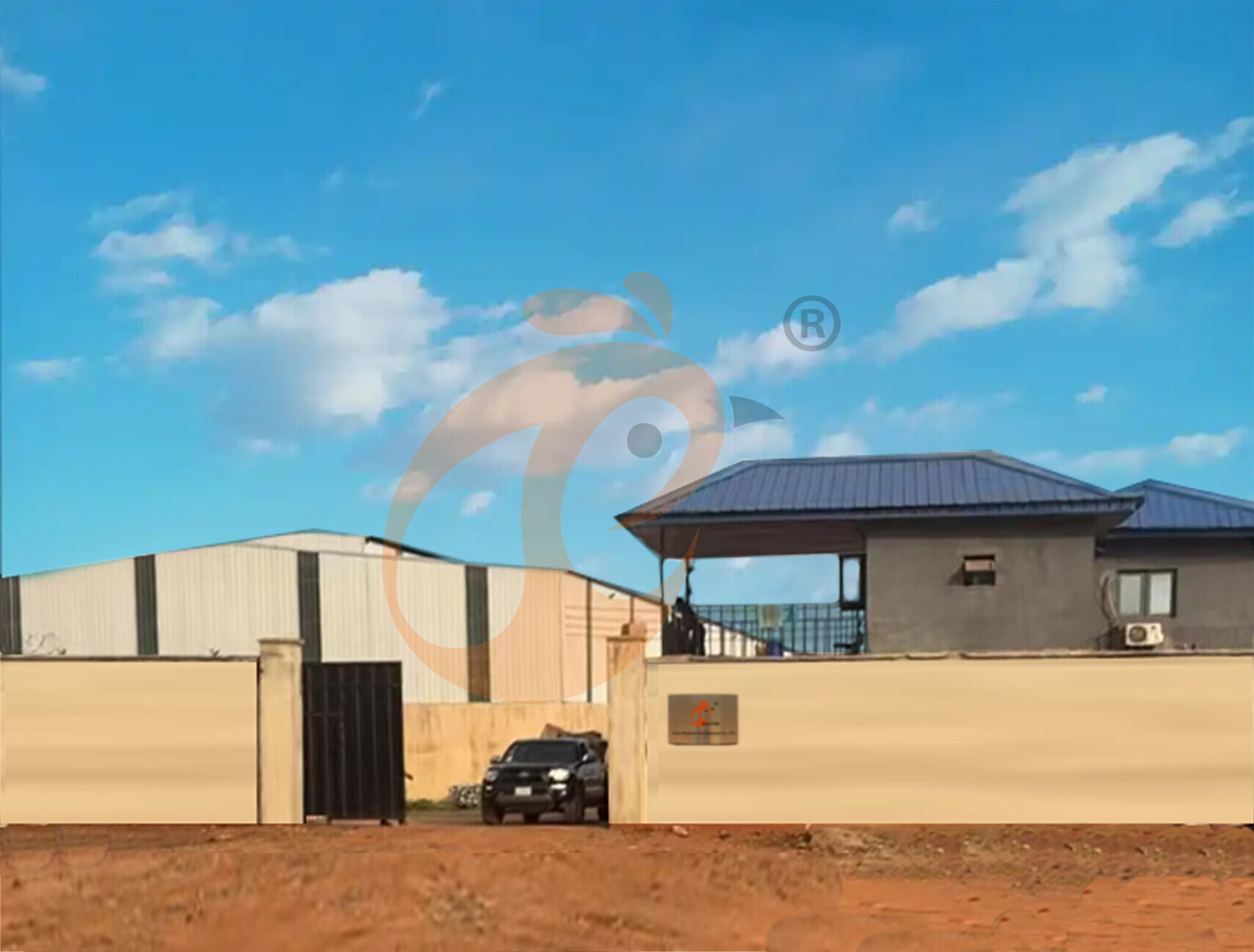
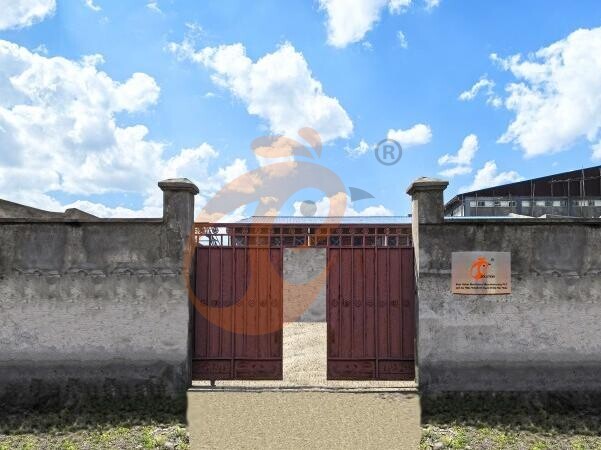
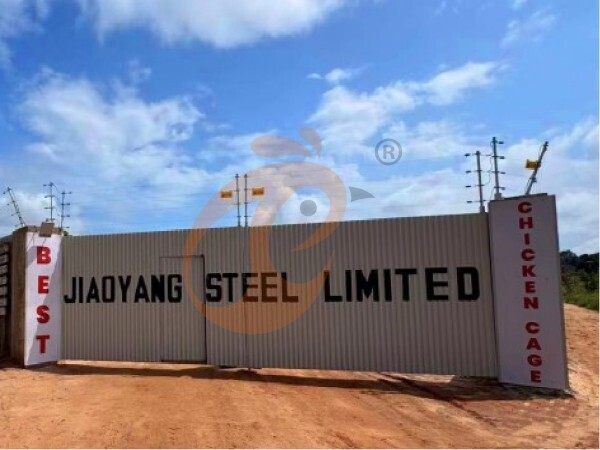
Headquarters And Branchs

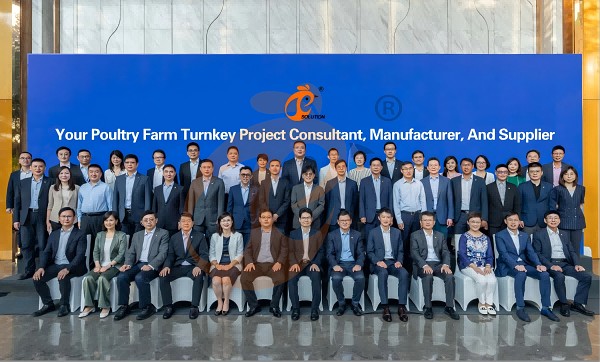
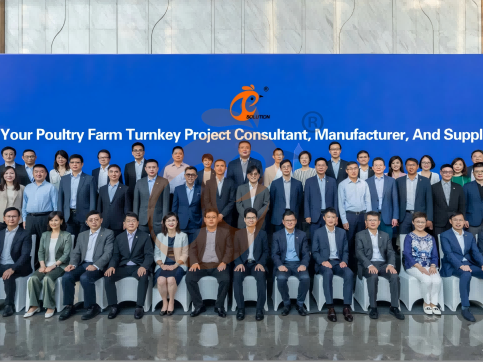
Hong Kong Headquarter Management Team
Hong Kong Headquarter Taiyu Industrial Group CO., LTD
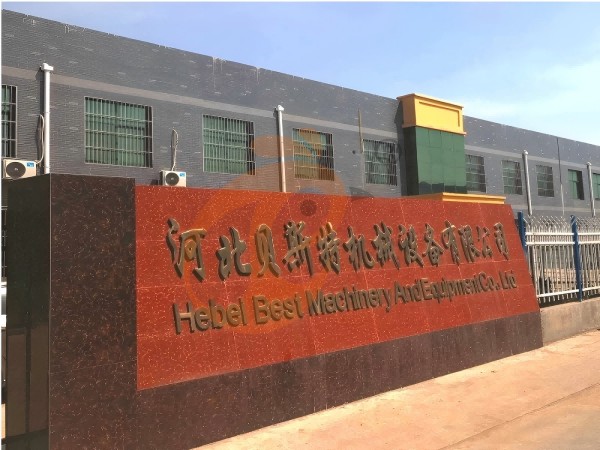
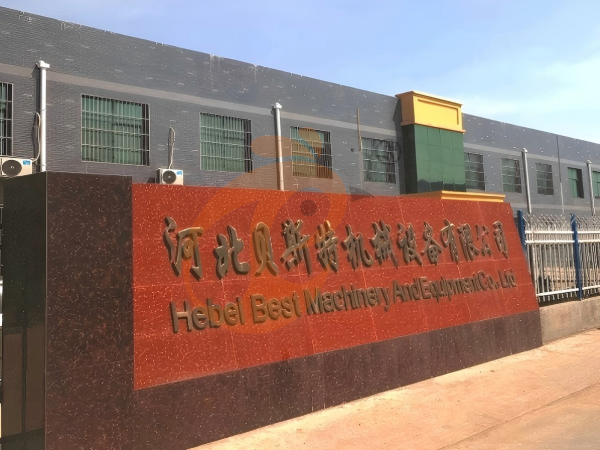
China Hebei Best Machinery And Equipment CO., LTD
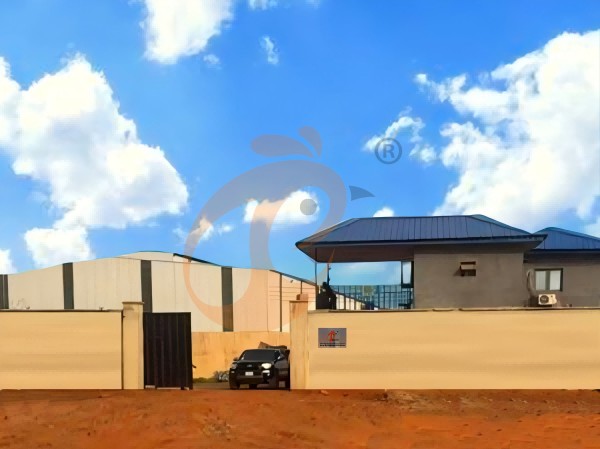
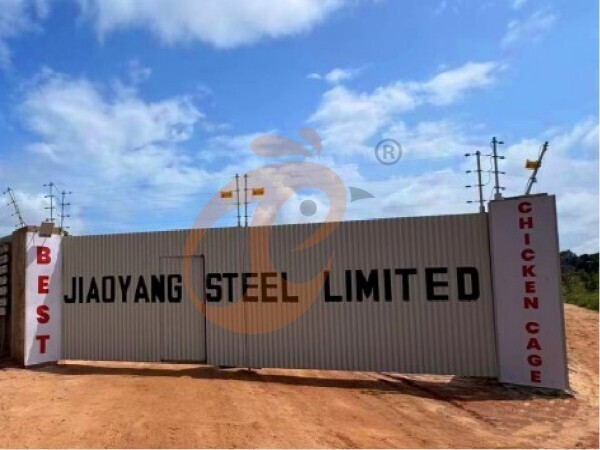
Nigeria Vanke Machinery And Equipment CO., LTD
Tanzania Best Machinery And Equipment CO., LTD
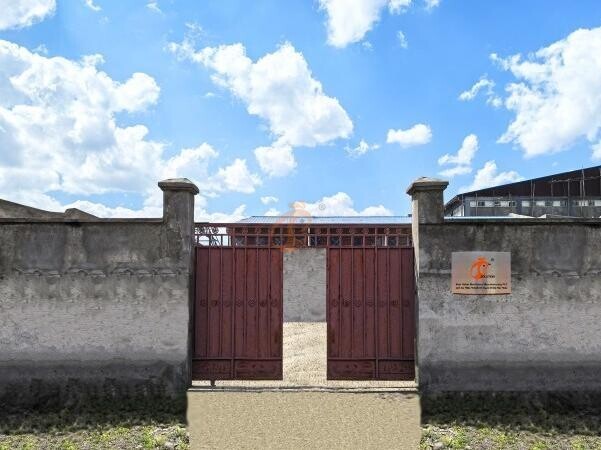
Ethiopia Best Hebei Machinery Manufacturing PLC
Reception /24 WhatsApp NO. : +8618830120193
FAQ
What Feeding System Standards Are Required For Pellet Machine In Poultry Chicken Feed Production Lines?
Feeder capacity is designed at 1.2–2.5 tons per hour depending on raw material density.
Flow consistency deviation is maintained within ±2% for uniform pellet quality output.
What Maintenance And Wear Part Replacement Standards Apply To Pellet Machine?
Bearing replacement intervals typically occur every 12–18 months under continuous operation.
Gearbox oil change frequency is maintained at 1000–1500 operating hours for system reliability.
What Safety Protection Systems Are Integrated In Pellet Machine For Poultry Chicken Feed Production?
Emergency stop response time is maintained within 0.5–1.0 seconds for operational safety.
Vibration monitoring limits are set at 4.5–6.0 mm/s to prevent mechanical failure.
Message
Products recommended
 HK Headquarter Offers EU-standard Poultry Farm Solutions, Manufacture Poultry Farm Equipment1. Continuous communication with the EU and the US
2. China, Nigeria, Ethiopia, Tanzania branch companies and factories
3. The products’ quality is customized for local poultry farms
4. Poultry cage and poultry farm equipment stock for sale
5. 24 online reception Whatsapp NO. : +8618830120193,contact us to get full informationRead More China Branch Offer Poultry Farm Business Plan, Manufacture Poultry Farm Equipment1. Address: Flat/RM 2416, 24/F, Runxing Building, Youyi Nan Street, Shijiazhuang City, Hebei Province, China
2. Poultry cage and poultry farm equipment factory and stock for sale
3. Customized for local poultry farms
4. Quality and design are based on Euro
5. 24 online reception Whatsapp NO. : +8618830120193Read More Nigeria Branch Offer Poultry Farm Business Plan, Manufacture Poultry Farm Equipment1. Address: After Sinoma Office, 200 Meters Near Danco Filling Station, Lagos/Ibadan Expressway, Lagos State, Nigeria
2. Poultry cage and poultry farm equipment factory and stock for sale
3. Customized for Nigerian poultry farms
4. Quality and design are based on Euro
5. 24 online reception Whatsapp NO. : +8618830120193Read More Ethiopia Branch Offer Poultry Farm Business Plan, Manufacture Poultry Farm Equipment1. Address: Gelan Gura, Akaki-kaliti Sub City, Addis Ababa, Ethiopia
2. Poultry cage and poultry farm equipment stock for sale
3. Customized for Ethiopian poultry farms
4. Quality and design are based on Euro
5. 24 online reception Whatsapp NO. : +8618830120193, contact us to get price listRead More Tanzania Branch Offer Poultry Farm Business Plan, Manufacture Poultry Farm Equipment1. Address: No.8, Sova Road, Msufini, Mlandizi, Kibaha, Pwani, Tanzania
2. Poultry cage and poultry farm equipment factory and stock for sale
3. Customized for Tanzanian poultry farms
4. Quality and design are based on Euro
5. 24 online reception Whatsapp NO. : +8618830120193Read More Fully Automatic H Type Layer Chicken Cage1. 30,000-100,000+ layers/house chooses it, Poultry farmers can achieve an egg production rate of 96-98%
2. A significant improvement over the 85-90% typically seen in manual systems
3. A typical poultry farm can expect a 30-40% reduction in labor costs due to the automation
4. Each feeding line efficiently supplies feed to around 100,000 hens per 30 mins
5. Reception /WhatsApp NO. : +8618830120193Read More Fully Automatic A Type Layer Chicken Cage1. 10,000-50,000 layers/house chooses it
2. Cleaner egg collection reduces breakage by 0.5%
3. Improved hygiene helps reduce mortality rate to <3%
4. 1–2 technicians can handle 15,000–30,000 birds
5. Reception /WhatsApp NO. : +8618830120193Read More Semi Automatic H Type Layer Chicken Cage1. 1,00-20,000 layers/house chooses it
2. Nipple drinkers flow 30–60 ML / min
3. Hot-dip galvanized (typical coating ≥ 275 g/m²)
4. Reduce ammonia by ~ 35–40%
5. Reception /WhatsApp NO. : +8618830120193Read More Semi Automatic A Type Layer Chicken Cage1. 1,00-20,000 layers/house chooses it, no rust for 10 years, no deformation for 15 years
2. Chickens live comfortably, you can raise them with peace of mind
3. Save water, save money—efficiency you can measure
4. Improve environment quality, and increase egg production rate
5. Reception /WhatsApp NO. : +8618830120193Read More
By clicking 'Allow All', you agree to the storage of cookies on your device to enhance site navigation, analyze site usage and assist with our marketing efforts.