






Blog
Chicken feed mill selection connects production capacity, formulation flexibility, automation, and equipment investment across modern poultry operations.
Continuous and batch systems address different feed-flow requirements, with capacities ranging from 0.5–20 t/h and multiple recipe configurations.
Chicken feed mill engineering covers grinding, dosing, mixing, pelleting, cooling, conveying, storage, packing, and centralized control.
Practical equipment planning considers particle size, moisture, formula changes, maintenance access, expansion space, and production scheduling.
- Chicken feed mill projects can combine poultry feed mill technology with feed mill equipment to create scalable production systems for farms worldwide, supporting reliable output and predictable expansion planning under changing market requirements.
Get professional poultry farm construction guidance, equipment selection solutions, and the latest price lists, whatsApp to +8618830120193, +2348111199996, or click to learn more.
Executive Comparison
Data is for reference only.Swipe horizontally to view full table.
The choice between continuous and batch feed production should begin with engineering requirements rather than machine appearance.
A complete chicken feed mill project may integrate 6–10 major processing stages, allowing the supplier to match equipment with the farm's production model.
Engineering Points
Engineering Point 1 — Grinding
A chicken feed mill hammer mill should be configured around raw-material structure and target particle distribution.
Poultry feed mill grinding commonly uses screen openings around 0.8–3 mm, while rotor speeds can reach 1,440–3,000 rpm depending on equipment design.
Engineering Point 2 — Mixing
A feed mill equipment mixer distributes corn, soybean meal, minerals, and additives throughout the formulation.
A properly engineered mixer can target a coefficient of variation below 5%, with liquid addition systems positioned to improve ingredient dispersion.
Engineering Point 3 — Process Control
A chicken feed mill can coordinate weighing, conveying, grinding, mixing, pelleting, cooling, and packing through centralized PLC control.
Automated sequencing can connect 7–9 processing stages while reducing manual intervention.
Continuous Feed Mill
Data is for reference only.Swipe horizontally to view full table.
A continuous chicken feed mill should be selected as an integrated line rather than as isolated machinery.
A commercial poultry feed mill commonly combines hammer mills, batching systems, mixers, conditioners, pellet mills, coolers, elevators, conveyors, and packing systems.
Batch Feed Mill
Data is for reference only.Swipe horizontally to view full table.
A batch chicken feed mill is practical where several feed formulations must be produced independently.
A horizontal batch mixer can process ingredients sequentially, allowing starter, grower, finisher, layer, or breeder formulas to share one production line.
Process Structure
Raw Material Receiving
↓
Cleaning & Magnetic Separation
↓
Grinding
↓
Ingredient Weighing
↓
Batch Or Continuous Mixing
↓
Steam Conditioning
↓
Pelletizing
↓
Cooling
↓
Screening/Crumbing
↓
Packing Or Bulk Storage
A chicken feed mill pelletizing process can use approximately 45 seconds of conditioning retention.
A poultry feed mill configuration can specify around 180°f discharge temperature and a pellet durability index of at least 85 at cooler discharge.
Farm-Scale Equipment Planning
Data is for reference only.Swipe horizontally to view full table.
A chicken feed mill should be sized from flock population, growth stage, formulation, and operating schedule before equipment selection.
A modular feed mill equipment layout can accommodate additional silos, conveyors, pellet mills, or packing units during later expansion.
Tips Card
Tip 1 — Check Raw-Material Moisture
A chicken feed mill should account for different moisture behavior among corn, wheat, soybean meal, and other ingredients.
Keeping grain moisture around 12–14% can support stable processing, although the correct range depends on material and process.
Tip 2 — Reserve Conveying Capacity
Poultry feed mill transfer equipment should prevent material movement from becoming a restriction between major machines.
Conveyor routing should remain accessible for inspection and maintenance.
Tip 3 — Design For Cleaning
A feed mill equipment system should minimize residual material inside bins, mixers, and conveyors during formula changes.
Full-cleanout designs can reduce carryover between successive feed formulations.
Tip 4 — Protect The Pellet Process
A chicken feed mill should coordinate steam, conditioning, die selection, cooling, and screening rather than purchasing each unit independently.
Equipment Combination Recommendations
Data is for reference only.Swipe horizontally to view full table.
A chicken feed mill pellet diameter should be selected according to bird age and feed formulation.
A poultry feed mill can produce commercial pellets in the 2–4 mm range, with crumbler equipment used when smaller particles are required for young birds.
Continuous Vs Batch Operating Data
Data is for reference only.Swipe horizontally to view full table.
A batch chicken feed mill can provide efficient recipe transitions because ingredients are processed as defined lots.
A feed mill equipment configuration with approximately 15–20 seconds of mixer discharge time can shorten intervals between formulations.
Equipment Selling-Point Matrix
Data is for reference only.Swipe horizontally to view full table.
A chicken feed mill should present equipment specifications together with their production applications rather than as isolated machine features.
A poultry feed mill may combine grinding, mixing, pelleting, cooling, and packaging into one automated production flow.
Project Delivery Structure
01 — Requirement Analysis
A chicken feed mill project begins with feed formulas, raw materials, site dimensions, utilities, production schedules, and expansion requirements.
A complete project questionnaire can contain 15–30 engineering inputs before equipment selection.
02 — Process Design
A feed mill equipment layout should position each machine according to elevation, transfer distance, inspection access, and maintenance requirements.
03 — Equipment Manufacturing
A poultry feed mill project can include motors, transmission assemblies, screens, dies, rollers, sensors, electrical cabinets, and structural components.
04 — Installation & Commissioning
A chicken feed mill requires mechanical alignment, electrical connection checks, material-flow testing, safety interlocks, and operating-sequence verification.
05 — Technical Support
Feed mill equipment spare-parts planning should cover hammers, screens, dies, rollers, bearings, and conveyor components.
Replacement intervals should be determined from actual operating conditions.
Final Selection Guide
Continuous Configuration
A chicken feed mill continuous configuration suits production models requiring stable feed flow, predictable demand, and centralized automation.
A suitable line can combine 8–12 processing and conveying functions into one controlled workflow.
Batch Configuration
A poultry feed mill batch configuration suits operations requiring frequent formulation changes, separate recipes, or phased capacity expansion.
A shared production platform can support 3–6 major poultry feed formulas when storage and dosing are correctly designed.
Engineering Decision
The feed mill equipment decision is not simply continuous versus batch.
The practical selection combines grinding, dosing, mixing, pelleting, cooling, conveying, storage, packing, and control according to actual farm requirements.
Frequently Asked Questions
Q1: What capacity should a chicken feed mill have for a growing poultry farm?
A1: A suitable capacity should be calculated from flock demand, operating hours, formulation changes, and expansion plans, with 1–10 T/H covering many batch-oriented configurations.
Q2: What equipment is essential for a poultry feed mill?
A2: Core feed mill equipment normally includes grinding, weighing, mixing, conveying, pelleting, cooling, and packing, while storage and automation are added according to project requirements.
Q3: When should a farm choose batch production instead of continuous production?
A3: Batch production is useful when formulas change frequently, while continuous production is more suitable when feed demand remains stable across extended operating periods.
Taiyu (HK) Group - One Of China Toppest Chicken Feed Mill Manufacturer
Chicken feed mill systems from 0.5–20 t/h can integrate grinding, mixing, pelleting, cooling, conveying, storage, packing, and plc control for structured poultry production
Global factory-direct supply covers poultry equipment, including hammer mills, mixers, pellet mills, coolers, conveyors, silos, packing machines, and control cabinets
Turn-key engineering covers process design, equipment matching, manufacturing coordination, installation planning, commissioning support, and production-line integration
Poultry equipment projects support farm-scale expansion through modular layouts, matched machine specifications, centralized control architecture, and configurable production sections
Contact Us To Received Your Customized Poultry Farm Plan
Headquarters And Branchs

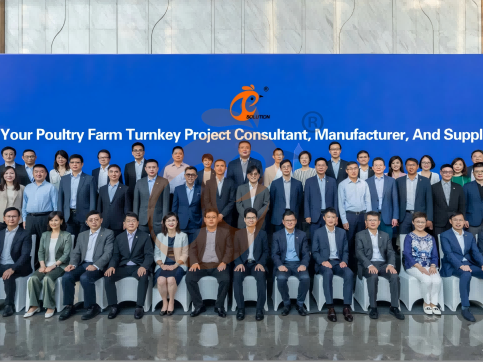
Hong Kong Headquarter Management Team
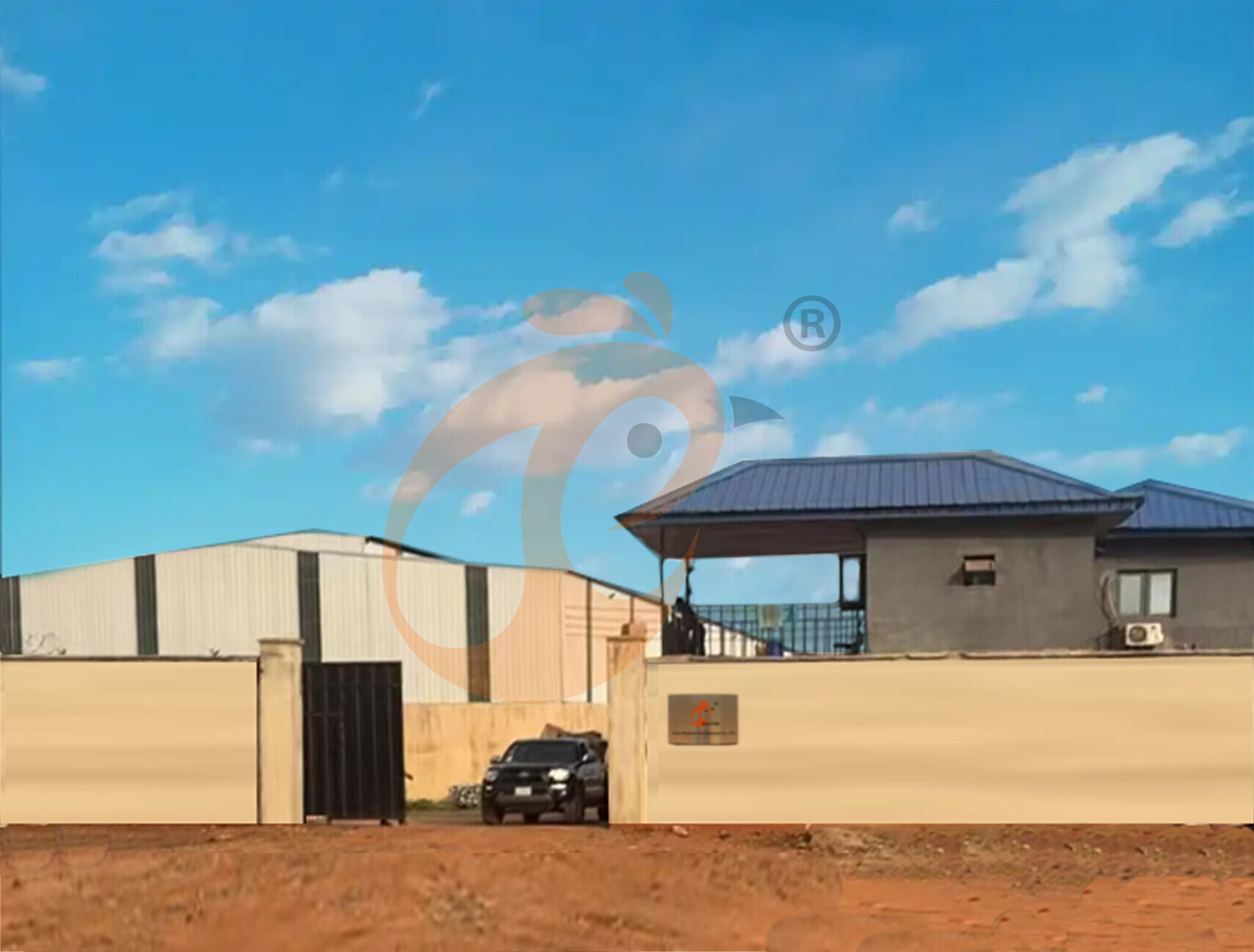
Hong Kong Headquarter Taiyu Industrial Group CO., LTD
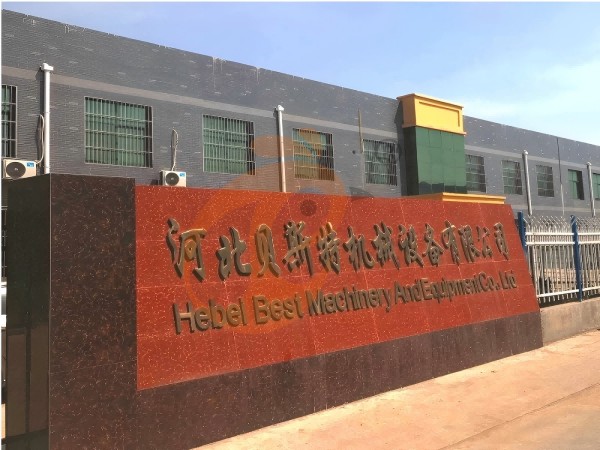
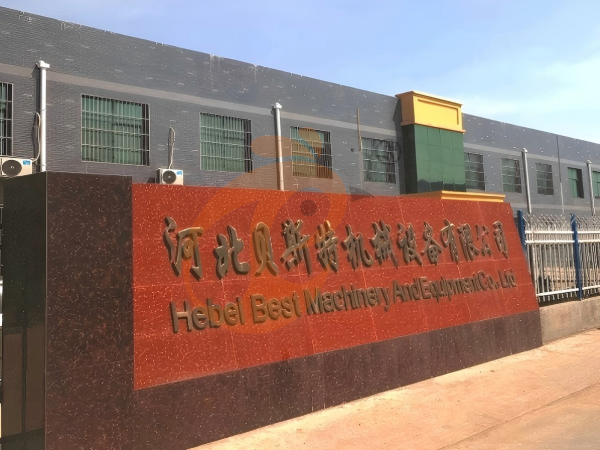
China Hebei Best Machinery And Equipment CO., LTD
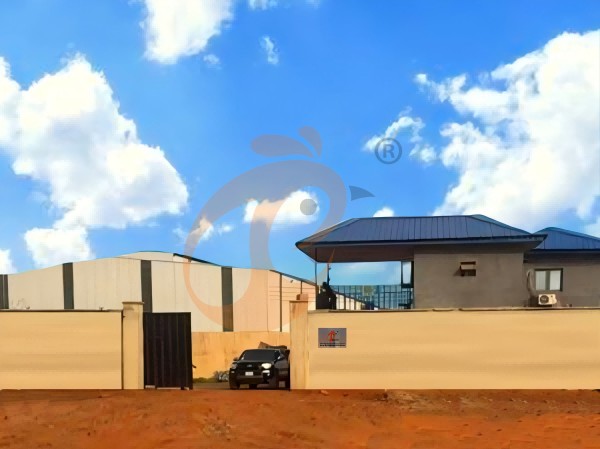
Nigeria Vanke Machinery And Equipment CO., LTD
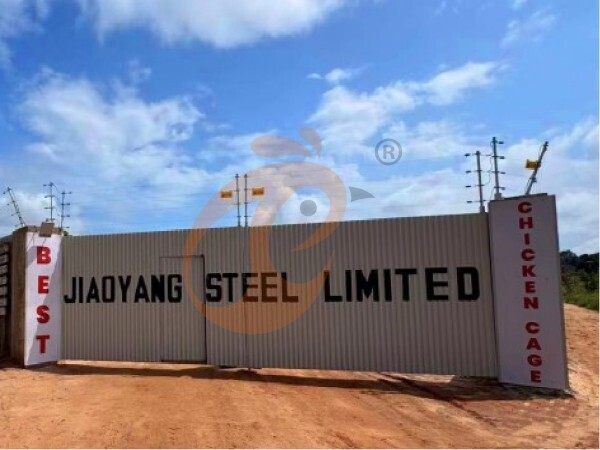
Tanzania Best Machinery And Equipment CO., LTD
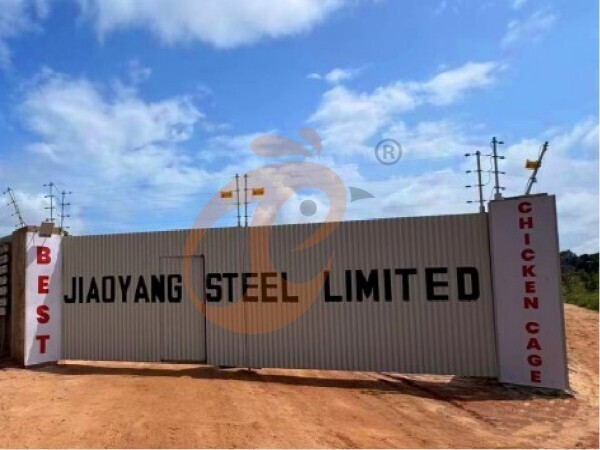
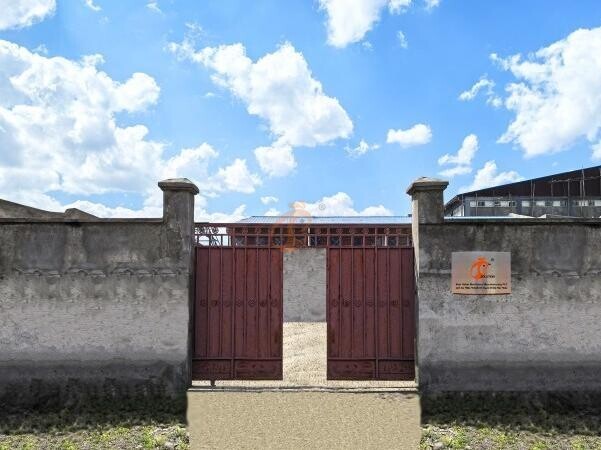
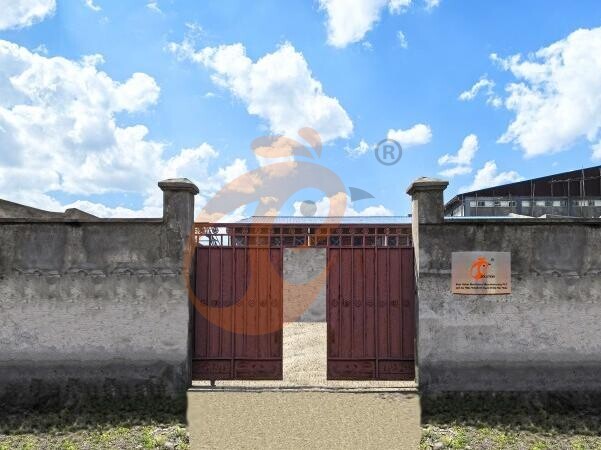
Ethiopia Best Hebei Machinery Manufacturing PLC
Reception /24 WhatsApp NO. : +8618830120193
FAQ
What Are The Main Equipment Components In Feed Mill And Feed Mixer Systems For Poultry Chicken Production?
Hammer mill units operate with rotor speeds of 2800–3600 rpm for efficient grain size reduction.
Twin-shaft mixers achieve batch capacities of 500–2000 kg per cycle for uniform poultry feed blending.
What Dust Control Requirements Are Needed In Feed Mill Operations For Poultry Chicken Farms?
Cyclone separators remove 85%–92% of airborne particles during grinding and conveying processes.
Negative pressure systems maintain airflow velocity between 0.8–1.2 m/s to prevent dust leakage.
What Temperature Parameters Are Used In Feed Mill Processing For Poultry Chicken Feed?
Conditioning temperature reaches 75–85°C to improve pellet durability and pathogen reduction.
Cooling stage reduces pellet temperature to within 5°C of ambient conditions for safe storage.
Message
Products recommended
 HK Headquarter Offers EU-standard Poultry Farm Solutions, Manufacture Poultry Farm Equipment1. Continuous communication with the EU and the US
2. China, Nigeria, Ethiopia, Tanzania branch companies and factories
3. The products’ quality is customized for local poultry farms
4. Poultry cage and poultry farm equipment stock for sale
5. 24 online reception Whatsapp NO. : +8618830120193,contact us to get full informationRead More China Branch Offer Poultry Farm Business Plan, Manufacture Poultry Farm Equipment1. Address: Flat/RM 2416, 24/F, Runxing Building, Youyi Nan Street, Shijiazhuang City, Hebei Province, China
2. Poultry cage and poultry farm equipment factory and stock for sale
3. Customized for local poultry farms
4. Quality and design are based on Euro
5. 24 online reception Whatsapp NO. : +8618830120193Read More Nigeria Branch Offer Poultry Farm Business Plan, Manufacture Poultry Farm Equipment1. Address: After Sinoma Office, 200 Meters Near Danco Filling Station, Lagos/Ibadan Expressway, Lagos State, Nigeria
2. Poultry cage and poultry farm equipment factory and stock for sale
3. Customized for Nigerian poultry farms
4. Quality and design are based on Euro
5. 24 online reception Whatsapp NO. : +8618830120193Read More Ethiopia Branch Offer Poultry Farm Business Plan, Manufacture Poultry Farm Equipment1. Address: Gelan Gura, Akaki-kaliti Sub City, Addis Ababa, Ethiopia
2. Poultry cage and poultry farm equipment stock for sale
3. Customized for Ethiopian poultry farms
4. Quality and design are based on Euro
5. 24 online reception Whatsapp NO. : +8618830120193, contact us to get price listRead More Tanzania Branch Offer Poultry Farm Business Plan, Manufacture Poultry Farm Equipment1. Address: No.8, Sova Road, Msufini, Mlandizi, Kibaha, Pwani, Tanzania
2. Poultry cage and poultry farm equipment factory and stock for sale
3. Customized for Tanzanian poultry farms
4. Quality and design are based on Euro
5. 24 online reception Whatsapp NO. : +8618830120193Read More Fully Automatic H Type Layer Chicken Cage1. 30,000-100,000+ layers/house chooses it, Poultry farmers can achieve an egg production rate of 96-98%
2. A significant improvement over the 85-90% typically seen in manual systems
3. A typical poultry farm can expect a 30-40% reduction in labor costs due to the automation
4. Each feeding line efficiently supplies feed to around 100,000 hens per 30 mins
5. Reception /WhatsApp NO. : +8618830120193Read More Fully Automatic A Type Layer Chicken Cage1. 10,000-50,000 layers/house chooses it
2. Cleaner egg collection reduces breakage by 0.5%
3. Improved hygiene helps reduce mortality rate to <3%
4. 1–2 technicians can handle 15,000–30,000 birds
5. Reception /WhatsApp NO. : +8618830120193Read More Semi Automatic H Type Layer Chicken Cage1. 1,00-20,000 layers/house chooses it
2. Nipple drinkers flow 30–60 ML / min
3. Hot-dip galvanized (typical coating ≥ 275 g/m²)
4. Reduce ammonia by ~ 35–40%
5. Reception /WhatsApp NO. : +8618830120193Read More Semi Automatic A Type Layer Chicken Cage1. 1,00-20,000 layers/house chooses it, no rust for 10 years, no deformation for 15 years
2. Chickens live comfortably, you can raise them with peace of mind
3. Save water, save money—efficiency you can measure
4. Improve environment quality, and increase egg production rate
5. Reception /WhatsApp NO. : +8618830120193Read More
By clicking 'Allow All', you agree to the storage of cookies on your device to enhance site navigation, analyze site usage and assist with our marketing efforts.