






Blog
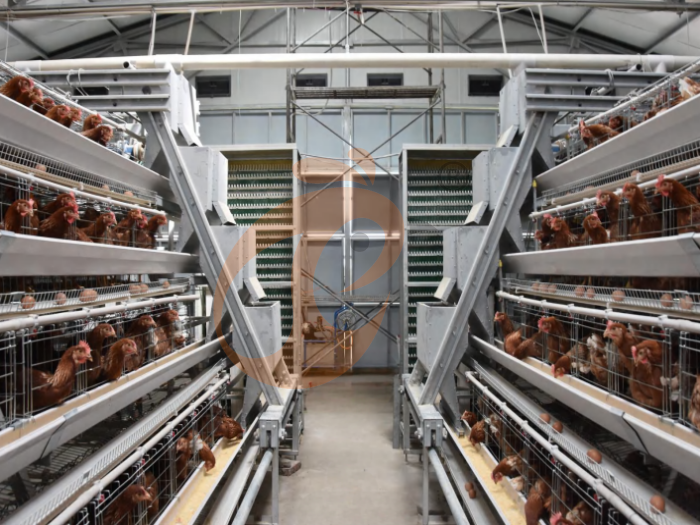
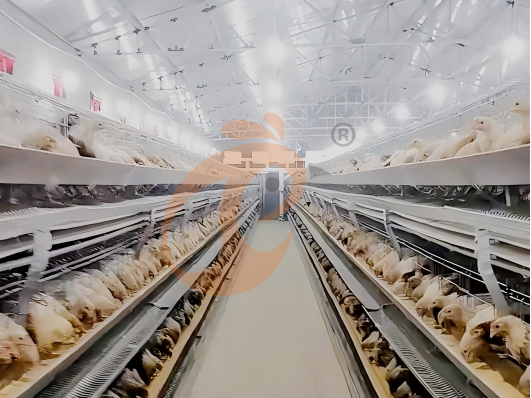
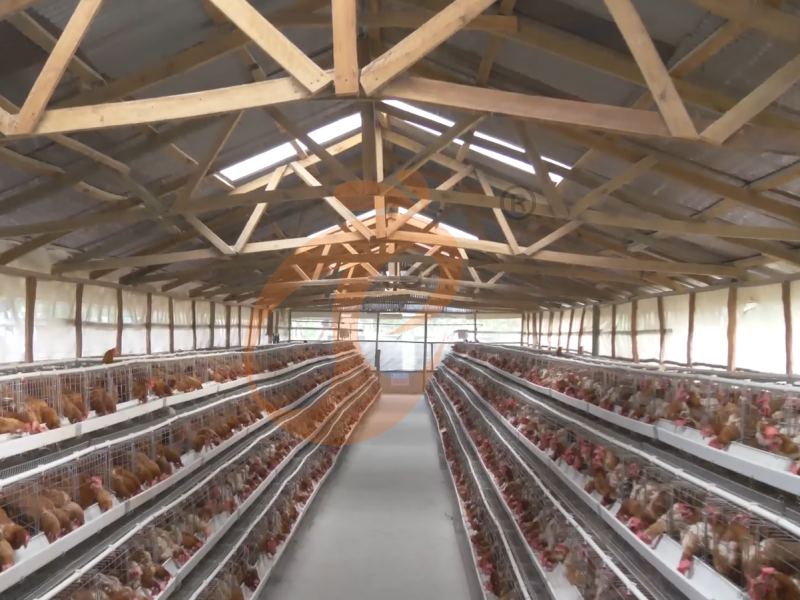
H type chicken battery cage selection depends on engineering specifications, material control, automation compatibility, installation accuracy, and service support, with commercial systems reaching 12 tiers and 600 birds per set.
H type layer cage projects can combine feeding, drinking, manure removal, egg collection, ventilation, and electrical controls into one coordinated poultry production system.
Automatic chicken cage system configurations require careful matching of cage dimensions, motor capacity, belt specifications, water delivery, and house layout for stable operation.
Imported and local H type chicken battery cage systems should be compared through measurable data, documented manufacturing standards, project engineering, spare-parts availability, and commissioning capability.
- A specification-based purchasing process helps poultry farms balance equipment durability, automation efficiency, installation requirements, maintenance planning, and long-term project value.
Get professional poultry farm construction guidance, equipment selection solutions, and the latest price lists, whatsApp to +8618830120193, +2348111199996, or click to learn more.
Engineering Key Points: Quality Starts With Specifications
When comparing imported and locally manufactured H type chicken battery cage systems, measurable engineering criteria provide a more useful basis than geographic labels.
A commercial H type layer cage should be evaluated through structural design, material treatment, automation compatibility, installation accuracy, and maintenance support.
Industry configurations can reach 12 tiers, while individual cage systems may accommodate 600 birds per set.
For poultry farms, cage quality also depends on integration with the entire production house.
An automatic chicken cage system can coordinate feeding, drinking, manure removal, egg collection, ventilation, and electrical control through 6 major functional systems.
A professionally engineered local H type chicken battery cage can therefore provide competitive technical performance when manufacturing controls and project engineering meet defined specifications.
Structural Specification Comparison
Data is for reference only.Swipe horizontally to view full table.
H type chicken battery cage specifications can vary substantially according to cage arrangement, farm capacity, and engineering requirements.
H type layer cage selection should therefore focus on documented dimensions, materials, capacity, and manufacturing specifications.
Technique Card: How To Inspect A Cage Before Purchase
Check 01 — Galvanizing request zinc-coating specifications and test documentation rather than judging an H type chicken battery cage only by surface appearance.
Check 02 — Welding inspect representative welded joints from 3 production batches to verify manufacturing consistency.
Check 03 — Assembly verify connecting components against the supplier’s stated dimensional tolerance before installation.
Check 04 — Egg movement demonstrate the h type layer cage egg-transfer route through 2 complete operating cycles.
Check 05 — Automation test feeding, drinking, manure, and collection controls together for 30 minutes before acceptance.
A professional automatic chicken cage system supplier should provide drawings, material specifications, production records, testing documentation, and installation instructions before shipment.
Automatic Equipment Parameter Table
Data is for reference only.Swipe horizontally to view full table.
H type chicken battery cage projects require coordinated equipment parameters rather than isolated component selection.
An H type layer cage can integrate feeding, drinking, manure, and egg systems when equipment specifications are matched during engineering.
Process Structure: From Farm Layout To Production
Step 1 — Farm Assessment
Measure the poultry house and define production capacity using 1 complete floor-plan drawing for the H type chicken battery cage project.
Step 2 — Cage Engineering
Calculate row arrangement, service aisles, equipment interfaces, and ventilation positions using 2-dimensional and 3-dimensional layouts.
Step 3 — Equipment Integration
Connect feeding, drinking, manure, egg collection, and environmental systems through 1 coordinated control architecture for the automatic chicken cage System.
Step 4 — Factory Inspection
Check representative components from 3 manufacturing stages, including forming, welding, and surface treatment.
Step 5 — Installation
Complete mechanical assembly, electrical connection, belt alignment, and controller commissioning through a documented installation sequence.
Step 6 — Acceptance
Run the complete H type layer cage system under operating conditions and record performance during 1 full commissioning session.
A project-based process allows manufacturers to coordinate engineering, production, installation, commissioning, and after-sales support as one complete equipment package.
Galvanizing And Material Data Table
Data is for reference only.Swipe horizontally to view full table.
Material documentation should form part of every H type chicken battery cage purchasing specification.
H type layer cage systems can combine galvanized steel, pp, nylon, pvc, and ss304 components according to equipment requirements.
Equipment Combination Recommendation: One Complete Poultry Solution
For farms purchasing an H type chicken battery cage, designing equipment as 1 integrated production line can simplify technical coordination.
Recommended Combination
H Type Layer Cage
→ Multi-tier galvanized cage structure.
Automatic Feeding
→ Feed silo + conveying equipment + trough distribution.
Automatic Drinking
→ Water filtration + pressure regulation + nipple lines.
Automatic Manure Removal
→ Manure belts + drive units.
Automatic Egg Collection
→ Egg belts + transfer conveyor + collection equipment.
Environmental Control
→ Fans + cooling pads + sensors + control cabinet.
Electrical Control
→ Centralized control system for coordinated operation.
An integrated automatic chicken cage system can reduce interface problems between independently sourced equipment.
Poultry House Layout Data Table
Data is for reference only.Swipe horizontally to view full table.
H type chicken battery cage layouts should be recalculated according to building dimensions, flock requirements, and equipment arrangement.
H type layer cage capacity planning should connect cage configuration with house ventilation, service access, feeding routes, and manure handling.
Automation Performance Table
Data is for reference only.Swipe horizontally to view full table.
Automatic chicken cage system performance depends on matching feeding, manure, drinking, egg collection, and environmental equipment during engineering.
H type chicken battery cage projects should therefore be purchased as coordinated production systems rather than isolated steel structures.
Maintenance Tips: Protect The Equipment Investment
Daily: Inspect 4 operating areas covering feed distribution, water supply, manure movement, and egg transfer for the H type layer cage.
Weekly: Check mechanical connections and drive components after approximately 7 operating days, with attention to dust and manure accumulation.
Monthly: Review belt tracking, motor condition, electrical terminals, water pressure, and cage connections using 1 standardized inspection sheet.
Before each production cycle verify every automatic chicken cage system through a complete dry run lasting 30–60 minutes.
Preventive inspection can identify worn components before production interruptions occur.
A professional supplier should provide operation manuals, spare-parts lists, electrical diagrams, and maintenance instructions with the H Type Chicken Battery Cage project.
Supplier Capability Comparison Table
Data is for reference only.Swipe horizontally to view full table.
A supplier should be evaluated through documented deliverables for the H type chicken battery cage rather than geographic origin alone.
An automatic chicken cage system manufacturer with engineering, production, installation, and technical-service capabilities can provide a coordinated project pathway.
Final Quality Checklist: Make The Decision With Data
Data is for reference only.Swipe horizontally to view full table.
The question of imported versus local H type chicken battery cage quality should be addressed through measurable engineering evidence rather than geographic labels.
H type layer cage systems can differ according to materials, automation components, dimensions, production controls, installation methods, and technical support.
For poultry farms, purchasing evaluation should cover documented specifications, system compatibility, installation capability, spare-parts supply, and after-sales service.
For projects requiring coordinated automation, an automatic chicken cage System supplier can integrate cage layout, feeding, drinking, manure removal, egg collection, and environmental equipment.
Frequently Asked Questions
Q1: What should be compared when buying an H type chicken battery cage?
A1: Buyers should compare structural specifications, material documentation, automation compatibility, installation procedures, and service arrangements.
A complete H type chicken battery cage project can contain 6 major functional systems, making equipment integration an important purchasing consideration.
Q2: Can A local h type layer cage be used for large commercial farms?
A2: Yes, commercial suitability depends on engineering design, manufacturing consistency, installation quality, and equipment integration rather than manufacturing location alone.
Project planning can reach 50,000+ birds under suitable house dimensions and equipment configurations.
Q3: What equipment should be integrated with an automatic chicken cage system?
A3: A coordinated system commonly includes feeding, drinking, manure removal, egg collection, environmental control, and electrical control.
A complete configuration may use 1.1 kw feeding motors together with dedicated manure and egg conveying equipment.
Taiyu (HK) Group - One Of China Toppest H Type Chicken Battery Cage Manufacturer
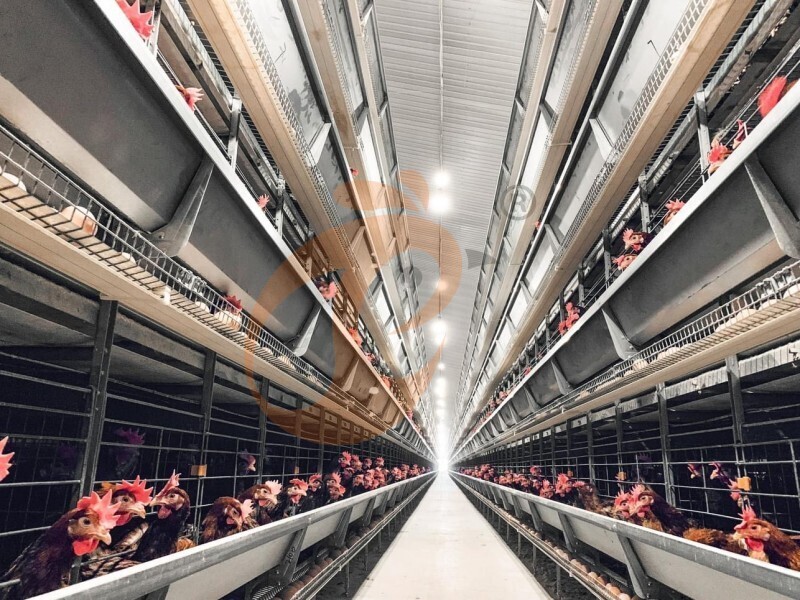
H type chicken battery cage systems integrate multi-tier galvanized structures with automatic feeding, drinking, manure removal, and egg collection for commercial layer operations, with configurations reaching 12 tiers and 600 birds per set.
Global factory-direct supply covers H type layer cage production, poultry equipment engineering, technical documentation, component matching, installation coordination, and international project delivery.
Poultry equipment packages combine cage systems, feeding lines, drinking systems, manure conveyors, egg collection, ventilation, cooling, and electrical control into coordinated project specifications.
Turn-key engineering covers farm layout calculation, equipment configuration, manufacturing, shipment coordination, installation guidance, commissioning, operator training, spare-parts planning, and technical support.
Project-based manufacturing supports customized automatic chicken cage system configurations according to house dimensions, flock capacity, automation requirements, electrical conditions, and production objectives.
Contact Us To Received Your Customized Poultry Farm Plan
Headquarters And Branchs

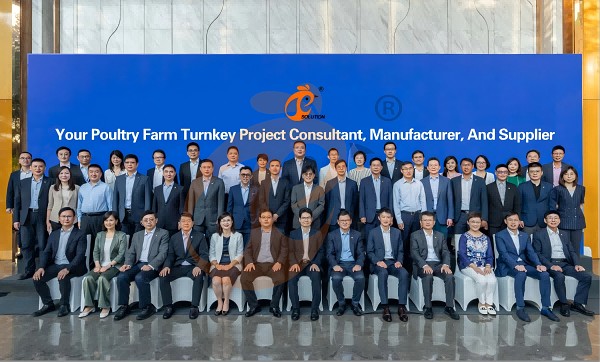
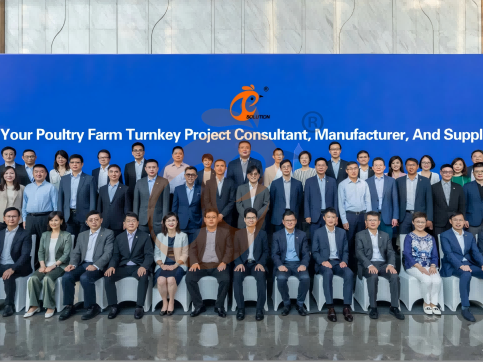
Hong Kong Headquarter Management Team
Hong Kong Headquarter Taiyu Industrial Group CO., LTD
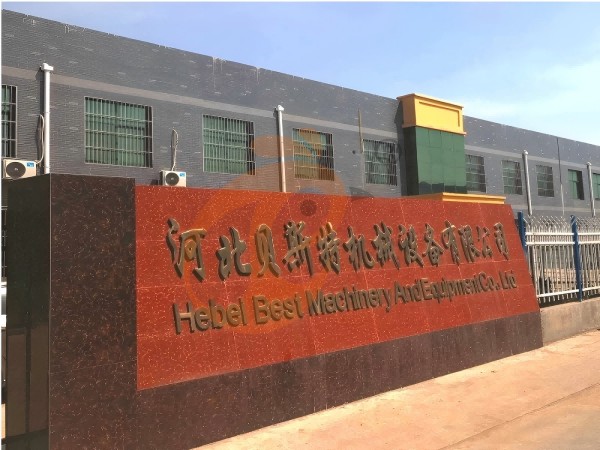
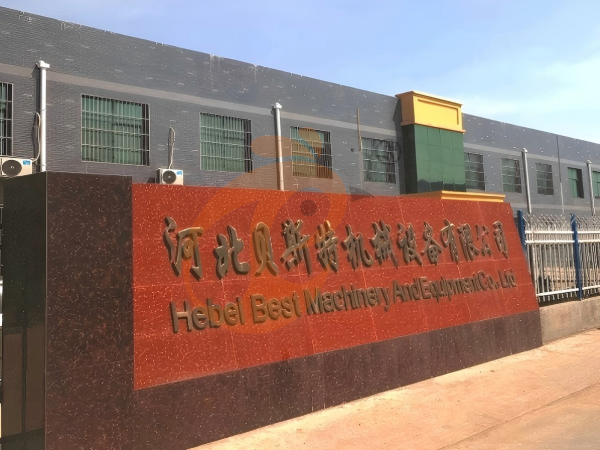
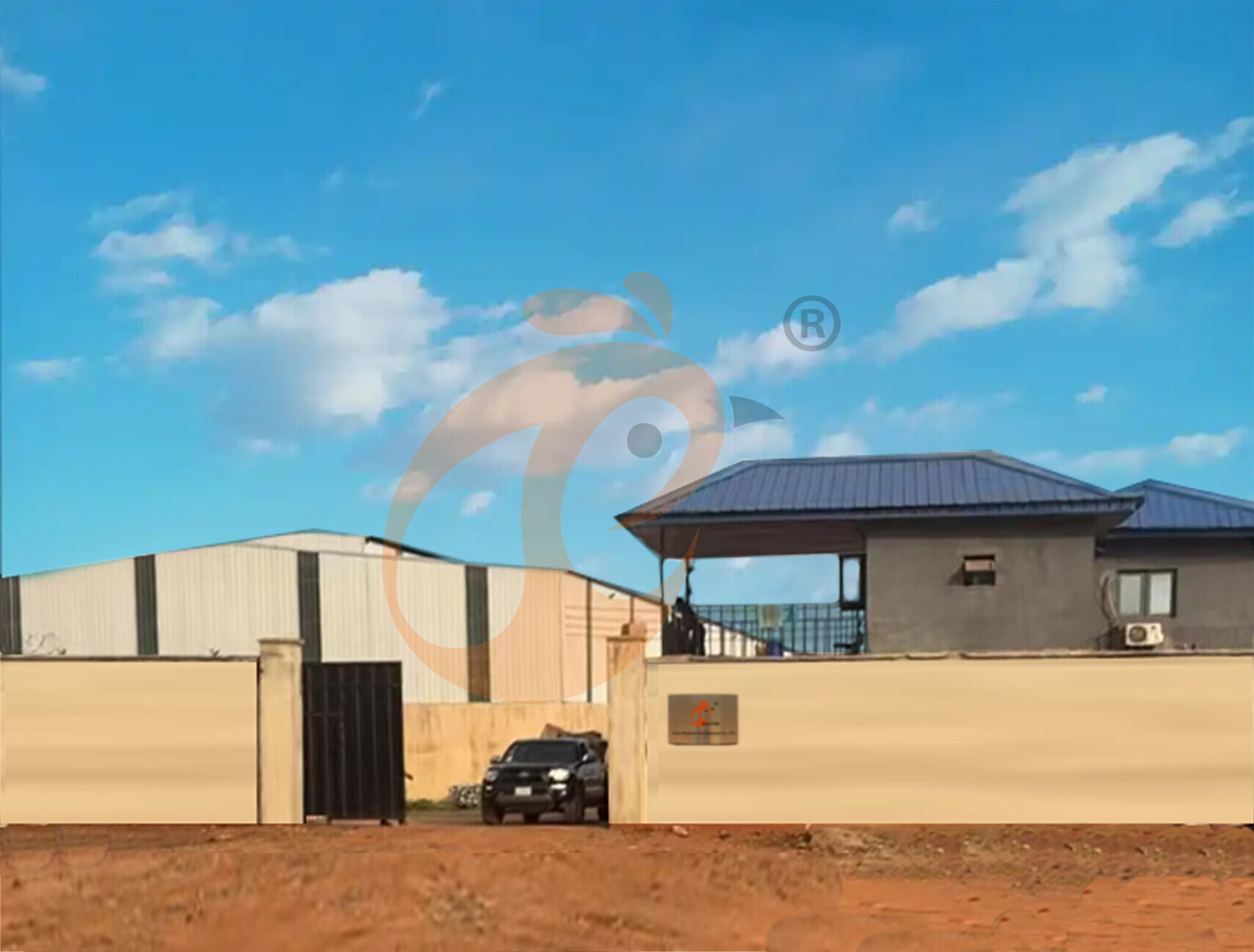
China Hebei Best Machinery And Equipment CO., LTD
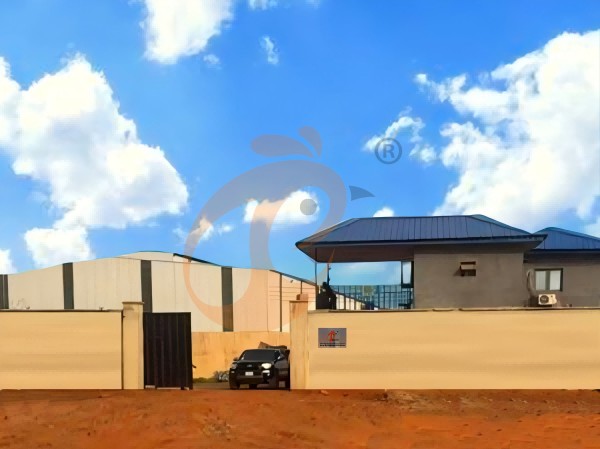
Nigeria Vanke Machinery And Equipment CO., LTD
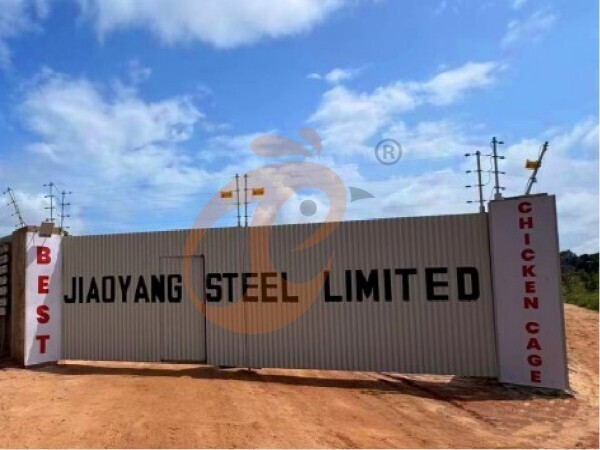
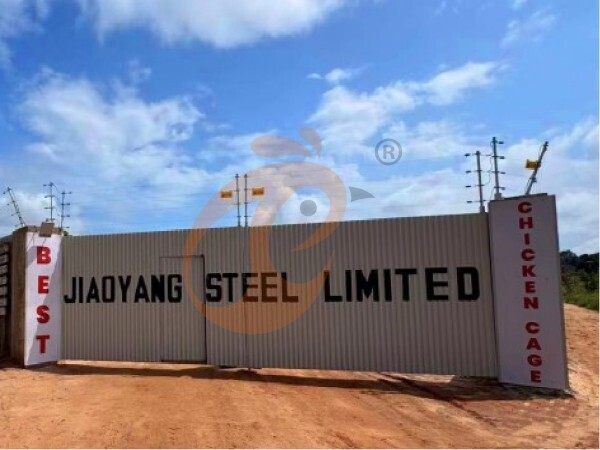
Tanzania Best Machinery And Equipment CO., LTD
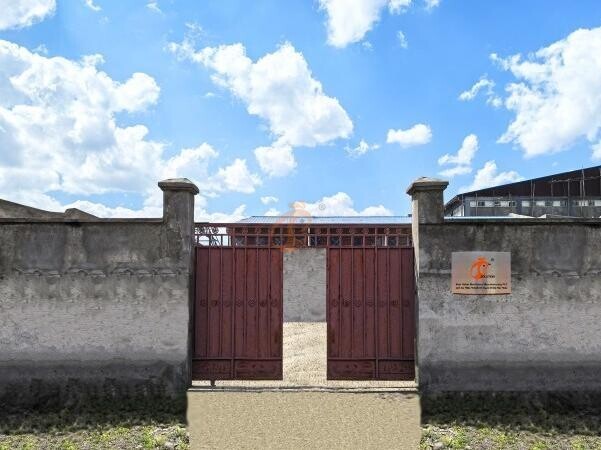
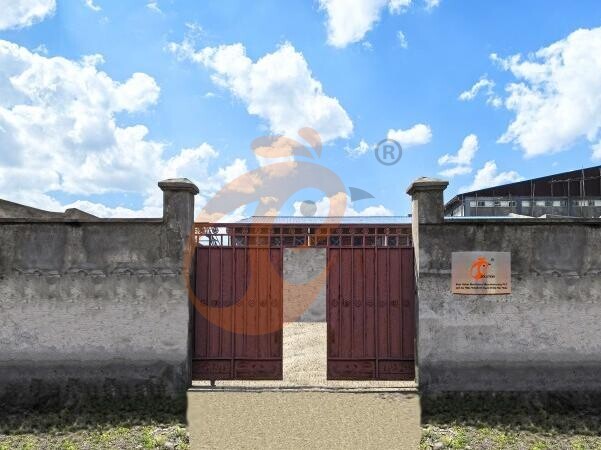
Ethiopia Best Hebei Machinery Manufacturing PLC
Reception /24 WhatsApp NO. : +8618830120193
FAQ
How To Monitor Egg Quality In H-Type Layer Cage System?
Check shell thickness and weight
Egg production rate: 90-98%
Egg breakage rate <1%
Labor savings: 70-90%
What Are The Best Materials For H-Type Poultry Cage Construction?
Anti-corrosion coating for durability
Equipment lifespan: more than 25 years
Easy to clean and maintain
Egg production rate: 90-98%
How To Improve Air Quality In H-Type Chicken Cage Houses?
Install air filtration systems
Control temperature and humidity at 20–25°C
Mortality rate <3%
Egg production rate: 90-98%
- poultry equipment
- chicken cage
- layer cage
- poultry farm
- battery cage
- poultry farm
- poultry farm construction
- battery cage manufacturer
- battery cage system
- layer cage system
- automatic chicken cage
- automatic chicken cage system
- battery cage
- poultry house
- chicken battery cage
- chicken cage system
- layer cage capacity
- chicken cage system manufacturer
- chicken cage system supplier
- battery cage specifications
- poultry house layout
- Ethiopia
- Nigeria
Message
Products recommended
 HK Headquarter Offers EU-standard Poultry Farm Solutions, Manufacture Poultry Farm Equipment1. Continuous communication with the EU and the US
2. China, Nigeria, Ethiopia, Tanzania branch companies and factories
3. The products’ quality is customized for local poultry farms
4. Poultry cage and poultry farm equipment stock for sale
5. 24 online reception Whatsapp NO. : +8618830120193,contact us to get full informationRead More China Branch Offer Poultry Farm Business Plan, Manufacture Poultry Farm Equipment1. Address: Flat/RM 2416, 24/F, Runxing Building, Youyi Nan Street, Shijiazhuang City, Hebei Province, China
2. Poultry cage and poultry farm equipment factory and stock for sale
3. Customized for local poultry farms
4. Quality and design are based on Euro
5. 24 online reception Whatsapp NO. : +8618830120193Read More Nigeria Branch Offer Poultry Farm Business Plan, Manufacture Poultry Farm Equipment1. Address: After Sinoma Office, 200 Meters Near Danco Filling Station, Lagos/Ibadan Expressway, Lagos State, Nigeria
2. Poultry cage and poultry farm equipment factory and stock for sale
3. Customized for Nigerian poultry farms
4. Quality and design are based on Euro
5. 24 online reception Whatsapp NO. : +8618830120193Read More Ethiopia Branch Offer Poultry Farm Business Plan, Manufacture Poultry Farm Equipment1. Address: Gelan Gura, Akaki-kaliti Sub City, Addis Ababa, Ethiopia
2. Poultry cage and poultry farm equipment stock for sale
3. Customized for Ethiopian poultry farms
4. Quality and design are based on Euro
5. 24 online reception Whatsapp NO. : +8618830120193, contact us to get price listRead More Tanzania Branch Offer Poultry Farm Business Plan, Manufacture Poultry Farm Equipment1. Address: No.8, Sova Road, Msufini, Mlandizi, Kibaha, Pwani, Tanzania
2. Poultry cage and poultry farm equipment factory and stock for sale
3. Customized for Tanzanian poultry farms
4. Quality and design are based on Euro
5. 24 online reception Whatsapp NO. : +8618830120193Read More Fully Automatic H Type Layer Chicken Cage1. 30,000-100,000+ layers/house chooses it, Poultry farmers can achieve an egg production rate of 96-98%
2. A significant improvement over the 85-90% typically seen in manual systems
3. A typical poultry farm can expect a 30-40% reduction in labor costs due to the automation
4. Each feeding line efficiently supplies feed to around 100,000 hens per 30 mins
5. Reception /WhatsApp NO. : +8618830120193Read More Fully Automatic A Type Layer Chicken Cage1. 10,000-50,000 layers/house chooses it
2. Cleaner egg collection reduces breakage by 0.5%
3. Improved hygiene helps reduce mortality rate to <3%
4. 1–2 technicians can handle 15,000–30,000 birds
5. Reception /WhatsApp NO. : +8618830120193Read More Semi Automatic H Type Layer Chicken Cage1. 1,00-20,000 layers/house chooses it
2. Nipple drinkers flow 30–60 ML / min
3. Hot-dip galvanized (typical coating ≥ 275 g/m²)
4. Reduce ammonia by ~ 35–40%
5. Reception /WhatsApp NO. : +8618830120193Read More Semi Automatic A Type Layer Chicken Cage1. 1,00-20,000 layers/house chooses it, no rust for 10 years, no deformation for 15 years
2. Chickens live comfortably, you can raise them with peace of mind
3. Save water, save money—efficiency you can measure
4. Improve environment quality, and increase egg production rate
5. Reception /WhatsApp NO. : +8618830120193Read More
By clicking 'Allow All', you agree to the storage of cookies on your device to enhance site navigation, analyze site usage and assist with our marketing efforts.