






Blog
Pralson feeders can coordinate feeding cycles, motor operation, and feed delivery through measurable equipment parameters for commercial poultry houses.
Automatic chicken feeder configurations can reduce unnecessary operating periods while supporting consistent feed distribution across production houses with different layouts.
A properly engineered poultry feeding system combines mechanical conveying, sensor control, pan adjustment, and scheduled operation to improve resource utilization.
Motor selection, feed-line maintenance, and calibrated feeding components directly influence electrical demand, equipment workload, and daily feed management efficiency.
- Practical energy management therefore connects equipment specifications with flock requirements, maintenance planning, automation settings, and long-term poultry-house operating costs.
Get professional poultry farm construction guidance, equipment selection solutions, and the latest price lists, whatsApp to +8618830120193, +2348111199996, or click to learn more.
Why Energy Efficiency Matters In Modern Poultry Houses
Energy consumption is directly connected with feeder operating time, motor load, and feed delivery efficiency.
A properly engineered poultry feeder coordinates feeding without unnecessary equipment operation.
For example, a poultry house may operate on a 400 v three-phase supply with a 50 hz electrical frequency, depending on local infrastructure.
For pralson feeders, energy management is not limited to motor electricity.
Feed distribution, control accuracy, mechanical transmission, and maintenance all influence operating costs.
A feeding line designed for a 2,000-bird section and 35 kg daily feed allocation requires different operating strategies from a larger commercial installation.
Six Energy-Saving Methods At A Glance
Data is for reference only.Swipe horizontally to view full table.
The six methods work together rather than functioning as isolated adjustments.
A complete automatic chicken feeder solution can combine automatic timing, mechanical conveying, feed-level detection, and pan management within one poultry-house system.
Method 1: Make Every Feeding Cycle Count
Use this three-step rule: calculate → schedule → verify.
Calculate: determine the flock's required feed volume before setting equipment runtime.
A flock consuming 125 g/bird/day should not be managed with an arbitrary continuous-running schedule.
Schedule: divide feeding into programmed periods according to production requirements.
A 3-hour interval between selected feeding events can provide a defined operating framework.
Verify: compare actual feeder operation with the planned schedule.
If the system runs beyond the required feeding period, operators can investigate sensors, settings, or feed distribution instead of accepting unnecessary runtime as normal.
Pralson automatic feeders are therefore suited to farms seeking a measurable approach to feeding management rather than relying entirely on manual switching.
Motor Selection: Where Efficiency Starts
Data is for reference only.Swipe horizontally to view full table.
Motor selection should be based on conveying distance, feed characteristics, drive resistance, and required throughput.
For example, a 120 m conveying route places different demands on a drive system than a short house installation.
Pralson equipment can be specified around the actual system configuration, allowing motor capacity to correspond with engineering requirements instead of applying one motor specification to every poultry house.
Method 2: Keep The Feed Line Moving Smoothly
Five questions for maintenance teams
1. Is the auger rotating correctly?
Check for deformation, contact, and irregular rotation.
An inspection every 30 days provides a defined maintenance interval for routine assessment.
2. Are pipe connections aligned?
Misalignment can increase resistance and affect feed movement.
Maintain appropriate installation geometry across each section.
3. Is the drive assembly secure?
Inspect mounting points, couplings, and transmission components.
A 3 mm coupling clearance should be evaluated according to the specific drive design rather than treated as a universal setting.
4. Is feed accumulating inside the line?
Accumulation can increase conveying resistance and affect motor loading.
Operators should inspect the line after abnormal operating cycles.
5. Are worn components replaced on schedule?
Replacing damaged components before failure helps maintain consistent conveying performance and prevents secondary mechanical problems.
Pralson feeders are designed for automatic poultry-house operation, making systematic inspection an important part of maintaining their designed working condition.
Maintenance And Energy Efficiency Checklist
Data is for reference only.Swipe horizontally to view full table.
Maintenance should be documented rather than performed only after a failure.
Recording inspection results every 14 days creates a traceable equipment history, while a 2 mm wear threshold can be used when evaluating specified mechanical components.
This approach allows poultry producers to identify developing problems before they affect feeding continuity.
Method 3: Reduce Feed Waste To Save More Than Electricity
Energy efficiency and feed efficiency are closely connected.
Every unnecessary conveying cycle consumes electricity while potentially increasing feed accumulation or spillage.
A feeder configured for 40 birds per pan can distribute access differently from a system designed for a larger number of birds per feeding point.
Correct pan adjustment is therefore essential.
The feed level should correspond to flock requirements rather than remaining at a fixed setting throughout the production cycle.
A 15 mm adjustment increment can provide a measurable reference when changing pan settings according to the equipment design.
Pralson feeding equipment can help producers combine controlled feed delivery with adjustable feeding components, creating an operating system in which electricity and feed are managed together.
Feed Distribution Comparison
Data is for reference only.Swipe horizontally to view full table.
The correct configuration depends on house dimensions, flock population, feed formulation, and installation layout.
A 12 m house width may require a different line arrangement from a narrower building, while a 2.4 m service aisle can influence equipment positioning and maintenance access.
Engineering these dimensions before installation helps prevent unnecessary modifications after commissioning.
Method 4: Automation Makes Energy Management Smarter
From manual feeding to controlled operation
Manual stage
Operators switch equipment according to routine practice.
A typical manual inspection may occur every 2 hours, creating dependence on personnel availability.
Timed stage
A controller starts the feeder according to programmed feeding periods.
The system can use a 10-minute operating window for a defined feeding event when appropriate to the calculated feed requirement.
Sensor-assisted stage
Sensors provide feedback about feed conditions and allow the controller to respond to the actual status of the feeding line.
This progression demonstrates why automation matters.
Pralson feeding systems can integrate control components so that equipment operation follows defined feeding requirements rather than relying solely on manual decisions.
Automation Features And Their Benefits
Data is for reference only.Swipe horizontally to view full table.
Automation should be configured around the actual poultry-house layout.
For example, a 60 m sensor cable route may require different wiring planning from a compact installation.
Pralson equipment can be integrated into an automatic feeding architecture where sensors, controllers, motors, and feed lines perform coordinated functions.
European union standard reference only.
Method 5 & 6: Combine Equipment Optimization With Better Management
A practical farm scenario
Consider a poultry house where feeders operate according to fixed manual habits.
The operator starts the system, checks the pans, and stops the equipment after visually estimating feed distribution.
Now introduce an automated pralson configuration.
The controller follows programmed feeding periods, sensors monitor feed conditions, and the drive system transports feed through the line according to the configured operating logic.
The difference becomes measurable: a system designed around 450 kg/h feed demand and a 30-minute inspection route gives managers defined operational references instead of relying only on subjective judgment.
This is the practical connection between equipment engineering and energy management: the feeder is configured to perform a specific feeding task, while operators monitor measurable operating conditions.
Choose Pralson Feeders For Efficient Poultry Production
Data is for reference only.Swipe horizontally to view full table.
The specifications of each feeding system should be selected according to flock size, house dimensions, feed characteristics, and electrical infrastructure.
For example, a 100,000-bird project requires a different equipment calculation from a small-scale house.
Pralson Feeders provide a practical equipment platform for farms seeking automatic feeding, controlled feed distribution, and structured energy management.
By combining suitable motors, calibrated feeding components, automated controls, and preventive maintenance, producers can reduce unnecessary feeder operation while maintaining consistent feed delivery.
For poultry farms planning a new feeding line or upgrading an existing house, pralson provides equipment-oriented solutions designed around measurable system requirements rather than one-size-fits-all configurations.
Frequently Asked Questions
Q1: What is the main energy-saving advantage of pralson feeders?
A1: Pralson feeders coordinate motor operation with programmed feeding requirements and feed-level conditions.
A correctly configured system can avoid unnecessary feeder runtime while supporting consistent feed availability.
A 10-minute operating window can be evaluated as part of an individual feeding program.
Q2: How can automatic chicken feeders reduce unnecessary operation?
A2: Automatic chicken feeders use programmed controls and sensor feedback to coordinate equipment activation.
Feed delivery can therefore correspond with actual system conditions instead of continuous manual operation.
A 24 v dc control circuit can support the control architecture used in suitable installations.
Q3: Which factors should be checked before selecting a poultry feeding system?
A3: House dimensions, flock population, feed characteristics, conveying distance, electrical supply, and equipment layout should be evaluated together.
Engineering calculations should determine motor selection, line configuration, pan quantity, and control requirements.
A 150 m conveying route can require different engineering calculations from a compact poultry house.
Taiyu (HK) Group - One Of China Toppest Pralson Feeders Manufacturer
Pralson feeders provide automated feed conveying and pan distribution with configurations reaching 1,200 kg/h for applicable commercial poultry projects.
Global factory direct sales Taiyu (HK) Group supplies poultry equipment through direct manufacturing coordination, supporting equipment specifications, component integration, and project-based procurement.
Poultry equipment product scope covers automatic feeding systems, drinking systems, environmental equipment, and related poultry-house machinery for commercial production facilities.
Turn-key engineering project execution can connect equipment selection, house layout, system installation, commissioning, and technical coordination into one engineering workflow.
International project support factory-based technical coordination supports poultry projects requiring equipment matching, production planning, installation documentation, and after-sales engineering communication.
Contact Us To Received Your Customized Poultry Farm Plan
Headquarters And Branchs
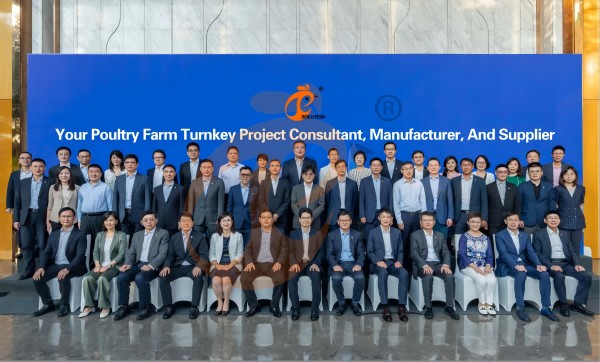
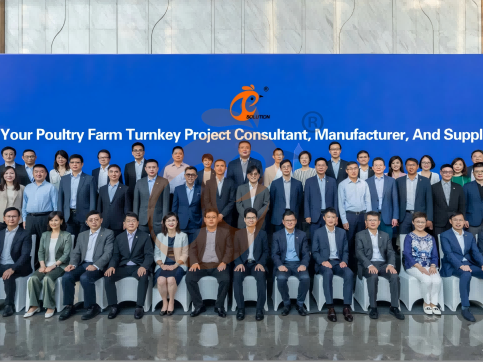
Hong Kong Headquarter Management Team
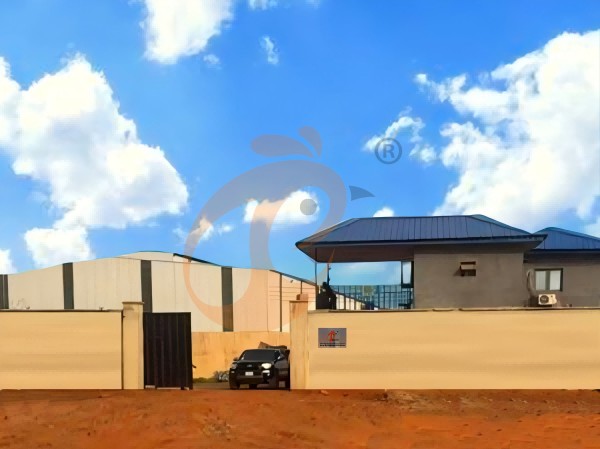
Hong Kong Headquarter Taiyu Industrial Group CO., LTD
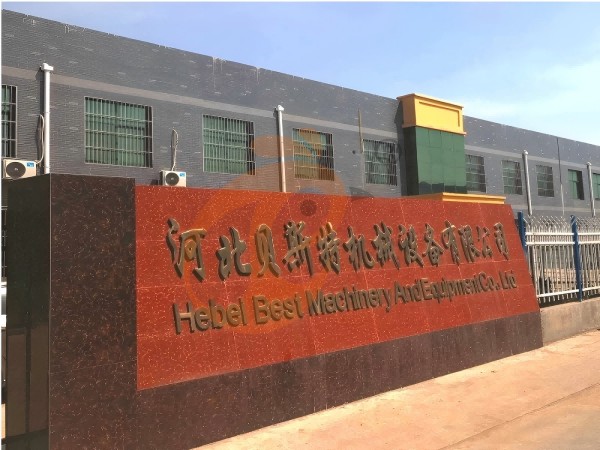
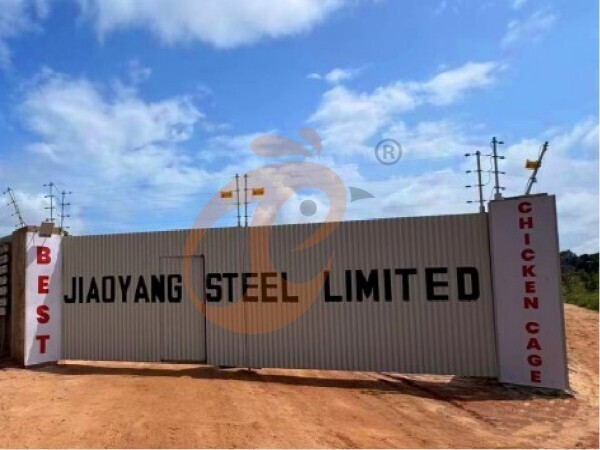
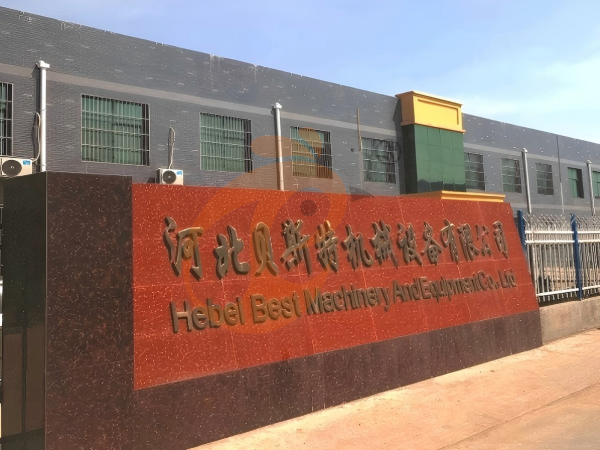
China Hebei Best Machinery And Equipment CO., LTD
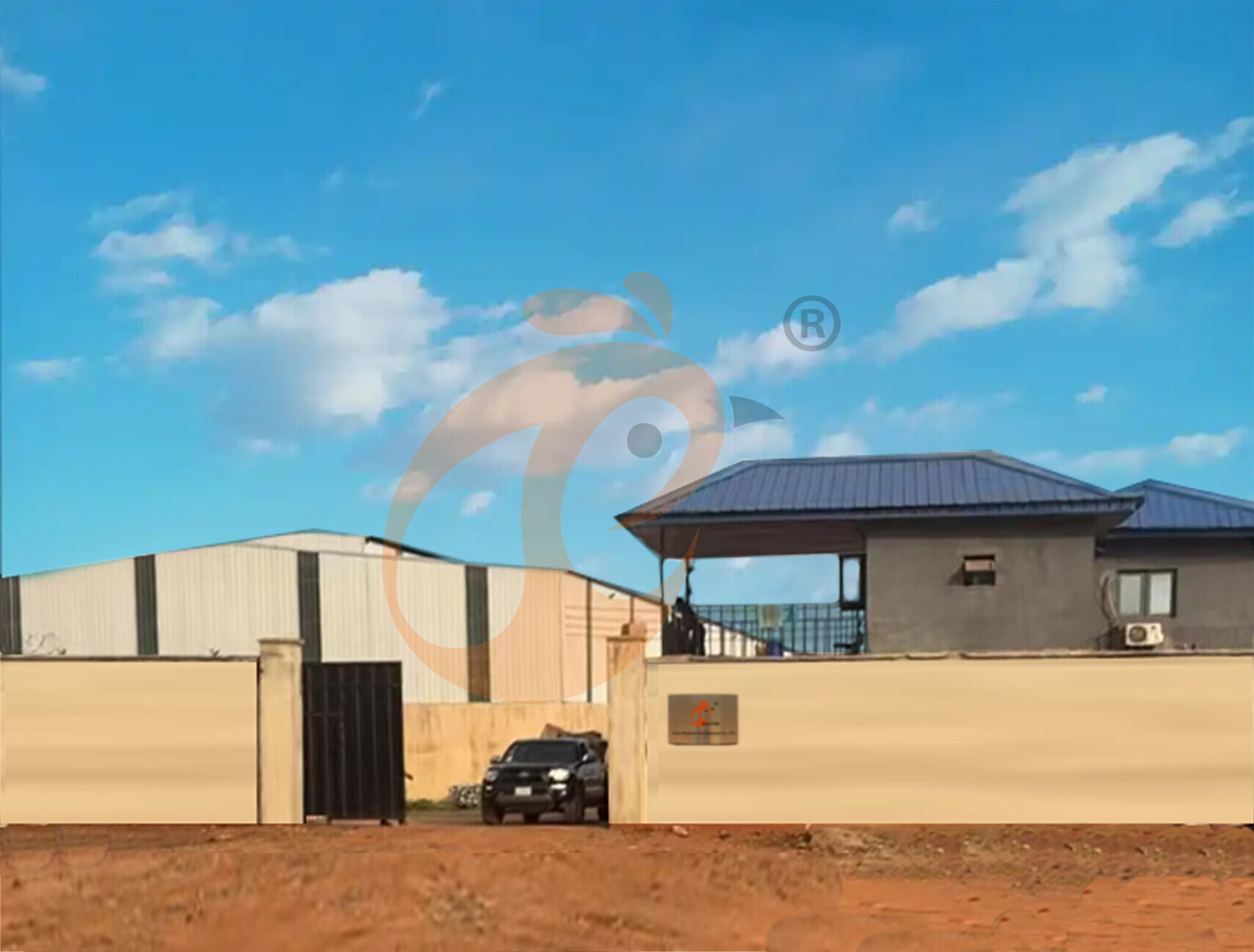
Nigeria Vanke Machinery And Equipment CO., LTD
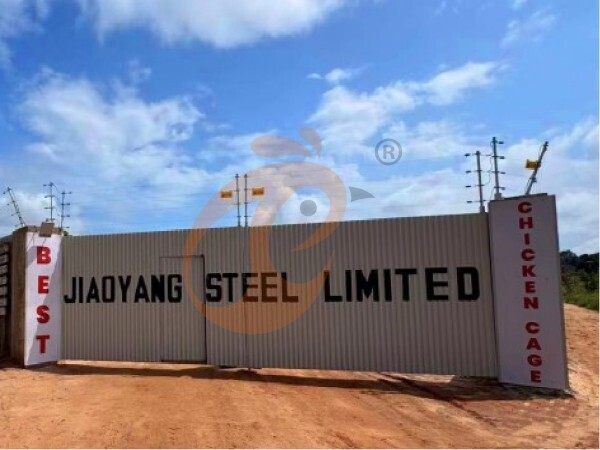
Tanzania Best Machinery And Equipment CO., LTD
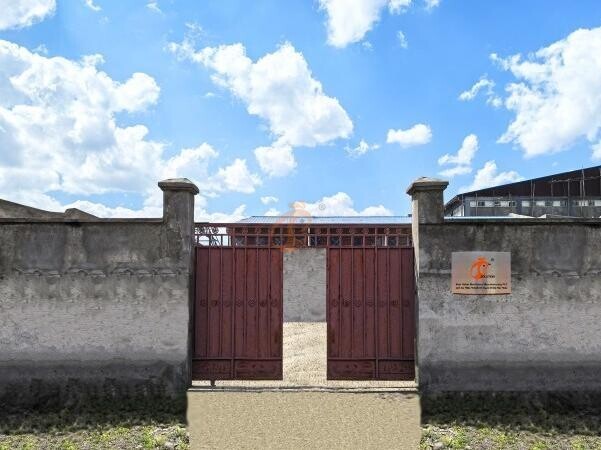
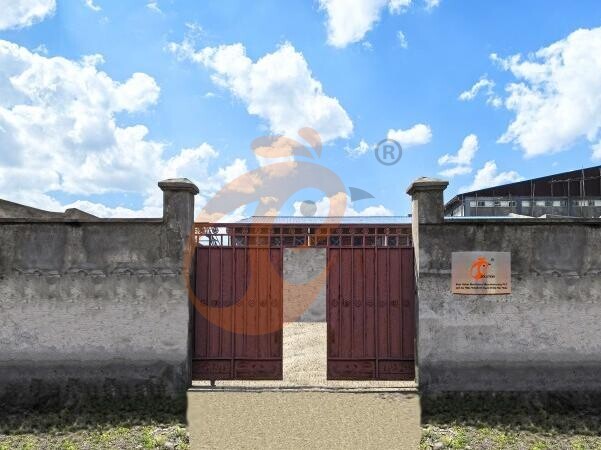
Ethiopia Best Hebei Machinery Manufacturing PLC
Reception /24 WhatsApp NO. : +8618830120193
FAQ
What Performance Advantages Does Plasson Poultry Equipment Provide In Poultry Chicken Farming Efficiency?
Labor requirement decreases by 50%–65% through automated water delivery systems.
Disease transmission risk is reduced by 35%–55% due to closed drinking environment design.
What Are The Installation Standards For Plasson Poultry Equipment In Poultry Chicken Farms?
Pipeline slope is maintained at 0.3%–0.5% for effective drainage and hygiene control.
Spacing between drinkers is configured at 25–35 cm to ensure equal water access distribution.
What Maintenance Requirements Apply To Plasson Poultry Equipment In Poultry Chicken Production Systems?
Seal inspection intervals are set at 20–30 days to prevent leakage and pressure loss.
Cleaning solution concentration is maintained at 0.03%–0.06% for effective system sanitation.
Message
Products recommended
 HK Headquarter Offers EU-standard Poultry Farm Solutions, Manufacture Poultry Farm Equipment1. Continuous communication with the EU and the US
2. China, Nigeria, Ethiopia, Tanzania branch companies and factories
3. The products’ quality is customized for local poultry farms
4. Poultry cage and poultry farm equipment stock for sale
5. 24 online reception Whatsapp NO. : +8618830120193,contact us to get full informationRead More China Branch Offer Poultry Farm Business Plan, Manufacture Poultry Farm Equipment1. Address: Flat/RM 2416, 24/F, Runxing Building, Youyi Nan Street, Shijiazhuang City, Hebei Province, China
2. Poultry cage and poultry farm equipment factory and stock for sale
3. Customized for local poultry farms
4. Quality and design are based on Euro
5. 24 online reception Whatsapp NO. : +8618830120193Read More Nigeria Branch Offer Poultry Farm Business Plan, Manufacture Poultry Farm Equipment1. Address: After Sinoma Office, 200 Meters Near Danco Filling Station, Lagos/Ibadan Expressway, Lagos State, Nigeria
2. Poultry cage and poultry farm equipment factory and stock for sale
3. Customized for Nigerian poultry farms
4. Quality and design are based on Euro
5. 24 online reception Whatsapp NO. : +8618830120193Read More Ethiopia Branch Offer Poultry Farm Business Plan, Manufacture Poultry Farm Equipment1. Address: Gelan Gura, Akaki-kaliti Sub City, Addis Ababa, Ethiopia
2. Poultry cage and poultry farm equipment stock for sale
3. Customized for Ethiopian poultry farms
4. Quality and design are based on Euro
5. 24 online reception Whatsapp NO. : +8618830120193, contact us to get price listRead More Tanzania Branch Offer Poultry Farm Business Plan, Manufacture Poultry Farm Equipment1. Address: No.8, Sova Road, Msufini, Mlandizi, Kibaha, Pwani, Tanzania
2. Poultry cage and poultry farm equipment factory and stock for sale
3. Customized for Tanzanian poultry farms
4. Quality and design are based on Euro
5. 24 online reception Whatsapp NO. : +8618830120193Read More Fully Automatic H Type Layer Chicken Cage1. 30,000-100,000+ layers/house chooses it, Poultry farmers can achieve an egg production rate of 96-98%
2. A significant improvement over the 85-90% typically seen in manual systems
3. A typical poultry farm can expect a 30-40% reduction in labor costs due to the automation
4. Each feeding line efficiently supplies feed to around 100,000 hens per 30 mins
5. Reception /WhatsApp NO. : +8618830120193Read More Fully Automatic A Type Layer Chicken Cage1. 10,000-50,000 layers/house chooses it
2. Cleaner egg collection reduces breakage by 0.5%
3. Improved hygiene helps reduce mortality rate to <3%
4. 1–2 technicians can handle 15,000–30,000 birds
5. Reception /WhatsApp NO. : +8618830120193Read More Semi Automatic H Type Layer Chicken Cage1. 1,00-20,000 layers/house chooses it
2. Nipple drinkers flow 30–60 ML / min
3. Hot-dip galvanized (typical coating ≥ 275 g/m²)
4. Reduce ammonia by ~ 35–40%
5. Reception /WhatsApp NO. : +8618830120193Read More Semi Automatic A Type Layer Chicken Cage1. 1,00-20,000 layers/house chooses it, no rust for 10 years, no deformation for 15 years
2. Chickens live comfortably, you can raise them with peace of mind
3. Save water, save money—efficiency you can measure
4. Improve environment quality, and increase egg production rate
5. Reception /WhatsApp NO. : +8618830120193Read More
By clicking 'Allow All', you agree to the storage of cookies on your device to enhance site navigation, analyze site usage and assist with our marketing efforts.