






Blog
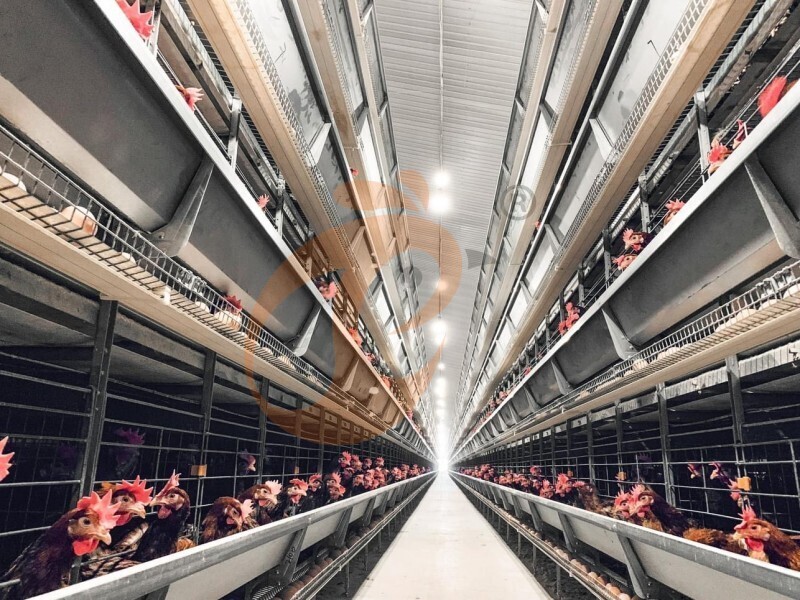
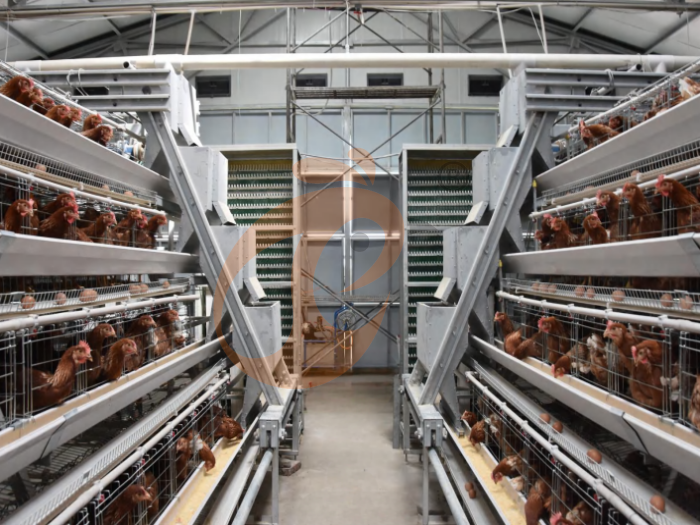
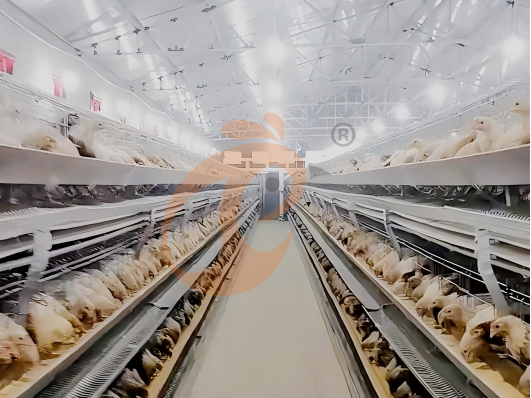
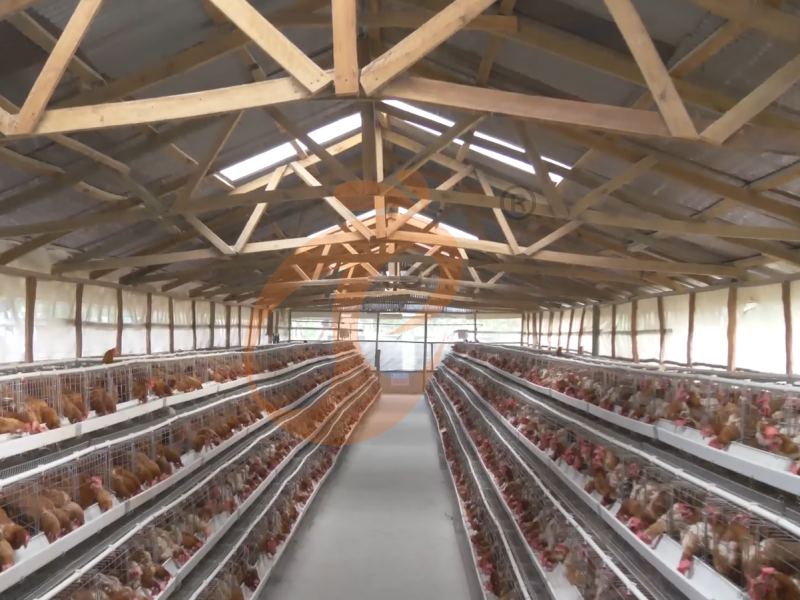
A type battery cage supports layer housing through 3–5 tiers, 120–200 birds per set, and 418 cm² per bird.
Layer battery cage system planning connects feeding, drinking, manure handling, egg collection, ventilation, and control equipment into coordinated workflows.
Automatic layer cage system selection compares layer requirements with broiler systems, emphasizing compatibility, production cycles, space allocation, and integration.
Professional specifications cover cage dimensions, cell structure, galvanized components, conveyors, feeding motors, water delivery, manure belts, and commissioning.
Complete poultry equipment planning turns cage selection into an engineering package, helping farms coordinate layouts, automation, installation, maintenance, and operation.
Get professional poultry farm construction guidance, equipment selection solutions, and the latest price lists, whatsApp to +8618830120193, +2348111199996, or click to learn more.
Engineering Key Points: Match The Equipment To The Production Model
Choosing poultry equipment should begin with the production objective rather than cage price, with an A type battery cage supporting 72–80 weeks of layer management.
The structural concept also affects farm workflow, while a layer battery cage system can coordinate feeding, drinking, egg handling, manure removal, and environmental control across 16 hours of artificial lighting.
For equipment buyers, an automatic layer cage system should be evaluated as part of a complete production chain covering 3–5 operating zones, including feeding, drinking, collection, manure handling, and environmental management.
Layer Vs Broiler: Core Technical Comparison
Data is for reference only.Swipe horizontally to view full table.
Why A Type Battery Cage Is Designed For Layers
An A type battery cage uses a sloped floor so eggs move toward the collection side, with commercial layer systems supporting 2–3 egg collection cycles per day.
A layer battery cage system can connect automatic feeding, nipple drinking, manure removal, egg conveyors, ventilation, and control equipment, combining 6 major equipment functions into one coordinated farm system.
For a layer-equipment manufacturer, an automatic layer cage system creates a complete purchasing route instead of separate component matching, while project commissioning can be organized around 1–3 working days for suitable standard installations.
Layer Cage Technical Specification
Data is for reference only.Swipe horizontally to view full table.
Broiler Housing: Different Birds, Different Equipment
Broilers have a much shorter production cycle, so equipment must prioritize rapid feed and water access, with one commercial cycle lasting approximately 35–49 days.
Floor-rearing systems normally depend on litter management, while specialized broiler cages use elevated housing and mechanical manure handling, with climate-controlled ventilation targeting approximately 0.3–2.5 m/s air movement.
Using an A type battery cage for broilers can create an equipment mismatch, so broiler projects should instead consider growth stage, final live weight, feeding access, ventilation demand, and cleaning requirements through 2 planning reviews.
Broiler System Technical Parameter Comparison
Data is for reference only.Swipe horizontally to view full table.
Tips Card: How To Select The Right Poultry Equipment Supplier
Tip 1 — Start with the production schedule.
Define the intended cycle as 72–80 weeks for layers or 35–49 days for broilers before selecting an A type battery cage.
Tip 2 — Request a complete layout.
A layer battery cage system should include cage positioning, service routes, feed distribution, water routing, manure discharge, and ventilation interfaces across 5 key engineering zones.
Tip 3 — Check the steel treatment.
For humid poultry houses, compare galvanized construction specifications and coating requirements rather than judging an automatic layer cage system only by appearance.
Tip 4 — Evaluate automation compatibility.
A commercial A type battery cage project may combine 6 major functions: feeding, drinking, manure removal, egg handling, ventilation, and environmental control.
Tip 5 — Ask for commissioning support.
Installation, testing, operator training, and spare-parts planning should be included in the project discussion, with commissioning commonly organized into 1–3 working days for standardized projects.
Automatic Layer Equipment Specification
Data is for reference only.Swipe horizontally to view full table.
Process Structure: From Farm Planning To Operation
Step 1 — Farm assessment
→ Measure the building and identify 2–3 primary utility routes for power and water before installing an A type battery cage.
Step 2 — Production calculation
→ Confirm flock objective, operating schedule, replacement plan, and expected production period of 72–80 weeks for the layer battery cage system.
Step 3 — Equipment matching
→ Connect housing with feeding, drinking, manure, collection, ventilation, and control modules for an automatic layer cage system.
Step 4 — Layout engineering
→ Establish service access, equipment interfaces, utility routing, and maintenance areas before manufacturing.
Step 5 — Manufacturing inspection
→ Check cage mesh, welded joints, galvanized surfaces, conveyors, motors, and electrical components.
Step 6 — Installation and commissioning
→ Test every mechanical and electrical interface and complete operator training within approximately 1–3 working days for standardized projects.
Step 7 — Farm operation
→ Establish inspection records for feed, water, equipment operation, environmental conditions, and maintenance.
Layer Farm Equipment Package Recommendation
Data is for reference only.Swipe horizontally to view full table.
Complete Equipment Integration: Why It Matters
A poultry cage is only one part of the production system, while an A type battery cage project also depends on correct electrical, water, mechanical, and control interfaces across 6 core subsystems.
For layer farms, integrating feeding, drinking, egg collection, manure removal, ventilation, and environmental control can simplify operation and maintenance, with commissioning standardized across 3 major stages.
For an equipment manufacturer, an automatic layer cage system can be supplied with layout design, equipment matching, manufacturing, installation guidance, spare parts, and after-sales support as 1 complete project package.
Final Decision: Which System Fits Your Farm?
Data is for reference only.Swipe horizontally to view full table.
The fundamental distinction is straightforward A type battery cages are engineered for laying hens, while broiler systems are engineered for meat production, with the A type battery cage supporting 3–5 tiers.
For customers building a new poultry project, the key decision is whether the supplier can provide a complete engineering solution covering layout design, equipment manufacturing, system integration, installation guidance, and after-sales support, while an automatic layer cage system can be matched to the farm building from the beginning.
Frequently Asked Questions
Q1: What makes an A type battery cage suitable for layers?
A1: An A type battery cage is designed around laying-hen housing, with 4 birds per cell and 418 cm² per bird in the specified configuration.
Q2: How does A layer battery cage system differ from broiler equipment?
A2: A layer battery cage system supports egg collection and layer manure management, while broiler equipment is structured around meat production and shorter production cycles.
Q3: Can an automatic layer cage system be integrated with other poultry equipment?
A3: Yes. An automatic layer cage system can integrate feeding, drinking, manure removal, egg collection, ventilation, and environmental control into a coordinated installation.
Taiyu (HK) Group - One Of China Largest A Type Battery Cage Manufacturer
A Type battery cage provides structured layer housing through 3–5 tiers, 43 × 38 × 38 cm cells, and 120–200 birds per set, supporting standardized commercial layer projects.
Global factory-direct production covers poultry equipment manufacturing, component matching, engineering documentation, quality inspection, and project-based supply for international customers.
Turn-key engineering integrates poultry equipment including cages, feeding, drinking, manure removal, egg collection, ventilation, and environmental control into coordinated farm systems.
Project engineering supports farm layout planning, equipment configuration, installation guidance, commissioning, operator training, spare-parts planning, and after-sales technical coordination.
Export-oriented supply supports complete poultry equipment projects from manufacturing through delivery, with technical specifications aligned to customer building dimensions and production requirements.
Contact Us To Received Your Customized Poultry Farm Plan
Headquarters And Branchs

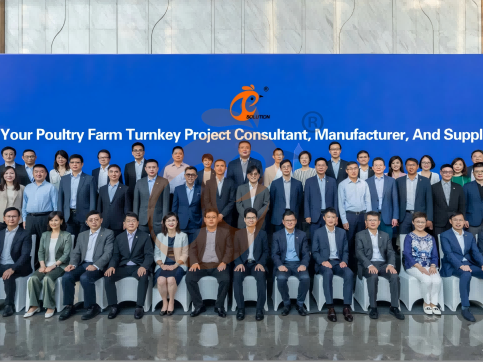
Hong Kong Headquarter Management Team
Hong Kong Headquarter Taiyu Industrial Group CO., LTD
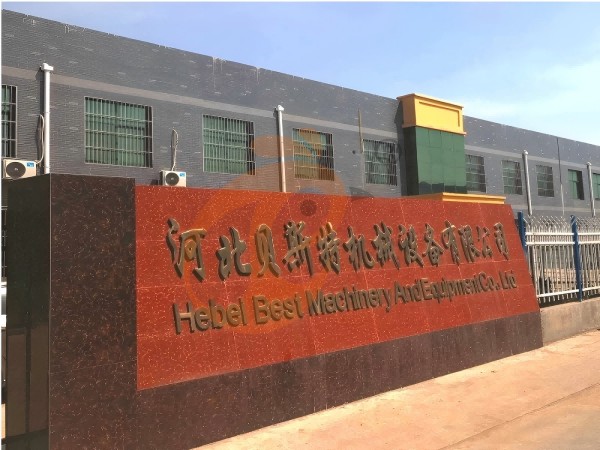
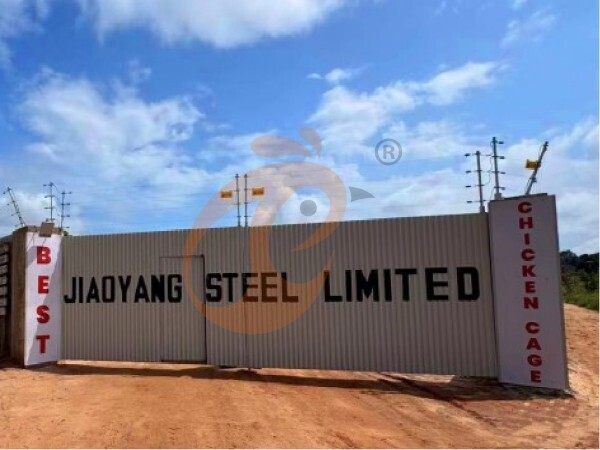
China Hebei Best Machinery And Equipment CO., LTD
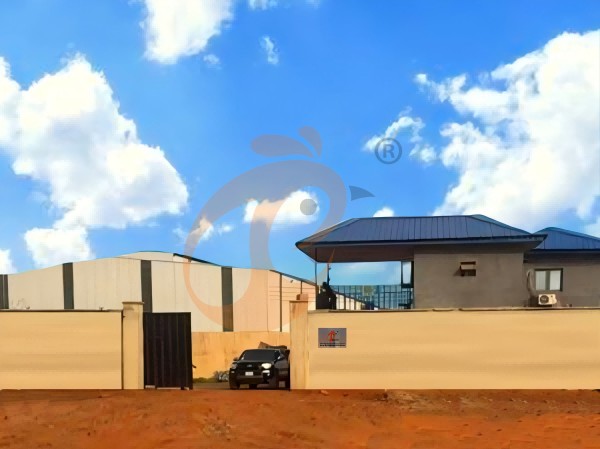
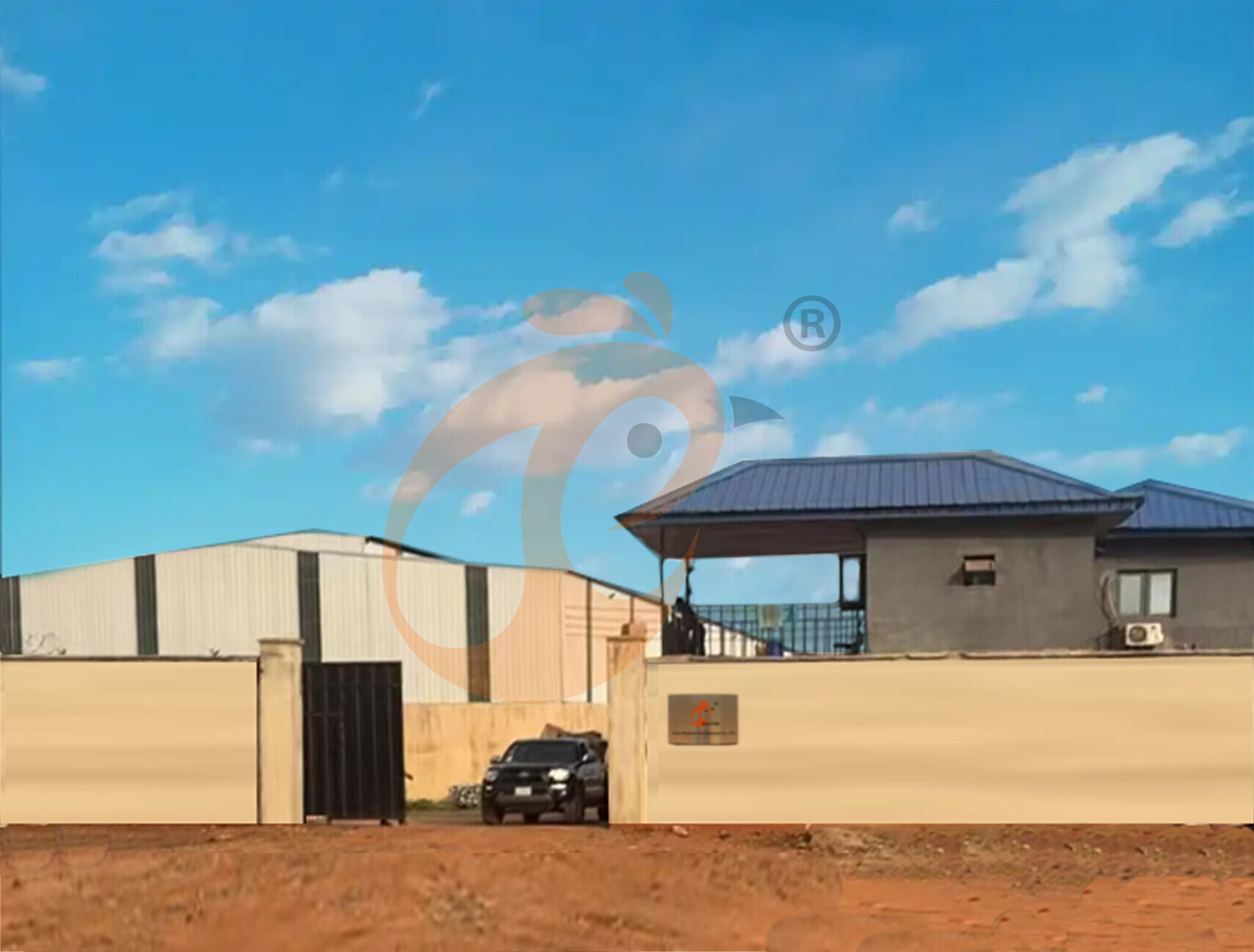
Nigeria Vanke Machinery And Equipment CO., LTD
Tanzania Best Machinery And Equipment CO., LTD
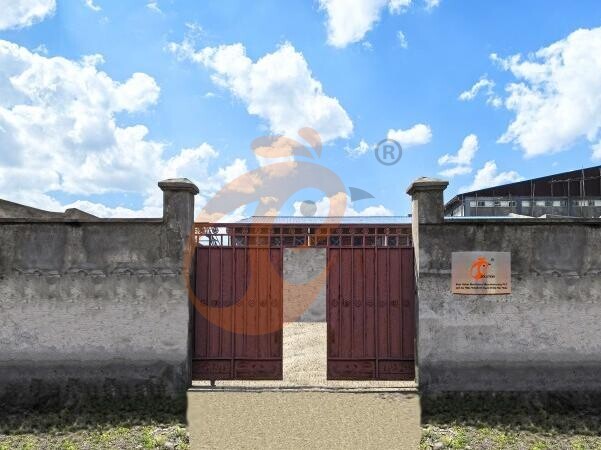
Ethiopia Best Hebei Machinery Manufacturing PLC
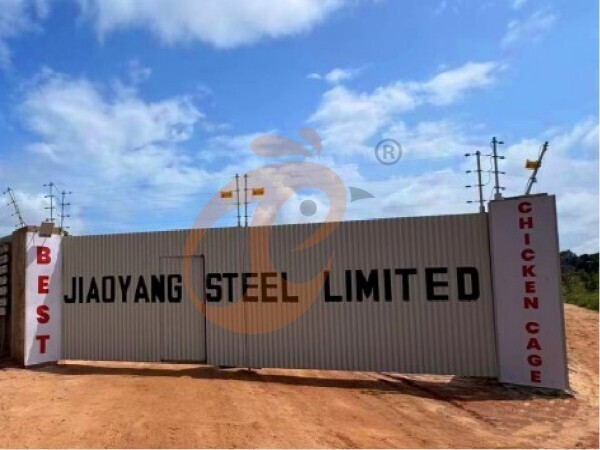
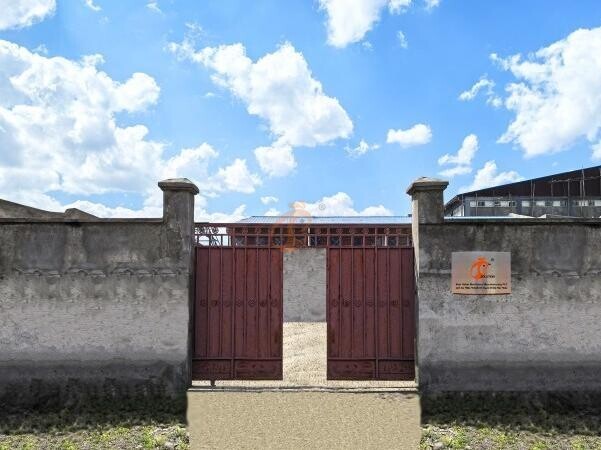
Reception /24 WhatsApp NO. : +8618830120193
FAQ
How To Design Cage Width And Depth For A-Type Layer Cage?
Cage depth: 400 mm
Birds per set: 120-200
Egg production rate: 90–96%
FCR: 1.9–2.2
How To Implement Biosecurity Measures In A-Type Chicken Cage Farms?
Use disinfectant doors and footbaths
Regular manure cleaning
Mortality rate: 2–3%
Egg production rate: 90–96%
What Are The Most Durable Materials For A-Type Poultry Cage Frames?
Maintain anti-corrosion coating
Lifespan: more than 25 years
Egg production rate: 90–96%
Labor savings: 50–70%
How To Optimize Feeding And Watering Lines In A-Type Layer Cage System?
Ensure consistent water pressure
FCR: 1.9–2.2
Egg production rate: 90–96%
Mortality rate: 2–3%
Message
Products recommended
 HK Headquarter Offers EU-standard Poultry Farm Solutions, Manufacture Poultry Farm Equipment1. Continuous communication with the EU and the US
2. China, Nigeria, Ethiopia, Tanzania branch companies and factories
3. The products’ quality is customized for local poultry farms
4. Poultry cage and poultry farm equipment stock for sale
5. 24 online reception Whatsapp NO. : +8618830120193,contact us to get full informationRead More China Branch Offer Poultry Farm Business Plan, Manufacture Poultry Farm Equipment1. Address: Flat/RM 2416, 24/F, Runxing Building, Youyi Nan Street, Shijiazhuang City, Hebei Province, China
2. Poultry cage and poultry farm equipment factory and stock for sale
3. Customized for local poultry farms
4. Quality and design are based on Euro
5. 24 online reception Whatsapp NO. : +8618830120193Read More Nigeria Branch Offer Poultry Farm Business Plan, Manufacture Poultry Farm Equipment1. Address: After Sinoma Office, 200 Meters Near Danco Filling Station, Lagos/Ibadan Expressway, Lagos State, Nigeria
2. Poultry cage and poultry farm equipment factory and stock for sale
3. Customized for Nigerian poultry farms
4. Quality and design are based on Euro
5. 24 online reception Whatsapp NO. : +8618830120193Read More Ethiopia Branch Offer Poultry Farm Business Plan, Manufacture Poultry Farm Equipment1. Address: Gelan Gura, Akaki-kaliti Sub City, Addis Ababa, Ethiopia
2. Poultry cage and poultry farm equipment stock for sale
3. Customized for Ethiopian poultry farms
4. Quality and design are based on Euro
5. 24 online reception Whatsapp NO. : +8618830120193, contact us to get price listRead More Tanzania Branch Offer Poultry Farm Business Plan, Manufacture Poultry Farm Equipment1. Address: No.8, Sova Road, Msufini, Mlandizi, Kibaha, Pwani, Tanzania
2. Poultry cage and poultry farm equipment factory and stock for sale
3. Customized for Tanzanian poultry farms
4. Quality and design are based on Euro
5. 24 online reception Whatsapp NO. : +8618830120193Read More Fully Automatic H Type Layer Chicken Cage1. 30,000-100,000+ layers/house chooses it, Poultry farmers can achieve an egg production rate of 96-98%
2. A significant improvement over the 85-90% typically seen in manual systems
3. A typical poultry farm can expect a 30-40% reduction in labor costs due to the automation
4. Each feeding line efficiently supplies feed to around 100,000 hens per 30 mins
5. Reception /WhatsApp NO. : +8618830120193Read More Fully Automatic A Type Layer Chicken Cage1. 10,000-50,000 layers/house chooses it
2. Cleaner egg collection reduces breakage by 0.5%
3. Improved hygiene helps reduce mortality rate to <3%
4. 1–2 technicians can handle 15,000–30,000 birds
5. Reception /WhatsApp NO. : +8618830120193Read More Semi Automatic H Type Layer Chicken Cage1. 1,00-20,000 layers/house chooses it
2. Nipple drinkers flow 30–60 ML / min
3. Hot-dip galvanized (typical coating ≥ 275 g/m²)
4. Reduce ammonia by ~ 35–40%
5. Reception /WhatsApp NO. : +8618830120193Read More Semi Automatic A Type Layer Chicken Cage1. 1,00-20,000 layers/house chooses it, no rust for 10 years, no deformation for 15 years
2. Chickens live comfortably, you can raise them with peace of mind
3. Save water, save money—efficiency you can measure
4. Improve environment quality, and increase egg production rate
5. Reception /WhatsApp NO. : +8618830120193Read More
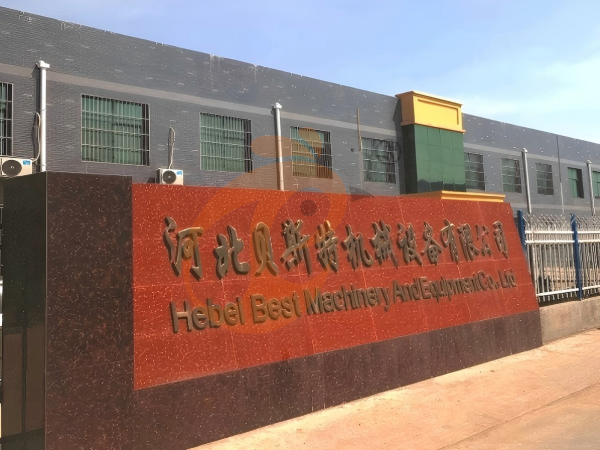
By clicking 'Allow All', you agree to the storage of cookies on your device to enhance site navigation, analyze site usage and assist with our marketing efforts.