






Blog
Feed mill system economics depend on capacity, automation, storage, and utilization, with 1,000–3,000 kg batches supporting practical commercial planning.
Poultry feed mill equipment can integrate grinding, batching, mixing, pelleting, cooling, and conveying into one controlled production route.
Poultry feed mixer selection directly affects formulation consistency, labor allocation, material handling, and production scheduling across different farm scales.
Chicken feed mill configurations can be expanded through modular storage, automation, conveying, and pellet-processing equipment as annual demand increases.
- Equipment planning should compare complete processing costs, operational requirements, expansion needs, and technical specifications before selecting a production system.
Get professional poultry farm construction guidance, equipment selection solutions, and the latest price lists, whatsApp to +8618830120193, +2348111199996, or click to learn more.
Cost Comparison At A Glance
Data is for reference only.Swipe horizontally to view full table.
Feed mill system economics depend on annual consumption, ingredient sourcing, labor structure, and equipment utilization.
Poultry feed mill equipment becomes increasingly practical when fixed processing costs are distributed across larger production volumes.
Chicken feed mill planning can use 1,000–3,000 kg batch sizes, 5–10 minute cycles, and 6–12 t/h theoretical mixing capacity as preliminary engineering references.
Engineering Points: Where The Money Goes
A feed mill system integrates grinding, batching, mixing, conveying, storage, and optional pelleting into a coordinated process.
Poultry feed mill equipment can incorporate 600–1,000 mm hammer-mill rotor diameters, 1,480–2,980 rpm rotor speeds, 55°–65° silo cone angles, and 1.2–2.5 m/s elevator speeds.
Chicken feed mill engineering should also consider weighing accuracy, particle reduction, dust collection, conditioning, and pellet formation according to formulation requirements.
Engineering Priorities
Ingredient weighing can be designed around 0.1–0.5% scale resolution.
Grinding control can use 1.5–3.0 mm screen openings.
Dust management can be designed around 30–180 m² filtration areas.
Pellet conditioning can operate around 75–85°c.
Pellet forming can use approximately 2.0–3.5 mpa process pressure.
Investment Comparison
Data is for reference only.Swipe horizontally to view full table.
Feed mill system investment should be evaluated against production requirements rather than mixer purchase price alone.
Poultry feed mill equipment can use modular grinding, batching, mixing, conveying, and storage units to support future capacity increases.
Chicken feed mill layouts should also reserve installation space for additional bins, conveyors, pellet equipment, or automation modules.
Tip Card: Calculate Cost Per Ton
Feed Cost/Ton = Ingredients + Labor + Electricity + Maintenance + Handling + Transportation + Feed Loss.
Feed mill system budgeting should monitor 7–14 production days, 3–5 feed formulas, 2–4 ingredient deliveries, and 1 complete maintenance interval.
Poultry feed mill equipment evaluation should compare actual production expenses rather than relying only on equipment acquisition cost.
Chicken feed mill ownership calculations should divide fixed investment across the expected operating period and annual production volume.
Workflow Structure: From Ingredient To Chicken House
Ingredient Receiving
↓
Storage In Silos Or Bins
↓
Automatic Batching
↓
Grinding / Crushing
↓
High-Efficiency Mixing
↓
Pelleting Or Mash Feed Production
↓
Cooling & Screening
↓
Finished Feed Storage
↓
Automatic Feeding System
Feed mill system workflow can be engineered around 6–10 processing stages, 2–4 transfer points, 1–3 storage zones, and 1 centralized control cabinet.
Poultry feed mill equipment benefits from coordinated material movement between grinding, mixing, conveying, storage, and feeding operations.
Chicken feed mill layouts should minimize unnecessary transfer routes while maintaining accessible cleaning and maintenance points.
Ingredient Purchasing Economics
Data is for reference only.Swipe horizontally to view full table.
Feed mill system purchasing strategy becomes more flexible when storage capacity matches ingredient consumption patterns.
Poultry feed mill equipment can support bulk receiving, multiple ingredient bins, premix dosing, and controlled inventory measurement.
Chicken feed mill planning can consider 30-day inventory targets, 10–25% safety stock, and 2–3 dedicated premix bins where supply conditions justify them.
Mixing Accuracy And Feed Quality
Data is for reference only.Swipe horizontally to view full table.
Feed mill system accuracy is particularly important when formulas contain micro-ingredients and concentrated additives.
Poultry feed mill equipment can support 10–20 sampling points per batch when distribution consistency requires structured verification.
Chicken feed mill process control should distinguish micro-ingredient dosing, major-ingredient weighing, mixing sequence, and discharge inspection.
Equipment Selection Card: Choose The Right Mixer
Selection Sequence
Capacity → Mixing Mechanism → Filling Pattern → Discharge Design → Cleaning Access → Future Expansion
Feed mill system mixer selection should match batch requirements, ingredient characteristics, downstream conveying, and daily production schedules.
Poultry feed mill equipment can use horizontal ribbon or paddle configurations, with typical mixer speeds around 20–60 rpm depending on machine design.
Chicken feed mill projects should avoid oversizing the mixer because excessive unused capacity can reduce equipment utilization and increase unnecessary capital allocation.
Energy And Labor Comparison
Data is for reference only.Swipe horizontally to view full table.
Feed mill system electrical planning should evaluate connected load, operating schedule, motor starting characteristics, and equipment utilization.
Poultry feed mill equipment can be designed around 380–480 v supply, 50–60 hz frequency, and approximately 0.90–0.95 power factor.
Chicken feed mill energy calculations should compare actual kwh consumption against processed feed volume instead of evaluating individual motor ratings separately.
Equipment Combination Recommendation
Small Farm Configuration
Ingredient bins + small grinder + feed mixer + simple conveyor.
Growing Commercial Configuration
Ingredient silos + hammer mill + automatic batching + horizontal mixer + conveyor + finished-feed bin.
Commercial Production Configuration
Complete feed mill + automatic batching + grinding + mixing + pelletizing + cooling + screening + automated packing and storage.
Feed mill system pellet configurations can consider 1:8–1:12 die compression ratios, 80–150 m³/min cooling airflow, 2–4 screening decks, and 25–100 kg bagging units.
Poultry feed mill equipment can combine grinding, mixing, pelleting, cooling, screening, conveying, and packing according to the required production route.
Chicken feed mill engineering should select each machine according to formula, throughput, material properties, site dimensions, and downstream handling requirements.
Total Cost Of Ownership
Data is for reference only.Swipe horizontally to view full table.
Feed mill system lifetime costing should use a 5–10 year planning horizon, 2–5% annual spare-parts allowance, and inspection intervals of 500–1,000 operating hours.
Poultry feed mill equipment ownership analysis should include wear components, maintenance access, replacement intervals, energy consumption, and production downtime.
Chicken feed mill investment decisions should evaluate equipment reliability together with installation, commissioning, training, and technical support requirements.
Final Decision Framework
Data is for reference only.Swipe horizontally to view full table.
Feed mill system selection should be based on annual tonnage, formula diversity, storage requirements, labor structure, and expansion planning.
Poultry feed mill equipment can be configured from individual machines to integrated production lines according to project scope.
Chicken feed mill solutions should balance production capacity with material flow, control requirements, maintenance access, and future equipment integration.
Frequently Asked Questions
Q1: What determines feed mill system cost efficiency?
A1: Feed mill system cost efficiency depends on annual feed demand, equipment utilization, ingredient logistics, and automation structure.
A practical comparison can evaluate 1,000–3,000 kg batches together with the complete production cycle.
Q2: Which equipment is essential for on-farm poultry feed production?
A2: Poultry feed mill equipment normally starts with grinding, mixing, storage, and conveying equipment.
Chicken feed mill projects adding pellet production can incorporate conditioning, pelletizing, cooling, screening, and packing equipment.
Q3: How should a poultry feed mixer be sized?
A3: A poultry feed mixer should match required batch weight, daily production, formula characteristics, and downstream equipment capacity.
A 500–3,000 kg batch range can cover many commercial configurations, while final sizing requires project-specific engineering calculations.
Taiyu (HK) Group - One Of China Largest Feed Mill System Manufacturer
Feed mill system integrates grinding, batching, mixing, conveying, pelleting, cooling, and storage, with commercial configurations supporting 3–50 t/year planning ranges and automated process control.
Global factory-direct supply covers poultry equipment packages for grinding, mixing, pelletizing, storage, conveying, feeding, installation coordination, commissioning, and technical documentation.
Turn-key engineering connects raw-material intake, feed mill system processing, finished-feed storage, and poultry-house delivery into one project-based equipment architecture.
International project support coordinates poultry equipment selection, plant layout, electrical interfaces, production capacity, operator training, commissioning, and spare-parts planning.
Chicken feed mill projects can be configured for farm expansion, commercial production, multi-formula processing, and integrated poultry equipment requirements from one engineering source.
Contact Us To Received Your Customized Poultry Farm Plan
Headquarters And Branchs

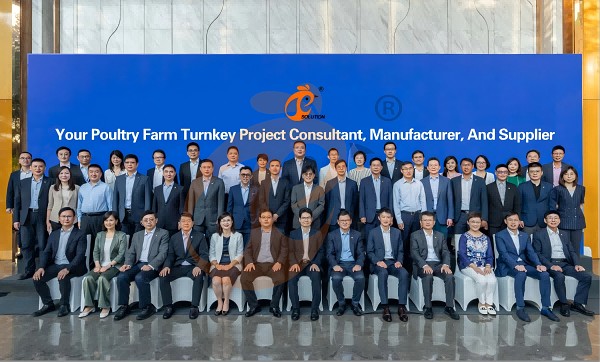
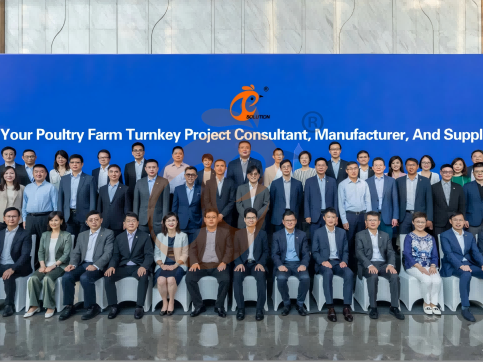
Hong Kong Headquarter Management Team
Hong Kong Headquarter Taiyu Industrial Group CO., LTD
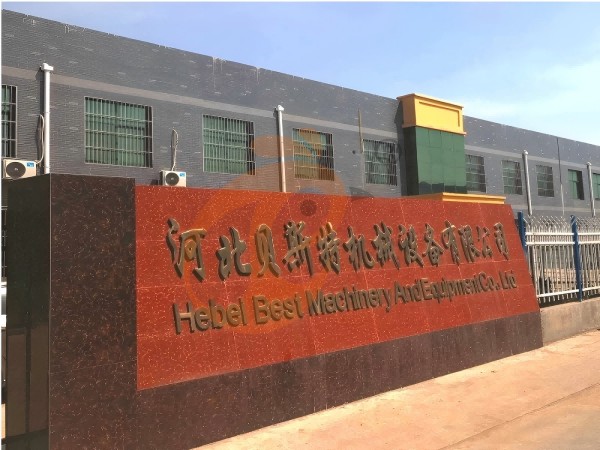
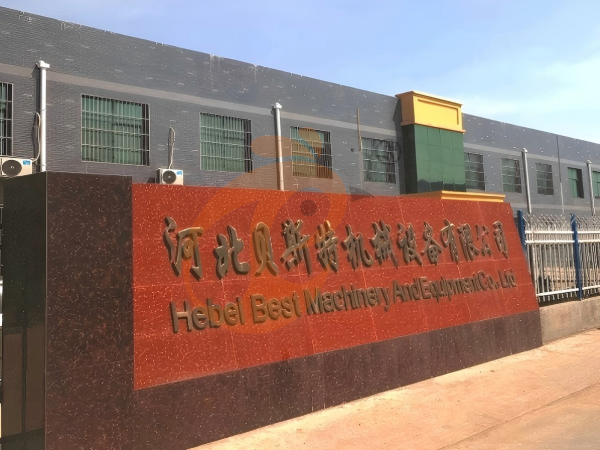
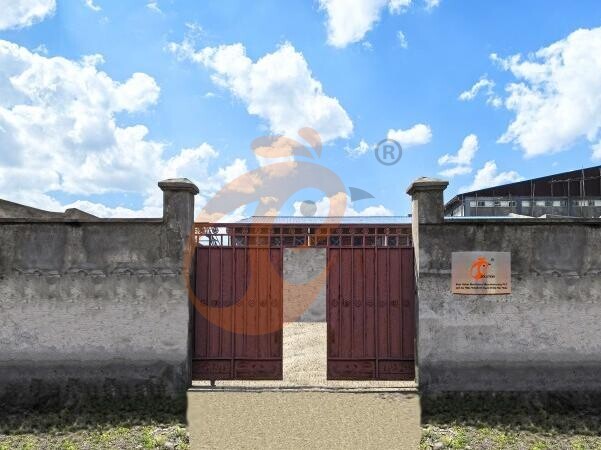
China Hebei Best Machinery And Equipment CO., LTD
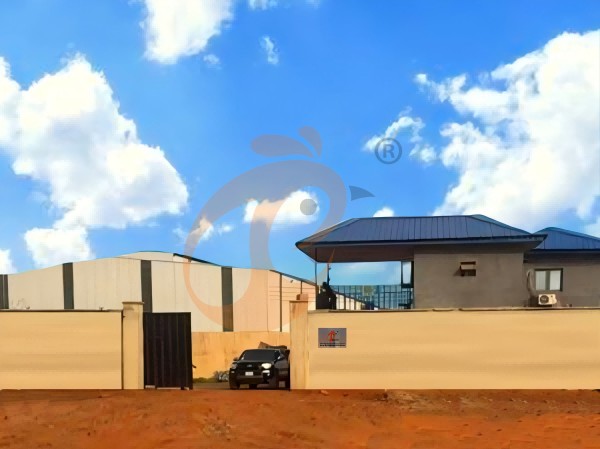
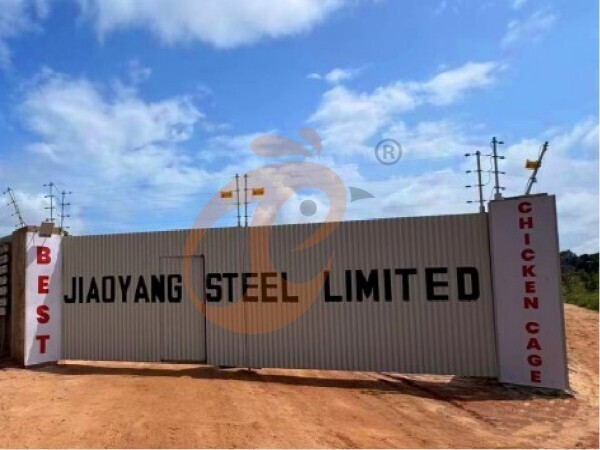
Nigeria Vanke Machinery And Equipment CO., LTD
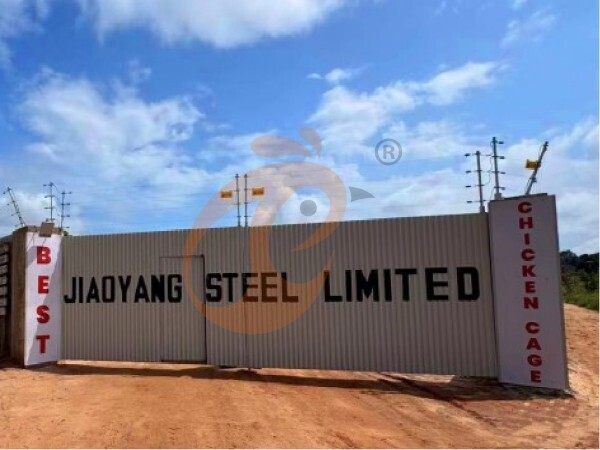
Tanzania Best Machinery And Equipment CO., LTD
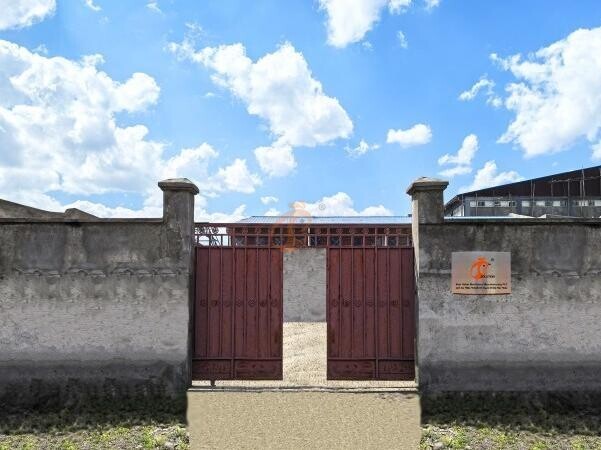
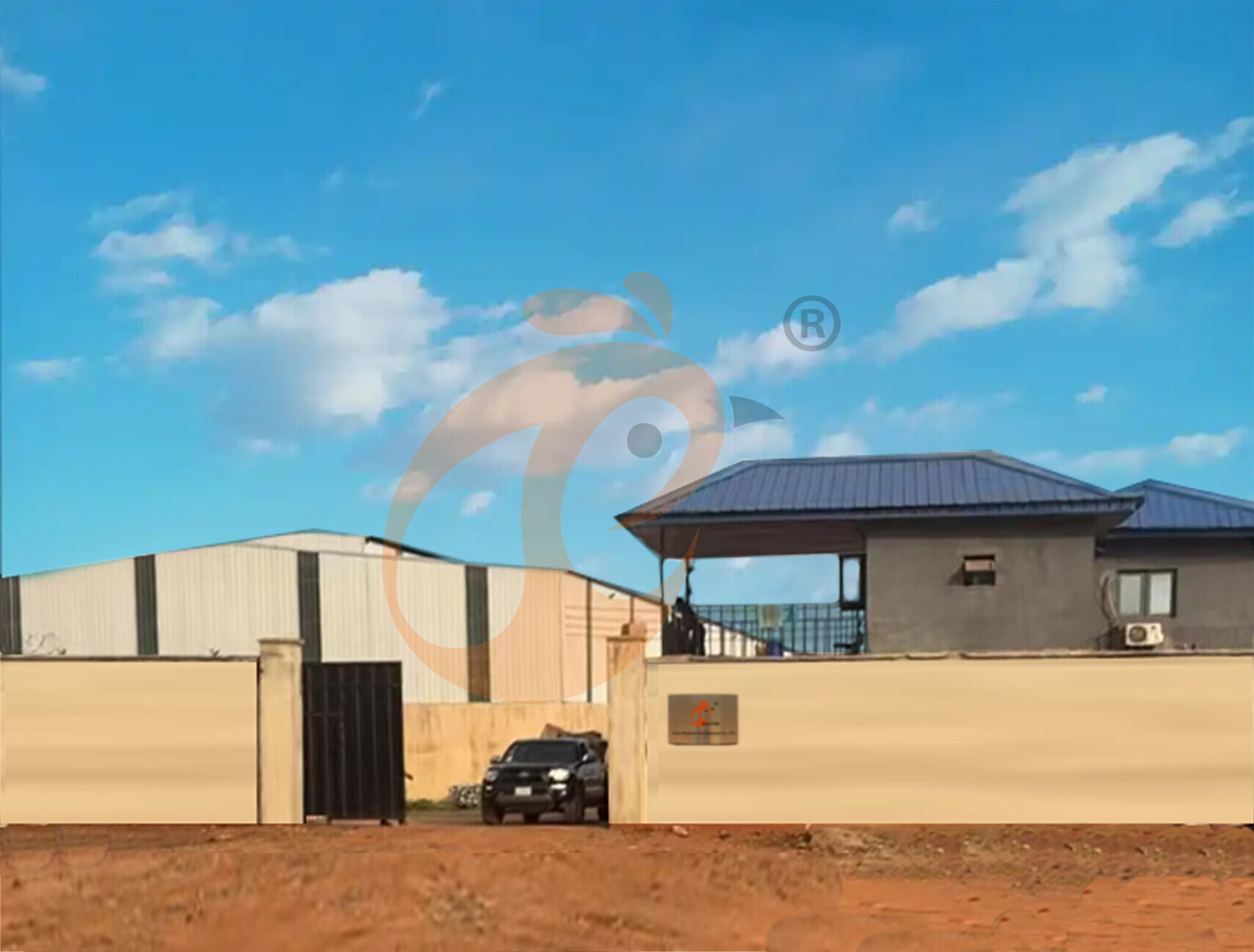
Ethiopia Best Hebei Machinery Manufacturing PLC
Reception /24 WhatsApp NO. : +8618830120193
FAQ
What Are The Main Equipment Components In Feed Mill And Feed Mixer Systems For Poultry Chicken Production?
Hammer mill units operate with rotor speeds of 2800–3600 rpm for efficient grain size reduction.
Twin-shaft mixers achieve batch capacities of 500–2000 kg per cycle for uniform poultry feed blending.
What Dust Control Requirements Are Needed In Feed Mill Operations For Poultry Chicken Farms?
Cyclone separators remove 85%–92% of airborne particles during grinding and conveying processes.
Negative pressure systems maintain airflow velocity between 0.8–1.2 m/s to prevent dust leakage.
What Temperature Parameters Are Used In Feed Mill Processing For Poultry Chicken Feed?
Conditioning temperature reaches 75–85°C to improve pellet durability and pathogen reduction.
Cooling stage reduces pellet temperature to within 5°C of ambient conditions for safe storage.
Message
Products recommended
 HK Headquarter Offers EU-standard Poultry Farm Solutions, Manufacture Poultry Farm Equipment1. Continuous communication with the EU and the US
2. China, Nigeria, Ethiopia, Tanzania branch companies and factories
3. The products’ quality is customized for local poultry farms
4. Poultry cage and poultry farm equipment stock for sale
5. 24 online reception Whatsapp NO. : +8618830120193,contact us to get full informationRead More China Branch Offer Poultry Farm Business Plan, Manufacture Poultry Farm Equipment1. Address: Flat/RM 2416, 24/F, Runxing Building, Youyi Nan Street, Shijiazhuang City, Hebei Province, China
2. Poultry cage and poultry farm equipment factory and stock for sale
3. Customized for local poultry farms
4. Quality and design are based on Euro
5. 24 online reception Whatsapp NO. : +8618830120193Read More Nigeria Branch Offer Poultry Farm Business Plan, Manufacture Poultry Farm Equipment1. Address: After Sinoma Office, 200 Meters Near Danco Filling Station, Lagos/Ibadan Expressway, Lagos State, Nigeria
2. Poultry cage and poultry farm equipment factory and stock for sale
3. Customized for Nigerian poultry farms
4. Quality and design are based on Euro
5. 24 online reception Whatsapp NO. : +8618830120193Read More Ethiopia Branch Offer Poultry Farm Business Plan, Manufacture Poultry Farm Equipment1. Address: Gelan Gura, Akaki-kaliti Sub City, Addis Ababa, Ethiopia
2. Poultry cage and poultry farm equipment stock for sale
3. Customized for Ethiopian poultry farms
4. Quality and design are based on Euro
5. 24 online reception Whatsapp NO. : +8618830120193, contact us to get price listRead More Tanzania Branch Offer Poultry Farm Business Plan, Manufacture Poultry Farm Equipment1. Address: No.8, Sova Road, Msufini, Mlandizi, Kibaha, Pwani, Tanzania
2. Poultry cage and poultry farm equipment factory and stock for sale
3. Customized for Tanzanian poultry farms
4. Quality and design are based on Euro
5. 24 online reception Whatsapp NO. : +8618830120193Read More Fully Automatic H Type Layer Chicken Cage1. 30,000-100,000+ layers/house chooses it, Poultry farmers can achieve an egg production rate of 96-98%
2. A significant improvement over the 85-90% typically seen in manual systems
3. A typical poultry farm can expect a 30-40% reduction in labor costs due to the automation
4. Each feeding line efficiently supplies feed to around 100,000 hens per 30 mins
5. Reception /WhatsApp NO. : +8618830120193Read More Fully Automatic A Type Layer Chicken Cage1. 10,000-50,000 layers/house chooses it
2. Cleaner egg collection reduces breakage by 0.5%
3. Improved hygiene helps reduce mortality rate to <3%
4. 1–2 technicians can handle 15,000–30,000 birds
5. Reception /WhatsApp NO. : +8618830120193Read More Semi Automatic H Type Layer Chicken Cage1. 1,00-20,000 layers/house chooses it
2. Nipple drinkers flow 30–60 ML / min
3. Hot-dip galvanized (typical coating ≥ 275 g/m²)
4. Reduce ammonia by ~ 35–40%
5. Reception /WhatsApp NO. : +8618830120193Read More Semi Automatic A Type Layer Chicken Cage1. 1,00-20,000 layers/house chooses it, no rust for 10 years, no deformation for 15 years
2. Chickens live comfortably, you can raise them with peace of mind
3. Save water, save money—efficiency you can measure
4. Improve environment quality, and increase egg production rate
5. Reception /WhatsApp NO. : +8618830120193Read More
By clicking 'Allow All', you agree to the storage of cookies on your device to enhance site navigation, analyze site usage and assist with our marketing efforts.