






Blog
Pellet machine efficiency directly shapes poultry feed production economics, with optimized systems targeting stable output and controlled electrical consumption.
Chicken feed pellet machine selection connects motor configuration, die geometry, raw-material preparation, and production requirements.
Poultry feed pellet machine operation benefits from controlled grinding, conditioning, feeding, cooling, and screening processes.
Feed pellet mill maintenance reduces mechanical resistance, unnecessary downtime, component wear, and avoidable production losses.
Integrated equipment planning can combine automation, measurable energy kpis, and turn-key poultry equipment solutions for scalable commercial production.
Get professional poultry farm construction guidance, equipment selection solutions, and the latest price lists, whatsApp to +8618830120193, +2348111199996, or click to learn more.
Why Energy Saving Matters In Chicken Feed Production
Electricity efficiency directly affects the operating cost of poultry feed production.
A properly engineered pellet machine process reduces unnecessary mechanical resistance while maintaining stable pellet formation.
For example, conditioning at 85–90°c, with a retention period of 15–20 seconds, can improve material preparation before compression.
For chicken feed manufacturers, the objective is not simply to reduce electricity use but to obtain more saleable pellets from every operating cycle.
A coordinated system using 3–4 mm feed particles, 2–5% steam addition, and controlled material flow can improve working conditions for a chicken feed pellet machine and feed pellet mill.
Pellet Machine Selection: Match The Machine To Production Requirements
Data is for reference only.Swipe horizontally to view full table.
Choosing the correct pellet machine specification prevents unnecessary motor capacity and mechanical loading.
Current commercial chicken feed pellet machine configurations commonly cover approximately 0.5–5 t/h, with specifications depending on feed type and equipment design.
A properly selected feed pellet mill can therefore align production requirements with practical equipment investment.
Engineering Key Points: Reduce Compression Resistance
Engineering Checklist
- Grinding screen use a 2.0–3.0 mm screen according to formulation and pellet specification.
- Steam addition maintain approximately 4–6% added moisture through steam when formulation permits.
- Conditioning target approximately 80–90°c before compression.
- Retention provide approximately 15–30 seconds of conditioning time.
- Die speed select an operating range around 130–400 rpm according to die geometry and pellet diameter.
- Roller clearance keep the working gap within manufacturer-specified tolerance.
- Feed distribution maintain continuous material distribution across the die working surface.
Grinding reduces air spaces between particles and improves contact during conditioning and compression.
Steam provides lubrication while promoting starch gelatinization, helping the pellet machine process material with controlled resistance.
Proper preparation also supports stable operation of a poultry feed pellet machine and reduces unnecessary mechanical demand on a feed pellet mill.
Raw Material Preparation Parameters
Data is for reference only.Swipe horizontally to view full table.
Proper preparation reduces the mechanical work required during pellet formation.
Fao guidance notes that grinding improves pelletability by increasing surface contact, while steam conditioning improves compression and pellet durability.
Consistent preparation allows a pellet machine, chicken feed pellet machine, and upstream grinding system to operate as one coordinated process.
Technique Card: Maintenance For Consistent Energy Performance
Technique Card
Daily
- Inspect die-hole blockage and clean the working chamber.
- Check lubrication points every 8–12 operating hours.
- Record bearing temperature at least 2 times per shift.
- Inspect belt tension and abnormal vibration.
Weekly
- Measure roller wear at 7-day intervals.
- Check gearbox oil level every 168 operating hours.
- Inspect knife clearance and die surface condition.
Monthly
- Compare motor-current records over 30-day production periods.
- Check shaft alignment within manufacturer-specified tolerance.
- Inspect major wear components before scheduled production peaks.
Preventive maintenance controls friction and mechanical losses before becoming production problems.
Steam conditioning can also reduce die wear and improve pellet formation when correctly controlled.
Regular service supports reliable pellet machine operation while protecting the working stability of a poultry feed pellet machine and feed pellet mill.
Stable Feeding: Control The Pelletizing Load
Data is for reference only.Swipe horizontally to view full table.
Stable feeding prevents sudden changes in mechanical demand.
The pellet machine should receive material continuously rather than through repeated empty-running and overfeeding cycles.
A properly configured automatic feeder can improve a chicken feed pellet machine operating pattern and support consistent feed pellet mill loading.
Process Structure: From Raw Materials To Finished Chicken Feed
Process Flow
Raw Materials
↓
Cleaning
↓
Hammer Mill
↓
Batching & Mixing
↓
Steam Conditioning
↓
Ring Die Pellet Machine
↓
Counterflow Cooling
↓
Screening
↓
Packing
The production sequence should minimize unnecessary material transfers and repeated processing.
A practical process can use 6–10 m conveyor sections, 1–2 primary transfer points, and 1 centralized control cabinet to simplify material flow.
Cooling is particularly important because pellets leave the pellet machine with elevated temperature and moisture.
An integrated poultry feed pellet machine line can coordinate conveying, cooling, and screening around the feed pellet mill output.
Equipment Combination For Energy-Efficient Chicken Feed Production
Data is for reference only.Swipe horizontally to view full table.
A complete poultry feed line allows each machine to operate according to the capacity of the next stage.
This avoids situations where a pellet machine waits for material or downstream equipment creates a processing bottleneck.
For poultry producers, equipment can be configured around broiler, layer, or chick feed requirements.
A coordinated chicken feed pellet machine system also allows the feed pellet mill to integrate with grinding, mixing, cooling, screening, and conveying equipment.
Reduce Pellet Fines And Reprocessing
Pellet durability influences the amount of usable finished feed.
Proper grinding, conditioning, compression, and cooling work together to reduce breakage during subsequent handling.
A production line handling 2–6 transfer operations, 3–8 conveyor changes, and 1–3 screening stages should be designed to minimize unnecessary mechanical impact.
For chicken feed, pellet quality also depends on formulation, particle size, moisture, and processing conditions.
Correct adjustment of the pellet machine supports stronger pellets, while coordinated poultry feed pellet machine and feed pellet mill operation can reduce repeated processing.
Pellet Quality And Cooling Control
Data is for reference only.Swipe horizontally to view full table.
Pellets should be cooled before storage and packing to prevent excessive residual heat and moisture from affecting product stability.
Commercial cooling systems remove heat before storage and subsequent handling.
Correct cooling protects output from the pellet machine while supporting finished-feed consistency from a chicken feed pellet machine and feed pellet mill.
Measure Energy Efficiency Per Ton
Data is for reference only.Swipe horizontally to view full table.
Energy should be evaluated against actual finished-feed output rather than electricity consumption alone.
Recording 1-minute electrical readings and matching them with production records makes it easier to identify inefficient operating periods.
A digital control system can connect motor data, feeder signals, and output information for the pellet machine.
Such monitoring also strengthens energy management for a poultry feed pellet machine and feed pellet mill.
Six Energy-Saving Techniques At A Glance
Data is for reference only.Swipe horizontally to view full table.
The six techniques should be implemented as one integrated strategy rather than separate adjustments.
A properly configured pellet machine system combines grinding, mixing, conditioning, pelletizing, cooling, screening, conveying, and automatic control.
For equipment buyers, the key is selecting a chicken feed pellet machine and supporting equipment around actual feed formulas and production requirements.
An integrated feed pellet mill solution can support consistent pellet quality, controlled energy use, and predictable long-term operation.
Frequently Asked Questions
Q1: What is the main energy-saving principle for a pellet machine?
A1: The main principle is matching material preparation, feeding, compression, and downstream handling with machine capacity.
Stable conditioning around 80–90°c can support consistent pellet formation while reducing avoidable process resistance.
Q2: How does raw material preparation affect a chicken feed pellet machine?
A2: Grinding and conditioning influence compression behavior, pellet durability, and machine loading.
Maintaining particle distribution around the specified process range helps the pellet machine work more consistently.
Q3: Why should a feed pellet mill be integrated with other equipment?
A3: A complete system reduces bottlenecks between grinding, mixing, pelletizing, cooling, and screening.
Coordinated equipment capacity helps maintain continuous material flow and supports measurable energy management.
Taiyu (HK) Group - One Of China Toppest Pellet Machine Manufacturer
Pellet machine ring-die configurations support 1.0–5.0 t/h poultry feed production with motor selections reaching 160 kw, covering commercial chicken-feed processing requirements.
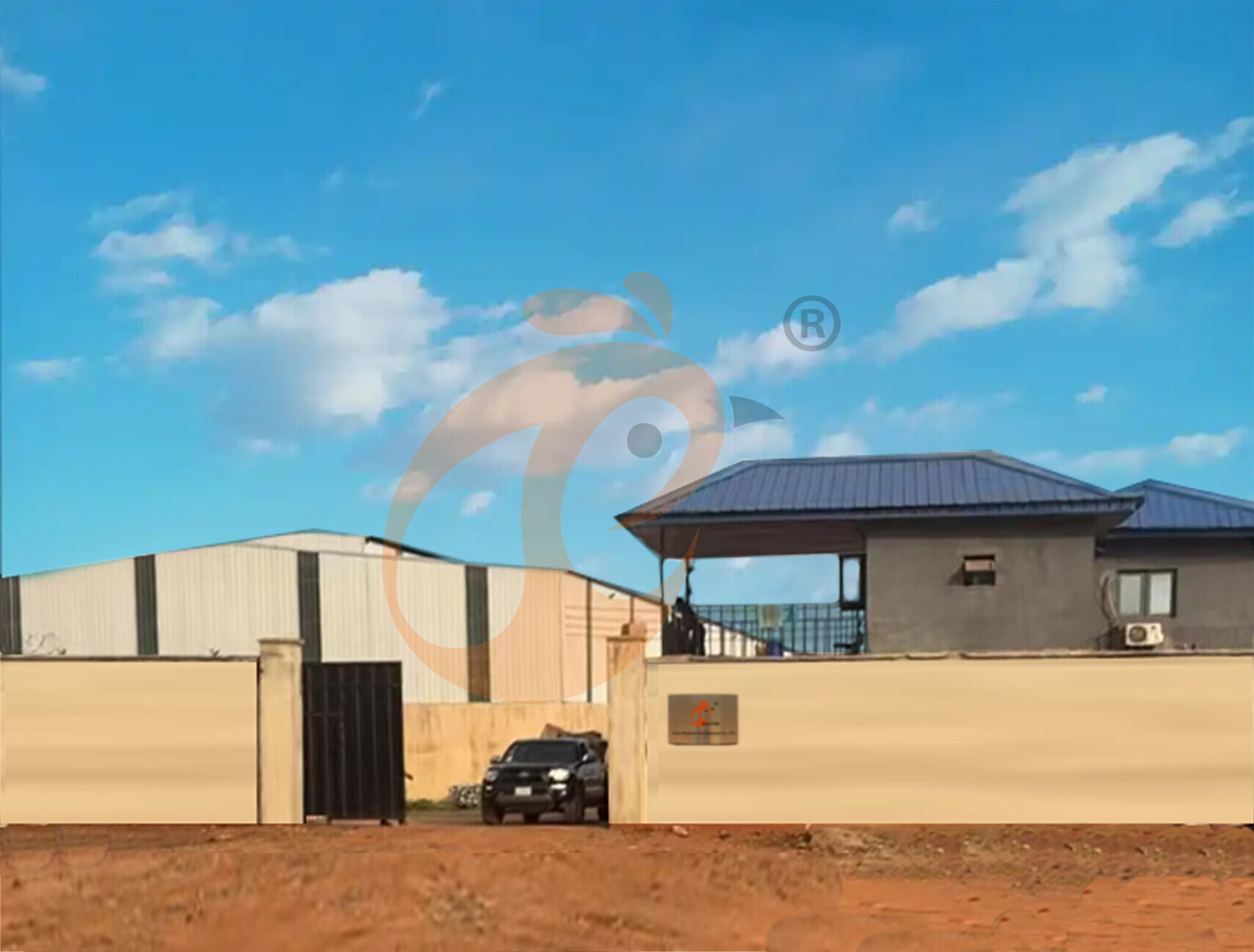
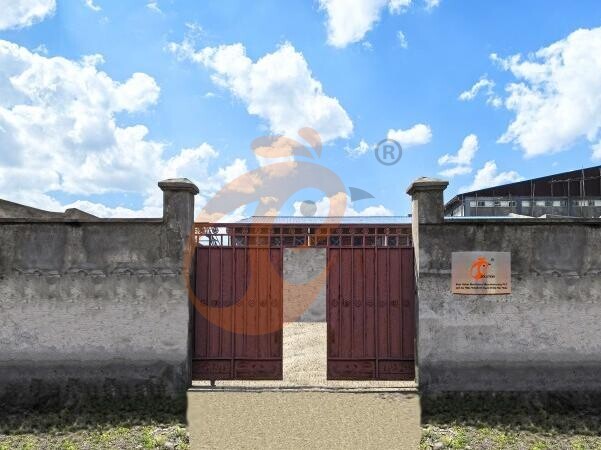
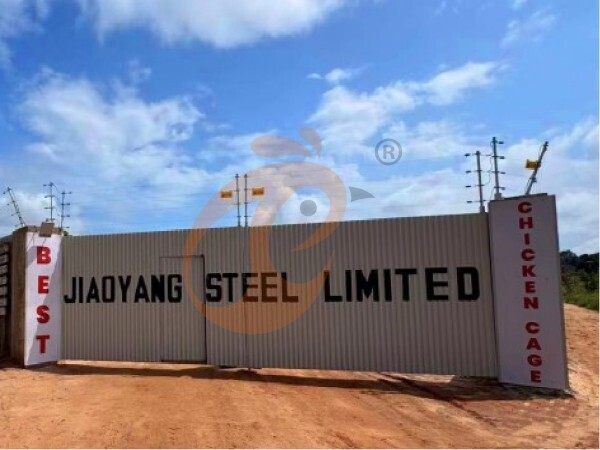
Global factory direct integrated manufacturing supports direct equipment supply, technical configuration, production coordination, inspection, and international project delivery.
Poultry equipment hammer mills, feed mixers, pellet machines, coolers, screeners, conveyors, and control cabinets can be engineered as coordinated equipment packages.
Turn-key engineering project execution can cover process design, equipment matching, electrical integration, installation guidance, commissioning, and production handover.
International projects technical specifications can be structured around feed formulas, production capacity, pellet diameter, plant layout, utility conditions, and operating requirements.
Contact Us To Received Your Customized Poultry Farm Plan
Headquarters And Branchs

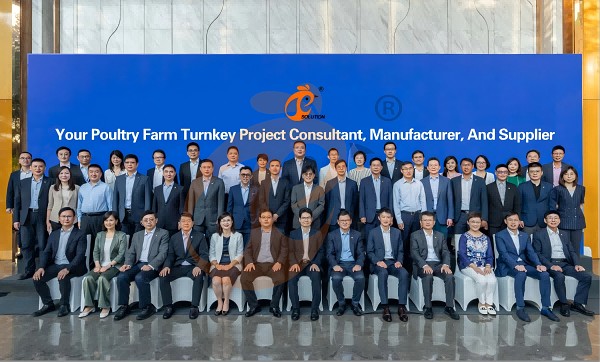
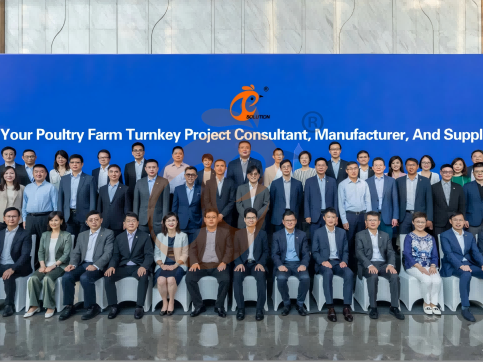
Hong Kong Headquarter Management Team
Hong Kong Headquarter Taiyu Industrial Group CO., LTD
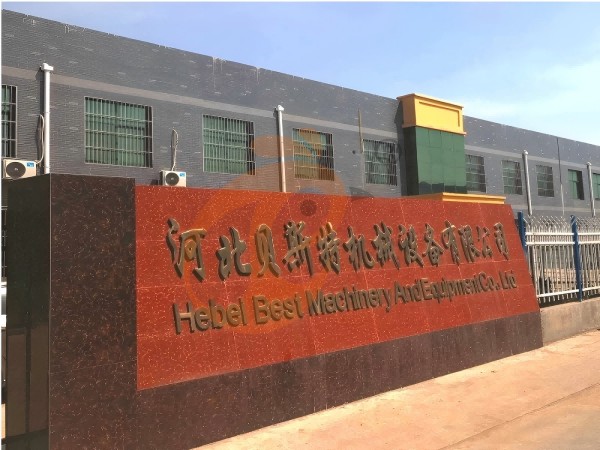
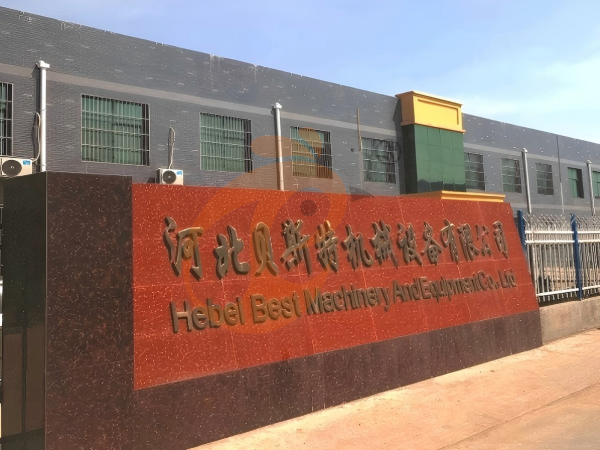
China Hebei Best Machinery And Equipment CO., LTD
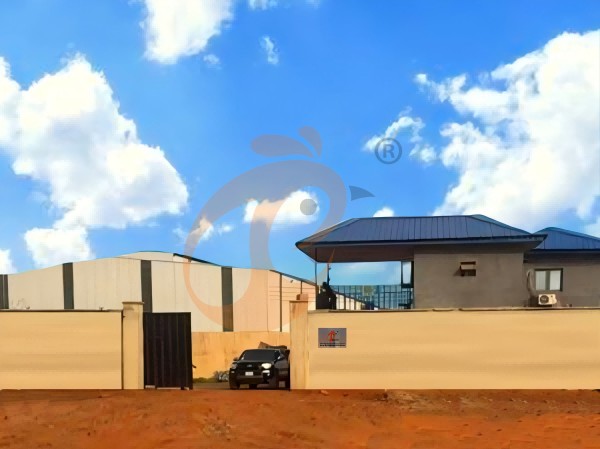
Nigeria Vanke Machinery And Equipment CO., LTD
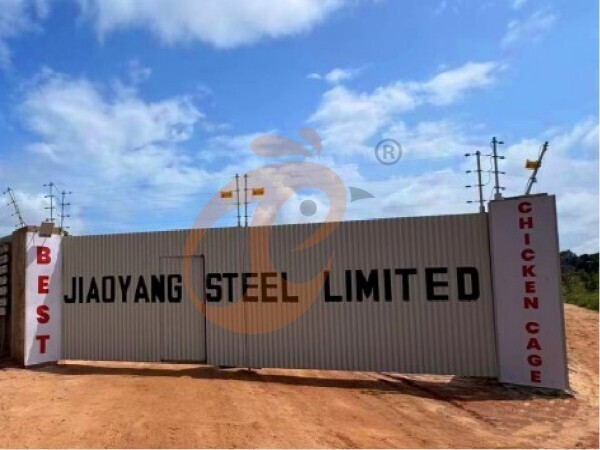
Tanzania Best Machinery And Equipment CO., LTD
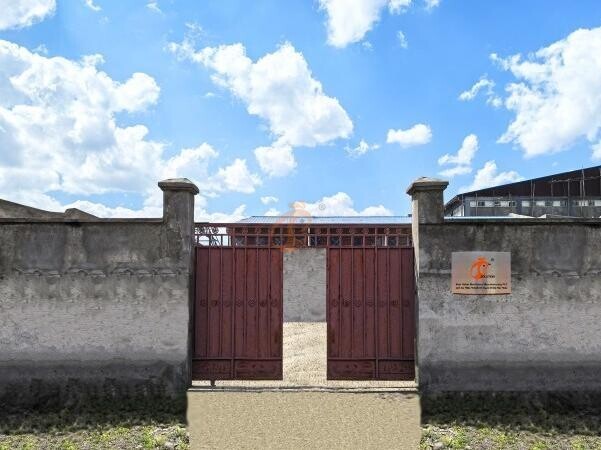
Ethiopia Best Hebei Machinery Manufacturing PLC
Reception /24 WhatsApp NO. : +8618830120193
FAQ
What Feeding System Standards Are Required For Pellet Machine In Poultry Chicken Feed Production Lines?
Feeder capacity is designed at 1.2–2.5 tons per hour depending on raw material density.
Flow consistency deviation is maintained within ±2% for uniform pellet quality output.
What Maintenance And Wear Part Replacement Standards Apply To Pellet Machine?
Bearing replacement intervals typically occur every 12–18 months under continuous operation.
Gearbox oil change frequency is maintained at 1000–1500 operating hours for system reliability.
What Safety Protection Systems Are Integrated In Pellet Machine For Poultry Chicken Feed Production?
Emergency stop response time is maintained within 0.5–1.0 seconds for operational safety.
Vibration monitoring limits are set at 4.5–6.0 mm/s to prevent mechanical failure.
Message
Products recommended
 HK Headquarter Offers EU-standard Poultry Farm Solutions, Manufacture Poultry Farm Equipment1. Continuous communication with the EU and the US
2. China, Nigeria, Ethiopia, Tanzania branch companies and factories
3. The products’ quality is customized for local poultry farms
4. Poultry cage and poultry farm equipment stock for sale
5. 24 online reception Whatsapp NO. : +8618830120193,contact us to get full informationRead More China Branch Offer Poultry Farm Business Plan, Manufacture Poultry Farm Equipment1. Address: Flat/RM 2416, 24/F, Runxing Building, Youyi Nan Street, Shijiazhuang City, Hebei Province, China
2. Poultry cage and poultry farm equipment factory and stock for sale
3. Customized for local poultry farms
4. Quality and design are based on Euro
5. 24 online reception Whatsapp NO. : +8618830120193Read More Nigeria Branch Offer Poultry Farm Business Plan, Manufacture Poultry Farm Equipment1. Address: After Sinoma Office, 200 Meters Near Danco Filling Station, Lagos/Ibadan Expressway, Lagos State, Nigeria
2. Poultry cage and poultry farm equipment factory and stock for sale
3. Customized for Nigerian poultry farms
4. Quality and design are based on Euro
5. 24 online reception Whatsapp NO. : +8618830120193Read More Ethiopia Branch Offer Poultry Farm Business Plan, Manufacture Poultry Farm Equipment1. Address: Gelan Gura, Akaki-kaliti Sub City, Addis Ababa, Ethiopia
2. Poultry cage and poultry farm equipment stock for sale
3. Customized for Ethiopian poultry farms
4. Quality and design are based on Euro
5. 24 online reception Whatsapp NO. : +8618830120193, contact us to get price listRead More Tanzania Branch Offer Poultry Farm Business Plan, Manufacture Poultry Farm Equipment1. Address: No.8, Sova Road, Msufini, Mlandizi, Kibaha, Pwani, Tanzania
2. Poultry cage and poultry farm equipment factory and stock for sale
3. Customized for Tanzanian poultry farms
4. Quality and design are based on Euro
5. 24 online reception Whatsapp NO. : +8618830120193Read More Fully Automatic H Type Layer Chicken Cage1. 30,000-100,000+ layers/house chooses it, Poultry farmers can achieve an egg production rate of 96-98%
2. A significant improvement over the 85-90% typically seen in manual systems
3. A typical poultry farm can expect a 30-40% reduction in labor costs due to the automation
4. Each feeding line efficiently supplies feed to around 100,000 hens per 30 mins
5. Reception /WhatsApp NO. : +8618830120193Read More Fully Automatic A Type Layer Chicken Cage1. 10,000-50,000 layers/house chooses it
2. Cleaner egg collection reduces breakage by 0.5%
3. Improved hygiene helps reduce mortality rate to <3%
4. 1–2 technicians can handle 15,000–30,000 birds
5. Reception /WhatsApp NO. : +8618830120193Read More Semi Automatic H Type Layer Chicken Cage1. 1,00-20,000 layers/house chooses it
2. Nipple drinkers flow 30–60 ML / min
3. Hot-dip galvanized (typical coating ≥ 275 g/m²)
4. Reduce ammonia by ~ 35–40%
5. Reception /WhatsApp NO. : +8618830120193Read More Semi Automatic A Type Layer Chicken Cage1. 1,00-20,000 layers/house chooses it, no rust for 10 years, no deformation for 15 years
2. Chickens live comfortably, you can raise them with peace of mind
3. Save water, save money—efficiency you can measure
4. Improve environment quality, and increase egg production rate
5. Reception /WhatsApp NO. : +8618830120193Read More
By clicking 'Allow All', you agree to the storage of cookies on your device to enhance site navigation, analyze site usage and assist with our marketing efforts.