






Blog
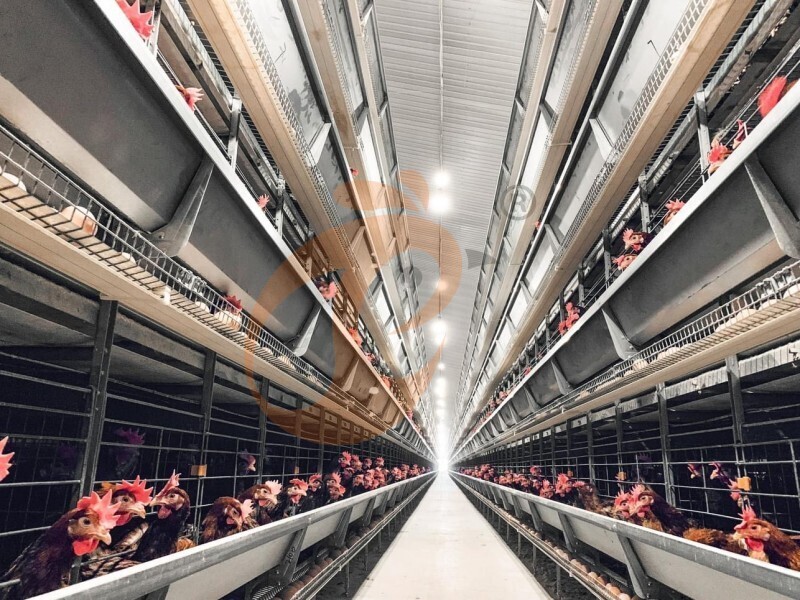
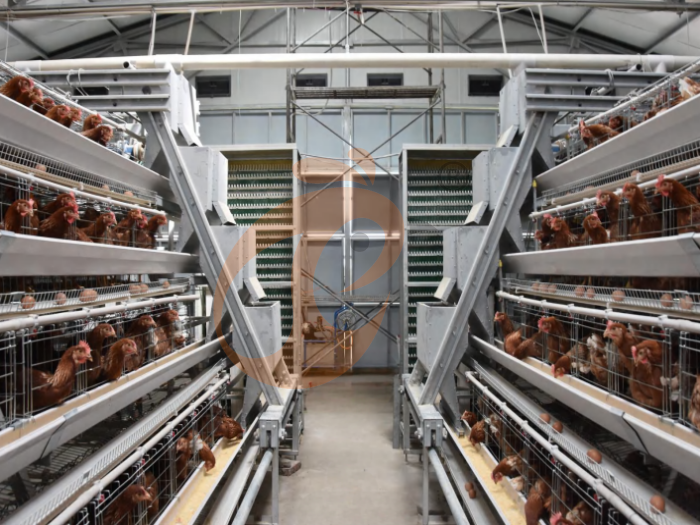
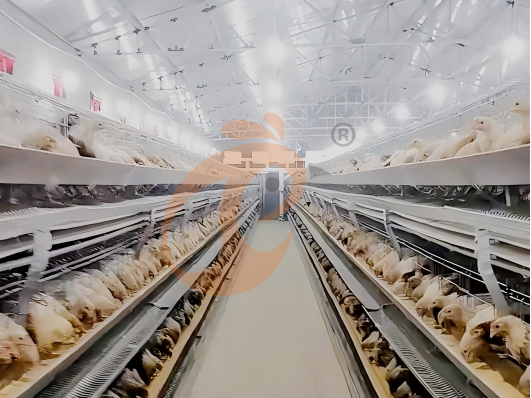
H type chicken cages combine structured housing with automated feeding, egg collection, watering, and manure handling for commercial layer farms, with 3–16 tiers and integrated production routes.
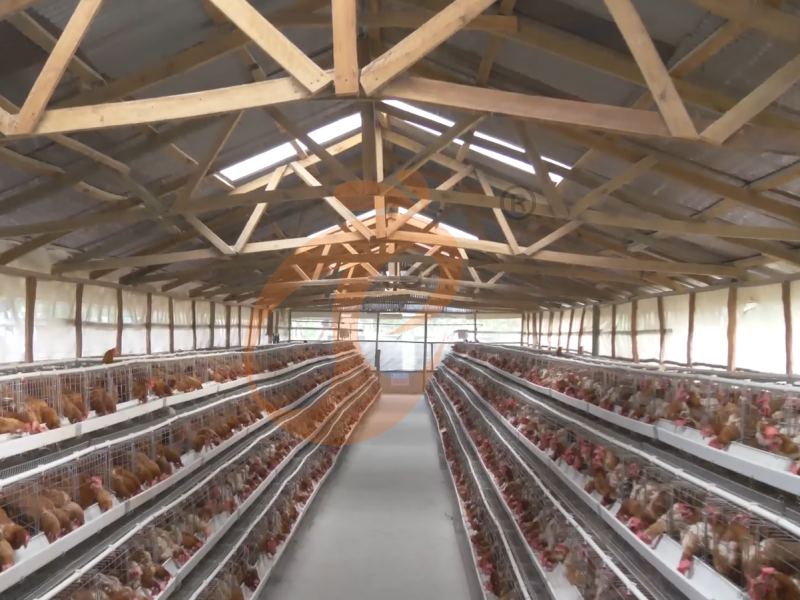
Vertical layer systems increase usable building volume through multi-tier arrangements, while automatic layer cage systems connect repetitive operations and reduce unnecessary worker movement across large poultry houses.
Space planning depends on building dimensions, service corridors, ventilation clearance, flock capacity, and equipment positioning, with commercial layouts commonly engineered around 60 m house lengths and 12 m widths.
Labor efficiency comes from coordinated equipment rather than cage structure alone, making feeding lines, nipple drinking systems, egg conveyors, manure belts, and centralized controls important parts of a complete H type chicken cages project.
- Technical selection should balance capacity, construction height, automation, maintenance access, and long-term workflow, allowing H type chicken cages and vertical layer systems to serve different commercial farm requirements.
Get professional poultry farm construction guidance, equipment selection solutions, and the latest price lists, whatsApp to +8618830120193, +2348111199996, or click to learn more.
Engineering Specification Comparison
Data is for reference only.Swipe horizontally to view full table.
The H type chicken cages configuration uses a modular structural grid that coordinates automatic layer cage systems with feeding, watering, egg-transfer, and manure-removal equipment, with typical projects using 3–8 tiers and 2–6 rows.
Engineering Point — Labor Is Determined By The Complete System
H type chicken cages reduce repetitive handling when feeding, egg collection, manure removal, and water delivery operate as connected workflows, with 4 core operations forming the basic automation structure.
Automatic layer cage systems can shift workers from carrying feed and eggs toward inspection and maintenance, while vertical layer systems organize multiple production levels around 3 equipment groups.
For commercial H type chicken cages projects, suppliers should calculate circulation routes, service corridors, equipment drives, and control positions before manufacturing, with layouts commonly organized around 2 service corridors and 1 control area.
Space Utilization Data
Data is for reference only.Swipe horizontally to view full table.
H type chicken cages can use vertical building volume while maintaining a practical service arrangement, with suitable building designs requiring approximately 8–12 m clear height for certain vertical configurations.
Vertical layer systems should also account for structural loading, ventilation volume, emergency access, and maintenance clearance, rather than using theoretical capacity alone to select equipment.
Tip Card — Measure The Building Before Selecting The Cage
Tip 1 — Clear height measure finished floor to the lowest structural obstruction before specifying H type chicken cages or vertical layer systems.
Tip 2 — Structural grid column spacing around 6–8 m can affect row positioning, conveyor routing, and maintenance access for automatic layer cage systems.
Tip 3 — Electrical planning reserve distribution space for motor protection, control cabinets, and equipment circuits before H type chicken cages installation.
Tip 4 — Ventilation coordinate fans and air inlets with upper cage levels instead of adding environmental equipment after cage installation.
Tip 5 — Manure route provide a dedicated discharge path so H type chicken cages manure handling does not interfere with egg transfer.
Process Structure — From Feed Delivery To Egg Collection
Feed Storage
↓
Feed Hopper Receives Bulk Feed.
↓
Automatic Distribution
↓
Drive equipment transfers feed through H type chicken cages.
↓
Layer Cage
↓
Nipple lines provide controlled drinking water.
↓
Egg Transfer
↓
Eggs move onto the collection conveyor.
↓
Central Collection
↓
Eggs reach grading or packing equipment.
↓
Manure Transfer
↓
Belts Move Manure Toward Discharge Equipment.
The complete H type chicken cages workflow connects 5 production stages, allowing equipment-driven transport to replace repeated manual handling.
Automatic layer cage systems can coordinate feeding, egg collection, manure handling, ventilation, and controls through 3 principal automation groups, depending on project scope.
Automation Equipment Parameters
Data is for reference only.Swipe horizontally to view full table.
H type chicken cages automation should match motor capacity with conveyor length, flock demand, and building geometry, especially where feeding circuits extend 80–120 m.
Automatic layer cage systems require hydraulic planning for water distribution, with 2-stage filtration and independent isolation arrangements supporting maintenance and line management.
Labor-Related Operating Parameters
Data is for reference only.Swipe horizontally to view full table.
H type chicken cages automation is most effective when multiple repetitive operations are integrated, rather than automating only one production task.
Labor evaluation should consider 4 operational indicators, including daily operating hours, worker walking distance, maintenance frequency, and manual handling points.
Equipment Combination Recommendation
H type chicken cages should be specified as a complete production chain, with housing, feeding, watering, egg collection, manure handling, and environmental control engineered together.
Housing Package
H type chicken cages + galvanized frame + cage doors + support structure.
Feeding Package
Feed hopper + automatic feeding line + drive motor + feed distribution components.
Water Package
Water tank + filtration + pressure regulator + nipple drinking line + drainage components.
Egg Package
Egg collection belt + longitudinal conveyor + cross conveyor + central transfer equipment.
Manure Package
PP manure belts + drive unit + cleaning components + manure discharge conveyor.
Environmental Package
Exhaust fans + air inlets + cooling equipment + temperature/humidity controllers.
A turnkey H type chicken cages project can combine 6 equipment packages, allowing cage dimensions and utility requirements to be coordinated before manufacturing.
For commercial projects, suppliers can prepare 2d/3d layouts, capacity calculations, conveyor routes, and installation drawings before equipment production.
Structural & Durability Parameters
Data is for reference only.Swipe horizontally to view full table.
H type chicken cages commonly use galvanized structural components for commercial poultry-house environments, while automatic layer cage systems can incorporate corrosion-protection specifications around 80–275 g/m².
Egg movement depends on controlled floor geometry, and H type chicken cages may use cage-floor slopes around 7–10° to guide eggs toward collection equipment.
Buyer Checklist — Match Equipment To Farm Conditions
Before ordering H type chicken cages, confirm the target population, breed weight range, building drawing, structural grid, utility capacity, and equipment access.
Provide 7 project inputs covering birds, building, electricity, water, manure destination, egg destination, and automation requirements.
For automatic layer cage systems, define which functions operate automatically and which remain under manual supervision before final equipment quantities are calculated.
Project Selection Matrix
Data is for reference only.Swipe horizontally to view full table.
H type chicken cages selection should begin with actual building dimensions and flock requirements, while automatic layer cage systems should be matched to the available vertical envelope.
Where building height supports additional tiers, vertical layer systems can increase housing capacity without proportionally expanding the footprint, subject to structural and environmental design requirements.
Final Technical Decision
Data is for reference only.Swipe horizontally to view full table.
H type chicken cages provide a modular route toward automated feeding, drinking, egg collection, and manure handling, while vertical layer systems emphasize greater use of available building height.
Final equipment selection should balance 4 engineering priorities, including building geometry, automation architecture, flock capacity, and maintenance workflow.
Frequently Asked Questions
Q1: Can H type chicken cages reduce manual labor?
A1: Yes, when H type chicken cages integrate automatic feeding, egg collection, drinking, and manure handling, with 4 core workflows connected into one operating system.
Q2: When should a farm consider vertical layer systems?
A2: Vertical layer systems become relevant when building height and structural design support additional tiers, with certain commercial layouts reaching 16 tiers.
Q3: Should cage price determine the equipment choice?
A3: No, H type chicken cages should be evaluated through complete project cost, including automation, installation, utilities, ventilation, maintenance, and workflow requirements.
Taiyu (HK) Group - One Of China Toppest H Type Chicken Cages Manufacturer
H type chicken cages provide modular commercial layer housing with 4–16 tiers, integrated feeding routes, egg conveyors, manure systems, and engineered access for production management.
Global factory direct sales taiyu supplies poultry equipment with coordinated cage, feeding, watering, egg collection, manure removal, ventilation, and electrical-control specifications for international projects.
Poultry equipment engineering project teams coordinate equipment quantities, house layouts, structural interfaces, utility requirements, and installation documentation as one technical package.
Turn-key engineering from preliminary layout and capacity calculation to manufacturing, delivery, installation guidance, and commissioning support, project execution follows defined engineering stages.
International project supply commercial layer farms can receive configurable poultry equipment packages matched to building dimensions, production capacity, automation requirements, and local project conditions.
Contact Us To Received Your Customized Poultry Farm Plan
Headquarters And Branchs

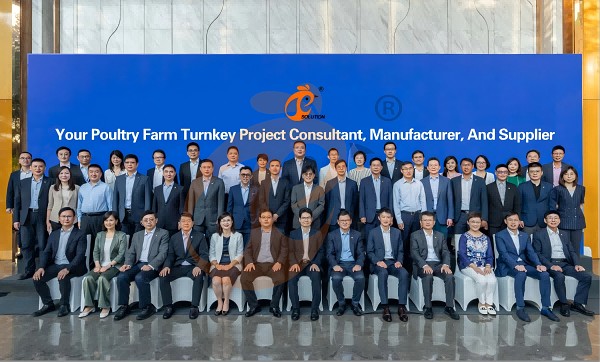
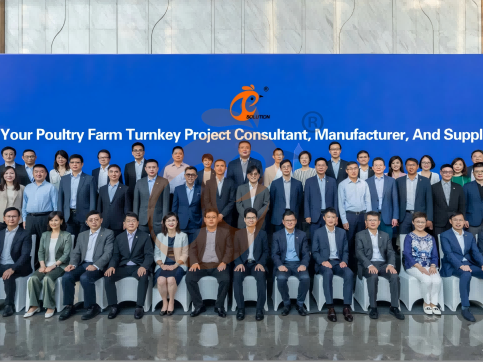
Hong Kong Headquarter Management Team
Hong Kong Headquarter Taiyu Industrial Group CO., LTD
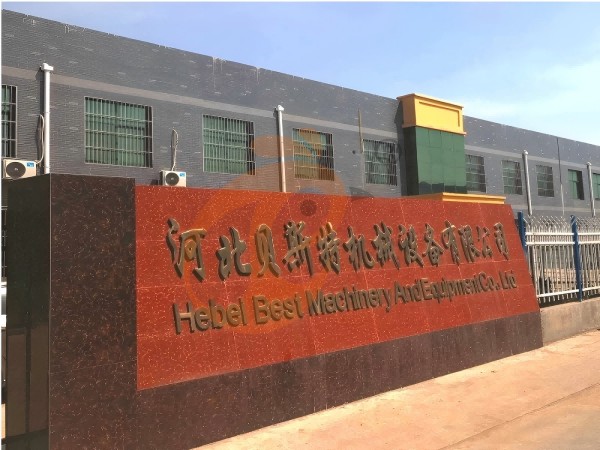
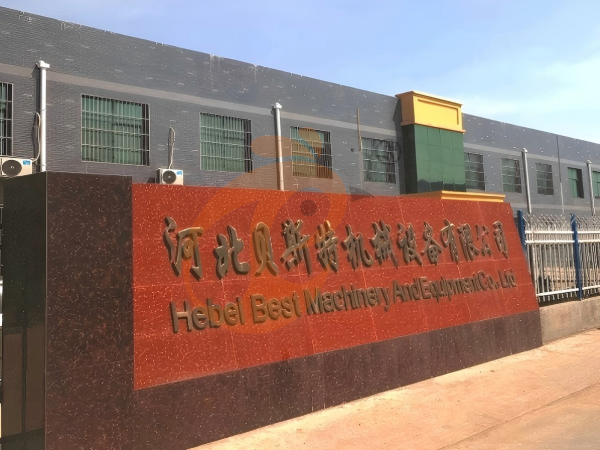
China Hebei Best Machinery And Equipment CO., LTD
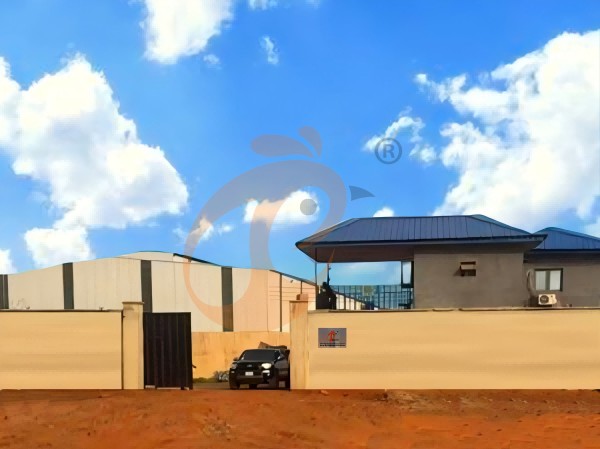
Nigeria Vanke Machinery And Equipment CO., LTD
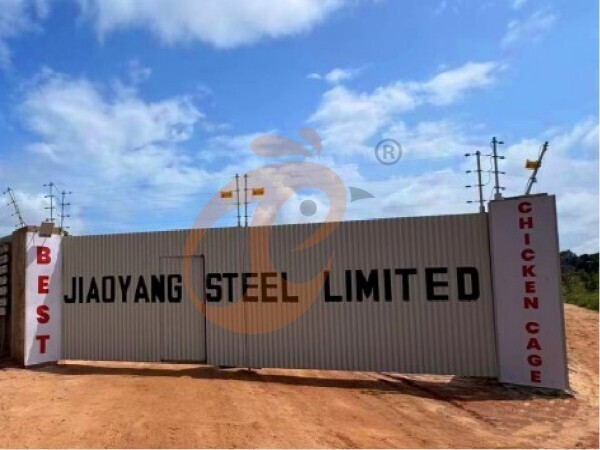
Tanzania Best Machinery And Equipment CO., LTD
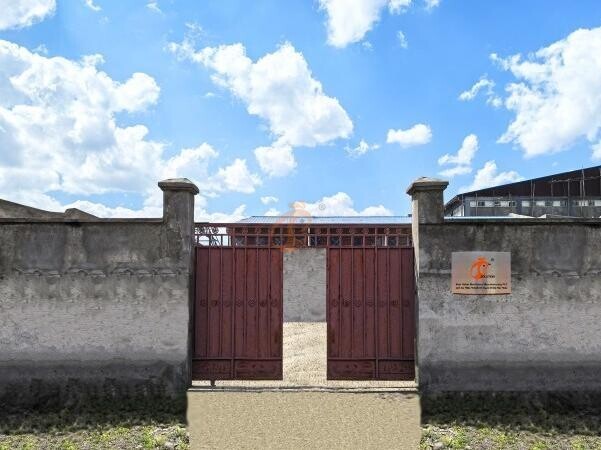
Ethiopia Best Hebei Machinery Manufacturing PLC
Reception /24 WhatsApp NO. : +8618830120193
FAQ
What Are The Recommended Cleaning Frequency For H-Type Layer Cage Equipment?
Flush cages weekly
Disinfect fully monthly
Reduce pathogen accumulation
How To Select The Best H-Type Poultry Cage For High-Density Layer Farm?
Birds per tier: 100–120
Automatic feeding and drinking system
Equipment lifespan: more than 25 years
What Are The Key Layout Considerations For H-Type Chicken Cage House Design?
Ensure good air circulation between tiers
Uniform lighting
Multi-tier layout: 5–7 levels
Farm capacity per house: 30,000 - 100,000+0 birds
Message
Products recommended
 HK Headquarter Offers EU-standard Poultry Farm Solutions, Manufacture Poultry Farm Equipment1. Continuous communication with the EU and the US
2. China, Nigeria, Ethiopia, Tanzania branch companies and factories
3. The products’ quality is customized for local poultry farms
4. Poultry cage and poultry farm equipment stock for sale
5. 24 online reception Whatsapp NO. : +8618830120193,contact us to get full informationRead More China Branch Offer Poultry Farm Business Plan, Manufacture Poultry Farm Equipment1. Address: Flat/RM 2416, 24/F, Runxing Building, Youyi Nan Street, Shijiazhuang City, Hebei Province, China
2. Poultry cage and poultry farm equipment factory and stock for sale
3. Customized for local poultry farms
4. Quality and design are based on Euro
5. 24 online reception Whatsapp NO. : +8618830120193Read More Nigeria Branch Offer Poultry Farm Business Plan, Manufacture Poultry Farm Equipment1. Address: After Sinoma Office, 200 Meters Near Danco Filling Station, Lagos/Ibadan Expressway, Lagos State, Nigeria
2. Poultry cage and poultry farm equipment factory and stock for sale
3. Customized for Nigerian poultry farms
4. Quality and design are based on Euro
5. 24 online reception Whatsapp NO. : +8618830120193Read More Ethiopia Branch Offer Poultry Farm Business Plan, Manufacture Poultry Farm Equipment1. Address: Gelan Gura, Akaki-kaliti Sub City, Addis Ababa, Ethiopia
2. Poultry cage and poultry farm equipment stock for sale
3. Customized for Ethiopian poultry farms
4. Quality and design are based on Euro
5. 24 online reception Whatsapp NO. : +8618830120193, contact us to get price listRead More Tanzania Branch Offer Poultry Farm Business Plan, Manufacture Poultry Farm Equipment1. Address: No.8, Sova Road, Msufini, Mlandizi, Kibaha, Pwani, Tanzania
2. Poultry cage and poultry farm equipment factory and stock for sale
3. Customized for Tanzanian poultry farms
4. Quality and design are based on Euro
5. 24 online reception Whatsapp NO. : +8618830120193Read More Fully Automatic H Type Layer Chicken Cage1. 30,000-100,000+ layers/house chooses it, Poultry farmers can achieve an egg production rate of 96-98%
2. A significant improvement over the 85-90% typically seen in manual systems
3. A typical poultry farm can expect a 30-40% reduction in labor costs due to the automation
4. Each feeding line efficiently supplies feed to around 100,000 hens per 30 mins
5. Reception /WhatsApp NO. : +8618830120193Read More Fully Automatic A Type Layer Chicken Cage1. 10,000-50,000 layers/house chooses it
2. Cleaner egg collection reduces breakage by 0.5%
3. Improved hygiene helps reduce mortality rate to <3%
4. 1–2 technicians can handle 15,000–30,000 birds
5. Reception /WhatsApp NO. : +8618830120193Read More Semi Automatic H Type Layer Chicken Cage1. 1,00-20,000 layers/house chooses it
2. Nipple drinkers flow 30–60 ML / min
3. Hot-dip galvanized (typical coating ≥ 275 g/m²)
4. Reduce ammonia by ~ 35–40%
5. Reception /WhatsApp NO. : +8618830120193Read More Semi Automatic A Type Layer Chicken Cage1. 1,00-20,000 layers/house chooses it, no rust for 10 years, no deformation for 15 years
2. Chickens live comfortably, you can raise them with peace of mind
3. Save water, save money—efficiency you can measure
4. Improve environment quality, and increase egg production rate
5. Reception /WhatsApp NO. : +8618830120193Read More
By clicking 'Allow All', you agree to the storage of cookies on your device to enhance site navigation, analyze site usage and assist with our marketing efforts.