


Blog
Selecting the right A-type chicken cage feeding system directly affects feed efficiency, egg production stability, and operational cost control for Ethiopian poultry farms.
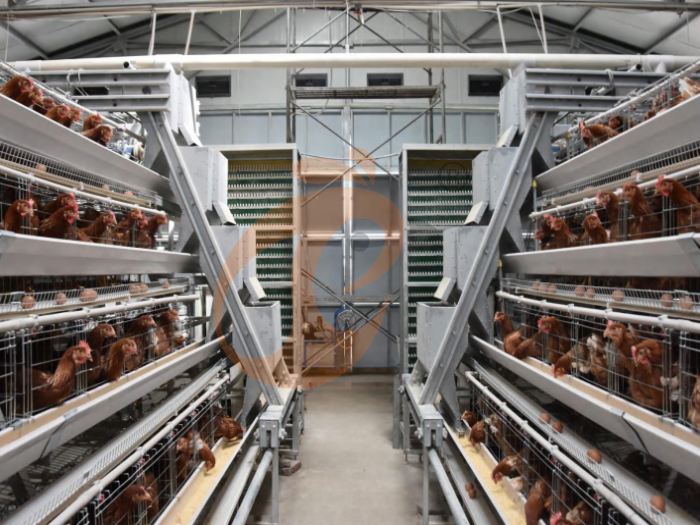
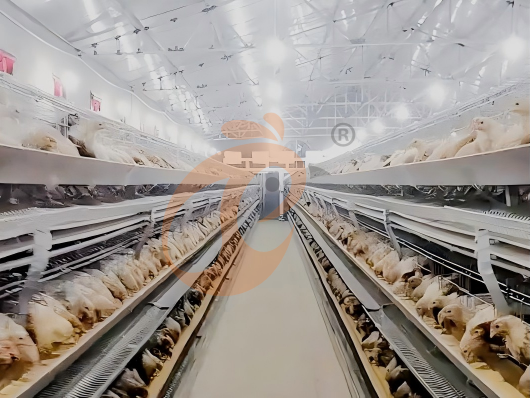
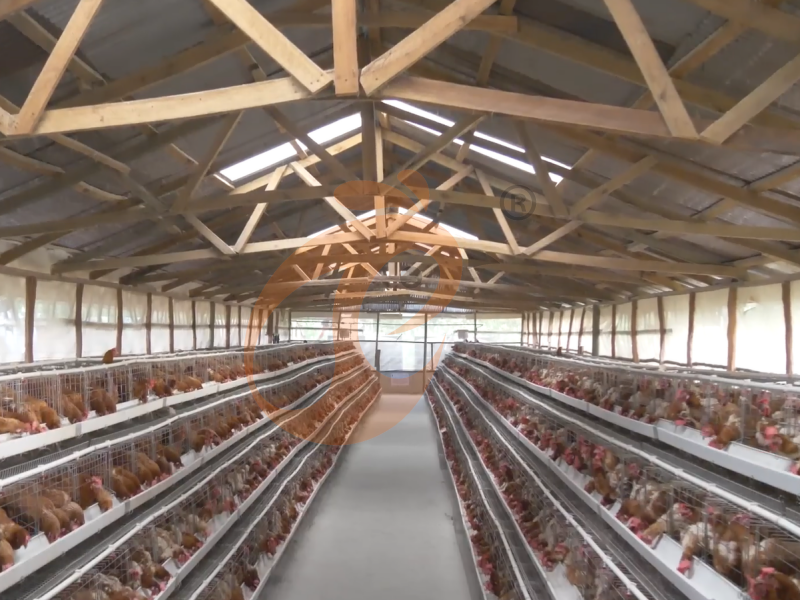
Modern poultry farms in Ethiopia are transitioning from floor systems to cage-based egg production with improved ventilation and manure handling efficiency.
Feed represents the largest operational expense in commercial egg farms, often reaching 75% to 85% of total production costs.
Efficient feed delivery technologies reduce wastage, maintain uniform bird nutrition, and improve feed conversion ratio stability.
Poultry producers must balance capital investment, labor availability, power reliability, and farm scale when selecting feeding equipment.
Get professional poultry farm construction guidance, equipment selection solutions, and the latest price lists, whatsApp to +8618830120193, click to learn more:

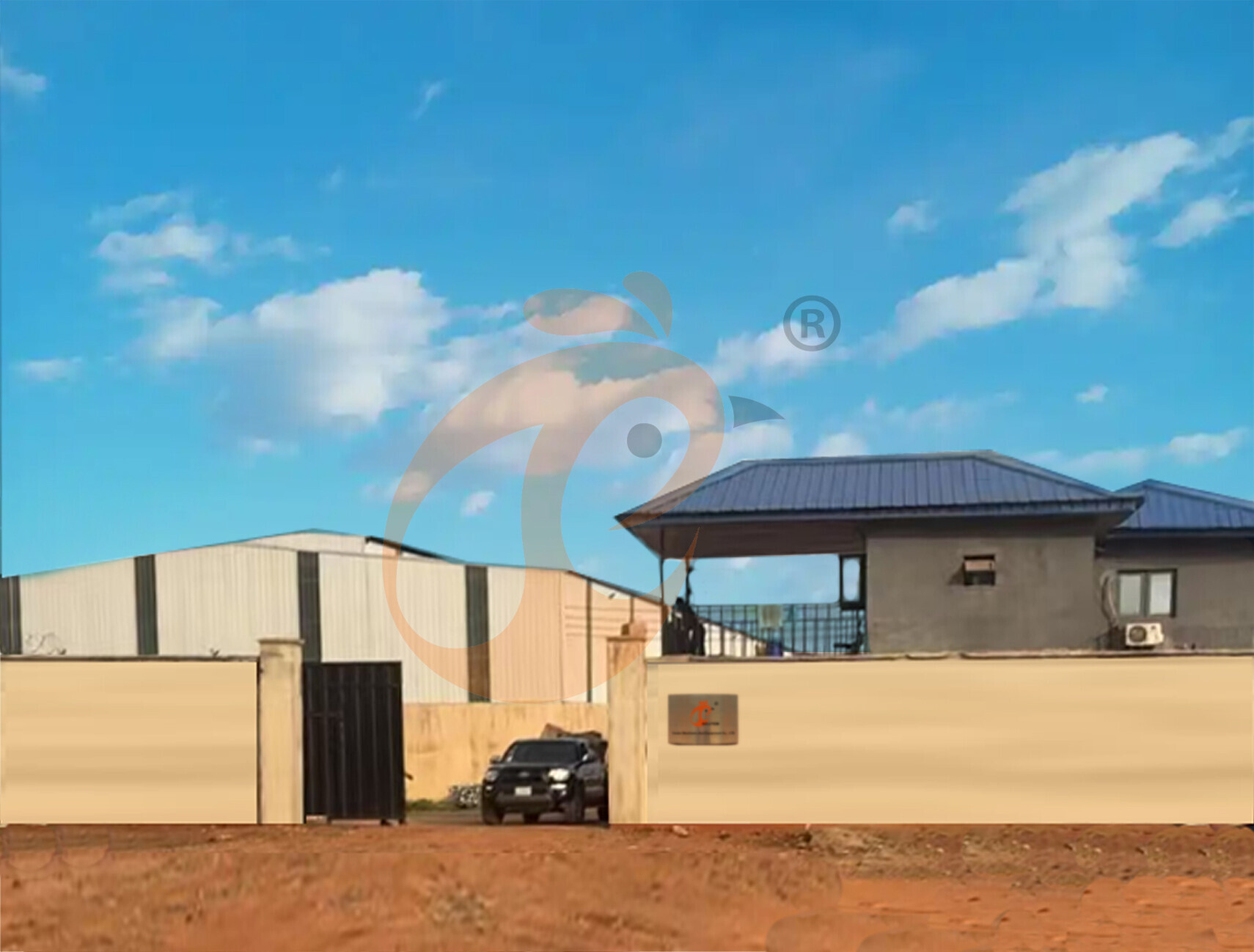
Ethiopia Branch Office And Factory Of Poultry Farm Equipment
Overview Of Ethiopia Poultry Industry And Feeding Challenges
Poultry Industry Development In Ethiopia
The Ethiopian poultry sector is shifting from traditional backyard systems toward modern commercial production.
Poultry farms in Bishoftu, Modjo, Amhara, and Tigray regions increasingly adopt intensive chicken cage housing.
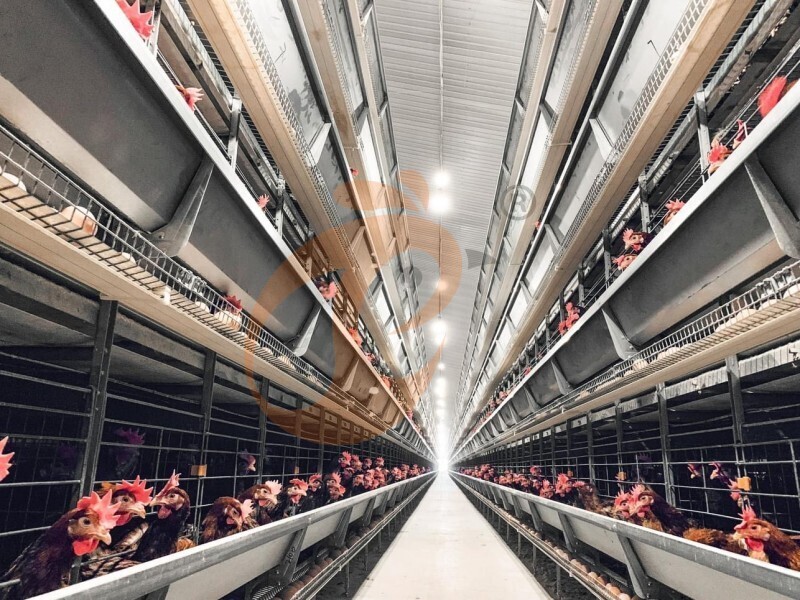
The A-type chicken cage system provides strong ventilation performance and practical manure management.
Feed Cost And Operational Pressure
Feed cost accounts for approximately 75% to 85% of total poultry production expenses.
Raw materials such as maize and soybean meal frequently fluctuate in price.
Feed wastage therefore becomes a major economic challenge for poultry producers.
Importance Of Efficient Feeding Systems
A well-designed feeding system ensures every hen receives a balanced daily feed intake.
Uniform feed distribution stabilizes egg production and improves feed conversion ratio.
Choosing the correct feeding technology helps poultry farms reduce operating costs and increase long-term profitability.
The Standardized Manual Trolley Feeding System
Technical Parameters For Manual Trolley Systems
Data is for reference only.Swipe horizontally to view full table.
Behavioral Feeding Control
Layer hens sometimes toss feed from troughs while searching for preferred grain particles.
Controlled feed depth combined with proper trough design helps reduce this behavior.
Automatic Traveling Hopper System (Gantry Feeder)
System Structure
The traveling hopper system is commonly used in poultry farms raising more than 10,000 laying hens.
A motorized bridge structure moves along the cage rows and distributes feed automatically.
The system operates efficiently within large A-type chicken cage houses.
Operational Characteristics
Feed distribution remains consistent across long poultry buildings.
Electric motor drive enables smooth and stable feed delivery.
The system can switch to manual push operation during electricity interruptions.
Production Benefits
Supports precise daily feed requirements for common layer breeds such as Hy-Line Brown and Lohmann White.
Improves feeding uniformity and reduces human feeding error.
Suitable for expanding commercial egg farms.
Performance Metrics Of Gantry Feeding Systems
Data is for reference only.Swipe horizontally to view full table.
Feed Leveling Mechanism
Internal scraper technology maintains even feed depth along the trough.
Prevents uneven feed accumulation within long cage rows.
High-Speed Chain Feeding Systems
Chain Feeder Engineering Specifications
Data is for reference only.Swipe horizontally to view full table.
Nutrient Mixing Advantage
Continuous chain movement redistributes feed particles.
Fine nutrients such as calcium and phosphorus remain evenly available throughout the trough.
Auger-Silo Integrated Distribution System
Auger Distribution Parameters
Data is for reference only.Swipe horizontally to view full table.
Economic Benefit Of Bulk Storage
Farmers can purchase feed during harvest seasons when market prices decrease.
Bulk storage can reduce procurement costs by several thousand Ethiopian Birr (ETB) annually depending on farm scale.
Precision IoT Enabled Smart Feeding Systems
Core Technologies
Ultrasonic sensors measure feed depth with high precision.
Automated control systems activate feeding equipment when feed levels drop below defined thresholds.
Operational Advantages
Prevents overfilling of troughs.
Reduces feed loss caused by bird flicking behavior.
Maintains stable feed availability throughout the poultry house.
Economic Impact
Feed prices around Addis Ababa can fluctuate significantly.
Reducing feed waste by 5 percent can save several thousand Ethiopian Birr per month for commercial farms.
European union standard reference only.
Sensor And Control Data For Precision Feeding
Data is for reference only.Swipe horizontally to view full table.
Comparative Analysis Which System Fits Your Ethiopian Farm
Decision Factors For Poultry Producers
Farm size and bird population capacity.
Electricity availability and energy reliability.
Labor availability and operational management capability.
Investment budget and equipment maintenance requirements.
Data is for reference only.Swipe horizontally to view full table.
Addressing Ethiopian Poultry Production Challenges
Seasonal Challenge
During the dry Bega season dust may accumulate on feeding equipment.
Operational Measures
Use enclosed drive units.
Maintain appropriate feed particle size and moisture control.
Data is for reference only.Swipe horizontally to view full table.
Problem Description
In houses longer than 80 meters birds near the start may consume larger feed particles.
Recommended Solution
High-speed chain feeding systems maintain continuous feed movement.
This prevents separation of fine nutrients and grains.
Frequently Asked Questions About Feeding Systems For A-Type Chicken Cage Farms
Q1: Which feeding system is most suitable for small poultry farms in Ethiopia?
A1: Manual trolley feeding systems are commonly selected for farms raising between 1,000 and 5,000 laying hens because the structure is simple and does not require electricity.
Q2: How can poultry farms reduce feed wastage in A-type chicken cage houses?
A2: Maintaining trough fill levels below 30 percent, installing anti-flicker lips, and using evenly distributed feeding systems can significantly reduce feed loss.
Q3: Is automatic feeding equipment worth the investment for Ethiopian poultry farms?
A3: For farms with more than 10,000 layers, automated feeding systems can stabilize feed distribution and reduce labor requirements, improving long-term operational efficiency.
Ethiopia Best Hebei Machinery Manufacturing Plc - One Of Ethiopia Largest Poultry Equipment Supplier
Global factory direct supply for poultry farm equipment and poultry cage infrastructure.
Professional manufacturing experience supporting international poultry farming projects.
Turn-key poultry farm engineering services including layout design and equipment planning.
Reliable export logistics coordination for commercial poultry investments.
Long-term technical support for poultry farm modernization projects.
Contact Us To Received Your Customized Poultry Farm Plan
Headquarters And Branchs
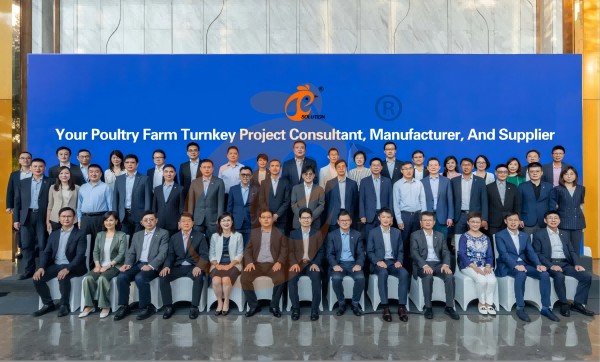
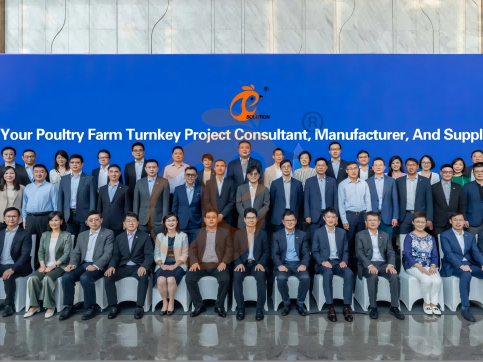
Hong Kong Headquarter Management Team
Hong Kong Headquarter Taiyu Industrial Group CO., LTD
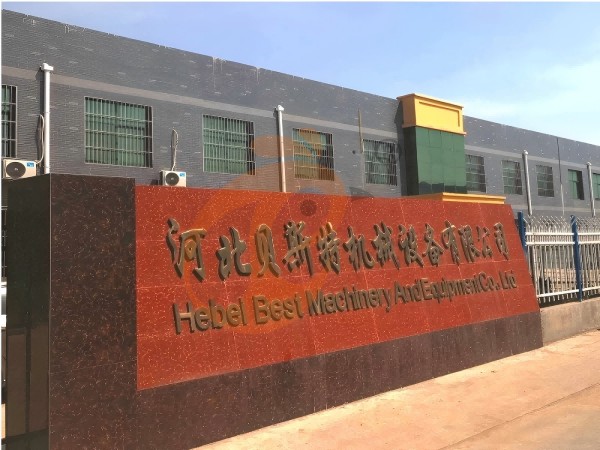
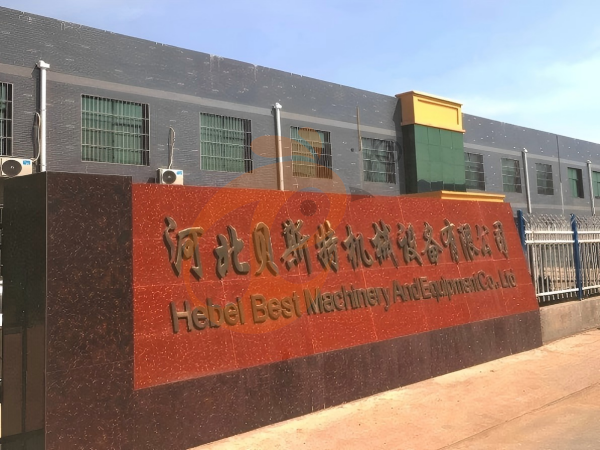
China Hebei Best Machinery And Equipment CO., LTD
Nigeria Vanke Machinery And Equipment CO., LTD
Tanzania Best Machinery And Equipment CO., LTD
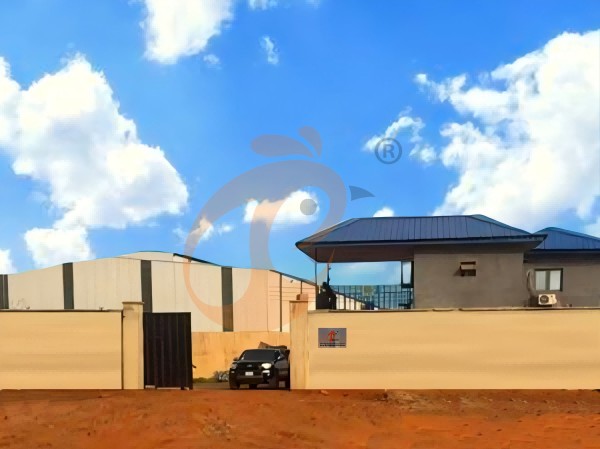
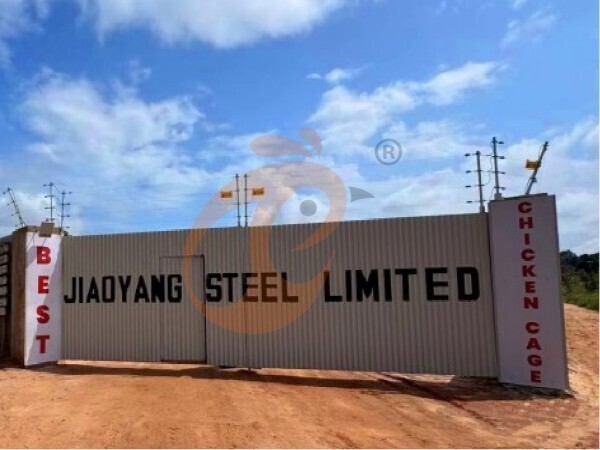
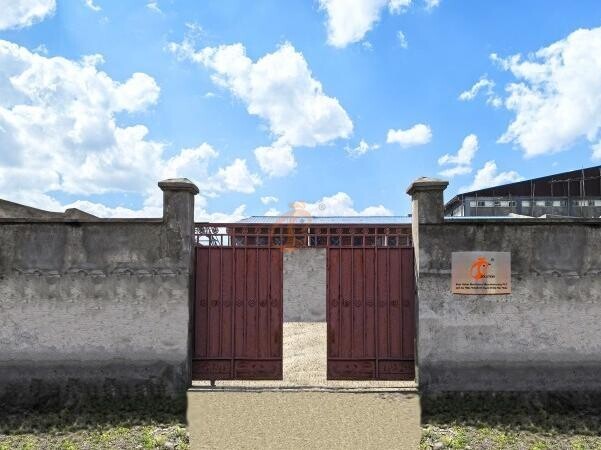
Ethiopia Best Hebei Machinery Manufacturing PLC
Reception /24 WhatsApp NO. : +8618830120193
Message
Products recommended
 HK Headquarter Offers EU-standard Poultry Farm Solutions, Manufacture Poultry Farm Equipment1. Continuous communication with the EU and the US
2. China, Nigeria, Ethiopia, Tanzania branch companies and factories
3. The products’ quality is customized for local poultry farms
4. Poultry cage and poultry farm equipment stock for sale
5. 24 online reception Whatsapp NO. : +8618830120193,contact us to get full informationRead More China Branch Offer Poultry Farm Business Plan, Manufacture Poultry Farm Equipment1. Address: Flat/RM 2416, 24/F, Runxing Building, Youyi Nan Street, Shijiazhuang City, Hebei Province, China
2. Poultry cage and poultry farm equipment factory and stock for sale
3. Customized for local poultry farms
4. Quality and design are based on Euro
5. 24 online reception Whatsapp NO. : +8618830120193Read More Nigeria Branch Offer Poultry Farm Business Plan, Manufacture Poultry Farm Equipment1. Address: After Sinoma Office, 200 Meters Near Danco Filling Station, Lagos/Ibadan Expressway, Lagos State, Nigeria
2. Poultry cage and poultry farm equipment factory and stock for sale
3. Customized for Nigerian poultry farms
4. Quality and design are based on Euro
5. 24 online reception Whatsapp NO. : +8618830120193Read More Ethiopia Branch Offer Poultry Farm Business Plan, Manufacture Poultry Farm Equipment1. Address: Gelan Gura, Akaki-kaliti Sub City, Addis Ababa, Ethiopia
2. Poultry cage and poultry farm equipment stock for sale
3. Customized for Ethiopian poultry farms
4. Quality and design are based on Euro
5. 24 online reception Whatsapp NO. : +8618830120193, contact us to get price listRead More Tanzania Branch Offer Poultry Farm Business Plan, Manufacture Poultry Farm Equipment1. Address: No.8, Sova Road, Msufini, Mlandizi, Kibaha, Pwani, Tanzania
2. Poultry cage and poultry farm equipment factory and stock for sale
3. Customized for Tanzanian poultry farms
4. Quality and design are based on Euro
5. 24 online reception Whatsapp NO. : +8618830120193Read More Fully Automatic H Type Layer Chicken Cage1. 30,000-100,000+ layers/house chooses it, Poultry farmers can achieve an egg production rate of 96-98%
2. A significant improvement over the 85-90% typically seen in manual systems
3. A typical poultry farm can expect a 30-40% reduction in labor costs due to the automation
4. Each feeding line efficiently supplies feed to around 100,000 hens per 30 mins
5. Reception /WhatsApp NO. : +8618830120193Read More Fully Automatic A Type Layer Chicken Cage1. 10,000-50,000 layers/house chooses it
2. Cleaner egg collection reduces breakage by 0.5%
3. Improved hygiene helps reduce mortality rate to <3%
4. 1–2 technicians can handle 15,000–30,000 birds
5. Reception /WhatsApp NO. : +8618830120193Read More Semi Automatic H Type Layer Chicken Cage1. 1,00-20,000 layers/house chooses it
2. Nipple drinkers flow 30–60 ML / min
3. Hot-dip galvanized (typical coating ≥ 275 g/m²)
4. Reduce ammonia by ~ 35–40%
5. Reception /WhatsApp NO. : +8618830120193Read More Semi Automatic A Type Layer Chicken Cage1. 1,00-20,000 layers/house chooses it, no rust for 10 years, no deformation for 15 years
2. Chickens live comfortably, you can raise them with peace of mind
3. Save water, save money—efficiency you can measure
4. Improve environment quality, and increase egg production rate
5. Reception /WhatsApp NO. : +8618830120193Read More
By clicking 'Allow All', you agree to the storage of cookies on your device to enhance site navigation, analyze site usage and assist with our marketing efforts.