


Blog
Chicken cage maintenance is essential for stable egg production and equipment longevity in Ethiopian poultry farms.
Proper management helps farmers reduce egg breakage, water blockage, and feed waste across seasons.
Seasonal climate differences such as Bega dryness and Kiremt humidity require targeted routine inspection.
Practical local solutions help reduce maintenance expenses while protecting long-term poultry infrastructure investments.
Farmers using simple monitoring tools can maintain efficient egg production throughout yearly climate changes.
Get professional poultry farm construction guidance, equipment selection solutions, and the latest price lists, whatsApp to +8618830120193, click to learn more:

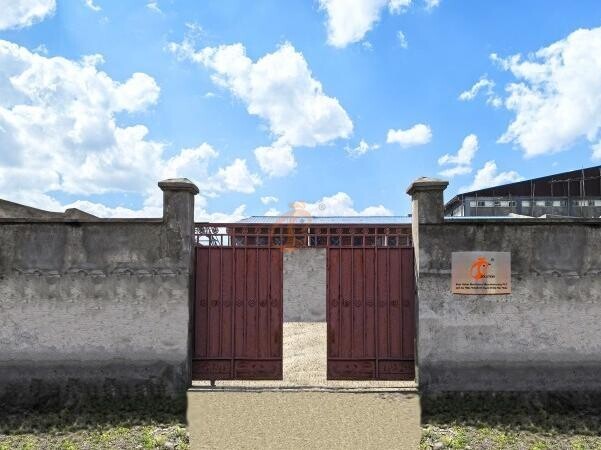
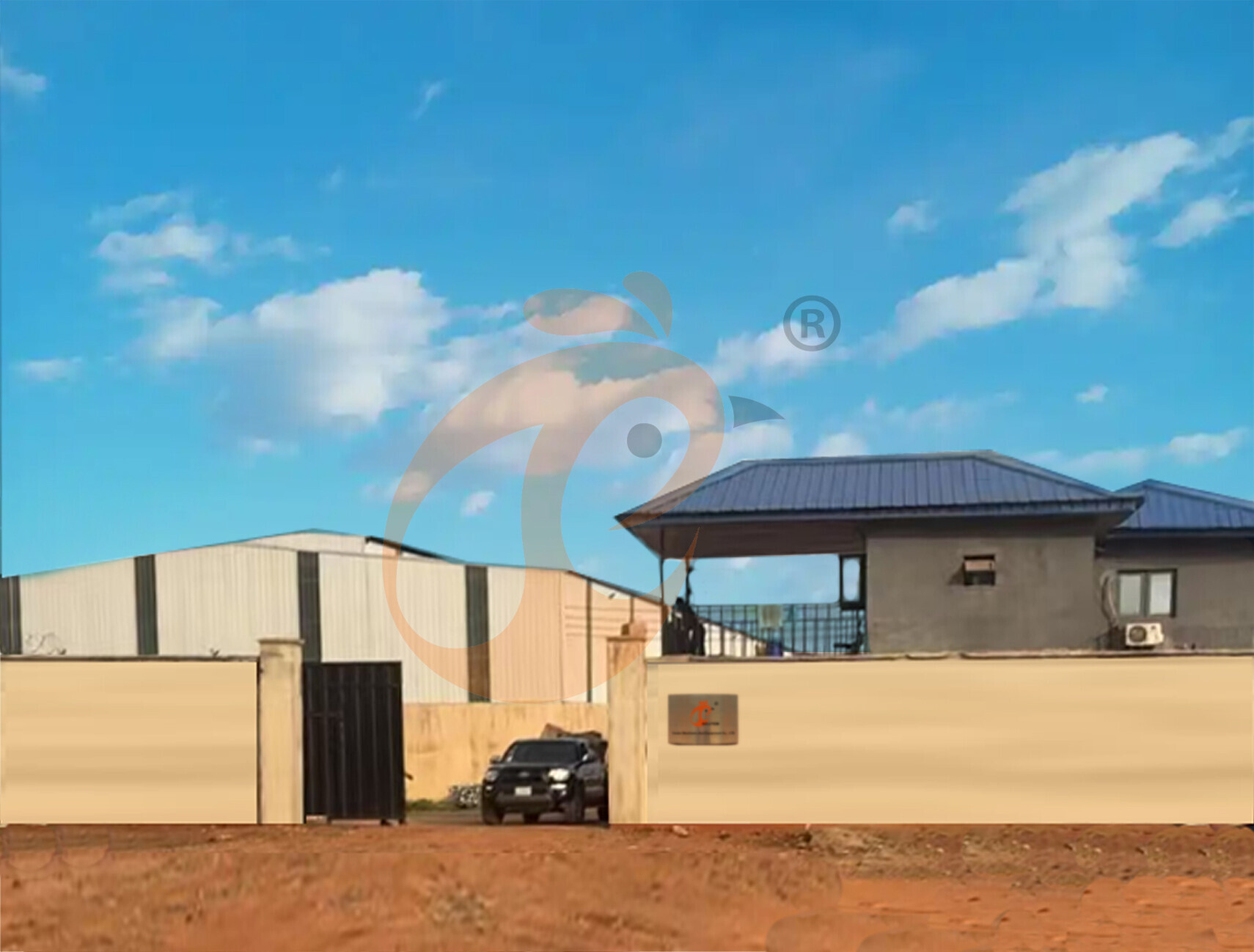
Ethiopia Branch Office And Factory Of Poultry Farm Equipment
The Landscape Of Layer Farming In Ethiopia
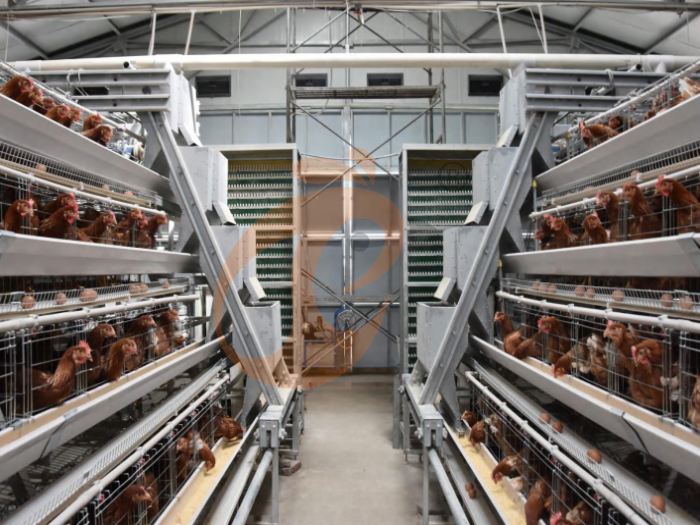
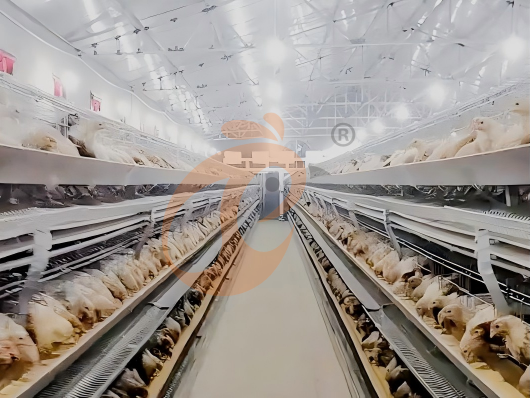
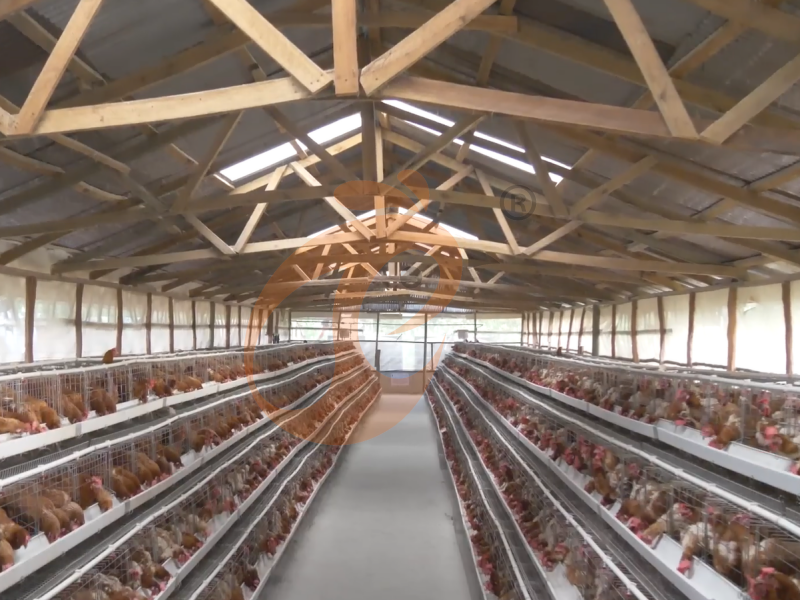
Before diving into maintenance, we must acknowledge why the A-type chicken cage system is the preferred architecture for the Ethiopian layer industry.
Unlike vertical H-type systems that require automated ventilation and manure belts, the A-type structure works with natural airflow and gravity.
This low-technology advantage makes the system highly suitable for Ethiopian poultry production environments.
Combatting The Kiremt Corrosion: Structural Integrity
High humidity during the rainy season combined with ammonia from manure pits accelerates metal oxidation.
Routine rust inspection before the rainy season helps prevent structural deterioration.
Data is for reference only. Swipe horizontally to view full table.
Checking frame alignment helps prevent egg rolling problems and structural stress.
A simple spirit level check every 6 months helps maintain correct cage positioning.
Precision Feeding: Trough Maintenance To Save Cents
Feed loss directly affects farm profitability when every Ethiopian Birr must be carefully managed.
Proper trough height and alignment help reduce unnecessary feed waste.
European union standard reference only.
Data is for reference only. Swipe horizontally to view full table.
Trough ends should be sealed to prevent rodent entry and feed contamination.
Simple metal caps can significantly reduce feed loss and pest intrusion.
Water System Optimization: Managing Rift Valley Sediments
Water sources in many Ethiopian regions contain minerals that cause scaling inside drinker systems.
Regular flushing of water lines helps maintain stable drinking flow for laying hens.
Data is for reference only. Swipe horizontally to view full table.
Dust protection for header tanks improves water hygiene and drinker performance.
Muslin cloth filters provide a simple and low-cost solution for tank inlet filtration.
The Ammonia Solution: Manure Management And Airflow
Manure accumulation beneath the cage structure can increase ammonia concentration.
Maintaining dry manure conditions helps reduce corrosion and improves air quality.
Data is for reference only. Swipe horizontally to view full table.
Regular manure removal also improves farm biosecurity conditions.
Moving manure away from the poultry house helps reduce pathogen re-entry risks.
Egg Collection Mechanics: Reducing The Check Rate
Egg rolling systems rely on proper floor slope and mesh tension.
Routine inspection helps prevent egg stagnation or shell damage.
Data is for reference only. Swipe horizontally to view full table.
Maintaining mesh tension improves egg movement toward the collection area.
Proper cushioning materials help reduce egg cracking during roll-out.
Biosecurity Maintenance: The Dry Season Protocol
Dust carried by strong winds during the dry season can introduce poultry diseases.
Routine cleaning of cage structures reduces dust accumulation.
Data is for reference only. Swipe horizontally to view full table.
External mesh inspection also helps prevent wild bird entry.
Maintaining biosecurity barriers protects poultry health and egg production stability.
Technical Synergy: Density And Performance
Proper stocking density helps maintain cage durability and bird welfare.
Overcrowding increases mechanical stress on cage floors and feeding systems.
Data is for reference only. Swipe horizontally to view full table.
Following density guidelines improves production stability and cage lifespan.
Balanced stocking also reduces stress and competition among hens.
Frequently Asked Questions
Q1: How often should a chicken cage be inspected in Ethiopia poultry farms?
A1: Routine inspection should occur weekly for water lines, feed troughs, and dust accumulation, while structural alignment and rust inspection are recommended every six months.
Q2: What causes egg breakage in A-type cages?
A2: Egg breakage usually results from floor mesh sagging, incorrect slope angles, or damaged egg bumpers that fail to cushion rolling eggs properly.
Q3: How can farmers prevent nipple drinker blockage in hard water areas?
A3: Flushing drinker lines monthly with diluted vinegar or citric acid helps dissolve mineral deposits and maintain stable water flow for laying hens.
Ethiopia Best Hebei Machinery Manufacturing Plc - One Of Ethiopia Largest Chicken Cage Supplier
• Global factory direct supply with efficient international logistics support.
• Professional provider of poultry farm equipment solutions for modern farms.
• Extensive experience supporting poultry cage installation and farm planning.
• Turn-key poultry farm engineering services from design to commissioning.
• Long-term technical service support for commercial poultry farming development.
Contact Us To Received Your Customized Poultry Farm Plan
Headquarters And Branchs

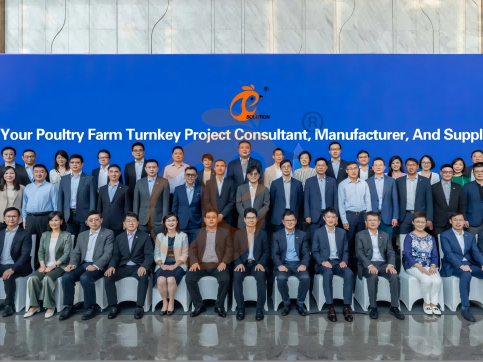
Hong Kong Headquarter Management Team
Hong Kong Headquarter Taiyu Industrial Group CO., LTD
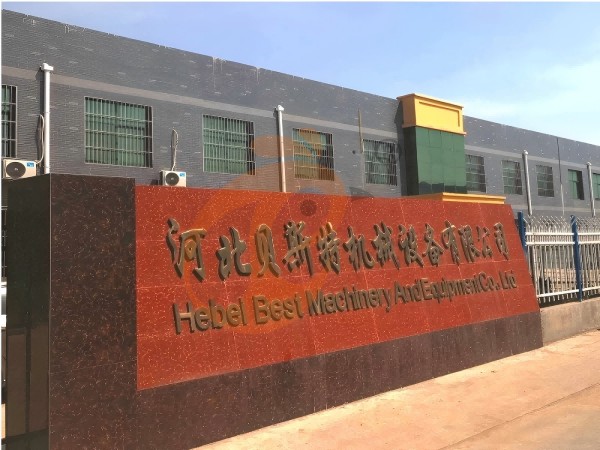
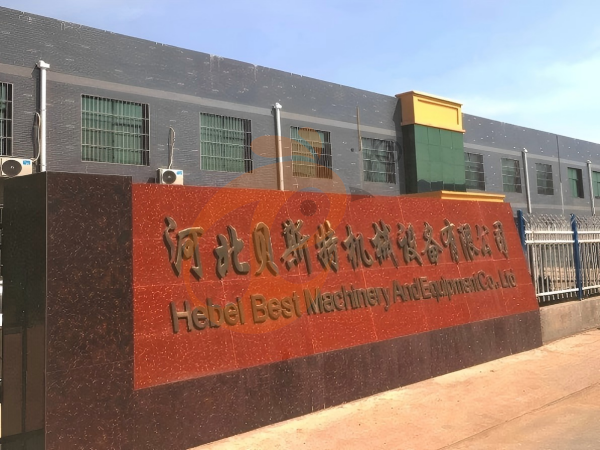
China Hebei Best Machinery And Equipment CO., LTD
Nigeria Vanke Machinery And Equipment CO., LTD
Tanzania Best Machinery And Equipment CO., LTD
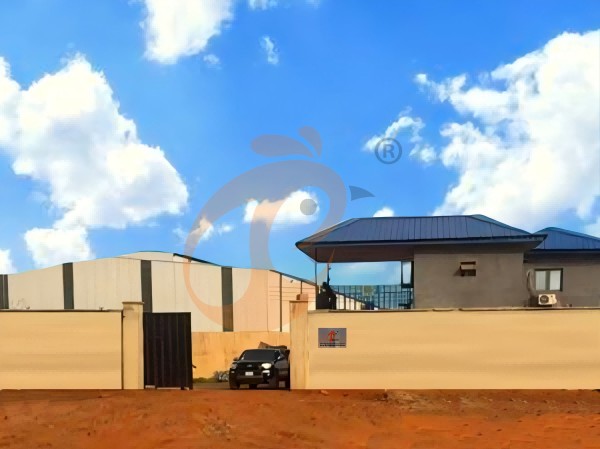
Ethiopia Best Hebei Machinery Manufacturing PLC
Reception /24 WhatsApp NO. : +8618830120193
Message
Products recommended
 HK Headquarter Offers EU-standard Poultry Farm Solutions, Manufacture Poultry Farm Equipment1. Continuous communication with the EU and the US
2. China, Nigeria, Ethiopia, Tanzania branch companies and factories
3. The products’ quality is customized for local poultry farms
4. Poultry cage and poultry farm equipment stock for sale
5. 24 online reception Whatsapp NO. : +8618830120193,contact us to get full informationRead More China Branch Offer Poultry Farm Business Plan, Manufacture Poultry Farm Equipment1. Address: Flat/RM 2416, 24/F, Runxing Building, Youyi Nan Street, Shijiazhuang City, Hebei Province, China
2. Poultry cage and poultry farm equipment factory and stock for sale
3. Customized for local poultry farms
4. Quality and design are based on Euro
5. 24 online reception Whatsapp NO. : +8618830120193Read More Nigeria Branch Offer Poultry Farm Business Plan, Manufacture Poultry Farm Equipment1. Address: After Sinoma Office, 200 Meters Near Danco Filling Station, Lagos/Ibadan Expressway, Lagos State, Nigeria
2. Poultry cage and poultry farm equipment factory and stock for sale
3. Customized for Nigerian poultry farms
4. Quality and design are based on Euro
5. 24 online reception Whatsapp NO. : +8618830120193Read More Ethiopia Branch Offer Poultry Farm Business Plan, Manufacture Poultry Farm Equipment1. Address: Gelan Gura, Akaki-kaliti Sub City, Addis Ababa, Ethiopia
2. Poultry cage and poultry farm equipment stock for sale
3. Customized for Ethiopian poultry farms
4. Quality and design are based on Euro
5. 24 online reception Whatsapp NO. : +8618830120193, contact us to get price listRead More Tanzania Branch Offer Poultry Farm Business Plan, Manufacture Poultry Farm Equipment1. Address: No.8, Sova Road, Msufini, Mlandizi, Kibaha, Pwani, Tanzania
2. Poultry cage and poultry farm equipment factory and stock for sale
3. Customized for Tanzanian poultry farms
4. Quality and design are based on Euro
5. 24 online reception Whatsapp NO. : +8618830120193Read More Fully Automatic H Type Layer Chicken Cage1. 30,000-100,000+ layers/house chooses it, Poultry farmers can achieve an egg production rate of 96-98%
2. A significant improvement over the 85-90% typically seen in manual systems
3. A typical poultry farm can expect a 30-40% reduction in labor costs due to the automation
4. Each feeding line efficiently supplies feed to around 100,000 hens per 30 mins
5. Reception /WhatsApp NO. : +8618830120193Read More Fully Automatic A Type Layer Chicken Cage1. 10,000-50,000 layers/house chooses it
2. Cleaner egg collection reduces breakage by 0.5%
3. Improved hygiene helps reduce mortality rate to <3%
4. 1–2 technicians can handle 15,000–30,000 birds
5. Reception /WhatsApp NO. : +8618830120193Read More Semi Automatic H Type Layer Chicken Cage1. 1,00-20,000 layers/house chooses it
2. Nipple drinkers flow 30–60 ML / min
3. Hot-dip galvanized (typical coating ≥ 275 g/m²)
4. Reduce ammonia by ~ 35–40%
5. Reception /WhatsApp NO. : +8618830120193Read More Semi Automatic A Type Layer Chicken Cage1. 1,00-20,000 layers/house chooses it, no rust for 10 years, no deformation for 15 years
2. Chickens live comfortably, you can raise them with peace of mind
3. Save water, save money—efficiency you can measure
4. Improve environment quality, and increase egg production rate
5. Reception /WhatsApp NO. : +8618830120193Read More
By clicking 'Allow All', you agree to the storage of cookies on your device to enhance site navigation, analyze site usage and assist with our marketing efforts.