


Blog
A Type Chicken Cages Price & Benefits In Ethiopia | 5 Key Tips For Egg Farms
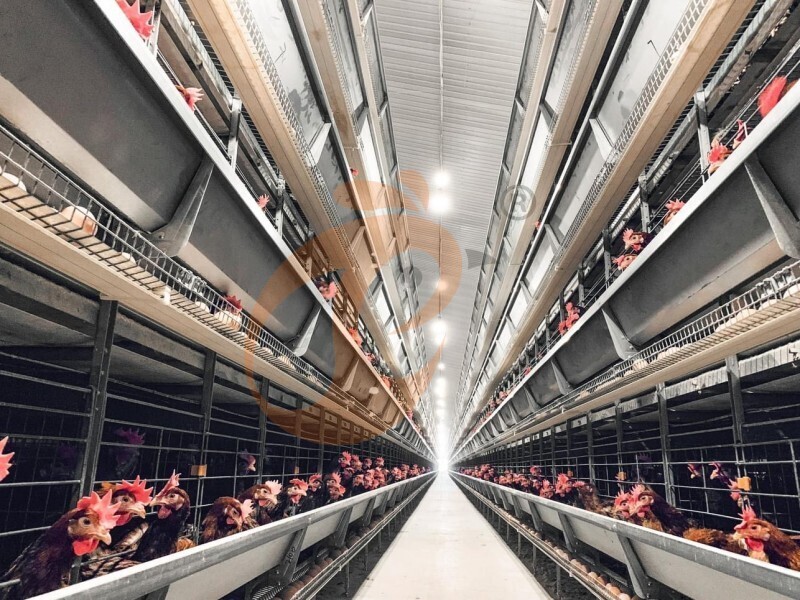
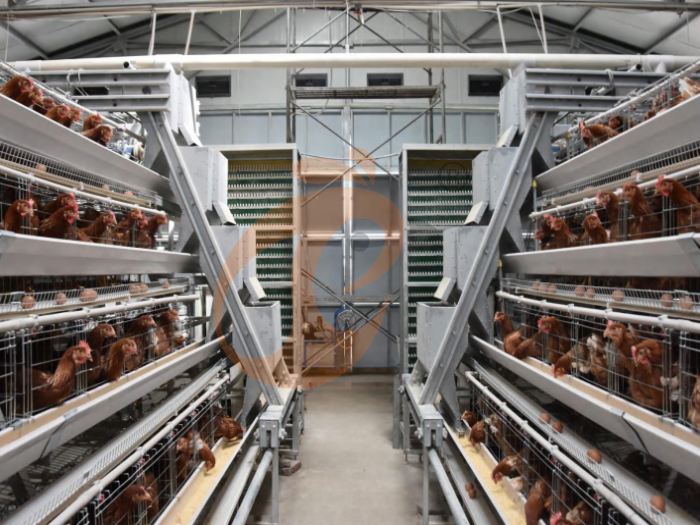
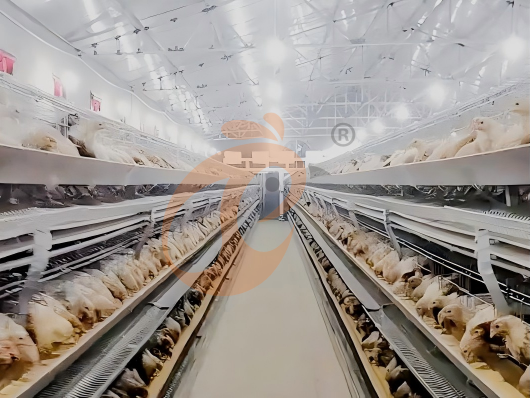
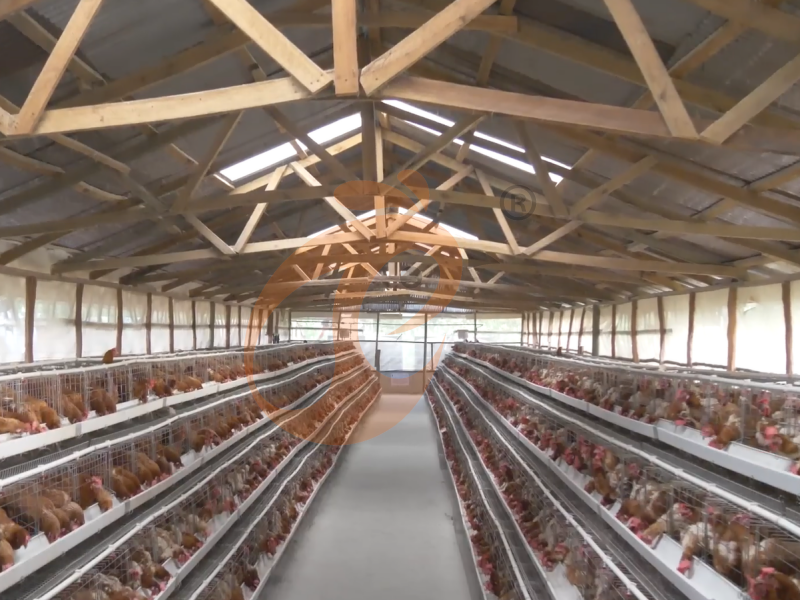
A-type chicken cages improve egg production efficiency per square meter for commercial layer farms.
Designed for vertical stacking to maximize bird density without increasing land footprint.
Structured for controlled feeding, watering, and manure management systems.
Suitable for 1,000 to 50,000 bird capacity investment planning.
Built with hot-dip galvanized steel for extended service life under varied climate conditions.
Get professional poultry farm construction guidance, equipment selection solutions, and the latest price lists, whatsApp to +8618830120193, click to learn more:

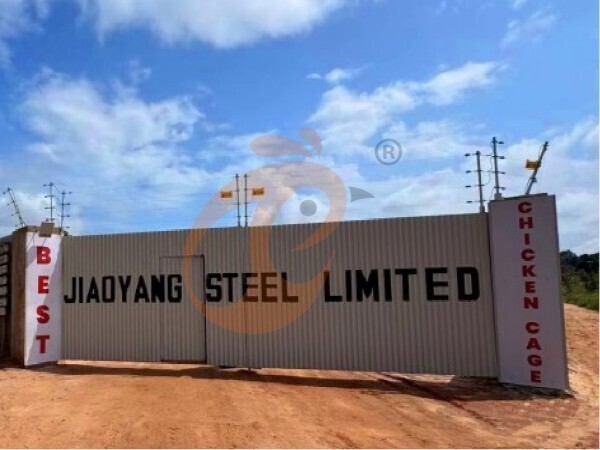
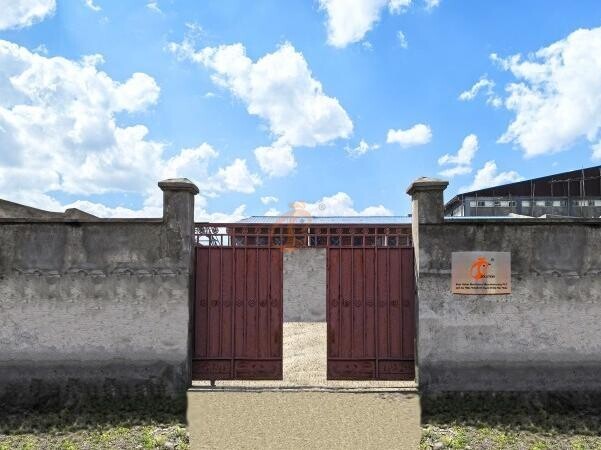
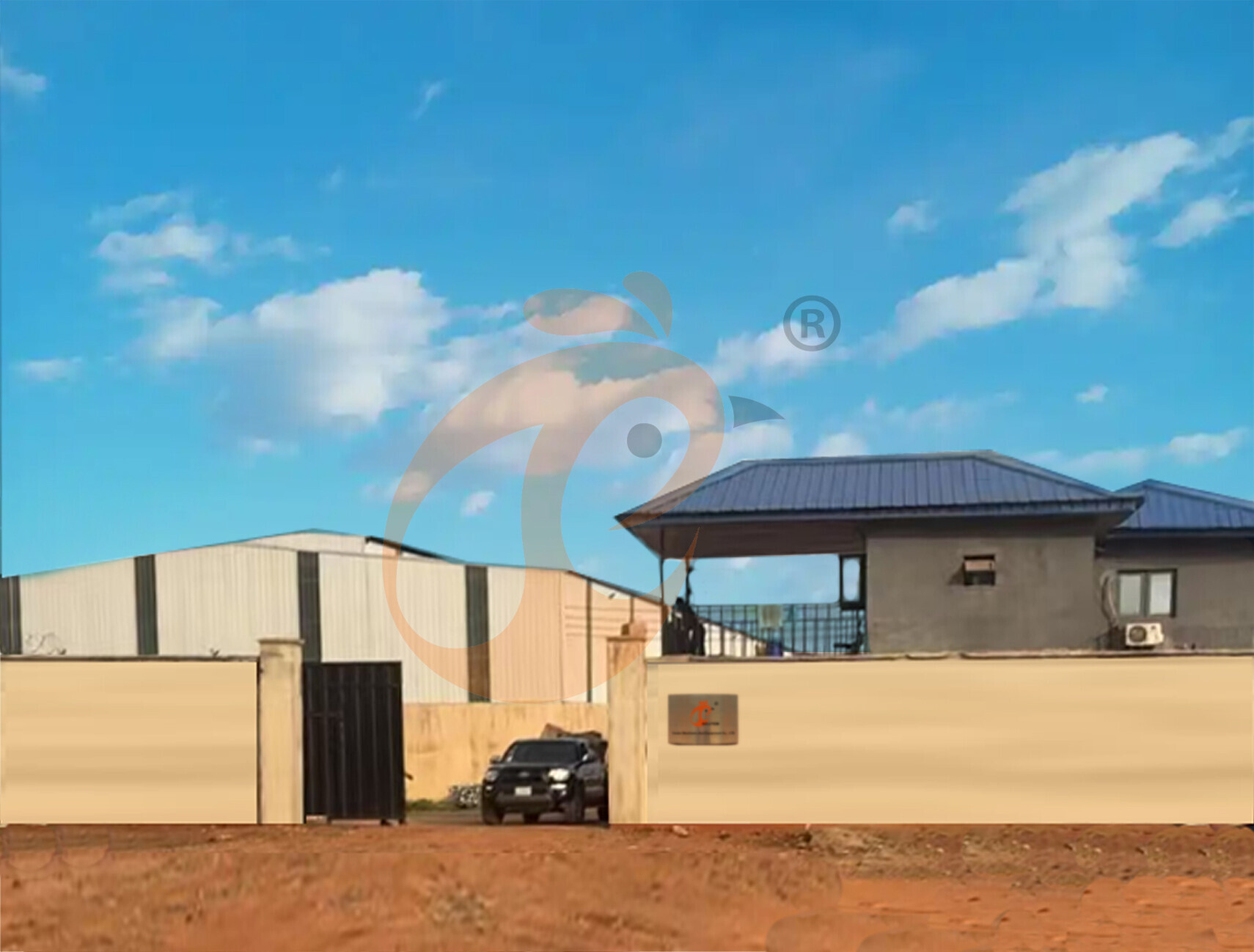
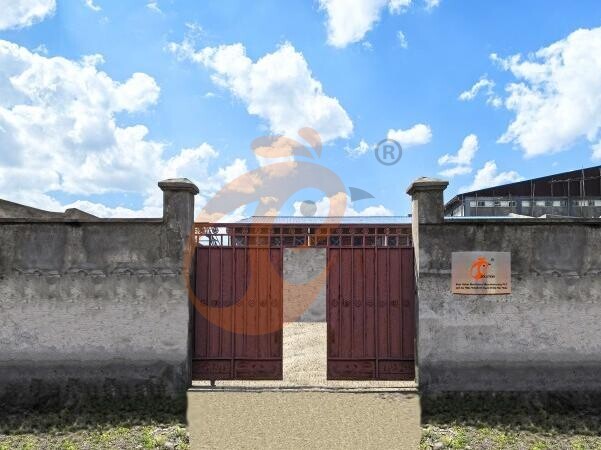
Ethiopia Branch Office And Factory Of Poultry Farm Equipment
The Ethiopian Advantage Of A-Type Systems
For an Ethiopian entrepreneur, the A-type cage is not just a piece of equipment; it is a solution to land scarcity and labor costs.
In areas where land lease prices are rising, such as the Bole Lemi Industrial Zone surroundings or Oromia's expanding urban edges, stacking birds vertically is the only way to remain profitable.
For investors comparing poultry cage price Ethiopia options, the A-type structure delivers measurable density advantages of 20–25 birds per m².
Technical Specifications Of A-Type Cages
Before investing in a cage system, understanding the physical footprint and the capacity is the first step toward building a professional poultry house.
The dimensions of the cage determine how many rows can fit into your specific building dimensions, whether you are using a repurposed warehouse or a new steel-structure poultry hall.
The following data outlines the standard physical dimensions and bird capacities for the most common A-type configurations used by Ethiopian commercial farms.
Data is for reference only.Swipe horizontally to view full table.
Durability And Material Quality In The Ethiopian Context
Ethiopia's UV exposure in the highlands and the humidity in the lowlands can lead to rapid corrosion of thin-gauge wire.
For a sustainable 25-year lifespan, hot-dip galvanized steel is the requirement.
Data is for reference only.Swipe horizontally to view full table.
Pricing Guide For The Ethiopian Market (2026)
Price is the most sensitive factor for Ethiopian poultry farmers due to the fluctuation of the Ethiopian Birr (ETB) and the challenges of securing foreign exchange.
Most A-type cages are imported, meaning the final price includes sea freight to Djibouti Port, truck transport to your farm, and customs duties.
As of early 2026, the price per bird position is the most accurate metric for budgeting.
A 3-tier system is generally more affordable per bird than a 4-tier system due to the simpler support structure and easier manual egg collection.
For farmers evaluating layer farming equipment Ethiopia investments, cost per bird capacity in Ethiopian Birr provides a clear budgeting indicator.
Data is for reference only.Swipe horizontally to view full table.
All currency values are in Ethiopian Birr (ETB). European union standards for reference only.
5 Key Tips For Ethiopia Egg Farms
Success in Ethiopia’s egg market requires more than just good equipment.
It requires navigating local feed scarcities and climate volatility.
Modern egg production system Ethiopia planning must combine infrastructure, nutrition, and biosecurity management.
Tip 1: Strategic Feed Substitution
Feed accounts for 60% to 70% of production costs in Ethiopia.
With maize prices fluctuating and soybean meal often exported for foreign currency, farmers look to local alternatives like Noug (Niger seed) cake.
Noug Cake Utilization
This local byproduct is high in protein and can replace a portion of soybean meal.
Maize Quality
Ensure maize is dried to below 13% moisture to prevent aflatoxin contamination.
Limestone Sourcing
Adding crushed oyster shells or high-grade limestone improves shell strength.
Data is for reference only.Swipe horizontally to view full table.
Tip 2: Managing Heat Stress In The Rift Valley
For farms in Adama, Zway, or Hawassa, daytime temperatures can exceed 30°C, causing birds to stop laying.
A-type cages provide better natural ventilation than floor systems, but the house design must facilitate the stack effect.
Roof Orientation
Align your poultry house east–west to reduce direct sunlight on the side walls.
Water Temperature
Keep water tanks shaded. If water temperature exceeds 28°C, egg size may decrease.
Electrolyte Use
In March and April, add electrolytes to the drinking water.
Data is for reference only.Swipe horizontally to view full table.
Tip 3: Biosecurity And Disease Prevention
The Ethiopian poultry sector frequently battles Newcastle disease and infectious bursal disease (IBD/Gumboro).
A-type cages improve biosecurity by keeping the birds away from their own droppings.
Footbaths
Use a 2% caustic soda solution at every entrance.
Traffic Control
Limit visitors and restrict production area access.
Wild Bird Exclusion
Use 1-inch wire mesh on windows.
Data is for reference only.Swipe horizontally to view full table.
Tip 4: Addressing Power And Water Reliability
Frequent power outages can disrupt lighting programs.
Layers require 16 hours of light for optimal egg production.
If lighting stops at 6:00 PM, egg production performance declines.
Solar Solutions
Install a 5 kW solar system to power LED lights and pumps.
Water Storage
Maintain a 3-day reserve tank capacity.
Borehole Testing
Test well water for fluoride concentration.
Data is for reference only.Swipe horizontally to view full table.
All currency values are in Ethiopian Birr (ETB). European union standards for reference only.
Tip 5: Financial Management And Return On Investment
Given the investment level of imported A-type cages, return on investment depends on feed conversion ratio (FCR).
A-type cages reduce feed waste because birds cannot scratch feed outside troughs.
Egg Breakage
Reduced from 5%–10% in floor systems to less than 1%.
Labor Efficiency
One worker manages 5,000 birds compared to 1,500 birds in floor systems.
Manure Sales
Dried manure is widely used as fertilizer.
Data is for reference only.Swipe horizontally to view full table.
Conclusion: Investing In Ethiopia's Food Future
Choosing an A-type chicken cage system in 2026 is a strategic move to improve operational efficiency.
By focusing on galvanization parameters of 180–245 g/m² zinc coating, controlled feed formulation, and structured vaccination schedules, farms can achieve 90%+ laying performance.
Frequently Asked Questions
Q1: What is the price range for 1,000 birds A-type system in Ethiopia?
A1: The total setup cost is approximately 400,000 Ethiopian Birr including transport and duty.
Q2: How long can hot-dip galvanized A-type cages last?
A2: With zinc coating between 180–245 g/m², service life can reach 25+ years under proper maintenance.
Q3: How many birds can one worker manage in a cage system?
A3: One trained worker can manage around 5,000 birds based on structured feeding and watering systems.
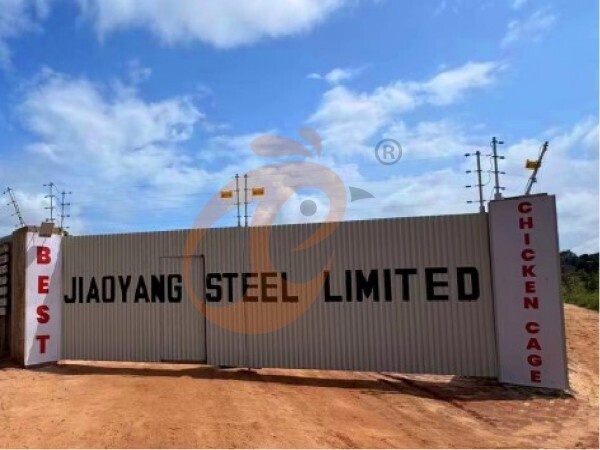
Ethiopia Best Hebei Machinery Manufacturing Plc - One Of Ethiopia Largest A-Type Chicken Cage Manufacturer
Global factory direct supply covering poultry farm equipment and poultry cage systems.
Production capacity exceeding 20,000 bird positions per container shipment.
Zinc coating standards of 180–245 g/m² ensuring 15-year design lifespan.
Professional Turn-key engineering including poultry house design, installation, and technical training.
Export packaging, logistics coordination, and full Ethiopian Birr-based project budgeting support.
Contact Us To Received Your Customized Poultry Farm Plan
Headquarters And Branchs
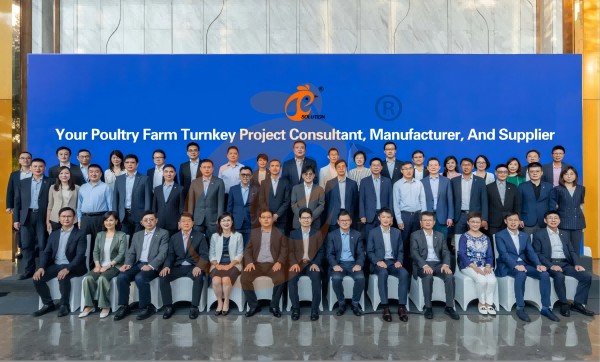
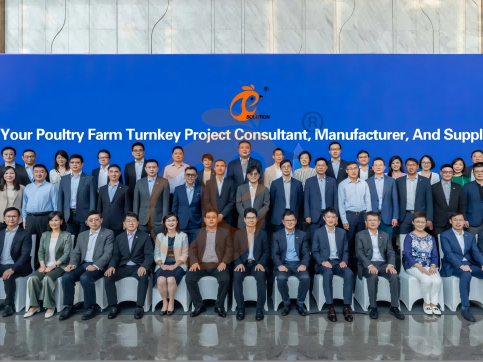
Hong Kong Headquarter Management Team
Hong Kong Headquarter Taiyu Industrial Group CO., LTD
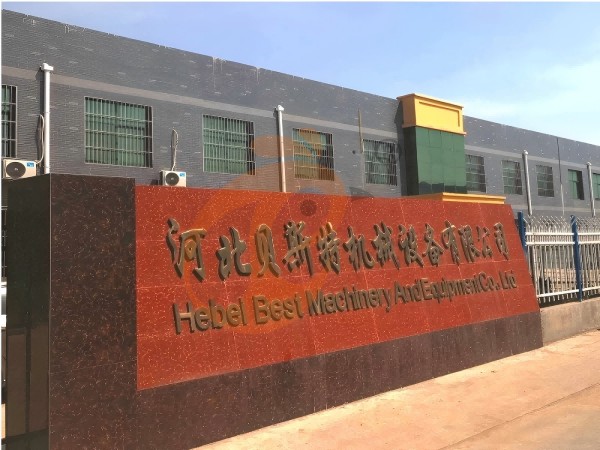
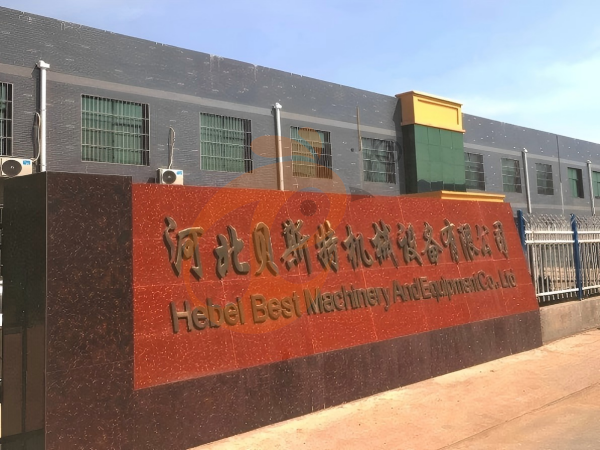
China Hebei Best Machinery And Equipment CO., LTD
Nigeria Vanke Machinery And Equipment CO., LTD
Tanzania Best Machinery And Equipment CO., LTD
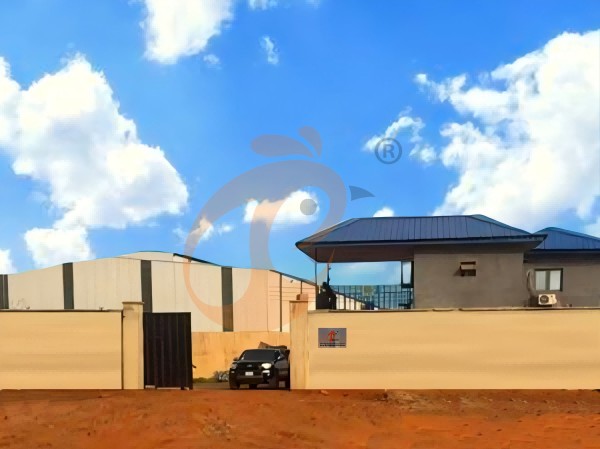
Ethiopia Best Hebei Machinery Manufacturing PLC
Reception /24 WhatsApp NO. : +8618830120193
Tag
- chicken cage
- poultry farm
- poultry cage
- poultry farm
- poultry farm equipment
- poultry farm construction
- chicken cage manufacturer
- poultry cage price
- deep litter system
- layer farm
- poultry farmer
- poultry house
- chicken cage system
- poultry cage system
- layer farming equipment
- poultry house design
- Ethiopia
- Nigeria
Message
Products recommended
 HK Headquarter Offers EU-standard Poultry Farm Solutions, Manufacture Poultry Farm Equipment1. Continuous communication with the EU and the US
2. China, Nigeria, Ethiopia, Tanzania branch companies and factories
3. The products’ quality is customized for local poultry farms
4. Poultry cage and poultry farm equipment stock for sale
5. 24 online reception Whatsapp NO. : +8618830120193,contact us to get full informationRead More China Branch Offer Poultry Farm Business Plan, Manufacture Poultry Farm Equipment1. Address: Flat/RM 2416, 24/F, Runxing Building, Youyi Nan Street, Shijiazhuang City, Hebei Province, China
2. Poultry cage and poultry farm equipment factory and stock for sale
3. Customized for local poultry farms
4. Quality and design are based on Euro
5. 24 online reception Whatsapp NO. : +8618830120193Read More Nigeria Branch Offer Poultry Farm Business Plan, Manufacture Poultry Farm Equipment1. Address: After Sinoma Office, 200 Meters Near Danco Filling Station, Lagos/Ibadan Expressway, Lagos State, Nigeria
2. Poultry cage and poultry farm equipment factory and stock for sale
3. Customized for Nigerian poultry farms
4. Quality and design are based on Euro
5. 24 online reception Whatsapp NO. : +8618830120193Read More Ethiopia Branch Offer Poultry Farm Business Plan, Manufacture Poultry Farm Equipment1. Address: Gelan Gura, Akaki-kaliti Sub City, Addis Ababa, Ethiopia
2. Poultry cage and poultry farm equipment stock for sale
3. Customized for Ethiopian poultry farms
4. Quality and design are based on Euro
5. 24 online reception Whatsapp NO. : +8618830120193, contact us to get price listRead More Tanzania Branch Offer Poultry Farm Business Plan, Manufacture Poultry Farm Equipment1. Address: No.8, Sova Road, Msufini, Mlandizi, Kibaha, Pwani, Tanzania
2. Poultry cage and poultry farm equipment factory and stock for sale
3. Customized for Tanzanian poultry farms
4. Quality and design are based on Euro
5. 24 online reception Whatsapp NO. : +8618830120193Read More Fully Automatic H Type Layer Chicken Cage1. 30,000-100,000+ layers/house chooses it, Poultry farmers can achieve an egg production rate of 96-98%
2. A significant improvement over the 85-90% typically seen in manual systems
3. A typical poultry farm can expect a 30-40% reduction in labor costs due to the automation
4. Each feeding line efficiently supplies feed to around 100,000 hens per 30 mins
5. Reception /WhatsApp NO. : +8618830120193Read More Fully Automatic A Type Layer Chicken Cage1. 10,000-50,000 layers/house chooses it
2. Cleaner egg collection reduces breakage by 0.5%
3. Improved hygiene helps reduce mortality rate to <3%
4. 1–2 technicians can handle 15,000–30,000 birds
5. Reception /WhatsApp NO. : +8618830120193Read More Semi Automatic H Type Layer Chicken Cage1. 1,00-20,000 layers/house chooses it
2. Nipple drinkers flow 30–60 ML / min
3. Hot-dip galvanized (typical coating ≥ 275 g/m²)
4. Reduce ammonia by ~ 35–40%
5. Reception /WhatsApp NO. : +8618830120193Read More Semi Automatic A Type Layer Chicken Cage1. 1,00-20,000 layers/house chooses it, no rust for 10 years, no deformation for 15 years
2. Chickens live comfortably, you can raise them with peace of mind
3. Save water, save money—efficiency you can measure
4. Improve environment quality, and increase egg production rate
5. Reception /WhatsApp NO. : +8618830120193Read More
By clicking 'Allow All', you agree to the storage of cookies on your device to enhance site navigation, analyze site usage and assist with our marketing efforts.