


Blog
A type layer chicken cage systems define industrial egg production density control through engineered spatial allocation per bird, structural tier load distribution, and automated feeding synchronization.
Capacity calculation depends on cage geometry, compartment segmentation, ventilation load balancing, and drinking line throughput.
Commercial poultry farms utilize standardized stocking density models for production planning.
Integrated cage systems support high-output egg production with controlled mortality risk and optimized feed conversion efficiency.
This article presents five engineering-based capacity rules for A type layer chicken cage systems in commercial poultry farming.
Get professional poultry farm construction guidance, equipment selection solutions, and the latest price lists, whatsApp to +8618830120193, +2348111199996, or click to learn more.
A Type Layer Chicken Cage Structural Capacity Baseline
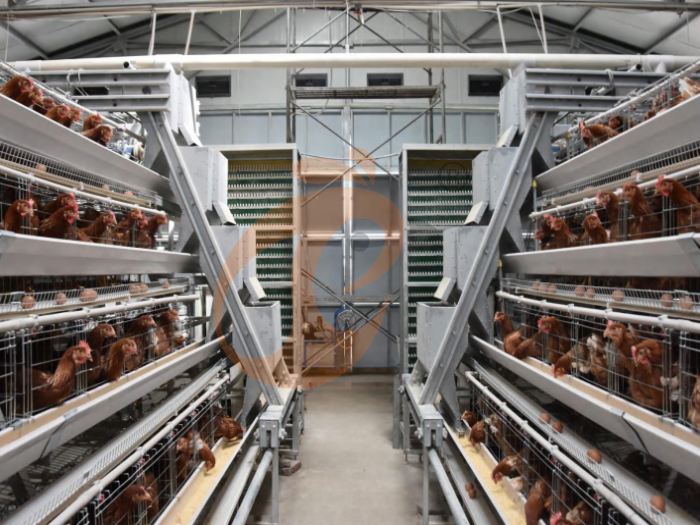
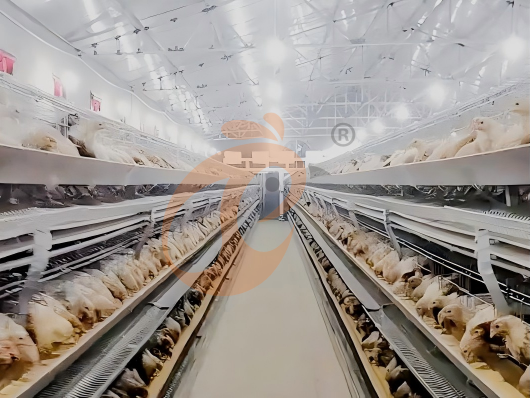
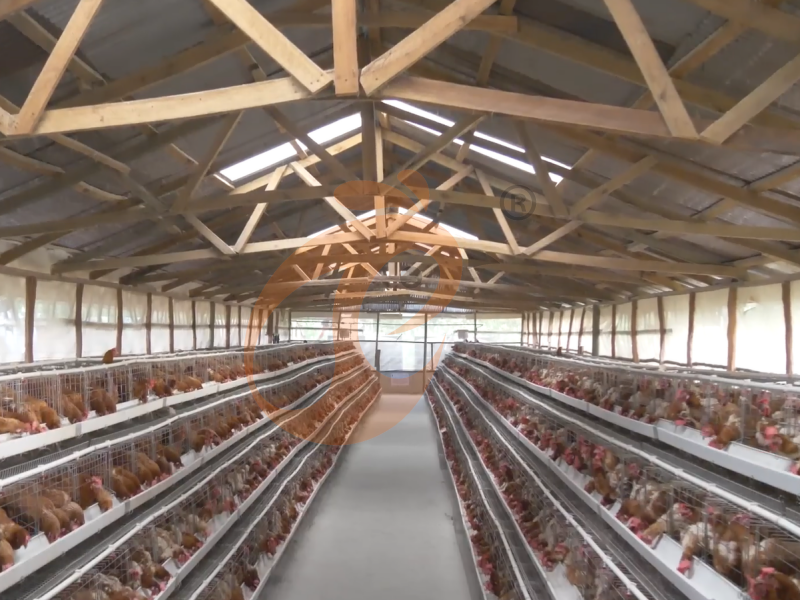
The A type layer chicken cage is one of the most widely deployed poultry farming systems in commercial egg production infrastructure.
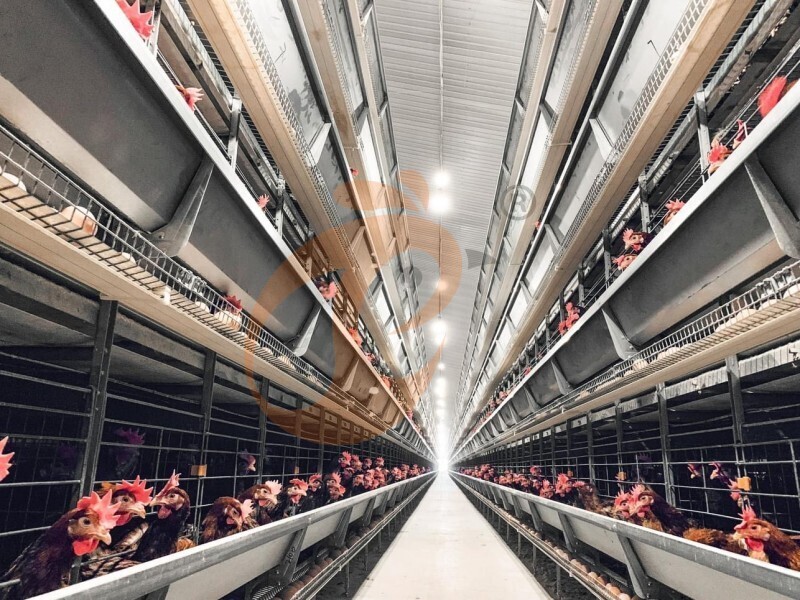
It integrates multi-tier steel cage frames, automated egg collection systems, manure belt removal, and nipple drinking lines.
Structural parameters define maximum housing potential before biological and mechanical constraints are applied.
Data is for reference only.Swipe horizontally to view full table.
Broiler cage system configuration also influences structural reinforcement requirements.
Primary application remains egg-laying hen production optimization in automated poultry farming facilities.
Stocking Density Per Unit Area Engineering Standard Calculation
Stocking density defines the number of birds allocated per defined cage surface area.
Poultry engineering standards regulate spatial distribution according to breed weight, egg production cycle, and metabolic heat output per bird.
Data is for reference only.Swipe horizontally to view full table.
Layer chicken cage system design directly impacts egg production efficiency and mortality control under high-density farming conditions.
Tier Configuration Output Multiplier
A type cage systems operate in stacked tier configurations that increase usable vertical capacity within identical building footprints.
Each additional tier increases total housing capacity without expanding land use.
Data is for reference only.Swipe horizontally to view full table.
Egg incubator systems are often synchronized with high-density cage output.
They maintain stable hatchery supply chain balance.
Total Cage Volume Utilization Model
Total capacity is calculated using cage compartment count, module distribution, and stocking density per compartment under fixed farm geometry conditions.
Data is for reference only.Swipe horizontally to view full table.
Under poultry cage system integration, egg production line stability depends on synchronized feed delivery, manure belt timing, and environmental airflow control.
Feeding Line Capacity Constraint
Feeding system capacity determines maximum bird support independent of cage geometry.
Feed trough length and distribution spacing regulate access uniformity across flock populations.
Data is for reference only.Swipe horizontally to view full table.
Automatic feeding systems are critical components in modern poultry farming equipment installation projects.
They ensure uniform feed distribution efficiency.
Water Nipple Distribution Capacity
Water supply system defines physiological survival capacity limit within cage-based poultry production systems.
Nipple distribution spacing and pressure balance determine hydration stability across tiers.
Data is for reference only.Swipe horizontally to view full table.
Egg production stability reference European union standard reference only is applied in hydration system pressure calibration for commercial poultry cage farms.
Scientific Basis of Stocking Density in Layer Cage Systems
Stocking density is regulated through physiological load factors including metabolic heat generation, oxygen consumption rate, and respiratory exchange efficiency.
Layer hens maintain consistent internal temperature regulation under controlled ventilation systems.
Data is for reference only.Swipe horizontally to view full table.
Poultry cage system engineering integrates these biological parameters into ventilation design and ammonia control regulation models.
Environmental Control System Load Calculation
Environmental systems regulate temperature stability and gas concentration in high-density poultry houses.
Heat load is directly proportional to bird population and metabolic output.
Data is for reference only.Swipe horizontally to view full table.
Ventilation system integration is essential in broiler cage system and layer cage hybrid facilities.
It maintains stable environmental equilibrium.
Egg Production Output Per Cage Capacity Unit
Egg production output is measured through hen-day performance ratios and flock consistency under controlled feeding and lighting schedules.
Data is for reference only.Swipe horizontally to view full table.
Poultry farming equipment integration directly affects productivity consistency across automated egg collection systems.
Economic Output Per 1000 Birds
Revenue performance is calculated using egg output volume and market pricing per unit egg weight in commercial distribution networks.
Data is for reference only.Swipe horizontally to view full table.
Egg incubator synchronization with cage output stabilizes downstream hatchery supply chain economics in large-scale poultry operations.
Biosecurity Density Constraint Model
Disease transmission probability is controlled through airflow design, vaccination scheduling, and compartment isolation strategy within poultry cage systems.
Data is for reference only.Swipe horizontally to view full table.
Poultry equipment engineering design integrates biosecurity zoning into cage layout architecture for infection control stability.
Final Capacity Summary for A Type Layer Chicken Cage System
Integrated system capacity is determined through convergence of structural cage limits, feeding system throughput, drinking system saturation point, and ventilation load capacity.
Data is for reference only.Swipe horizontally to view full table.
Frequently Asked Questions
Q1: What determines maximum bird capacity in A type layer chicken cage systems?
A1: Capacity is determined by cage geometry, tier count, feeding line spacing, and drinking nipple distribution combined with ventilation airflow limits.
Q2: Why does drinking system capacity differ from cage structural capacity?
A2: Water line spacing and nipple throughput create physiological constraints that may reduce usable cage structural maximum values in real operation.
Q3: How does tier configuration affect total bird capacity?
A3: Increasing tiers from 3 to 4 increases total bird capacity proportionally without changing building footprint or cage module base dimensions.
Taiyu (HK) Group - One Of China Largest A Type Layer Chicken Cage Manufacturer
A type layer chicken cage system provides 15000 hens capacity engineering design for commercial poultry production systems.
Factory direct poultry equipment supply supports global egg production farm construction and integration projects.
Turn-key poultry cage system engineering includes installation guidance, ventilation design, and automated feeding solutions.
Industrial layer cage production line supports standardized cage modules for high-density poultry farming applications.
Global export poultry equipment solutions delivered for large-scale broiler cage and layer cage farming projects.
Contact Us To Received Your Customized Poultry Farm Plan
Headquarters And Branchs

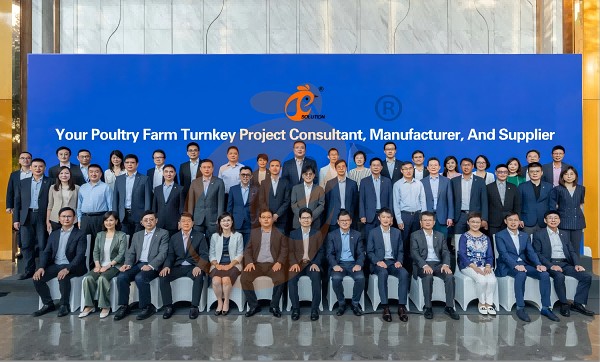
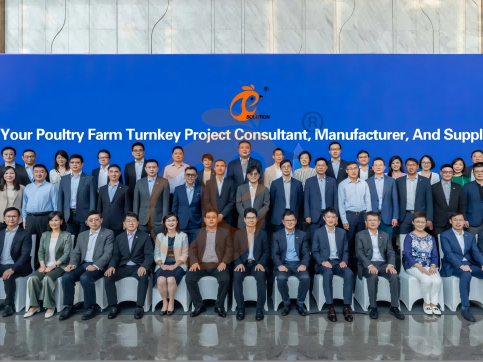
Hong Kong Headquarter Management Team
Hong Kong Headquarter Taiyu Industrial Group CO., LTD
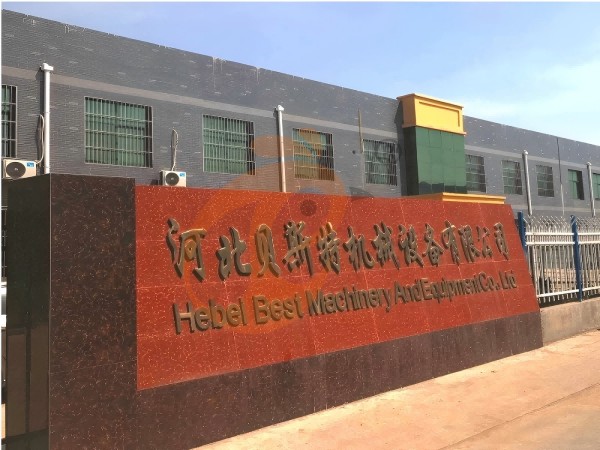
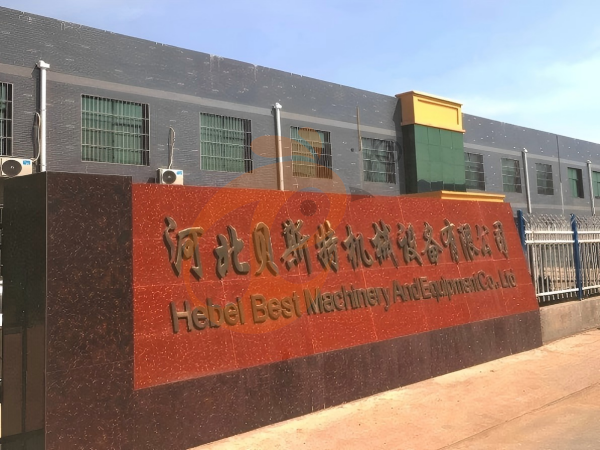
China Hebei Best Machinery And Equipment CO., LTD
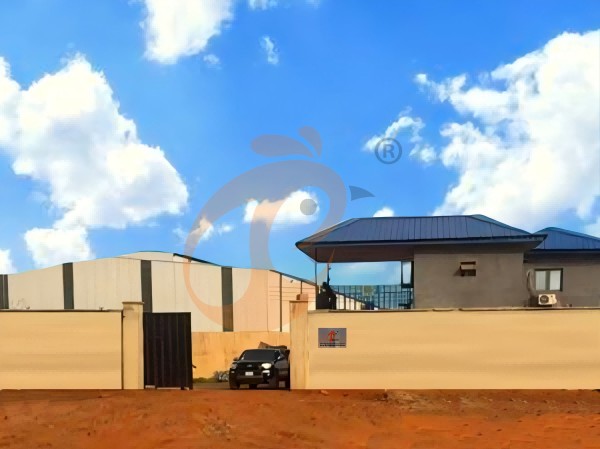
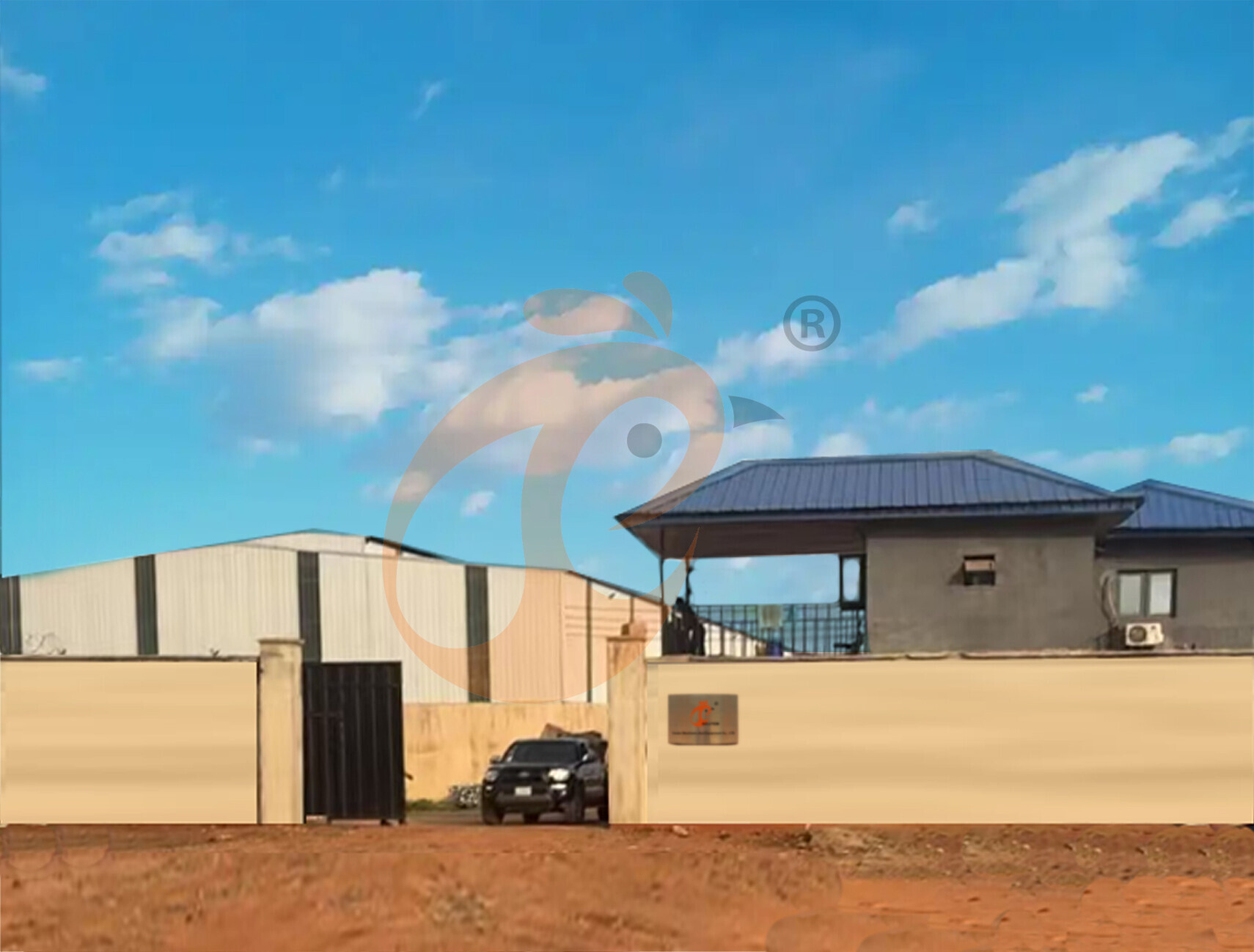
Nigeria Vanke Machinery And Equipment CO., LTD
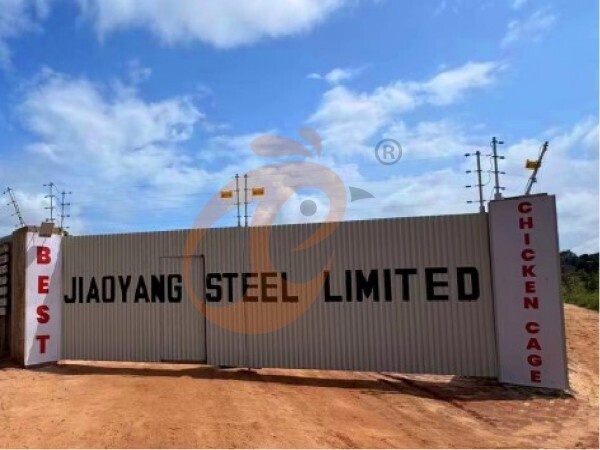
Tanzania Best Machinery And Equipment CO., LTD
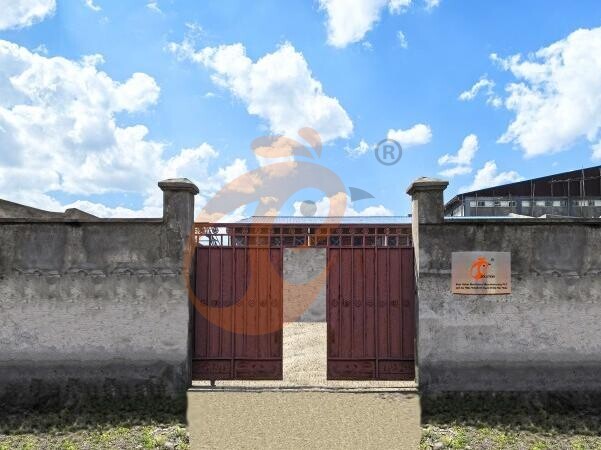
Ethiopia Best Hebei Machinery Manufacturing PLC
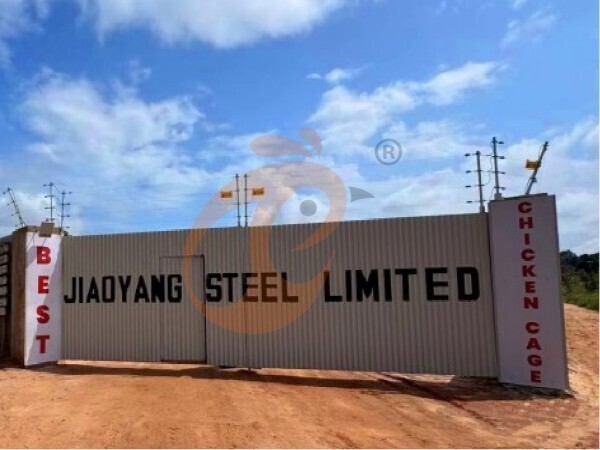
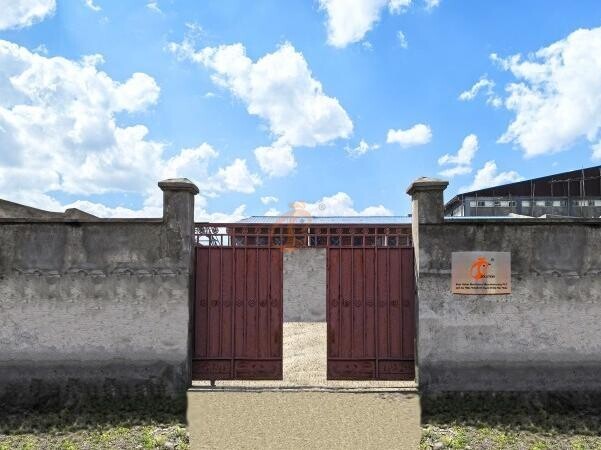
Reception /24 WhatsApp NO. : +8618830120193
FAQ
What Are The Most Efficient Feeding Systems For A-Type Layer Cage Farms?
Even feed distribution reduces waste
One worker manages 5,000–10,000 birds
FCR reduced to 1.9–2.2
Egg production rate: 90–96%
How To Select The Best Supplier For A-Type Chicken Cage Systems?
Ensure material quality and anti-corrosion performance
Equipment lifespan: more than 25 years
Egg production rate: 90–96%
Labor savings: 50–70%
How To Integrate Water And Feed Automation In A-Type Layer Cage System?
Automatically control flow and timing
Egg production rate: 90–96%
FCR: 1.9–2.2
Mortality rate: 2–3%
- poultry equipment
- chicken cage
- layer cage
- broiler cage
- poultry farm
- poultry cage
- poultry farm
- poultry farm construction
- layer cage system
- chicken cage manufacturer
- automatic feeding system
- poultry house
- chicken cage system
- broiler cage system
- poultry farming system
- poultry cage system
- layer chicken cage
- poultry farming equipment
- layer chicken cage manufacturer
- automated poultry farm
- Ethiopia
- Nigeria
Message
Products recommended
 HK Headquarter Offers EU-standard Poultry Farm Solutions, Manufacture Poultry Farm Equipment1. Continuous communication with the EU and the US
2. China, Nigeria, Ethiopia, Tanzania branch companies and factories
3. The products’ quality is customized for local poultry farms
4. Poultry cage and poultry farm equipment stock for sale
5. 24 online reception Whatsapp NO. : +8618830120193,contact us to get full informationRead More China Branch Offer Poultry Farm Business Plan, Manufacture Poultry Farm Equipment1. Address: Flat/RM 2416, 24/F, Runxing Building, Youyi Nan Street, Shijiazhuang City, Hebei Province, China
2. Poultry cage and poultry farm equipment factory and stock for sale
3. Customized for local poultry farms
4. Quality and design are based on Euro
5. 24 online reception Whatsapp NO. : +8618830120193Read More Nigeria Branch Offer Poultry Farm Business Plan, Manufacture Poultry Farm Equipment1. Address: After Sinoma Office, 200 Meters Near Danco Filling Station, Lagos/Ibadan Expressway, Lagos State, Nigeria
2. Poultry cage and poultry farm equipment factory and stock for sale
3. Customized for Nigerian poultry farms
4. Quality and design are based on Euro
5. 24 online reception Whatsapp NO. : +8618830120193Read More Ethiopia Branch Offer Poultry Farm Business Plan, Manufacture Poultry Farm Equipment1. Address: Gelan Gura, Akaki-kaliti Sub City, Addis Ababa, Ethiopia
2. Poultry cage and poultry farm equipment stock for sale
3. Customized for Ethiopian poultry farms
4. Quality and design are based on Euro
5. 24 online reception Whatsapp NO. : +8618830120193, contact us to get price listRead More Tanzania Branch Offer Poultry Farm Business Plan, Manufacture Poultry Farm Equipment1. Address: No.8, Sova Road, Msufini, Mlandizi, Kibaha, Pwani, Tanzania
2. Poultry cage and poultry farm equipment factory and stock for sale
3. Customized for Tanzanian poultry farms
4. Quality and design are based on Euro
5. 24 online reception Whatsapp NO. : +8618830120193Read More Fully Automatic H Type Layer Chicken Cage1. 30,000-100,000+ layers/house chooses it, Poultry farmers can achieve an egg production rate of 96-98%
2. A significant improvement over the 85-90% typically seen in manual systems
3. A typical poultry farm can expect a 30-40% reduction in labor costs due to the automation
4. Each feeding line efficiently supplies feed to around 100,000 hens per 30 mins
5. Reception /WhatsApp NO. : +8618830120193Read More Fully Automatic A Type Layer Chicken Cage1. 10,000-50,000 layers/house chooses it
2. Cleaner egg collection reduces breakage by 0.5%
3. Improved hygiene helps reduce mortality rate to <3%
4. 1–2 technicians can handle 15,000–30,000 birds
5. Reception /WhatsApp NO. : +8618830120193Read More Semi Automatic H Type Layer Chicken Cage1. 1,00-20,000 layers/house chooses it
2. Nipple drinkers flow 30–60 ML / min
3. Hot-dip galvanized (typical coating ≥ 275 g/m²)
4. Reduce ammonia by ~ 35–40%
5. Reception /WhatsApp NO. : +8618830120193Read More Semi Automatic A Type Layer Chicken Cage1. 1,00-20,000 layers/house chooses it, no rust for 10 years, no deformation for 15 years
2. Chickens live comfortably, you can raise them with peace of mind
3. Save water, save money—efficiency you can measure
4. Improve environment quality, and increase egg production rate
5. Reception /WhatsApp NO. : +8618830120193Read More
By clicking 'Allow All', you agree to the storage of cookies on your device to enhance site navigation, analyze site usage and assist with our marketing efforts.