


Blog
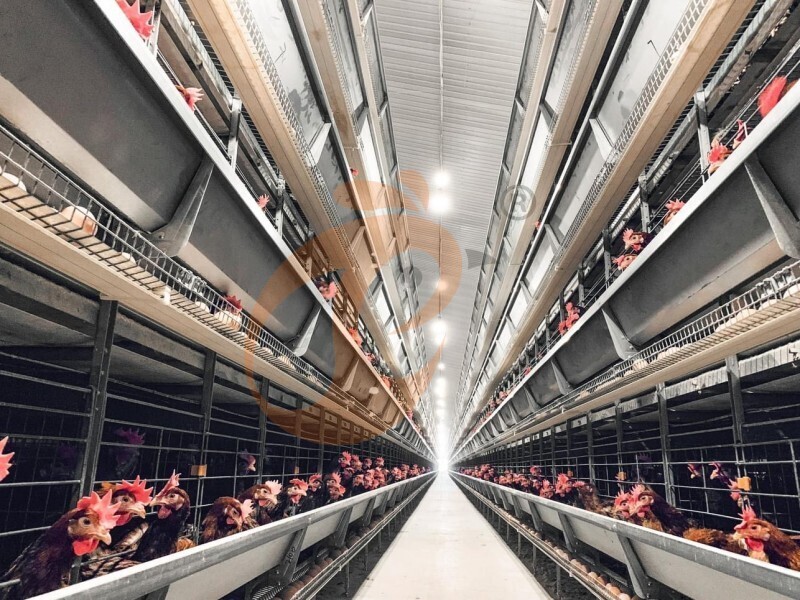
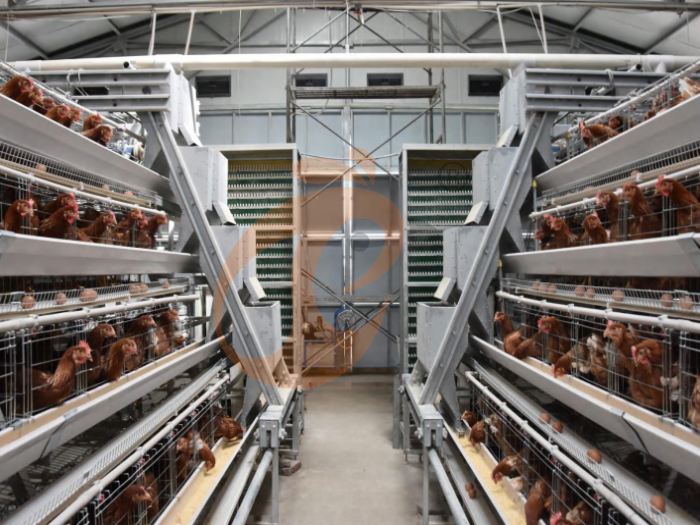
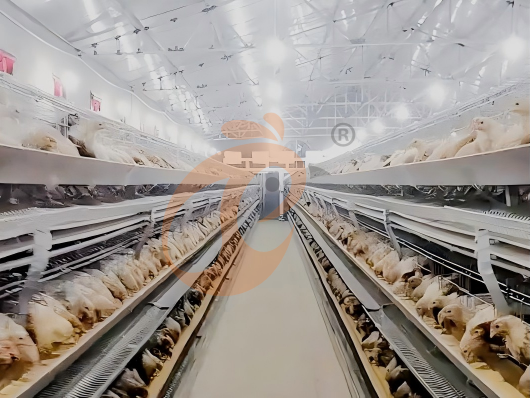
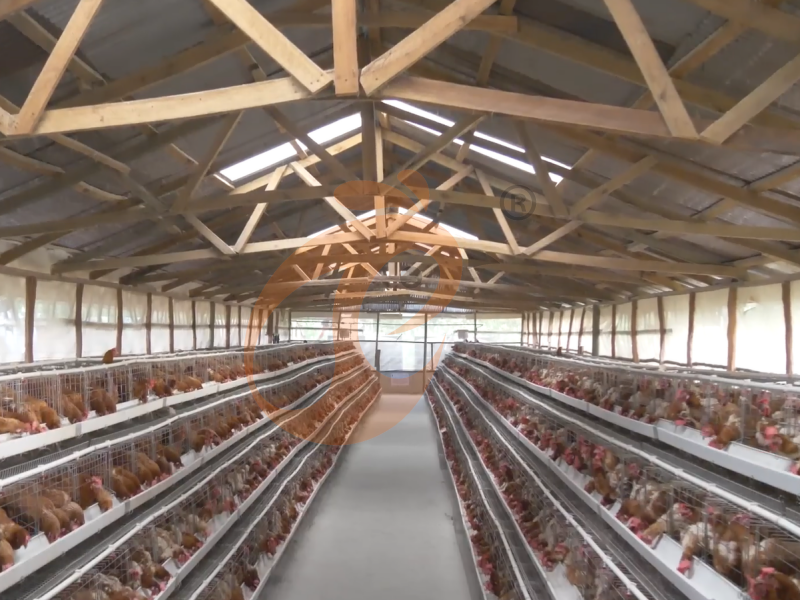
Heavy-duty H type chicken cages integrate multilayer steel structural frameworks designed for intensive poultry production scaling.
Automated feed delivery systems regulate ration volume per cage line with mechanical precision control intervals.
Manure belt extraction cycles operate under timed plc scheduling to maintain ammonia stability below 18 ppm thresholds.
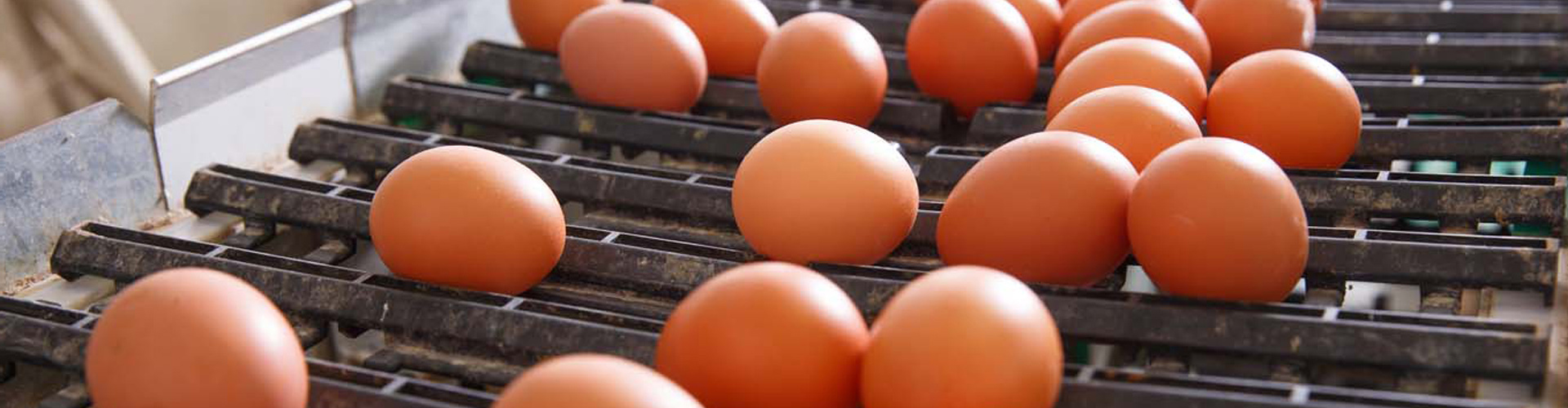
Egg conveying systems transfer output through sloped wire mesh channels into centralized collection units without manual handling.
Vertical cage architecture increases bird density per square meter while reducing land expansion requirements in commercial farms.
Get professional poultry farm construction guidance, equipment selection solutions, and the latest price lists, whatsApp to +8618830120193, +2348111199996, or click to learn more.
Structural Design of Heavy-Duty H Type Chicken Cages
H type cage systems are engineered for industrial layer production farms operating between 10,000 and 200,000 hens per site.
Steel frames are fabricated using q235 carbon steel with tensile strength around 370–500 mpa.
Hot-dip galvanization reaches 275–350 g/m² zinc coating density to resist corrosion from ammonia-rich environments.
System configuration is modularized into standardized units including h1, h2, h3, and h4 structural models.
Each model is defined by tier expansion design and cage stacking height requirements.
Cage modules are pre-assembled with integrated feed troughs, nipple drinking pipelines, manure conveyor belts, and egg roll-out trays to reduce post-installation modification requirements.
Data is for reference only.Swipe horizontally to view full table.
Farm Capacity and Space Utilization Efficiency
Vertical stacking architecture significantly increases production density per unit floor area compared with conventional ground-based poultry systems.
A 1,000 m² poultry house using h type cage systems supports industrial-scale flock expansion without proportional land increase.
Engineering layouts allocate 85% of usable indoor volume to production layers.
Data is for reference only.Swipe horizontally to view full table.
Feed Delivery System and Consumption Efficiency
Industrial feeding systems operate using auger-driven distribution pipes that transport feed from centralized silos to each cage line in synchronized cycles.
Feed particle loss is reduced through enclosed trough geometry with 70 mm depth channels that prevent spillage during consumption activity.
Feed cost contribution typically reaches 68% of total operational expenditure in layer farming enterprises.
Controlled feeding intervals of 4–6 cycles per day stabilize metabolic intake patterns.
Data is for reference only.Swipe horizontally to view full table.
Egg Production Output and Collection Efficiency
Egg production stability depends on stress reduction and mechanical handling consistency.
H type cage floor systems are configured with tier structures defined by h1, h2, h3, and h4 models, where vertical stacking height ranges from 3.3 m to 14 m depending on selected configuration.
Egg slope angles remain standardized at 7° to ensure gravity-assisted transfer into conveyor channels.
Mechanical egg transport speed averages 3.5 meters per minute.
Data is for reference only.Swipe horizontally to view full table.
Labor Allocation and Workforce Efficiency
Labor structure in h type systems shifts from physical handling to monitoring-based operation.
One operator can supervise approximately 45,000–55,000 laying hens depending on automation level.
Feeding cycles, egg conveyor activation, and ventilation control are managed through centralized panels reducing redundant physical inspections.
Manual intervention frequency decreases by approximately 65% compared with floor-based poultry systems.
Data is for reference only.Swipe horizontally to view full table.
Manure Removal And Environmental Control
Manure belts operate using 0.75 kw gear motors that activate every 24 hours or 48 hours depending on stocking density.
Ammonia suppression is achieved through rapid removal cycles that limit accumulation duration inside housing units.
Data is for reference only.Swipe horizontally to view full table.
Scientific Explanation of Feed Cost Reduction
Feed utilization efficiency is influenced by metabolic energy allocation, where reduced movement activity and stabilized feed access improve nutrient conversion toward egg production rather than maintenance demand.
In h type cage systems, daily locomotion energy consumption is approximately 10–14 kcal per hen, compared with 22–28 kcal per hen in floor systems, enabling more dietary energy to be redirected into egg formation processes.
Feed distribution uniformity through enclosed trough systems reduces feed competition intensity to about 2–3 interaction events per 100 birds per feeding cycle.
Reduced feed competition and controlled access conditions lower variability in digestion efficiency, supporting more stable production performance and improved overall feed utilization outcomes.
Disease Control and Mortality Rate Reduction
Disease transmission pathways in poultry houses are strongly correlated with manure exposure and humidity retention.
H type cage elevation keeps birds separated by structural spacing defined across tiered h1–h4 configurations ranging from 3.3 m to 14 m system height profiles depending on model selection.
Air exchange rates reach 6–8 changes per hour.
Data is for reference only.Swipe horizontally to view full table.
Water Consumption Efficiency In Cage Systems
Nipple drinking systems regulate flow at 80–120 ml/min pressure output.
Pressure regulators maintain 18–25 psi water line stability across multi-tier cage layouts.
Data is for reference only.Swipe horizontally to view full table.
Automation Control Systems in Modern H Type Farms
Plc automation systems integrate motor control units, environmental sensors, and feeding logic controllers into centralized dashboards.
Temperature stability is maintained between 20–26°c using automated exhaust fans and cooling pads.
Lighting systems operate under 16-hour photoperiod cycles.
Data is for reference only.Swipe horizontally to view full table.
Economic Output Comparison per 10,000 Hens
Industrial cost structure shifts significantly under automated cage deployment due to labor compression and feed stabilization effects.
Feed procurement efficiency improves through reduced wastage coefficient of approximately 7–9% annually compared with conventional systems.
Data is for reference only.Swipe horizontally to view full table.
Industry-Level Transformation Impact
Industrial poultry engineering shifts from manual-dependent operations to automated cage-based production systems, improving structural consistency across large commercial farms.
Vertical H-type configurations increase usable indoor production density by 18,000–34,000 birds per 1,000 m² facility depending on tier model selection.
Automated feeding cycles operating 4–6 times daily reduce feed handling labor demand by approximately 65% compared with conventional floor systems.
Mechanical manure discharge intervals of 24 hours stabilize ammonia concentration within 11–18 ppm range across production houses.
Frequently Asked Questions
Q1: How does heavy-duty H type cage system improve feed efficiency in layer farms?
A1: Feed efficiency improves through enclosed trough delivery systems and controlled auger distribution cycles that minimize spillage and feed competition.
Q2: What is the recommended stocking density for industrial H type cage poultry houses?
A2: Recommended density ranges from 550 to 750 cm² per laying hen depending on tier configuration and ventilation capacity design.
Q3: How does egg collection system reduce breakage in cage farming?
A3: Eggs roll through 7° inclined mesh floors into cushioned conveyor rails, reducing impact force and eliminating manual handling contact points.
Taiyu (HK) Group - One Of China Most Famous H Type Chicken Cages Manufacturer
Heavy duty H type chicken cages industrial production system designed for large scale automated poultry farming operations.
Factory direct supply of poultry cage equipment with integrated feeding, ventilation, and egg collection automation systems.
Turn-key poultry farm engineering solutions including structural installation, manure belt systems, and climate control integration.
Global poultry equipment manufacturing network supplying standardized cage systems for industrial layer production projects.
Export focused poultry housing system supplier delivering engineered cage structures and automated farm infrastructure solutions.
Contact Us To Received Your Customized Poultry Farm Plan
Headquarters And Branchs

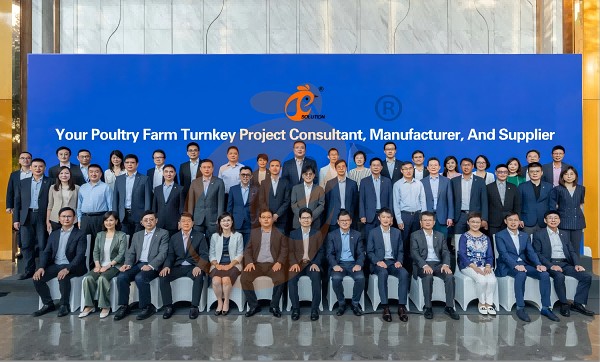
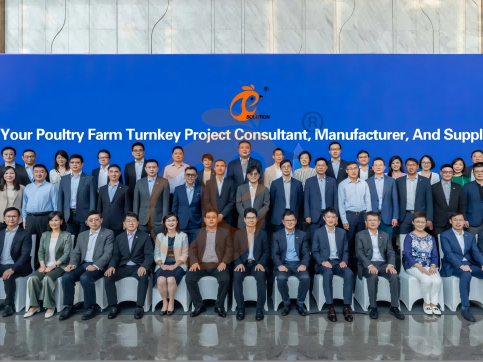
Hong Kong Headquarter Management Team
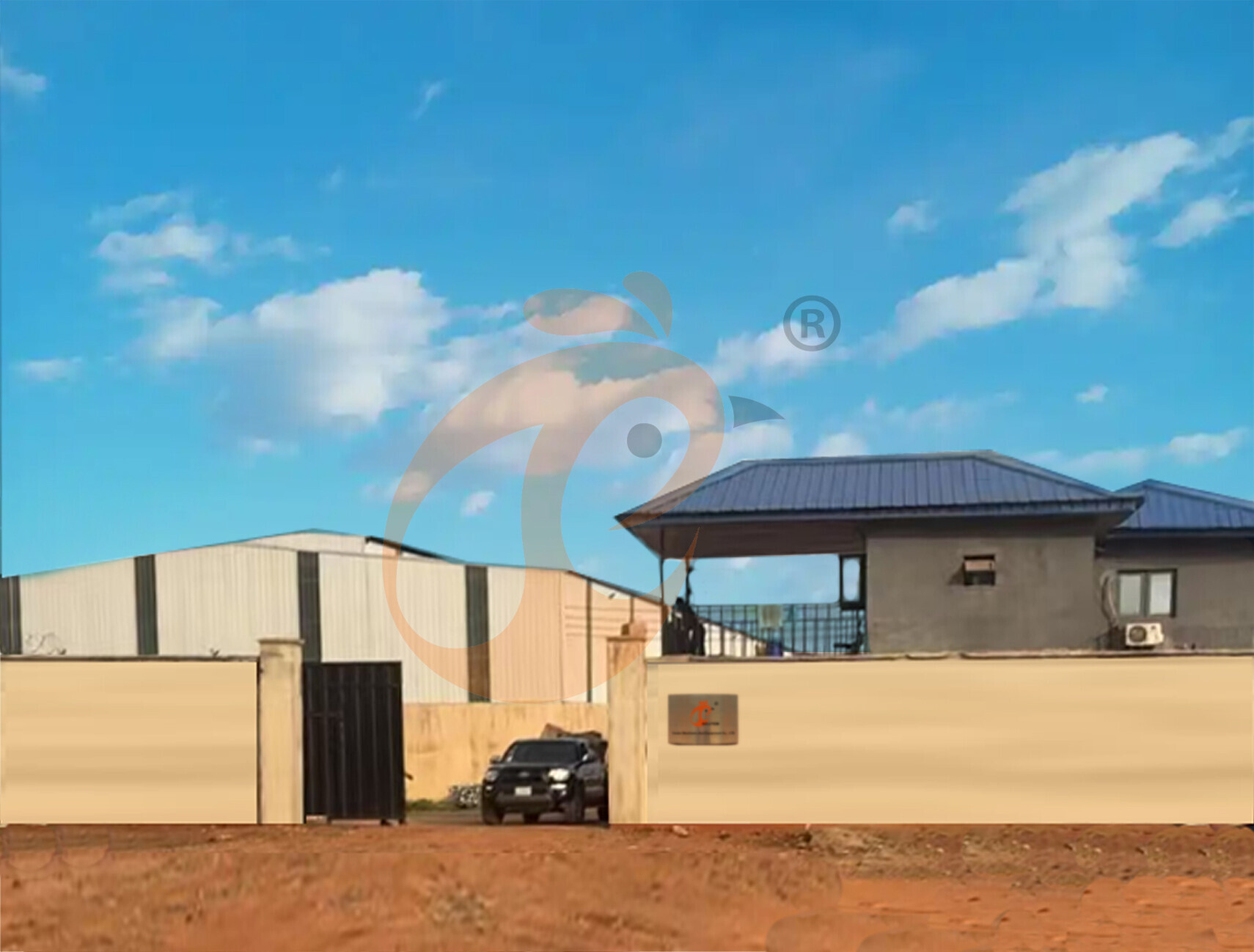
Hong Kong Headquarter Taiyu Industrial Group CO., LTD
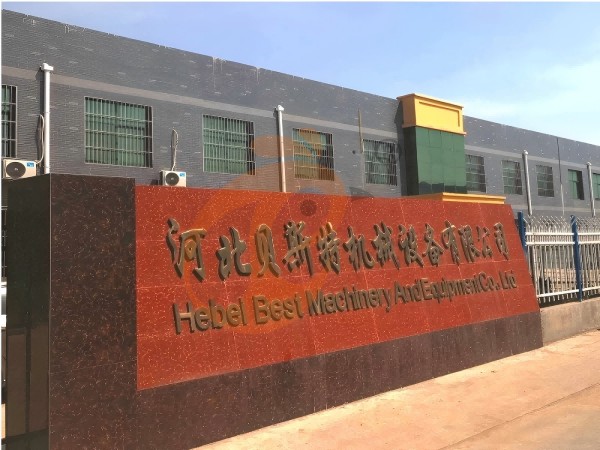
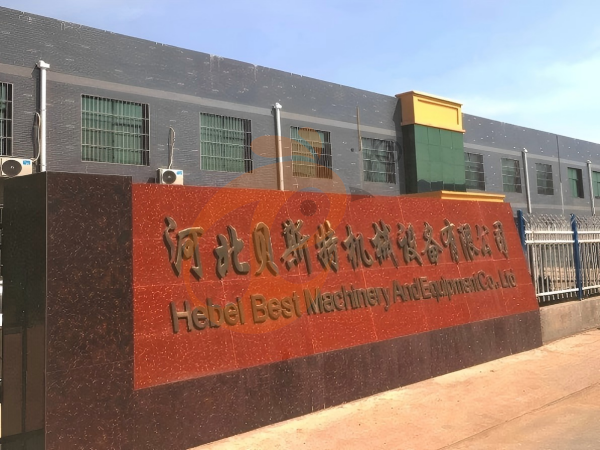
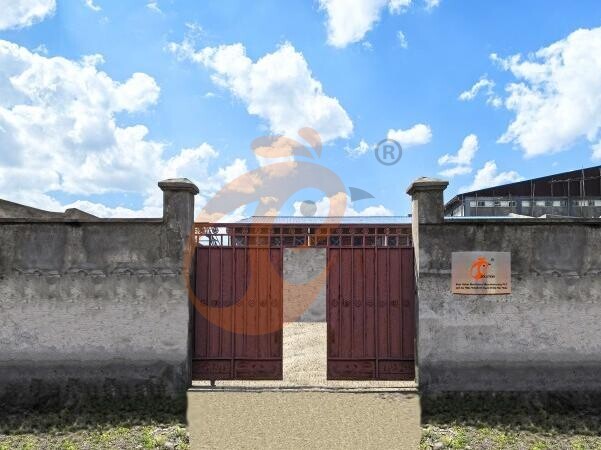
China Hebei Best Machinery And Equipment CO., LTD
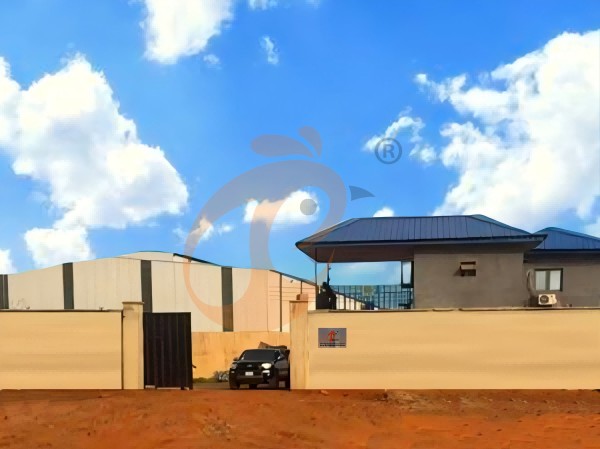
Nigeria Vanke Machinery And Equipment CO., LTD
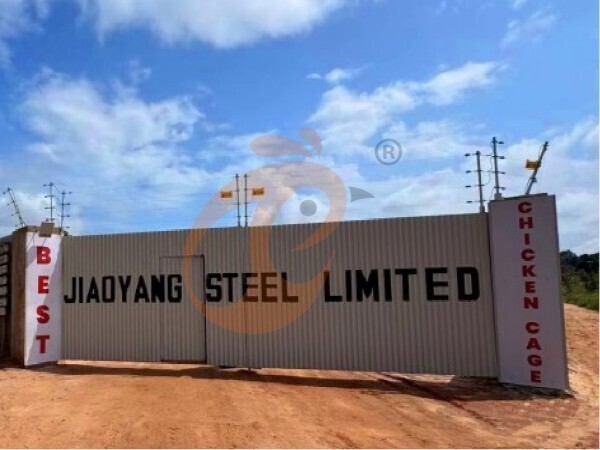
Tanzania Best Machinery And Equipment CO., LTD
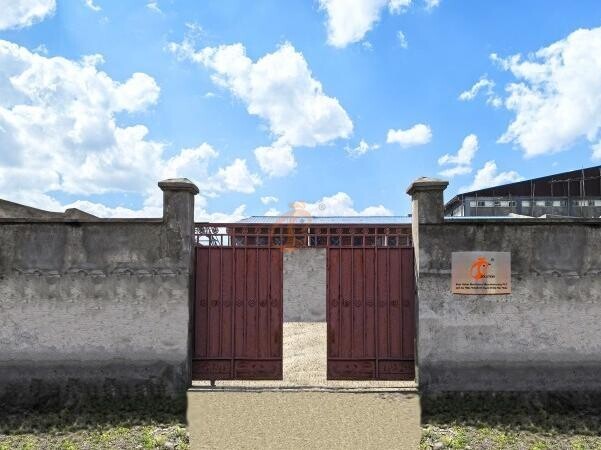
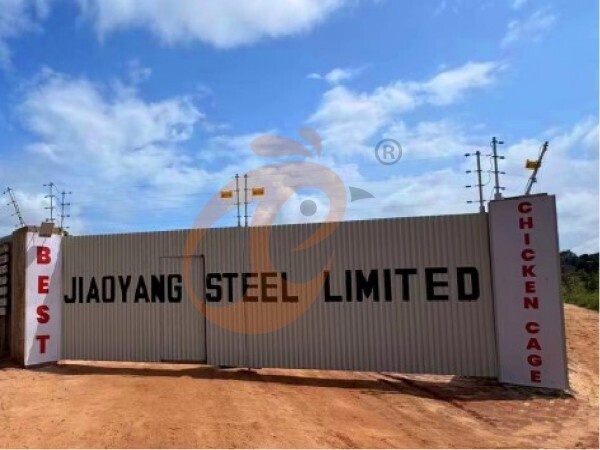
Ethiopia Best Hebei Machinery Manufacturing PLC
Reception /24 WhatsApp NO. : +8618830120193
FAQ
How To Implement Biosecurity Measures In H-Type Battery Cage Farm?
Restrict access to outsiders
Isolate sick birds
Mortality rate: 2–3%
Egg production rate: 90-98%
What Is The Average Feed Cost Per Bird In H-Type Layer Cage?
FCR 1.9–2.1
Feed cost: $0.15–0.20 per bird per day
Daily egg yield: 900–980 eggs/1,000 birds
Labor savings: 70-90%
How To Prevent Cannibalism In H-Type Poultry Cage System?
Provide sufficient feed and water
Install anti-pecking devices
Egg production rate: 90-98%
Mortality rate <3%
Message
Products recommended
 HK Headquarter Offers EU-standard Poultry Farm Solutions, Manufacture Poultry Farm Equipment1. Continuous communication with the EU and the US
2. China, Nigeria, Ethiopia, Tanzania branch companies and factories
3. The products’ quality is customized for local poultry farms
4. Poultry cage and poultry farm equipment stock for sale
5. 24 online reception Whatsapp NO. : +8618830120193,contact us to get full informationRead More China Branch Offer Poultry Farm Business Plan, Manufacture Poultry Farm Equipment1. Address: Flat/RM 2416, 24/F, Runxing Building, Youyi Nan Street, Shijiazhuang City, Hebei Province, China
2. Poultry cage and poultry farm equipment factory and stock for sale
3. Customized for local poultry farms
4. Quality and design are based on Euro
5. 24 online reception Whatsapp NO. : +8618830120193Read More Nigeria Branch Offer Poultry Farm Business Plan, Manufacture Poultry Farm Equipment1. Address: After Sinoma Office, 200 Meters Near Danco Filling Station, Lagos/Ibadan Expressway, Lagos State, Nigeria
2. Poultry cage and poultry farm equipment factory and stock for sale
3. Customized for Nigerian poultry farms
4. Quality and design are based on Euro
5. 24 online reception Whatsapp NO. : +8618830120193Read More Ethiopia Branch Offer Poultry Farm Business Plan, Manufacture Poultry Farm Equipment1. Address: Gelan Gura, Akaki-kaliti Sub City, Addis Ababa, Ethiopia
2. Poultry cage and poultry farm equipment stock for sale
3. Customized for Ethiopian poultry farms
4. Quality and design are based on Euro
5. 24 online reception Whatsapp NO. : +8618830120193, contact us to get price listRead More Tanzania Branch Offer Poultry Farm Business Plan, Manufacture Poultry Farm Equipment1. Address: No.8, Sova Road, Msufini, Mlandizi, Kibaha, Pwani, Tanzania
2. Poultry cage and poultry farm equipment factory and stock for sale
3. Customized for Tanzanian poultry farms
4. Quality and design are based on Euro
5. 24 online reception Whatsapp NO. : +8618830120193Read More Fully Automatic H Type Layer Chicken Cage1. 30,000-100,000+ layers/house chooses it, Poultry farmers can achieve an egg production rate of 96-98%
2. A significant improvement over the 85-90% typically seen in manual systems
3. A typical poultry farm can expect a 30-40% reduction in labor costs due to the automation
4. Each feeding line efficiently supplies feed to around 100,000 hens per 30 mins
5. Reception /WhatsApp NO. : +8618830120193Read More Fully Automatic A Type Layer Chicken Cage1. 10,000-50,000 layers/house chooses it
2. Cleaner egg collection reduces breakage by 0.5%
3. Improved hygiene helps reduce mortality rate to <3%
4. 1–2 technicians can handle 15,000–30,000 birds
5. Reception /WhatsApp NO. : +8618830120193Read More Semi Automatic H Type Layer Chicken Cage1. 1,00-20,000 layers/house chooses it
2. Nipple drinkers flow 30–60 ML / min
3. Hot-dip galvanized (typical coating ≥ 275 g/m²)
4. Reduce ammonia by ~ 35–40%
5. Reception /WhatsApp NO. : +8618830120193Read More Semi Automatic A Type Layer Chicken Cage1. 1,00-20,000 layers/house chooses it, no rust for 10 years, no deformation for 15 years
2. Chickens live comfortably, you can raise them with peace of mind
3. Save water, save money—efficiency you can measure
4. Improve environment quality, and increase egg production rate
5. Reception /WhatsApp NO. : +8618830120193Read More
By clicking 'Allow All', you agree to the storage of cookies on your device to enhance site navigation, analyze site usage and assist with our marketing efforts.