






Blog
Poultry cage price depends on capacity, automation, building utilization, materials, and lifetime operating economics rather than purchase cost alone.
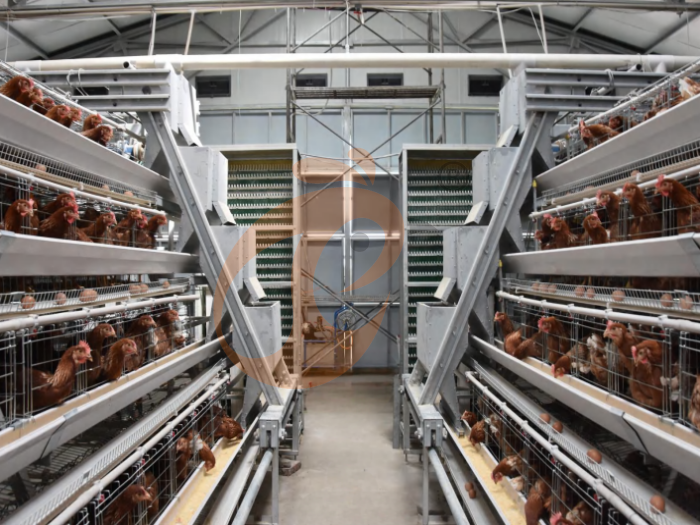
A type poultry cage supports controlled investment, modular expansion, practical access, and adaptable equipment combinations for developing layer farms.
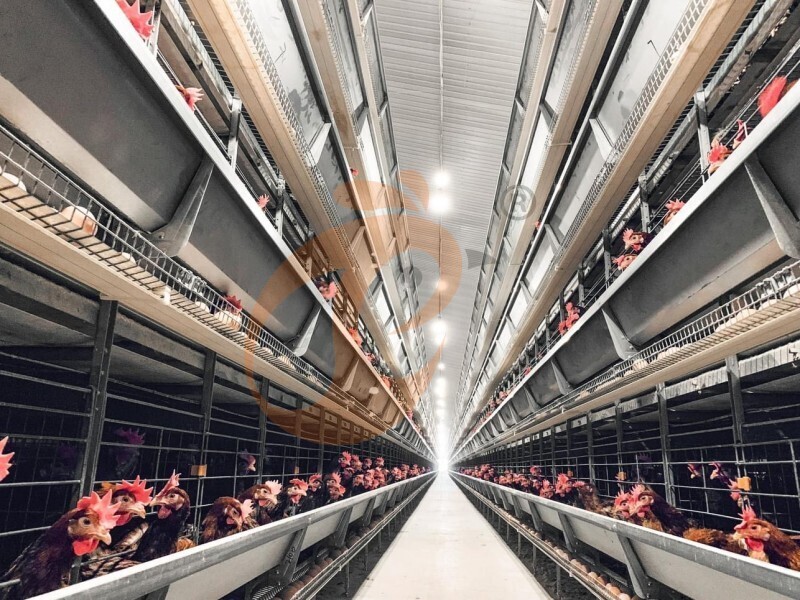
H type poultry cage systems deliver concentrated production capacity, coordinated automation, vertical utilization, and stronger economics for intensive commercial projects.
Proper comparison connects cage investment with feeding, drinking, manure handling, egg collection, labor, electrical demand, maintenance, and usable housing area.
Technical selection becomes clearer when engineering parameters, project scale, productive capacity, operating cycles, and supplier integration are evaluated together before ordering equipment.
Get professional poultry farm construction guidance, equipment selection solutions, and the latest price lists, whatsApp to +8618830120193, +2348111199996, or click to learn more.
Start With The Real Cost, Not Just The Purchase Price
Investment Lens
Poultry cage price should be judged against the production system created rather than the steel invoice alone.
A commercial layer house may operate around 18–25°c, while ventilation control can target approximately 0.6–1.0 m/s air movement across bird level during warm conditions.
For a type poultry cage projects, equipment affects feeding efficiency, drinking access, manure handling, egg collection, labor consumption, maintenance, and future expansion.
The actual calculation combines cage purchase, installation, electrical work, labor, maintenance, and operating savings.
Galvanized equipment may use 275–450 g/m² zinc coating depending on component design and corrosion requirements.
A suitable poultry cage price therefore reflects engineering configuration as much as manufacturing material.
A Type Vs H Type: Technical Price Drivers
Data is for reference only.Swipe horizontally to view full table.
These figures are reference engineering ranges rather than universal specifications.
For a type poultry cage quotation, final selection depends on house drawings, flock target, local stocking rules, equipment combination, and installation conditions.
For example, structural loading should account for a distributed floor load around 2.5–4.0 kn/m² where equipment and service traffic require additional allowance.
A Type: The Practical Investment Route
Investment Profile
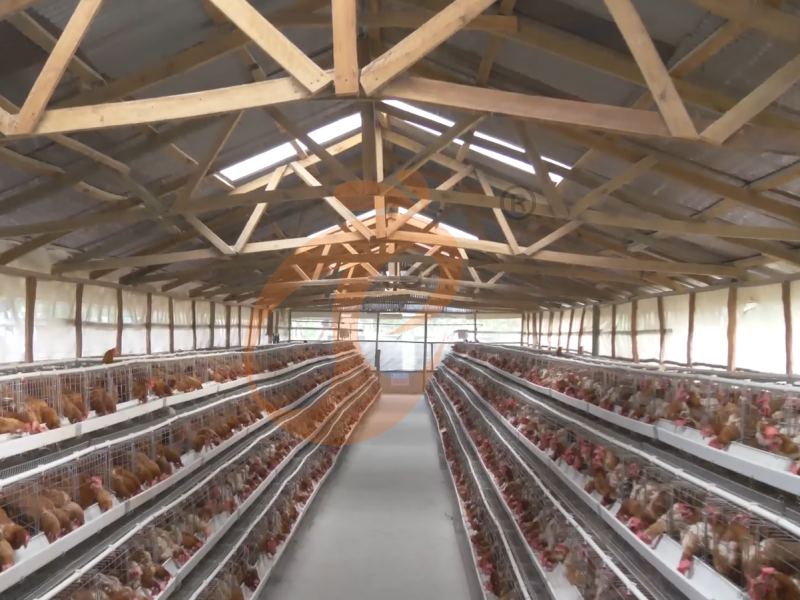
A type works particularly well when a farm wants controlled initial expenditure without sacrificing a complete layer-housing solution.
A representative service aisle may use 1.0–1.2 m clear access, while drinking-water pressure can be maintained around 0.2–0.3 mpa at the regulator.
For buyers comparing A type poultry cage options, accessible equipment arrangement can simplify inspection, cleaning, repair, and phased upgrading.
Modular installation also allows automatic feeding, manure handling, and egg collection to be introduced according to production growth.
A farm expecting expansion within 12–24 months can reserve connection points for later equipment additions without redesigning the entire house.
The commercial advantage comes from matching automation investment with actual flock development rather than purchasing unused capacity at the beginning.
A Type Equipment Cost Structure
Data is for reference only.Swipe horizontally to view full table.
A type poultry cage packages can combine galvanized components with automatic feeding, nipple drinking, and manure-cleaning equipment.
Feed wastage can be managed toward 2% or below through suitable trough adjustment and feed-line commissioning.
A 0.75 kw drive unit can serve a smaller conveying section, while longer systems may require segmented drive arrangements.
H Type: When Density Changes The Economics
The Building-Footprint Test
Imagine two farms with similar land constraints.
Farm A spends less on cage equipment but uses more building space for the same total flock.
Farm B spends more on equipment but concentrates production within a vertically organized house.
An H type poultry cage becomes financially interesting when added equipment investment is offset by reduced land use and greater productive concentration.
A typical layer building may target 10–20 lux illumination around working areas, while automated systems can synchronize lighting, feeding, and environmental controls through one farm management architecture.
The commercial value does not come from structure alone.
Feeding, drinking, manure conveying, egg transfer, electrical controls, and ventilation can be designed as one poultry equipment package.
H Type Equipment Configuration
Data is for reference only.Swipe horizontally to view full table.
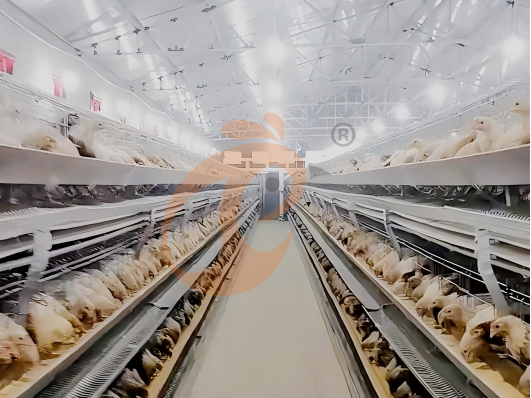
H type equipment is normally specified as an integrated production system rather than as a cage frame alone.
Depending on flock stage, the feeding program can operate around 8–12 cycles/day, allowing equipment scheduling to follow management routines.
The system can also be coordinated with ventilation demand, while a representative fresh-air requirement may range around 4–8 m³/h per kg live weight under different environmental conditions.
Compare Cost Per Bird, Not Just Total Price
A Simple Commercial Equation
A more useful purchasing indicator is equipment expenditure divided by the number of birds actually housed.
Suppose an A type poultry cage project requires us$90,000 in cage investment and houses 20,000 birds.
The corresponding investment equals us$4.50 per bird.
An H type project costing us$180,000 and housing 60,000 birds produces an equipment investment of us$3.00 per bird.
All sample monetary figures are stated in us dollars and are for European union standard reference only.
Data is for reference only.Swipe horizontally to view full table.
Illustrative calculation only; actual production depends on breed, mortality, feeding management, stocking rules, and flock performance.
The calculation shows why a higher H type poultry cage price does not automatically mean a higher production cost.
Feed conversion may fall around 1.9–2.1 kg feed/kg egg mass under managed commercial conditions, making operating efficiency relevant to the equipment decision.
The financial result depends on how capital expenditure is distributed across productive capacity, building cost, and operating resources.
Three Questions That Determine The Better Purchase
What is the target flock size?
A farm designed for 15,000 birds has a different equipment economy from one planned for 80,000 birds.
How much building space is available?
A building width of 12 m creates a different internal equipment arrangement from a 24 m structure.
How automated should the farm become?
A commercial lighting program may provide 16–18 hours/day, influencing feeding schedules and environmental-control programming.
A serious poultry cage price comparison should therefore begin with project data instead of catalog pricing.
Automation: Where The Equipment System Adds Value
Data is for reference only.Swipe horizontally to view full table.
Automation value does not come from adding equipment indiscriminately.
For an A type poultry cage system or an H type poultry cage system, feed delivery, egg movement, manure transfer, and control logic should match the physical house layout.
A representative sensor circuit may operate with 24 vdc control signaling, while power distribution can be separated from low-voltage instrumentation for easier maintenance.
Our engineering service can coordinate mechanical and electrical layouts before production, reducing installation changes on site.
The A Type Decision: Buy For The Farm You Have
Scenario: Moderate scale + controlled capital + planned expansion
A type is financially sensible when land cost, building utilization, and automation demand do not justify a highly intensive configuration.
A farm using 1.2 m service aisles can retain practical access while controlling initial equipment expenditure.
A Type poultry cage projects can also allocate more initial budget toward ventilation, water treatment, electrical infrastructure, or future automation.
A phased development plan may use 2–5 independent equipment zones, allowing each production area to be commissioned and serviced separately.
The strongest argument is not that A type costs less in every project.
The stronger argument is that A type can align equipment expenditure with the farm’s present production scale.
The H Type Decision: Buy For The Farm You Plan To Operate
Data is for reference only.Swipe horizontally to view full table.
H type becomes more financially attractive when a project requires substantial flock capacity within a controlled building footprint.
A properly engineered layer house may reserve 8–12% of gross internal area for circulation, service, and equipment access depending on the layout.
Integrated egg collection, feeding, manure removal, and control systems can also reduce repeated manual handling.
The economic objective is to use infrastructure more productively while maintaining access for inspection and maintenance.
Final Return On Investment Check Before Ordering
Data is for reference only.Swipe horizontally to view full table.
A type can be the more economical solution when the farm values controlled investment and gradual expansion.
H type can deliver stronger economics when the project requires intensive capacity and coordinated automation.
Routine maintenance can be planned around a 30-day inspection cycle, while preventive lubrication may be scheduled after approximately 500 operating hours according to component requirements.
Our poultry equipment solutions cover cage structure, feeding, drinking, egg collection, manure removal, electrical control, and environmental integration.
Frequently Asked Questions
Q1: What should be included when comparing poultry cage price?
A1: Compare the cage structure, installation, automation package, electrical demand, maintenance requirements, building utilization, and expected bird capacity rather than comparing steel cost alone.
Q2: Which system fits a smaller layer farm better?
A2: A Type is often easier to align with phased investment, especially when flock size remains around 10,000–30,000 birds and future expansion is planned gradually.
Q3: When does an H type poultry cage become more economical?
A3: H type becomes increasingly attractive when production scale, building constraints, and automation requirements justify concentrated equipment investment and larger operating capacity.
Taiyu (HK) Group - One Of China Biggest Poultry Cage Manufacturers
Poultry cage systems combine engineered housing structures with feeding, drinking, manure, and egg-handling equipment for commercial layer production.
Global factory-direct supply connects poultry equipment manufacturing, technical specification, quality control, packaging, and international project delivery through one production source.
Turn-key engineering covers house layout calculation, equipment configuration, installation guidance, commissioning, and project-specific technical documentation.
Poultry equipment packages can be configured for phased farms, intensive layer houses, automated production facilities, and large international turnkey projects.
Export-oriented production supports project coordination from equipment selection through shipment, installation assistance, and after-sales technical communication.
Contact Us To Received Your Customized Poultry Farm Plan
Headquarters And Branchs
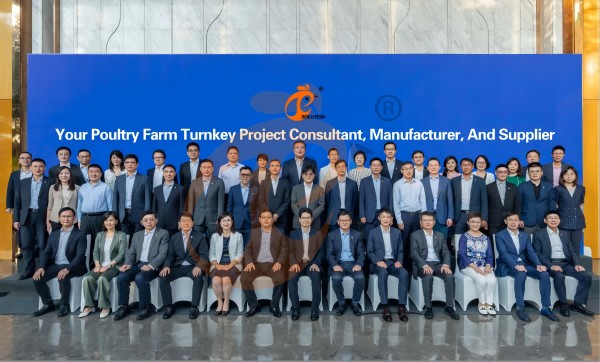
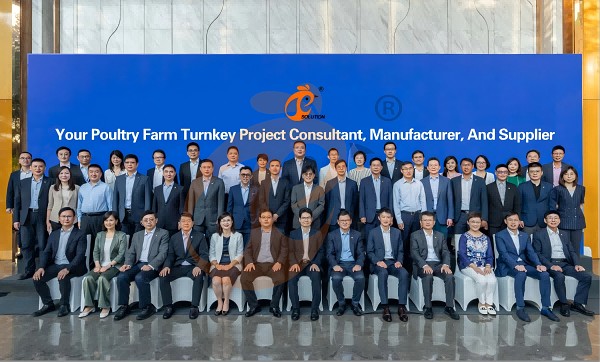
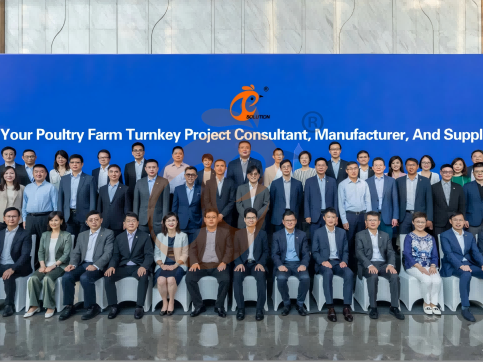
Hong Kong Headquarter Management Team
Hong Kong Headquarter Taiyu Industrial Group CO., LTD
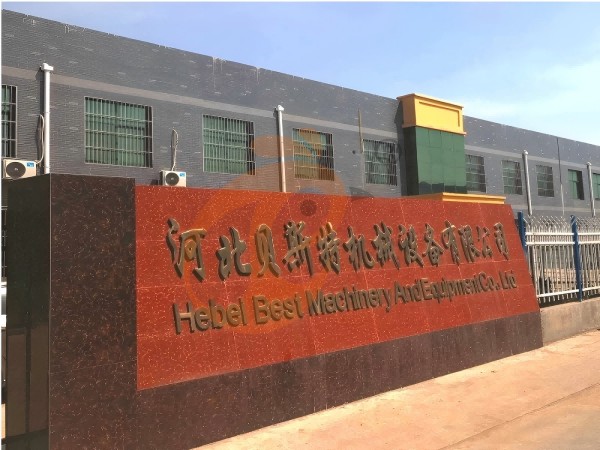
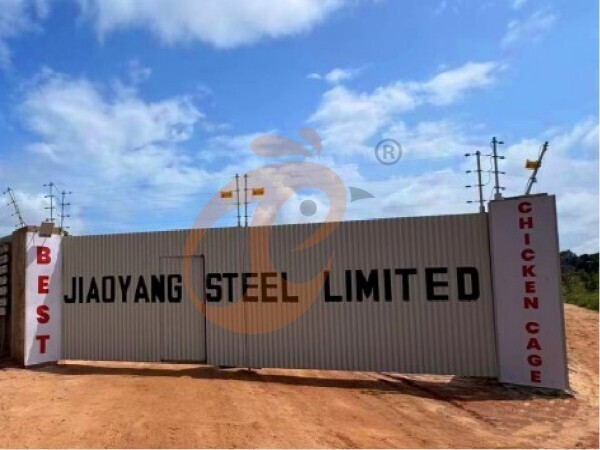
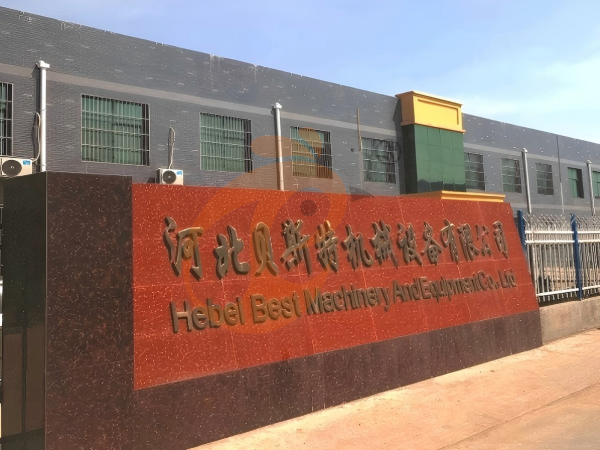
China Hebei Best Machinery And Equipment CO., LTD
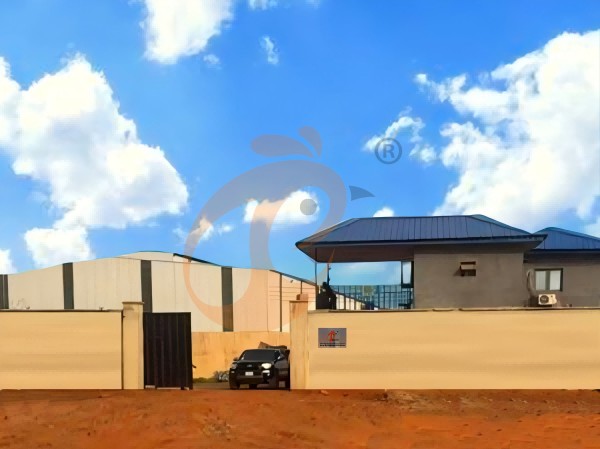
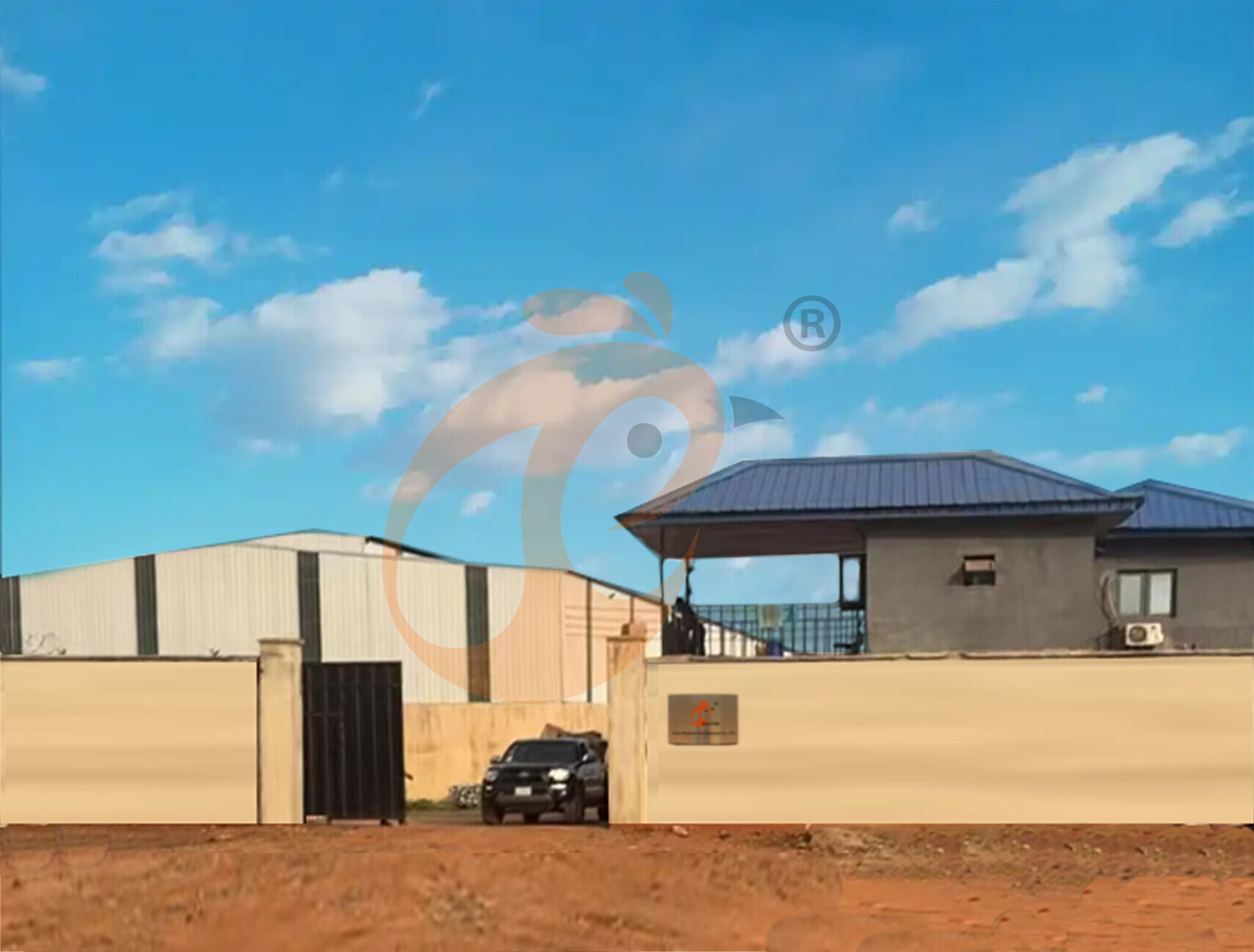
Nigeria Vanke Machinery And Equipment CO., LTD
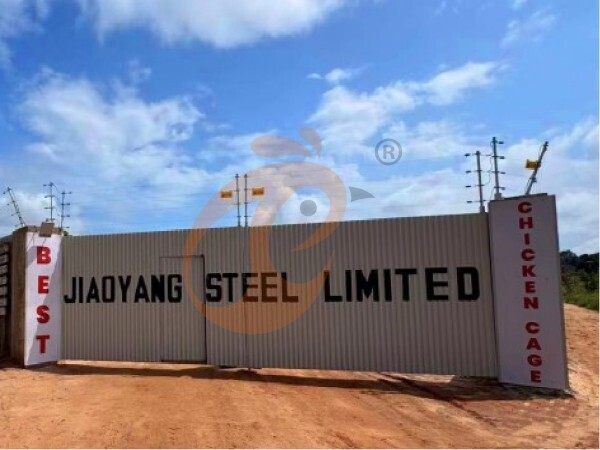
Tanzania Best Machinery And Equipment CO., LTD
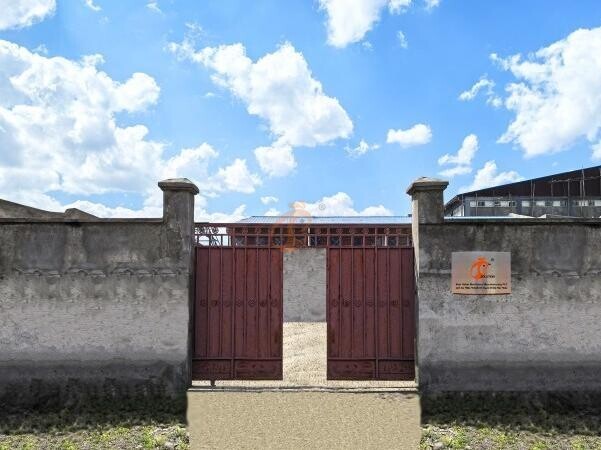
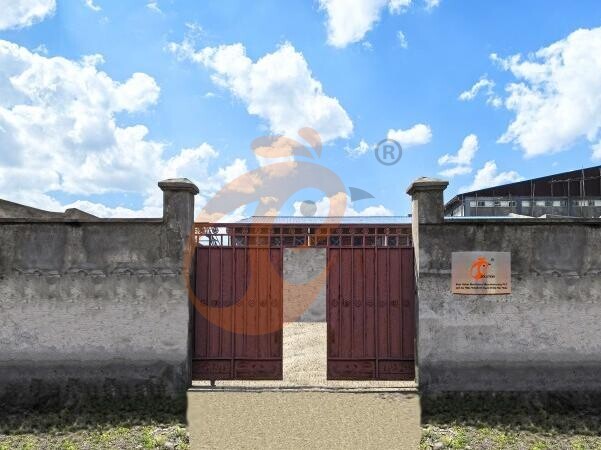
Ethiopia Best Hebei Machinery Manufacturing PLC
Reception /24 WhatsApp NO. : +8618830120193
FAQ
What Are The Professional Strategies For Optimizing Feed Conversion In Layer Cage Farms?
Zoned feeding reduces competition and waste; FCR maintained at 1.9–2.1.
Combined with lighting and temperature/humidity management, egg production can reach 90–98%.
How To Buy The Top Chicken Cage Supplier For Maximum Farm Efficiency?
Check steel quality, anti-corrosion coating, and durability of egg systems.
Price reference: $10–$18 per bird, ROI payback 24–36 months.
What Are The Ultimate Guidelines For Reducing Stress In Poultry Cage Farms?
Ensure good ventilation, temperature 18–25℃, lighting 16h/day.
Automatic feeding and drinking systems ensure birds access feed and water, reducing stress-induced egg drop.
Message
Products recommended
 HK Headquarter Offers EU-standard Poultry Farm Solutions, Manufacture Poultry Farm Equipment1. Continuous communication with the EU and the US
2. China, Nigeria, Ethiopia, Tanzania branch companies and factories
3. The products’ quality is customized for local poultry farms
4. Poultry cage and poultry farm equipment stock for sale
5. 24 online reception Whatsapp NO. : +8618830120193,contact us to get full informationRead More China Branch Offer Poultry Farm Business Plan, Manufacture Poultry Farm Equipment1. Address: Flat/RM 2416, 24/F, Runxing Building, Youyi Nan Street, Shijiazhuang City, Hebei Province, China
2. Poultry cage and poultry farm equipment factory and stock for sale
3. Customized for local poultry farms
4. Quality and design are based on Euro
5. 24 online reception Whatsapp NO. : +8618830120193Read More Nigeria Branch Offer Poultry Farm Business Plan, Manufacture Poultry Farm Equipment1. Address: After Sinoma Office, 200 Meters Near Danco Filling Station, Lagos/Ibadan Expressway, Lagos State, Nigeria
2. Poultry cage and poultry farm equipment factory and stock for sale
3. Customized for Nigerian poultry farms
4. Quality and design are based on Euro
5. 24 online reception Whatsapp NO. : +8618830120193Read More Ethiopia Branch Offer Poultry Farm Business Plan, Manufacture Poultry Farm Equipment1. Address: Gelan Gura, Akaki-kaliti Sub City, Addis Ababa, Ethiopia
2. Poultry cage and poultry farm equipment stock for sale
3. Customized for Ethiopian poultry farms
4. Quality and design are based on Euro
5. 24 online reception Whatsapp NO. : +8618830120193, contact us to get price listRead More Tanzania Branch Offer Poultry Farm Business Plan, Manufacture Poultry Farm Equipment1. Address: No.8, Sova Road, Msufini, Mlandizi, Kibaha, Pwani, Tanzania
2. Poultry cage and poultry farm equipment factory and stock for sale
3. Customized for Tanzanian poultry farms
4. Quality and design are based on Euro
5. 24 online reception Whatsapp NO. : +8618830120193Read More Fully Automatic H Type Layer Chicken Cage1. 30,000-100,000+ layers/house chooses it, Poultry farmers can achieve an egg production rate of 96-98%
2. A significant improvement over the 85-90% typically seen in manual systems
3. A typical poultry farm can expect a 30-40% reduction in labor costs due to the automation
4. Each feeding line efficiently supplies feed to around 100,000 hens per 30 mins
5. Reception /WhatsApp NO. : +8618830120193Read More Fully Automatic A Type Layer Chicken Cage1. 10,000-50,000 layers/house chooses it
2. Cleaner egg collection reduces breakage by 0.5%
3. Improved hygiene helps reduce mortality rate to <3%
4. 1–2 technicians can handle 15,000–30,000 birds
5. Reception /WhatsApp NO. : +8618830120193Read More Semi Automatic H Type Layer Chicken Cage1. 1,00-20,000 layers/house chooses it
2. Nipple drinkers flow 30–60 ML / min
3. Hot-dip galvanized (typical coating ≥ 275 g/m²)
4. Reduce ammonia by ~ 35–40%
5. Reception /WhatsApp NO. : +8618830120193Read More Semi Automatic A Type Layer Chicken Cage1. 1,00-20,000 layers/house chooses it, no rust for 10 years, no deformation for 15 years
2. Chickens live comfortably, you can raise them with peace of mind
3. Save water, save money—efficiency you can measure
4. Improve environment quality, and increase egg production rate
5. Reception /WhatsApp NO. : +8618830120193Read More
By clicking 'Allow All', you agree to the storage of cookies on your device to enhance site navigation, analyze site usage and assist with our marketing efforts.