


Blog
- Pellet machine temperature control directly influences conditioning efficiency, pellet formation, moisture balance, energy use, and finished poultry feed quality, with practical operating decisions built around measurable production data.
A properly configured pellet machine works with grinding, mixing, steam conditioning, cooling, screening, and conveying systems, creating a coordinated feed-processing route for commercial poultry production.
Effective pellet machine adjustment requires attention to material moisture, mechanical friction, steam distribution, cooling performance, and pellet quality rather than relying on one temperature reading.
Modern pellet machine systems can integrate automatic feeding, temperature monitoring, plc controls, and matched cooling equipment, reducing manual intervention while supporting stable continuous production.
- Selecting a professional pellet machine supplier also creates opportunities for complete poultry equipment solutions, factory-direct engineering, and turn-key feed-processing projects designed around capacity and formulation requirements.
Get professional poultry farm construction guidance, equipment selection solutions, and the latest price lists, whatsApp to +8618830120193, +2348111199996, or click to learn more.
Why Pellet Machine Temperature Matters
Pellet machine temperature adjustment directly affects pellet formation, moisture migration, starch gelatinization, energy consumption, and finished-feed stability.
For poultry feed production, a pellet machine conditioning process commonly operates around 75–85°c for many grain-based formulas, while actual settings depend on formulation, moisture, steam quality, and machine configuration.
Data is for reference only.Swipe horizontally to view full table.
A pellet machine should therefore be managed as part of the complete pelletizing process rather than treated as an isolated heating device.
A properly engineered pellet machine line can coordinate feeding, conditioning, pelletizing, and cooling while supporting a controlled material flow of 3–15 tonnes per hour, depending on machine capacity.
Tip #1 — Start With Material Moisture
Start with three checks
1. Raw material check whether ingredients entering the pellet machine maintain consistent moisture before conditioning.
2. Conditioning confirm that the pellet machine receives evenly conditioned material before changing temperature settings.
3. Finished pellets examine pellets after cooling because pellet machine performance should be evaluated through final product condition rather than temperature alone.
For a commercial poultry equipment line, a pellet machine grinding preparation stage can use screen openings of 1.5–3.0 mm for many poultry-feed formulas.
Consistent particle preparation gives the pellet machine a more predictable material structure before temperature adjustment begins.
Data is for reference only.Swipe horizontally to view full table.
Tip #2 — Watch Mechanical Friction
If pellet machine temperature rises unexpectedly, operators should not immediately increase or decrease steam.
Mechanical resistance inside the pellet machine chamber can generate additional heat during continuous production.
Die condition, roller clearance, feed distribution, bearing condition, and compression all influence pellet machine thermal loading.
A professionally manufactured pellet machine should maintain stable transmission performance during continuous poultry-feed production.
For example, a properly sized pellet machine gearbox may use a transmission ratio around 8:1–12:1, allowing the motor and pelletizing chamber to work within their designed operating range.
Data is for reference only.Swipe horizontally to view full table.
Tip #3 — Use Cooling As Part Of Temperature Control
Fresh pellets leave the pellet machine with considerable heat and moisture after compression.
Cooling therefore becomes an essential downstream process supporting stable finished feed before screening and storage.
A counterflow cooler matched with the pellet machine can remove heat while reducing pellet moisture to a condition suitable for subsequent handling.
For a 10 t/h pellet machine production line, cooling capacity should be engineered around continuous output rather than selected as an independent component.
Data is for reference only.Swipe horizontally to view full table.
Tip #4 — Compare Temperature With Pellet Quality
A pellet machine temperature reading becomes useful only when evaluated together with pellet durability, fines, moisture, throughput, and energy consumption.
Use a five-point production check
1. Observe check pellet surface, cracks, length, and fines after the pellet machine.
2. Record monitor pellet machine loading and feeding consistency during production.
3. Sample test finished feed at regular intervals after pellet machine processing.
4. Compare relate quality changes to operating adjustments rather than temperature alone.
5. Confirm modify one variable and observe the pellet machine response before another adjustment.
For example, a poultry feed line equipped with automatic weighing can maintain feeding accuracy around ±1%, helping operators evaluate pellet machine process changes more systematically.
Data is for reference only.Swipe horizontally to view full table.
Tip #5 — Make Small, Controlled Adjustments
Temperature changes should be gradual because a pellet machine responds to changes in steam, feed rate, moisture, and mechanical loading over a defined stabilization period.
Operators should record each pellet machine adjustment and allow production conditions to stabilize before making another correction.
Data is for reference only.Swipe horizontally to view full table.
A controlled adjustment method is particularly valuable for automated pellet machine systems used in poultry equipment lines.
A plc-based pellet machine control cabinet can coordinate multiple operating signals with a response time of approximately 100–500 milliseconds, reducing manual intervention during normal production.
Common Temperature Problems And Technical Diagnosis
Temperature instability can originate from several different sections surrounding the pellet machine, including material preparation, steam supply, die loading, rollers, sensors, and cooling.
Before changing the pellet machine setpoint, operators should inspect the material path, steam system, die, rollers, sensors, and cooler in sequence.
Data is for reference only.Swipe horizontally to view full table.
The equipment configuration matters as much as operator experience when operating a pellet machine.
A stable screw feeder, accurate temperature sensor, and properly designed conditioner can reduce process variation and make pellet machine operation more predictable across different poultry-feed formulas.
A Better Pelletizing Workflow For Poultry Farms
Prepare → condition → pelletize → cool → verify
At preparation stage, grinding and mixing establish material uniformity before ingredients reach the pellet machine.
Conditioning then introduces controlled heat and moisture, while the pellet machine applies mechanical compression to form finished feed pellets.
Cooling removes residual heat after pellet machine compression before screening and finished-feed handling.
For a commercial poultry operation, conveyors connected to the pellet machine can be designed around a material conveying speed of approximately 0.8–2.0 m/s.
Data is for reference only.Swipe horizontally to view full table.
What Should You Look For When Buying A Pellet Machine?
The correct purchasing decision should begin with production requirements rather than pellet machine motor power alone.
Ask suppliers for measurable pellet machine technical information covering capacity, die dimensions, energy consumption, control accuracy, spare parts, and complete-line compatibility.
Data is for reference only.Swipe horizontally to view full table.
A poultry equipment supplier should evaluate the pellet machine together with the farm's available electrical infrastructure.
For instance, a production line using a 160 kw pellet machine main motor should be matched with suitable electrical protection, cable sizing, transformer capacity, and starting methodology.
Maintenance: The Hidden Factor Behind Temperature Stability
Temperature control becomes easier when pellet machine mechanical components remain within designed operating conditions.
Maintenance should include pellet machine die inspection, roller adjustment, bearing lubrication, steam-line inspection, sensor calibration, and cooler cleaning.
A practical maintenance program can divide pellet machine inspections into 8-hour, 250-hour, and 1,000-hour intervals, allowing operators to identify developing problems before production quality is affected.
Data is for reference only.Swipe horizontally to view full table.
Build A More Efficient Poultry Feed Equipment System
For expanding poultry farms, the pellet machine should be selected as one component of a complete feed-processing solution.
A properly engineered pellet machine line can connect raw-material receiving, crushing, mixing, pelleting, cooling, screening, conveying, and finished-feed storage.
For example, a turn-key poultry feed line centered on a pellet machine can be configured with 30–60 tonnes of finished-feed storage capacity, depending on daily production and delivery frequency.
Data is for reference only.Swipe horizontally to view full table.
Final Checklist: Optimize Before You Increase Production
Before increasing pellet machine output, review the process in sequence.
Do not use a higher temperature as a substitute for insufficient conditioning, worn mechanical parts, inadequate cooling, or unstable material feeding around the pellet machine.
A well-configured pellet machine should be evaluated against actual formulation requirements, with operators checking process stability over two or more consecutive production batches before making major configuration changes.
Data is for reference only.Swipe horizontally to view full table.
The most effective pellet machine strategy combines controlled adjustment, suitable equipment, and complete process management.
Poultry producers should select a pellet machine according to formula characteristics, target capacity, pellet diameter, available power, automation requirements, and future expansion.
Frequently Asked Questions
Q1: What temperature should a pellet machine run at?
A1: A pellet machine normally uses conditioning conditions selected according to formula, moisture, pellet diameter, and steam availability.
Many grain-based poultry formulas use conditioning around 75–85°c, but pellet machine operating specifications should be confirmed through actual production trials.
Q2: Why does pellet machine temperature keep changing?
A2: Pellet machine temperature can fluctuate because of inconsistent feeding, moisture variation, steam instability, die loading, roller condition, or sensor performance.
Recording pellet machine operating data across 15-minute intervals can help identify whether fluctuations originate from material preparation or equipment operation.
Q3: Can a pellet machine produce better pellets at higher temperature?
A3: Higher pellet machine temperature does not automatically produce better pellets.
Successful mellet machine production depends on coordinated moisture, conditioning, compression, cooling, and formulation control, with finished-pellet durability and moisture providing more useful evaluation criteria.
Taiyu (HK) Group - One Of China Toppest Pellet Machine Manufacturer
- Pellet machine solutions integrate controlled conditioning, mechanical compression, temperature monitoring, cooling coordination, and production-line engineering for poultry feed applications.
- Global factory-direct supply provides poultry equipment configuration, technical documentation, spare-parts support, and project-oriented equipment coordination.
- Poultry equipment projects can combine crushing, mixing, pelletizing, cooling, screening, conveying, weighing, and plc automation according to specified production capacities.
- Turn-key engineering covers process design, equipment matching, electrical configuration, installation guidance, commissioning procedures, operator training, and production-line integration.
- Export-oriented project execution supports poultry farms and feed mills with engineering specifications adapted to production capacity, formulation requirements, factory dimensions, and expansion plans.
Contact Us To Received Your Customized Poultry Farm Plan
Headquarters And Branchs

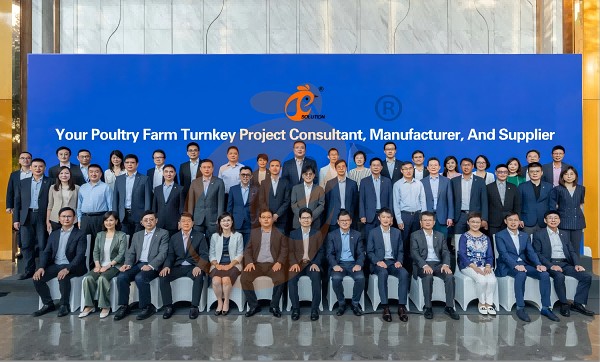
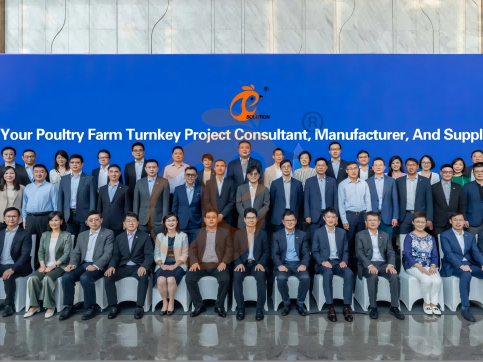
Hong Kong Headquarter Management Team
Hong Kong Headquarter Taiyu Industrial Group CO., LTD
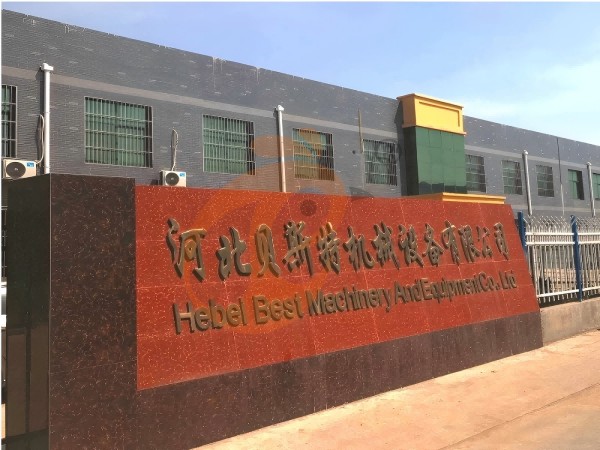
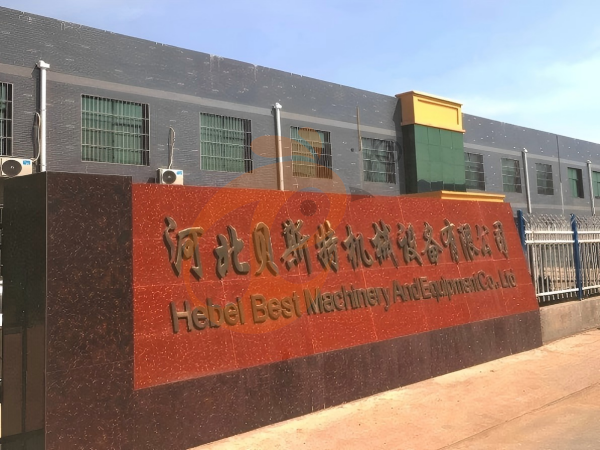
China Hebei Best Machinery And Equipment CO., LTD
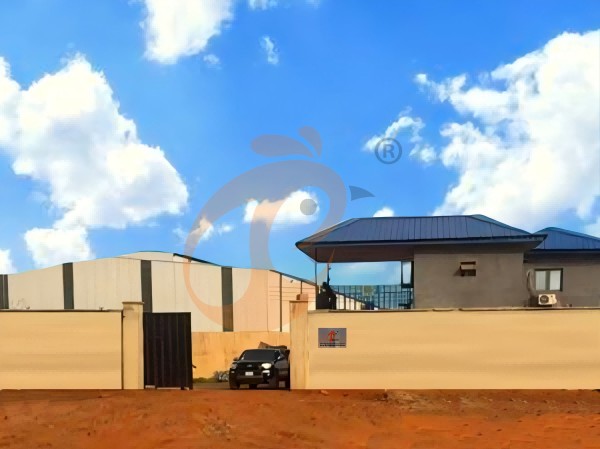
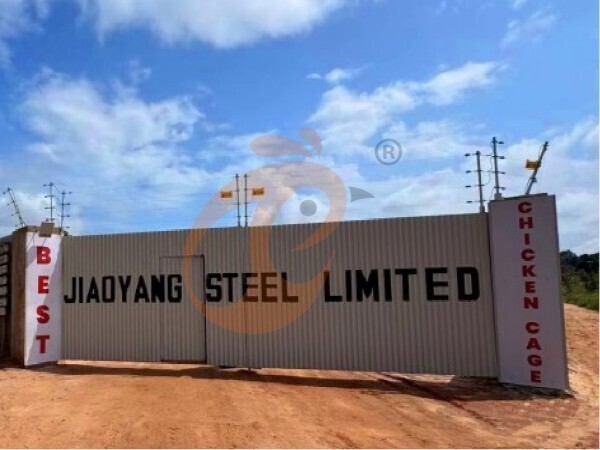
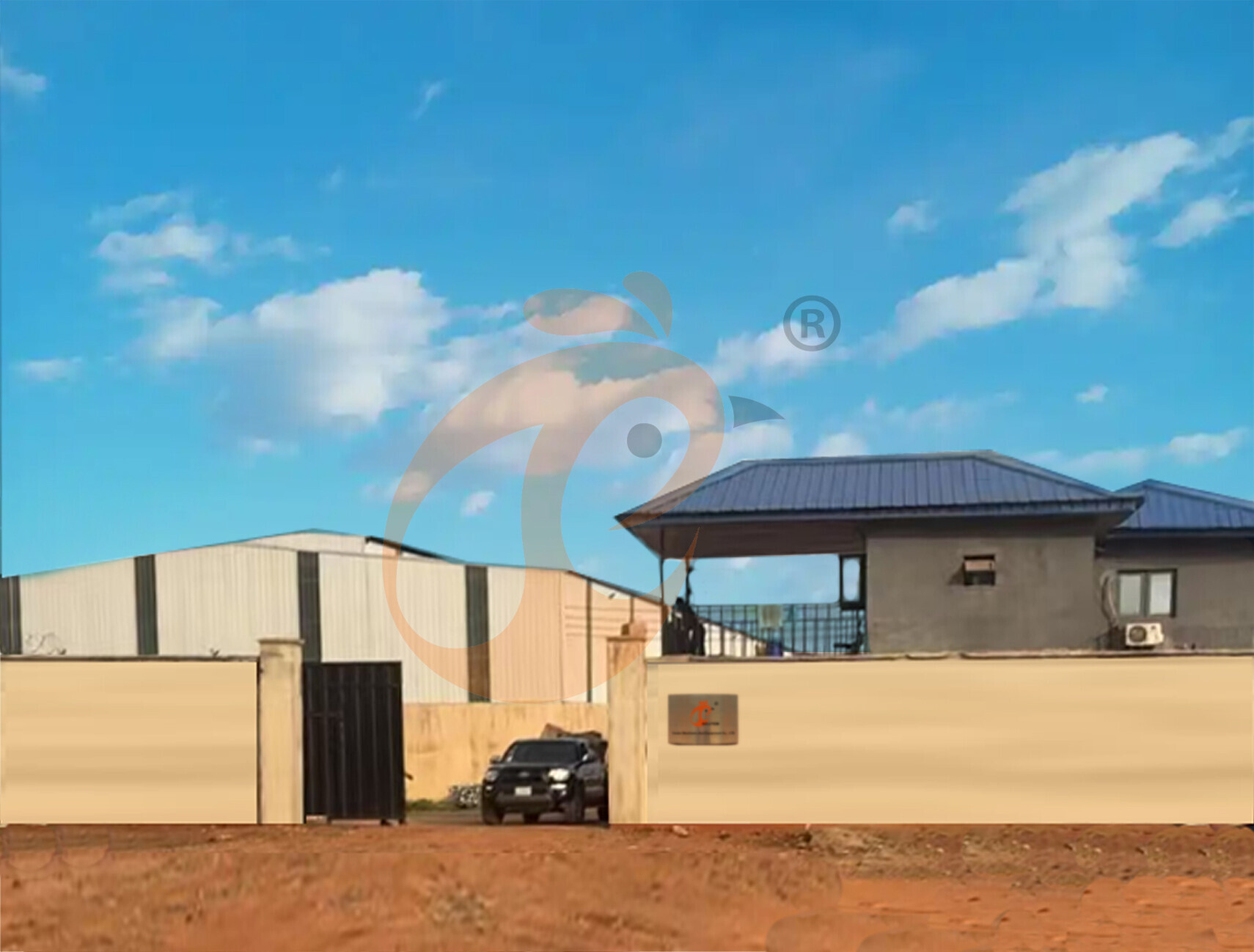
Nigeria Vanke Machinery And Equipment CO., LTD
Tanzania Best Machinery And Equipment CO., LTD
Ethiopia Best Hebei Machinery Manufacturing PLC

Reception /24 WhatsApp NO. : +8618830120193
FAQ
What Pellet Quality Indicators Are Required From Pellet Machine In Poultry Chicken Feed Manufacturing?
Hardness level is controlled at 3–5 kg/cm² for optimal bird consumption efficiency.
Fines content is kept below 8% to ensure uniform feed intake performance.
What Die Specification Standards Are Used In Pellet Machine For Poultry Chicken Feed Production?
Compression ratio ranges from 1:6 to 1:8 to ensure proper pellet density structure.
Die material hardness reaches HRC 50–55 for extended wear resistance under continuous operation.
What Roller System Parameters Are Required In Pellet Machine For Poultry Chicken Feed Processing?
Roller gap is adjusted between 0.1–0.3 mm to control pellet density formation.
Roller lifespan typically reaches 600–900 operating hours under standard feed production conditions.
Message
Products recommended
 HK Headquarter Offers EU-standard Poultry Farm Solutions, Manufacture Poultry Farm Equipment1. Continuous communication with the EU and the US
2. China, Nigeria, Ethiopia, Tanzania branch companies and factories
3. The products’ quality is customized for local poultry farms
4. Poultry cage and poultry farm equipment stock for sale
5. 24 online reception Whatsapp NO. : +8618830120193,contact us to get full informationRead More China Branch Offer Poultry Farm Business Plan, Manufacture Poultry Farm Equipment1. Address: Flat/RM 2416, 24/F, Runxing Building, Youyi Nan Street, Shijiazhuang City, Hebei Province, China
2. Poultry cage and poultry farm equipment factory and stock for sale
3. Customized for local poultry farms
4. Quality and design are based on Euro
5. 24 online reception Whatsapp NO. : +8618830120193Read More Nigeria Branch Offer Poultry Farm Business Plan, Manufacture Poultry Farm Equipment1. Address: After Sinoma Office, 200 Meters Near Danco Filling Station, Lagos/Ibadan Expressway, Lagos State, Nigeria
2. Poultry cage and poultry farm equipment factory and stock for sale
3. Customized for Nigerian poultry farms
4. Quality and design are based on Euro
5. 24 online reception Whatsapp NO. : +8618830120193Read More Ethiopia Branch Offer Poultry Farm Business Plan, Manufacture Poultry Farm Equipment1. Address: Gelan Gura, Akaki-kaliti Sub City, Addis Ababa, Ethiopia
2. Poultry cage and poultry farm equipment stock for sale
3. Customized for Ethiopian poultry farms
4. Quality and design are based on Euro
5. 24 online reception Whatsapp NO. : +8618830120193, contact us to get price listRead More Tanzania Branch Offer Poultry Farm Business Plan, Manufacture Poultry Farm Equipment1. Address: No.8, Sova Road, Msufini, Mlandizi, Kibaha, Pwani, Tanzania
2. Poultry cage and poultry farm equipment factory and stock for sale
3. Customized for Tanzanian poultry farms
4. Quality and design are based on Euro
5. 24 online reception Whatsapp NO. : +8618830120193Read More Fully Automatic H Type Layer Chicken Cage1. 30,000-100,000+ layers/house chooses it, Poultry farmers can achieve an egg production rate of 96-98%
2. A significant improvement over the 85-90% typically seen in manual systems
3. A typical poultry farm can expect a 30-40% reduction in labor costs due to the automation
4. Each feeding line efficiently supplies feed to around 100,000 hens per 30 mins
5. Reception /WhatsApp NO. : +8618830120193Read More Fully Automatic A Type Layer Chicken Cage1. 10,000-50,000 layers/house chooses it
2. Cleaner egg collection reduces breakage by 0.5%
3. Improved hygiene helps reduce mortality rate to <3%
4. 1–2 technicians can handle 15,000–30,000 birds
5. Reception /WhatsApp NO. : +8618830120193Read More Semi Automatic H Type Layer Chicken Cage1. 1,00-20,000 layers/house chooses it
2. Nipple drinkers flow 30–60 ML / min
3. Hot-dip galvanized (typical coating ≥ 275 g/m²)
4. Reduce ammonia by ~ 35–40%
5. Reception /WhatsApp NO. : +8618830120193Read More Semi Automatic A Type Layer Chicken Cage1. 1,00-20,000 layers/house chooses it, no rust for 10 years, no deformation for 15 years
2. Chickens live comfortably, you can raise them with peace of mind
3. Save water, save money—efficiency you can measure
4. Improve environment quality, and increase egg production rate
5. Reception /WhatsApp NO. : +8618830120193Read More
By clicking 'Allow All', you agree to the storage of cookies on your device to enhance site navigation, analyze site usage and assist with our marketing efforts.