


Blog
Pralson feeders combines automated feed delivery, practical feeder design, and poultry-house engineering into one stable feeding approach, with 45 mm feed pipes supporting organized line planning.
Automatic chicken feeder configurations connect conveying, distribution, adjustment, and monitoring, creating a more consistent daily workflow for commercial poultry production.
Poultry feeder geometry, feed presentation, and maintenance procedures work together to reduce operational variation while supporting efficient flock management across different production stages.
Integrated pan feeding system components allow producers to coordinate feeding equipment with storage, electrical controls, ventilation, drinking, lighting, and environmental-management infrastructure.
Pralson feeders provide an equipment-oriented pathway for scalable poultry projects, combining practical installation, measurable operating procedures, and complete poultry-house equipment planning.
Get professional poultry farm construction guidance, equipment selection solutions, and the latest price lists, whatsApp to +8618830120193, +2348111199996, or click to learn more.
Data is for reference only.Swipe horizontally to view full table.
A pan feeding system designed around a 28:1 reduction ratio can translate motor speed into controlled conveying movement rather than uncontrolled discharge.
Pralson feeders therefore provide an equipment-engineering proposition for poultry farms seeking predictable installation and repeatable mechanical operation.
Control Feed Movement With Correct Mechanical Configuration
Feed stability depends on coordinated movement through the conveying system, with pralson feeders connecting the motor, auger, pipe, hopper, and feeder pans into one mechanical sequence.
A commercial automatic chicken feeder can use 38 rpm auger rotation as an operating reference, while feed delivery depends on the selected configuration.
The mechanical configuration directly influences daily operation, and pralson feeders can convert drive power into controlled feed movement through correctly selected transmission components.
Data is for reference only.Swipe horizontally to view full table.
Pralson feeders should be commissioned according to the actual drive configuration, because mechanical coordination determines how smoothly feed travels through the line.
A poultry feeder system using a 48 mm auger pitch can be specified according to conveying requirements rather than relying on a universal configuration.
Make Feed Delivery A Repeatable Process
Observe → calibrate → operate → verify
Pralson feeders can be managed through this four-stage cycle, allowing operators to establish repeatable operating references before routine production begins.
An automatic chicken feeder commissioning sequence can use 4.8 minutes as a controlled test duration, while measured feed quantity provides a practical benchmark for subsequent verification.
The objective is not simply to make pralson feeders run, but to create a recognizable operating pattern that helps operators identify deviations during routine house management.
A 30-second startup response can serve as another operational reference when evaluating whether the feeding sequence follows the established control schedule.
Data is for reference only.Swipe horizontally to view full table.
Adjust The System As Birds Develop
Day 1: accessibility is the priority.
Growth stage: feeder position follows bird development.
Finishing stage: stable access and controlled feed presentation become increasingly important.
Pralson feeders should therefore be adjusted according to flock development rather than remaining fixed throughout production.
An automatic chicken feeder program can reference 40 mm feeder height on day 1, while approximately 340 mm by day 35 provides a practical growth-stage reference.
Operators can also use a 25 mm suspension adjustment increment when modifying pralson feeders during flock development.
The approach turns feeder adjustment into an operating procedure instead of an occasional corrective action.
Data is for reference only.Swipe horizontally to view full table.
Reduce Feed Loss Through Controlled Feed Presentation
Feed waste is influenced by pan geometry, feed depth, bird interaction, and daily adjustment, making pralson feeders an important component of disciplined feed management.
A pan feeding system can incorporate a 28–34 mm edge height as a design reference for containing feed within the intended feeding area.
The commercial value of pralson feeders comes from controlled feed presentation rather than simply increasing feed quantity inside the pan.
Operators can also evaluate feed movement against a 16 mm anti-spill lip projection when selecting equipment configurations for specific poultry-house requirements.
Data is for reference only.Swipe horizontally to view full table.
Turn The Feeding System Into A Production Workflow
Manual route
Feed handling → repeated labor → individual checking → operator intervention
Equipment route
Storage → conveying → distribution → controlled feeding → inspection
Pralson feeders support the second workflow by transferring repetitive feeding tasks from manual handling toward organized mechanical operation.
A commercial automatic chicken feeder configuration can provide feed-delivery capacities around 450–1,500 kg/h, depending on system design and selected components.
The difference is operational structure, while pralson feeders can provide the equipment foundation for a more repeatable poultry-house feeding workflow.
A 50 hz operating frequency can also be incorporated into project specifications where electrical infrastructure requires that standard.
Data is for reference only.Swipe horizontally to view full table.
Evaluate Pralson As A Complete Equipment Investment
A feeder purchase should be evaluated through system compatibility, installation requirements, operation, maintenance, and future production plans rather than through equipment price alone.
Pralson feeders can be integrated into projects using a 12 t feed-bin capacity when bulk-storage requirements call for coordinated feed logistics.
A poultry feeder project with 600 mm service-access width can also provide operators with defined maintenance space around critical equipment areas.
The purchasing decision therefore becomes a complete engineering evaluation, with pralson feeders positioned around project suitability and long-term equipment management.
European union standard reference only.
Data is for reference only.Swipe horizontally to view full table.
Build Stable Feeding With Pralson
Engineer the line.
Control mechanical feed movement.
Establish repeatable delivery.
Optimize feeder geometry.
Adjust with flock development.
Control feed presentation.
Maintain equipment preventively.
Pralson feeders combine these seven principles into an equipment-centered feeding strategy for commercial poultry production.
A complete pan feeding system can combine feeders, augers, hoppers, motors, suspension components, sensors, and controls into one coordinated workflow.
Pralson feeders therefore provide a practical route toward organized feed delivery, measurable operating procedures, and scalable poultry-house equipment planning.
A 3–50 ton silo capacity range can also be considered when feeding equipment is planned alongside larger feed-storage infrastructure.
Pralson feeders engineered for organized poultry feeding, designed for modern chicken-house equipment systems.
Frequently Asked Questions
Q1: What makes pralson feeders suitable for stable feeding?
A1: Pralson feeders combine conveying, feed distribution, feeder adjustment, and routine inspection into one coordinated system.
A practical project can use a 3.0 m suspension interval as a starting engineering reference.
Q2: How should pralson feeders be adjusted during flock growth?
A2: Adjustment should follow bird development and actual feeding conditions.
An automatic chicken feeder can use staged feeder-height references, such as 40 mm at day 1, while subsequent settings should follow the flock and equipment configuration.
Q3: What should buyers check before ordering a pralson feeding system?
A3: Buyers should provide house dimensions, flock population, line requirements, electrical conditions, feed-storage requirements, and maintenance access.
A poultry feeder project using 1.5 kw drive motors should still be confirmed against the actual conveying distance, feed characteristics, and complete system configuration.
Taiyu (HK) Group - One Of China Most Famous Pralson Feeders Manufacturer
Pralson feeders integrate feeder pans, conveying lines, drive assemblies, controls, and installation parameters into structured poultry-house feeding systems for commercial production projects.
Global factory-direct supply supports direct equipment sourcing, technical configuration, production coordination, and project-based specification for international poultry farms.
Poultry equipment packages can combine feeding, drinking, ventilation, environmental control, and related house systems according to defined engineering requirements.
Turn-key engineering covers project planning, equipment matching, manufacturing coordination, installation guidance, commissioning, and production-oriented system integration.
International project support provides equipment configuration around house dimensions, flock capacity, electrical standards, installation conditions, and long-term operational requirements.
Contact Us To Received Your Customized Poultry Farm Plan
Headquarters And Branchs

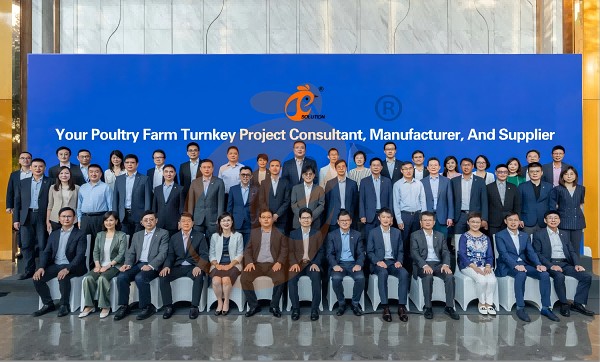
Hong Kong Headquarter Management Team
Hong Kong Headquarter Taiyu Industrial Group CO., LTD
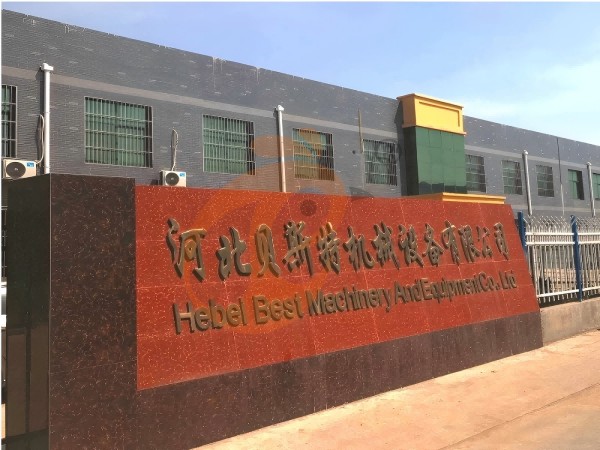
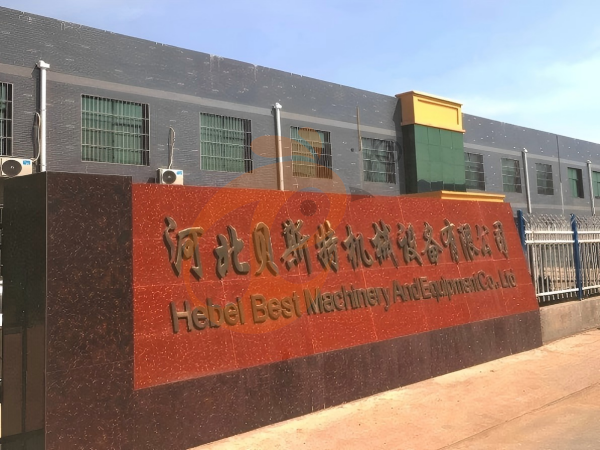
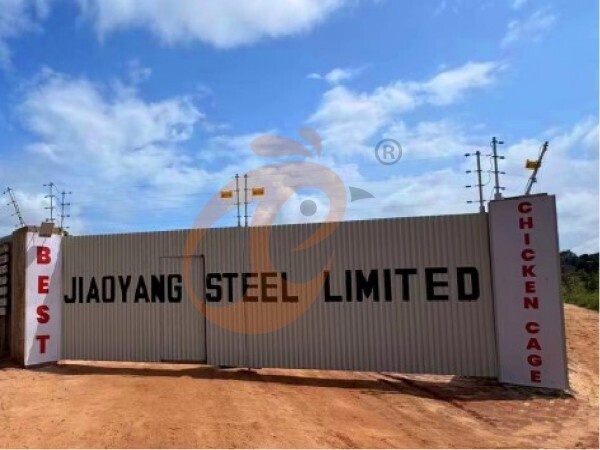
China Hebei Best Machinery And Equipment CO., LTD
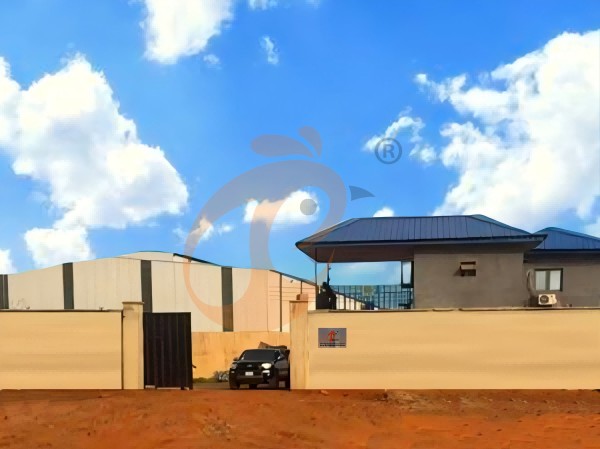
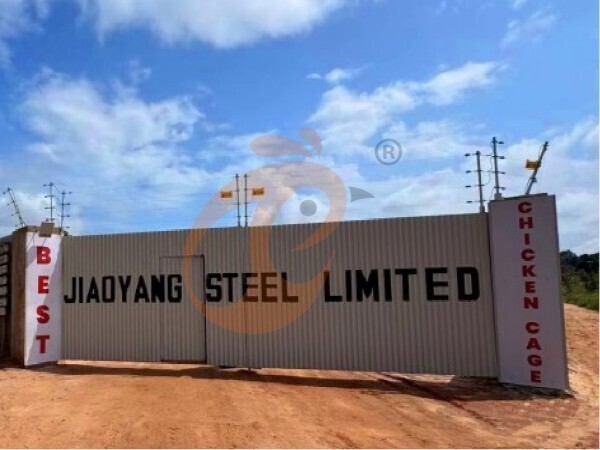
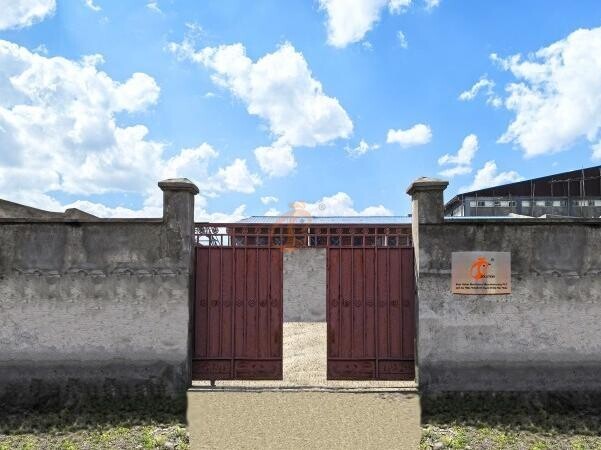
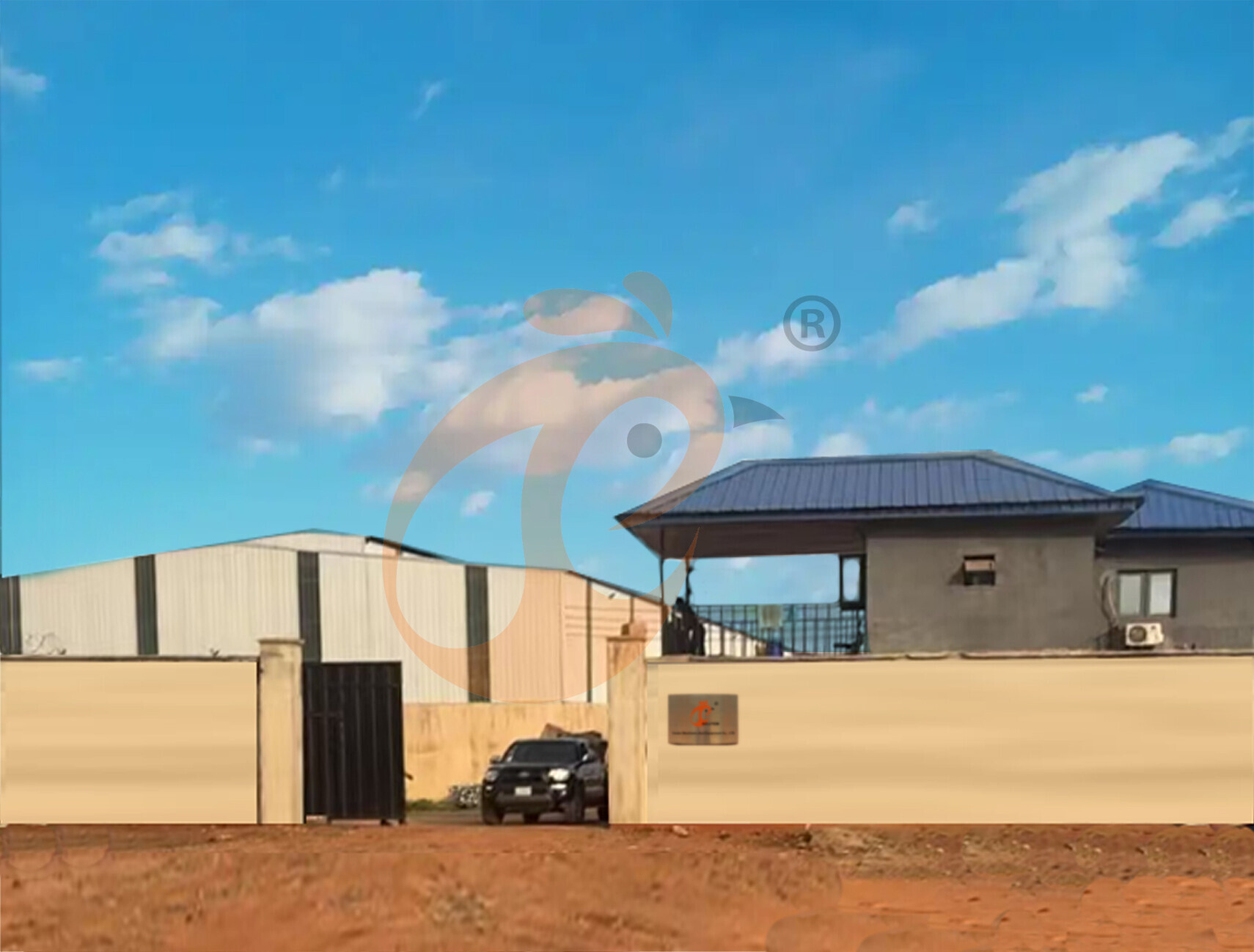
Nigeria Vanke Machinery And Equipment CO., LTD
Tanzania Best Machinery And Equipment CO., LTD
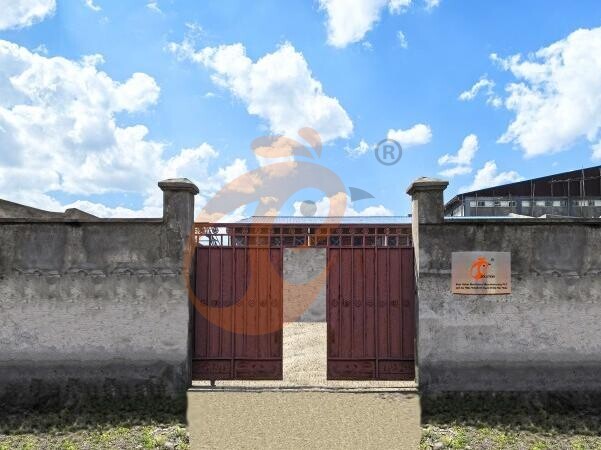
Ethiopia Best Hebei Machinery Manufacturing PLC
Reception /24 WhatsApp NO. : +8618830120193
FAQ
What Are The Water Filtration Requirements For Plasson Poultry Equipment?
Suspended solid concentration is controlled below 40 mg per liter for system stability.
Backwash flow rate reaches 1.5–2.0 m³ per hour for effective filter regeneration.
What Are The Pipeline Dimension Standards In Plasson Poultry Equipment?
Branch lines operate with 16–20 mm diameter for balanced pressure across drinking points.
Maximum pipeline length per zone reaches 80–120 meters without pressure loss impact.
What Are The Bird Age Adaptation Settings In Plasson Poultry Equipment
Water flow sensitivity is adjusted to 60–100 ml per minute for different age groups.
Bird access spacing is optimized at 8–15 birds per nipple depending on growth phase.
Message
Products recommended
 HK Headquarter Offers EU-standard Poultry Farm Solutions, Manufacture Poultry Farm Equipment1. Continuous communication with the EU and the US
2. China, Nigeria, Ethiopia, Tanzania branch companies and factories
3. The products’ quality is customized for local poultry farms
4. Poultry cage and poultry farm equipment stock for sale
5. 24 online reception Whatsapp NO. : +8618830120193,contact us to get full informationRead More China Branch Offer Poultry Farm Business Plan, Manufacture Poultry Farm Equipment1. Address: Flat/RM 2416, 24/F, Runxing Building, Youyi Nan Street, Shijiazhuang City, Hebei Province, China
2. Poultry cage and poultry farm equipment factory and stock for sale
3. Customized for local poultry farms
4. Quality and design are based on Euro
5. 24 online reception Whatsapp NO. : +8618830120193Read More Nigeria Branch Offer Poultry Farm Business Plan, Manufacture Poultry Farm Equipment1. Address: After Sinoma Office, 200 Meters Near Danco Filling Station, Lagos/Ibadan Expressway, Lagos State, Nigeria
2. Poultry cage and poultry farm equipment factory and stock for sale
3. Customized for Nigerian poultry farms
4. Quality and design are based on Euro
5. 24 online reception Whatsapp NO. : +8618830120193Read More Ethiopia Branch Offer Poultry Farm Business Plan, Manufacture Poultry Farm Equipment1. Address: Gelan Gura, Akaki-kaliti Sub City, Addis Ababa, Ethiopia
2. Poultry cage and poultry farm equipment stock for sale
3. Customized for Ethiopian poultry farms
4. Quality and design are based on Euro
5. 24 online reception Whatsapp NO. : +8618830120193, contact us to get price listRead More Tanzania Branch Offer Poultry Farm Business Plan, Manufacture Poultry Farm Equipment1. Address: No.8, Sova Road, Msufini, Mlandizi, Kibaha, Pwani, Tanzania
2. Poultry cage and poultry farm equipment factory and stock for sale
3. Customized for Tanzanian poultry farms
4. Quality and design are based on Euro
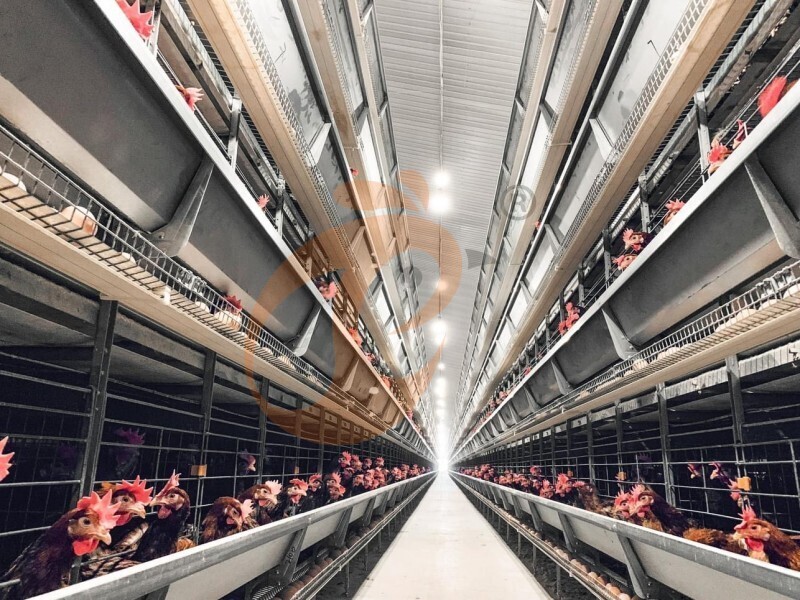
5. 24 online reception Whatsapp NO. : +8618830120193Read More Fully Automatic H Type Layer Chicken Cage1. 30,000-100,000+ layers/house chooses it, Poultry farmers can achieve an egg production rate of 96-98%
2. A significant improvement over the 85-90% typically seen in manual systems
3. A typical poultry farm can expect a 30-40% reduction in labor costs due to the automation
4. Each feeding line efficiently supplies feed to around 100,000 hens per 30 mins
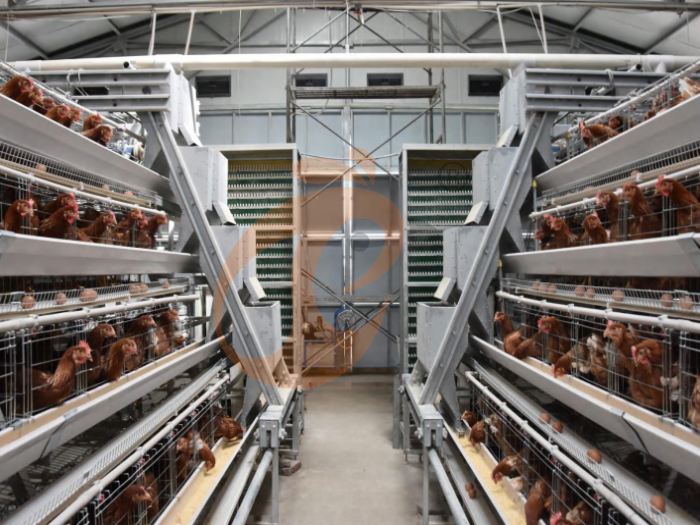
5. Reception /WhatsApp NO. : +8618830120193Read More Fully Automatic A Type Layer Chicken Cage1. 10,000-50,000 layers/house chooses it
2. Cleaner egg collection reduces breakage by 0.5%
3. Improved hygiene helps reduce mortality rate to <3%
4. 1–2 technicians can handle 15,000–30,000 birds
5. Reception /WhatsApp NO. : +8618830120193Read More Semi Automatic H Type Layer Chicken Cage1. 1,00-20,000 layers/house chooses it
2. Nipple drinkers flow 30–60 ML / min
3. Hot-dip galvanized (typical coating ≥ 275 g/m²)
4. Reduce ammonia by ~ 35–40%
5. Reception /WhatsApp NO. : +8618830120193Read More Semi Automatic A Type Layer Chicken Cage1. 1,00-20,000 layers/house chooses it, no rust for 10 years, no deformation for 15 years
2. Chickens live comfortably, you can raise them with peace of mind
3. Save water, save money—efficiency you can measure
4. Improve environment quality, and increase egg production rate
5. Reception /WhatsApp NO. : +8618830120193Read More

By clicking 'Allow All', you agree to the storage of cookies on your device to enhance site navigation, analyze site usage and assist with our marketing efforts.