


Blog
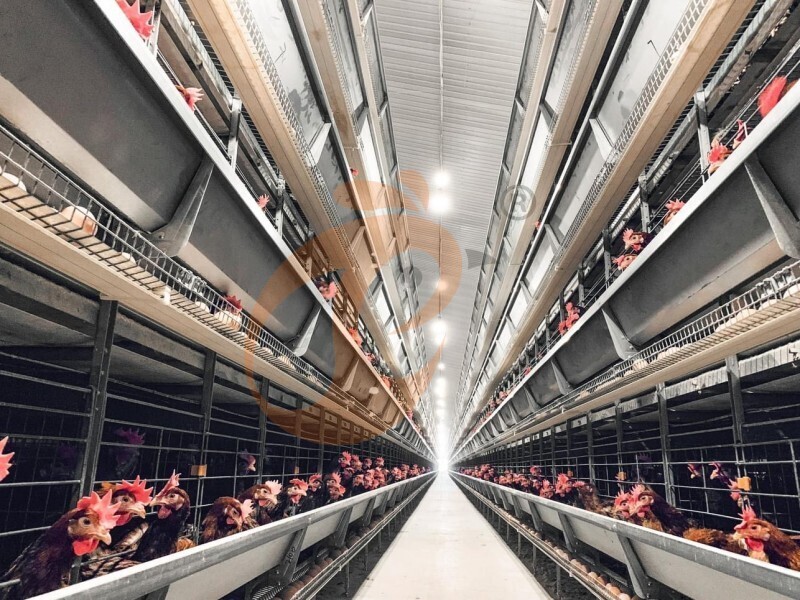
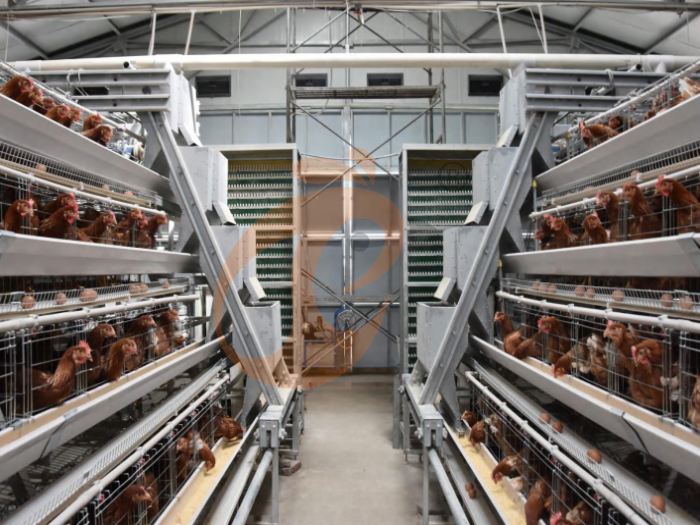
A-type chicken cage system Ethiopia requires welfare focused management for sustainable productivity and reduced mortality risks
Climate control, density, and nutrition directly influence egg yield and flock stability
Water quality and lighting systems determine long term physiological performance in hens
Biosecurity and manure handling reduce disease pressure and environmental stress factors
Get professional poultry farm construction guidance, equipment selection solutions, and the latest price lists, whatsApp to +8618830120193, click to learn more.

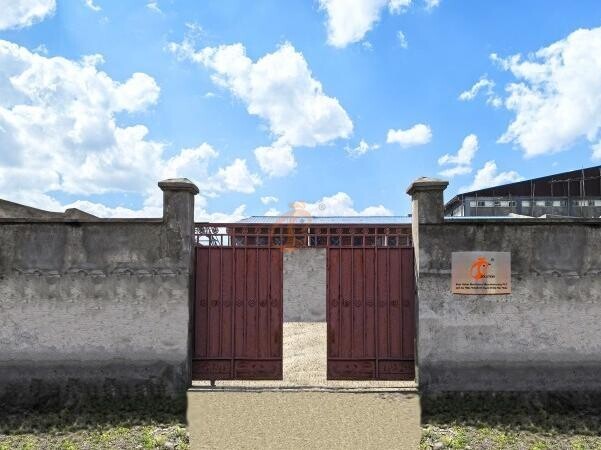
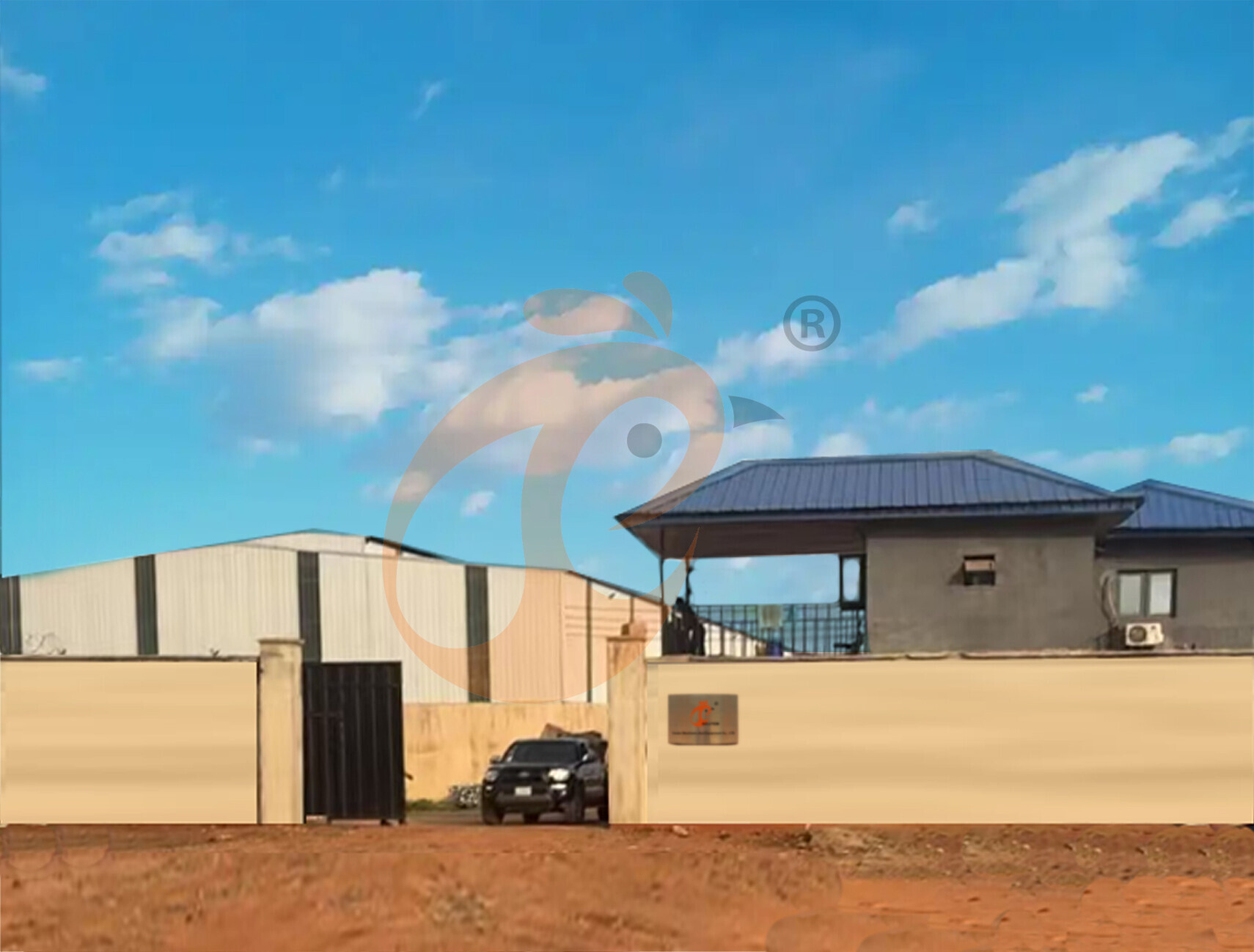
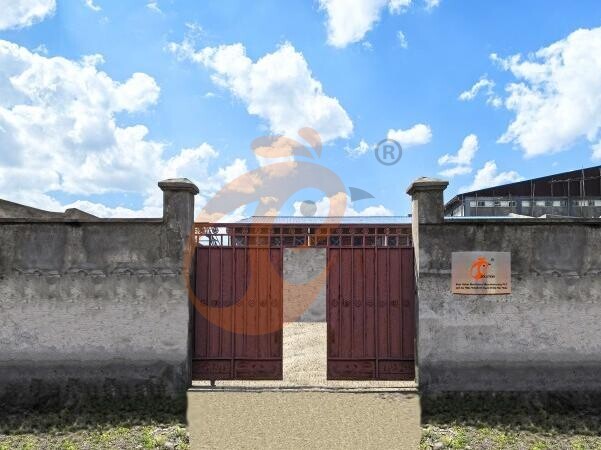
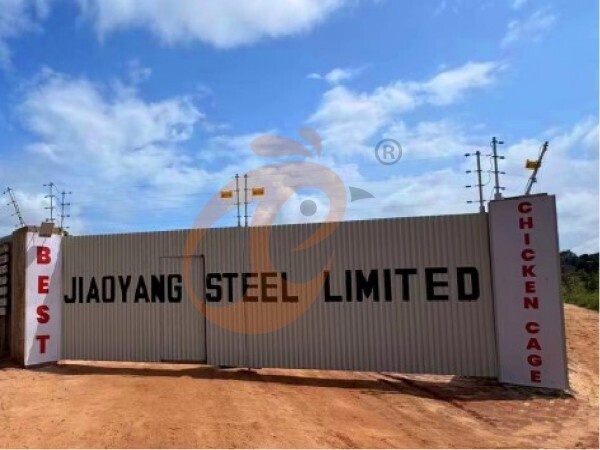
Ethiopia Branch Office And Factory Of Poultry Farm Equipment
Precision Ventilation And Micro Climate Control
In Ethiopia, climate variation between highlands and lowlands creates operational challenges for poultry farms.
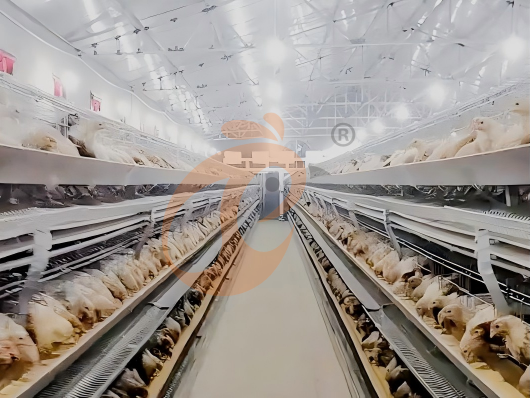
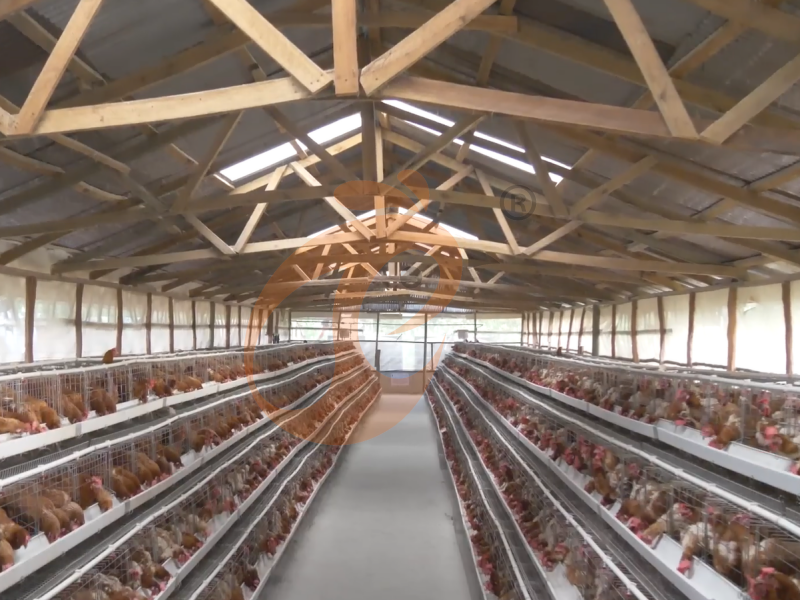
A-type chicken cage systems often produce uneven airflow, affecting bird comfort and productivity.
Proper ventilation improves oxygen levels and reduces ammonia accumulation, directly impacting egg production efficiency measured in Ethiopian Birr (ETB) (European union standard reference only).
Data is for reference only.Swipe horizontally to view full table.
Optimized Stocking Density And Spatial Allocation
Overcrowding reduces welfare and increases injury risks in chicken cage systems.
Farmers aiming to maximize Ethiopian Birr returns (European union standard reference only) often exceed optimal stocking density, negatively affecting productivity.
Providing adequate feeder access and cage space improves both welfare and economic outcomes.
Data is for reference only.Swipe horizontally to view full table.
Water Quality And Hydration Reliability
Water quality is a limiting factor in many Ethiopian poultry farms using chicken cage systems.
Unstable water supply increases production losses measured in Ethiopian Birr (European union standard reference only).
Proper filtration and temperature control ensure consistent hydration and feed conversion efficiency.
Data is for reference only.Swipe horizontally to view full table.
Nutritional Precision And Local Ingredient Integration
Feed quality determines skeletal health and egg production in A-type layer farming Ethiopia environments.
Low cost feed strategies may reduce immediate Ethiopian Birr expenses (European union standard reference only), but increase long term welfare issues such as cage layer fatigue.
Balanced nutrition using local calcium sources improves bone strength and laying consistency.
Data is for reference only.Swipe horizontally to view full table.
Strategic Lighting And Circadian Rhythm Management
Lighting programs directly influence laying cycles and stress levels in poultry cage management Ethiopia systems.
Improper lighting reduces productivity and increases mortality, leading to Ethiopian Birr losses (European union standard reference only).
Gradual lighting transitions support natural behavior and reduce panic related injuries.
Data is for reference only.Swipe horizontally to view full table.
Proactive Biosecurity And Disease Management
Disease outbreaks remain a critical risk in Ethiopia poultry production systems.
Chicken cage environments require strict biosecurity to prevent rapid disease spread.
Vaccination programs and controlled farm access reduce mortality and protect Ethiopian Birr investment (European union standard reference only).
Data is for reference only.Swipe horizontally to view full table.
Manure Management And Ammonia Mitigation
Manure accumulation increases ammonia concentration and reduces air quality in chicken cage systems.
Poor waste management leads to productivity losses measured in Ethiopian Birr (European union standard reference only).
Drying and frequent removal practices improve environmental conditions and bird welfare.
Data is for reference only.Swipe horizontally to view full table.
Integrated Welfare Efficiency Strategy For Ethiopian Farms
Improving welfare is not a cost center, but a yield optimization model in Ethiopian poultry systems.
Farmers should align operational decisions with measurable outcomes rather than short term savings.
Key execution priorities include
- Stabilize environment first ventilation and water systems determine over 60% of performance variability
- Control input consistency feed and lighting must follow fixed daily schedules without fluctuation
- Reduce hidden losses mortality, cracked eggs, and feed waste silently reduce Ethiopian Birr profitability (European union standard reference only)
A structured management approach can increase laying rate by 8–12% under Ethiopian conditions.
The Human Factor Training Local Handlers
Worker training determines operational consistency in poultry cage management Ethiopia farms.
Handlers must understand bird behavior and apply low stress handling techniques.
Improved human interaction enhances productivity and reduces mortality risks.
Frequently Asked Questions
Q1: Is A-type chicken cage system suitable for Ethiopia conditions?
A1: Yes, it is suitable when adapted for altitude, temperature variation, and ventilation control specific to Ethiopian regions.
Q2: What is the biggest welfare challenge in Ethiopian poultry farms?
A2; Water quality and ventilation are major challenges due to inconsistent infrastructure and climate variability.
Q3: How can farmers reduce costs while improving welfare?
A3: Using local feed materials, improving management practices, and optimizing stocking density can increase efficiency without large capital investment.
Ethiopia Best Hebei Machinery Manufacturing Plc - One Of Ethiopia Largest Chicken Cage Supplier
Global factory direct supply ensures cost efficiency and stable delivery timelines for poultry farm equipment
Specialized in poultry cage systems designed for African climate adaptability and long service life
Provides complete turn key engineering solutions including installation training and farm layout design
Strong experience in exporting poultry equipment with technical support and after sales service systems
Integrated manufacturing ensures quality control across all production stages and supply chain management
Contact Us To Received Your Customized Poultry Farm Plan
Headquarters And Branchs

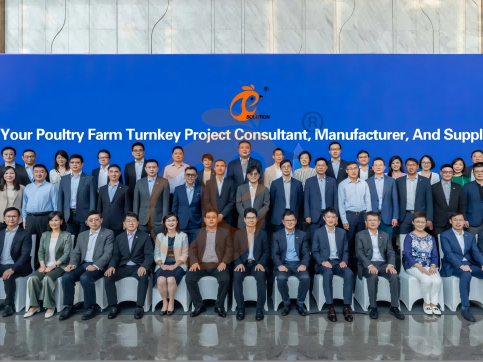
Hong Kong Headquarter Management Team
Hong Kong Headquarter Taiyu Industrial Group CO., LTD
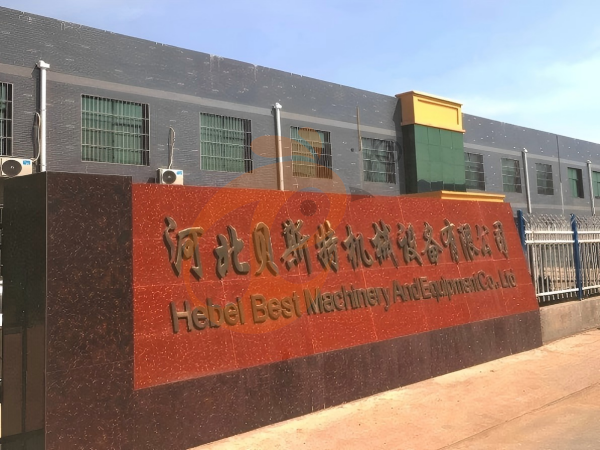
China Hebei Best Machinery And Equipment CO., LTD
Nigeria Vanke Machinery And Equipment CO., LTD
Tanzania Best Machinery And Equipment CO., LTD
Ethiopia Best Hebei Machinery Manufacturing PLC
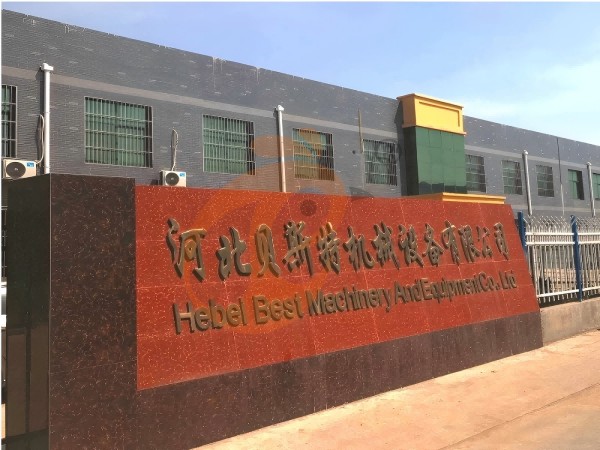
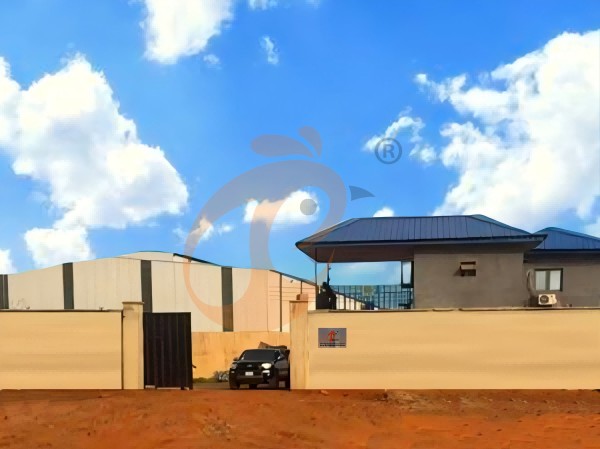
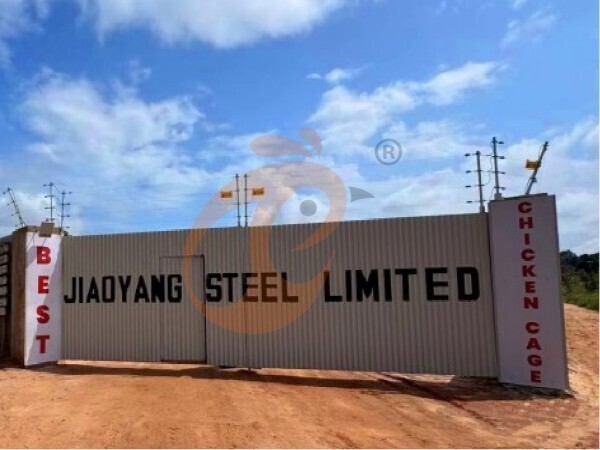
Reception /24 WhatsApp NO. : +8618830120193
FAQ
How To Reduce Pecking And Aggression In A-Type Chicken Cage Layers?
Even lighting and good ventilation
Provide supplemental feed and water
Mortality rate: 2–3%
Egg production rate: 90–96%
What Are The Recommended Aisle Widths In A-Type Chicken Cage Houses?
Facilitates manual operation and equipment access
Farm capacity per house: 10,000–50,000 birds
Egg production rate: 90–96%
How To Ensure Proper Airflow In A-Type Layer Cage Farm?
Roof vents and air ducts designed properly
Reduce heat stress and humidity
Egg production rate: 90–96%
FCR: 1.9–2.2
Message
Products recommended
 HK Headquarter Offers EU-standard Poultry Farm Solutions, Manufacture Poultry Farm Equipment1. Continuous communication with the EU and the US
2. China, Nigeria, Ethiopia, Tanzania branch companies and factories
3. The products’ quality is customized for local poultry farms
4. Poultry cage and poultry farm equipment stock for sale
5. 24 online reception Whatsapp NO. : +8618830120193,contact us to get full informationRead More China Branch Offer Poultry Farm Business Plan, Manufacture Poultry Farm Equipment1. Address: Flat/RM 2416, 24/F, Runxing Building, Youyi Nan Street, Shijiazhuang City, Hebei Province, China
2. Poultry cage and poultry farm equipment factory and stock for sale
3. Customized for local poultry farms
4. Quality and design are based on Euro
5. 24 online reception Whatsapp NO. : +8618830120193Read More Nigeria Branch Offer Poultry Farm Business Plan, Manufacture Poultry Farm Equipment1. Address: After Sinoma Office, 200 Meters Near Danco Filling Station, Lagos/Ibadan Expressway, Lagos State, Nigeria
2. Poultry cage and poultry farm equipment factory and stock for sale
3. Customized for Nigerian poultry farms
4. Quality and design are based on Euro
5. 24 online reception Whatsapp NO. : +8618830120193Read More Ethiopia Branch Offer Poultry Farm Business Plan, Manufacture Poultry Farm Equipment1. Address: Gelan Gura, Akaki-kaliti Sub City, Addis Ababa, Ethiopia
2. Poultry cage and poultry farm equipment stock for sale
3. Customized for Ethiopian poultry farms
4. Quality and design are based on Euro
5. 24 online reception Whatsapp NO. : +8618830120193, contact us to get price listRead More Tanzania Branch Offer Poultry Farm Business Plan, Manufacture Poultry Farm Equipment1. Address: No.8, Sova Road, Msufini, Mlandizi, Kibaha, Pwani, Tanzania
2. Poultry cage and poultry farm equipment factory and stock for sale
3. Customized for Tanzanian poultry farms
4. Quality and design are based on Euro
5. 24 online reception Whatsapp NO. : +8618830120193Read More Fully Automatic H Type Layer Chicken Cage1. 30,000-100,000+ layers/house chooses it, Poultry farmers can achieve an egg production rate of 96-98%
2. A significant improvement over the 85-90% typically seen in manual systems
3. A typical poultry farm can expect a 30-40% reduction in labor costs due to the automation
4. Each feeding line efficiently supplies feed to around 100,000 hens per 30 mins
5. Reception /WhatsApp NO. : +8618830120193Read More Fully Automatic A Type Layer Chicken Cage1. 10,000-50,000 layers/house chooses it
2. Cleaner egg collection reduces breakage by 0.5%
3. Improved hygiene helps reduce mortality rate to <3%
4. 1–2 technicians can handle 15,000–30,000 birds
5. Reception /WhatsApp NO. : +8618830120193Read More Semi Automatic H Type Layer Chicken Cage1. 1,00-20,000 layers/house chooses it
2. Nipple drinkers flow 30–60 ML / min
3. Hot-dip galvanized (typical coating ≥ 275 g/m²)
4. Reduce ammonia by ~ 35–40%
5. Reception /WhatsApp NO. : +8618830120193Read More Semi Automatic A Type Layer Chicken Cage1. 1,00-20,000 layers/house chooses it, no rust for 10 years, no deformation for 15 years
2. Chickens live comfortably, you can raise them with peace of mind
3. Save water, save money—efficiency you can measure
4. Improve environment quality, and increase egg production rate
5. Reception /WhatsApp NO. : +8618830120193Read More
By clicking 'Allow All', you agree to the storage of cookies on your device to enhance site navigation, analyze site usage and assist with our marketing efforts.