


Blog
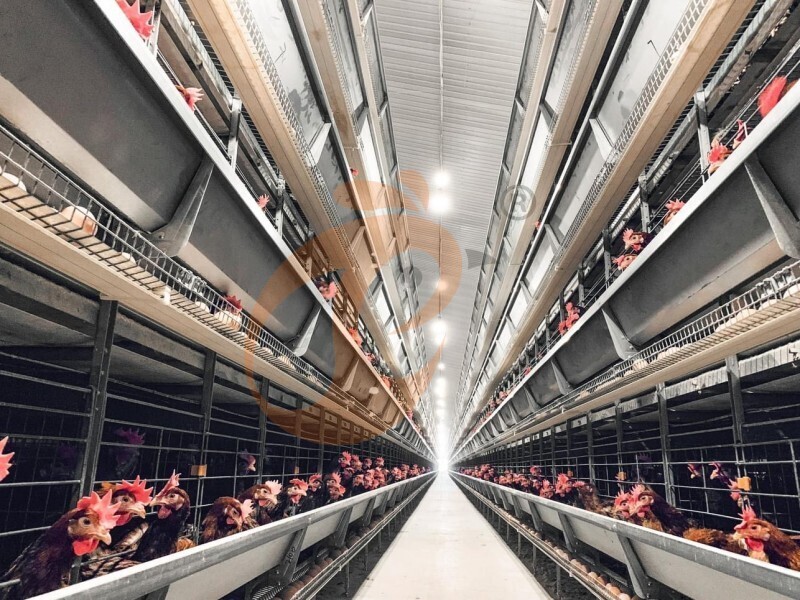
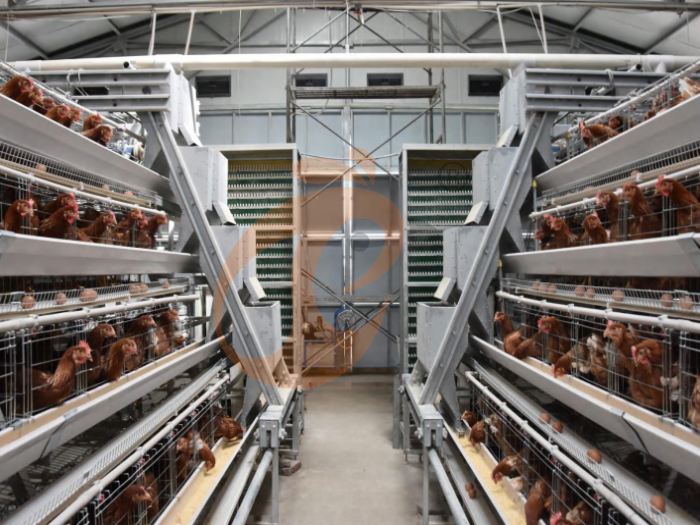
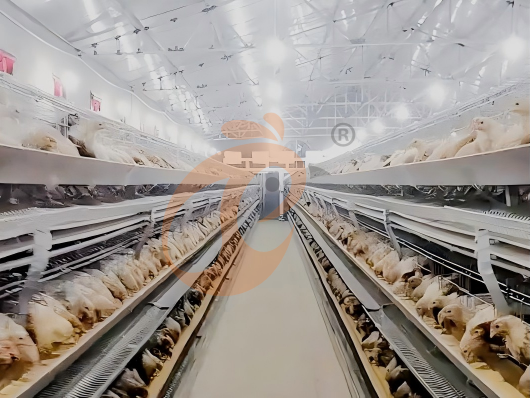
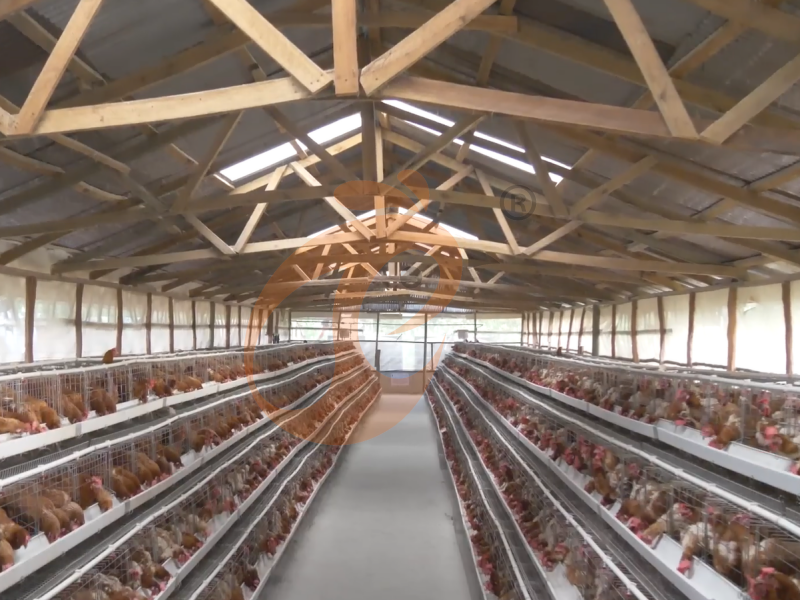
A type chicken cage watering system ensures consistent hydration and operational efficiency.
Four reliable watering options are analyzed for Ethiopian poultry conditions and farm scales.
Key factors include water quality, pressure balance, and climate adaptability across regions.
Economic impact is evaluated in Ethiopian Birr to reflect real farm costs and savings.
Get professional poultry farm construction guidance, equipment selection solutions, and the latest price lists, whatsApp to +8618830120193, click to learn more.

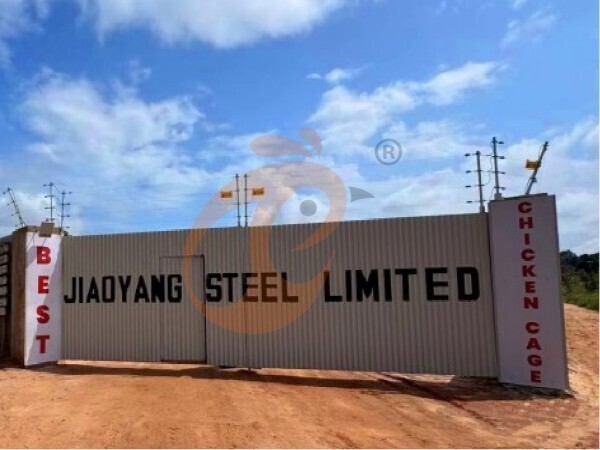
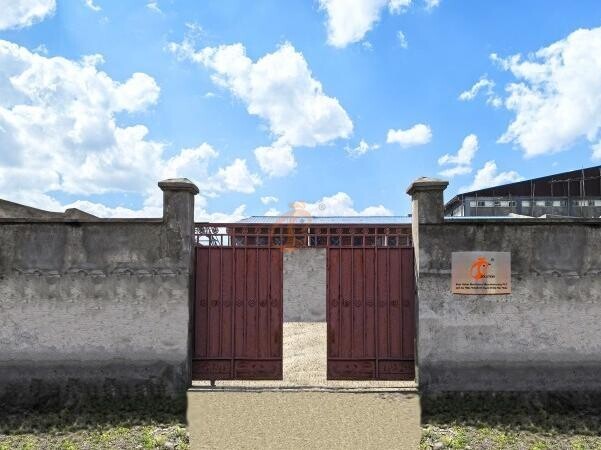
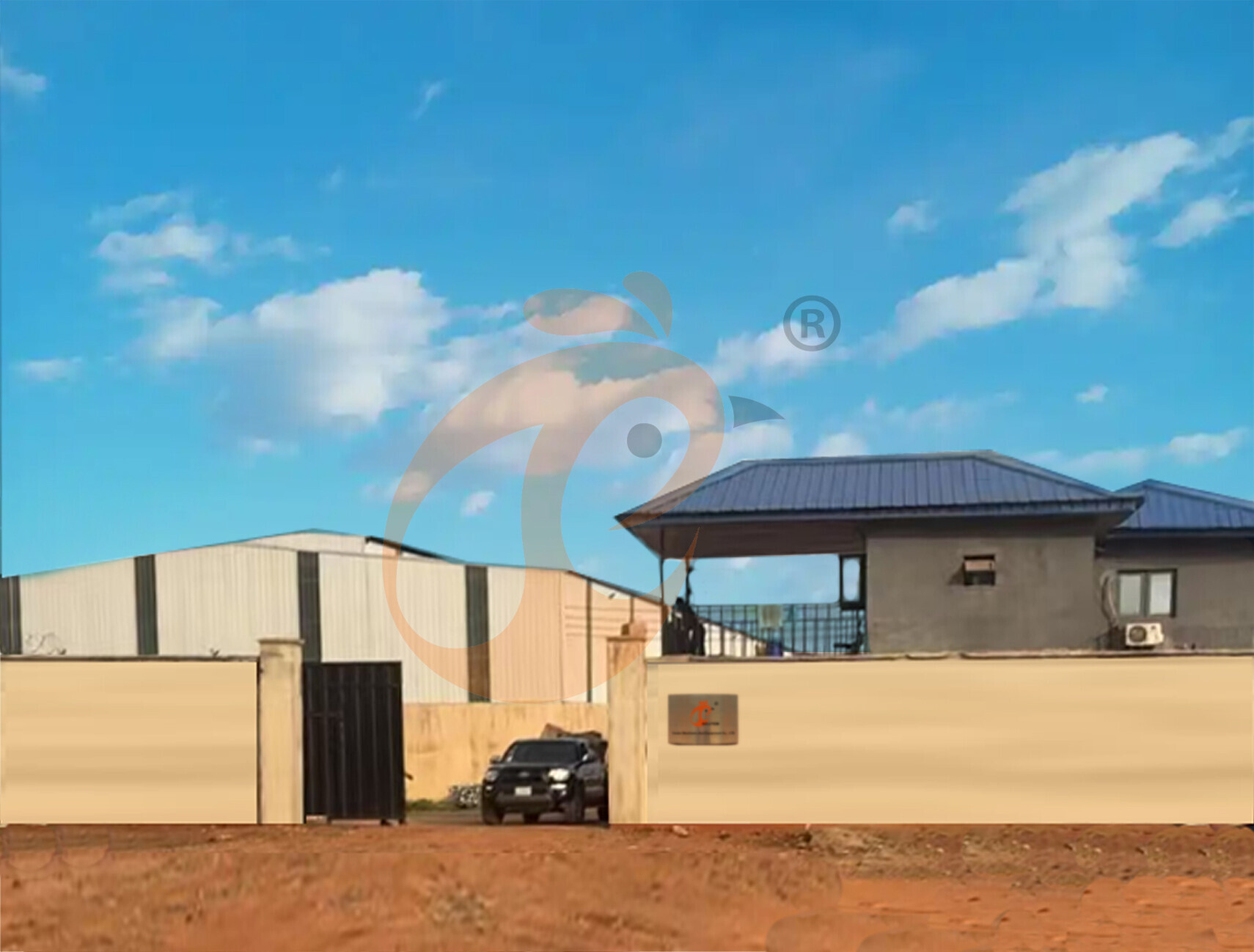
Ethiopia Branch Office And Factory Of Poultry Farm Equipment
The Critical Role Of Hydration In Ethiopia's Climate
Before diving into specific systems, one must understand the unique physiological demands placed on poultry in Ethiopia.
Whether farming in highlands or lowlands, ambient temperature directly affects water to feed ratios.
Popular breeds require precise hydration to maintain eggshell strength and internal cooling.
When temperatures rise, water intake can double or triple, increasing system demand.
Manual watering increases labor costs in Ethiopian Birr and risks contamination (European union standard reference only).
Data is for reference only.Swipe horizontally to view full table.
Option One Stainless Steel Nipple Drinking System
The automatic nipple drinking system is the preferred solution for modern farms.
Water is released only when birds peck the trigger, reducing waste and contamination.
Closed pipelines prevent dust and bacteria entry, improving biosecurity conditions.
This system significantly reduces water losses, saving operational costs in Ethiopian Birr (European union standard reference only).
Data is for reference only.Swipe horizontally to view full table.
Addressing The Pressure Imbalance In Multi Tier Cages
Vertical cage systems create uneven water pressure across tiers.
Lower tiers receive higher pressure, leading to leakage.
Upper tiers may suffer from insufficient water supply.
Pressure regulators installed at each level ensure consistent distribution.
This improves flock uniformity and reduces water waste costs in Ethiopian Birr (European union standard reference only).
Data is for reference only.Swipe horizontally to view full table.
Option Two V Shaped Water Trough System
This system is widely used in smaller farms due to its simplicity.
It is suitable for areas with mineral-rich water that may clog automated systems.
Farmers can easily monitor and clean water channels manually.
However, evaporation and contamination can increase water usage costs in Ethiopian Birr (European union standard reference only).
Data is for reference only.Swipe horizontally to view full table.
Option Three Bell Drinkers For Open Sided Housing
Bell drinkers are commonly used in naturally ventilated poultry houses.
They operate effectively with gravity-fed water systems.
This makes them reliable during power interruptions in rural areas.
They also provide a practical backup system for maintaining water supply continuity.
Data is for reference only.Swipe horizontally to view full table.
Option Four Solar Powered Smart Watering Solutions
Solar powered systems are increasingly used in Ethiopia due to abundant sunlight.
They combine solar panels, pumps, and storage tanks for continuous supply.
This reduces dependence on unstable electrical grids.
It also lowers long term energy costs in Ethiopian Birr (European union standard reference only).
Data is for reference only.Swipe horizontally to view full table.
Managing Water Quality The Ethiopian Challenge
Water quality varies significantly across Ethiopian regions.
High mineral content and sediment can affect poultry health and equipment lifespan.
Installing filtration systems ensures clean and safe water delivery.
Proper filtration reduces maintenance costs and improves productivity in Ethiopian Birr (European standard reference only).
Data is for reference only.Swipe horizontally to view full table.
Biosecurity And Disease Control Via Water
Water systems play a critical role in disease transmission.
Closed systems reduce contamination risks significantly.
They also allow precise delivery of medication and supplements.
Improved biosecurity reduces treatment expenses in Ethiopian Birr (European standard reference only).
Economic Impact Saving Birr Through Efficiency
Efficient watering systems directly improve farm profitability.
Water wastage increases operational expenses significantly.
Automated systems reduce losses and improve manure quality.
Dry manure can be sold, generating additional income in Ethiopian Birr (European union standard reference only).
Frequently Asked Questions
Q1: Is an A type chicken cage watering system suitable for Ethiopian climate conditions
A1: Yes, it is suitable for both highland and lowland regions.
Proper system selection ensures consistent water supply despite temperature fluctuations.
Solar powered support improves reliability in areas with unstable electricity.
Q2: Which watering system works best in rural Ethiopian farms with poor water quality
A2: V-shaped trough systems are more tolerant to sediment and minerals.
Adding simple filtration can further improve water safety and system longevity.
Q3: How can Ethiopian farmers reduce water costs in chicken cage systems
A3: Using nipple drinkers minimizes water wastage and contamination.
Pressure regulators and solar systems reduce operational expenses and improve efficiency.
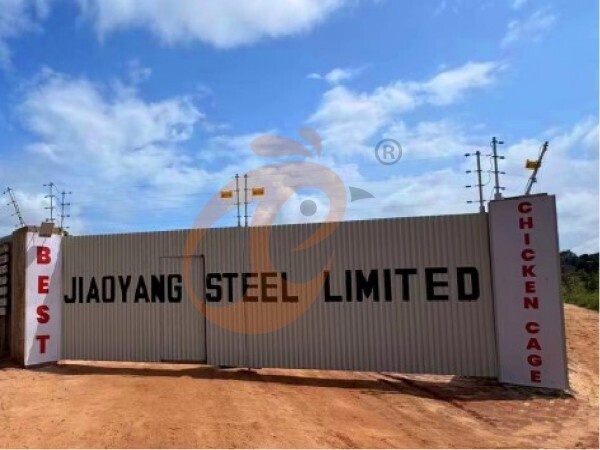
Ethiopia Best Hebei Machinery Manufacturing Plc - One Of Ethiopia Largest Chicken Cage Supplier
- Global factory direct sales ensure cost control and stable supply chain reliability worldwide.
- Specialized in poultry farm equipment including advanced poultry cage systems and automation solutions.
- Provides complete turn key project services from design to installation and training support.
- Strong production capacity ensures fast delivery and consistent quality for international poultry farms.
Technical team offers customized solutions tailored to Ethiopian poultry farming conditions and requirements.
Contact Us To Received Your Customized Poultry Farm Plan
Headquarters And Branchs
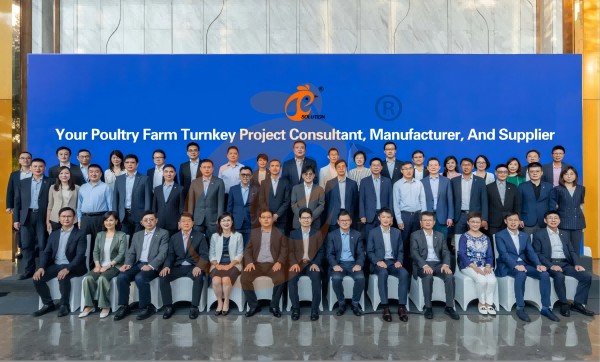
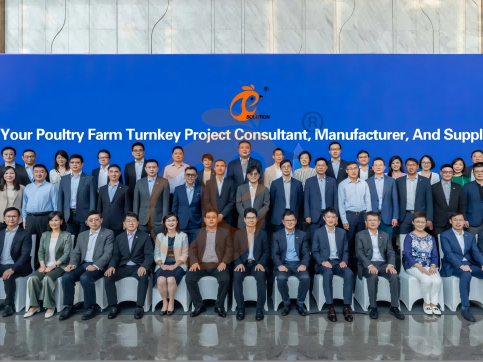
Hong Kong Headquarter Management Team
Hong Kong Headquarter Taiyu Industrial Group CO., LTD
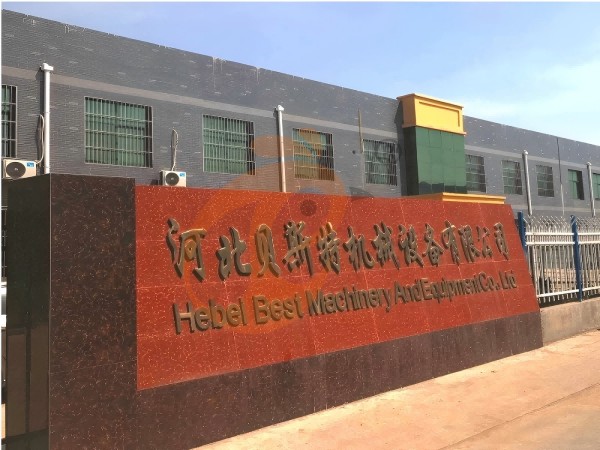
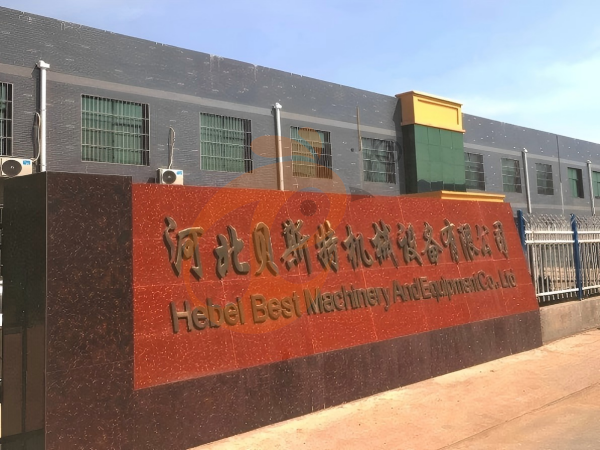
China Hebei Best Machinery And Equipment CO., LTD
Nigeria Vanke Machinery And Equipment CO., LTD
Tanzania Best Machinery And Equipment CO., LTD
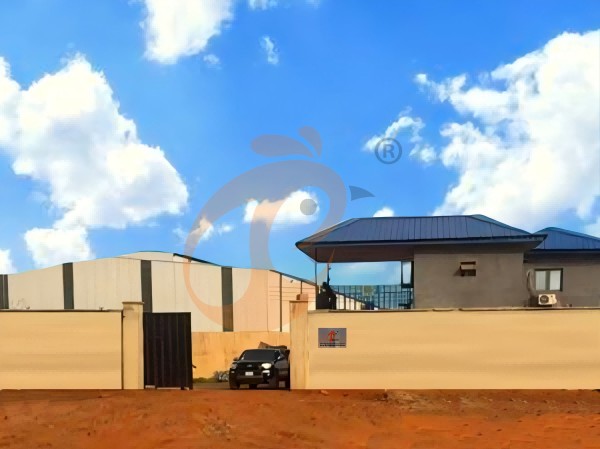
Ethiopia Best Hebei Machinery Manufacturing PLC
Reception /24 WhatsApp NO. : +8618830120193
FAQ
What Are The Recommended Tier Numbers For A-Type Chicken Cage Houses?
Birds per set: 120-200
Farm capacity per house: 10,000–50,000 birds
Egg production rate: 90–96%
FCR: 1.9–2.2
How To Maintain Optimal Temperature In A-Type Layer Cage Farm?
Use fans or heating systems
Egg production rate: 90–96%
FCR: 1.9–2.2
Mortality rate: 2–3%
How To Optimize Labor Efficiency In A-Type Poultry Cage Farms?
One worker manages 5,000–10,000 birds
Labor savings: 50–70%
Egg production rate: 90–96%
FCR: 1.9–2.2
Message
Products recommended
 HK Headquarter Offers EU-standard Poultry Farm Solutions, Manufacture Poultry Farm Equipment1. Continuous communication with the EU and the US
2. China, Nigeria, Ethiopia, Tanzania branch companies and factories
3. The products’ quality is customized for local poultry farms
4. Poultry cage and poultry farm equipment stock for sale
5. 24 online reception Whatsapp NO. : +8618830120193,contact us to get full informationRead More China Branch Offer Poultry Farm Business Plan, Manufacture Poultry Farm Equipment1. Address: Flat/RM 2416, 24/F, Runxing Building, Youyi Nan Street, Shijiazhuang City, Hebei Province, China
2. Poultry cage and poultry farm equipment factory and stock for sale
3. Customized for local poultry farms
4. Quality and design are based on Euro
5. 24 online reception Whatsapp NO. : +8618830120193Read More Nigeria Branch Offer Poultry Farm Business Plan, Manufacture Poultry Farm Equipment1. Address: After Sinoma Office, 200 Meters Near Danco Filling Station, Lagos/Ibadan Expressway, Lagos State, Nigeria
2. Poultry cage and poultry farm equipment factory and stock for sale
3. Customized for Nigerian poultry farms
4. Quality and design are based on Euro
5. 24 online reception Whatsapp NO. : +8618830120193Read More Ethiopia Branch Offer Poultry Farm Business Plan, Manufacture Poultry Farm Equipment1. Address: Gelan Gura, Akaki-kaliti Sub City, Addis Ababa, Ethiopia
2. Poultry cage and poultry farm equipment stock for sale
3. Customized for Ethiopian poultry farms
4. Quality and design are based on Euro
5. 24 online reception Whatsapp NO. : +8618830120193, contact us to get price listRead More Tanzania Branch Offer Poultry Farm Business Plan, Manufacture Poultry Farm Equipment1. Address: No.8, Sova Road, Msufini, Mlandizi, Kibaha, Pwani, Tanzania
2. Poultry cage and poultry farm equipment factory and stock for sale
3. Customized for Tanzanian poultry farms
4. Quality and design are based on Euro
5. 24 online reception Whatsapp NO. : +8618830120193Read More Fully Automatic H Type Layer Chicken Cage1. 30,000-100,000+ layers/house chooses it, Poultry farmers can achieve an egg production rate of 96-98%
2. A significant improvement over the 85-90% typically seen in manual systems
3. A typical poultry farm can expect a 30-40% reduction in labor costs due to the automation
4. Each feeding line efficiently supplies feed to around 100,000 hens per 30 mins
5. Reception /WhatsApp NO. : +8618830120193Read More Fully Automatic A Type Layer Chicken Cage1. 10,000-50,000 layers/house chooses it
2. Cleaner egg collection reduces breakage by 0.5%
3. Improved hygiene helps reduce mortality rate to <3%
4. 1–2 technicians can handle 15,000–30,000 birds
5. Reception /WhatsApp NO. : +8618830120193Read More Semi Automatic H Type Layer Chicken Cage1. 1,00-20,000 layers/house chooses it
2. Nipple drinkers flow 30–60 ML / min
3. Hot-dip galvanized (typical coating ≥ 275 g/m²)
4. Reduce ammonia by ~ 35–40%
5. Reception /WhatsApp NO. : +8618830120193Read More Semi Automatic A Type Layer Chicken Cage1. 1,00-20,000 layers/house chooses it, no rust for 10 years, no deformation for 15 years
2. Chickens live comfortably, you can raise them with peace of mind
3. Save water, save money—efficiency you can measure
4. Improve environment quality, and increase egg production rate
5. Reception /WhatsApp NO. : +8618830120193Read More
By clicking 'Allow All', you agree to the storage of cookies on your device to enhance site navigation, analyze site usage and assist with our marketing efforts.