


Blog
Deep litter poultry equipment list provides structured poultry house engineering solutions for commercial broiler production optimization.
Deep litter poultry system integration improves manure decomposition efficiency and environmental control stability.
Modern poultry equipment selection determines flock performance, feed conversion efficiency, and mortality rate control.
Environmental parameters inside poultry houses require stable airflow, humidity regulation, and thermal balance.
Equipment configuration affects ammonia concentration, microbial activity, and long term production cost efficiency.
SEO terms used deep litter poultry equipment, poultry farm equipment list, poultry house ventilation system
Get professional poultry farm construction guidance, equipment selection solutions, and the latest price lists, whatsApp to +8618830120193, +2348111199996, or click to learn more.
Introduction
Deep litter poultry equipment list defines integrated engineering structure for commercial poultry housing systems.
System design includes feeding automation, drinking control, ventilation engineering, litter management, and thermal regulation equipment.
Operational parameters require controlled ammonia under 20 ppm, humidity 20–30 percent, and temperature stability 28–34°C.
Production efficiency depends on equipment synchronization across feeding, watering, airflow, and biosecurity systems.
This document presents structured equipment specifications for industrial poultry farm design and optimization.
Poultry Feeding Equipment System
Feeders determine feed distribution efficiency and production cost per kilogram of meat output.
Data is for reference only.Swipe horizontally to view full table.
Feed distribution height adjustment remains 5–10 cm above litter surface.
Feed conversion ratio ranges between 1.55 and 1.75 under optimized system conditions.
Poultry Drinking Equipment System
Water system design directly affects litter humidity control and microbial balance stability.
Data is for reference only.Swipe horizontally to view full table.
Water intake per bird ranges from 180 to 250 ml per day.
Nipple drinking system reduces litter moisture fluctuation significantly in commercial houses.
Poultry Ventilation System Engineering
Ventilation system controls ammonia concentration, carbon dioxide levels, and oxygen exchange rate.
Data is for reference only.Swipe horizontally to view full table.
Ammonia concentration must remain below 20 ppm for optimal poultry growth performance.
Litter Management Mechanical Tools
Litter aeration maintains microbial decomposition and prevents anaerobic fermentation inside poultry houses.
Data is for reference only.Swipe horizontally to view full table.
Litter depth control range remains between 8 cm and 25 cm depending on flock age stage.
Poultry Disinfection Equipment System
Biosecurity equipment reduces microbial load and stabilizes disease prevention efficiency in poultry farms.
Data is for reference only.Swipe horizontally to view full table.
Microbial reduction efficiency reaches 99.5 percent under correct application procedures.
Poultry Thermal Control Equipment System
Temperature regulation equipment ensures stable brooding environment and metabolic efficiency control.
Data is for reference only.Swipe horizontally to view full table.
Brooding temperature requirement remains 32–34°c during first seven days.
Poultry Pest Control Engineering System
Pest control systems prevent disease transmission and protect feed hygiene stability.
Data is for reference only.Swipe horizontally to view full table.
Integrated pest control reduces flock infection exposure risk by 70–80 percent.
Poultry System Engineering Mechanism Explanation
Deep litter poultry equipment list operation depends on carbon nitrogen ratio stability between 20:1 and 30:1.
Moisture level exceeding 35 percent generates anaerobic bacterial activity and ammonia production increase.
Moisture level below 18 percent reduces microbial decomposition efficiency and slows organic breakdown rate.
Ventilation airflow range between 4 and 15 M³/H/M² maintains oxygen saturation in litter layers.
System equilibrium ensures stable biological conversion of manure into compost structure inside poultry housing.
Integrated System Performance Table
Data is for reference only.Swipe horizontally to view full table.
Economic Operation Analysis
European union standard reference only
Feed cost represents 60–70 percent of total poultry production expenditure.
Equipment amortization ranges from 8–12 percent of operational cost structure.
Mortality reduction improves 3–5 percent absolute flock survival rate under optimized systems.
Labor saving reaches 20 hours per 1000 birds per production cycle.
Stocking density reaches 10–12 birds per square meter in commercial houses.
Frequently Asked Questions
Q1: What is optimal litter depth for broiler houses?
A1: Optimal litter depth ranges between 8 cm and 25 cm depending on flock age and climate conditions.
Deeper litter improves insulation but requires strict moisture control below 30 percent.
Excess moisture increases ammonia formation and microbial imbalance inside housing systems.
Q2: How often should litter be aerated in production cycle?
A2: Litter aeration is typically performed every 7 to 14 days depending on stocking density.
Mechanical turning prevents compaction and supports aerobic microbial decomposition.
Rotary equipment increases efficiency in large scale poultry house management systems.
Q3: What is ideal ammonia level for poultry production?
A3: Ammonia concentration should remain below 20 ppm for optimal respiratory health.
Higher levels reduce feed intake and increase disease susceptibility in flocks.
Ventilation systems are primary control mechanism for ammonia reduction stability.
Taiyu (HK) Group - One Of China Biggest Poultry Cage Manufacturer
Deep litter poultry equipment list integrated system provides industrial grade poultry house equipment solutions.
Global poultry equipment supply chain supports automated feeding, drinking, ventilation, and litter systems.
Factory direct poultry cage manufacturing ensures stable engineering quality and production consistency worldwide.
Turn-key poultry farm engineering solutions include design, installation, and system commissioning services.
International poultry equipment export service supports large scale commercial farm development projects.
Contact Us To Received Your Customized Poultry Farm Plan
Headquarters And Branchs

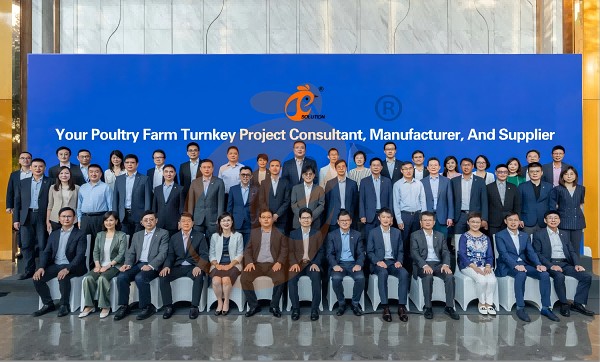
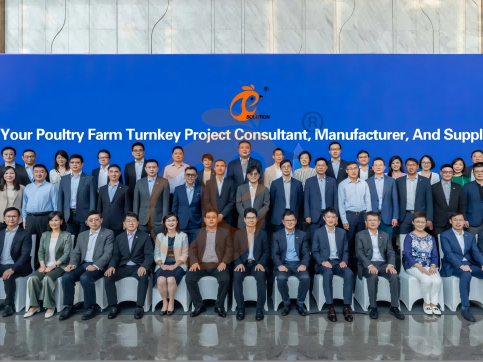
Hong Kong Headquarter Management Team
Hong Kong Headquarter Taiyu Industrial Group CO., LTD
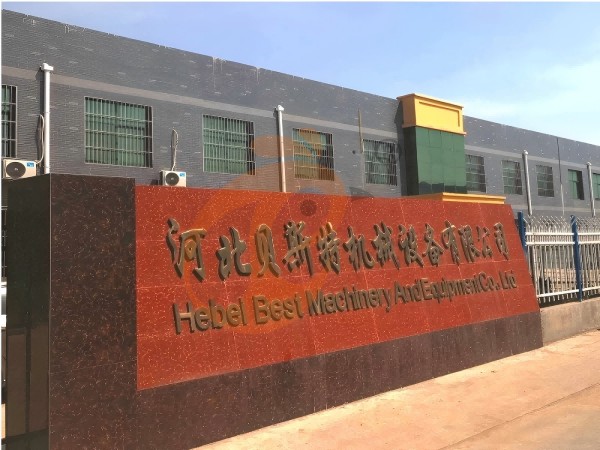
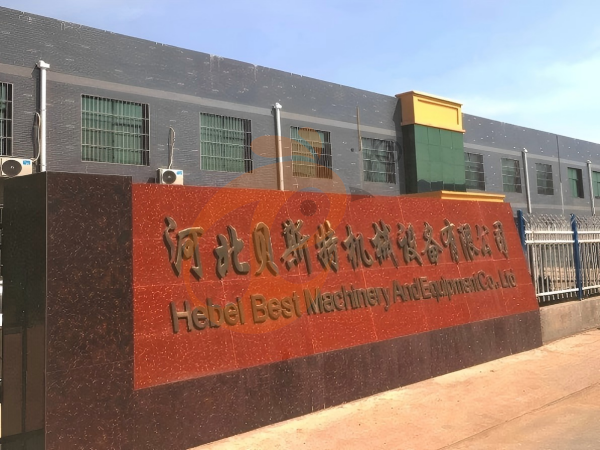
China Hebei Best Machinery And Equipment CO., LTD
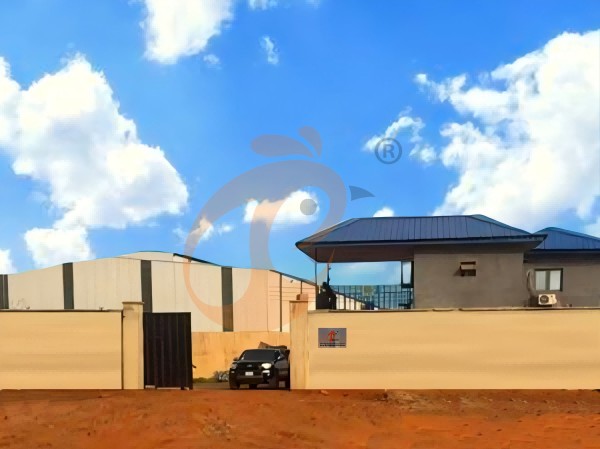
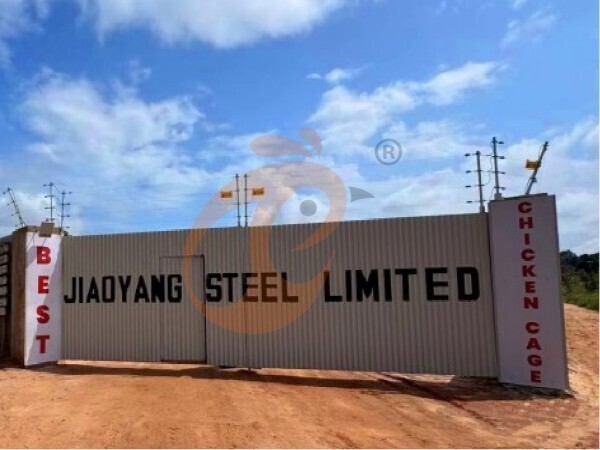
Nigeria Vanke Machinery And Equipment CO., LTD
Tanzania Best Machinery And Equipment CO., LTD
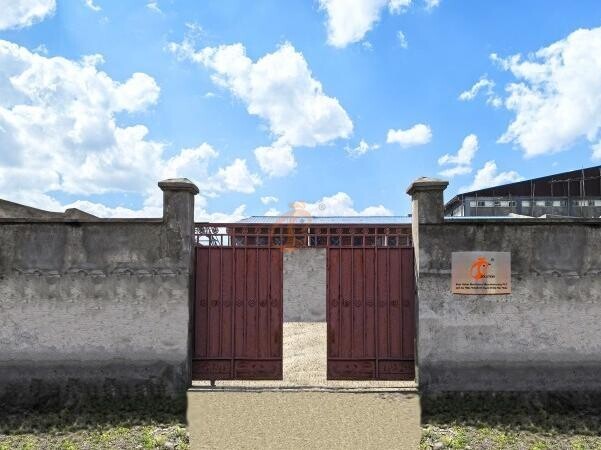
Ethiopia Best Hebei Machinery Manufacturing PLC
Reception /24 WhatsApp NO. : +8618830120193
FAQ
What Are The Litter Material Specifications In Deep Litter Poultry System For Poultry Chicken Production?
Rice husk usage ratio is set at 40%–60% of total bedding material mix.
Moisture absorption capacity reaches 250%–300% of dry litter weight.
What Are The Disease Control Measures In Deep Litter Poultry System For Poultry Chicken Houses?
Pathogen reduction efficiency reaches 70%–85% through fermentation and microbial activity.
Biosecurity entry concentration uses 0.08%–0.12% disinfectant solution for contamination control.
How Does Deep Litter System Affect Growth Efficiency In Poultry Chicken Farming?
Average daily gain increases by 8%–14% compared with bare floor systems.
Stress reduction improves uniformity rate to 86%–93% across production batches.
- poultry equipment
- poultry farm
- feeding equipment
- poultry cage
- poultry farm
- poultry farm equipment
- poultry farm construction
- poultry farm design
- poultry cage manufacturer
- poultry feeding equipment
- poultry drinking equipment
- poultry house ventilation system
- poultry house
- poultry house equipment
- poultry house ventilation
- poultry ventilation system
- modern poultry equipment
- deep litter poultry equipment
- Ethiopia
- Nigeria
Message
Products recommended
 HK Headquarter Offers EU-standard Poultry Farm Solutions, Manufacture Poultry Farm Equipment1. Continuous communication with the EU and the US
2. China, Nigeria, Ethiopia, Tanzania branch companies and factories
3. The products’ quality is customized for local poultry farms
4. Poultry cage and poultry farm equipment stock for sale
5. 24 online reception Whatsapp NO. : +8618830120193,contact us to get full informationRead More China Branch Offer Poultry Farm Business Plan, Manufacture Poultry Farm Equipment1. Address: Flat/RM 2416, 24/F, Runxing Building, Youyi Nan Street, Shijiazhuang City, Hebei Province, China
2. Poultry cage and poultry farm equipment factory and stock for sale
3. Customized for local poultry farms
4. Quality and design are based on Euro
5. 24 online reception Whatsapp NO. : +8618830120193Read More Nigeria Branch Offer Poultry Farm Business Plan, Manufacture Poultry Farm Equipment1. Address: After Sinoma Office, 200 Meters Near Danco Filling Station, Lagos/Ibadan Expressway, Lagos State, Nigeria
2. Poultry cage and poultry farm equipment factory and stock for sale
3. Customized for Nigerian poultry farms
4. Quality and design are based on Euro
5. 24 online reception Whatsapp NO. : +8618830120193Read More Ethiopia Branch Offer Poultry Farm Business Plan, Manufacture Poultry Farm Equipment1. Address: Gelan Gura, Akaki-kaliti Sub City, Addis Ababa, Ethiopia
2. Poultry cage and poultry farm equipment stock for sale
3. Customized for Ethiopian poultry farms
4. Quality and design are based on Euro
5. 24 online reception Whatsapp NO. : +8618830120193, contact us to get price listRead More Tanzania Branch Offer Poultry Farm Business Plan, Manufacture Poultry Farm Equipment1. Address: No.8, Sova Road, Msufini, Mlandizi, Kibaha, Pwani, Tanzania
2. Poultry cage and poultry farm equipment factory and stock for sale
3. Customized for Tanzanian poultry farms
4. Quality and design are based on Euro
5. 24 online reception Whatsapp NO. : +8618830120193Read More Fully Automatic H Type Layer Chicken Cage1. 30,000-100,000+ layers/house chooses it, Poultry farmers can achieve an egg production rate of 96-98%
2. A significant improvement over the 85-90% typically seen in manual systems
3. A typical poultry farm can expect a 30-40% reduction in labor costs due to the automation
4. Each feeding line efficiently supplies feed to around 100,000 hens per 30 mins
5. Reception /WhatsApp NO. : +8618830120193Read More Fully Automatic A Type Layer Chicken Cage1. 10,000-50,000 layers/house chooses it
2. Cleaner egg collection reduces breakage by 0.5%
3. Improved hygiene helps reduce mortality rate to <3%
4. 1–2 technicians can handle 15,000–30,000 birds
5. Reception /WhatsApp NO. : +8618830120193Read More Semi Automatic H Type Layer Chicken Cage1. 1,00-20,000 layers/house chooses it
2. Nipple drinkers flow 30–60 ML / min
3. Hot-dip galvanized (typical coating ≥ 275 g/m²)
4. Reduce ammonia by ~ 35–40%
5. Reception /WhatsApp NO. : +8618830120193Read More Semi Automatic A Type Layer Chicken Cage1. 1,00-20,000 layers/house chooses it, no rust for 10 years, no deformation for 15 years
2. Chickens live comfortably, you can raise them with peace of mind
3. Save water, save money—efficiency you can measure
4. Improve environment quality, and increase egg production rate
5. Reception /WhatsApp NO. : +8618830120193Read More
By clicking 'Allow All', you agree to the storage of cookies on your device to enhance site navigation, analyze site usage and assist with our marketing efforts.