


Blog
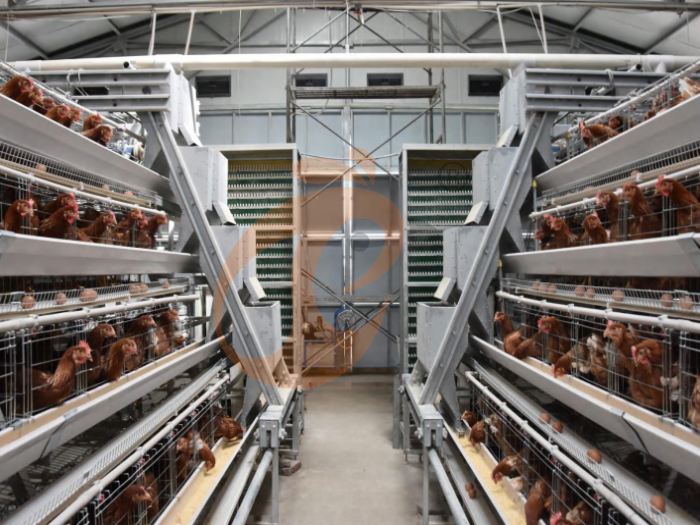
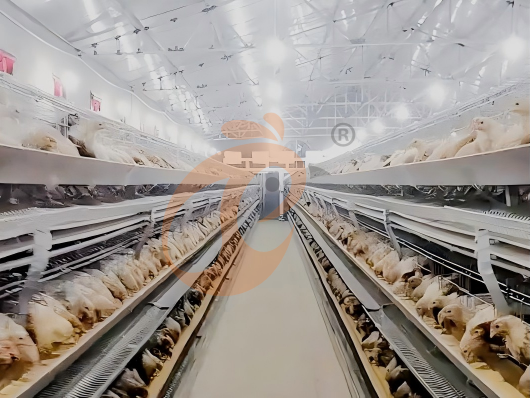
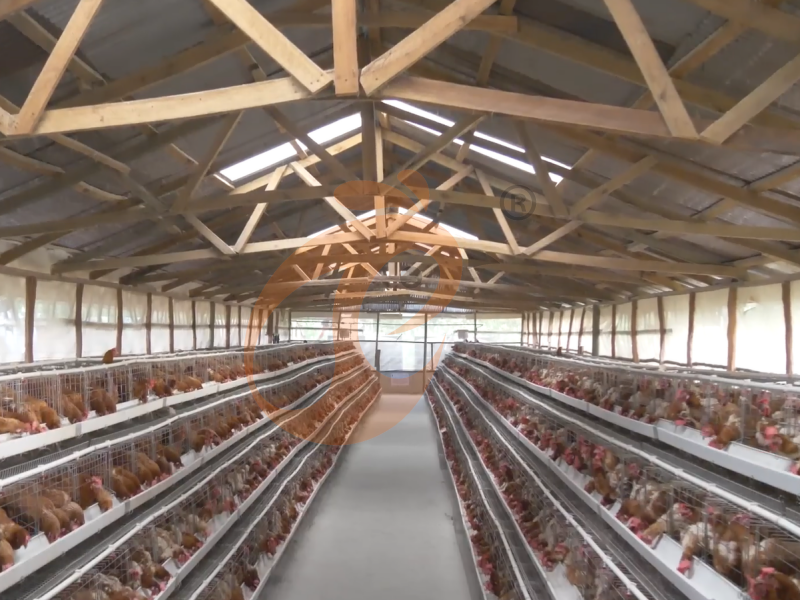
Heavy duty A type battery cage materials and structural options in poultry systems defines structural engineering standards for commercial poultry housing.
System design integrates corrosion resistance, load bearing capacity, and long term operational stability.
Material selection determines cage lifespan under ammonia concentration levels ranging 15 ppm to 50 ppm.
Production systems operate under stocking density range 350 cm² per hen to 450 cm² per hen.
Structural reliability directly influences egg production efficiency and automated manure removal performance.
Get professional poultry farm construction guidance, equipment selection solutions, and the latest price lists, whatsApp to +8618830120193, +2348111199996, or click to learn more.
Hot Dip Galvanized Steel Structural Framework
Hot dip galvanized steel structural framework is the dominant configuration in commercial poultry housing systems.
Data is for reference only.Swipe horizontally to view full table.
Hot dip galvanized steel forms primary cage skeleton in A type battery cage system engineering.
Zinc coating layer thickness ranges from 45 µm to 85 µm depending on immersion duration.
Structural deformation threshold occurs at 235 mpa yield strength under static poultry load conditions.
Heavy duty A type battery cage materials and structural options in poultry systems confirms galvanized steel usage in 70 percent of global installations.
Stainless Steel 304 And 316 Corrosion Resistant System
Stainless steel 304 and 316 corrosion resistant system delivers extended service life under high ammonia exposure environments.
Data is for reference only.Swipe horizontally to view full table.
Stainless steel maintains structural stability under ammonia concentration 40 ppm to 60 ppm poultry house environments.
316 grade stainless steel includes molybdenum content 2.0 percent to 3.0 percent improving chloride resistance performance.
Heavy duty A type battery cage materials and structural options in poultry systems applies stainless steel in coastal poultry farm installations.
Aluminum Alloy 6061 T6 Lightweight Structural System
Aluminum alloy 6061 T6 lightweight structural system reduces total cage weight in modular poultry house construction.
Data is for reference only.Swipe horizontally to view full table.
Aluminum alloy reduces system installation weight by 62 percent compared with carbon steel structures.
6061 T6 alloy supports repeated mechanical loading cycles exceeding 1,000,000 vibration events per year.
Heavy duty A type battery cage materials and structural options in poultry systems applies aluminum in transportable cage configurations.
Engineering Plastic Components For Poultry Equipment Integration
Engineering plastic components for poultry equipment integration ensures hygiene and chemical resistance performance in cage systems.
Data is for reference only.Swipe horizontally to view full table.
Polypropylene components operate under continuous exposure to ammonia concentration up to 80 ppm in poultry houses.
High density polyethylene ensures structural stability during 1,000 sanitation cycles per operational year.
Heavy duty A type battery cage materials and structural options in poultry systems integrates plastic components in feeding and manure systems.
Structural Load Distribution In Poultry Cage Engineering
Structural load distribution in poultry cage engineering defines mechanical stress allocation across multi tier cage systems.
Data is for reference only.Swipe horizontally to view full table.
Load distribution engineering ensures deformation control under continuous poultry stocking conditions.
Vertical frame systems maintain structural integrity under 180 kg per square meter stress loading.
Heavy duty A type battery cage materials and structural options in poultry systems optimizes mechanical stress balancing across cage layers.
Corrosion Mechanism In Poultry Housing Environment
Ammonia corrosion reaction forms ammonium hydroxide solution affecting metal surface integrity in poultry systems.
Electrochemical oxidation rate increases when humidity exceeds 75 percent inside closed poultry housing structures.
Zinc sacrificial layer reduces steel oxidation rate by 85 percent under controlled environmental conditions.
Stainless steel chromium oxide layer regeneration occurs within 24 hours after surface abrasion exposure.
Heavy duty A type battery cage materials and structural options in poultry systems relies on corrosion engineering control strategies.
Temperature Performance Under Industrial Poultry Operation
Galvanized steel operates between -40°c and 200°c maintaining structural rigidity in variable climates.
Aluminum alloy maintains mechanical stability up to 150°c under continuous load conditions.
Polypropylene components deform at temperatures exceeding 165°c affecting feeding system precision alignment.
HDPE maintains flexibility at -50°c preventing brittle fracture in cold storage poultry facilities.
Stainless steel 304 withstands thermal range up to 870°c without structural degradation.
Maintenance And Service Cycle Engineering Data
Data is for reference only.Swipe horizontally to view full table.
Maintenance cycle engineering defines operational cost distribution in commercial poultry housing systems.
Plastic components require highest replacement frequency due to mechanical wear rather than corrosion factors.
Stainless steel systems reduce annual maintenance cost by 57 percent compared with galvanized steel systems.
Cost Structure In Commercial Poultry Cage Systems
Data is for reference only.Swipe horizontally to view full table.
Cost engineering structure determines investment return cycle in poultry production systems.
Higher stainless steel investment returns longer lifecycle efficiency under intensive production conditions.
Heavy duty A type battery cage materials and structural options in poultry systems aligns cost distribution with lifecycle performance.
Frequently Asked Questions
Q1: What is the most durable material in a type battery cage systems
A1: Stainless steel 316 provides maximum corrosion resistance under ammonia concentration above 50 ppm environments.
Service life exceeds 20 years under standard poultry farm operating conditions with minimal structural deformation.
Zinc coated steel performs adequately but requires periodic replacement in high humidity environments.
Q2: Why is galvanized steel still widely used in poultry cages
A2: Galvanized steel maintains cost efficiency at 45 USD per meter while providing 12 year service life.
Zinc coating layer reduces oxidation rate significantly under controlled ventilation poultry housing systems.
Material remains standard for large scale commercial egg production operations globally.
Q3: Are plastic components structurally important in cage systems
A3: Plastic components support feeding, egg collection, and manure removal systems rather than structural frames.
HDPE and pp materials provide chemical resistance under continuous ammonia exposure conditions.
Replacement cycles depend on mechanical wear frequency rather than corrosion factors.
Taiyu (HK) Group - One Of China Biggest A Type Battery Cage Manufacturer
Heavy duty A type battery cage system production with galvanized steel and stainless steel engineering standards.
Global poultry equipment factory direct supply with integrated automated cage system solutions.
Turn key poultry house engineering covering cage installation, feeding system, and manure removal integration.
High precision poultry cage manufacturing supporting industrial scale egg production facilities worldwide.
Export oriented poultry equipment supply chain with standardized production quality control system.
Contact Us To Received Your Customized Poultry Farm Plan
Headquarters And Branchs

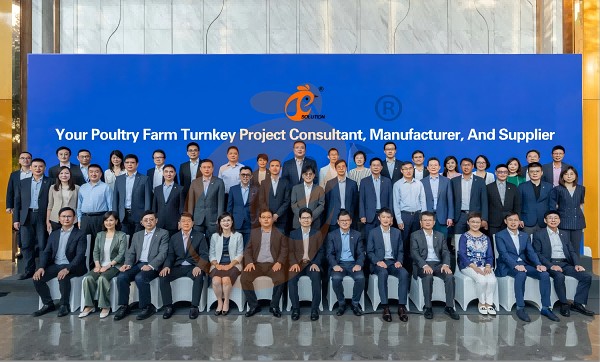
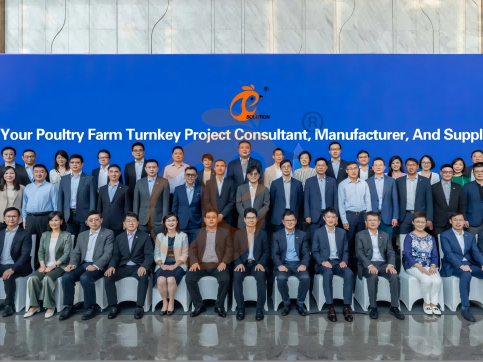
Hong Kong Headquarter Management Team
Hong Kong Headquarter Taiyu Industrial Group CO., LTD
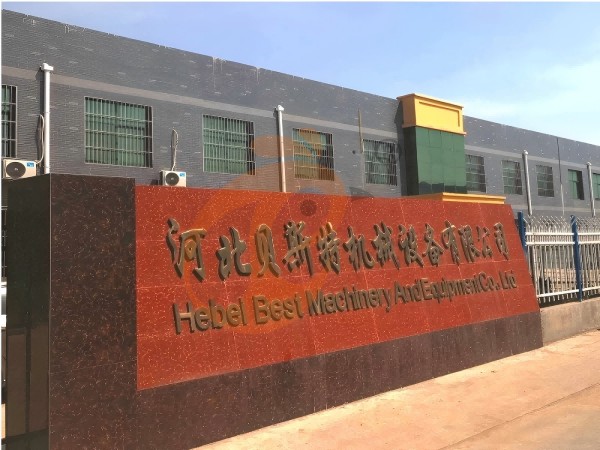
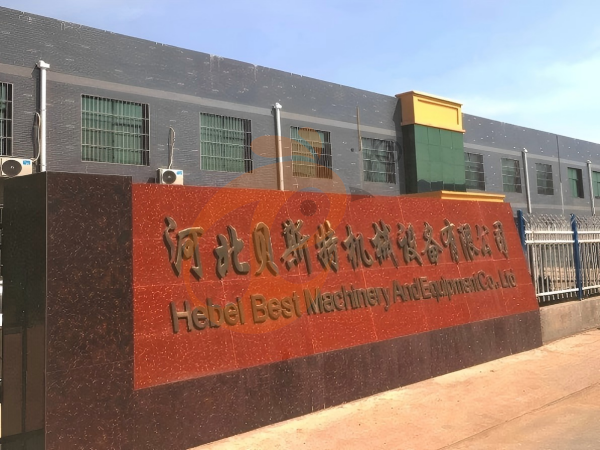
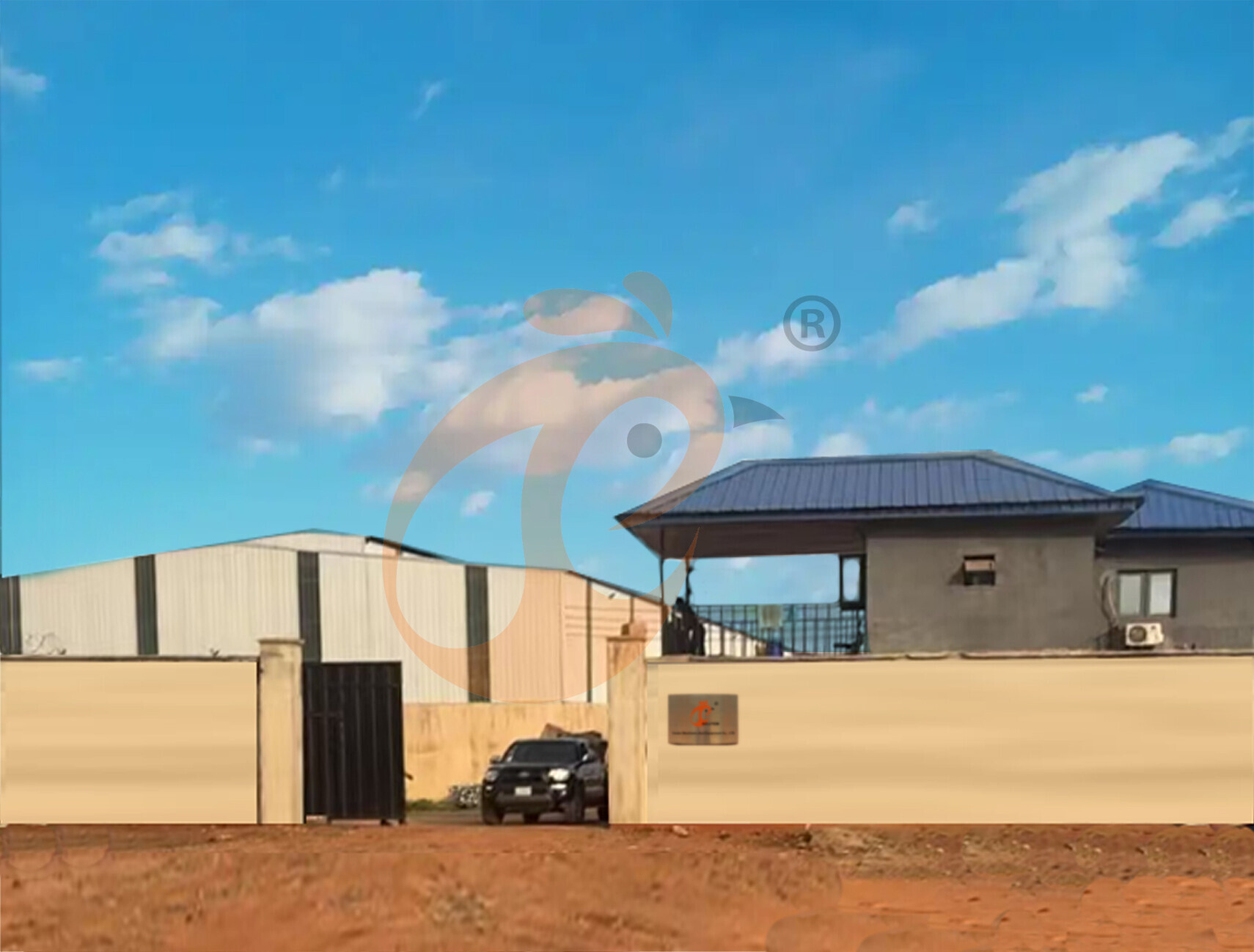
China Hebei Best Machinery And Equipment CO., LTD
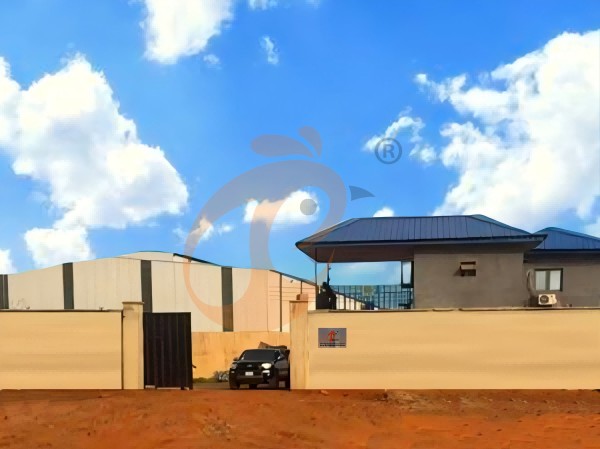
Nigeria Vanke Machinery And Equipment CO., LTD
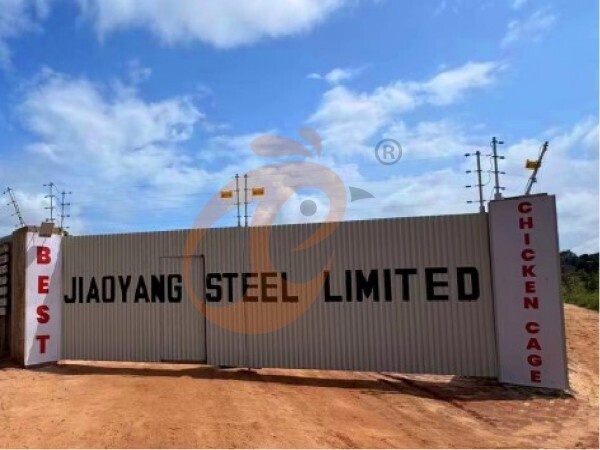
Tanzania Best Machinery And Equipment CO., LTD
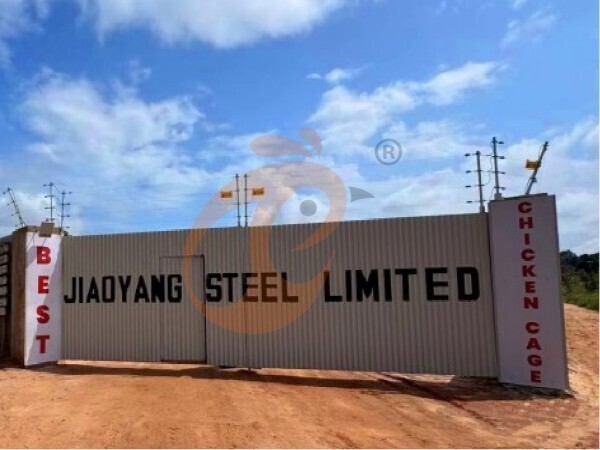
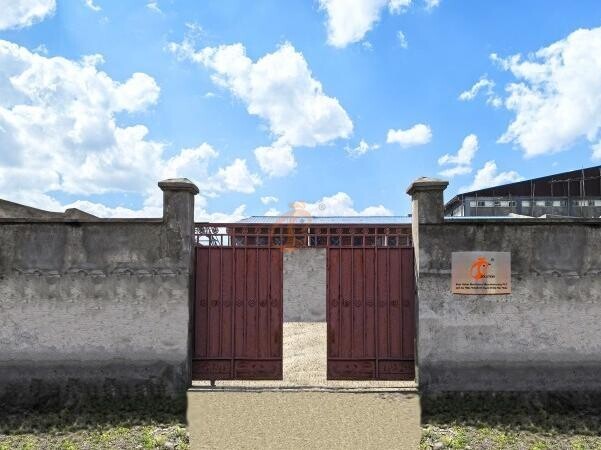
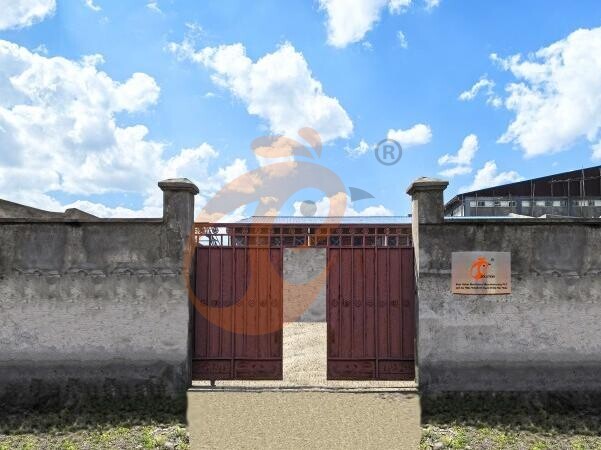
Ethiopia Best Hebei Machinery Manufacturing PLC
Reception /24 WhatsApp NO. : +8618830120193
FAQ
What Are The Most Efficient Feeding Systems For A-Type Layer Cage Farms?
Even feed distribution reduces waste
One worker manages 5,000–10,000 birds
FCR reduced to 1.9–2.2
Egg production rate: 90–96%
How To Select The Best Supplier For A-Type Chicken Cage Systems?
Ensure material quality and anti-corrosion performance
Equipment lifespan: more than 25 years
Egg production rate: 90–96%
Labor savings: 50–70%
How To Integrate Water And Feed Automation In A-Type Layer Cage System?
Automatically control flow and timing
Egg production rate: 90–96%
FCR: 1.9–2.2
Mortality rate: 2–3%
- poultry equipment
- poultry farm
- poultry cage
- battery cage
- poultry farm
- poultry farm construction
- poultry farm installation
- battery cage manufacturer
- battery cage system
- poultry equipment factory
- battery cage
- poultry house
- poultry cage system
- poultry house construction
- modular poultry house
- Ethiopia
- Nigeria
Message
Products recommended
 HK Headquarter Offers EU-standard Poultry Farm Solutions, Manufacture Poultry Farm Equipment1. Continuous communication with the EU and the US
2. China, Nigeria, Ethiopia, Tanzania branch companies and factories
3. The products’ quality is customized for local poultry farms
4. Poultry cage and poultry farm equipment stock for sale
5. 24 online reception Whatsapp NO. : +8618830120193,contact us to get full informationRead More China Branch Offer Poultry Farm Business Plan, Manufacture Poultry Farm Equipment1. Address: Flat/RM 2416, 24/F, Runxing Building, Youyi Nan Street, Shijiazhuang City, Hebei Province, China
2. Poultry cage and poultry farm equipment factory and stock for sale
3. Customized for local poultry farms
4. Quality and design are based on Euro
5. 24 online reception Whatsapp NO. : +8618830120193Read More Nigeria Branch Offer Poultry Farm Business Plan, Manufacture Poultry Farm Equipment1. Address: After Sinoma Office, 200 Meters Near Danco Filling Station, Lagos/Ibadan Expressway, Lagos State, Nigeria
2. Poultry cage and poultry farm equipment factory and stock for sale
3. Customized for Nigerian poultry farms
4. Quality and design are based on Euro
5. 24 online reception Whatsapp NO. : +8618830120193Read More Ethiopia Branch Offer Poultry Farm Business Plan, Manufacture Poultry Farm Equipment1. Address: Gelan Gura, Akaki-kaliti Sub City, Addis Ababa, Ethiopia
2. Poultry cage and poultry farm equipment stock for sale
3. Customized for Ethiopian poultry farms
4. Quality and design are based on Euro
5. 24 online reception Whatsapp NO. : +8618830120193, contact us to get price listRead More Tanzania Branch Offer Poultry Farm Business Plan, Manufacture Poultry Farm Equipment1. Address: No.8, Sova Road, Msufini, Mlandizi, Kibaha, Pwani, Tanzania
2. Poultry cage and poultry farm equipment factory and stock for sale
3. Customized for Tanzanian poultry farms
4. Quality and design are based on Euro
5. 24 online reception Whatsapp NO. : +8618830120193Read More Fully Automatic H Type Layer Chicken Cage1. 30,000-100,000+ layers/house chooses it, Poultry farmers can achieve an egg production rate of 96-98%
2. A significant improvement over the 85-90% typically seen in manual systems
3. A typical poultry farm can expect a 30-40% reduction in labor costs due to the automation
4. Each feeding line efficiently supplies feed to around 100,000 hens per 30 mins
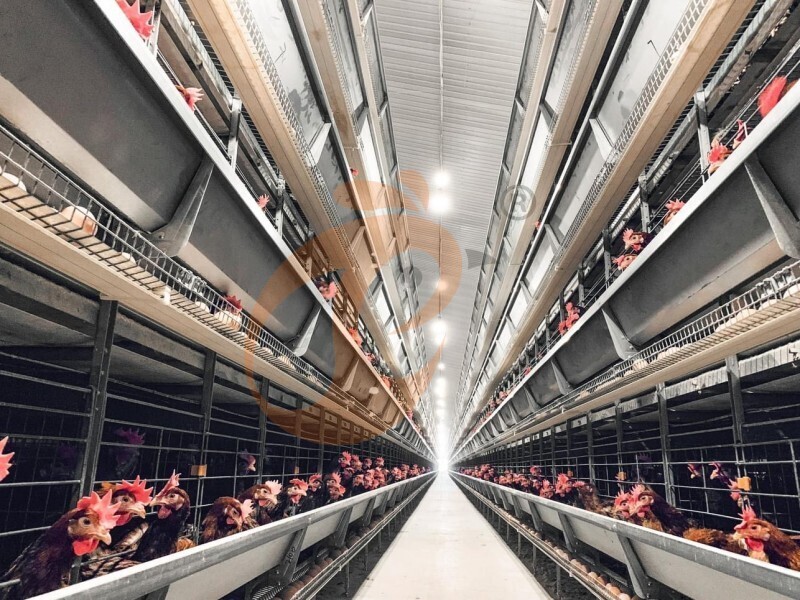
5. Reception /WhatsApp NO. : +8618830120193Read More Fully Automatic A Type Layer Chicken Cage1. 10,000-50,000 layers/house chooses it
2. Cleaner egg collection reduces breakage by 0.5%
3. Improved hygiene helps reduce mortality rate to <3%
4. 1–2 technicians can handle 15,000–30,000 birds
5. Reception /WhatsApp NO. : +8618830120193Read More Semi Automatic H Type Layer Chicken Cage1. 1,00-20,000 layers/house chooses it
2. Nipple drinkers flow 30–60 ML / min
3. Hot-dip galvanized (typical coating ≥ 275 g/m²)
4. Reduce ammonia by ~ 35–40%
5. Reception /WhatsApp NO. : +8618830120193Read More Semi Automatic A Type Layer Chicken Cage1. 1,00-20,000 layers/house chooses it, no rust for 10 years, no deformation for 15 years
2. Chickens live comfortably, you can raise them with peace of mind
3. Save water, save money—efficiency you can measure
4. Improve environment quality, and increase egg production rate
5. Reception /WhatsApp NO. : +8618830120193Read More
By clicking 'Allow All', you agree to the storage of cookies on your device to enhance site navigation, analyze site usage and assist with our marketing efforts.