


Blog
Deep litter poultry housing integrates controlled microbial fermentation, engineered bedding systems, and environmental regulation for commercial poultry production.
This system supports broiler and layer production across intensive farming environments with defined stocking density and ventilation standards.
Biosecurity management reduces pathogen transmission through controlled litter moisture, ammonia stabilization, and structured movement control protocols.
Operational efficiency depends on ventilation rate consistency, bedding material absorption performance, and sanitation cycle accuracy.
This article presents five essential protection measures supported by measurable engineering parameters and farm-level operational data.
Get professional poultry farm construction guidance, equipment selection solutions, and the latest price lists, whatsApp to +8618830120193, +2348111199996, or click to learn more.
Deep Litter System Structure and Production Parameters
Structural stability in deep litter production depends on bedding depth calibration and moisture buffering capacity across multiple growth phases.
Proper parameter control ensures uniform microbial activity and reduces uneven fermentation zones inside poultry houses.
Data is for reference only.Swipe horizontally to view full table.
Natural environmental stability in poultry houses depends on engineered bedding depth consistency and microbial decomposition balance across production cycles.
Layered bedding structure directly influences ammonia diffusion speed and thermal insulation stability in large-scale poultry production systems.
Biosecurity Exposure Pathways in Poultry Houses
Contamination entry points in poultry houses are strongly correlated with operational frequency and external logistics intensity.
Each access pathway introduces measurable microbial load variation that must be systematically controlled.
Data is for reference only.Swipe horizontally to view full table.
Biosecurity exposure frequency increases significantly when farm logistics and personnel circulation are not strictly regulated across controlled zones.
High-frequency access points require strict disinfection sequencing to reduce microbial transfer probability into production areas.
Microbial Environment Inside Deep Litter
Microbial populations in deep litter evolve dynamically based on oxygen diffusion, carbon availability, and temperature stratification.
This biological system behaves like a continuous fermentation reactor with competing microbial colonies.
Data is for reference only.Swipe horizontally to view full table.
Microbial equilibrium inside litter systems determines whether poultry environments remain stable or shift toward pathogen dominance conditions.
Microbial interaction patterns directly affect respiratory load and immune response efficiency in confined poultry systems.
Litter Material Engineering and Replacement Cycle
Material engineering determines long-term ammonia binding efficiency and structural porosity of bedding layers.
Different organic substrates exhibit distinct absorption kinetics affecting system stability over time.
Data is for reference only.Swipe horizontally to view full table.
Bedding material selection directly determines moisture retention behavior and ammonia absorption capacity across production cycles.
Different substrate types influence microbial colonization speed and decomposition uniformity inside poultry houses.
Moisture and Ammonia Control System
Gas concentration and humidity equilibrium define respiratory safety thresholds and metabolic efficiency in poultry environments.
Continuous monitoring ensures environmental stability during peak growth stages.
Data is for reference only.Swipe horizontally to view full table.
Environmental gas control parameters directly influence feed conversion efficiency and respiratory tract stability in poultry production systems.
Ammonia accumulation above defined thresholds directly reduces nutrient absorption efficiency and flock performance consistency.
Ventilation Design and Air Exchange Rate
Air exchange dynamics determine spatial temperature uniformity and moisture removal efficiency across poultry house compartments.
Balanced airflow prevents localized condensation zones and gas accumulation pockets.
Data is for reference only.Swipe horizontally to view full table.
Ventilation system efficiency determines environmental uniformity and directly affects microbial load distribution across poultry housing zones.
Airflow uniformity ensures consistent thermal distribution and reduces localized pathogen concentration risk.
Cleaning, Disinfection, and Cycle Reset Protocol
Sanitation cycles function as biological reset mechanisms that eliminate residual microbial reservoirs before new flock introduction.
Process sequencing is critical for maximizing pathogen inactivation efficiency.
Data is for reference only.Swipe horizontally to view full table.
Sanitation cycles determine baseline microbial load before flock placement and directly influence early-stage mortality rates in poultry production systems.
Proper disinfection sequencing reduces residual bacterial populations and stabilizes production readiness conditions.
Controlled Movement and Farm Zoning
Zonal separation reduces cross-contamination probability by restricting directional movement of personnel and equipment across production areas.
Biosecurity layering strengthens structural disease barriers.
Data is for reference only.Swipe horizontally to view full table.
Farm zoning architecture defines contamination flow direction and ensures controlled separation between clean and contaminated operational areas.
Controlled access systems reduce microbial circulation intensity between operational zones.
Heat Generation and Fermentation Activity
Microbial decomposition generates metabolic heat that contributes to early-stage thermal regulation inside poultry houses.
This internal heat source partially offsets external heating requirements during brooding periods.
Litter temperature typically increases 3–7°c above ambient environment depending on microbial activity intensity.
This reduces external heating energy consumption by approximately 10–15% during the first 14 days of production.
Excess fermentation above 38°c increases ammonia volatilization rate and requires ventilation adjustment.
Integrated Biosecurity System Architecture
System-level coordination ensures that environmental control, sanitation, and monitoring components operate as a unified production network.
Each subsystem contributes to overall disease prevention efficiency.
Data is for reference only.Swipe horizontally to view full table.
Integrated system coordination ensures all biosecurity components operate synchronously to maintain environmental and biological stability in poultry production systems.
System integration improves response speed to environmental fluctuations and biological stress indicators.
Vaccination and Health Surveillance Program
Preventive health scheduling ensures immunological preparedness across different growth phases and reduces outbreak probability under exposure pressure.
Data is for reference only.Swipe horizontally to view full table.
Health surveillance systems provide continuous biological feedback supporting early disease detection and production optimization decisions.
Continuous monitoring improves production stability and reduces biological risk accumulation.
Frequently Asked Questions
Q1: How does litter moisture affect disease transmission?
A1: Moisture levels above 30% create accelerated bacterial replication conditions and destabilize microbial balance.
Controlled moisture range between 20–25% maintains biochemical equilibrium and reduces pathogen persistence duration.
Q2: What is the optimal ammonia level in poultry houses?
A2: Ammonia concentration between 10–20 ppm supports stable respiratory function and metabolic efficiency.
Levels above 25 ppm trigger mucosal irritation and reduce nutrient absorption efficiency in broilers and layers.
Q3: Why is ventilation critical in deep litter systems?
A3: Ventilation regulates gas exchange, humidity removal, and heat distribution across poultry houses.
Stable airflow between 12–15 air changes per hour maintains consistent environmental conditions and prevents localized contamination zones.
Taiyu (HK) Group - One Of China Toppest Deep Litter System Manufacturer
Deep litter system biosecurity engineering solution for commercial poultry farms with automated environmental control integration and stable production performance.
Global factory direct supply of poultry equipment systems supporting turnkey poultry house construction and intelligent farming infrastructure deployment.
Advanced poultry cage system and ventilation equipment manufacturing for broiler and layer production optimization across industrial farming projects.
Full poultry farming equipment supply chain covering feeding systems, environmental control systems, and biosecurity management engineering solutions.
Turn-key poultry project design and manufacturing service supporting large-scale farm construction and international poultry production system integration.
Contact Us To Received Your Customized Poultry Farm Plan
Headquarters And Branchs

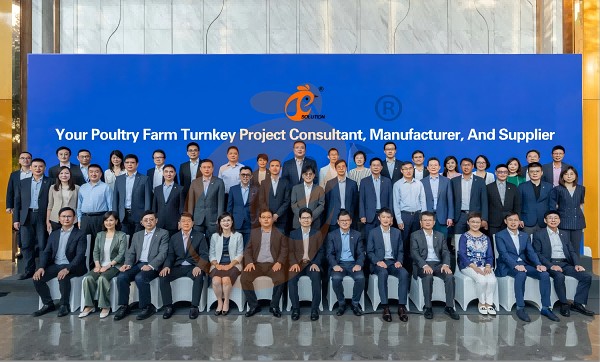
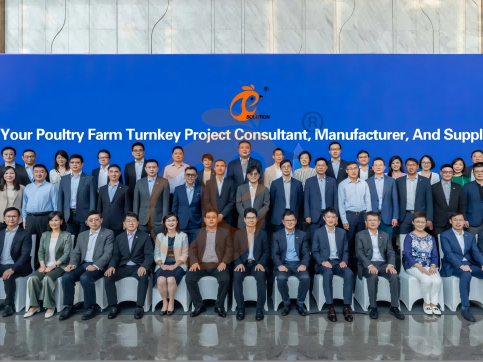
Hong Kong Headquarter Management Team
Hong Kong Headquarter Taiyu Industrial Group CO., LTD
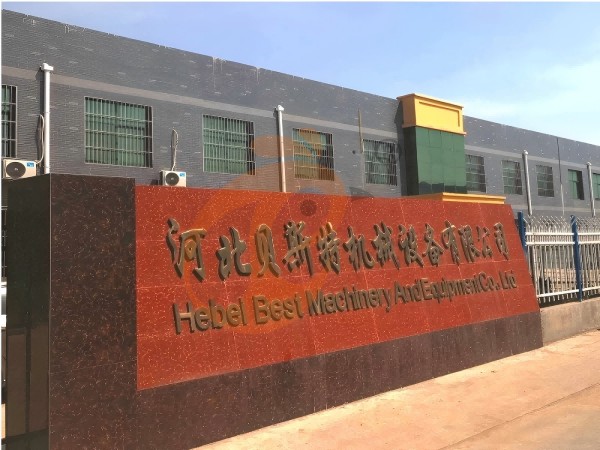
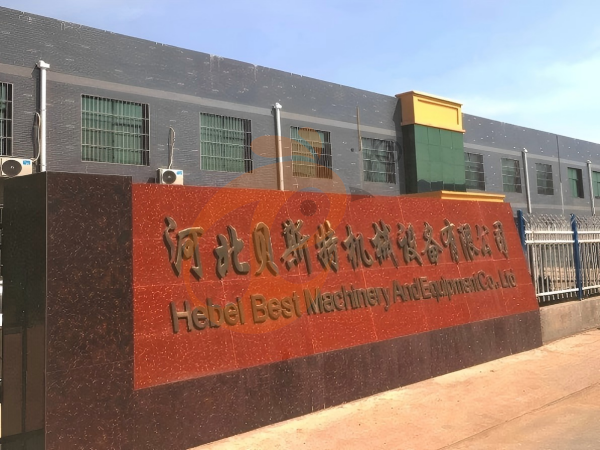
China Hebei Best Machinery And Equipment CO., LTD
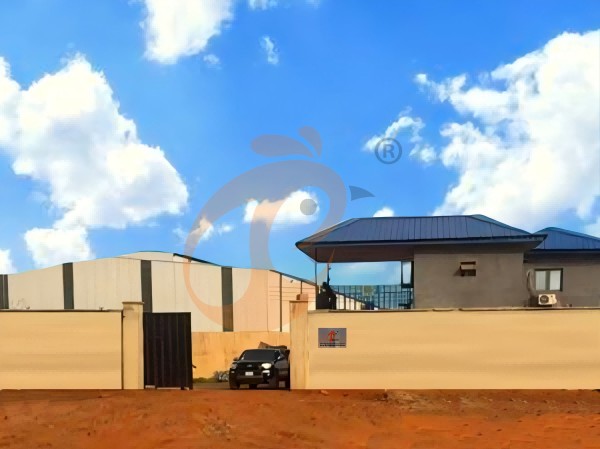
Nigeria Vanke Machinery And Equipment CO., LTD
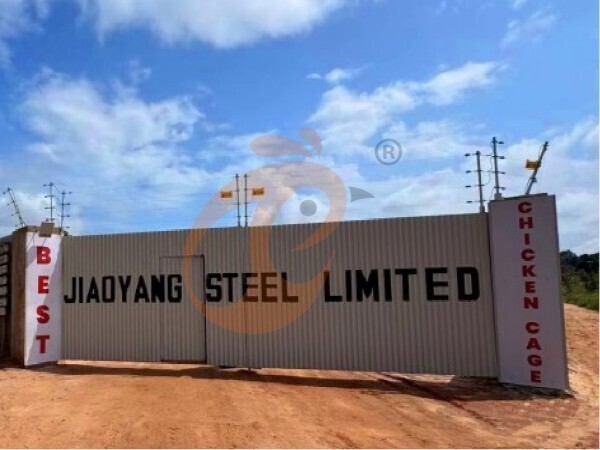
Tanzania Best Machinery And Equipment CO., LTD
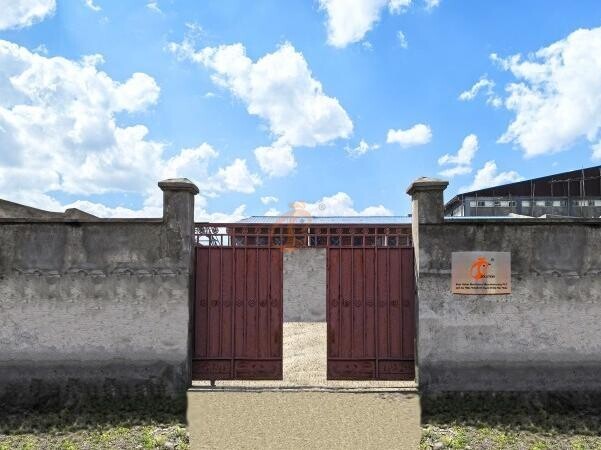
Ethiopia Best Hebei Machinery Manufacturing PLC
Reception /24 WhatsApp NO. : +8618830120193
FAQ
What Are The Ventilation Design Standards In Deep Litter Poultry System For Poultry Chicken Houses?
Airflow speed at bird level is controlled at 0.25–0.45 m/s to prevent litter drying imbalance.
Exhaust fan capacity is typically designed at 18,000–22,000 m³ per hour per unit for large houses.
What Are The Litter Fermentation Performance Requirements In Deep Litter Poultry System For Poultry Chicken Production?
Microbial decomposition efficiency converts 60%–75% of manure into stabilized organic matter.
Carbon to nitrogen ratio is maintained at 25–30:1 for optimal fermentation balance.
What Are The Moisture Management Standards In Deep Litter Poultry System For Poultry Chicken Farming?
Water absorption turnover rate reaches 1.2–1.8 liters per square meter daily under normal stocking conditions.
Evaporation efficiency is enhanced by 30%–40% through proper ventilation and litter turning.
Message
Products recommended
 HK Headquarter Offers EU-standard Poultry Farm Solutions, Manufacture Poultry Farm Equipment1. Continuous communication with the EU and the US
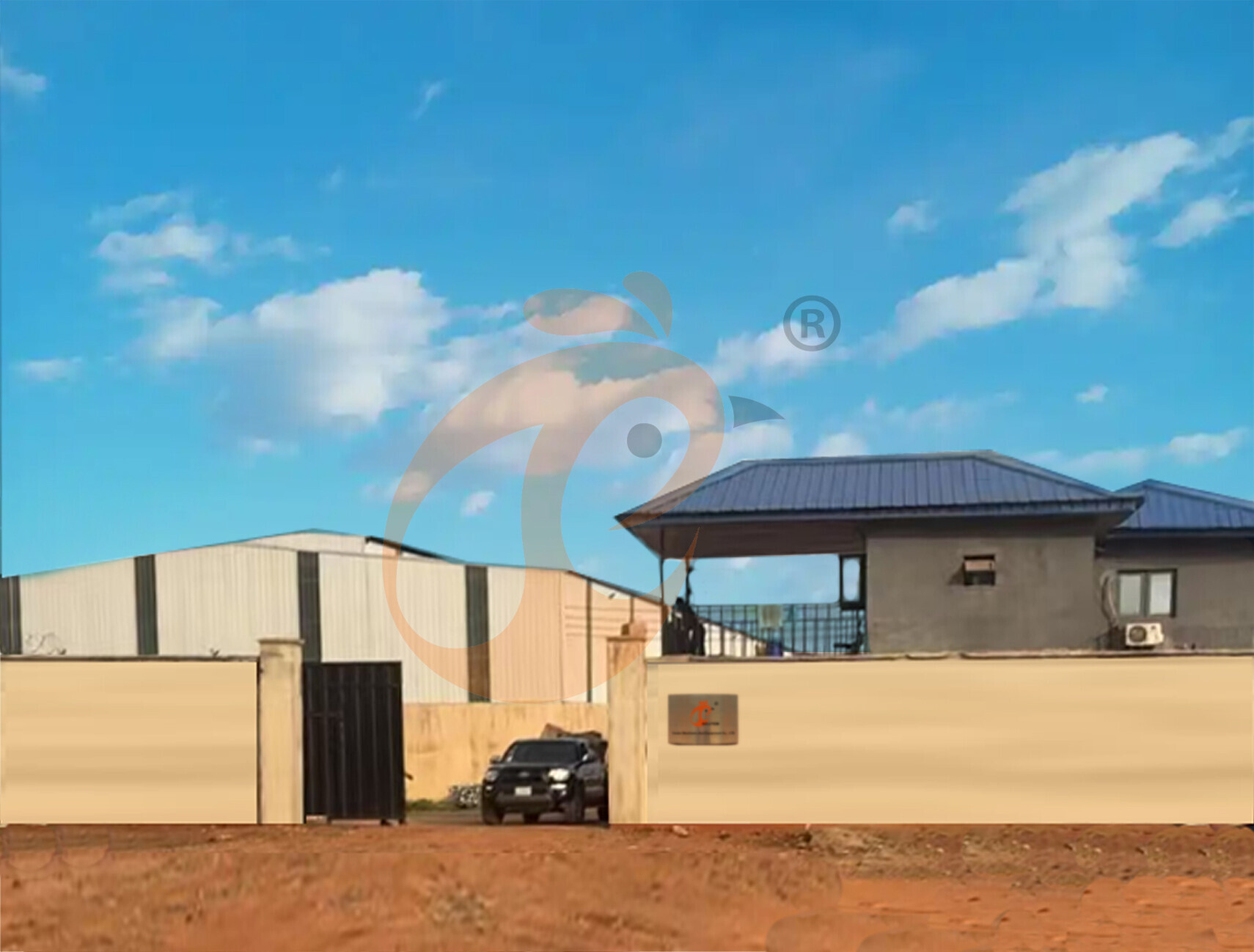
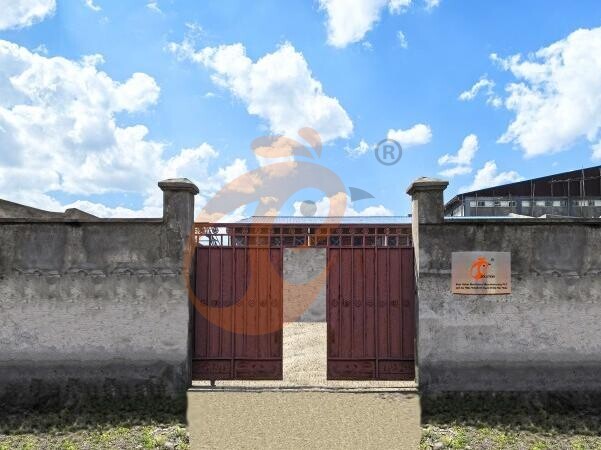
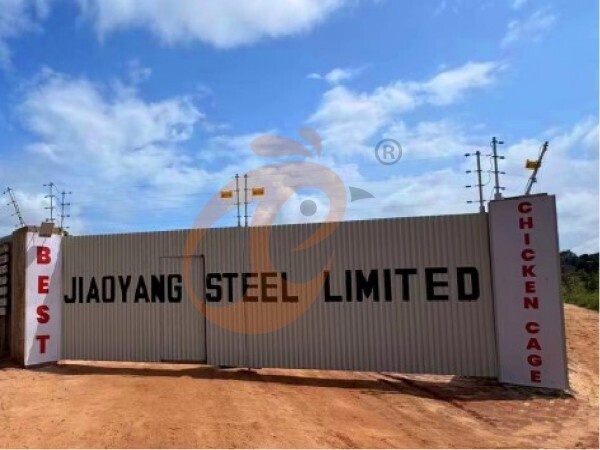
2. China, Nigeria, Ethiopia, Tanzania branch companies and factories
3. The products’ quality is customized for local poultry farms
4. Poultry cage and poultry farm equipment stock for sale
5. 24 online reception Whatsapp NO. : +8618830120193,contact us to get full informationRead More China Branch Offer Poultry Farm Business Plan, Manufacture Poultry Farm Equipment1. Address: Flat/RM 2416, 24/F, Runxing Building, Youyi Nan Street, Shijiazhuang City, Hebei Province, China
2. Poultry cage and poultry farm equipment factory and stock for sale
3. Customized for local poultry farms
4. Quality and design are based on Euro
5. 24 online reception Whatsapp NO. : +8618830120193Read More Nigeria Branch Offer Poultry Farm Business Plan, Manufacture Poultry Farm Equipment1. Address: After Sinoma Office, 200 Meters Near Danco Filling Station, Lagos/Ibadan Expressway, Lagos State, Nigeria
2. Poultry cage and poultry farm equipment factory and stock for sale
3. Customized for Nigerian poultry farms
4. Quality and design are based on Euro
5. 24 online reception Whatsapp NO. : +8618830120193Read More Ethiopia Branch Offer Poultry Farm Business Plan, Manufacture Poultry Farm Equipment1. Address: Gelan Gura, Akaki-kaliti Sub City, Addis Ababa, Ethiopia
2. Poultry cage and poultry farm equipment stock for sale
3. Customized for Ethiopian poultry farms
4. Quality and design are based on Euro
5. 24 online reception Whatsapp NO. : +8618830120193, contact us to get price listRead More Tanzania Branch Offer Poultry Farm Business Plan, Manufacture Poultry Farm Equipment1. Address: No.8, Sova Road, Msufini, Mlandizi, Kibaha, Pwani, Tanzania
2. Poultry cage and poultry farm equipment factory and stock for sale
3. Customized for Tanzanian poultry farms
4. Quality and design are based on Euro
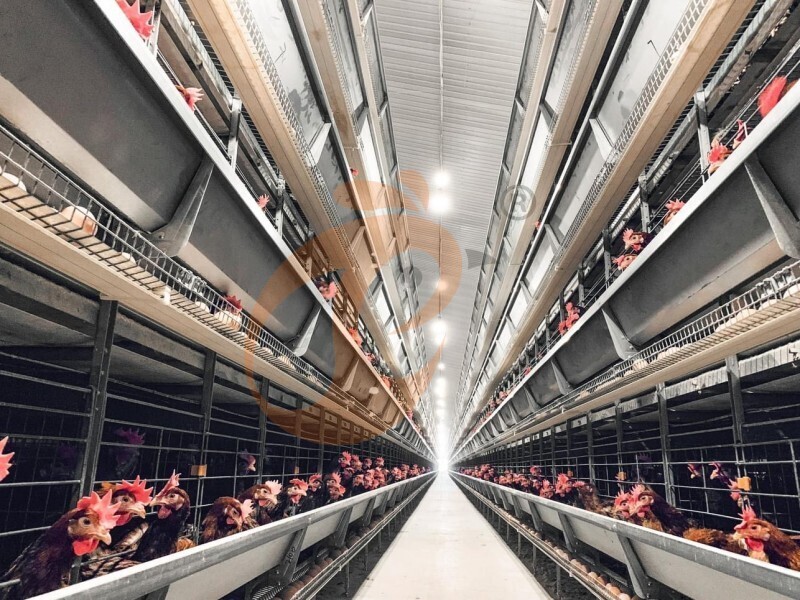
5. 24 online reception Whatsapp NO. : +8618830120193Read More Fully Automatic H Type Layer Chicken Cage1. 30,000-100,000+ layers/house chooses it, Poultry farmers can achieve an egg production rate of 96-98%
2. A significant improvement over the 85-90% typically seen in manual systems
3. A typical poultry farm can expect a 30-40% reduction in labor costs due to the automation
4. Each feeding line efficiently supplies feed to around 100,000 hens per 30 mins
5. Reception /WhatsApp NO. : +8618830120193Read More Fully Automatic A Type Layer Chicken Cage1. 10,000-50,000 layers/house chooses it
2. Cleaner egg collection reduces breakage by 0.5%
3. Improved hygiene helps reduce mortality rate to <3%
4. 1–2 technicians can handle 15,000–30,000 birds
5. Reception /WhatsApp NO. : +8618830120193Read More Semi Automatic H Type Layer Chicken Cage1. 1,00-20,000 layers/house chooses it
2. Nipple drinkers flow 30–60 ML / min
3. Hot-dip galvanized (typical coating ≥ 275 g/m²)
4. Reduce ammonia by ~ 35–40%
5. Reception /WhatsApp NO. : +8618830120193Read More Semi Automatic A Type Layer Chicken Cage1. 1,00-20,000 layers/house chooses it, no rust for 10 years, no deformation for 15 years
2. Chickens live comfortably, you can raise them with peace of mind
3. Save water, save money—efficiency you can measure
4. Improve environment quality, and increase egg production rate
5. Reception /WhatsApp NO. : +8618830120193Read More
By clicking 'Allow All', you agree to the storage of cookies on your device to enhance site navigation, analyze site usage and assist with our marketing efforts.