


Blog
Free range poultry farming requires integrated poultry biosecurity management, automatic poultry feeding systems, and advanced poultry ventilation equipment for stable production performance.
Commercial poultry farms depend on controlled sanitation procedures, water treatment systems, environmental monitoring, and disease prevention engineering to maintain flock health.
Outdoor poultry housing increases exposure to wild birds, contaminated soil, insects, and airborne pathogens.
Structured farm management improves egg production efficiency, feed conversion ratio performance, and poultry welfare standards.
Modern poultry equipment systems support sustainable commercial poultry farming through controlled access management, vaccination scheduling, litter moisture reduction, and intelligent poultry house environmental regulation.
Get professional poultry farm construction guidance, equipment selection solutions, and the latest price lists, whatsApp to +8618830120193, +2348111199996, or click to learn more.
Understanding Biosecurity In Free Range Poultry Systems
Biosecurity refers to every management procedure designed to prevent infectious organisms from entering or spreading inside poultry farms.
In free range systems, biosecurity becomes more complex because birds interact with external environments daily.
Unlike fully enclosed poultry houses, free range birds may encounter migratory birds carrying avian influenza viruses, rodents contaminating feed storage areas, surface water containing parasites, insects transmitting bacterial infections, and visitors transporting pathogens through footwear and equipment.
Commercial poultry farms therefore divide production areas into multiple sanitation zones to reduce direct contamination pathways.
Data is for reference only.Swipe horizontally to view full table.
The table above shows that even small sanitation failures can directly reduce poultry productivity.
Farms with strong daily prevention systems usually experience more stable production curves and lower emergency treatment expenses.
Controlled Farm Entry Management
Human traffic remains one of the largest risk factors in poultry disease transmission.
Boots, vehicle tires, feed bags, and maintenance tools can carry microorganisms between farms within hours.
Many commercial poultry outbreaks begin through indirect contamination rather than direct bird contact.
A professional free range poultry system should establish controlled entrance corridors with dedicated disinfection areas before visitors or workers reach poultry houses.
Locked gates, tire spray systems, protective clothing stations, and sanitation checkpoints reduce cross-farm contamination risks significantly.
Research from commercial poultry regions indicates that farms enforcing strict visitor protocols reduced infectious outbreaks by nearly 40% over three production cycles.
Data is for reference only.Swipe horizontally to view full table.
Employee Hygiene Training
Employees interact with poultry houses multiple times every day.
Proper staff training reduces accidental contamination risks and improves emergency response speed.
Professional poultry farms usually conduct scheduled training sessions covering disease symptom recognition, emergency isolation procedures, sanitation compliance, carcass disposal standards, and reporting responsibilities.
Farms with regular staff training programs often maintain stronger operational consistency because workers understand why each biosecurity step matters.
Wild Bird And Rodent Exclusion
Wildlife is one of the most dangerous contamination sources in outdoor poultry systems.
Migratory birds can carry avian influenza viruses across thousands of kilometers without showing visible symptoms.
Effective wildlife prevention infrastructure includes overhead anti-bird netting, buried perimeter fencing, covered feeding systems, automatic nipple drinkers, and proper drainage management around outdoor range areas.
These measures reduce direct contact between domestic birds and disease carriers.
Rodents alone can contaminate more than 300 kg of poultry feed annually on medium-sized farms with inadequate storage protection.
In addition to feed loss, rodent urine and droppings increase bacterial contamination pressure inside poultry houses.
Data is for reference only.Swipe horizontally to view full table.
Modern poultry farms increasingly integrate wildlife surveillance with perimeter maintenance because outdoor production areas naturally attract insects and wild animals searching for food and water sources.
Poultry Science Knowledge: Why Outdoor Systems Need Stronger Protection
Outdoor environments contain billions of microorganisms naturally present in soil, water, dust, and organic material.
Most bacteria are harmless, but harmful pathogens multiply rapidly under warm and humid conditions.
Salmonella bacteria can remain active in moist litter for more than 20 weeks, while coccidia parasites reproduce rapidly when litter moisture exceeds 30%.
Ammonia gas above 25 ppm weakens respiratory tissue defenses, making birds more vulnerable to airborne infections.
This explains why free range poultry systems require continuous cleaning, drainage management, and environmental monitoring rather than occasional sanitation only during outbreaks.
Prevention works most effectively before pathogens become established inside the flock environment.
Water Sanitation And Feed Protection
Water quality directly affects poultry digestion, immune performance, and egg production stability.
A laying hen typically consumes 200–250 ml of water daily under moderate temperatures, while summer consumption may exceed 400 ml.
Contaminated water pipelines often develop bacterial biofilms invisible to the human eye.
Once established, these bacteria continuously re-enter the flock through drinking systems, reducing flock performance gradually over time.
Professional poultry farms therefore maintain scheduled water line flushing, chlorination monitoring, sediment filtration, and regular tank sanitation throughout the production cycle.
Data is for reference only.Swipe horizontally to view full table.
Closed nipple drinker systems also reduce litter moisture by approximately 15% compared with open trough systems, helping maintain cleaner floor conditions.
Feed Storage And Nutritional Protection
Feed accounts for nearly 60%–70% of total poultry production costs.
Improper storage not only wastes expensive ingredients but also weakens flock immunity through fungal contamination.
Professional storage systems use elevated feed platforms, ventilated silos, controlled warehouse humidity, and sealed barriers against rodents and insects.
Consistent feed quality supports stable growth rates and stronger egg shell formation.
Feed storage engineering investment for medium commercial poultry farms generally ranges from $3,000–$12,000 depending on storage volume and automation configuration.
European union standard reference only.
Data is for reference only.Swipe horizontally to view full table.
Some commercial poultry farms reduce feed spoilage losses from 5% to below 1.5% after installing sealed silo systems and automated moisture monitoring equipment.
Vaccination And Flock Health Monitoring
Vaccination remains one of the most economical disease prevention investments in commercial poultry production.
Preventive immunity protects birds before exposure occurs and reduces the economic impact of infectious outbreaks.
Vaccination programs must match local disease risks, climate conditions, production objectives, and poultry species.
Commercial veterinarians often adjust schedules seasonally according to regional infection pressure.
Vaccination and laboratory testing programs for 10,000 layer chickens may require annual operational budgets between $1,500–$4,500 depending on vaccine categories and regional veterinary service costs.
European union standard reference only.
Data is for reference only.Swipe horizontally to view full table.
Commercial layer farms with complete vaccination compliance often maintain laying persistence above 90% during peak production periods.
Daily Health Observation Procedures
Experienced poultry managers can identify disease problems before laboratory confirmation simply by observing flock behavior changes.
Small changes in feed intake, movement activity, breathing patterns, or egg shell quality often appear earlier than visible mortality increases.
Routine monitoring also helps farms identify ventilation failures, water system problems, and nutritional imbalance before major production losses occur.
Data is for reference only.Swipe horizontally to view full table.
Fast response during the first 48 hours after abnormal detection often prevents full-house infection spread and reduces medication costs.
Environmental And Litter Control
Air quality is one of the most underestimated biosecurity factors in poultry farming.
Poor ventilation increases moisture, dust concentration, bacterial growth, and ammonia accumulation inside poultry houses.
Modern free range poultry houses often combine tunnel ventilation systems, sidewall air inlets, roof exhaust fans, and automated climate controllers to stabilize environmental conditions throughout the year.
Commercial poultry ventilation systems for 20,000 birds normally require equipment investment between $8,000–$25,000 according to climate control complexity and poultry house dimensions.
European union standard reference only.
Data is for reference only.Swipe horizontally to view full table.
Environmental stability strongly affects feed conversion ratios, egg shell strength, and flock comfort during long production cycles.
Litter Management And Moisture Reduction
Litter acts as both insulation material and biological waste absorption medium.
Wet litter encourages rapid multiplication of bacteria and parasites while also increasing ammonia release inside poultry houses.
Wood shavings, rice husks, chopped straw, and peanut hulls remain widely used because of their moisture absorption capacity and availability in agricultural regions.
Data is for reference only.Swipe horizontally to view full table.
Commercial poultry operations often observe 10%–15% fewer footpad injuries after improving litter moisture control and ventilation balance.
Smart Technology In Modern Poultry Biosecurity
The poultry industry increasingly uses digital technology to strengthen disease prevention and improve farm efficiency.
Large commercial farms now monitor flock activity, climate conditions, water intake, and feeding patterns in real time through integrated management systems.
AI-assisted monitoring cameras can detect reduced bird movement nearly 48 hours before visible clinical symptoms appear.
Automated climate systems also improve environmental consistency by adjusting ventilation and cooling equipment continuously according to temperature and humidity changes.
Automatic poultry monitoring systems for integrated poultry farming projects may cost between $5,000–$30,000 depending on software integration level and sensor quantity.
European union standard reference only.
Data is for reference only.Swipe horizontally to view full table.
Technology-based management helps poultry farms reduce manual errors while improving long-term production forecasting accuracy.
Seasonal Biosecurity Adjustments
Summer Disease Prevention
Warm temperatures accelerate bacterial reproduction and increase heat stress pressure on poultry flocks.
Birds may reduce feed intake by 1%–1.5% for every 1°c increase above 24°c.
During summer months, farms must strengthen ventilation rates, cooling systems, and water sanitation frequency to maintain stable flock performance.
Electrolyte supplementation and shade management also help reduce dehydration pressure during high-temperature periods.
Winter Biosecurity Management
Winter conditions create different risks because lower ventilation rates increase indoor humidity and condensation.
Wet litter and poor airflow allow bacteria and respiratory irritants to accumulate more rapidly.
Successful winter management focuses on maintaining dry flooring, stable indoor temperatures, balanced airflow exchange, and protected drinking systems to prevent freezing or condensation damage.
Farms that adjust biosecurity systems seasonally generally maintain more stable production performance throughout the entire year.
Economic Benefits Of Strong Poultry Biosecurity
Biosecurity investment directly affects long-term farm profitability.
Prevention usually costs significantly less than disease treatment and production recovery after outbreaks occur.
Data is for reference only.Swipe horizontally to view full table.
Stable production also improves supply contracts, customer confidence, and long-term market competitiveness in commercial poultry supply chains.
Frequently Asked Questions
Q1: How often should poultry farm disinfection procedures be performed?
A1: Poultry house entrance disinfection should operate continuously during production cycles.
Water line sanitation commonly follows weekly schedules, while complete poultry house cleaning and litter replacement normally occur after each production cycle.
High-density commercial poultry farms often increase sanitation frequency during rainy seasons and migratory bird periods.
Q2: Which poultry equipment improves biosecurity performance most effectively?
A2: Automatic nipple drinking systems, tunnel ventilation equipment, feed silo systems, climate controllers, and enclosed poultry feeding systems provide significant biosecurity improvements.
Integrated poultry equipment reduces human contact frequency while improving environmental stability and sanitation efficiency inside poultry houses.
Q3: Why does free range poultry farming require stronger biosecurity than indoor poultry farming?
A3: Free range poultry systems expose birds to outdoor soil, insects, wildlife, standing water, and airborne microorganisms.
Outdoor environmental exposure increases contamination pathways compared with enclosed poultry housing systems.
Structured poultry biosecurity management therefore becomes essential for stable egg production, disease prevention, and long-term poultry farm profitability.
Taiyu (HK) Group - One Of China Largest Free Range Poultry System Biosecurity Supplier
Professional free range poultry system biosecurity solutions for commercial poultry farming projects worldwide
Global factory direct poultry equipment supply supporting lower procurement and installation costs
Advanced poultry cage and automatic poultry feeding systems for integrated farm management
Turn-key poultry engineering services covering poultry house design and ventilation planning
Commercial poultry equipment export experience supporting Africa, Asia, Middle East, and South America markets
Contact Us To Received Your Customized Poultry Farm Plan
Headquarters And Branchs

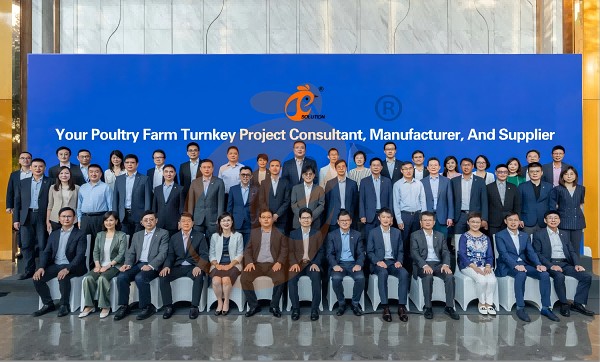
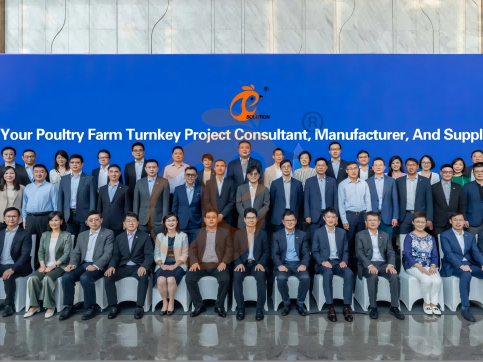
Hong Kong Headquarter Management Team
Hong Kong Headquarter Taiyu Industrial Group CO., LTD
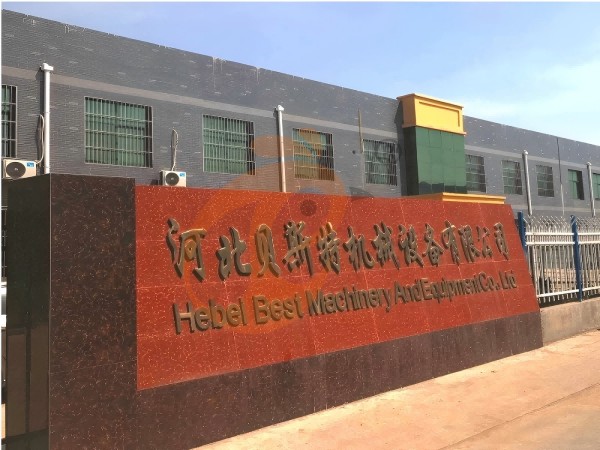
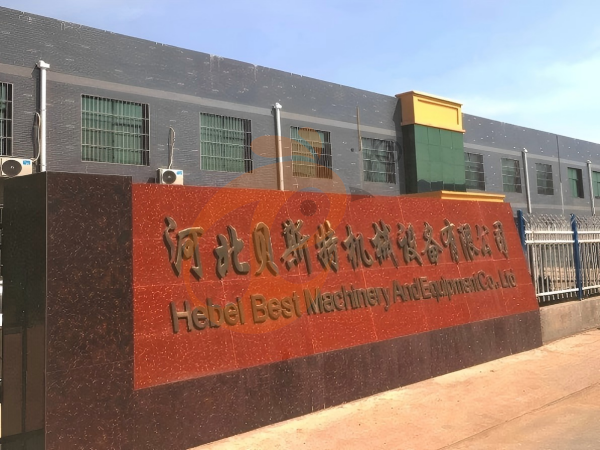
China Hebei Best Machinery And Equipment CO., LTD
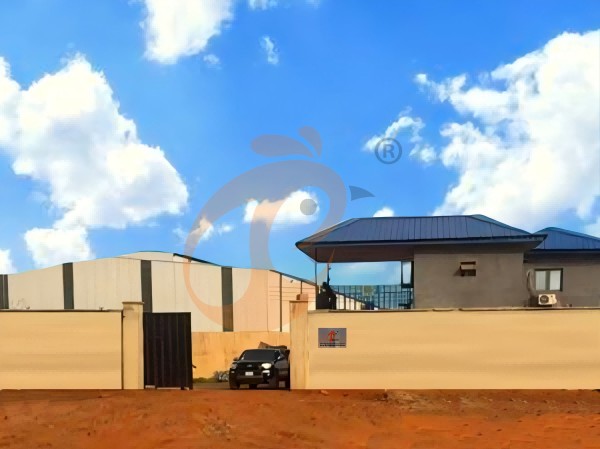
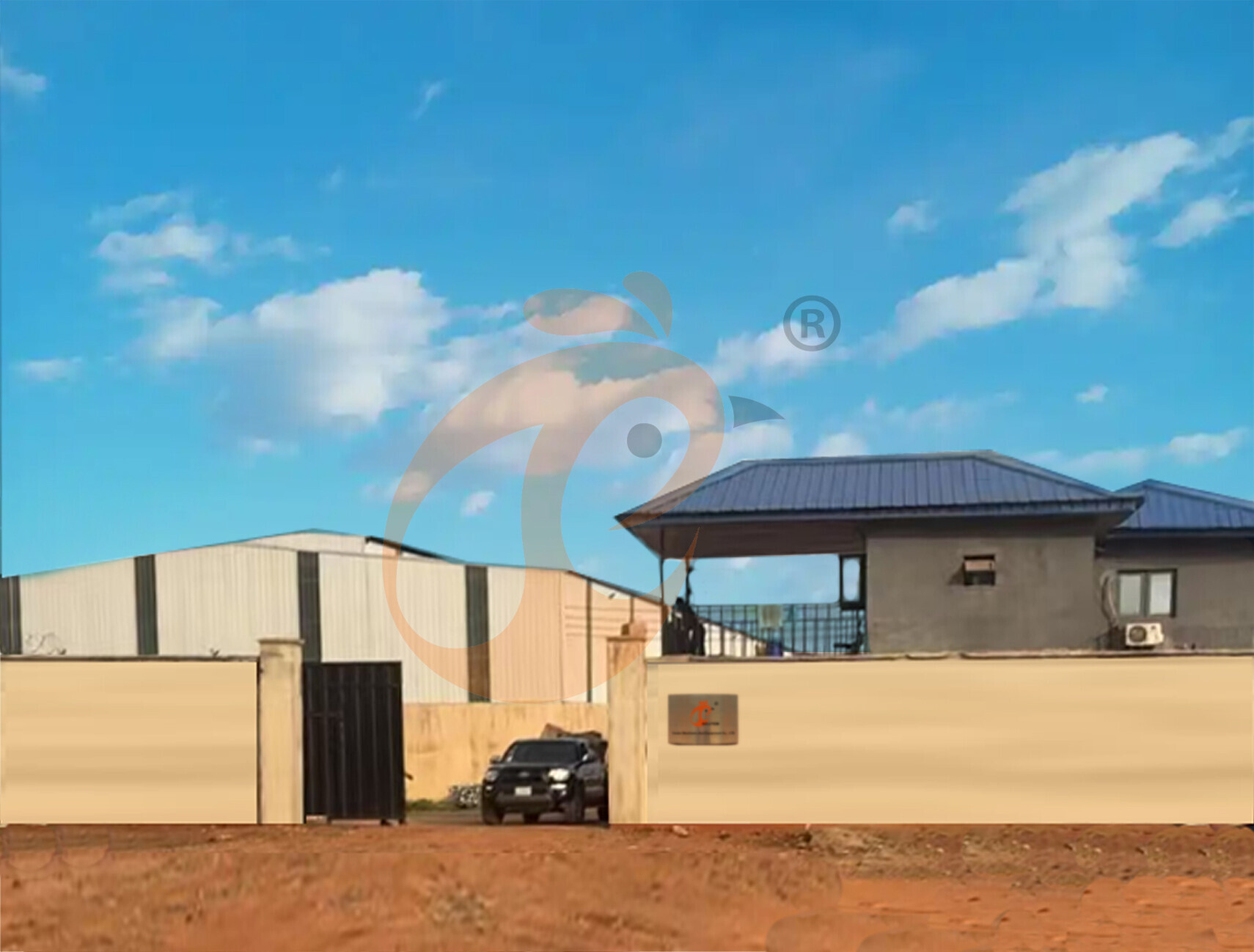
Nigeria Vanke Machinery And Equipment CO., LTD
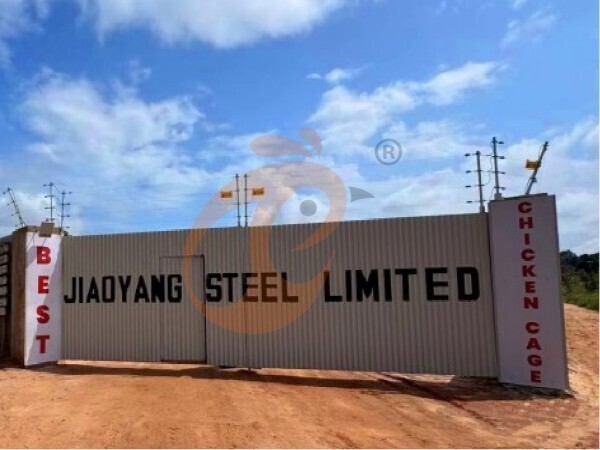
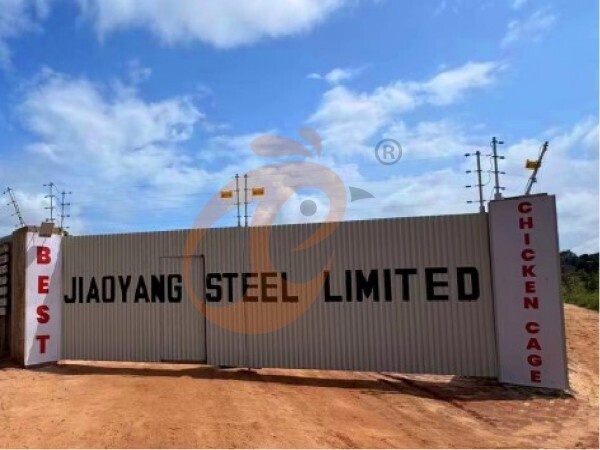
Tanzania Best Machinery And Equipment CO., LTD
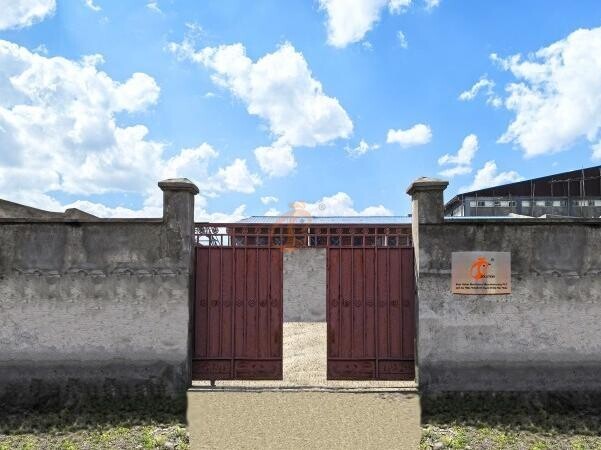
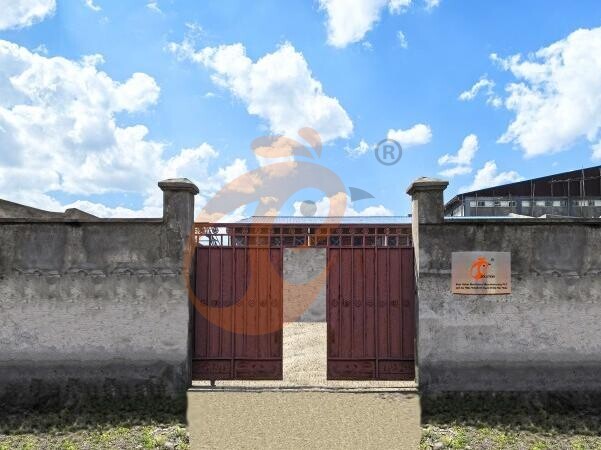
Ethiopia Best Hebei Machinery Manufacturing PLC
Reception /24 WhatsApp NO. : +8618830120193
FAQ
Which Environmental Factors Most Influence Performance In Free Range Poultry System For Poultry Chicken Farms?
Ground temperature fluctuates between 12–28°C affecting grazing activity intensity.
Wind speed tolerance is maintained at 1–3 m/s for outdoor comfort stability.
Why Does Free Range Poultry System Improve Meat Quality In Poultry Chicken Production?
Intramuscular fat content stabilizes at 2.5%–4.0% improving texture balance.
Protein digestibility improves to 88%–94% under natural feeding conditions.
How Is Land Utilization Managed In Free Range Poultry System For Poultry Chicken Farming?
Land recovery efficiency reaches 70%–85% vegetation regrowth per cycle.
Stocking rotation density is maintained at 6–9 birds per hectare for sustainability.
- poultry equipment
- poultry farm
- poultry cage
- poultry farm
- poultry farm construction
- poultry farm disinfection
- poultry ventilation equipment
- poultry feeding system
- automatic feeding system
- automatic poultry feeding system
- layer farm
- poultry house
- poultry house design
- poultry ventilation system
- modern poultry equipment
- automatic nipple drinkers
- poultry house cleaning
- poultry house dimensions
- Ethiopia
- Nigeria
Message
Products recommended
 HK Headquarter Offers EU-standard Poultry Farm Solutions, Manufacture Poultry Farm Equipment1. Continuous communication with the EU and the US
2. China, Nigeria, Ethiopia, Tanzania branch companies and factories
3. The products’ quality is customized for local poultry farms
4. Poultry cage and poultry farm equipment stock for sale
5. 24 online reception Whatsapp NO. : +8618830120193,contact us to get full informationRead More China Branch Offer Poultry Farm Business Plan, Manufacture Poultry Farm Equipment1. Address: Flat/RM 2416, 24/F, Runxing Building, Youyi Nan Street, Shijiazhuang City, Hebei Province, China
2. Poultry cage and poultry farm equipment factory and stock for sale
3. Customized for local poultry farms
4. Quality and design are based on Euro
5. 24 online reception Whatsapp NO. : +8618830120193Read More Nigeria Branch Offer Poultry Farm Business Plan, Manufacture Poultry Farm Equipment1. Address: After Sinoma Office, 200 Meters Near Danco Filling Station, Lagos/Ibadan Expressway, Lagos State, Nigeria
2. Poultry cage and poultry farm equipment factory and stock for sale
3. Customized for Nigerian poultry farms
4. Quality and design are based on Euro
5. 24 online reception Whatsapp NO. : +8618830120193Read More Ethiopia Branch Offer Poultry Farm Business Plan, Manufacture Poultry Farm Equipment1. Address: Gelan Gura, Akaki-kaliti Sub City, Addis Ababa, Ethiopia
2. Poultry cage and poultry farm equipment stock for sale
3. Customized for Ethiopian poultry farms
4. Quality and design are based on Euro
5. 24 online reception Whatsapp NO. : +8618830120193, contact us to get price listRead More Tanzania Branch Offer Poultry Farm Business Plan, Manufacture Poultry Farm Equipment1. Address: No.8, Sova Road, Msufini, Mlandizi, Kibaha, Pwani, Tanzania
2. Poultry cage and poultry farm equipment factory and stock for sale
3. Customized for Tanzanian poultry farms
4. Quality and design are based on Euro
5. 24 online reception Whatsapp NO. : +8618830120193Read More Fully Automatic H Type Layer Chicken Cage1. 30,000-100,000+ layers/house chooses it, Poultry farmers can achieve an egg production rate of 96-98%
2. A significant improvement over the 85-90% typically seen in manual systems
3. A typical poultry farm can expect a 30-40% reduction in labor costs due to the automation
4. Each feeding line efficiently supplies feed to around 100,000 hens per 30 mins
5. Reception /WhatsApp NO. : +8618830120193Read More Fully Automatic A Type Layer Chicken Cage1. 10,000-50,000 layers/house chooses it
2. Cleaner egg collection reduces breakage by 0.5%
3. Improved hygiene helps reduce mortality rate to <3%
4. 1–2 technicians can handle 15,000–30,000 birds
5. Reception /WhatsApp NO. : +8618830120193Read More Semi Automatic H Type Layer Chicken Cage1. 1,00-20,000 layers/house chooses it
2. Nipple drinkers flow 30–60 ML / min
3. Hot-dip galvanized (typical coating ≥ 275 g/m²)
4. Reduce ammonia by ~ 35–40%
5. Reception /WhatsApp NO. : +8618830120193Read More Semi Automatic A Type Layer Chicken Cage1. 1,00-20,000 layers/house chooses it, no rust for 10 years, no deformation for 15 years
2. Chickens live comfortably, you can raise them with peace of mind
3. Save water, save money—efficiency you can measure
4. Improve environment quality, and increase egg production rate
5. Reception /WhatsApp NO. : +8618830120193Read More
By clicking 'Allow All', you agree to the storage of cookies on your device to enhance site navigation, analyze site usage and assist with our marketing efforts.