


Blog
Ethiopia chicken cages are essential for efficient layer hen management in local poultry farms.
This article guides Ethiopian farmers on key installation checks to ensure optimal productivity.
Farm location, climate conditions, and housing structure must be assessed before installation.
Water supply and feed delivery systems require proper planning and setup.
Electrical backup and ventilation systems influence bird health and egg quality.
Manure management and waste disposal are critical for environmental sustainability.
Egg collection, grading, and biosecurity practices improve farm efficiency and market access.
Labour skills, financial planning, and regulatory compliance complete the checklist for success.
Get professional poultry farm construction guidance, equipment selection solutions, and the latest price lists, whatsApp to +8618830120193, click to learn more:

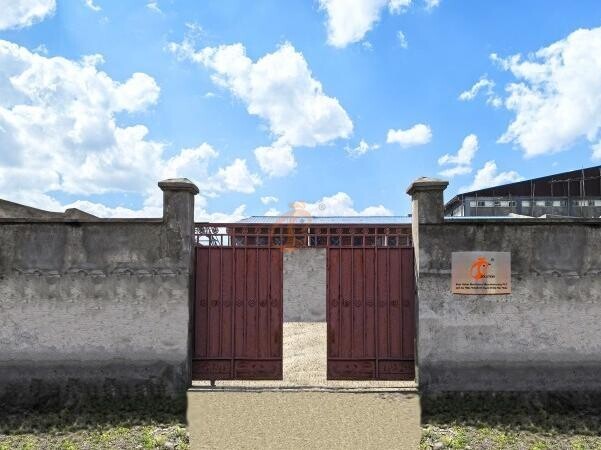
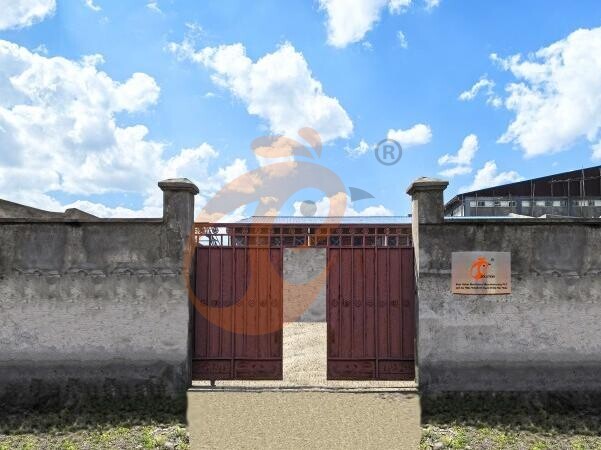
Ethiopia Branch Office And Factory Of Poultry Farm Equipment
Farm Location And Climate Assessment
Data is for reference only. Swipe horizontally to view full table.
Ethiopian poultry farms are influenced by diverse climatic zones.
Temperature and humidity levels affect layer hen comfort and cage performance.
Farm site selection must consider thermal stress and seasonal rainfall.
Ventilation planning is guided by local climate data to optimize bird health.
Floor Plan And Housing Structure Evaluation
Data is for reference only. Swipe horizontally to view full table.
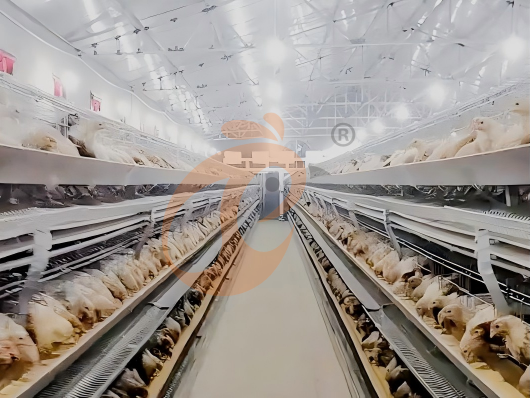
Proper housing ensures H-frame chicken cages fit securely.
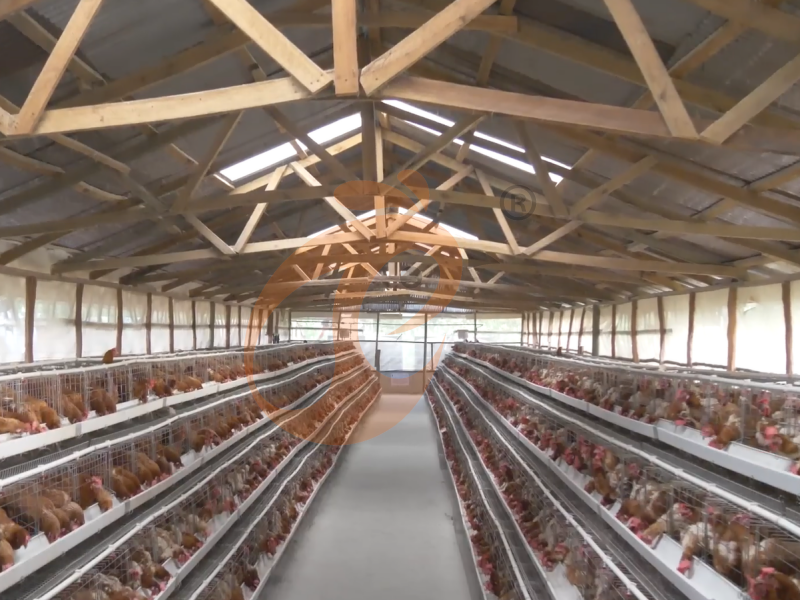
Ethiopian structures range from tin-roofed buildings to reinforced concrete.
Sloped floors prevent wet litter and improve manure collection.
Surveying structures prevents installation delays and improves long-term durability.
Water Supply And Distribution Systems
Data is for reference only. Swipe horizontally to view full table.
Layer hen cages require consistent clean water for egg production.
Water quality testing for pH and microbial contamination is necessary.
Ethiopian rural water sources may contain sediment requiring filtration.
Proper installation prevents blockage and maintains production efficiency.
Feed Storage And Delivery Check
Data is for reference only. Swipe horizontally to view full table.
Feed delivery must integrate with layer hen cages for continuous supply.
Humidity control prevents feed spoilage in Ethiopian conditions.
Rodent and insect control protects stored feed quality.
Optimized storage reduces labor and maintains nutritional value.
Electricity And Backup Power Systems
Data is for reference only. Swipe horizontally to view full table.
Consistent electricity supports ventilation, lighting, and feeding.
Ethiopian grid availability varies outside urban centers.
Backup generators or solar-assisted systems maintain operational stability.
Proper planning avoids interruptions affecting egg production and bird health.
Environmental Control And Ventilation
Data is for reference only. Swipe horizontally to view full table.
Airflow removes ammonia and supports bird welfare in H-frame chicken cages.
Roof vents and adjustable side curtains enhance natural ventilation.
Stack effect ventilation aids energy efficiency where electricity is limited.
Local climate guides ventilation strategies for Ethiopian poultry farms.
Manure Management And Waste Disposal Plan
Data is for reference only. Swipe horizontally to view full table.
Manure collection from layer hen cages supports environmental sustainability.
Proper storage prevents odor and contaminant issues.
Composting adds value as fertilizer for crops and vegetables.
Planning disposal improves hygiene and increases revenue from by-products.
Egg Collection And Grading Infrastructure
Data is for reference only. Swipe horizontally to view full table.
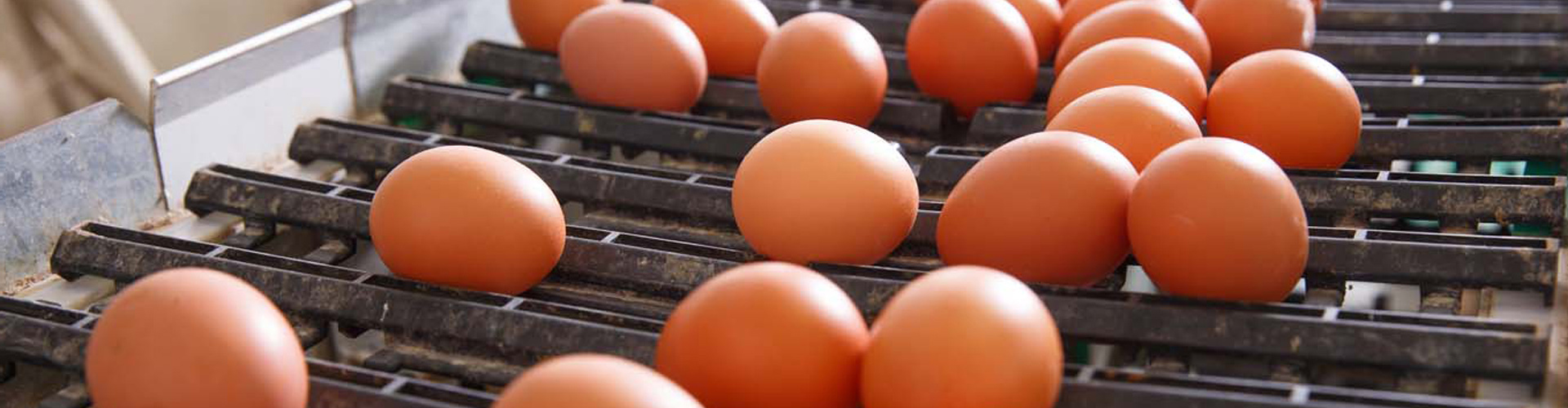
Automated egg belts reduce labor and improve collection efficiency.
Grading stations ensure minimal shell damage for Ethiopian markets.
Proximity to dispatch areas optimizes workflow.
Proper design increases marketable eggs and farm profitability.
Disease Prevention And Biosecurity Checks
Data is for reference only. Swipe horizontally to view full table.
Ethiopian layer hens face Newcastle disease and coccidiosis risks.
Cage systems simplify cleaning but require scheduled disinfection.
Staff training reduces disease transmission.
Biosecurity planning supports bird health and consistent egg production.
Labour Skills And Training Assessment
Data is for reference only. Swipe horizontally to view full table.
Technical skill is necessary for H-frame chicken cage operation.
Ethiopian rural farms benefit from agricultural extension support.
Training prevents breakdowns and enhances layer hen performance.
Skilled labour improves farm efficiency and reduces operating costs.
Cost Analysis And Financial Planning
Data is for reference only. Swipe horizontally to view full table.
Investments in layer hen cages require return on investment analysis.
Ethiopian farms must project revenue from urban egg markets.
Costs include equipment, installation, and energy infrastructure.
European union standard reference only for cage sizing and electrical loads.
Regulatory Compliance And Certification
Data is for reference only. Swipe horizontally to view full table.
Compliance avoids legal penalties and enables market access.
Certification increases buyer confidence in layer hen products.
Cage installation must follow national and local regulations.
Regulatory planning prevents costly retroactive modifications to farms.
Frequently Asked Questions
Q1: Are H-frame chicken cages suitable for Ethiopian climates?
A1: Yes.
Proper ventilation, insulation, and climate-specific housing adjustments allow H-frame chicken cages to maintain bird welfare across Ethiopian highlands and lowlands.
Q2: Can small-scale Ethiopian farmers afford layer hen cages?
A2: Yes.
Options for cooperative ownership, microfinance, and phased installation reduce upfront costs while maintaining cage efficiency.
Q3: How to prevent disease in Ethiopian H-frame chicken cages?
A3: Implement fencing, footbaths, isolation rooms, and staff hygiene training.
Regular cleaning schedules minimize Newcastle and coccidiosis risks.
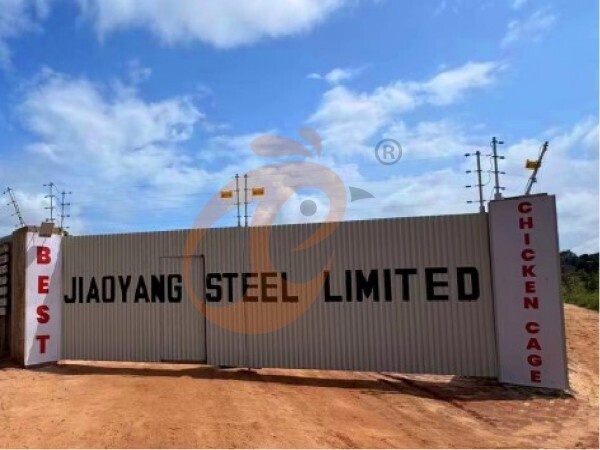
Ethiopia Best Hebei Machinery Manufacturing Plc - One Of Ethiopia Largest Chicken Cage Manufacturer
HB BEST provides global factory direct sales with high-quality poultry farm equipment.
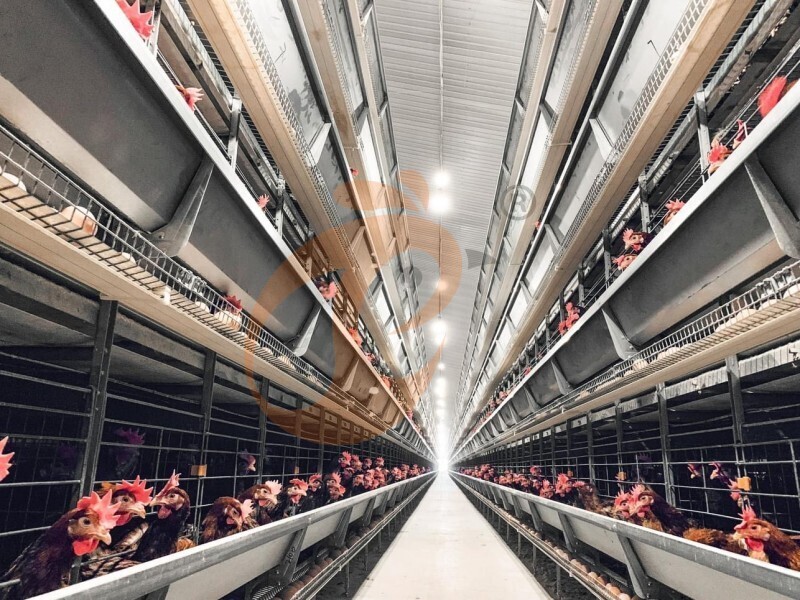
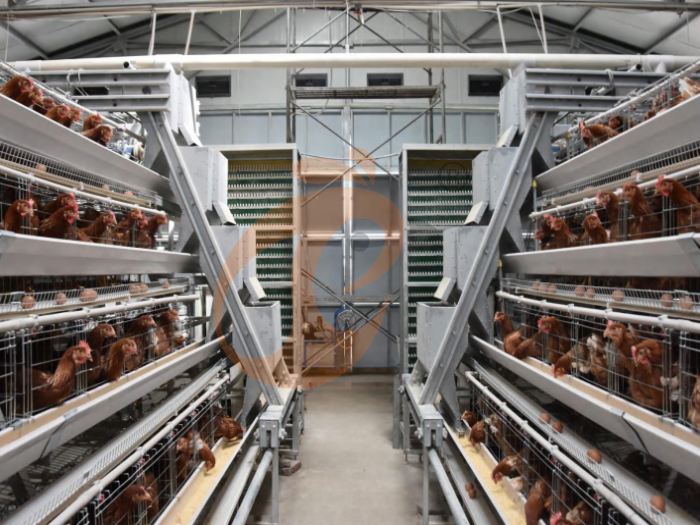
Company specializes in layer hen cages and H-frame chicken cage systems for Ethiopian farms.
Turn-key engineering projects ensure full installation and operational readiness.
Professional support includes planning, training, and maintenance for long-term efficiency.
HB BEST delivers customized poultry cage solutions for all scales, increasing productivity and revenue.
Contact Us To Received Your Customized Poultry Farm Plan
Headquarters And Branchs

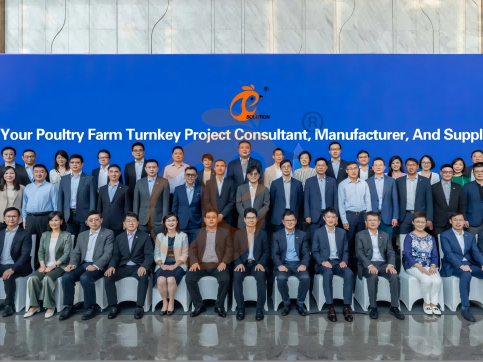
Hong Kong Headquarter Management Team
Hong Kong Headquarter Taiyu Industrial Group CO., LTD
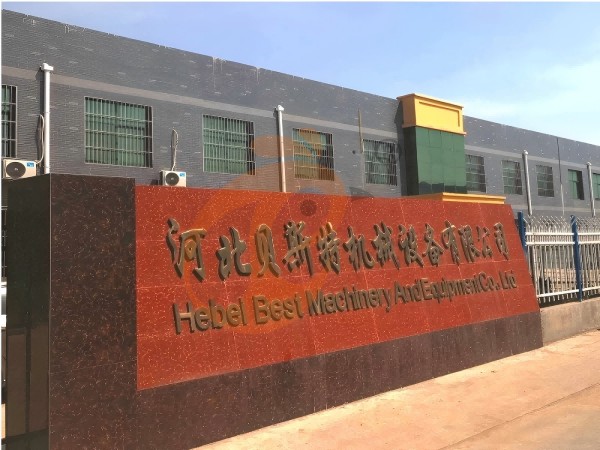
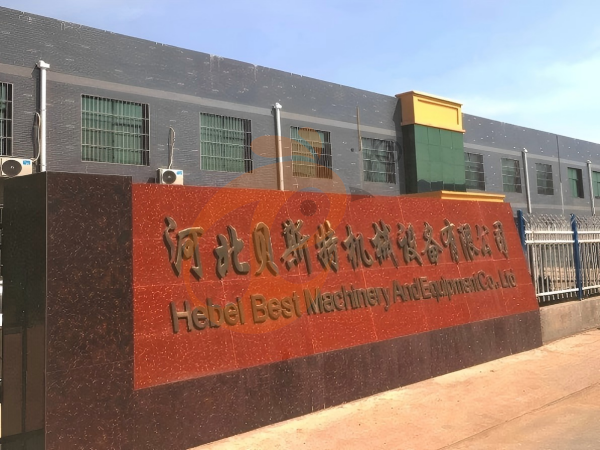
China Hebei Best Machinery And Equipment CO., LTD
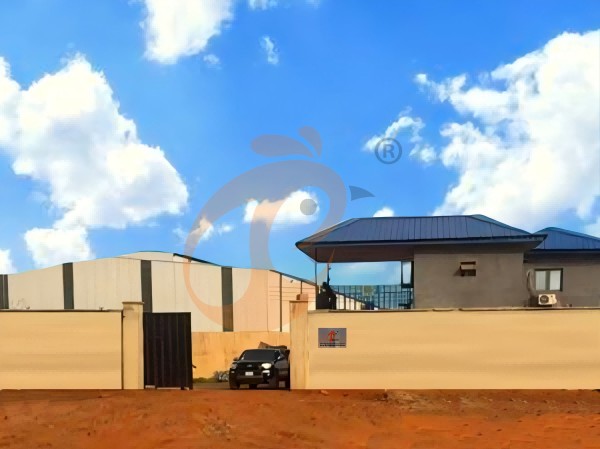
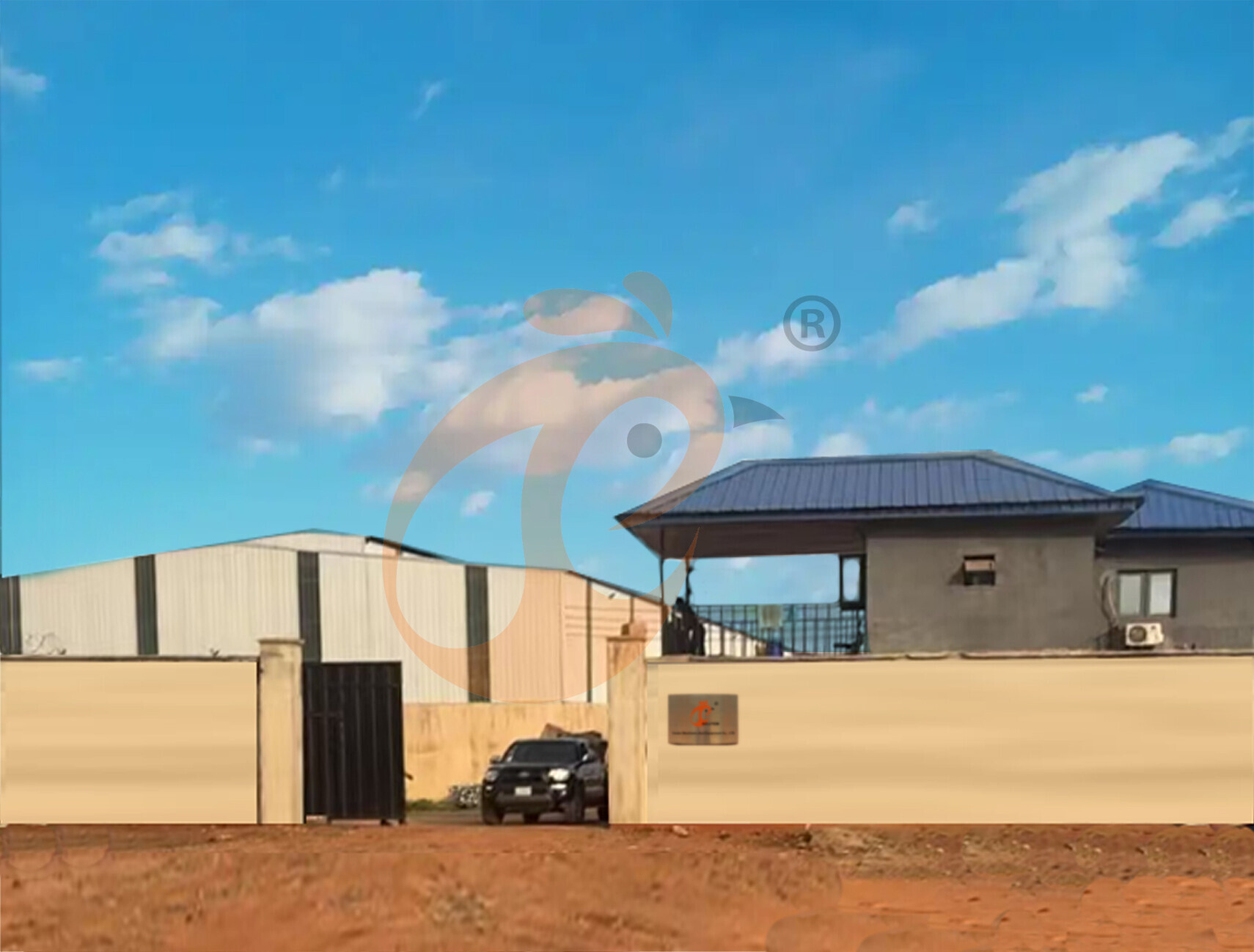
Nigeria Vanke Machinery And Equipment CO., LTD
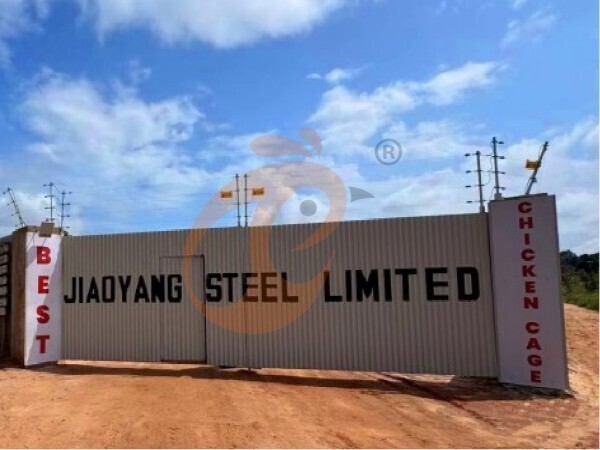
Tanzania Best Machinery And Equipment CO., LTD
Ethiopia Best Hebei Machinery Manufacturing PLC
Reception /24 WhatsApp NO. : +8618830120193
FAQ
What Are The Recommended Cage Heights For H-Type Poultry Cage?
Multi-tier layout: 5–7 levels
Ensure comfort for feeding and movement
Egg production rate: 90-98%
FCR: 1.9–2.1
How To Reduce Energy Consumption In H-Type Layer Cage Farm?
Optimize ventilation and lighting layout
Reduce HVAC energy consumption by 10–15%
Egg production rate: 90-98%
FCR: 1.9–2.1
What Is The Maximum Capacity Of H-Type Layer Cage In A Single House?
Birds per tier: 90–120
Farm capacity per house: 30,000 - 100,000+0 birds
Floor space saved: 3–4 times
Labor savings: 70-90%
Message
Products recommended
 HK Headquarter Offers EU-standard Poultry Farm Solutions, Manufacture Poultry Farm Equipment1. Continuous communication with the EU and the US
2. China, Nigeria, Ethiopia, Tanzania branch companies and factories
3. The products’ quality is customized for local poultry farms
4. Poultry cage and poultry farm equipment stock for sale
5. 24 online reception Whatsapp NO. : +8618830120193,contact us to get full informationRead More China Branch Offer Poultry Farm Business Plan, Manufacture Poultry Farm Equipment1. Address: Flat/RM 2416, 24/F, Runxing Building, Youyi Nan Street, Shijiazhuang City, Hebei Province, China
2. Poultry cage and poultry farm equipment factory and stock for sale
3. Customized for local poultry farms
4. Quality and design are based on Euro
5. 24 online reception Whatsapp NO. : +8618830120193Read More Nigeria Branch Offer Poultry Farm Business Plan, Manufacture Poultry Farm Equipment1. Address: After Sinoma Office, 200 Meters Near Danco Filling Station, Lagos/Ibadan Expressway, Lagos State, Nigeria
2. Poultry cage and poultry farm equipment factory and stock for sale
3. Customized for Nigerian poultry farms
4. Quality and design are based on Euro
5. 24 online reception Whatsapp NO. : +8618830120193Read More Ethiopia Branch Offer Poultry Farm Business Plan, Manufacture Poultry Farm Equipment1. Address: Gelan Gura, Akaki-kaliti Sub City, Addis Ababa, Ethiopia
2. Poultry cage and poultry farm equipment stock for sale
3. Customized for Ethiopian poultry farms
4. Quality and design are based on Euro
5. 24 online reception Whatsapp NO. : +8618830120193, contact us to get price listRead More Tanzania Branch Offer Poultry Farm Business Plan, Manufacture Poultry Farm Equipment1. Address: No.8, Sova Road, Msufini, Mlandizi, Kibaha, Pwani, Tanzania
2. Poultry cage and poultry farm equipment factory and stock for sale
3. Customized for Tanzanian poultry farms
4. Quality and design are based on Euro
5. 24 online reception Whatsapp NO. : +8618830120193Read More Fully Automatic H Type Layer Chicken Cage1. 30,000-100,000+ layers/house chooses it, Poultry farmers can achieve an egg production rate of 96-98%
2. A significant improvement over the 85-90% typically seen in manual systems
3. A typical poultry farm can expect a 30-40% reduction in labor costs due to the automation
4. Each feeding line efficiently supplies feed to around 100,000 hens per 30 mins
5. Reception /WhatsApp NO. : +8618830120193Read More Fully Automatic A Type Layer Chicken Cage1. 10,000-50,000 layers/house chooses it
2. Cleaner egg collection reduces breakage by 0.5%
3. Improved hygiene helps reduce mortality rate to <3%
4. 1–2 technicians can handle 15,000–30,000 birds
5. Reception /WhatsApp NO. : +8618830120193Read More Semi Automatic H Type Layer Chicken Cage1. 1,00-20,000 layers/house chooses it
2. Nipple drinkers flow 30–60 ML / min
3. Hot-dip galvanized (typical coating ≥ 275 g/m²)
4. Reduce ammonia by ~ 35–40%
5. Reception /WhatsApp NO. : +8618830120193Read More Semi Automatic A Type Layer Chicken Cage1. 1,00-20,000 layers/house chooses it, no rust for 10 years, no deformation for 15 years
2. Chickens live comfortably, you can raise them with peace of mind
3. Save water, save money—efficiency you can measure
4. Improve environment quality, and increase egg production rate
5. Reception /WhatsApp NO. : +8618830120193Read More
By clicking 'Allow All', you agree to the storage of cookies on your device to enhance site navigation, analyze site usage and assist with our marketing efforts.