


Blog
Ethiopian H type chicken cage space utilization improves productivity under land and cost constraints.
Urban demand for eggs in Addis Ababa and regional cities continues to rise steadily.
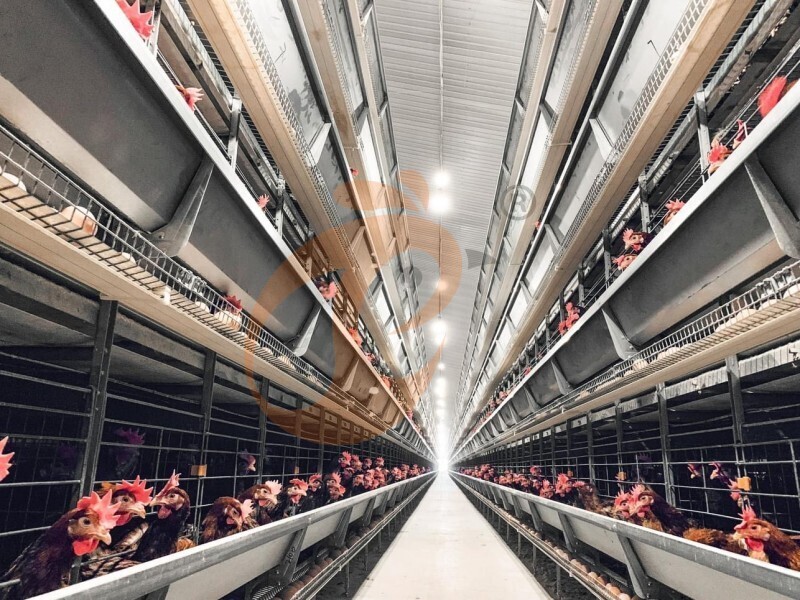
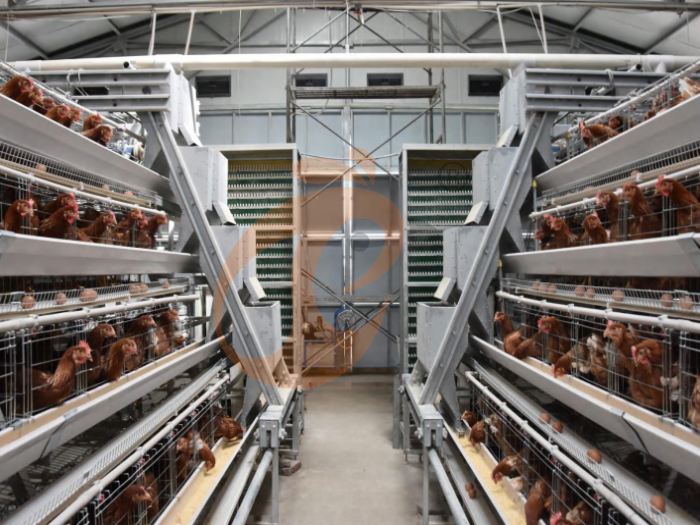
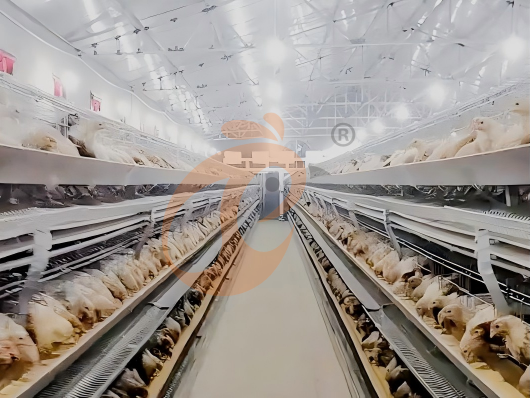
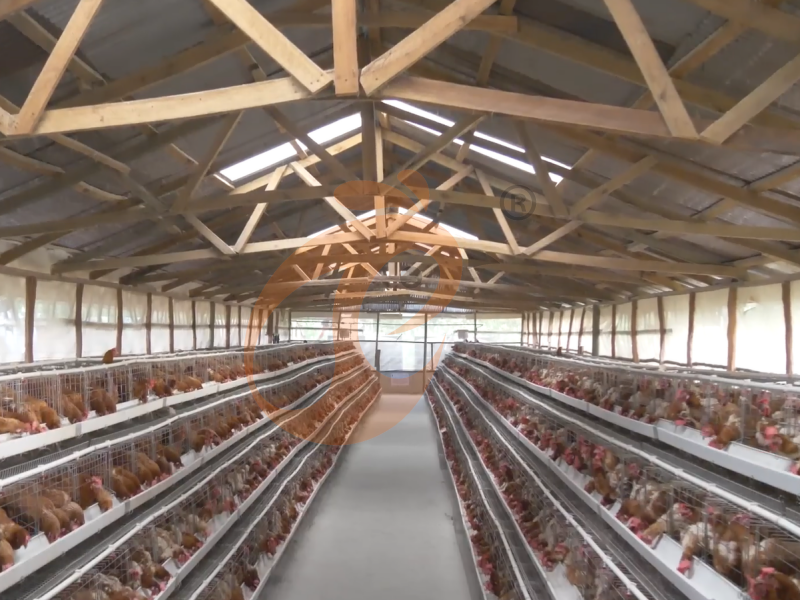
H-type systems provide vertical efficiency for farms with limited land availability.
Climate variability across Ethiopia requires adaptive poultry housing strategies.
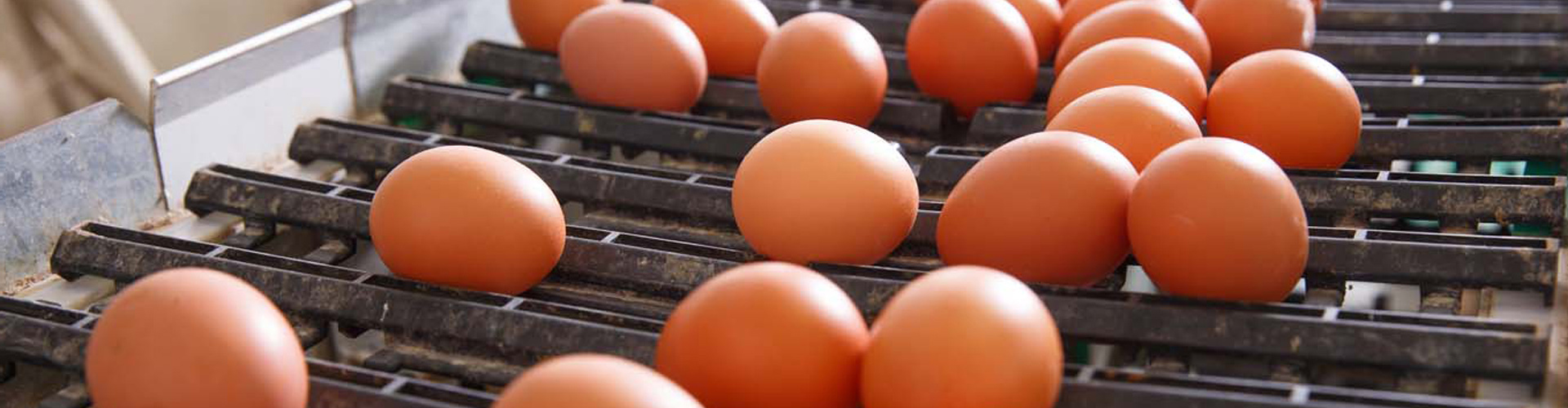
Proper management ensures higher egg output without expanding infrastructure footprint.
Get professional poultry farm construction guidance, equipment selection solutions, and the latest price lists, whatsApp to +8618830120193, click to learn more:

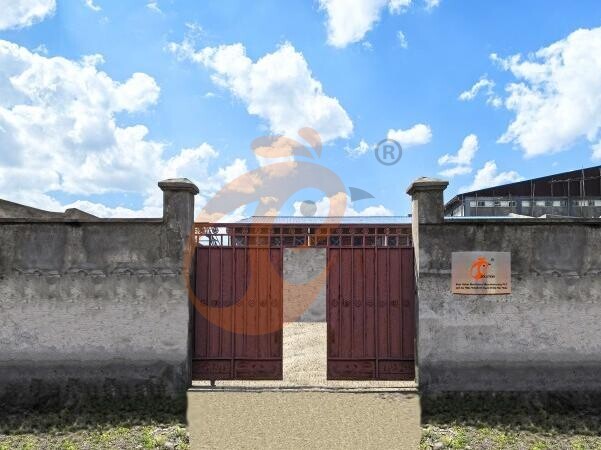
Ethiopia Branch Office And Factory Of Poultry Farm Equipment
Optimize Vertical Layer Configuration Based On Ethiopian Housing Structures
The H-type chicken cage system allows vertical expansion, which is critical in Ethiopian peri-urban areas where land costs are increasing
in Ethiopian Birr (ETB) (European union standard reference only).
Many poultry houses in Oromia and Amhara are not designed to support full vertical utilization. Increasing building height enables more
cage tiers and improves egg production per square meter.
Data is for reference only.Swipe horizontally to view full table.
Adjust Cage Density According To Local Breed Performance
Efficient Ethiopian layer farming depends on matching stocking density with breed characteristics.
Exotic layers and local crossbreeds differ in body weight and egg production rates. Adjusting bird numbers per cage improves both welfare and productivity.
Data is for reference only.Swipe horizontally to view full table.
Integrate Efficient Manure Management Systems
Manure accumulation is a major operational challenge in Ethiopian poultry farms, especially during rainy seasons in highland regions.
H-type chicken cage systems support manure belt systems that improve hygiene and free up usable space under cages.
Data is for reference only.Swipe horizontally to view full table.
Improve Feeding And Watering Line Layout
Feed efficiency is essential due to fluctuating feed costs in Ethiopian Birr (ETB) (European union standard reference only).
H-type systems integrate feeding and watering lines to reduce waste and improve uniform distribution across cages.
Data is for reference only.Swipe horizontally to view full table.
Utilize Climate-Adaptive Ventilation To Maintain Density
Ethiopia's diverse climate zones require different ventilation strategies to maintain bird density and productivity.
Proper airflow ensures that higher stocking densities do not negatively affect egg production.
Data is for reference only.Swipe horizontally to view full table.
Standardize Cage Dimensions For Modular Expansion
Inconsistent cage sizing limits expansion efficiency in Ethiopian farms.
Standardized H-type cage modules allow easier scaling and better utilization of available space.
Data is for reference only.Swipe horizontally to view full table.
Implement Data Monitoring For Space Efficiency
Many Ethiopian poultry farms lack structured data tracking systems.
Monitoring production metrics helps identify underutilized cage areas and improve efficiency.
Data is for reference only.Swipe horizontally to view full table.
Address Local Feed Constraints To Support Higher Density
Feed supply remains a limiting factor in Ethiopian poultry production, with price fluctuations in Ethiopian Birr (ETB) (European union standard reference only).
Alternative feed ingredients can support higher stocking density without compromising egg output.
Data is for reference only.Swipe horizontally to view full table.
Improve Biosecurity To Protect High-Density Systems
Higher density cage systems require stronger disease control measures.
Ethiopian poultry farms frequently face Newcastle disease outbreaks, making biosecurity essential.
Data is for reference only.Swipe horizontally to view full table.
Train Farm Workers For Efficient Space Management
Labor efficiency directly affects how well H-type cage systems are utilized.
Training improves operational consistency and reduces management errors.
Data is for reference only.Swipe horizontally to view full table.
Frequently Asked Questions
Q1: Is H-type chicken cage suitable for Ethiopian climate conditions?
Yes, H-type systems can be adapted to Ethiopian climates by adjusting ventilation strategies.
Highland areas benefit from natural airflow, while lowland regions require tunnel ventilation and cooling systems.
Q2: How can Ethiopian farmers manage costs when adopting H-type cage systems?
Farmers can start with semi-automated systems and expand gradually.
Using local materials for housing and alternative feed ingredients reduces initial investment pressure.
Q3: Does increasing cage density affect egg production in Ethiopia?
When combined with proper feed, ventilation, and biosecurity, higher density improves total egg output.
Poor management, however, can reduce productivity, so balanced implementation is necessary.
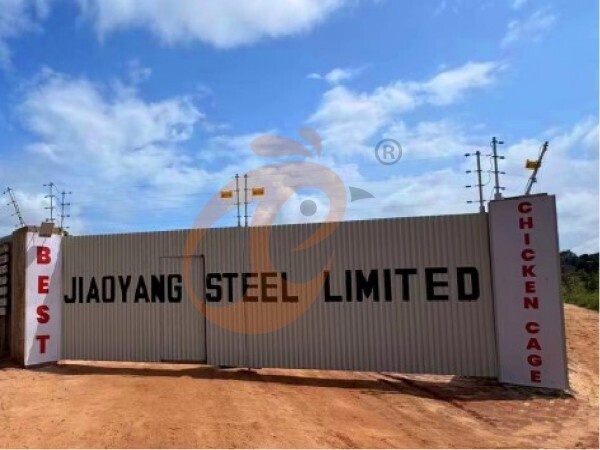
Ethiopia Best Hebei Machinery Manufacturing Plc - One Of Ethiopia Largest Chicken Cage Supplier
Global factory direct supply ensures cost control and stable delivery timelines.
Specialized in poultry farm equipment including advanced H-type poultry cage systems.
Provides customized poultry cage layouts based on Ethiopian farm conditions and climate.
Offers complete Turn-key engineering solutions from design to installation support.
Strong technical team ensures after-sales service, training, and long-term operational guidance.
Contact Us To Received Your Customized Poultry Farm Plan
Headquarters And Branchs

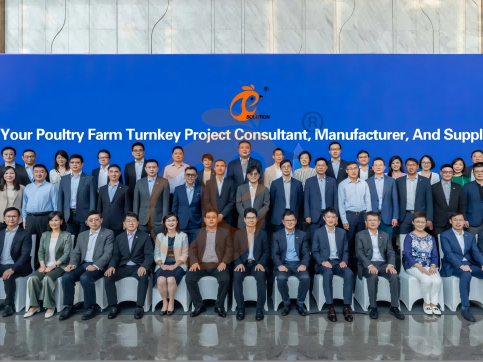
Hong Kong Headquarter Management Team
Hong Kong Headquarter Taiyu Industrial Group CO., LTD
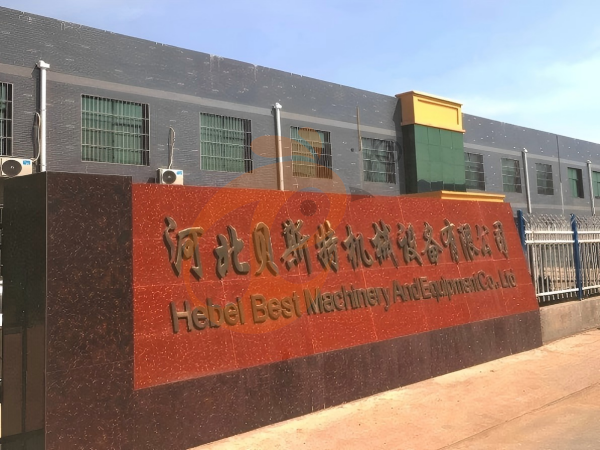
China Hebei Best Machinery And Equipment CO., LTD
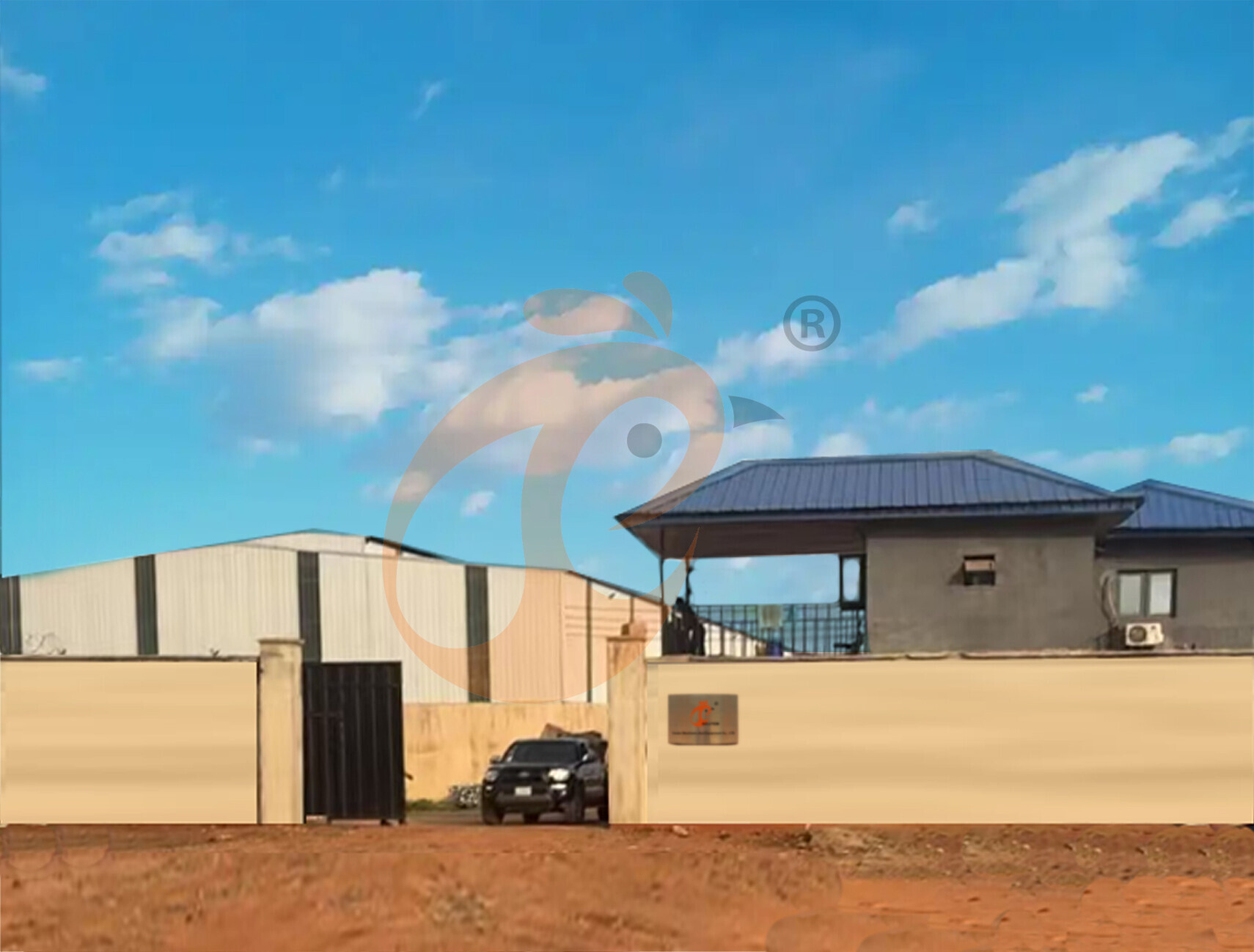
Nigeria Vanke Machinery And Equipment CO., LTD
Tanzania Best Machinery And Equipment CO., LTD
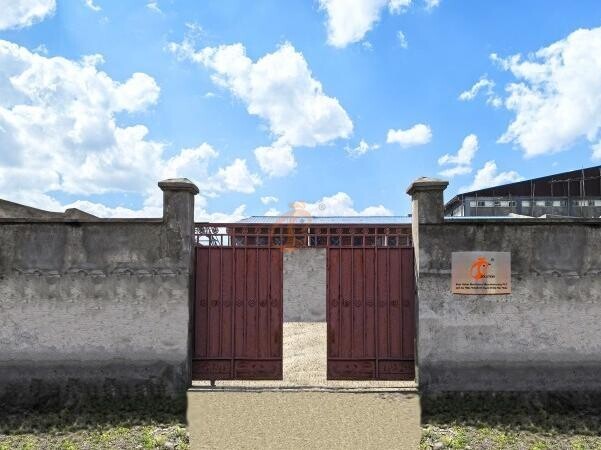
Ethiopia Best Hebei Machinery Manufacturing PLC
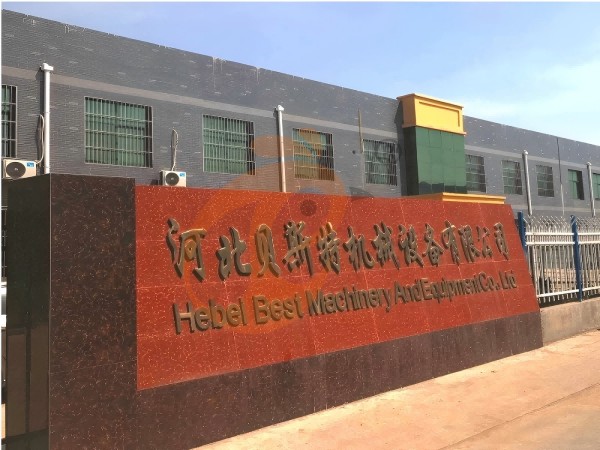
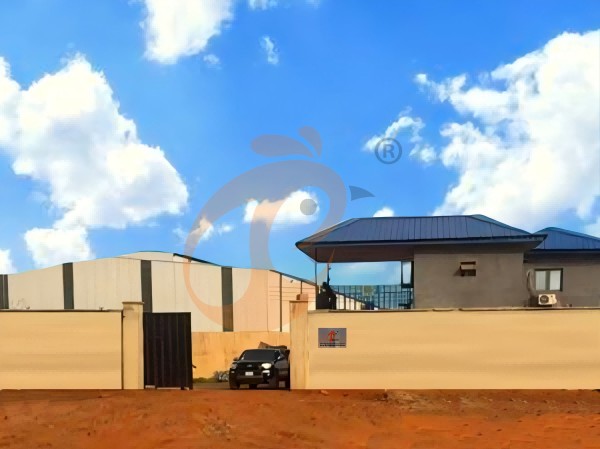
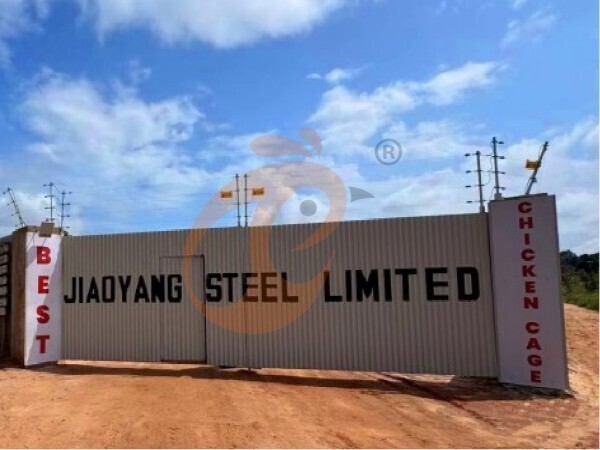
Reception /24 WhatsApp NO. : +8618830120193
FAQ
How To Implement Automated Feeding In H-Type Layer Cage System?
Even feed distribution per tier
Reduces feed waste by 10–15%
FCR optimized to 1.9–2.1
Labor savings: 70-90%
How To Optimize H-Type Chicken Cage Design For Disease Prevention?
Easy-to-clean design reduces bacterial buildup
Automatic manure removal reduces infection sources
Mortality rate: 2–3%
Egg production rate: 90-98%
What Is The Cost Of H-Type Battery Cage For 50,000 Layers?
Total cost for 50,000 birds: $500,000–$900,000
Equipment lifespan: more than 25 years
ROI: ~2–3 years
Labor savings: 70-90%
Message
Products recommended
 HK Headquarter Offers EU-standard Poultry Farm Solutions, Manufacture Poultry Farm Equipment1. Continuous communication with the EU and the US
2. China, Nigeria, Ethiopia, Tanzania branch companies and factories
3. The products’ quality is customized for local poultry farms
4. Poultry cage and poultry farm equipment stock for sale
5. 24 online reception Whatsapp NO. : +8618830120193,contact us to get full informationRead More China Branch Offer Poultry Farm Business Plan, Manufacture Poultry Farm Equipment1. Address: Flat/RM 2416, 24/F, Runxing Building, Youyi Nan Street, Shijiazhuang City, Hebei Province, China
2. Poultry cage and poultry farm equipment factory and stock for sale
3. Customized for local poultry farms
4. Quality and design are based on Euro
5. 24 online reception Whatsapp NO. : +8618830120193Read More Nigeria Branch Offer Poultry Farm Business Plan, Manufacture Poultry Farm Equipment1. Address: After Sinoma Office, 200 Meters Near Danco Filling Station, Lagos/Ibadan Expressway, Lagos State, Nigeria
2. Poultry cage and poultry farm equipment factory and stock for sale
3. Customized for Nigerian poultry farms
4. Quality and design are based on Euro
5. 24 online reception Whatsapp NO. : +8618830120193Read More Ethiopia Branch Offer Poultry Farm Business Plan, Manufacture Poultry Farm Equipment1. Address: Gelan Gura, Akaki-kaliti Sub City, Addis Ababa, Ethiopia
2. Poultry cage and poultry farm equipment stock for sale
3. Customized for Ethiopian poultry farms
4. Quality and design are based on Euro
5. 24 online reception Whatsapp NO. : +8618830120193, contact us to get price listRead More Tanzania Branch Offer Poultry Farm Business Plan, Manufacture Poultry Farm Equipment1. Address: No.8, Sova Road, Msufini, Mlandizi, Kibaha, Pwani, Tanzania
2. Poultry cage and poultry farm equipment factory and stock for sale
3. Customized for Tanzanian poultry farms
4. Quality and design are based on Euro
5. 24 online reception Whatsapp NO. : +8618830120193Read More Fully Automatic H Type Layer Chicken Cage1. 30,000-100,000+ layers/house chooses it, Poultry farmers can achieve an egg production rate of 96-98%
2. A significant improvement over the 85-90% typically seen in manual systems
3. A typical poultry farm can expect a 30-40% reduction in labor costs due to the automation
4. Each feeding line efficiently supplies feed to around 100,000 hens per 30 mins
5. Reception /WhatsApp NO. : +8618830120193Read More Fully Automatic A Type Layer Chicken Cage1. 10,000-50,000 layers/house chooses it
2. Cleaner egg collection reduces breakage by 0.5%
3. Improved hygiene helps reduce mortality rate to <3%
4. 1–2 technicians can handle 15,000–30,000 birds
5. Reception /WhatsApp NO. : +8618830120193Read More Semi Automatic H Type Layer Chicken Cage1. 1,00-20,000 layers/house chooses it
2. Nipple drinkers flow 30–60 ML / min
3. Hot-dip galvanized (typical coating ≥ 275 g/m²)
4. Reduce ammonia by ~ 35–40%
5. Reception /WhatsApp NO. : +8618830120193Read More Semi Automatic A Type Layer Chicken Cage1. 1,00-20,000 layers/house chooses it, no rust for 10 years, no deformation for 15 years
2. Chickens live comfortably, you can raise them with peace of mind
3. Save water, save money—efficiency you can measure
4. Improve environment quality, and increase egg production rate
5. Reception /WhatsApp NO. : +8618830120193Read More
By clicking 'Allow All', you agree to the storage of cookies on your device to enhance site navigation, analyze site usage and assist with our marketing efforts.