


Blog
Selecting the correct layer chicken cage size helps Ethiopian poultry farms improve egg output, manage climate pressure, and optimize long-term performance across diverse regions.
This article explains how Ethiopian climate, land limitations, feed logistics, and breed structure influence cage selection.
It provides technical tables covering ventilation, stocking density, and structure durability.
It includes sizing solutions for farms in highland and Rift Valley zones.
It offers Ethiopia-specific recommendations addressing expansion, automation, and investment planning.
Get professional poultry farm construction guidance, equipment selection solutions, and the latest price lists, whatsApp to +8618830120193, click to learn more:

Ethiopia Branch Office And Factory Of Poultry Farm Equipment
Understanding Ethiopian Farm Constraints Before Choosing Cage Size
Ethiopian poultry farming operates within structural constraints such as uneven poultry-house heights, limited land, and inconsistent power supply.
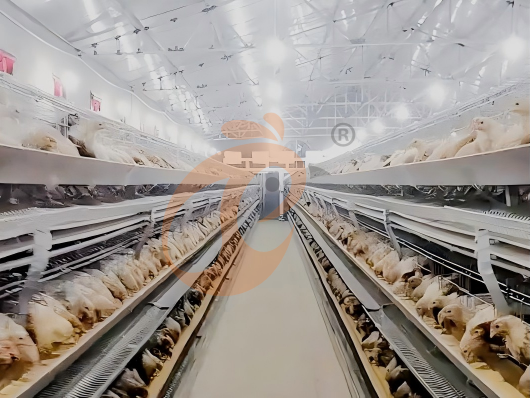
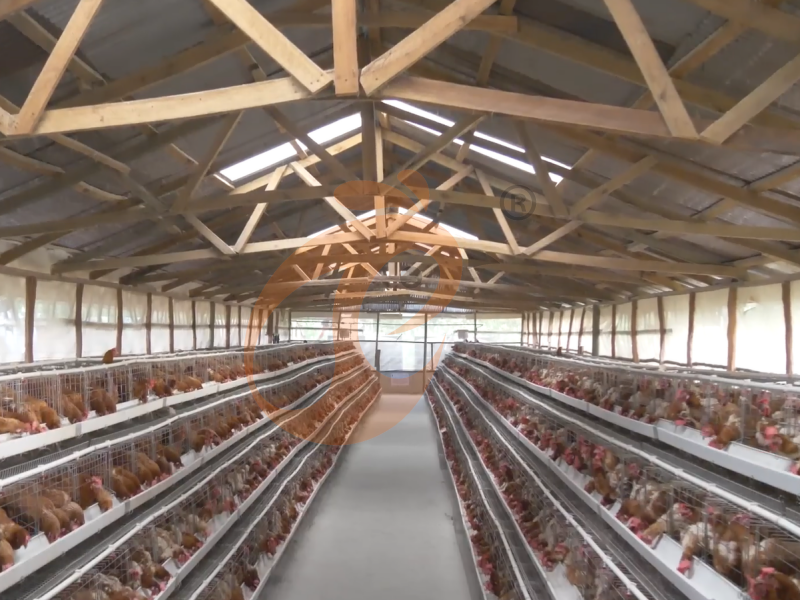
Many poultry houses, especially in Oromia and Amhara, have irregular roof clearance created by local construction methods, which limits the safe number of H-type tiers.
Transport conditions also influence cage-unit size because most equipment arrives from Djibouti port and then moves through rural roads that restrict module dimensions.
These local constraints must be mapped before determining the optimal cage width, depth, and section layout.
Data is for reference only.Swipe horizontally to view full table.
Evaluating Stocking Density According To Ethiopian Layer Breeds
Layer farms in Ethiopia mainly raise Isa Brown, Bovans Brown, Lohmann Brown, and the larger local Koekoek.
Each breed has different body sizes and thus needs specific cage dimensions, especially depth and width.
Using unsuitable stocking density reduces egg uniformity and increases friction-related feather loss.
This section also supports the SEO phrase Ethiopian poultry farming, highlighting local breed performance within Ethiopian climatic zones.
Data is for reference only.Swipe horizontally to view full table.
Considering Ethiopia's Climate When Selecting Cage Dimensions
Ethiopian climate zones vary widely: cool highlands in Addis Ababa, mild mid-altitude climates in Oromia, and hot, humid areas across the Rift Valley.
Cage dimension planning must adjust to airflow behavior inside each climatic zone.
The SEO phrase H-type chicken cage Ethiopia is naturally relevant here because airflow optimization is central to selecting cage layout for each region.
Data is for reference only.Swipe horizontally to view full table.
Matching Cage Size To Feeding And Egg Collection Systems
Ethiopian poultry farms operate both manual feeding and automated equipment depending on investment structure.
Cage width must align with the feeding line or manual-walkway spacing to avoid maintenance inefficiency.
Improper cage width selection can make future automation upgrades costly, especially when shifting to automatic egg conveyors.
Data is for reference only.Swipe horizontally to view full table.
Calculating Capacity And Future Expansion Requirements
Many Ethiopian farms begin with 2,000–5,000 layers, then scale to 10,000–20,000 birds as local market demand grows.
Planning cage layout for expansion prevents costly building reconstruction.
Cage size selection should consider flock growth curves, ventilation requirements, and the ability to adopt automated systems later.
This section uses the SEO phrase layer chicken cage size naturally through capacity planning.
Data is for reference only.Swipe horizontally to view full table.
(European union standard reference only.)
Assessing Structural Integrity Under Ethiopian Conditions
Ethiopian poultry houses face large humidity variations, dust concentration from unpaved surroundings, and high cleaning frequency.
Thus, cage mesh diameter, frame reinforcement, and durable coating are essential requirements.
Stronger components improve lifespan and reduce the need for imported spare parts.
Data is for reference only.Swipe horizontally to view full table.
Ventilation And Energy Considerations For Ethiopian Farms
Power fluctuation is common in rural and peri-urban zones.
Cage dimensions must support natural airflow capable of maintaining bird comfort during outages.
Aisle width and cage depth directly influence ventilation resistance and heat movement throughout the house.
Data is for reference only.Swipe horizontally to view full table.
Cost Analysis Under Ethiopian Market Conditions
Chicken cage systems in Ethiopia vary in cost because of import logistics, transportation from Djibouti, and local installation.
Wider cages reduce the cost per bird but increase structural requirements for the poultry house roof and walkway beams.
Investment planning should consider long-term expansion capability rather than initial price alone.
Data is for reference only.Swipe horizontally to view full table.
Practical Observations From Ethiopian Poultry Farms
Experience from farms in Bishoftu, Adama, Hawassa, and Shashemene shows that cage sizing errors cause egg-shell breakage, reduced laying performance, and inefficient feed distribution.
Narrow aisles in hot regions lead to heat accumulation, especially during dry seasons.
Using deeper cages and larger aisles mitigates heat stress and stabilizes feed intake.
Correct cage sizing is a direct productivity factor in Ethiopian poultry farming environments.
Integrating Labor Efficiency Into Cage Size Decisions
Ethiopian farms employ labor with varying skill levels.
Cage height and tier number influence inspection efficiency and worker mobility.
Systems that are too tall without walkways cause slow egg collection and irregular monitoring.
Choosing accessible cage dimensions helps maintain consistent farm routines and improved flock management.
Frequently Asked Questions
Q1: Is the H-type chicken cage suitable for Ethiopian climate conditions?
Yes.
When cage depth and aisle width match regional temperatures, the H-type structure manages both highland coolness and Rift Valley heat.
Ventilation-adjusted sizing ensures stable egg production across climate zones.
Q2: Which cage size works best for Ethiopian layer breeds?
Breeds such as Isa Brown and Lohmann Brown fit 62–66 cm cage depth, while Koekoek needs slightly wider modules due to larger body mass.
Matching breed size avoids overcrowding and maintains laying consistency.
Q3: How should Ethiopian farms plan for expansion using H-type cages?
Modular 4-tier systems allow expansion from 5000 to 15000 birds without reconstructing the building.
Standard section width ensures future automation compatibility and reduces structural modification cost.
Ethiopia Best Hebei Machinery Manufacturing Plc - One Of Ethiopia Largest Chicken Cage Manufacturer
Provides factory-direct poultry farm equipment ensuring predictable supply, stable quality, and optimized delivery for Ethiopian farms.
Offers complete poultry cage solutions designed for highland, mid-altitude, and Rift Valley climate requirements with durable structural engineering.
Delivers full turn-key project services including design, installation, testing, and operational support tailored to Ethiopian production targets.
Supplies modular H-type chicken cage units enabling scalable expansion for commercial farms seeking automation-readiness and efficient maintenance cycles.
Supports professional planning, long-term training, and component availability necessary for consistent poultry production across Ethiopian regions.
Contact Us To Received Your Customized Poultry Farm Plan
Headquarters And Branchs

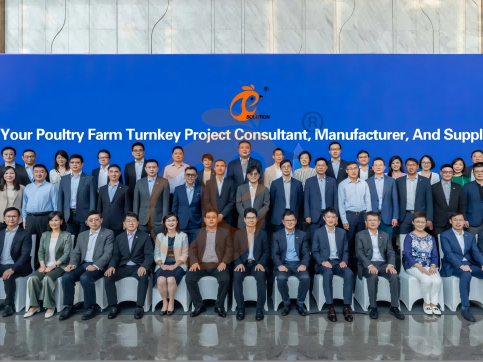
Hong Kong Headquarter Management Team
Hong Kong Headquarter Taiyu Industrial Group CO., LTD
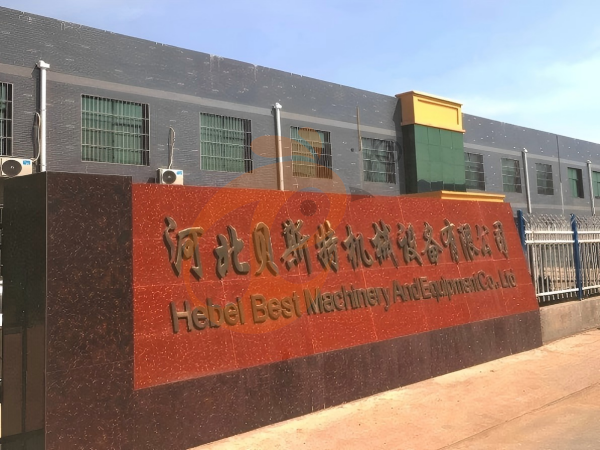
China Hebei Best Machinery And Equipment CO., LTD
Nigeria Vanke Machinery And Equipment CO., LTD
Tanzania Best Machinery And Equipment CO., LTD
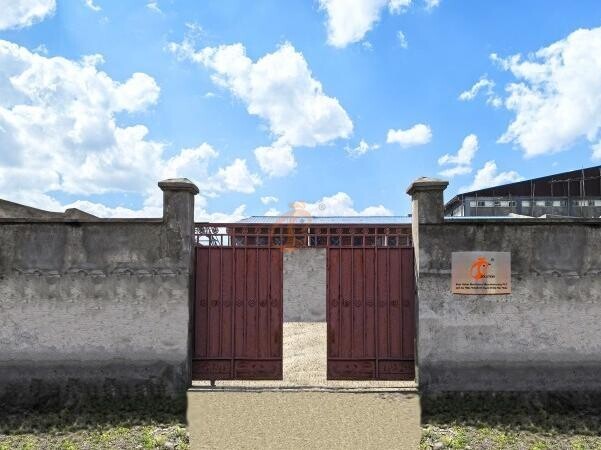
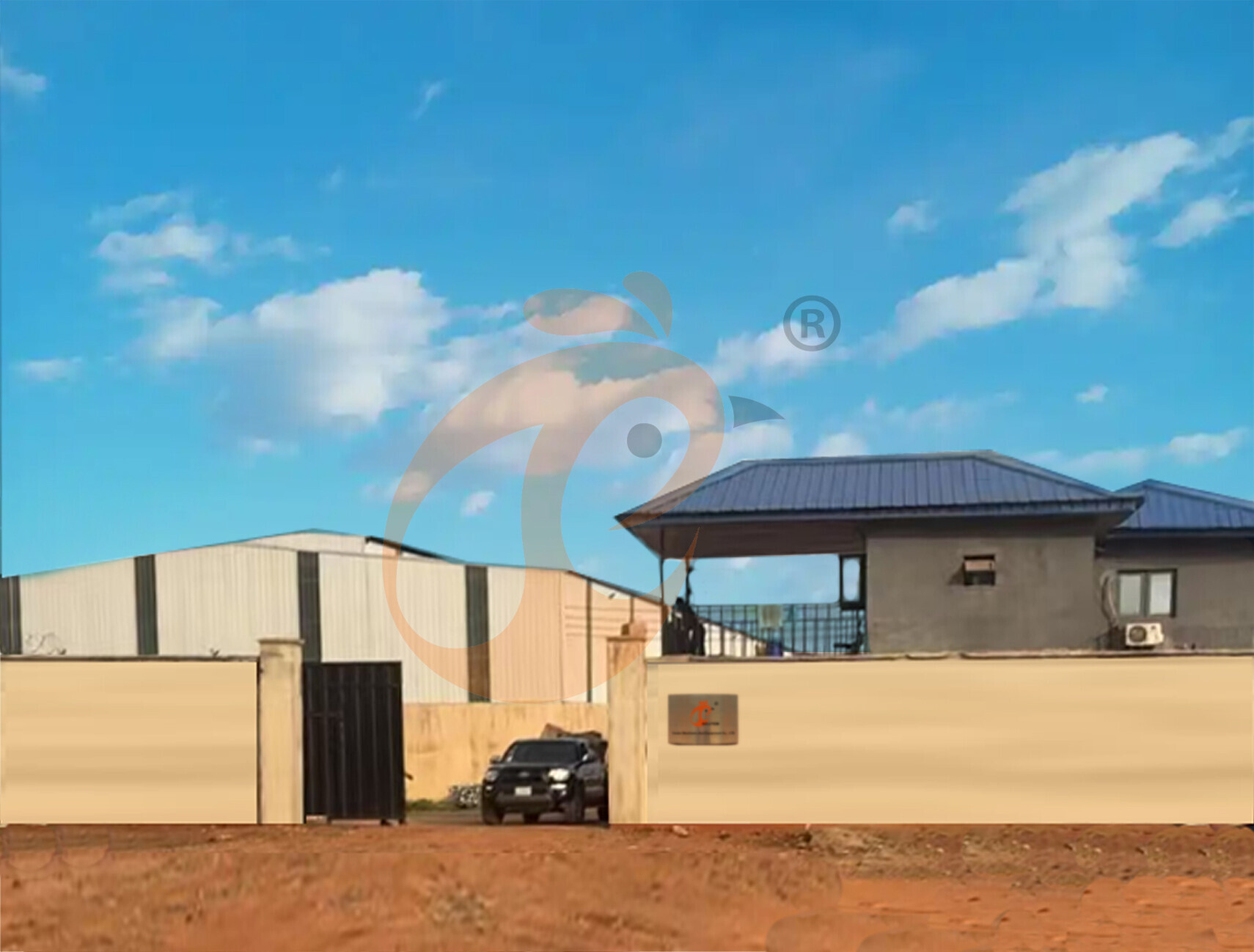
Ethiopia Best Hebei Machinery Manufacturing PLC
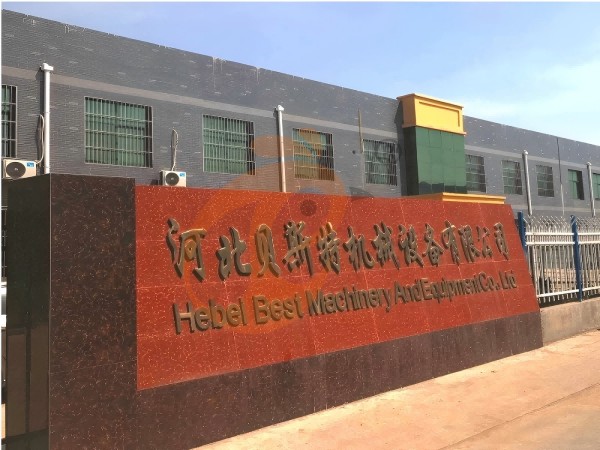
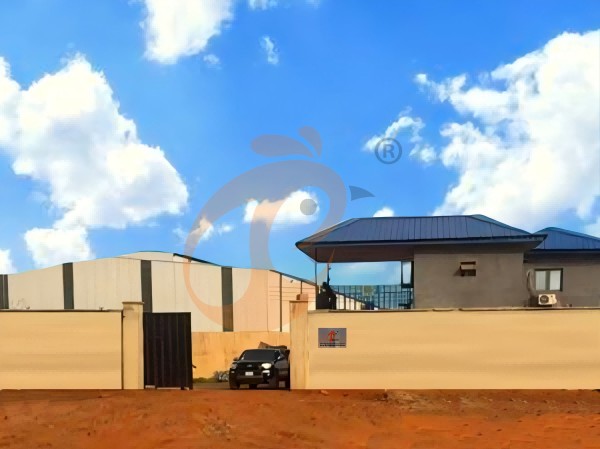
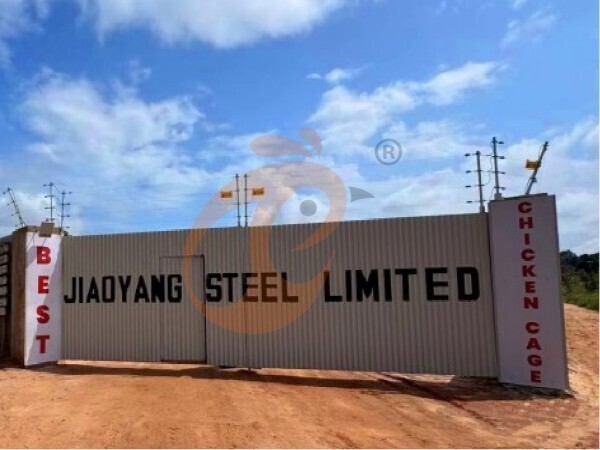
Reception /24 WhatsApp NO. : +8618830120193
FAQ
What Are The Maintenance Guidelines For H-Type Poultry Cage?
Check feeding and drinking systems
Repair anti-corrosion coating
Equipment lifespan: more than 25 years
Egg production rate: 90-98%
How To Integrate H-Type Layer Cage With Automated Egg Collection System?
Adjust conveyor speed
Egg breakage rate <1%
Daily egg yield: 950–980 eggs/1,000 hens
Labor savings: 70-90%
What Are The Advantages Of Using H-Type Poultry Cage For Large-Scale Egg Farms?
Supports 4–16 tier layout
Automatic feeding, drinking, and egg collection
Egg production rate: 90-98%
FCR: 1.9–2.1
Labor savings: 70-90%
Equipment lifespan: more than 25 years
Message
Products recommended
 HK Headquarter Offers EU-standard Poultry Farm Solutions, Manufacture Poultry Farm Equipment1. Continuous communication with the EU and the US
2. China, Nigeria, Ethiopia, Tanzania branch companies and factories
3. The products’ quality is customized for local poultry farms
4. Poultry cage and poultry farm equipment stock for sale
5. 24 online reception Whatsapp NO. : +8618830120193,contact us to get full informationRead More China Branch Offer Poultry Farm Business Plan, Manufacture Poultry Farm Equipment1. Address: Flat/RM 2416, 24/F, Runxing Building, Youyi Nan Street, Shijiazhuang City, Hebei Province, China
2. Poultry cage and poultry farm equipment factory and stock for sale
3. Customized for local poultry farms
4. Quality and design are based on Euro
5. 24 online reception Whatsapp NO. : +8618830120193Read More Nigeria Branch Offer Poultry Farm Business Plan, Manufacture Poultry Farm Equipment1. Address: After Sinoma Office, 200 Meters Near Danco Filling Station, Lagos/Ibadan Expressway, Lagos State, Nigeria
2. Poultry cage and poultry farm equipment factory and stock for sale
3. Customized for Nigerian poultry farms
4. Quality and design are based on Euro
5. 24 online reception Whatsapp NO. : +8618830120193Read More Ethiopia Branch Offer Poultry Farm Business Plan, Manufacture Poultry Farm Equipment1. Address: Gelan Gura, Akaki-kaliti Sub City, Addis Ababa, Ethiopia
2. Poultry cage and poultry farm equipment stock for sale
3. Customized for Ethiopian poultry farms
4. Quality and design are based on Euro
5. 24 online reception Whatsapp NO. : +8618830120193, contact us to get price listRead More Tanzania Branch Offer Poultry Farm Business Plan, Manufacture Poultry Farm Equipment1. Address: No.8, Sova Road, Msufini, Mlandizi, Kibaha, Pwani, Tanzania
2. Poultry cage and poultry farm equipment factory and stock for sale
3. Customized for Tanzanian poultry farms
4. Quality and design are based on Euro
5. 24 online reception Whatsapp NO. : +8618830120193Read More Fully Automatic H Type Layer Chicken Cage1. 30,000-100,000+ layers/house chooses it, Poultry farmers can achieve an egg production rate of 96-98%
2. A significant improvement over the 85-90% typically seen in manual systems
3. A typical poultry farm can expect a 30-40% reduction in labor costs due to the automation
4. Each feeding line efficiently supplies feed to around 100,000 hens per 30 mins
5. Reception /WhatsApp NO. : +8618830120193Read More Fully Automatic A Type Layer Chicken Cage1. 10,000-50,000 layers/house chooses it
2. Cleaner egg collection reduces breakage by 0.5%
3. Improved hygiene helps reduce mortality rate to <3%
4. 1–2 technicians can handle 15,000–30,000 birds
5. Reception /WhatsApp NO. : +8618830120193Read More Semi Automatic H Type Layer Chicken Cage1. 1,00-20,000 layers/house chooses it
2. Nipple drinkers flow 30–60 ML / min
3. Hot-dip galvanized (typical coating ≥ 275 g/m²)
4. Reduce ammonia by ~ 35–40%
5. Reception /WhatsApp NO. : +8618830120193Read More Semi Automatic A Type Layer Chicken Cage1. 1,00-20,000 layers/house chooses it, no rust for 10 years, no deformation for 15 years
2. Chickens live comfortably, you can raise them with peace of mind
3. Save water, save money—efficiency you can measure
4. Improve environment quality, and increase egg production rate
5. Reception /WhatsApp NO. : +8618830120193Read More
By clicking 'Allow All', you agree to the storage of cookies on your device to enhance site navigation, analyze site usage and assist with our marketing efforts.