


Blog
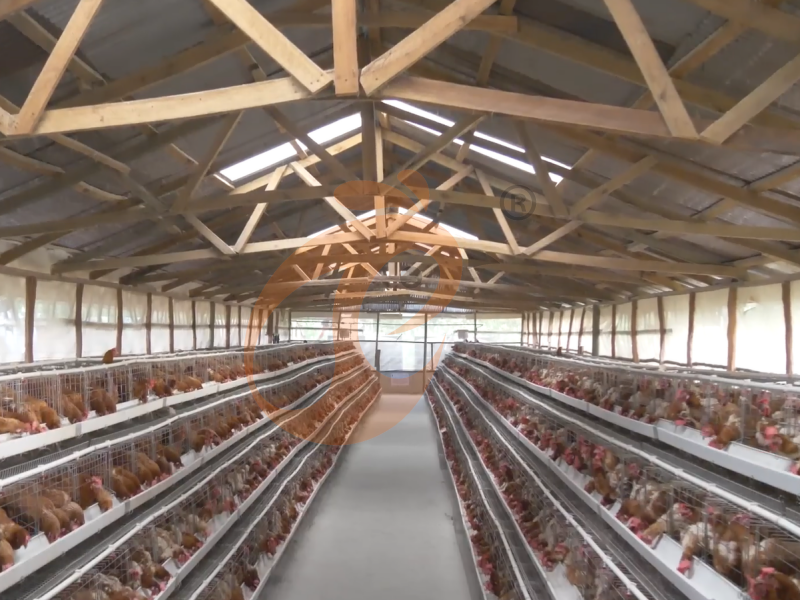
Ethiopian chicken cage systems provide structured housing and optimized space for layer hens.
Layer hen housing Ethiopia helps reduce mortality and disease spread in local farms.
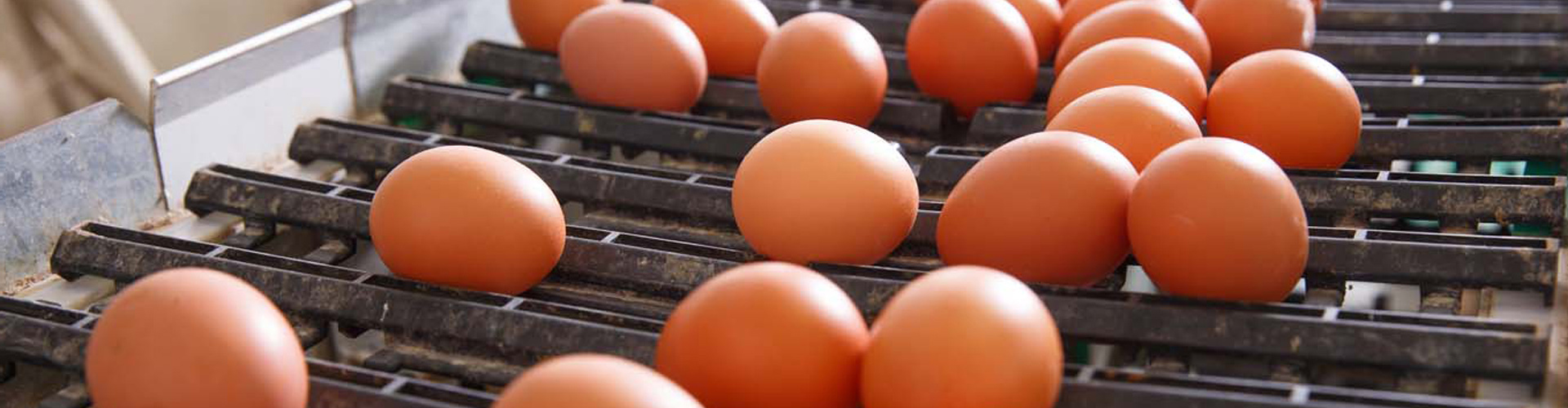
Egg production efficiency Ethiopia improves profitability and market competitiveness for farmers.
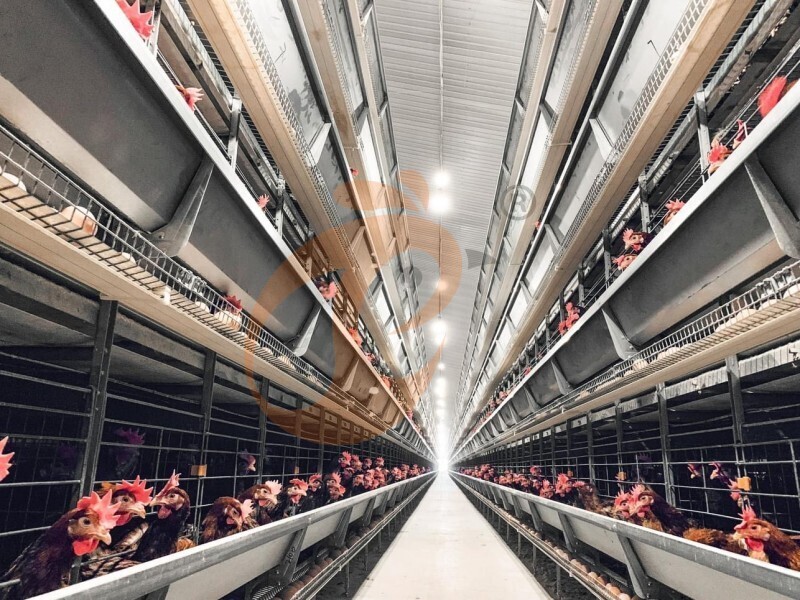
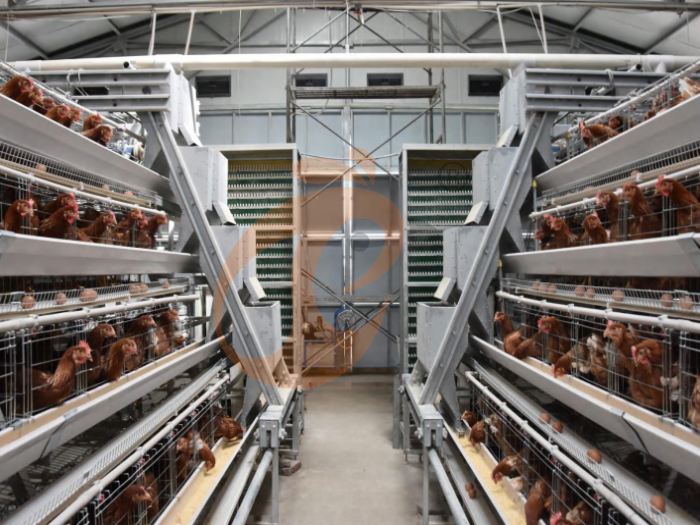
H type chicken cage systems integrate automated feeding and droppings management.
Local adaptations include solar power, locally sourced materials, and cooperative training support.
Get professional poultry farm construction guidance, equipment selection solutions, and the latest price lists, whatsApp to +8618830120193, click to learn more.

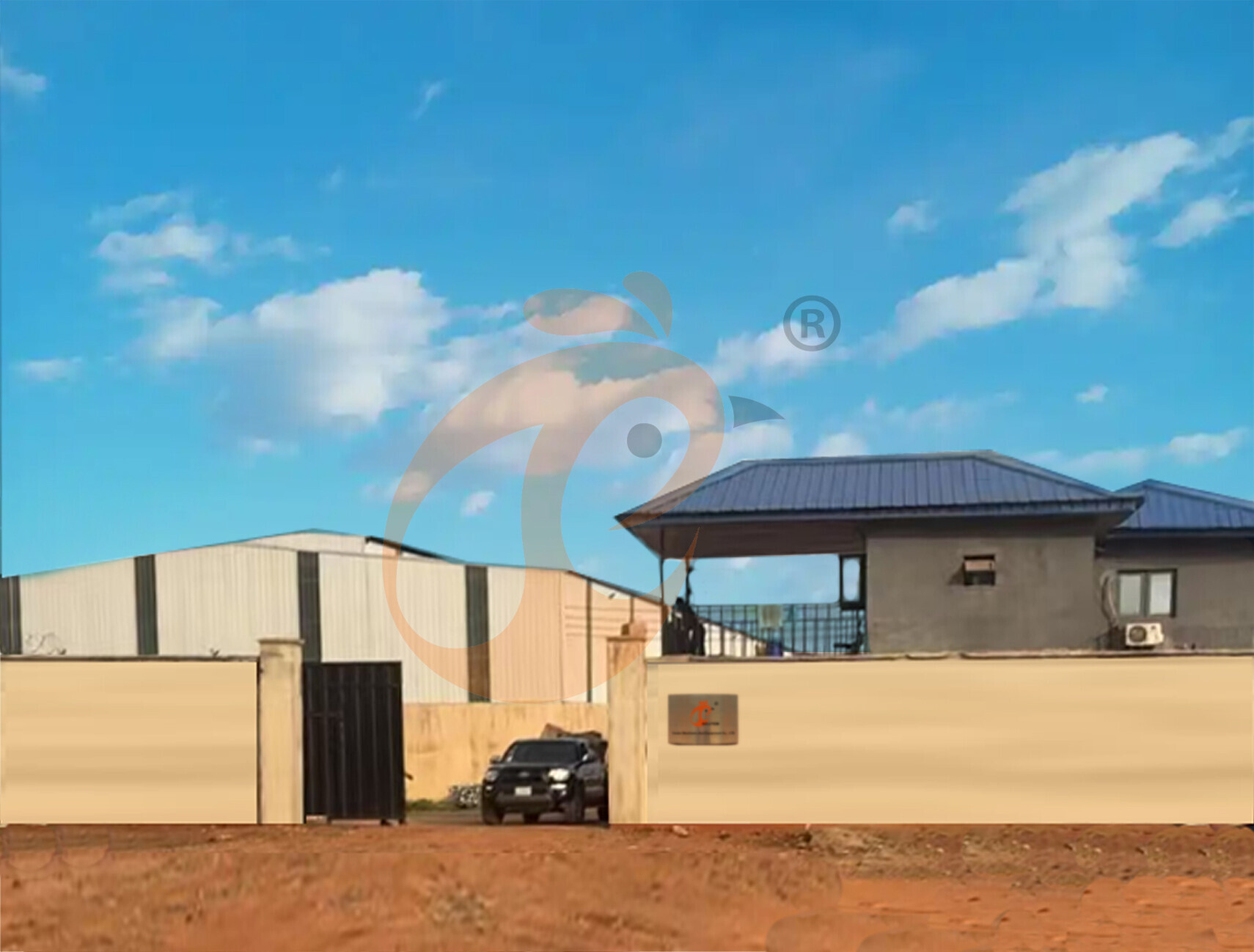
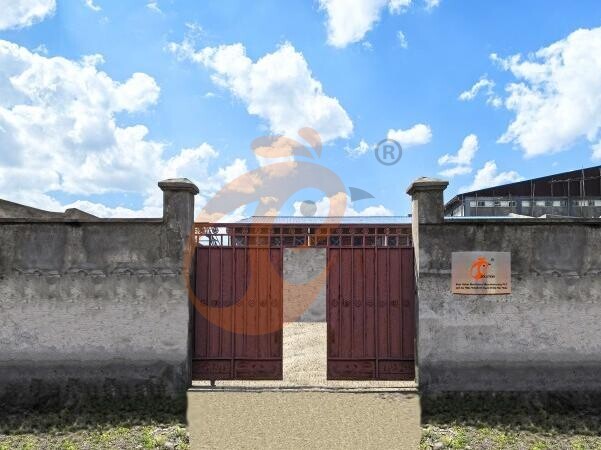
Ethiopia Branch Office And Factory Of Poultry Farm Equipment
The Ethiopian Poultry Context And Housing Needs
In Ethiopia, poultry is primarily a smallholder activity, with traditional housing often consisting of open floor spaces, thatched pens, or multi-purpose rooms shared with other livestock.
These traditional setups commonly lead to inefficient use of space and suboptimal hen welfare, affecting egg yield and quality.
Data is for reference only.Swipe horizontally to view full table.
Here we see that traditional designs lack structure and often fail to optimize usable space, leading to lower uniformity and increased mortality.
This is a major concern for Ethiopian farmers aiming for consistent egg quality and yield.
Biosecurity And Disease Control In Ethiopian Poultry Farms
Disease outbreaks such as Newcastle or coccidiosis remain persistent challenges in Ethiopia, especially when birds are kept on shared floor space.
Traditional housing increases contact with contaminated litter and predators.
In contrast, H-type chicken cage systems facilitate improved hygiene and compartmentalized flock management.
Data is for reference only.Swipe horizontally to view full table.
Biosecurity improvement in H-type systems reduces disease transmission.
This is critical in Ethiopia where veterinary services may be limited and costly.
Space Utilization And Farm Productivity
Ethiopian commercial layer farms must maximize output while minimizing land and resource constraints.
Traditional floor space designs are difficult to expand systematically.
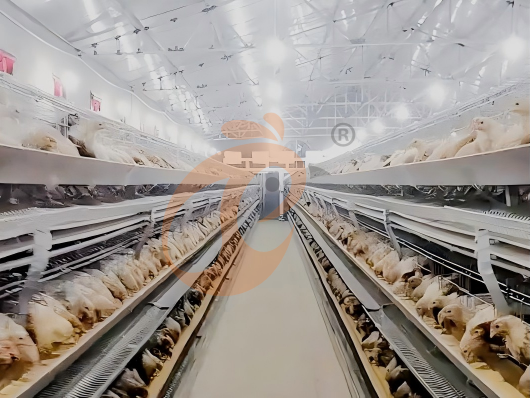
H-type cages allow vertical space use and optimized stocking.
Data is for reference only.Swipe horizontally to view full table.
In Ethiopia's peri-urban farms where land is limited, optimized space use results in more consistent egg supply.
This improves economic returns and strengthens farm resilience.
Egg Output, Consistency, And Market Competitiveness
Consumers in urban centers like Addis Ababa, Dire Dawa, and Hawassa demand uniform, clean eggs.
Traditional housing often results in dirty or broken eggs due to floor collection methods.
Data is for reference only.Swipe horizontally to view full table.
H-type cages ensure eggs are laid on sloped trays and collected without contamination.
This increases market value and customer trust.
Labor Requirements And Efficiency
Labor availability and cost are major constraints in Ethiopia's poultry sector.
Traditional systems require intense manual cleaning and egg collection, increasing workload.
Data is for reference only.Swipe horizontally to view full table.
The data show that H-type systems reduce daily labor and cost.
Farmers can focus more on health monitoring and breeding programs.
Feed Management And Waste Reduction
In traditional houses, feed scatter and waste are common due to unstructured feeding practices.
H-type cages come with designed feeders and drinker lines that reduce wastage.
Data is for reference only.Swipe horizontally to view full table.
Feed accounts for the majority of production cost in Ethiopia.
Reducing waste improves profitability and economic sustainability.
Environmental Conditions And Hen Welfare
Ethiopia's climate varies from humid highlands to arid lowlands.
Traditional housing often lacks controlled ventilation or shade, which can stress hens.
H-type systems support adjustable ventilation and integrate shading systems to regulate temperature.
Data is for reference only.Swipe horizontally to view full table.
Hen welfare directly influences egg production cycles.
Better environmental management supports steadier output throughout the year.
Capital Investment And Long Term Returns
Initial costs in adopting H-type systems are higher than traditional housing.
However, Ethiopian data shows long term returns offset initial expenditures through increased productivity and reduced losses.
Data is for reference only.Swipe horizontally to view full table.
Ethiopian lenders and cooperatives support farmers transitioning to structured systems.
H-type cages provide quicker payback and stronger profit margins.
Local Pain Points And Practical Solutions
Ethiopian poultry farmers cite limited access to quality materials, insufficient technical support, and inconsistent power.
H-type systems must be adapted locally to maximize benefits.
Data is for reference only.Swipe horizontally to view full table.
Local adaptations reduce dependence on imports.
They build local capacity and integrate poultry production into broader agriculture.
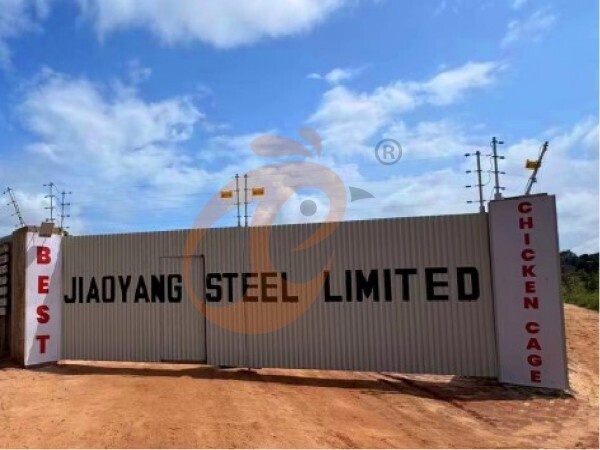
Ethiopia Best Hebei Machinery Manufacturing Plc - One Of Ethiopia Biggest Chicken Cage Systems Manufacturer
HB best provides global factory direct sales for poultry farm equipment and chicken cage systems.
They specialize in turnkey projects, integrating layer hen housing Ethiopia into efficient farms.
Their poultry cages are designed for optimized egg production efficiency Ethiopia and local adaptation.
HB best offers technical support, training, and local material sourcing for all installations.
Customers benefit from long term reliability, cost effective solutions, and global experience.
Contact Us To Received Your Customized Poultry Farm Plan
Headquarters And Branchs

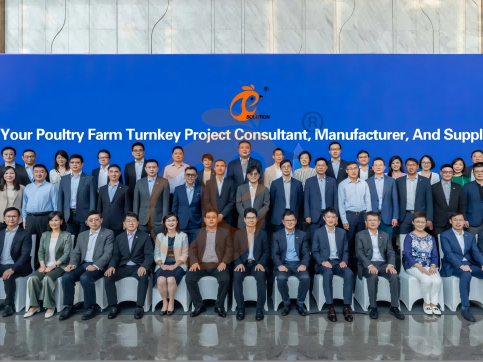
Hong Kong Headquarter Management Team
Hong Kong Headquarter Taiyu Industrial Group CO., LTD
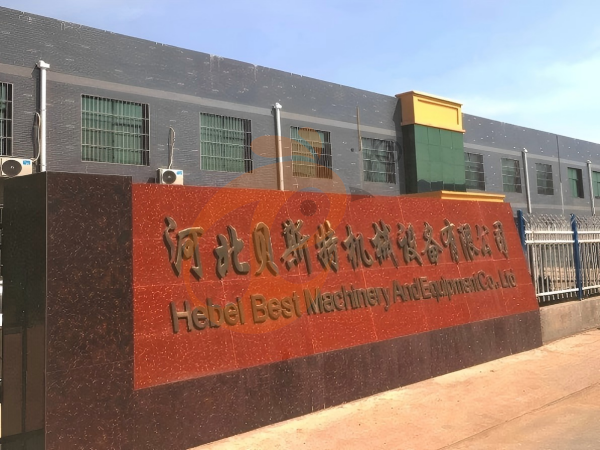
China Hebei Best Machinery And Equipment CO., LTD
Nigeria Vanke Machinery And Equipment CO., LTD
Tanzania Best Machinery And Equipment CO., LTD
Ethiopia Best Hebei Machinery Manufacturing PLC
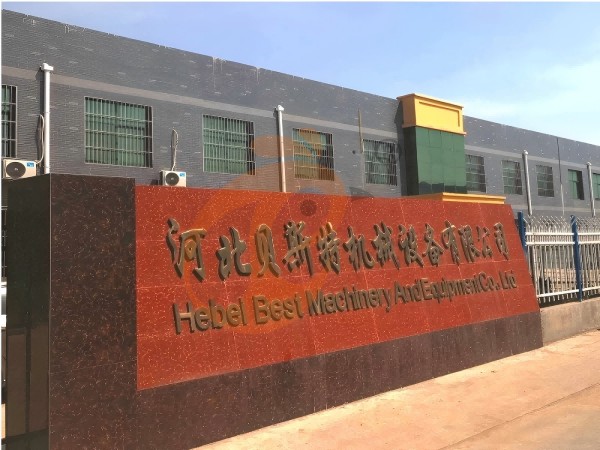
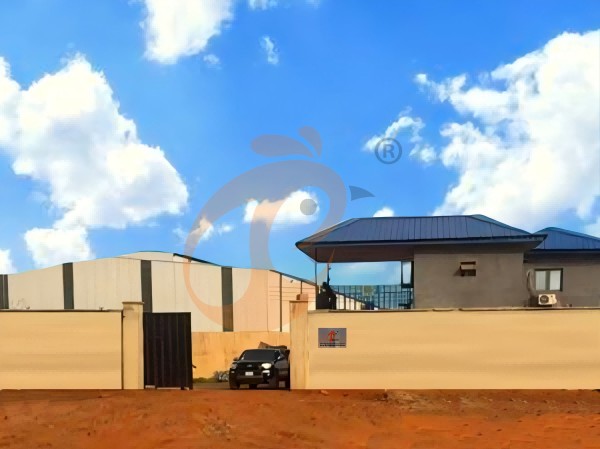
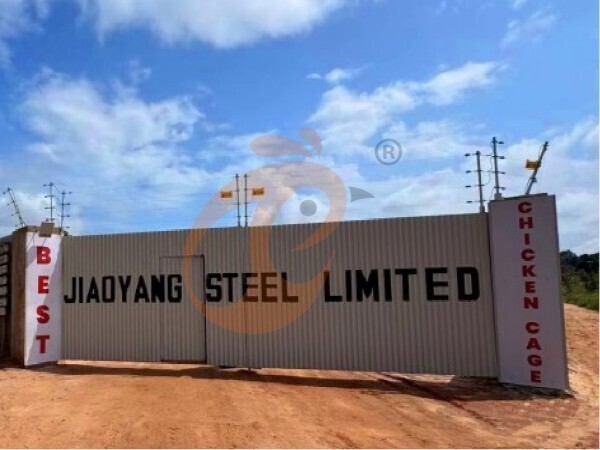

Reception /24 WhatsApp NO. : +8618830120193
FAQ
How To Buy The Most Efficient H-Type Layer Cage System For Commercial Farms?
Egg production rate: 90-98%
Daily egg yield: 900–980 eggs/1,000 birds
FCR: 1.9–2.1
Price: $10–$18 per bird
Lifespan: 25+ years
Labor savings: 70-90%
What Are The Optimal Dimensions Of H-Type Chicken Cage For Maximum Egg Production?
Cage depth: 625 mm
Cage height: 450 mm
Birds per cage: 100–120 birds
Farm capacity per house: 30,000 - 100,000+ layers
Multi-tier layout saves floor space and increases space utilization
How To Reduce Feed Conversion Ratio In H-Type Poultry Cage System?
Drinking system optimizes water consumption
FCR reduced to 1.9–2.1
Feed waste reduced by 10–15%
Labor savings: 70-90%
Message
Products recommended
 HK Headquarter Offers EU-standard Poultry Farm Solutions, Manufacture Poultry Farm Equipment1. Continuous communication with the EU and the US
2. China, Nigeria, Ethiopia, Tanzania branch companies and factories
3. The products’ quality is customized for local poultry farms
4. Poultry cage and poultry farm equipment stock for sale
5. 24 online reception Whatsapp NO. : +8618830120193,contact us to get full informationRead More China Branch Offer Poultry Farm Business Plan, Manufacture Poultry Farm Equipment1. Address: Flat/RM 2416, 24/F, Runxing Building, Youyi Nan Street, Shijiazhuang City, Hebei Province, China
2. Poultry cage and poultry farm equipment factory and stock for sale
3. Customized for local poultry farms
4. Quality and design are based on Euro
5. 24 online reception Whatsapp NO. : +8618830120193Read More Nigeria Branch Offer Poultry Farm Business Plan, Manufacture Poultry Farm Equipment1. Address: After Sinoma Office, 200 Meters Near Danco Filling Station, Lagos/Ibadan Expressway, Lagos State, Nigeria
2. Poultry cage and poultry farm equipment factory and stock for sale
3. Customized for Nigerian poultry farms
4. Quality and design are based on Euro
5. 24 online reception Whatsapp NO. : +8618830120193Read More Ethiopia Branch Offer Poultry Farm Business Plan, Manufacture Poultry Farm Equipment1. Address: Gelan Gura, Akaki-kaliti Sub City, Addis Ababa, Ethiopia
2. Poultry cage and poultry farm equipment stock for sale
3. Customized for Ethiopian poultry farms
4. Quality and design are based on Euro
5. 24 online reception Whatsapp NO. : +8618830120193, contact us to get price listRead More Tanzania Branch Offer Poultry Farm Business Plan, Manufacture Poultry Farm Equipment1. Address: No.8, Sova Road, Msufini, Mlandizi, Kibaha, Pwani, Tanzania
2. Poultry cage and poultry farm equipment factory and stock for sale
3. Customized for Tanzanian poultry farms
4. Quality and design are based on Euro
5. 24 online reception Whatsapp NO. : +8618830120193Read More Fully Automatic H Type Layer Chicken Cage1. 30,000-100,000+ layers/house chooses it, Poultry farmers can achieve an egg production rate of 96-98%
2. A significant improvement over the 85-90% typically seen in manual systems
3. A typical poultry farm can expect a 30-40% reduction in labor costs due to the automation
4. Each feeding line efficiently supplies feed to around 100,000 hens per 30 mins
5. Reception /WhatsApp NO. : +8618830120193Read More Fully Automatic A Type Layer Chicken Cage1. 10,000-50,000 layers/house chooses it
2. Cleaner egg collection reduces breakage by 0.5%
3. Improved hygiene helps reduce mortality rate to <3%
4. 1–2 technicians can handle 15,000–30,000 birds
5. Reception /WhatsApp NO. : +8618830120193Read More Semi Automatic H Type Layer Chicken Cage1. 1,00-20,000 layers/house chooses it
2. Nipple drinkers flow 30–60 ML / min
3. Hot-dip galvanized (typical coating ≥ 275 g/m²)
4. Reduce ammonia by ~ 35–40%
5. Reception /WhatsApp NO. : +8618830120193Read More Semi Automatic A Type Layer Chicken Cage1. 1,00-20,000 layers/house chooses it, no rust for 10 years, no deformation for 15 years
2. Chickens live comfortably, you can raise them with peace of mind
3. Save water, save money—efficiency you can measure
4. Improve environment quality, and increase egg production rate
5. Reception /WhatsApp NO. : +8618830120193Read More
By clicking 'Allow All', you agree to the storage of cookies on your device to enhance site navigation, analyze site usage and assist with our marketing efforts.